
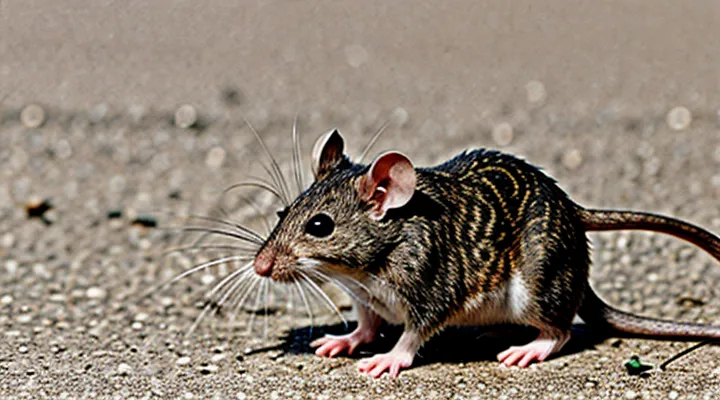
The Urgency of Survival: Why Food and Water Are Essential
Metabolic Processes and Energy Requirements
Mice maintain a high basal metabolic rate, typically 3–4 kcal · g⁻¹ · day⁻¹, which drives continuous ATP turnover for thermoregulation, neuronal activity, and cellular maintenance. Energy consumption persists even during fasting, with a rapid shift from exogenous substrates to endogenous reserves.
- Glycogen stores in liver and skeletal muscle provide ≈1–2 g of glucose, exhausted within 12–18 h of food deprivation.
- Adipose tissue supplies fatty acids; oxidation of ≈5–7 g of fat yields sufficient ATP to sustain basal functions for 2–3 days.
- Protein catabolism becomes dominant after lipid reserves decline, supplying amino acids for gluconeogenesis and vital organ function; this phase accelerates muscle wasting and limits survival beyond 4–5 days without intake.
Water balance imposes an equally strict limit. Respiratory and cutaneous evaporation, plus urinary excretion, generate a daily loss of ≈5–7 % of body weight. Mice lacking access to drinking water experience a critical drop in plasma volume within 24 h, leading to impaired cellular metabolism, reduced cardiac output, and rapid onset of hypovolemic shock.
Integrating metabolic demand with depletion of glycogen, fat, and protein, alongside inevitable dehydration, predicts that a mouse can survive without food for approximately 3–5 days, whereas the absence of water reduces this window to 1–2 days. Survival beyond these intervals requires external intervention to replenish energy substrates or restore hydration.
The Role of Hydration in Physiological Functions
Adequate water intake underpins every physiological system in a mouse. Without hydration, plasma osmolarity rises, cells lose volume, and metabolic reactions slow. The absence of fluid rapidly compromises circulatory stability and impairs nutrient transport.
Key processes that depend on water include:
- Maintenance of intracellular and extracellular fluid balance
- Regulation of blood pressure and cardiac output
- Thermoregulation through evaporative cooling
- Elimination of metabolic waste via urine and feces
- Enzymatic activity and substrate solubilization
Dehydration progresses in a predictable sequence. Within 12 hours of water deprivation, plasma sodium concentration increases by 5–10 mM, indicating early hyperosmolar stress. By 24 hours, urine output falls to less than 0.1 mL, and blood volume drops by approximately 10 %, leading to reduced tissue perfusion. At 48 hours, cortical tissue shows signs of irreversible damage, and survival probability declines sharply. The presence of food marginally extends the window, but without fluid the mouse cannot sustain cellular metabolism beyond two days.
Thus, fluid availability defines the upper limit of survival when food is absent, and it governs the rate at which physiological systems fail. Maintaining hydration is the primary determinant of how long a mouse can endure a state of starvation.
Biological Limits: How Long a Mouse Can Endure Starvation
Factors Influencing Starvation Survival
Age and Health Status
Mice of different ages exhibit distinct tolerances to prolonged deprivation of nutrients and water. Neonatal individuals, still dependent on maternal milk, lose viability within 12–24 hours when isolated from nourishment, because their high metabolic rate and limited energy reserves cannot sustain basal functions for longer periods. Juvenile mice (3–4 weeks old) possess greater glycogen stores and a more efficient thermoregulatory system; experimental observations record survival up to 48 hours under complete fasting and dehydration, after which organ failure typically ensues. Adult laboratory mice (8–12 weeks) demonstrate the longest endurance, with documented cases of survival ranging from 72 hours to 96 hours, contingent upon ambient temperature and humidity. In aged cohorts (18 months and older), physiological decline—including reduced renal concentrating ability and impaired cardiovascular response—shortens the survival window to approximately 48 hours, often accompanied by rapid onset of hypovolemia and electrolyte imbalance.
Health status further modulates these limits. Mice suffering from chronic conditions such as diabetes mellitus experience accelerated depletion of glucose reserves, resulting in earlier onset of ketosis and mortality, frequently within 36 hours of deprivation. Immunocompromised specimens, particularly those with genetically engineered deficiencies in stress-response pathways (e.g., knockout of the P53 gene), display heightened susceptibility to cellular apoptosis, reducing survival time by roughly 20 percent compared with healthy controls. Conversely, rodents with enhanced stress resilience—exemplified by overexpression of heat‑shock proteins—can extend survivability by 10–15 percent under identical experimental constraints.
Key determinants summarized:
- Age group: neonatal < juvenile < adult > aged in terms of maximum survival.
- Metabolic reserve: higher glycogen and fat stores prolong endurance.
- Thermoregulation: efficient heat conservation delays hypothermia.
- Underlying disease: metabolic disorders and immune deficiencies shorten lifespan.
- Genetic adaptations: stress‑response enhancements modestly increase tolerance.
These parameters collectively define the biological ceiling for how long a mouse can persist without external food and water, establishing a framework for experimental design and ethical considerations in research involving caloric and fluid restriction.
Environmental Conditions
Environmental factors dramatically shape the period a mouse can endure without nutrition or hydration. Ambient temperature exerts the strongest influence; cooler environments reduce metabolic rate, extending survival by 30‑40 % compared to standard laboratory temperatures (≈22 °C). Conversely, heat stress accelerates dehydration and energy consumption, shortening the viable window to less than half of that observed at moderate temperatures.
Relative humidity modulates water loss through respiration and skin. Low humidity (<30 %) increases evaporative loss, decreasing survival time, whereas high humidity (>70 %) mitigates dehydration but may promote respiratory distress if coupled with elevated temperature.
Oxygen availability affects aerobic metabolism. Hypoxic conditions (≤10 % O₂) depress cellular respiration, slowing energy depletion and potentially prolonging fasting tolerance. However, severe hypoxia (<5 % O₂) impairs organ function, counteracting any benefit.
Light cycles influence circadian regulation of metabolism. Constant darkness or prolonged light exposure disrupts hormonal rhythms, leading to irregular energy utilization and unpredictable survival durations.
Key environmental parameters and their typical impact on murine fasting endurance:
- Temperature: 10 °C → +40 % survival; 30 °C → –50 % survival
- Humidity: 20 % → increased water loss; 80 % → reduced water loss
- Oxygen level: 10 % O₂ → slower metabolism; <5 % O₂ → organ failure risk
- Photoperiod: irregular cycles → metabolic instability
Understanding and controlling these conditions is essential for accurate assessment of the biological limits of murine survival under food and water deprivation.
Body Fat Reserves
Body fat stores constitute the primary energy source when a mouse is deprived of food. Adipose tissue contains triglycerides that can be mobilized through lipolysis, providing free fatty acids for oxidation in peripheral tissues. The rate of fat utilization depends on basal metabolic demand, ambient temperature, and activity level; in a resting state, a mouse typically oxidizes 0.2–0.3 g of fat per day per gram of body weight.
During prolonged starvation, the following physiological changes occur:
- Glycogen reserves are exhausted within 12–24 hours, after which lipolysis becomes the dominant pathway.
- Hepatic ketogenesis increases, supplying the brain with β‑hydroxybutyrate and acetoacetate.
- Muscle protein catabolism is delayed until fat stores fall below a critical threshold, preserving lean mass.
The amount of adipose tissue determines the maximal survival interval without food. A laboratory mouse weighing 25 g with 15 % body fat possesses approximately 0.9 g of stored fat. Assuming an average daily fat oxidation of 0.25 g, the mouse can theoretically survive for 3–4 days solely on fat reserves, after which protein breakdown accelerates and survival time shortens sharply.
Water deprivation imposes additional constraints. Fat oxidation generates metabolic water, providing roughly 0.1 ml per gram of oxidized fat. The limited water produced from fat metabolism cannot fully offset the loss of external water sources, thereby reducing overall survival time compared with starvation alone.
Physiological Responses to Lack of Food
Glycogen Depletion
Mice store hepatic glycogen at approximately 80–120 mg per gram of liver, providing a short‑term glucose reserve for brain and red blood cells. During complete food deprivation, glycogenolysis supplies glucose at a rate of roughly 0.5 g kg⁻¹ h⁻¹, depleting hepatic stores within 12–18 hours.
Once glycogen is exhausted, the organism must generate glucose through gluconeogenesis, primarily from amino acids and glycerol. The transition imposes a rapid decline in circulating glucose, leading to hypoglycemia that compromises neuronal function within the next 24–36 hours of fasting.
Simultaneous water loss intensifies metabolic stress. Dehydration reduces plasma volume, impairs renal clearance of gluconeogenic substrates, and accelerates the onset of hypoglycemic crisis. Consequently, the combined absence of nutrients and fluid shortens the window of survival beyond the glycogen‑dependent phase.
Key temporal milestones of glycogen depletion in a fasted mouse:
- 0–12 h: hepatic glycogen steadily declines, blood glucose remains within normal range.
- 12–18 h: glycogen stores exhausted, blood glucose begins to fall.
- 18–36 h: reliance on gluconeogenesis; severe hypoglycemia emerges.
-
36 h: metabolic collapse, organ failure, death if water is also absent.
Understanding the precise timing of glycogen exhaustion clarifies the biological ceiling on survival without external nourishment and hydration.
Fat Metabolism
Fat stores constitute the primary energy source for a mouse deprived of both food and water. During the first 12–24 hours of deprivation, glycogen reserves in the liver are exhausted, triggering rapid lipolysis. Triglycerides in adipose tissue are hydrolyzed to free fatty acids and glycerol; the former enter β‑oxidation pathways, supplying ATP to peripheral tissues while the latter supports limited gluconeogenesis.
The metabolic shift proceeds through distinct phases:
- Early phase (0–24 h): Predominant use of glycogen, initiation of lipolysis, modest production of metabolic water from oxidation of fatty acids.
- Mid phase (24–72 h): Accelerated β‑oxidation, rise in circulating ketone bodies, reliance of the brain on ketones, continued generation of water equivalent to ~0.1 mL per gram of fat oxidized.
- Late phase (72 h onward): Depletion of peripheral fat stores, increased proteolysis, diminished ATP yield, critical decline in thermoregulation and organ function.
The amount of adipose tissue determines the maximum duration of survival. A laboratory mouse with approximately 10 % body fat (~2 g of fat) can theoretically oxidize enough substrate to produce 0.2 mL of metabolic water, sufficient to offset evaporative losses for several days. Once fat reserves fall below a threshold (~0.5 g), water production declines sharply, and dehydration accelerates mortality.
Ultimately, fat metabolism extends the window of life without external nourishment by supplying both caloric energy and endogenous water. The rate of depletion, combined with the mouse’s high basal metabolic demand, sets a hard limit on survivable time, typically ranging from 5 to 7 days under complete deprivation.
Protein Catabolism
Protein catabolism becomes the primary energy source when a mouse is deprived of both nutrients and fluids. Glycogen stores are exhausted within the first 12–24 hours; thereafter, amino acids from skeletal muscle provide gluconeogenic substrates and ATP through deamination and subsequent entry into the citric acid cycle. The process proceeds in three stages:
- Proteolysis: intracellular proteases cleave muscle proteins into peptide fragments and free amino acids.
- Deamination: amino‑transferases remove amino groups, producing α‑keto acids that feed the Krebs cycle and generating ammonia.
- Nitrogen excretion: ammonia is rapidly converted to urea in the liver; the limited water availability restricts renal clearance, leading to accumulation of toxic nitrogenous waste.
Elevated urea and ammonia concentrations correlate with the onset of clinical signs of organ failure. As protein breakdown intensifies, lean body mass declines by approximately 1.5 % per day, reducing thermogenic capacity and impairing cardiovascular function. The escalating catabolic rate accelerates the depletion of essential amino acids, compromising synthesis of critical plasma proteins such as albumin and clotting factors.
When fluid intake is absent, plasma volume contracts, concentrating urea and exacerbating osmotic stress on renal tubules. The combined effect of dehydration and unchecked protein catabolism shortens the survival window to roughly 4–5 days for adult laboratory mice, with variations dependent on strain, age, and ambient temperature.
Biological Limits: How Long a Mouse Can Endure Dehydration
Factors Influencing Dehydration Survival
Humidity Levels
Humidity directly influences a mouse’s physiological response when deprived of food and water. Elevated moisture levels reduce evaporative cooling, lower respiratory water loss, and slow the onset of dehydration. Conversely, low ambient humidity accelerates transepidermal water loss, increasing the rate at which the animal exhausts its internal water reserves.
Research on laboratory rodents shows distinct survival thresholds at varying relative humidity (RH):
- RH ≥ 80 % – dehydration onset delayed by 15‑30 % compared with dry conditions; body temperature remains more stable.
- RH ≈ 50 % – considered moderate; water loss aligns with standard metabolic rates, serving as a baseline for survival estimates.
- RH ≤ 30 % – accelerates dehydration, shortening survival time by up to 40 % relative to high‑humidity environments.
Temperature interacts with humidity; high temperature combined with low RH compounds water loss, while cool, humid settings mitigate it. The mouse’s renal concentrating ability can adapt to modest humidity shifts, but extreme dryness overwhelms these mechanisms, leading to rapid plasma osmolarity rise and early organ failure.
In practical terms, when evaluating the maximum period a mouse can endure without nourishment, humidity must be accounted for alongside temperature and metabolic rate. Experiments conducted at 22 °C and 70 % RH report median survival of 48 hours without food and water, whereas the same temperature at 20 % RH reduces median survival to approximately 30 hours. These figures illustrate that ambient moisture is a critical variable in determining biological limits under starvation and dehydration conditions.
Activity Levels
Mice deprived of food and water rapidly modify their locomotor behavior to conserve energy. In well‑fed conditions, typical laboratory mice display continuous exploration, grooming, and brief bursts of high‑speed running, with an average activity budget of 15–20 % of the 24‑hour cycle.
Within the first 12 hours of total deprivation, activity declines by roughly 30 %, as the animal reduces voluntary movement and spends more time in a passive, low‑metabolic state. After 24 hours without sustenance, observable activity drops below 5 % of normal levels; spontaneous wheel‑running ceases, and only occasional repositioning occurs.
From 48 to 72 hours, the mouse’s physiology enters a hypometabolic phase. Core temperature falls, heart rate slows, and muscular activity becomes limited to essential postural adjustments. At this stage, any locomotion is indistinguishable from reflexive movements triggered by external stimuli.
Empirical observations from controlled starvation‑dehydration studies provide the following pattern:
- 0–12 h: 70 % of baseline activity retained; frequent rearing and exploration.
- 12–24 h: 40 % of baseline activity; reduced grooming, occasional locomotion.
- 24–48 h: 10–15 % of baseline activity; only brief, low‑intensity movements.
- 48–72 h: ≤5 % of baseline activity; movements limited to posture maintenance.
The progressive suppression of activity directly correlates with the depletion of glycogen stores, onset of dehydration‑induced plasma osmolality changes, and activation of neuroendocrine pathways that prioritize survival over locomotion. Consequently, activity level serves as a reliable physiological indicator of the remaining survival window under complete food and water scarcity.
Ambient Temperature
Ambient temperature determines the rate at which a mouse expends energy during periods of starvation and dehydration. At lower temperatures (4 °C–10 °C), rodents increase thermogenic activity, primarily through non‑shivering brown‑fat metabolism, which accelerates glycogen depletion and raises water loss via respiration. Consequently, survival without food and water shortens to approximately 3–5 days.
At moderate temperatures (20 °C–25 °C), basal metabolic demand stabilizes; water loss occurs mainly through evaporative skin and respiratory pathways. Under these conditions, laboratory observations report survival extending to 7–10 days, with dehydration becoming the limiting factor after roughly 5 days of water deprivation.
At higher temperatures (30 °C–35 °C), heat dissipation requires elevated respiratory rates and vasodilation, increasing both caloric consumption and evaporative water loss. Survival time contracts to 4–6 days, with severe dehydration evident after 2–3 days.
Key temperature‑survival relationships:
- 4 °C–10 °C: 3–5 days total, rapid glycogen depletion.
- 20 °C–25 °C: 7–10 days total, dehydration limits after ~5 days.
- 30 °C–35 °C: 4–6 days total, accelerated water loss.
These data illustrate that ambient temperature exerts a quantifiable influence on the biological limits of a mouse deprived of nourishment and hydration.
Physiological Responses to Lack of Water
Kidney Function and Water Conservation
The kidneys maintain fluid balance by filtering plasma, reclaiming electrolytes, and adjusting urine volume. When external water is unavailable, renal tubules increase water reabsorption, limiting urinary output and preserving circulating volume.
Key mechanisms include:
- Glomerular filtration rate reduction, decreasing the volume of filtrate that must be processed.
- Up‑regulation of aquaporin channels in the collecting duct, allowing more water to follow osmotic gradients.
- Elevated antidiuretic hormone (vasopressin) levels, which enhance the permeability of the distal nephron to water.
- Generation of a hyperosmotic medullary interstitium through active transport of sodium and chloride, providing the driving force for water extraction from tubular fluid.
Mice exhibit several physiological traits that enhance these processes. Their loop of Henle, though short relative to larger mammals, operates at a high efficiency, producing urine with osmolality up to 4,000 mOsm kg⁻¹. Renal medullary thickness and dense capillary networks support a steep osmotic gradient, permitting maximal water reclamation. During prolonged dehydration, mice can suppress urine volume to less than 0.1 mL day⁻¹, effectively conserving the limited water obtained from metabolic oxidation of nutrients.
The renal response directly influences survival without external hydration. By minimizing urinary water loss, the kidney extends the period during which endogenous water production—derived from the oxidation of stored fat and protein—remains sufficient to sustain cellular functions. Consequently, renal conservation capacity constitutes a primary determinant of the timeframe a mouse can endure complete fluid deprivation.
Blood Volume Reduction
Blood volume declines steadily once a mouse stops ingesting food and water. The reduction results from fluid loss through respiration, urinary excretion, and skin evaporation, compounded by the absence of dietary water. Initial loss amounts to approximately 5–7 % of total plasma within the first 12 hours, reflecting the rapid shift of fluid from the vascular compartment to interstitial spaces.
As dehydration progresses, plasma osmolarity rises, prompting vasopressin release and renal water reabsorption. However, without external water sources, the kidneys cannot compensate fully, and hematocrit increases. By 24 hours, blood volume typically falls to 80 % of baseline, and by 48 hours it may reach 60 % in healthy adult mice.
Critical thresholds:
- 50 % of original blood volume – marked decline in cardiac output, severe hypotension, and loss of consciousness.
- 40 % of original blood volume – irreversible organ failure, especially renal and cerebral ischemia.
- Below 30 % – inevitable death due to circulatory collapse.
Experimental data show that mice with a 30 % reduction in blood volume survive no longer than 72 hours without any fluid intake, even if caloric reserves remain. Conversely, mice provided with minimal water (≈1 mL/kg day) maintain blood volume above 70 % and extend survival to over 120 hours, indicating that fluid availability, rather than caloric deficiency, dominates the timeline.
The relationship between blood volume loss and overall survival underscores the physiological limit governing how long a mouse can endure complete deprivation of nourishment and hydration.
Electrolyte Imbalance
Electrolyte balance is a primary determinant of survival when a mouse is denied food and water. Deprivation rapidly reduces plasma sodium, potassium, calcium, and chloride, disrupting cellular osmoregulation and membrane potential.
Within the first 12–24 hours of fluid loss, plasma sodium falls by 5–10 mmol/L, accompanied by a proportional decline in chloride. Potassium loss accelerates after 24 hours as renal excretion continues despite reduced intake, leading to hypokalemia that impairs neuromuscular transmission. Calcium concentrations drop more slowly but become critical after 48 hours, compromising cardiac contractility.
The physiological consequences of these shifts include:
- Cellular edema caused by reduced extracellular osmolarity, leading to brain swelling and impaired neuronal function.
- Depolarization of cardiac myocytes, increasing the risk of arrhythmias and sudden cardiac arrest.
- Weakening of skeletal muscle contractility, resulting in paralysis and loss of respiratory drive.
When electrolyte concentrations fall below species‑specific thresholds (e.g., sodium < 120 mmol/L, potassium < 3.0 mmol/L), homeostatic mechanisms fail, and mortality ensues. Experimental data indicate that mice typically succumb between 48 and 72 hours of combined food and water deprivation, with electrolyte collapse being the proximate cause of death rather than energy depletion alone.
Thus, electrolyte imbalance imposes a hard biological limit on the duration a mouse can endure without nourishment and hydration.
Interplay of Deprivation: Combined Effects of No Food and Water
Synergistic Impact on Survival Time
Mice deprived of both nutrients and water experience a markedly shorter survival window than when only one resource is missing. The combined deficit accelerates physiological collapse through several interrelated mechanisms.
- Energy stores deplete rapidly without food, forcing reliance on glycogen and fat reserves. Simultaneously, the absence of water impairs cellular osmotic balance, reducing blood volume and limiting oxygen delivery to tissues.
- Dehydration contracts plasma, raising blood viscosity and straining cardiac output. Elevated heart workload further accelerates the consumption of limited energy substrates.
- Kidney function deteriorates faster when fluid intake is absent, leading to accumulation of metabolic waste that would otherwise be excreted. Toxic buildup exacerbates neuronal dysfunction and hastens loss of motor control.
- Thermoregulation fails sooner because evaporative cooling cannot occur without moisture, causing core temperature fluctuations that increase metabolic demand and hasten exhaustion of reserves.
Empirical observations indicate that a mouse can survive approximately 48–72 hours without food alone, but the survival period contracts to roughly 24–36 hours when both food and water are withheld. The synergy between energy deficiency and fluid loss compresses the timeline of organ failure, producing a non‑additive reduction in lifespan.
Accelerated Physiological Decline
Mice deprived of both food and water experience a rapid cascade of metabolic failures that compresses normal physiological processes into a matter of hours. Glycogen stores in the liver and skeletal muscle are exhausted within 12–18 hours, prompting a shift to gluconeogenesis and fatty‑acid oxidation. As glucose becomes scarce, blood glucose concentration falls below 40 mg/dL, triggering hypoglycemic encephalopathy and loss of coordinated motor function.
Within 24 hours, dehydration reduces plasma volume by approximately 10 %, impairing cardiac output and renal filtration. The resulting increase in plasma osmolarity forces cellular water outflow, leading to cellular shrinkage, cytoskeletal disruption, and impaired enzyme activity. Elevated cortisol and catecholamine levels intensify catabolism, accelerating muscle protein breakdown and loss of lean body mass.
By the third day, cumulative deficits produce:
- Severe electrolyte imbalance (hypernatremia, hypokalemia) that destabilizes neuronal membrane potential.
- Acidosis from lactic acid accumulation as anaerobic glycolysis dominates.
- Impaired thermoregulation, causing core temperature decline of 2–3 °C.
- Progressive organ failure, beginning with hepatic dysfunction and followed by renal insufficiency.
The terminal phase typically occurs between 72 and 96 hours, marked by irreversible cardiac arrhythmias, cerebral edema, and loss of consciousness. The accelerated physiological decline observed under simultaneous food and water deprivation underscores the narrow margin between survival and fatality in rodents, providing a precise benchmark for experimental models of extreme metabolic stress.
Organ Failure and Mortality
A mouse deprived of both nutrients and water undergoes a predictable cascade of physiological breakdowns that culminates in organ failure and death. Energy stores are exhausted within the first 12‑24 hours, forcing reliance on catabolism of muscle protein and hepatic glycogen. As glycogen depletes, gluconeogenesis accelerates, producing ketone bodies that temporarily sustain brain function but increase systemic acidity.
Within 48‑72 hours, renal perfusion declines sharply because of reduced plasma volume, leading to acute tubular necrosis and electrolyte imbalance. Hypernatremia and hypokalemia develop, impairing neuronal excitability and cardiac conduction. Simultaneously, hepatic cells suffer from hypoxia and oxidative stress, resulting in loss of detoxification capacity and accumulation of toxic metabolites.
Cardiovascular collapse follows the renal and hepatic insults. Myocardial cells experience ischemia due to diminished preload and elevated systemic resistance, causing arrhythmias and reduced contractility. By the fourth day, respiratory muscles weaken from protein loss, limiting ventilation and precipitating hypoxemia.
The sequence of organ failures typically manifests as:
- Renal tubular necrosis (≈48 h)
- Hepatic necrosis and metabolic acidosis (≈60 h)
- Cardiac arrhythmia and reduced output (≈72 h)
- Respiratory failure (≈96 h)
Mortality occurs when multiple organ systems can no longer maintain homeostasis, usually between three and five days after complete deprivation. The precise endpoint varies with strain, age, and ambient temperature, but the underlying pattern of progressive organ dysfunction remains consistent across murine models.
Survival Strategies: Adaptations in Wild Mice
Behavioral Adaptations
Mice facing prolonged deprivation of food and water exhibit a suite of behavioral changes that extend survival while conserving energy. When caloric intake ceases, activity levels drop sharply; locomotion becomes limited to essential movements such as occasional nest adjustments. This reduction in voluntary movement lowers metabolic demand and slows depletion of glycogen reserves.
In the absence of water, rodents increase grooming frequency to minimize evaporative loss and seek microenvironments with higher humidity, often retreating to deeper layers of bedding. Such microhabitat selection reduces respiratory and cutaneous water loss.
Thermoregulatory behavior shifts toward hypothermia. Mice cluster in groups, sharing body heat and further decreasing individual heat production. This communal huddling is complemented by a brief entry into torpor—a reversible state of lowered body temperature and metabolic rate—that can last several hours and delay fatal dehydration.
Foraging memory persists despite deprivation. Even after days without sustenance, mice retain spatial cues associated with previous food sources, enabling rapid re-engagement in search behavior when conditions improve. This learned navigation reduces exploratory waste and focuses effort on likely resource locations.
Key adaptive actions include:
- Suppressed locomotion to conserve calories
- Preference for humid, insulated microhabitats
- Frequent grooming to limit water loss
- Social huddling and intermittent torpor to lower thermogenic cost
- Retention of spatial foraging patterns for efficient resource acquisition
Collectively, these behaviors allow a mouse to survive beyond the baseline physiological limit, extending the period before irreversible organ failure ensues.
Physiological Adaptations
Mice deprived of food and water activate a cascade of physiological mechanisms that extend survival until critical thresholds are reached. Energy consumption drops sharply, allowing limited reserves to sustain essential functions.
- Basal metabolic rate declines by up to 70 % within the first 24 hours, reducing oxygen demand and heat production.
- Hepatic glycogen stores are mobilized, providing glucose for the brain and red blood cells while peripheral tissues shift to fatty‑acid oxidation.
- Skeletal muscle proteins undergo controlled catabolism, supplying amino acids for gluconeogenesis without overwhelming nitrogen waste.
- Renal tubules increase water reabsorption through up‑regulated aquaporin channels, concentrating urine and conserving plasma volume.
- Hormonal balance shifts: elevated corticosterone stimulates gluconeogenic pathways, while reduced insulin curtails lipogenesis.
Cardiovascular adjustments accompany metabolic suppression. Heart rate slows, stroke volume rises modestly, and peripheral vasoconstriction preserves core perfusion. Thermoregulatory set points lower, permitting mild hypothermia that further conserves energy.
Collectively, these adaptations define the biological ceiling for survival without external nutrition or hydration, dictating the temporal limit beyond which organ failure becomes inevitable.
Environmental Resource Utilization
Mice survive extended periods without external nourishment by reallocating internal reserves and exploiting ambient conditions. Cellular metabolism shifts toward catabolism of adipose tissue, providing both energy and metabolic water. Protein breakdown supplies gluconeogenic substrates, sustaining blood glucose while generating additional water through oxidative reactions.
Environmental resource utilization contributes to the survival window:
- Absorption of atmospheric moisture through respiratory surfaces reduces net water loss.
- Consumption of condensation droplets on cage walls or substrate offers intermittent hydration.
- Exploitation of ambient temperature gradients slows evaporative cooling, conserving body water.
- Behavioral adjustments, such as reduced locomotion and nesting in insulated microhabitats, lower metabolic demand.
Physiological limits emerge when internal stores deplete below thresholds required for ion balance and cellular integrity. The duration of viability without food or water correlates with initial fat mass, ambient humidity, and temperature. Higher relative humidity extends survival by augmenting passive water gain, while low temperatures diminish metabolic rate, delaying exhaustion of energy reserves. Consequently, environmental factors directly modulate the biological ceiling of deprivation endurance in rodents.
Ethical Considerations in Research and Pet Ownership
Animal Welfare Standards
Animal welfare standards impose strict limits on deprivation studies involving rodents. Institutional Animal Care and Use Committees (IACUCs) require documented justification for any period without nutrition or hydration, and they mandate humane endpoints that prevent unnecessary suffering.
Key regulatory points include:
- Maximum duration of water deprivation generally capped at 24 hours, unless a scientifically valid exception is approved and continuous monitoring is documented.
- Food deprivation limits typically range from 48 to 72 hours, with the exact ceiling determined by the species, strain, age, and health status of the mouse.
- Continuous observation during deprivation phases, with at least hourly checks for signs of distress, weight loss exceeding 10 % of baseline, and impaired mobility.
- Provision of supplemental nutrition or hydration if predefined physiological thresholds are crossed, such as body temperature dropping below 35 °C or severe hypoglycemia.
- Requirement for post‑study recovery protocols, including re‑feeding schedules, veterinary assessment, and environmental enrichment to mitigate stress.
Compliance with these standards ensures that experimental designs respect the biological limits of mice while maintaining scientific integrity. Violations trigger protocol suspension, mandatory corrective actions, and potential loss of funding.
Preventing Undue Suffering
When researchers examine the maximum survival time of a mouse under conditions of total food and water deprivation, they must implement protocols that eliminate avoidable distress. Ethical standards require that any experiment imposing starvation or dehydration include predefined humane endpoints based on measurable physiological indicators.
Key physiological markers of severe suffering include rapid weight loss exceeding 20 % of baseline, loss of righting reflex, persistent hypothermia below 30 °C, and unresponsive behavior. Continuous observation of these parameters allows timely intervention before irreversible pain develops.
Practical steps to prevent undue suffering comprise:
- Frequent body‑weight measurements (at least twice daily) with immediate action if the loss threshold is reached.
- Real‑time temperature monitoring using implanted telemetry devices; initiate warming or euthanasia when core temperature falls below the critical limit.
- Provision of analgesic agents when signs of discomfort appear, even if the primary experimental variable is nutrient deprivation.
- Environmental enrichment that does not interfere with the study, such as nesting material, to reduce stress.
- Clear documentation of endpoint criteria in the study protocol, reviewed by an institutional animal care committee before commencement.
Regulatory frameworks, such as the Guide for the Care and Use of Laboratory Animals and national animal welfare legislation, mandate that any procedure causing potential pain must include mitigation strategies. Compliance ensures that the scientific value of determining survival limits does not come at the cost of unnecessary animal anguish.
Providing Adequate Resources
Mice require continuous access to nutrition and hydration to maintain metabolic homeostasis. Deprivation triggers rapid depletion of glycogen stores, followed by catabolism of protein and fat, leading to organ failure within days. Ensuring adequate resources prevents ethical violations, experimental confounds, and premature mortality.
Key considerations for resource provision:
- Quantity: Provide food formulated for laboratory rodents, delivering at least 15 kcal g⁻¹ and meeting essential amino acid requirements. Water should be available ad libitum, with a minimum intake of 4–5 mL per 25 g mouse per day.
- Quality: Use sterilized, nutritionally balanced pellets and filtered water to avoid contamination and disease.
- Accessibility: Position feeders and bottles to allow unrestricted entry, minimizing competition and stress in group housing.
- Monitoring: Record daily consumption; a drop of more than 20 % indicates health issues or equipment failure.
- Environmental support: Maintain ambient temperature (20–24 °C) and humidity (40–60 %) to reduce metabolic demand for thermoregulation, thereby lowering water needs.
Failure to meet these parameters accelerates the physiological decline observed when mice lack sustenance. Proper resource management extends survival, stabilizes experimental variables, and aligns with animal welfare standards.