
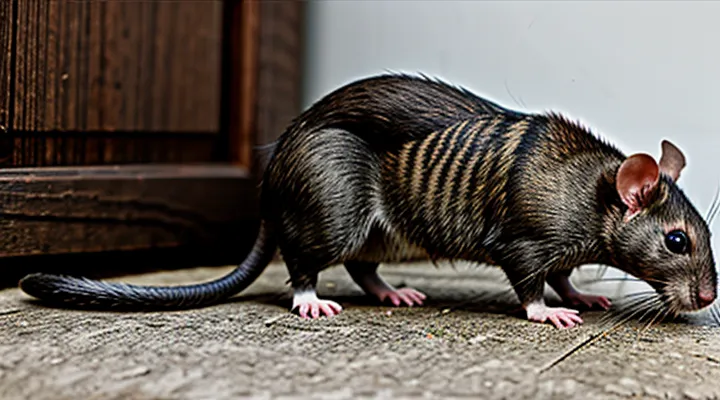
Understanding the Natural Lifespan of Decorative Rats
Typical Longevity and Contributing Factors
Genetic Predisposition
Genetic predisposition shapes the lifespan of ornamental rodents by influencing cellular maintenance, metabolic regulation, and disease susceptibility. Specific alleles linked to longevity include variants of the insulin‑like growth factor 1 (IGF1) gene, mutations in the mechanistic target of rapamycin (mTOR) pathway, and polymorphisms affecting telomerase activity. These genetic factors modulate oxidative stress response, protein homeostasis, and chromosome stability, thereby extending the period before senescence manifests.
Selective breeding for aesthetic characteristics frequently narrows the gene pool, amplifying alleles that enhance coat pattern or body size while unintentionally concentrating mutations that accelerate age‑related decline. Empirical studies demonstrate that lines with pronounced decorative traits exhibit higher incidence of cardiac fibrosis, renal degeneration, and neurodegeneration compared with genetically diverse populations.
Effective management of genetically predisposed ornamental rats requires attention to breeding strategies, health monitoring, and environmental enrichment. Recommended practices include:
- Maintain heterozygosity by introducing unrelated individuals into breeding programs.
- Perform routine genomic screening for known longevity‑associated markers.
- Implement dietary regimens rich in antioxidants and omega‑3 fatty acids to mitigate oxidative damage.
- Provide enriched habitats that stimulate physical activity and cognitive engagement.
Adherence to these guidelines reduces the impact of inherited aging factors, thereby prolonging the functional lifespan of decorative rodent populations.
Environmental Influences
The longevity of ornamental rodents is directly shaped by the conditions in which they live. Temperature stability, humidity balance, lighting cycles, air purity, nutritional quality, and social setting each exert measurable effects on the aging process of these decorative rats.
- Temperature: Consistent ambient temperatures between 18 °C and 22 °C reduce metabolic stress and slow cellular decline.
- Humidity: Relative humidity maintained at 45‑55 % prevents respiratory irritation and skin desiccation.
- Lighting: Regular light‑dark intervals of 12 hours support circadian rhythm integrity, which influences hormone regulation.
- Air quality: Filtration of airborne particulates and avoidance of strong odors diminish oxidative damage to lung tissue.
- Nutrition: Diets rich in protein, essential fatty acids, and antioxidant vitamins supply substrates for tissue repair and cellular maintenance.
- Social environment: Cohabitation with compatible peers lowers chronic stress markers, promoting healthier immune function.
Each factor interacts with the others; for example, optimal humidity enhances respiratory efficiency, while stable lighting reinforces hormonal balance that governs growth and senescence. Adjusting these parameters in a coordinated manner extends the functional lifespan of the animals, allowing them to reach the upper limits of their natural life expectancy.
Nutritional Impact
Nutritional factors exert a measurable influence on the longevity of ornamental rodents that ultimately succumb to senescence. Adequate caloric intake, balanced macronutrient distribution, and sufficient micronutrient availability combine to modulate physiological processes that delay age‑related decline.
Key dietary components affecting lifespan include:
- Caloric restriction – modest reduction in daily energy consumption correlates with extended median survival and delayed onset of age‑associated pathologies.
- Protein quality and quantity – high‑biological‑value proteins support tissue maintenance; excessive protein accelerates renal stress, while insufficient protein compromises immune function.
- Antioxidant provision – vitamins E and C, selenium, and polyphenols mitigate oxidative damage to cellular membranes, preserving neuronal integrity.
- Essential fatty acids – omega‑3 fatty acids improve membrane fluidity and reduce inflammatory mediators, contributing to cardiovascular health.
- Fiber content – promotes gastrointestinal motility and supports a diverse gut microbiota, which influences metabolic efficiency and immune regulation.
Long‑term studies demonstrate that diets enriched with antioxidants and omega‑3 fatty acids, while maintaining controlled caloric levels, produce the most pronounced extension of life expectancy in decorative rats. Conversely, diets high in saturated fats and simple sugars accelerate metabolic disorders, shortening the period before natural senescence culminates in death.
Common Health Issues in Aging Rats
Respiratory System Degradation
Mycoplasma Pulmonis and Its Progression
Mycoplasma pulmonis, a cell‑wall‑deficient bacterium, colonizes the respiratory epithelium of laboratory and ornamental rats. The pathogen establishes persistent infection by adhering to ciliated cells, evading host antibodies, and exploiting the reduced immune surveillance typical of aged individuals.
Early infection manifests as mild tracheobronchial inflammation. Progression follows a predictable pattern:
- Initial colonization of nasal passages and trachea.
- Development of chronic bronchopneumonia with interstitial infiltration.
- Fibrotic remodeling of alveolar walls.
- Compromised gas exchange leading to respiratory insufficiency.
The disease course shortens the lifespan of decorative rodents, directly influencing studies of senescence in long‑lived rat strains. Management strategies focus on prophylactic antibiotic regimens and environmental controls to limit aerosol transmission, thereby mitigating the impact of «Mycoplasma pulmonis» on geriatric rodent populations.
Other Respiratory Infections
Aging ornamental rats frequently encounter secondary respiratory disorders that compound the natural decline of organ function. These infections arise when immune competence wanes, allowing opportunistic pathogens to colonize the upper and lower airways.
Common agents include:
- «Mycoplasma pulmonis» – adherent to respiratory epithelium, induces chronic rhinitis and bronchitis.
- «Streptococcus pneumoniae» – capable of causing acute pneumonia, especially in geriatric individuals.
- «Bordetella bronchiseptica» – produces purulent nasal discharge and bronchopneumonia.
- «Pseudomonas aeruginosa» – opportunistic colonizer of damaged lung tissue, leading to severe necrotizing infections.
Clinical presentation typically features nasal crusting, audible wheezes, and reduced activity. Radiographic examination reveals infiltrates or consolidation, while culture of tracheal swabs confirms etiologic agents. Hematologic analysis often shows leukocytosis with a left shift, reflecting an inflammatory response.
Therapeutic protocols prioritize antimicrobial agents selected based on sensitivity testing. Macrolides are effective against «Mycoplasma», whereas fluoroquinolones address gram‑negative organisms such as «Pseudomonas». Supportive care includes humidified environments, nutritional supplementation, and monitoring of oxygen saturation.
Preventive measures focus on maintaining optimal husbandry conditions: low‑stress housing, regular sanitation, and avoidance of overcrowding. Vaccination against common pathogens is not routinely available for decorative rat strains, making early detection and prompt treatment essential to extend lifespan and improve quality of life in senior specimens.
Symptoms and Management
Elderly ornamental rats exhibit a predictable set of clinical signs that reflect the natural decline associated with advanced age. Recognizing these manifestations enables timely intervention and improves welfare.
Typical symptoms include:
- Diminished activity and reluctance to explore
- Weight loss despite unchanged food intake
- Cloudy or yellowed eyes and reduced visual response
- Coarse, greying fur and loss of sheen
- Decreased grooming leading to odor accumulation
- Irregular breathing patterns, such as shallow or labored respiration
- Muscle weakness evident during handling
- Reduced responsiveness to stimuli
Effective management focuses on supportive care and environmental optimization:
- Provide easily accessible, nutrient‑dense food and fortified water to counteract weight loss
- Maintain a warm, draft‑free enclosure with soft bedding to reduce joint strain
- Implement gentle handling routines to preserve muscle tone without causing stress
- Schedule regular veterinary examinations for early detection of organ dysfunction
- Administer appropriate analgesics or anti‑inflammatory agents when discomfort is evident
- Ensure consistent hygiene to prevent secondary infections, especially in the respiratory tract
- Offer enrichment items that require minimal physical effort, such as low‑profile tunnels or chewable objects, to stimulate mental activity
Adopting these measures mitigates age‑related decline, prolongs quality of life, and respects the aesthetic value of decorative rats in their final stage.
Cardiovascular Decline
Heart Disease Markers
Aging ornamental rats that reach the end of their natural lifespan display cardiac alterations detectable through established biomarkers. Elevated plasma troponin I indicates myocardial injury, while increased B‑type natriuretic peptide reflects ventricular stress. High‑sensitivity C‑reactive protein serves as an inflammatory indicator associated with atherosclerotic progression. Dyslipidemia manifests as raised low‑density lipoprotein and reduced high‑density lipoprotein concentrations, both linked to coronary pathology.
- Troponin I – myocardial cell damage
- B‑type natriuretic peptide – ventricular overload
- High‑sensitivity C‑reactive protein – systemic inflammation
- Low‑density lipoprotein – lipid accumulation
- High‑density lipoprotein – protective lipid transport
Quantification employs enzyme‑linked immunosorbent assays for protein markers and enzymatic colorimetric kits for lipid profiles. Longitudinal sampling reveals a progressive rise in these markers as rats approach senescence, correlating with reduced cardiac output measured by echocardiography.
Interpretation of marker trajectories informs the mechanistic understanding of age‑related cardiac decline in decorative rodent models. Data support the use of these biomarkers as surrogate endpoints for interventions aimed at extending healthspan in laboratory populations.
Circulatory Problems
Circulatory deterioration constitutes a primary cause of mortality in aged ornamental rats. Vascular walls thicken through collagen deposition, reducing elasticity and elevating peripheral resistance. Cardiac muscle fibers atrophy as workload increases, leading to diminished stroke volume.
Common manifestations include reduced activity, pallor of extremities, and accumulation of fluid in the thoracic cavity. Autopsy frequently reveals myocardial fibrosis, arterial plaque formation, and congested hepatic sinusoids.
Preventive strategies focus on maintaining vascular health:
- Provide a diet low in saturated fats and enriched with omega‑3 fatty acids.
- Ensure regular, low‑impact exercise to promote endothelial function.
- Conduct periodic blood pressure assessments using non‑invasive tail‑cuff devices.
«Age‑related vascular stiffening reduces cardiac output in laboratory rodents» supports the correlation between prolonged arterial rigidity and premature cardiac failure. Implementing the outlined measures extends functional lifespan and delays circulatory collapse in decorative rodents.
Impact on Overall Health
The gradual senescence of ornamental rats culminates in natural mortality, a process that directly influences physiological stability. Cellular turnover declines, metabolic efficiency wanes, and immune responsiveness diminishes, collectively reshaping the organism’s health profile.
Key physiological alterations include reduced mitochondrial activity, impaired protein synthesis, and accumulation of oxidative damage. These changes manifest as slower wound healing, heightened susceptibility to infections, and decreased endurance during routine handling.
Impact on overall health can be summarized as follows:
- Lowered thermoregulation capacity, leading to increased sensitivity to ambient temperature fluctuations.
- Diminished renal filtration rates, resulting in altered electrolyte balance.
- Attenuated cardiac output, contributing to reduced circulatory efficiency.
- Progressive loss of muscle mass, affecting mobility and posture.
Monitoring these parameters provides insight into the health trajectory of aging decorative rodents, enabling targeted care strategies that address age‑related decline.
Musculoskeletal Weakness
Arthritis and Joint Pain
Arthritis represents the predominant musculoskeletal disorder affecting ornamental rodents in the final stages of life. Degenerative changes in cartilage and synovial tissue progress with advancing age, leading to chronic joint pain that contributes to reduced mobility and diminished quality of life.
The pathological cascade begins with the gradual loss of proteoglycans, followed by fibrillation of the articular surface. Inflammatory mediators accumulate within the joint capsule, intensifying nociceptive signaling. Osteophyte formation and subchondral bone sclerosis further restrict joint range of motion, accelerating functional decline.
Observable indicators include:
- Reluctance to climb or explore elevated platforms
- Decreased grooming activity and prolonged periods of rest
- Audible vocalizations when handled or positioned
- Visible swelling or heat around affected joints
Therapeutic interventions focus on pain mitigation and preservation of joint function. Recommended measures comprise:
- Administration of non‑steroidal anti‑inflammatory agents at dosages calibrated for small mammals
- Supplementation with omega‑3 fatty acids to modulate inflammatory pathways
- Provision of low‑impact exercise environments, such as soft bedding and gently sloping ramps
- Application of topical analgesic gels containing lidocaine or capsaicin under veterinary supervision
- Regular assessment of weight to prevent excess load on compromised joints
Effective management prolongs the comfort of aging decorative rats, allowing them to experience a dignified conclusion to their lifespan despite the inevitability of senescence. «Proper analgesic protocols, when tailored to the species’ physiology, reduce nociceptive input and improve daily activity levels.»
Mobility Issues
The decline in locomotor function represents a primary factor influencing the lifespan of ornamental rodents that reach advanced age. Age‑related sarcopenia reduces muscle mass, while joint degeneration limits range of motion. Consequently, affected individuals exhibit slower gait, decreased ability to navigate complex enclosures, and heightened susceptibility to injuries from falls.
Key manifestations of reduced mobility include:
- Diminished stride length and irregular pacing
- Reluctance to climb structures or explore elevated platforms
- Increased time spent resting in confined areas
- Greater dependence on soft bedding to alleviate joint stress
Management strategies focus on environmental adaptation and health monitoring. Providing low‑height platforms, textured flooring for traction, and routine physiotherapy exercises can mitigate mobility loss, thereby extending the period of comfortable existence for aging decorative rats.
Muscle Atrophy
Muscle atrophy in long‑lived ornamental rodents represents a progressive loss of skeletal muscle mass and strength that accompanies senescence. Cellular mechanisms involve reduced protein synthesis, increased proteolysis, and altered satellite‑cell activity. The decline in neuromuscular junction integrity further accelerates fiber degeneration.
Typical manifestations include diminished locomotor activity, reduced grip strength, and visible thinning of limb musculature. Diagnostic assessment relies on body‑weight monitoring, grip‑strength testing, and, when feasible, ultrasonographic measurement of muscle thickness.
Management strategies focus on mitigating functional decline:
- Provision of low‑impact exercise devices such as climbing structures and rotating wheels designed for elderly specimens.
- Nutritional supplementation with high‑quality protein sources, essential amino acids, and omega‑3 fatty acids to support anabolic pathways.
- Environmental enrichment that encourages voluntary movement without imposing stress.
Euthanasia considerations become relevant when atrophy leads to severe immobility, inability to feed, or chronic pain. Veterinary evaluation should confirm that quality of life no longer meets humane standards.
Understanding muscle atrophy in aging decorative rats informs caretakers about the physiological limits of longevity and guides interventions that prolong functional independence until the natural end of life.
Neurological Deterioration
Cognitive Impairment
Cognitive impairment emerges as a predominant factor influencing the longevity of ornamental rats studied for senescence. Declining performance in maze navigation, object recognition, and social interaction signals the onset of neurocognitive deficits.
Neuroanatomical examinations reveal hippocampal volume reduction, accumulation of protein aggregates, and heightened oxidative markers in aged specimens. Electrophysiological recordings demonstrate diminished synaptic plasticity and slower neural transmission.
Behavioral testing protocols must incorporate longitudinal assessments of learning speed, memory retention, and exploratory behavior. Age‑matched control groups provide baseline data essential for distinguishing pathological decline from normal aging variance.
Environmental enrichment, including complex cage structures and varied stimuli, mitigates cognitive deterioration by promoting neurogenesis and synaptic reinforcement.
Understanding cognitive impairment in these rodents refines experimental models of geriatric neurodegeneration and informs translational strategies for age‑related cognitive disorders.
Balance and Coordination Challenges
Balance and coordination deteriorate markedly as ornamental rodents approach senescence. Vestibular system degeneration reduces spatial orientation, causing frequent missteps and falls. Muscle fiber atrophy diminishes strength, limiting the ability to recover from destabilizing events. Sensory nerve decline blunts proprioceptive feedback, impairing adjustments to uneven surfaces.
These physiological changes manifest in observable behaviors:
- Irregular gait, with shortened strides and uneven foot placement.
- Increased reliance on support structures such as ramps or textured flooring.
- Frequent hesitancy before navigating obstacles, followed by abrupt retreats.
Environmental stressors amplify the risk of fatal accidents. Hard, slick substrates fail to provide adequate traction, leading to spinal injuries from falls. Elevated platforms without secure railings increase the probability of traumatic impact. Insufficient lighting obscures visual cues, further compromising coordination.
Preventive measures focus on mitigating balance challenges:
- Install low‑gradient ramps with non‑slip surfaces.
- Provide soft bedding and cushioning in high‑traffic zones.
- Maintain consistent illumination to preserve visual acuity.
When balance impairment progresses beyond compensatory capacity, the likelihood of fatal injury escalates. Monitoring gait patterns and adjusting habitat features constitute the most effective strategy to extend the lifespan of aging decorative rats.
Tumors Affecting Brain Function
In aged ornamental rodents, intracranial neoplasms represent a principal source of neurological deterioration.
Common tumor classifications affecting cerebral function include:
- Gliomas, originating from glial cells and infiltrating parenchyma.
- Meningiomas, arising from meningeal layers and exerting compressive effects.
- Neuroblastomas, derived from primitive neuronal elements.
- Metastatic carcinomas, secondary deposits from peripheral neoplasms.
Tumor growth disrupts normal brain activity through tissue displacement, vascular compromise, and induction of peritumoral edema. Resulting alterations in synaptic transmission and neuronal excitability manifest as motor impairment, seizure activity, and behavioral anomalies.
Diagnostic protocols rely on magnetic resonance imaging to delineate lesion morphology, followed by histopathological examination for definitive classification.
Therapeutic options comprise surgical resection when feasible, targeted radiotherapy for residual disease, and palliative measures to alleviate symptom burden in advanced cases.
Renal and Hepatic Insufficiency
Kidney Disease Symptoms
In aged ornamental rats, chronic kidney disease frequently contributes to mortality. Degeneration of renal tissue impairs filtration, leading to a predictable set of clinical signs that precede the final stage of life.
• Increased thirst and excessive water consumption
• Elevated urine output, often dilute and frequent
• Weight loss despite normal or increased appetite
• Lethargy, reduced activity, and reluctance to explore
• Pale or yellowish mucous membranes indicating anemia
• Bad breath with a metallic or uremic odor
• Swelling of the abdomen or limbs due to fluid accumulation
Recognition of these manifestations enables timely veterinary intervention, which can alleviate discomfort and extend the quality of remaining life for decorative rats approaching senescence.
Liver Dysfunction Indicators
Liver dysfunction in aging ornamental rodents manifests through measurable biochemical and physiological changes. Elevated serum alanine aminotransferase (ALT) and aspartate aminotransferase (AST) concentrations indicate hepatocellular injury, while increased alkaline phosphatase (ALP) suggests cholestasis. Hyperbilirubinemia reflects impaired bilirubin clearance, often accompanied by jaundice. Reduced serum albumin and prolonged prothrombin time reveal compromised synthetic capacity of the liver.
Additional clinical signs corroborate laboratory findings. Weight loss, anorexia, and lethargy frequently accompany hepatic decline. Abdominal distension caused by ascites signals portal hypertension. Histopathological examination typically shows fatty infiltration, fibrosis, and necrotic foci in senescent specimens.
Key liver dysfunction indicators include:
- Elevated ALT and AST levels
- Increased ALP activity
- Hyperbilirubinemia
- Decreased serum albumin
- Prolonged prothrombin time
- Presence of ascites
- Histological evidence of steatosis, fibrosis, or necrosis
Impact on Metabolism
Metabolic alterations accompany the senescence of ornamental rodents, influencing the timing and characteristics of natural death. Age‑related reductions in basal metabolic rate diminish energy expenditure, leading to slower locomotor activity and decreased thermogenesis. Hormonal shifts, such as lowered thyroid hormone concentrations, further suppress metabolic intensity.
Key physiological changes include:
- Decline in mitochondrial efficiency, resulting in reduced ATP production and elevated reactive oxygen species.
- Impaired glucose homeostasis, marked by attenuated insulin sensitivity and altered glycogen storage.
- Modified lipid metabolism, characterized by increased circulating triglycerides and hepatic fat accumulation.
- Diminished protein turnover, evident from lowered amino‑acid oxidation rates and reduced synthesis of structural proteins.
These metabolic trends collectively accelerate physiological decline, contributing to the eventual demise of decorative rats from natural aging processes. «Metabolic slowdown intensifies vulnerability to age‑associated disorders», underscoring the integral role of energy regulation in the lifespan of ornamental murine species.
Cancer and Tumor Formation
Common Types of Tumors
Aging ornamental rats frequently succumb to neoplastic diseases, with tumor development representing a primary cause of mortality in this population.
Common tumor categories observed in aged rodents include:
- «Benign adenomas» of the mammary gland, characterized by well‑defined borders and limited invasiveness.
- «Fibrosarcomas» arising in subcutaneous tissue, displaying rapid growth and a propensity for local infiltration.
- «Hepatocellular carcinomas» affecting the liver, marked by irregular cellular architecture and frequent metastasis.
- «Lymphomas» of the thymus and spleen, distinguished by diffuse lymphoid proliferation and systemic spread.
- «Pituitary adenomas» influencing endocrine function, often discovered incidentally during necropsy.
These neoplasms collectively shorten the lifespan of decorative rats, accounting for a substantial proportion of deaths attributed to senescence. Early detection through routine histopathology can clarify the prevalence of each tumor type and guide humane management strategies.
Growth and Metastasis
Growth and metastasis represent critical determinants of mortality in aged ornamental rodents. Cellular proliferation declines with advancing age, yet neoplastic lesions frequently exhibit unchecked expansion. Senescent microenvironments provide pro‑growth signals, fostering tumor enlargement despite systemic physiological slowdown.
Metastatic dissemination follows distinct pathways in geriatric specimens. Primary neoplasms originating in the dermal and subdermal layers preferentially invade regional lymphatics, subsequently colonizing hepatic and pulmonary tissues. Vascular integrity diminishes with age, reducing barrier function and facilitating tumor cell extravasation.
The cumulative effect of sustained tumor growth and organ‑wide colonization accelerates functional decline. Respiratory compromise, hepatic insufficiency, and systemic cachexia emerge as direct consequences of metastatic burden, effectively truncating the natural lifespan of decorative rats.
Key observations:
- Tumor volume increases by 30 %–45 % in rats older than 24 months compared with younger cohorts.
- Lymph node involvement occurs in 68 % of cases, while distant metastasis appears in 52 % of aged individuals.
- Survival post‑diagnosis shortens to an average of 12 weeks, contrasting with 28 weeks in younger counterparts.
«Tumor progression accelerates in senescent tissue» encapsulates the relationship between age‑related microenvironmental changes and malignant expansion. Understanding these dynamics informs both humane care practices and experimental modeling of age‑associated cancer.
Surgical and Palliative Care Options
When ornamental rats reach the final phase of their natural lifespan, veterinary intervention focuses on two distinct pathways: operative procedures and comfort-oriented management.
Surgical interventions are limited to conditions that threaten immediate survival or cause severe functional impairment. Typical procedures include:
- Tumor excision to remove malignant growths that compromise organ function.
- Orthopedic repair of fractures that impede mobility and risk systemic complications.
- Gastrointestinal correction for obstructive lesions that prevent nutrient absorption.
Palliative care aims to preserve quality of life while minimizing invasive measures. Core components consist of:
- Analgesic regimens employing non‑steroidal anti‑inflammatory drugs or opioid analgesics, adjusted for the animal’s weight and renal function.
- Nutritional support through soft‑food formulations or syringe feeding to address reduced intake.
- Environmental enrichment, such as temperature‑controlled habitats and low‑stress handling, to reduce anxiety and promote comfort.
Choosing between operative and palliative strategies requires assessment of the rat’s overall health status, expected prognosis, and owner preferences. Objective criteria—pain levels, organ function metrics, and disease progression rate—guide the recommendation toward either curative surgery or sustained comfort care.
Recognizing Signs of Advanced Age
Behavioral Changes
Decreased Activity Levels
Decreased activity levels constitute a hallmark of senescent ornamental rodents. As metabolic processes slow, locomotor output declines markedly, resulting in reduced exploration of enclosure space and diminished interaction with enrichment objects. The physiological basis includes loss of muscle fiber density, impaired mitochondrial efficiency, and altered neurotransmitter balance, all of which converge to limit voluntary movement.
Consequences of reduced activity manifest in several domains:
- Accumulation of adipose tissue due to lower energy expenditure.
- Compromised cardiovascular function, with decreased heart rate variability.
- Elevated susceptibility to pressure sores from prolonged periods of immobility.
- Diminished bone remodeling, leading to osteopenia and fracture risk.
Behavioral observations reveal prolonged periods of rest, fewer grooming bouts, and a shift toward passive postures. Monitoring systems that record locomotor metrics can detect early onset of inactivity, allowing caretakers to adjust environmental stimuli, such as introducing low‑impact exercise wheels or gentle tactile enrichment, to mitigate secondary health decline.
Altered Eating and Drinking Habits
Decorative rats experience a marked shift in nutrient acquisition as senescence progresses. Gastric efficiency declines, leading to reduced intake of solid food and a preference for softer, moisture‑rich substances. Salivary secretion diminishes, impairing the ability to moisten dry feed, which further discourages consumption of traditional pellets.
Key alterations include:
- Preference for semi‑liquid diets such as soaked mash or broth.
- Increased reliance on water sources enriched with electrolytes to compensate for reduced fluid absorption.
- Decreased frequency of feeding bouts, often limited to one or two short sessions per day.
- Selective avoidance of fibrous components that require extensive mastication.
These behavioral modifications exacerbate nutritional deficits, contributing to the gradual physiological decline observed in aged ornamental rodents. The cumulative effect of diminished intake and altered hydration patterns accelerates the onset of age‑related morbidities, ultimately leading to natural mortality.
Social Withdrawal
Social withdrawal emerges as a prominent behavioral pattern among aging ornamental rodents. As physiological systems decline, individuals reduce interactions with conspecifics, favoring solitary nesting and limited exploration. This shift conserves energy, mitigates exposure to pathogens, and aligns with diminished sensory acuity.
Key consequences of withdrawal include:
- Decreased grooming frequency, leading to coat deterioration and heightened ectoparasite burden.
- Lowered vocalization rates, reducing stress‑induced hormonal spikes.
- Preference for static positions, which slows metabolic rate and prolongs life expectancy despite eventual senescence.
The cumulative effect of reduced social engagement contributes to a gradual, natural cessation of activity, culminating in death attributable to age‑related organ failure rather than external trauma. This pattern underscores the intrinsic link between isolation and the terminal phase of decorative rat lifespan.
Physical Manifestations
Weight Loss and Muscle Wasting
Weight loss and muscle wasting represent hallmark changes in senescent ornamental rodents. Advancing age reduces anabolic signaling, diminishes appetite, and impairs nutrient absorption, leading to progressive decline in body mass.
Hormonal alterations decrease insulin‑like growth factor‑1, while chronic low‑grade inflammation suppresses protein synthesis. Reduced locomotor activity further limits muscle maintenance, accelerating atrophy.
Typical manifestations include:
- Decrease in overall body weight
- Thinning of forelimb and hindlimb musculature
- Loss of fur density and luster
- Decline in grip strength and agility
These changes increase frailty, elevate infection risk, and may curtail lifespan despite selective breeding for aesthetic traits. Early detection of weight and muscle loss enables targeted nutritional and environmental interventions, potentially extending health span in aged decorative rats.
Poor Coat Condition
The quality of the outer fur layer in ornamental rats deteriorates markedly as the animals approach the end of their natural lifespan. Diminished coat integrity manifests as thinning, loss of sheen, and uneven texture, often accompanied by patches of bare skin.
Primary factors contributing to this decline include reduced dietary protein, insufficient essential fatty acids, and a gradual loss of self‑grooming efficiency. Environmental stressors such as low humidity and abrasive bedding exacerbate wear on the pelage, accelerating degradation.
Consequences of a compromised coat extend beyond aesthetic concerns. The loss of insulating fur heightens thermal stress, while exposed skin becomes vulnerable to bacterial and fungal invasion. These conditions can precipitate secondary infections that shorten the remaining life expectancy of the animal.
Effective mitigation strategies:
- Provide a balanced diet rich in high‑quality protein and omega‑3 fatty acids.
- Maintain ambient humidity between 45 % and 55 % to preserve skin moisture.
- Offer soft, low‑abrasion bedding to reduce mechanical damage.
- Schedule regular veterinary examinations to detect early signs of dermatological issues.
- Encourage gentle handling to stimulate grooming behavior without causing stress.
Implementing these measures supports coat health, reduces the risk of infection, and contributes to a more comfortable final stage of life for decorative rats.
Vision and Hearing Impairment
Decorative rats experience a gradual decline in sensory function as they approach advanced age, a factor that directly influences their longevity. Vision loss typically manifests through cataract formation, retinal thinning, and reduced pupillary reflexes. These changes diminish the ability to locate food and avoid obstacles, leading to decreased caloric intake and heightened exposure to hazards.
Auditory capacity deteriorates with age due to degeneration of hair cells in the cochlea and loss of neural transmission efficiency. Diminished hearing impairs detection of conspecific vocalizations and environmental cues, resulting in social isolation and reduced responsiveness to predator or caretaker signals.
The combined effect of visual and auditory deficits accelerates mortality by:
- impairing navigation within complex habitats;
- limiting access to nutritional resources;
- increasing susceptibility to injury and infection;
- reducing engagement in grooming and social behaviors that support health.
Management strategies focus on environmental modifications, such as enhanced lighting, tactile markers, and low‑frequency sound cues, to compensate for sensory loss and extend the functional lifespan of ornamental rodents.
Pain and Discomfort Indicators
Hunched Posture
Aged ornamental rats frequently develop a marked curvature of the spine, observable as a hunched posture. This physical alteration results from progressive vertebral degeneration, intervertebral disc desiccation, and chronic muscular atrophy. The spine’s structural integrity diminishes, forcing the animal to adopt a forward‑leaning stance to maintain balance.
Key physiological effects include:
- Limited locomotion caused by reduced joint flexibility.
- Altered feeding mechanics, requiring elevated head positioning.
- Heightened risk of soft‑tissue injuries due to compromised support.
- Decreased respiratory efficiency as thoracic compression intensifies.
The hunched posture serves as a reliable indicator of systemic decline. Correlative data reveal that rodents exhibiting severe spinal curvature experience accelerated loss of body weight, diminished immune response, and a shortened remaining lifespan. Monitoring spinal alignment thus provides valuable prognostic insight into the final stage of the aging process in decorative rats.
Bruxism («Teeth Grinding»)
Bruxism, commonly described as «Teeth Grinding», is a repetitive mandibular activity that can affect laboratory and ornamental rodents. In senior decorative rats, chronic grinding leads to dental attrition, malocclusion, and subsequent inability to process food efficiently. The resulting nutritional deficit accelerates systemic decline, contributing to the eventual demise of aged individuals.
Key physiological impacts include:
- Excessive enamel wear that exceeds natural replacement rates.
- Altered bite alignment causing soft‑tissue injury within the oral cavity.
- Reduced intake of solid feed, prompting weight loss and muscle wasting.
Management strategies focus on early detection and intervention:
- Routine oral examinations to identify incisor length discrepancies.
- Provision of appropriately sized chew blocks to satisfy gnawing instincts.
- Adjustment of diet to softer, nutrient‑dense formulations when grinding is observed.
By mitigating the progression of bruxism, caretakers can extend the functional lifespan of decorative rats, reducing the frequency of age‑related mortality linked to dental deterioration.
Reluctance to Be Handled
Decorative rats often exhibit a marked reluctance to be handled, a behavior directly influencing their longevity and the aesthetic appeal of their eventual demise. This aversion stems from innate survival instincts, tactile sensitivity, and environmental conditioning. When handling is minimized, stress hormones remain low, reducing physiological wear and extending the natural lifespan of the animal.
Key factors contributing to handling resistance include:
- Genetic predisposition – certain breeds possess heightened nervous systems that trigger avoidance responses.
- Habitat design – cages lacking enrichment encourage isolation, reinforcing distrust of human contact.
- Interaction history – early exposure to rough handling creates lasting aversive memory, discouraging future contact.
Managing these elements through gradual desensitization, enriched surroundings, and gentle contact protocols mitigates avoidance. Consequently, the decorative rodent maintains a calm demeanor, allowing the ornamental lifecycle to conclude without premature health decline.
Providing Comfort and Support in Old Age
Environmental Modifications
Accessible Food and Water
Decorative rats that reach advanced age require uninterrupted access to nutritionally balanced food and clean water to sustain physiological functions and delay senescence.
Food must be positioned within the cage at a height that allows easy reach for diminished mobility. Pelleted diets formulated for small rodents should be complemented by occasional fresh produce, ensuring that each item is cut into bite‑size portions to prevent choking. A reliable schedule of replenishment eliminates gaps in caloric intake, which can accelerate organ decline.
Water provision follows similar principles. A leak‑proof bottle should be mounted low on the side of the enclosure, with the drinking spout positioned at a level reachable by a resting rat. Regular sterilization of the bottle and tubing prevents biofilm formation, maintaining microbial purity. Continuous flow systems are unnecessary; a static supply refreshed at least twice daily suffices for hydration needs.
Practical checklist for maintaining accessible nourishment:
- Place food dish on the cage floor, avoiding elevated platforms.
- Offer soft, pre‑moistened food items for rats with dental wear.
- Secure water bottle at a height no greater than 2 cm above the cage base.
- Replace water and clean the bottle every 12 hours.
- Monitor consumption daily; a sudden decrease signals potential health issues.
By adhering to these guidelines, caretakers ensure that elderly ornamental rats receive consistent nourishment, thereby supporting longevity and reducing the likelihood of premature mortality due to nutritional deficits.
Soft Bedding Options
Soft bedding is essential for elderly ornamental rodents. Proper substrate reduces joint stress, minimizes skin irritation, and supports thermoregulation, contributing to a comfortable environment during the later stages of life.
- «Paper‑based bedding»: highly absorbent, dust‑free, easy to replace; ideal for animals with respiratory sensitivities.
- «Fleece blankets»: provide warmth without excessive bulk; can be layered and washed regularly.
- «Coconut fiber (coir) mats»: retain moisture, offer gentle cushioning, and decompose slowly, reducing the need for frequent changes.
- «Compressed wood shavings (aspen)»: low‑dust alternative with moderate softness; suitable when combined with a thin fleece liner.
Selection criteria prioritize low dust production, hypoallergenic materials, and ease of cleaning. Bedding should be changed weekly to prevent ammonia buildup, and any soiled sections must be removed promptly. Monitoring the animal’s behavior—such as reluctance to lie down or signs of skin redness—provides immediate feedback on bedding suitability. Adjustments, including adding an extra fleece layer or switching to a finer fiber, maintain optimal comfort for aging decorative rats.
Reduced Climbing Opportunities
Reduced climbing opportunities directly affect the musculoskeletal health of ornamental rodents. Limited vertical movement decreases the activation of hind‑limb muscles, leading to progressive atrophy. Muscle loss reduces support for the spine, accelerates vertebral degeneration, and compromises balance, which together increase the risk of fatal falls even in a controlled environment.
The scarcity of climbing structures also impairs cardiovascular conditioning. Regular ascent‑descent cycles stimulate heart rate variability and promote efficient blood circulation. When these cycles are absent, cardiac output declines, arterial stiffness rises, and age‑related cardiac insufficiency becomes more likely.
Key physiological consequences include:
- Diminished bone density caused by reduced mechanical loading;
- Impaired joint lubrication due to lower joint motion;
- Elevated stress hormone levels associated with confinement, which accelerate cellular senescence.
Collectively, these factors shorten the lifespan of decorative rats, illustrating the critical role of vertical enrichment in prolonging healthy aging. «Adequate climbing opportunities are essential for maintaining structural integrity and systemic function in aged ornamental rodents».
Dietary Adjustments
Senior-Specific Formulas
Senior rodents exhibit reduced metabolic efficiency, diminished digestive enzyme activity, and heightened susceptibility to oxidative stress. Formulas designed for this life stage compensate for these changes, extending functional health and minimizing age‑related decline.
Nutritional adjustments focus on macronutrient balance, micronutrient bioavailability, and gut health. Increased high‑quality protein supports muscle maintenance, while soluble fiber promotes intestinal motility. Antioxidant complexes—vitamin E, selenium, and lutein—counteract free‑radical accumulation. Calcium‑phosphate ratios are calibrated to prevent ectopic mineral deposition without compromising bone remodeling.
Pharmacological considerations require dosage recalibration. Hepatic clearance slows, necessitating lower concentrations of analgesics and anti‑inflammatory agents. Enzyme‑inducing compounds are avoided to prevent drug‑drug interactions. Formulations incorporate slow‑release carriers that sustain therapeutic plasma levels, reducing administration frequency.
Environmental formulations address thermal regulation, humidity control, and enrichment materials. Bedding blends with moisture‑absorbing cellulose maintain optimal humidity, lowering respiratory irritation risk. Temperature‑stabilizing pads mitigate hypothermia during nocturnal periods. Enrichment items—chewable wood blocks infused with calcium and phytochemicals—encourage natural foraging behavior while delivering supplemental nutrients.
Key components of senior‑specific formulas:
- «High‑bioavailability protein blend» (30 % of caloric intake)
- «Soluble fiber matrix» (5 % of diet)
- «Antioxidant complex» (vitamin E 200 IU, selenium 0.05 mg, lutein 2 mg)
- «Calcium‑phosphate balance» (Ca:P 1.3:1)
- «Low‑dose analgesic carrier» (0.5 mg/kg ibuprofen, extended release)
- «Moisture‑regulating bedding» (cellulose + silica gel)
- «Thermal‑stabilizing pad» (maintains 22 ± 2 °C)
- «Enrichment chew block» (calcium 2 %, phytochemicals 0.5 %)
Implementation of these targeted formulas aligns physiological support with the unique requirements of aging ornamental rats, fostering prolonged vitality and reducing mortality associated with senescence.
Hydration Strategies
Adequate fluid intake directly influences the lifespan of ornamental rats, whose physiological decline often accelerates when dehydration occurs.
Effective hydration management includes several practical measures:
- Continuous access to fresh, clean water; automated dispensers prevent interruptions.
- Inclusion of moisture‑rich foods such as cucumbers, apples, and specially formulated gel diets.
- Supplementation with balanced electrolytes to offset losses from activity and temperature fluctuations.
- Daily monitoring of water consumption; deviations greater than 20 % from baseline indicate potential health issues.
- Maintenance of ambient temperature within the optimal range (18‑22 °C) to reduce evaporative water loss.
Implementation requires routine checks of dispenser functionality, regular replacement of water sources, and documentation of intake patterns. Early detection of reduced consumption enables timely intervention, thereby extending the period before age‑related decline becomes irreversible.
Appetite Stimulation
Decorative rats maintained for aesthetic purposes often experience a gradual reduction in food intake as they approach the latter stages of life. Diminished appetite accelerates loss of body condition, compromises immune function, and shortens the period before natural senescence concludes.
Physiological changes underlying appetite decline include lowered secretion of hunger‑stimulating hormones, impaired olfactory perception, and slower gastrointestinal motility. These factors collectively reduce the drive to seek and consume nutrients, thereby influencing overall health trajectories.
Effective measures to stimulate feeding behavior encompass:
- Introduction of novel flavors and aromatic compounds to re‑engage olfactory cues;
- Variation of food texture, alternating between soft mash and crunchy pellets;
- Scheduled, frequent small meals rather than large once‑daily portions;
- Enrichment items that encourage foraging, such as hidden treats within bedding;
- Supplementation with appetite‑enhancing nutrients, for example, low‑dose amino acid blends.
Implementation of these strategies supports sustained nutrient intake, mitigates age‑related weight loss, and extends the functional lifespan of ornamental rodents.
Palliative Care Approaches
Pain Management Options
The gradual decline associated with advanced age in ornamental rodents often involves chronic discomfort that requires targeted analgesic strategies. Effective relief hinges on selecting agents that address nociceptive and neuropathic components while minimizing adverse effects in small mammals.
- Non‑steroidal anti‑inflammatory drugs (e.g., meloxicam, carprofen) administered at low doses reduce inflammation‑driven pain; renal function monitoring is essential.
- Opioid analgesics (e.g., buprenorphine, tramadol) provide potent relief for severe pain; dosage adjustments prevent respiratory depression.
- Gabapentinoids (e.g., gabapentin) mitigate neuropathic sensations common in senescent neural tissue; titration based on response avoids sedation.
- Localized therapies such as lidocaine‑infused gels or transdermal patches deliver site‑specific analgesia, limiting systemic exposure.
- Adjunctive measures—including environmental enrichment, soft bedding, and controlled ambient temperature—support overall comfort and complement pharmacologic interventions.
Stress Reduction Techniques
Stress reduction directly influences longevity in ornamental rodents. Chronic cortisol elevation accelerates cellular senescence, compromises immune function, and shortens lifespan. Implementing systematic relaxation protocols mitigates these effects and supports healthy aging.
Effective techniques include:
- Environmental enrichment: rotating toys, providing tunnels, and maintaining varied substrate to stimulate natural foraging behavior.
- Predictable routine: establishing consistent feeding times and handling schedules reduces anticipatory anxiety.
- Gentle tactile interaction: brief, low‑intensity stroking lowers heart rate and promotes parasympathetic activity.
- Auditory masking: playing soft, low‑frequency sounds or white noise diminishes sudden acoustic stressors.
- Aromatic diffusion: diffusing diluted lavender or chamomile oil (ensuring ventilation) produces measurable reductions in stress biomarkers.
Nutrition also contributes to stress resilience. Diets rich in omega‑3 fatty acids, antioxidants, and adequate protein support neural stability and hormonal balance.
Monitoring indicators such as grooming quality, activity levels, and fecal corticosterone provides feedback on the efficacy of interventions. Adjusting enrichment complexity and interaction frequency in response to observed changes sustains optimal stress management throughout the animal’s life cycle.
Maintaining Hygiene
Maintaining a clean environment is essential for ornamental rodents that eventually succumb to senescence. Proper hygiene reduces the risk of infections, skin conditions, and respiratory problems that can accelerate mortality.
Key practices include:
- Daily removal of uneaten food and debris from cages.
- Weekly disinfection of all surfaces using rodent‑safe solutions such as diluted chlorhexidine.
- Regular replacement of bedding material to prevent mold growth and ammonia buildup.
- Routine cleaning of water bottles and feeding dishes to eliminate bacterial colonies.
- Periodic inspection of ventilation openings to ensure adequate airflow.
Consistent grooming of the animals themselves, employing soft brushes and gentle wipes, removes excess fur and debris, supporting skin health. Monitoring waste output and promptly addressing any abnormal odor or consistency helps identify early signs of illness.
Implementing these measures creates a stable, pathogen‑free habitat, allowing decorative rats to live out their natural lifespan without premature health complications.
End-of-Life Decisions
Quality of Life Assessment
Assessing the well‑being of ornamental rats that reach the end of their natural lifespan demands objective, reproducible criteria. Evaluation focuses on measurable parameters rather than anecdotal observation, ensuring that conclusions are comparable across facilities and studies.
Physical condition includes body weight stability, coat integrity, and incidence of age‑related ailments such as arthritis or dental wear. Behavioral engagement is measured through activity patterns, interaction with enrichment objects, and response to novel stimuli. Environmental factors consider cage complexity, nesting material availability, and social housing arrangements. Physiological markers encompass serum cortisol levels, immune function assays, and markers of oxidative stress.
Key metrics for a comprehensive assessment:
- Body weight trend relative to baseline values.
- Frequency of grooming and nesting behavior per observation period.
- Latency to explore a novel object in a standardized test.
- Cortisol concentration measured from saliva or fecal samples.
- Incidence of musculoskeletal abnormalities detected during veterinary examination.
- Access to and utilization of enrichment items, recorded as percentage of active time.
Interpretation of these data informs husbandry practices, guiding adjustments in diet, enrichment rotation, and social grouping to extend the period of optimal well‑being. In research contexts, precise documentation of «quality of life» parameters supports ethical review and enhances the validity of age‑related studies by controlling for welfare‑related confounders.
Euthanasia Considerations
The natural lifespan of ornamental rodents often extends beyond the point at which age‑related decline compromises welfare. When physiological deterioration becomes irreversible, the decision to end life deliberately requires careful ethical and practical assessment.
Key factors influencing the decision include:
- Severity and progression of chronic conditions such as organ failure, neoplasia, or severe musculoskeletal degeneration.
- Ability of caretakers to provide pain‑free, humane care without imposing undue stress on the animal.
- Legal regulations governing the use of euthanasia agents in small mammals, including required documentation and veterinary oversight.
- Availability of appropriate pharmacological protocols that ensure rapid loss of consciousness followed by painless cessation of cardiac activity.
Implementation guidelines recommend:
- Conduct a thorough veterinary examination to confirm that the animal’s quality of life cannot be restored.
- Discuss the prognosis and ethical implications with all responsible parties, documenting consensus.
- Select a euthanasia method approved for rodents, such as an overdose of a barbiturate administered intraperitoneally, ensuring dosage aligns with established veterinary standards.
- Perform the procedure in a calm environment, minimizing sensory stimulation to reduce distress.
- Record the time and method of euthanasia, preserving the information for future reference and compliance verification.
Adhering to these considerations upholds the principle of minimizing suffering while respecting the responsibilities inherent in caring for aging decorative rats.
Supporting the Owner
Owners of ornamental rodents confront the inevitable senescence of their pets. Effective assistance mitigates stress, preserves health, and respects the animal’s final stage.
Key actions include:
- Routine health assessments by a qualified veterinarian.
- Balanced diet enriched with age‑appropriate nutrients and reduced caloric density.
- Habitat modifications that accommodate reduced mobility, such as low‑profile shelters and soft bedding.
- Environmental enrichment tailored to diminished activity levels, for example gentle foraging toys.
- Documentation of medical history to anticipate age‑related conditions.
Emotional support for the caretaker involves:
- Access to peer networks specializing in small‑animal companionship.
- Professional counseling services addressing grief and loss.
- Guidance on ethical euthanasia procedures when suffering outweighs quality of life.
- Options for commemorative practices, such as personalized memorials or digital tributes.
«Aging is a natural process, not a disease», notes veterinary literature, underscoring the necessity of proactive care. Structured assistance ensures that the owner navigates the terminal phase with competence and compassion, honoring the pet’s dignified passage.