
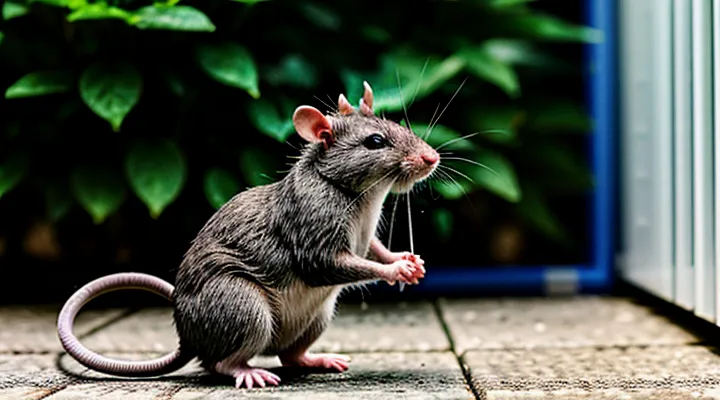
Understanding Ultrasonic Technology
What are Ultrasonic Waves?
Frequency and Human Hearing
Ultrasonic rodent deterrents emit sound waves at frequencies above the upper limit of typical human auditory perception. The average adult can detect frequencies from roughly 20 Hz to 20 kHz; sensitivity declines sharply after 15 kHz, and most individuals cannot perceive tones beyond 18 kHz. Devices designed to repel rats usually operate in the 20–30 kHz range, a band termed ultrasonic because it lies beyond the conventional hearing spectrum.
Key characteristics of the frequency spectrum relevant to human hearing:
- 20 Hz – 20 kHz: Standard audible range for the majority of the population.
- 15 kHz – 18 kHz: Upper threshold where most adults experience reduced sensitivity; occasional detection possible in younger listeners.
- 20 kHz and above: Generally inaudible to adults; infants and some adolescents may perceive frequencies up to 22 kHz under optimal conditions.
- 30 kHz and higher: Consistently beyond human detection; commonly employed in rodent repellent technology.
The physiological basis for this limit involves the basilar membrane in the cochlea, which responds less efficiently to high‑frequency vibrations. Hair cells tuned to frequencies above 20 kHz are sparse and often degenerate with age, explaining the universal inability to hear ultrasonic emissions.
Because the repellent’s sound lies in the ultrasonic band, it can be continuously active without generating audible disturbance for occupants. Rats, however, possess auditory receptors extending to 80 kHz, making the emitted frequencies uncomfortable or disorienting for them while remaining silent to humans. This frequency disparity forms the core mechanism that allows the device to target pests without affecting people in the same environment.
How Animals Perceive Sound
Animals detect sound through a specialized auditory system that converts pressure waves into electrical signals for the brain. The system consists of three sections: the outer ear gathers and directs sound to the ear canal; the middle ear amplifies vibrations via the tympanic membrane and ossicles; the inner ear contains the cochlea, where hair cells translate mechanical motion into neural impulses. Frequency discrimination arises from the tonotopic arrangement of hair cells, each tuned to a specific range of pitches.
Rats and similar rodents possess hearing thresholds that extend well beyond the human audible spectrum. Their auditory range typically spans from 200 Hz up to 80–100 kHz, with peak sensitivity between 8 kHz and 30 kHz. Key frequencies relevant to ultrasonic deterrents include:
- 20 kHz – lower limit of ultrasonic emission, audible to rats but not to most humans.
- 30–40 kHz – optimal for inducing discomfort without causing permanent damage.
- 50–70 kHz – useful for short‑range deterrence, rapidly attenuated by air.
Ultrasonic rat deterrent devices exploit these thresholds by emitting continuous or pulsed tones within the 20–40 kHz band. The high‑frequency stimulus activates the rodent’s cochlear hair cells, producing a sensation interpreted as irritating or threatening. The resulting behavioral response is avoidance of the sound source, which limits access to the protected area.
Effectiveness depends on several physical factors. Air absorption increases sharply above 30 kHz, reducing range to a few meters. Obstacles such as furniture, walls, or dust scatter the waves, creating acoustic shadows where rodents may remain undisturbed. Prolonged exposure can lead to habituation; animals may learn to ignore persistent tones if they are not associated with an adverse event.
In practice, successful ultrasonic repellent systems combine precise frequency selection, adequate coverage through multiple emitters, and intermittent modulation to prevent adaptation. Understanding the auditory capabilities of target species is essential for designing devices that reliably influence rodent behavior.
The Mechanics of Ultrasonic Repellents
Components of an Ultrasonic Device
Transducer Technology
Transducers convert electrical energy into acoustic energy, producing the ultrasonic emissions that deter rodents. A voltage signal from the device’s oscillator drives a piezoelectric or magnetostrictive element; the element vibrates at a resonant frequency, generating pressure waves beyond the human hearing range.
Key characteristics of the transducer determine device performance:
- Material – Lead‑zirconate‑titanate (PZT) crystals provide high coupling efficiency for piezoelectric units; Terfenol‑D alloys are common in magnetostrictive designs.
- Resonant frequency – Typically 20–30 kHz for rodent repellent applications; precise tuning maximizes output while minimizing power consumption.
- Impedance matching – Matching the electrical load to the transducer’s acoustic impedance reduces reflections and preserves signal integrity.
- Power handling – Rated wattage defines the maximum acoustic pressure achievable without thermal degradation.
The oscillator supplies a sinusoidal waveform matched to the transducer’s resonance. When the element vibrates, the resulting pressure field propagates through the surrounding medium. Acoustic intensity diminishes with distance according to the inverse‑square law; therefore, device placement must consider line‑of‑sight coverage and obstacle attenuation.
Durability considerations include encapsulation to protect against moisture, temperature fluctuations, and mechanical shock. Sealing materials with low acoustic attenuation, such as silicone elastomers, preserve output while extending operational life. Properly engineered transducer assemblies deliver consistent ultrasonic output, forming the core mechanism by which rodent repellent devices achieve their effect.
Power Source and Range
Ultrasonic devices designed to deter rats require a reliable energy supply to generate high‑frequency sound waves continuously. The power source determines operational lifespan, maintenance frequency, and suitability for various installation environments.
- Alkaline AA/AAA batteries – provide 1.5 V per cell; typical devices use 2–4 cells, delivering 3–6 V and lasting 30–90 days depending on emission intensity.
- Lithium primary cells – higher energy density; maintain voltage longer, extending service life to 120 days or more under identical conditions.
- Rechargeable NiMH packs – 1.2 V per cell; capacity measured in mAh; require periodic recharging cycles but reduce long‑term cost.
- Mains‑powered adapters – 110–240 V AC input converted to low‑voltage DC; ensure uninterrupted operation but limit placement to areas with accessible outlets.
The effective range of ultrasonic rat deterrents is governed by acoustic propagation characteristics and environmental variables. Typical models advertise coverage from 10 ft (3 m) up to 30 ft (9 m) in open space; obstacles such as walls, furniture, and flooring materials attenuate the signal sharply.
- Frequency selection – higher frequencies (>30 kHz) experience greater absorption, reducing usable distance.
- Transducer power output – measured in milliwatts; higher output expands the audible field but increases battery drain.
- Ambient noise level – background sounds can mask ultrasonic emissions, diminishing effectiveness.
- Medium density – air temperature and humidity affect sound speed and attenuation; warmer, drier air permits slightly longer reach.
Optimizing both energy source and placement maximizes the deterrent’s operational radius while preserving battery longevity.
How Ultrasound Affects Rodents
Disorientation and Stress
Ultrasonic devices emit sound waves in the 20–80 kHz range, a frequency band that rats detect with heightened sensitivity. The rapid oscillations overload the cochlear hair cells, creating a chaotic auditory environment that disrupts normal signal processing. This interference produces spatial disorientation, as the animal cannot accurately locate the source or maintain a stable acoustic map of its surroundings.
The disoriented state triggers a cascade of physiological stress responses. Elevated cortisol levels, increased heart rate, and heightened respiratory activity are measurable within minutes of exposure. These markers indicate activation of the sympathetic nervous system, which prepares the animal for fight‑or‑flight behavior despite the absence of a tangible threat.
Behavioral outcomes reflect the combined impact of sensory overload and stress:
- Immediate cessation of foraging in the treated zone.
- Increased grooming and stereotypic movements, signs of anxiety.
- Rapid retreat to areas with lower acoustic intensity, often resulting in complete avoidance of the infested space.
Long‑term exposure amplifies these effects, leading to reduced colony density and diminished reproductive success. The device’s efficacy therefore relies on sustained induction of disorientation and stress, which compel rats to abandon habitats that would otherwise support their survival.
Habitat Avoidance
Ultrasonic deterrents emit sound waves at frequencies above 20 kHz, a range inaudible to humans but perceptible to rodents. Rats perceive these tones as a threat, prompting immediate relocation from the affected area. The device creates a hostile acoustic environment that interferes with the animals’ communication and navigation systems, causing them to abandon shelters, feeding sites, and nesting zones.
Key physiological and behavioral responses include:
- Disruption of ultrasonic vocalizations used for social bonding and territory marking.
- Heightened stress levels reflected in increased cortisol, leading to reduced foraging activity.
- Impaired spatial orientation due to interference with echolocation‑like cues, resulting in erratic movement away from the source.
- Rapid habituation avoidance; rats that encounter the stimulus repeatedly develop a pattern of avoidance, extending the effect to adjacent structures.
Effective habitat avoidance relies on consistent coverage. Placement of emitters at entry points, along walls, and near potential nesting locations ensures overlapping fields of sound, eliminating safe pockets. Continuous operation maintains a persistent deterrent gradient, preventing re‑establishment of colonies.
When the acoustic barrier is integrated with proper sanitation and exclusion measures, the overall environment becomes unsuitable for rat habitation. The combined effect reduces population density without chemical agents, supporting long‑term pest management objectives.
Limitations of Auditory Repulsion
Ultrasonic devices rely on high‑frequency sound to provoke discomfort in rodents, yet several factors restrict their effectiveness.
The audible range of rats extends roughly from 200 Hz to 80 kHz, while many commercial units emit frequencies above 20 kHz. When emitted tones fall outside the peak sensitivity band (around 10–30 kHz), rats may not perceive the stimulus, rendering the device inert.
Repeated exposure leads to habituation; rodents quickly learn that the noise poses no physical threat and cease to react. Continuous operation without variation in frequency or amplitude accelerates this adaptation, diminishing repellent performance over days or weeks.
Ambient noise and structural acoustics interfere with signal propagation. Concrete walls, insulation, and background sounds can attenuate ultrasonic waves, creating blind zones where the stimulus fails to reach target animals.
Safety regulations limit maximum sound pressure levels to protect humans and pets. Compliance often requires reducing output power, which narrows the effective radius and compromises coverage in larger spaces.
Key limitations
- Frequency mismatch with rat hearing peak
- Rapid habituation to constant tones
- Signal loss due to building materials and background noise
- Regulatory caps on intensity reducing coverage area
Understanding these constraints is essential for realistic expectations and for designing complementary control strategies.
Effectiveness and Considerations
Factors Influencing Performance
Obstacles and Acoustics
Ultrasonic rodent deterrents rely on high‑frequency sound waves that exceed the hearing range of humans but remain audible to rats. The effectiveness of these devices is strongly influenced by acoustic behavior in the surrounding environment.
Obstructions interrupt the direct path of ultrasonic energy. Hard surfaces such as walls, cabinets, and metal frames reflect waves, creating zones of constructive and destructive interference. Soft materials—including carpets, curtains, and foam—absorb sound, reducing intensity before it reaches target areas. The result is a patchwork of high‑ and low‑intensity regions that may leave portions of a room inadequately covered.
Key acoustic factors that determine coverage:
- Frequency and wavelength – Higher frequencies produce shorter wavelengths, which are more readily blocked by small objects and experience greater attenuation through air.
- Line‑of‑sight – Ultrasonic propagation follows a straight trajectory; any object positioned between the emitter and the intended zone diminishes signal strength.
- Material impedance – Differences in acoustic impedance between media cause partial reflection; mismatched surfaces scatter energy, limiting penetration.
- Room geometry – Corners and recessed spaces trap sound, while open areas allow broader dispersion.
Mitigation strategies focus on device placement and environmental modification. Position emitters at elevated points, away from dense furniture, and orient them toward open floor space. Reducing the number of absorbing materials in the direct path and ensuring minimal blockage by large objects improves the uniformity of ultrasonic coverage. Regular assessment of signal distribution, using a calibrated ultrasonic detector, helps identify dead zones and guide adjustments.
Rodent Adaptability
Ultrasonic rodent deterrents emit high‑frequency sound waves that exceed the audible range of most humans but fall within the hearing spectrum of rats and mice. The effectiveness of these devices depends on the ability of the target species to perceive, respond to, and potentially become desensitized to the emitted signals.
Rodents possess several adaptive traits that influence their interaction with ultrasonic emissions:
- Broad auditory bandwidth allowing detection of frequencies from 2 kHz to 80 kHz.
- Rapid auditory processing that enables immediate behavioral reactions, such as freezing, fleeing, or seeking shelter.
- Capacity for habituation; repeated exposure to a constant tone can reduce startle responses within days.
- Behavioral flexibility that permits relocation to zones with lower sound intensity, especially when obstacles or furnishings attenuate the wave.
- Social learning; individuals may observe conspecifics’ reactions and adjust their own responses accordingly.
These characteristics create a dynamic environment for ultrasonic deterrents. Devices that vary frequency, modulate pulse patterns, or incorporate random intervals can mitigate habituation by presenting an unpredictable acoustic landscape. Placement strategies that minimize acoustic shielding—such as positioning emitters at open points and avoiding dense furniture—enhance signal penetration and reduce refuge zones.
In practice, successful deployment requires matching device specifications to rodent auditory thresholds, ensuring sufficient coverage area, and periodically adjusting signal parameters to counteract desensitization. Continuous monitoring of rodent activity informs necessary recalibrations, sustaining the deterrent effect over extended periods.
Optimal Placement Strategies
Indoor vs. Outdoor Use
Ultrasonic rodent deterrents emit high‑frequency sound that exceeds human hearing but disrupts the auditory system of rats, causing discomfort and prompting avoidance. The device’s effectiveness depends on sound propagation, which varies markedly between indoor and outdoor environments.
Indoor deployment requires placement in open areas free of large furniture or thick walls that block ultrasonic waves. Units should be positioned at least one meter above the floor to maximize coverage, and power cords must be concealed to prevent rat tampering. Devices are typically enclosed in plastic housings that protect against dust but do not need weather‑resistant seals. Pets such as cats and dogs tolerate the frequency range, but owners should monitor for signs of distress. Typical indoor coverage spans 15–20 m² per unit, with performance dropping sharply beyond that radius.
Outdoor installation demands weatherproof enclosures to shield circuitry from rain, humidity, and temperature extremes. Devices must be mounted on poles or eaves at a height of 1.5–2 m to avoid ground interference and to direct sound toward rodent pathways. Open fields and vegetation attenuate ultrasonic waves more quickly than confined indoor spaces, so multiple units are often spaced 10–15 m apart to create overlapping fields. Solar panels or battery packs are common power solutions where mains electricity is unavailable. Outdoor models usually provide a broader effective radius, up to 30 m², but performance is sensitive to wind and ambient noise.
Key distinctions:
- Propagation medium – indoor air is relatively stable; outdoor air contains temperature gradients, wind, and foliage that diminish signal strength.
- Enclosure requirements – indoor units need only dust protection; outdoor units require sealed, UV‑resistant casings.
- Installation height – indoor devices function at floor level; outdoor units benefit from elevation to avoid ground absorption.
- Coverage area – indoor coverage averages 15–20 m²; outdoor coverage can reach 30 m² with overlapping fields.
- Power source – indoor models connect to household electricity; outdoor models often rely on solar or battery power.
Understanding these factors enables optimal placement, ensuring the ultrasonic system delivers consistent deterrence whether installed inside a building or across an exterior perimeter.
Coverage Area
The coverage area of an ultrasonic rat deterrent is the three‑dimensional space in which the emitted ultrasonic waves retain enough intensity to discourage rodent activity. Effective coverage depends on the device’s acoustic power, the frequency band used, the design of the transducer array, and the characteristics of the surrounding environment.
Key factors influencing coverage:
- Acoustic power – higher output extends the radius before the sound pressure level falls below the deterrent threshold.
- Frequency selection – lower ultrasonic frequencies travel farther but may be audible to humans; higher frequencies attenuate more quickly.
- Transducer configuration – multiple emitters or directional lenses focus energy and broaden the effective zone.
- Obstructions – walls, furniture, and dense materials reflect or absorb sound, creating dead zones.
- Ambient conditions – temperature, humidity, and air movement alter sound propagation speed and attenuation rate.
Manufacturers typically express coverage in square footage or radius. Common indoor units state coverage of 500–800 sq ft (≈15–25 m²) when placed centrally in an open room. Outdoor models claim up to 1,500 sq ft (≈140 m²), though vegetation and open‑air dispersion reduce practical range. The specified area assumes an unobstructed environment; real‑world performance often falls short of the nominal value.
Optimal placement maximizes coverage while minimizing interference. Position the device at a height of 1–1.5 m, away from solid surfaces, and near the center of the target zone. In large rooms, overlap the coverage zones of two or more units to eliminate shadowed regions. Avoid locating the unit behind thick furniture or inside cabinets, as these barriers block ultrasonic transmission.
Coverage validation uses sound pressure level (SPL) measurements at various points within the intended zone. Mapping SPL values above the deterrent threshold (typically 70 dB SPL at the target frequency) confirms that the area is adequately protected. Adjust device spacing or add supplemental units based on the measurement results.
Potential Drawbacks
Inaudibility for Pets
Ultrasonic rodent deterrents emit sound waves at frequencies above the upper limit of human hearing, typically between 20 kHz and 65 kHz. Dogs and cats detect sounds up to about 45 kHz, but their sensitivity declines sharply beyond 30 kHz. Consequently, the majority of the energy produced by these devices falls outside the auditory range of common household pets, rendering the noise effectively silent to them.
Key factors that ensure inaudibility for pets:
- Frequency selection – Devices are calibrated to operate primarily above 30 kHz, a region where canine and feline cochlear response is minimal.
- Amplitude control – Sound pressure levels are limited to a few millibels, sufficient to disturb rodents but too low to trigger a hearing response in larger mammals.
- Directional emission – Transducers focus waves toward floor or wall surfaces, reducing dispersion into the ambient space where pets are located.
Research on mammalian auditory thresholds confirms that exposure to ultrasonic frequencies below 30 kHz can cause discomfort in dogs and cats, while frequencies above 40 kHz are generally imperceptible. Manufacturers therefore design deterrents to stay within the safe band, balancing efficacy against rodents with the need to avoid auditory disturbance for companion animals.
The result is a system that repels target pests without producing audible noise for human occupants or their pets, preserving a quiet environment while maintaining pest control performance.
User Expectations
Users anticipate measurable results from an ultrasonic rodent deterrent. They require confirmation that the device reduces rat activity within the advertised coverage area, typically expressed in square meters or square feet. Evidence of efficacy—laboratory data, field trials, or independent reviews—forms the basis of purchase decisions.
Safety considerations dominate expectations. Consumers demand that the device emit frequencies harmless to humans, pets, and non‑target wildlife. Certification from recognized safety bodies and clear labeling of frequency ranges satisfy regulatory and personal concerns.
Operational simplicity is another priority. Users expect a plug‑and‑play solution with minimal configuration. Features such as automatic on/off based on power status, intuitive LED indicators, and a single power cord meet this demand.
Durability and maintenance expectations include:
- Continuous operation for at least 8,000 hours without performance degradation.
- Resistance to dust, moisture, and temperature fluctuations common in kitchens, basements, and attics.
- A warranty of no less than two years covering defects and premature failure.
Cost‑effectiveness influences the decision process. Buyers compare the unit price against the projected lifespan and the expense of alternative control methods. Transparent pricing, bulk‑discount options, and clear return policies reinforce confidence.
Finally, users expect reliable customer support. Access to technical assistance, troubleshooting guides, and prompt response channels ensures that any operational issues are resolved without delay.