
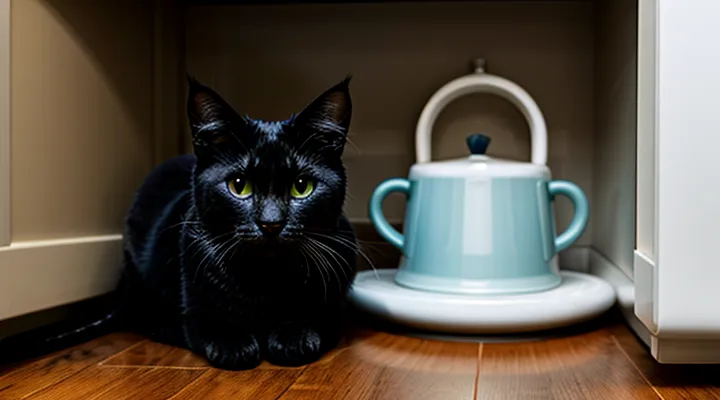
Understanding Feline Predatory Instincts
Natural Hunting Behaviors
Cats rely on instinctive predatory sequences to eliminate a lingering rodent. The process begins with sensory detection, proceeds through stalking, and culminates in a rapid kill. Each phase reflects a behavior honed through evolution and provides an effective solution to a persistent mouse problem.
- Auditory and olfactory cues trigger alertness; whisker vibration confirms proximity.
- Crouching posture lowers the center of gravity, stabilizing the body for a sudden burst.
- Silent approach minimizes sound, allowing the cat to close distance without alerting the prey.
- Pounce utilizes coordinated fore‑limb extension and hind‑leg propulsion, delivering precise force to the mouse’s torso.
- Bite to the neck severs the spinal cord, ensuring rapid incapacitation.
When a cat repeatedly encounters the same mouse, reinforcement of these steps accelerates execution. Providing an uncluttered environment enhances visual lines of sight, while ensuring the cat has regular access to safe hunting opportunities maintains the vigor of these behaviors. Consequently, the natural predatory repertoire of the cat serves as a reliable method for eradicating a tenacious mouse.
The Role of Scent and Sound
Cats rely on two primary sensory channels to neutralize a tenacious rodent: olfaction and audition. The feline nose detects volatile compounds emitted by mice, such as urine and glandular secretions, even when the prey is concealed behind insulation or inside walls. This chemical trail guides the cat’s approach, allowing it to pinpoint the mouse’s location without visual confirmation.
Auditory perception complements scent tracking. Mice produce high‑frequency squeaks and rustling noises while moving through substrates. Cats’ ears are tuned to frequencies above 30 kHz, enabling them to isolate these sounds from ambient noise. By focusing on the direction and intensity of the acoustic signal, the cat can adjust its stalking pattern in real time.
Effective use of these senses involves several practical steps:
- Place a small amount of mouse‑derived scent (e.g., a used trap or a piece of mouse fur) near entry points to attract the cat’s attention.
- Ensure the environment remains quiet enough for subtle mouse sounds to be audible; avoid loud appliances or music.
- Observe the cat’s head and ear orientation; rapid pivoting indicates detection of a new scent plume or sound source.
- Allow the cat to follow the scent gradient and pause at likely hiding spots, then listen for increased rustling before initiating a pounce.
By integrating chemical cues with acoustic feedback, a cat can systematically locate and eliminate a persistent mouse, reducing reliance on chance encounters and increasing success rates.
Preparing Your Cat for Mouse Patrol
Ensuring Your Cat's Health and Well-being
Cats that regularly hunt persistent rodents must maintain optimal health to perform effectively and avoid injury. Balanced nutrition supplies the energy required for bursts of activity and supports muscle recovery after each chase. High‑protein, moisture‑rich diets replicate the feline’s natural intake and reduce the risk of urinary complications.
Regular veterinary examinations identify early signs of injury, parasites, or disease that could impair hunting ability. Vaccinations protect against common feline pathogens, while routine blood work monitors organ function. Prompt treatment of wounds, such as bite marks or scratches, prevents infection and accelerates healing.
Environmental management reduces hazards that can harm the cat during pursuit:
- Keep the hunting area free of sharp objects and toxic chemicals.
- Provide safe climbing structures that distribute weight evenly and prevent falls.
- Ensure access to clean water at all times to maintain hydration.
Mental well‑being influences physical performance. Enrichment activities—interactive toys, puzzle feeders, and scheduled play sessions—stimulate natural predatory instincts while offering controlled outlets for energy. Consistent handling and positive reinforcement reinforce confidence, reducing stress that could compromise immune function.
By integrating proper diet, veterinary care, safe surroundings, and mental stimulation, owners safeguard their cat’s health, enabling the animal to address a tenacious mouse effectively and sustainably.
Minimizing Distractions and Competing Food Sources
Reducing external distractions sharpens a cat’s focus on the target rodent. Unnecessary noises, bright lights, and frequent human activity divert attention, allowing the mouse to evade detection. Limiting these factors creates a stable environment where the feline can maintain a consistent hunting pattern.
Eliminating alternative food sources prevents the cat from losing motivation. When a cat has access to abundant kibble, treats, or supplemental feeding stations, the incentive to chase a persistent mouse diminishes. Providing a measured diet that meets nutritional needs without excess ensures the cat remains driven to hunt.
Practical steps:
- Secure all doors and windows to block additional entry points, reducing the mouse’s escape routes.
- Turn off or silence appliances that generate intermittent sounds during hunting periods.
- Remove or relocate pet toys and other moving objects that could capture the cat’s attention.
- Schedule feeding times to create predictable intervals, avoiding constant food availability.
- Place the cat’s primary resting area near the known mouse activity zone, minimizing travel distance.
By systematically removing competing stimuli and surplus nourishment, the cat’s natural predatory instincts stay engaged, increasing the likelihood of successfully eliminating the lingering mouse.
Strategies for Encouraging Mouse Hunting
Creating a Stimulating Environment
Creating an environment that engages a cat’s natural hunting instincts increases the likelihood of it confronting a tenacious mouse. A well‑designed space provides sensory cues, physical challenges, and opportunities for stealthy pursuit, all of which encourage predatory behavior.
- Distribute elevated platforms and shelving to give the cat high‑ground observation points.
- Install narrow tunnels, cardboard boxes, or paper‑bag hideouts that mimic burrows and force the mouse to navigate confined passages.
- Place movable toys that emit rustling sounds or emit low‑frequency vibrations to simulate prey activity.
- Rotate puzzle feeders and treat‑dispensing devices to maintain novelty and prevent habituation.
- Ensure a variety of textures (rope, sisal, carpet) are available for scratching and claw sharpening, keeping the cat’s offensive tools in optimal condition.
Maintain a regular schedule for cleaning and rearranging these elements. Frequent changes prevent the mouse from adapting to a static layout and sustain the cat’s interest. By systematically enriching the surroundings, the cat remains alert, motivated, and equipped to eliminate the persistent rodent.
Utilizing Play to Sharpen Hunting Skills
Play provides a practical framework for developing a cat’s predatory competence, directly influencing its ability to eliminate a tenacious rodent. During play, a cat engages in stalking, pouncing, and capture motions that mirror natural hunting sequences. Repeated execution of these patterns refines motor coordination, timing, and sensory acuity, all essential for successful predation.
Key benefits derived from structured play include:
- Enhanced depth perception through tracking moving objects.
- Improved limb synchronization by alternating between rapid sprints and sudden halts.
- Strengthened jaw and claw control via mock capture and release actions.
- Heightened auditory discrimination by responding to varied sound cues.
Implementing play sessions that emulate realistic prey behavior accelerates skill acquisition. Effective techniques involve:
- Dragging a feathered wand across the floor to simulate scurrying movement.
- Launching lightweight balls that bounce unpredictably, encouraging pursuit and interception.
- Introducing a concealed sound source that intermittently emits rustling noises, prompting investigative stalking.
- Rotating toys with irregular trajectories to challenge anticipatory timing.
Consistent exposure to these exercises conditions the cat’s neural pathways, resulting in faster decision‑making and more precise strike execution when confronted with an actual mouse. Consequently, a cat that regularly engages in purposeful play demonstrates a markedly higher success rate in neutralizing persistent rodent intrusions.
The «Catch and Release» Dilemma for Indoor Cats
Indoor cats often encounter a mouse that refuses to stay dead, creating a “catch and release” conflict. The animal’s natural predatory instinct drives it to seize the prey, yet domestic environments lack the means to dispose of the victim safely. This tension can lead to repeated attempts, heightened stress for the cat, and potential health hazards for the household.
Key factors influencing the dilemma:
- Instinctual drive – the cat’s hunting reflex triggers a rapid pounce and bite, followed by a brief hold.
- Lack of killing efficiency – indoor cats may lack the experience to deliver a lethal blow, resulting in a wounded mouse.
- Safety concerns – a living mouse can transmit parasites, contaminate food surfaces, or trigger allergic reactions in occupants.
- Owner intervention – frequent interruptions prevent the cat from completing the predatory sequence, reinforcing the release behavior.
Practical measures to resolve the issue:
- Provide appropriate outlets – install interactive toys that simulate prey capture, reducing the urge to hunt real rodents.
- Ensure secure feeding areas – keep food storage sealed to discourage mouse activity, limiting exposure.
- Introduce controlled hunting practice – use safe, pre‑killed mouse replicas for supervised play, allowing the cat to fulfill the chase without risk.
- Implement humane removal – if a mouse is caught, employ a trap or glove to transfer the animal outside, then clean the area with disinfectant.
- Monitor health – schedule regular veterinary checks to detect injuries or parasite exposure resulting from mouse encounters.
By addressing the instinctual need, limiting the presence of live rodents, and offering safe alternatives, owners can diminish the “catch and release” cycle and preserve both cat welfare and household hygiene.
Potential Challenges and Solutions
Overcoming a Cat's Disinterest in Hunting
A cat that shows little interest in chasing a mouse can be re‑engaged through environmental, nutritional, and behavioral adjustments.
First, enrich the surroundings. Place interactive toys that mimic prey movements, such as feather wands or laser pointers, in the area where the mouse appears. Rotate the toys every few days to prevent habituation. Adding vertical space—cat trees, shelves, or window perches—encourages natural stalking posture and improves the cat’s confidence in ambush situations.
Second, adjust feeding routines. Offer small, high‑protein meals at regular intervals, then withhold food for a short period before a scheduled hunt session. The temporary fasting window stimulates the instinct to seek food, increasing the likelihood of pursuit when the mouse is present.
Third, employ scent cues. Apply a few drops of feline‑friendly pheromone oil on a cloth near the mouse’s hiding spot, or use a small amount of dried catnip on a toy placed close to the rodent’s path. The familiar odor triggers predatory arousal without overwhelming the animal.
Fourth, practice targeted training. Conduct brief, 5‑minute play bouts where the cat must capture moving objects that emulate the mouse’s size and speed. Reward successful catches with praise or a treat, reinforcing the behavior through positive feedback.
Key actions summarized:
- Rotate prey‑mimicking toys regularly.
- Provide elevated platforms for observation.
- Implement short fasting periods before hunting attempts.
- Apply pheromone or catnip cues near rodent activity.
- Conduct short, reward‑based capture drills.
Consistent application of these measures restores the cat’s natural drive, enabling it to address the persistent mouse problem effectively.
Addressing a Mouse's Persistence
A persistent mouse presents a challenge that requires the cat to combine instinct with strategic behavior. The feline must identify the mouse’s patterns, such as preferred routes, hiding spots, and times of activity, then adapt its hunting approach accordingly.
Effective measures include:
- Monitoring the mouse’s movement during low‑light periods when it is most active, allowing the cat to position itself near entry points without alerting the prey.
- Encouraging the cat to practice short bursts of sprinting followed by brief pauses, mimicking natural predatory ambush tactics.
- Providing elevated perches and narrow ledges that force the mouse into confined pathways, increasing the likelihood of a successful capture.
- Reducing clutter and sealing small gaps in walls or flooring to limit the mouse’s escape options, thereby concentrating its activity within the cat’s reachable zone.
Training sessions that reinforce the cat’s focus on the mouse’s recurring routes improve response time. Consistent reinforcement, such as rewarding the cat after a successful pounce, strengthens the association between persistent mouse behavior and the cat’s corrective action.
By systematically eliminating the mouse’s safe zones and aligning the cat’s natural predatory instincts with targeted environmental adjustments, the feline can neutralize the rodent’s persistence and restore control over the shared space.
Ensuring Safety for Both Cat and Mouse (Ethical Considerations)
When a household feline is tasked with eliminating a tenacious rodent, the welfare of both animals must remain a priority. The cat’s natural predatory instinct can be directed without causing injury, while the mouse’s life is respected through humane intervention.
- Provide the cat with safe, sturdy toys that mimic prey, reducing the urge to chase live mice.
- Install mouse exclusion devices, such as snap‑free traps that seal without crushing, allowing capture and release far from the home.
- Keep the cat’s claws trimmed and health checks up to date to prevent accidental harm during play.
- Offer the mouse a secure escape route after capture, ensuring it can leave the premises unharmed.
Training the cat to respond to verbal cues (“stop,” “leave”) reinforces control over impulsive attacks. Supervising interactions in confined spaces limits the chance of injury. If a mouse is found dead, examine the cat for potential health risks, such as parasites, and provide veterinary assessment promptly.
Ethical handling balances the cat’s need for stimulation with the mouse’s right to a painless outcome. Implementing preventive measures and humane capture methods achieves the goal of removing the rodent while preserving the safety of both species.
Observing and Reinforcing Success
Recognizing Signs of a Successful Hunt
A cat that has effectively neutralized a recurring mouse will display clear, observable cues. The animal may return to the hunting area with a captured prey, leave a fresh carcass in a visible spot, or bring the mouse to a preferred resting place. These actions confirm that the cat’s pursuit has concluded successfully.
Physical evidence accompanies the cat’s behavior. Look for:
- Intact or partially consumed mouse body, often positioned near food bowls or bedding.
- Blood stains or droppings in the vicinity of the cat’s favorite perch.
- Distinctive scent lingering in the cat’s fur or on its paws.
Behavioral signs reinforce the physical proof. The cat may pause briefly, flick its tail, and then resume a calm, satisfied posture. Vocalizations such as short, sharp chirps or a brief, low growl often precede or follow the capture. A sudden cessation of intense stalking movements, replaced by grooming or settling, indicates the hunt’s resolution.
Positive Reinforcement Techniques
Positive reinforcement trains a cat to respond reliably to a mouse problem. The method relies on rewarding desired actions, thereby increasing the likelihood that the cat will repeat them when a rodent appears.
First, define the target behavior: approaching, stalking, or capturing the mouse. Observe the cat’s natural hunting cues and intervene only when the cat displays a partial version of the target action. Immediately after the cue, deliver a reward—preferably a high‑value treat or brief play session with a favorite toy. The interval between cue and reward must be less than two seconds to create a clear association.
Second, shape the behavior through incremental steps:
- Cue recognition: Reward any glance toward the mouse’s location.
- Approach: Reward movement within a meter of the mouse’s hiding spot.
- Stalk: Reward low‑profile movement that mimics predatory posture.
- Capture attempt: Reward any paw swipe or gentle bite directed at the mouse.
Each step builds on the previous one, allowing the cat to progress without frustration.
Third, maintain consistency. Use the same reward each session and repeat the training at least twice daily for two weeks. Record successful attempts to adjust the schedule and prevent extinction of the learned response.
Fourth, manage the environment to support the training. Place the cat’s feeding station near the area where the mouse frequents, ensuring easy access to rewards. Remove competing stimuli that could distract the cat during practice.
Finally, evaluate progress by measuring the reduction in mouse sightings. A steady decline indicates that the cat has internalized the reinforced hunting pattern and can independently manage the persistent rodent.