
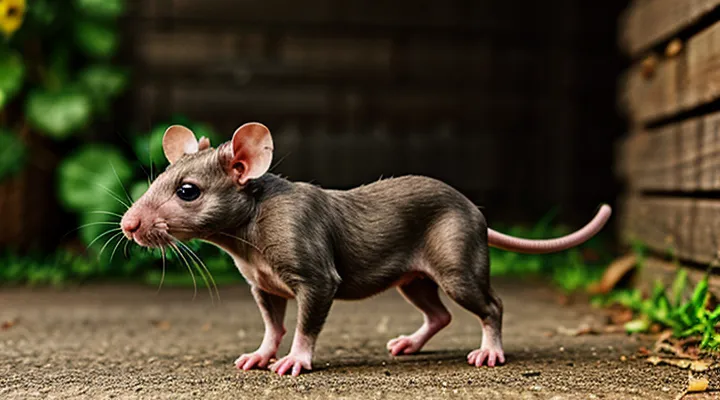
Understanding the Hairless “Dumbo” Rat
Origins and Naming
The “Dumbo Ear Trait
The hairless rat variety known as Dambo exhibits a distinctive ear morphology commonly referred to as the “Dumbo” trait. This feature is characterized by enlarged, rounded pinnae that extend laterally beyond the head’s normal outline, giving the animal a notably expressive appearance.
Genetically, the Dumbo ear phenotype results from a recessive mutation affecting cartilage development in the auricular region. Homozygous individuals display the full expression of the trait, while heterozygous carriers retain standard ear size but can transmit the allele to offspring.
Key aspects of the Dumbo ear trait include:
- Size: Pinneae increase in surface area by approximately 30‑45 % compared to typical hairless rats.
- Shape: Rounded edges replace the usual pointed contour, creating a low‑profile silhouette.
- Mobility: Enhanced flexibility permits a broader range of motion, facilitating thermoregulation and auditory acuity.
- Health implications: No direct pathological effects are associated; however, the larger surface may require careful monitoring for frostbite in low‑temperature environments.
Breeders prioritize the Dumbo ear characteristic as a defining quality of the Dambo line, selecting for homozygous individuals to maintain consistency across litters. The trait contributes to the breed’s visual identity while remaining functionally neutral.
The Hairless Gene
The hairless gene responsible for the distinctive lack of fur in the Dambo rat is a single‑base deletion in the Hr locus, resulting in a frameshift mutation that eliminates functional protein. This mutation follows an autosomal recessive inheritance pattern; individuals must inherit two copies of the defective allele to express the hairless phenotype. Heterozygous carriers retain normal pelage but can pass the allele to offspring.
Phenotypic expression includes:
- Complete absence of guard hairs and undercoat
- Thin, wrinkled skin with visible vasculature
- Increased sensitivity to temperature extremes
- Higher susceptibility to dermal infections if hygiene is insufficient
Health considerations stem from the compromised skin barrier. Regular monitoring for ulcerations, fungal growth, and ectoparasites is mandatory. Environmental control—maintaining ambient temperature between 22 °C and 26 °C and providing low‑humidity housing—reduces stress on the integumentary system.
Breeding strategies prioritize genetic confirmation. DNA testing of breeding stock verifies carrier status, allowing selection of pairs that minimize the risk of homozygous lethal alleles reported in related rodent strains. Maintaining a record of genotype for each animal ensures accurate pedigree analysis and supports sustainable population management.
Distinctive Physical Characteristics
Body Build and Size
Typical Weight and Length
The hairless rat known as “Dambo” displays a compact body size that distinguishes it from fur‑covered counterparts. Adult individuals usually weigh between 150 and 250 g, with males tending toward the upper end of the range. Females often fall near the lower limit, though overlap is common.
Body length, measured from nose to tail base, spans 12–15 cm. The tail adds an additional 9–12 cm, resulting in a total length of approximately 21–27 cm. These dimensions reflect the breed’s adaptation to a hairless phenotype while maintaining the overall proportions of standard laboratory rats.
Musculature and Proportions
The hairless rat known as “Dambo” exhibits a compact, well‑defined musculature that supports its active, exploratory behavior. Muscle groups are proportionally developed along the spine, limbs, and torso, providing both strength and agility without excess bulk.
Overall body shape reflects a balanced ratio between length and height. The head‑to‑body length averages 18–22 cm, while the shoulder height ranges from 7–9 cm, yielding a length‑to‑height ratio of roughly 2.5 : 1. This proportion contributes to a low center of gravity, enhancing stability during rapid movements.
Key muscular characteristics include:
- Spinal musculature: Thickened epaxial muscles along the dorsal midline, facilitating strong neck extension and torso flexion.
- Forelimb muscles: Prominent deltoids and triceps brachii, allowing precise grasping and climbing.
- Hindlimb muscles: Robust gluteals and quadriceps, supporting powerful jumps and sustained running.
- Abdominal wall: Well‑toned rectus abdominis and obliques, providing core stability and protecting internal organs.
Limb proportions follow a consistent pattern: the forelimb length equals approximately 35 % of total body length, while the hindlimb accounts for about 40 %. The tail length, typically 9–12 cm, matches the torso’s length, serving as a counterbalance during locomotion.
These muscular and proportional attributes define the “Dambo” as a sturdy, agile specimen within the hairless rat breed, optimized for both endurance and quick bursts of activity.
Skin and Coat (Lack Thereof)
Skin Texture and Coloration
The hairless rat commonly called Dambo displays a distinctive epidermal surface that differs markedly from fur‑covered varieties. The skin is smooth, lacking any protective pelage, which results in a delicate, thin dermis that readily reveals underlying vascular patterns.
Coloration of the Dambo’s skin follows a predictable progression. Newborns exhibit a uniform pink hue, reflecting the translucency of immature tissue. As the animal matures, melanin deposition creates a gradient of light to medium brown tones, often concentrated around the ears, tail base, and ventral areas. Seasonal variations may cause slight darkening, but overall pigment remains within the described range.
Key characteristics of skin texture and coloration include:
- Surface integrity: Absence of fur leads to increased sensitivity to abrasions and temperature fluctuations.
- Pigment distribution: Predominantly pink in juveniles, transitioning to brownish shades in adults; darker patches may appear on high‑stress regions.
- Moisture retention: Thin epidermis results in higher evaporative loss; regular humidity control mitigates dehydration.
- Healing response: Enhanced vascular visibility accelerates detection of injuries; regenerative capacity remains comparable to standard laboratory rats.
Vulnerabilities of Hairless Skin
The hairless rat known as Dambo exhibits a skin surface that lacks protective fur, creating distinct physiological challenges. Direct exposure of the epidermis leads to heightened sensitivity to environmental fluctuations, making temperature regulation a critical concern. The absence of a pelage also removes a primary barrier against mechanical trauma, increasing the likelihood of abrasions and ulcerations during routine handling or cage navigation.
Key vulnerabilities include:
- Thermal instability – rapid heat loss in cool environments and risk of overheating under direct light or high ambient temperatures.
- Dehydration – increased trans‑epidermal water loss due to the exposed stratum corneum, requiring frequent monitoring of fluid intake.
- Infection susceptibility – lack of fur permits easier colonization by bacteria, fungi, and parasites; wounds heal more slowly without the protective layer.
- UV radiation damage – unpigmented skin absorbs more ultraviolet energy, accelerating cellular damage and potentially leading to erythema or neoplasia.
- Dermatitis from irritants – contact with bedding, cleaning agents, or food residues can provoke inflammatory responses more readily than in haired counterparts.
Effective management demands controlled ambient temperature, humidity regulation, regular skin inspection, and the use of hypoallergenic bedding and cleaning products. Protective measures such as topical barrier creams and limited exposure to direct sunlight further mitigate the inherent risks associated with the breed’s unique dermatological profile.
Ear Shape and Placement
The “Dumbo” Ear vs. Standard Ears
The hairless rat breed known as Dambo displays a distinctive ear morphology termed “Dumbo” ears, which differs markedly from the conventional ear shape observed in standard hairless rats.
“Dumbo” ears are characterized by a broader base, increased cartilage thickness, and a pronounced outward flare that extends the pinna laterally. This configuration results in a larger surface area, enhancing auditory reception and thermoregulatory capacity. In contrast, standard ears possess a narrower base, thinner cartilage, and a more upright orientation, offering reduced surface exposure.
Key anatomical distinctions include:
- Base width: 30‑35 % wider in “Dumbo” ears.
- Cartilage density: approximately 20 % greater mass.
- Pinna angle: outward flare of 45‑55°, versus 15‑20° in standard ears.
- Surface area: up to 1.5‑fold increase, facilitating heat dissipation.
Functional implications are evident. The expanded ear surface improves heat loss in warm environments, aiding temperature regulation without fur. Enhanced auditory canal dimensions contribute to heightened sensitivity to low‑frequency sounds, which may affect social communication within colonies. Standard ears, with their streamlined shape, prioritize reduced drag and lower susceptibility to injury in confined spaces.
Breeders use ear morphology as a reliable phenotypic marker when selecting for specific traits. The presence of “Dumbo” ears indicates a genetic line that carries alleles influencing cartilage development, while standard ears suggest the absence of those alleles. This distinction assists in maintaining breed purity and predicting offspring ear types.
Impact on Hearing
The hairless rat variety known as Dambo exhibits auditory characteristics that differ from haired counterparts. The absence of fur reduces insulation around the external ear canals, allowing ambient sounds to reach the tympanic membrane with less attenuation. Consequently, Dambo rats demonstrate heightened sensitivity to high‑frequency noises, which can be measured by lower auditory thresholds in tonal audiometry.
In addition, the lack of protective hair increases exposure of the ear pinna to environmental factors such as dust and temperature fluctuations. This exposure can lead to a higher incidence of otitis externa, potentially impairing hearing if left untreated. Routine veterinary examinations that include ear cleaning and moisture control are essential to maintain auditory health.
Key implications for owners and breeders:
- Expect increased reactivity to sudden, high‑pitched sounds; provide a quiet environment to reduce stress.
- Monitor ears daily for debris, inflammation, or moisture accumulation.
- Implement preventive care protocols, including regular cleaning and temperature regulation, to mitigate infection risk.
Overall, the hairless phenotype directly influences auditory perception and ear health, requiring targeted management to preserve optimal hearing function.
Temperament and Behavior
Social Nature
Interaction with Humans
The hairless rat identified as Dambo exhibits a marked affinity for human contact. Individuals of this breed readily approach caretakers, display calm behavior during handling, and tolerate extended periods of interaction without signs of stress.
Key aspects of human‑rat interaction include:
- Social responsiveness – immediate engagement when spoken to or touched, often accompanied by gentle nudges.
- Handling tolerance – ability to be lifted, examined, and repositioned without aggressive reactions.
- Activity level – moderate exploration that encourages engagement but does not overwhelm the owner.
- Skin sensitivity – exposed integument requires careful, regular cleaning to prevent irritation; owners must use soft, damp cloths rather than abrasive materials.
Owners should establish a routine that incorporates daily handling sessions of 5–10 minutes, allowing the rat to become accustomed to human presence. Consistent interaction supports habituation, reduces fear responses, and promotes a stable temperament. Environmental enrichment—such as tunnels, chewable objects, and varied textures—facilitates exploratory behavior that can be shared with the caretaker during supervised play.
Training potential is limited to simple cue response and target training. Positive reinforcement using treats and gentle verbal cues yields reliable results, making the breed suitable for families seeking an interactive, low‑maintenance companion. Proper hygiene, regular health checks, and a stable, quiet environment maximize the quality of the human‑rat relationship.
Interaction with Other Rats
The hairless rat identified as Dambo exhibits a sociable disposition toward conspecifics, provided that introductions occur gradually and under controlled conditions. Early exposure to littermates reduces aggression and promotes stable group dynamics.
Key interaction characteristics:
- Group composition – optimal in small colonies of three to five individuals; larger groups increase the likelihood of territorial disputes.
- Compatibility with other breeds – generally accepts standard‑fur rats when scent exchange is facilitated through shared bedding; occasional dominance displays may arise, requiring observation.
- Hierarchy establishment – quickly forms a linear hierarchy; the dominant individual often claims preferred nesting sites and food access.
- Grooming behavior – compensates for lack of fur by engaging in frequent mutual licking; this activity reinforces social bonds and helps maintain skin health.
- Health monitoring – close contact enables rapid detection of skin lesions or parasites; caretakers should inspect all rats during routine health checks.
Successful integration depends on consistent environmental enrichment, adequate space per animal, and regular monitoring of social interactions to intervene before escalation.
Activity Levels
Playfulness and Curiosity
The hairless rat identified as Dambo exhibits a high degree of playfulness, often engaging in rapid chases, gentle wrestling, and repetitive nibbling of soft objects. These activities serve both as physical exercise and mental stimulation, reducing the risk of stress‑related ailments. Owners who provide tunnels, climbing structures, and chew‑safe toys observe increased activity levels and more balanced weight management.
Curiosity manifests through exploratory behavior: the rat probes new items, investigates changes in cage layout, and responds to novel scents with focused sniffing. Indicators of inquisitiveness include frequent pawing at unfamiliar surfaces, persistent investigation of hand movements, and rapid navigation of maze‑like environments. To nurture this trait, introduce varied textures, rotating enrichment items, and short supervised out‑of‑cage sessions that allow safe interaction with household objects.
Key practices for supporting playfulness and curiosity:
- Rotate toys weekly to prevent habituation.
- Incorporate puzzle feeders that require problem‑solving to access food.
- Offer safe, small branches or PVC tubes for climbing and tunnel exploration.
- Schedule brief handling periods each day to reinforce social confidence.
Consistent application of these strategies enhances the rat’s natural vigor, promotes cognitive health, and strengthens the bond between animal and caretaker.
Sleep Patterns
The hairless rat Dambo exhibits a distinct sleep architecture that differs from fur‑bearing laboratory strains. Average total sleep time ranges from 10 to 12 hours per 24‑hour cycle, with a pronounced nocturnal bias. During the dark phase the animal enters multiple rapid eye movement (REM) periods lasting 2–4 minutes each, interspersed with non‑REM bouts of 15–20 minutes. Light‑phase sleep consists mainly of brief non‑REM episodes, totaling 3–4 hours.
Key characteristics of the sleep pattern include:
- Circadian rhythm: Strongly entrained to a 12‑hour light/12‑hour dark schedule; activity peaks within the first four hours of darkness.
- Sleep fragmentation: Higher frequency of awakenings (8–10 per night) compared to furred counterparts, likely related to thermoregulation needs.
- Body temperature regulation: Absence of fur results in lower peripheral insulation; the rat frequently shifts position to maintain core temperature, causing short arousals.
- Environmental sensitivity: Ambient temperature below 20 °C increases wakefulness by up to 15 %; temperatures above 28 °C reduce REM duration by 20 %.
Health implications are evident. Consistent sleep deprivation correlates with elevated corticosterone levels and reduced growth rates. Providing a temperature‑controlled enclosure (22–25 °C) and a stable light schedule minimizes sleep disruption and supports optimal physiological development.
Care and Husbandry Requirements
Environmental Considerations
Temperature Regulation
The hairless rat breed referred to as Dambo lacks a protective fur coat, making skin the primary interface with the environment. Heat loss occurs rapidly through convection and radiation, so ambient temperature directly influences core body temperature. Metabolic heat production compensates for this loss, but the narrow thermal margin demands precise environmental control.
Optimal housing temperature ranges between 22 °C and 26 °C (72 °F–79 °F). Temperatures below 20 °C (68 °F) can trigger hypothermia, manifested by reduced activity, shivering, and a sluggish respiratory rate. Temperatures above 28 °C (82 °F) increase the risk of hyperthermia, evident through excessive panting, lethargy, and skin reddening.
Effective temperature management includes:
- Maintaining a stable thermostat within the recommended range; avoid rapid fluctuations.
- Providing insulated bedding that retains warmth without trapping excessive heat.
- Using a low‑wattage heat lamp or heating pad only when ambient temperature falls below the lower threshold, with a thermostat‑controlled cutoff.
- Ensuring adequate ventilation to dissipate excess heat during warmer periods.
- Monitoring skin condition; dryness or excessive moisture indicates inadequate humidity, which interacts with temperature regulation.
Regular observation of behavior and physiological signs enables early detection of thermal stress, allowing timely adjustments to the environment.
Bedding Choices
Hairless rats require bedding that maintains dry, clean conditions while preventing skin irritation. Moisture‑rich or scented substrates can cause dermatitis and respiratory issues; therefore, low‑dust, absorbent materials are preferred.
- Paper‑based bedding (e.g., shredded paper, cellulose) offers high absorbency, minimal dust, and easy replacement. It does not retain heat, reducing the risk of overheating on the rat’s exposed skin.
- Aspen shavings provide a natural, low‑oil alternative. They are free of aromatic compounds found in pine and cedar, which can irritate sensitive skin. However, they generate more dust than paper products and may require more frequent spot cleaning.
- Coconut fiber (coir) absorbs moisture well and is biodegradable. Its texture is gentle, but it can retain humidity if not changed regularly, potentially leading to fungal growth.
- Hemp bedding combines low dust with good odor control. It is durable and supports nesting behavior, yet it may be more expensive and less widely available.
Avoid using wood chips treated with chemicals or scented litters, as they can introduce allergens and irritants. Replace bedding at least twice weekly; perform spot cleaning daily to remove waste and wet spots. When introducing a new substrate, observe the rat for signs of skin redness or respiratory distress, adjusting the material accordingly.
Dietary Needs
Specific Nutritional Requirements
The hairless rat variety known as Dambo requires a diet that compensates for the absence of protective fur and the associated metabolic adjustments. Energy intake must be higher than that of fur‑covered counterparts to maintain body temperature; a caloric density of 4.5–5.0 kcal g⁻¹ is recommended.
- Protein: 20–22 % of total calories, sourced from high‑quality animal or soy protein isolates.
- Fat: 10–12 % of calories, with emphasis on omega‑3 and omega‑6 fatty acids to support skin health.
- Fiber: 3–5 % of diet, using soluble fibers such as beet pulp to promote gastrointestinal motility.
- Vitamin A: 1,200–1,500 IU kg⁻¹ body weight per day to aid epidermal regeneration.
- Vitamin E: 30–40 IU kg⁻¹ daily for antioxidant protection of exposed skin.
- B‑complex vitamins: supplemented at levels matching standard laboratory rodent formulations.
Water must be continuously available, kept at 20–22 °C to prevent chilling. Electrolyte balance should be monitored; a 0.5 % NaCl solution can be offered intermittently during periods of high ambient temperature.
Feeding schedule: two to three meals per day, spaced 4–6 hours apart, reduces metabolic stress and maintains steady glucose levels. Food should be presented in a shallow dish to prevent contact with the cage floor, minimizing contamination.
Supplementary skin moisturizers, applied topically once daily, complement dietary measures by reducing transepidermal water loss. Regular health checks, including body weight and skin condition, verify that nutritional targets are being met.
Hydration
Hairless rats, particularly the “Dambo” line, lack protective fur, making fluid balance critical for thermoregulation and skin health. Their exposed epidermis loses moisture more rapidly than covered breeds, increasing daily water requirements.
Adequate intake typically ranges from 15 ml to 25 ml per 100 g body weight. Young adults consume approximately 30 ml kg⁻¹, while juveniles need slightly less due to lower metabolic rate. Access to fresh water at all times prevents osmotic stress and supports kidney function.
Effective hydration management includes:
- Providing a stainless‑steel bottle with a low‑profile nozzle to reduce spillage.
- Refreshing water every 12 hours to maintain temperature below 22 °C.
- Adding a few drops of electrolyte solution during heat waves, not exceeding 0.5 % concentration.
- Monitoring urinary output; clear, frequent urination indicates proper balance, while concentrated droplets suggest deficit.
Environmental control complements fluid provision. Relative humidity of 45 %–55 % reduces transepidermal water loss. Ambient temperature should stay between 18 °C and 24 °C; higher values accelerate evaporation from the skin. Bedding material must be absorbent yet non‑abrasive to avoid additional moisture loss.
Regular observation of skin elasticity, eye clarity, and activity level offers early detection of dehydration. Prompt correction restores homeostasis and maintains the breed’s characteristic vigor.
Health Concerns Unique to Hairless “Dumbo” Rats
Skin Conditions and Allergies
The hairless rat, often exemplified by the popular “Dambo” line, presents a unique dermatological profile due to the absence of protective fur. Direct skin exposure increases vulnerability to irritants, microbial colonization, and environmental fluctuations, making vigilant monitoring essential.
Common dermatological issues include:
- Dryness and scaling: Resulting from low sebaceous activity; manifests as flaky patches, especially on the ears, tail, and ventral surface.
- Contact dermatitis: Triggered by bedding materials, cleaning agents, or cage accessories; appears as localized redness, swelling, and occasional ulceration.
- Fungal infections: Predominantly Candida spp.; present as moist, macerated lesions in skin folds or under the tail.
- Bacterial pyoderma: Frequently caused by Staphylococcus spp.; characterized by pustules, crust formation, and potential systemic involvement.
- Allergic reactions: Often food- or protein‑based; symptoms include pruritus, erythema, and episodic swelling.
Effective management relies on environmental control and targeted treatment:
- Maintain humidity between 45‑55 % and temperature around 68‑74 °F to prevent excessive drying.
- Use paper‑based or aspen bedding; avoid cedar, pine, and scented products.
- Clean cages with mild, fragrance‑free disinfectants; rinse thoroughly before reuse.
- Implement a hypoallergenic diet, monitoring for food triggers; consider elimination trials under veterinary guidance.
- Apply topical emollients formulated for small mammals to alleviate dryness; prescribe antifungal or antibacterial agents as culture results dictate.
- Schedule regular veterinary examinations to detect early signs and adjust care protocols promptly.
Respiratory Sensitivities
The hairless Dambo rat exhibits heightened respiratory sensitivity due to the absence of protective fur and a delicate skin barrier. Reduced insulation increases exposure of the nasal passages to airborne irritants, making the breed prone to respiratory distress under suboptimal environmental conditions.
Typical manifestations include frequent sneezing, nasal discharge, audible wheezing, and reduced activity levels. Triggers often involve dust, strong odors, temperature fluctuations, and high humidity. Early detection relies on consistent observation of breathing patterns and mucosal health.
Management strategies:
- Maintain air filtration systems to remove particulate matter.
- Keep ambient temperature stable between 68–74 °F (20–23 °C) with relative humidity around 50 %.
- Avoid scented cleaning agents, aerosols, and strong fragrances in the enclosure.
- Provide a low‑dust substrate such as paper bedding or specialized low‑allergen pellets.
- Conduct regular health checks, including otoscopic examination and, when necessary, veterinary assessment for infections or allergic reactions.
Implementing these controls reduces the incidence of respiratory episodes and supports the overall well‑being of the hairless Dambo rat.
Dental Issues
Dental health is a critical aspect of the overall condition of hairless rats, particularly the Dambo line, which exhibits a distinctive dental morphology. The incisors grow continuously and require constant wear to prevent overgrowth; any imbalance can lead to malocclusion, difficulty eating, and secondary infections.
Common dental problems include:
- Overgrown incisors that protrude beyond the lips.
- Uneven wear resulting in misaligned bite.
- Periodontal disease manifested by swollen gums and discharge.
- Tooth fractures caused by chewing on hard objects.
Early detection relies on routine observation of feeding behavior and oral examination. Indicators of trouble are:
- Reluctance to gnaw or reduced food intake.
- Visible drooling or blood around the mouth.
- Changes in facial shape due to swollen jaws.
- Audible grinding or clicking sounds while chewing.
Preventive measures focus on diet and environmental enrichment. A balanced regimen of high‑fiber pellets and fresh vegetables provides natural abrasion to maintain proper incisor length. Hard chew blocks made of safe wood or mineral material supplement wear. Regular veterinary check‑ups, at least twice yearly, allow professional trimming of overgrown teeth and assessment of gum health.
When dental issues arise, treatment protocols involve:
- Sedation and gentle restraint for safe handling.
- Trimming of incisors with specialized rodent dental scissors or a rotary cutter.
- Cleaning of the oral cavity to remove debris and assess tissue condition.
- Prescription of antibiotics if bacterial infection is present.
- Adjustment of diet to softer foods during recovery, gradually reintroducing abrasive items.
Long‑term management includes monitoring growth rates of the incisors weekly and maintaining a clean, chew‑rich environment. Consistency in these practices reduces the likelihood of severe dental complications and supports the health and longevity of hairless rats of the Dambo variety.
Lifespan Expectations
The hairless rat variety commonly called Dambo typically lives between 2 and 3 years under optimal conditions. Genetic factors, health management, and environment largely determine individual outcomes.
- Genetics: The breed’s lack of fur reduces susceptibility to certain skin disorders but may increase vulnerability to temperature stress.
- Nutrition: Balanced diets rich in protein, fiber, and essential vitamins extend median lifespan by up to 15 %.
- Housing: Stable ambient temperature (20‑24 °C) and low humidity prevent dehydration and respiratory complications.
- Medical care: Routine veterinary examinations, parasite control, and prompt treatment of infections contribute to longevity.
- Stress reduction: Minimal handling stress and enrichment lower cortisol levels, correlating with longer survival.
Owners who maintain these parameters consistently report average lifespans near the upper end of the 2‑3 year range, with occasional individuals reaching 3.5 years.
Breeding and Genetics
Genetic Basis of Hairlessness
Recessive Genes Involved
The hairless rat commonly called “Dambo” displays a suite of breed characteristics driven by several recessive alleles. The primary mutation responsible for the lack of fur resides in the hr gene, a homozygous loss‑of‑function variant that disrupts hair follicle development. Additional recessive genes influence related traits:
- c gene (coat color): homozygous recessive alleles produce the pink‑to‑light‑brown skin tone typical of the strain.
- e gene (ear cartilage): recessive variants yield the thin, pliable ear pinnae seen in the breed.
- b gene (behavioral phenotype): recessive forms are linked to reduced grooming activity, contributing to the smooth appearance of the animal’s skin.
- s gene (sensory hair): loss of function eliminates whisker follicles, reinforcing the overall hairless presentation.
The interaction of these alleles follows Mendelian inheritance; breeding two carriers of each recessive trait produces a 25 % chance of offspring expressing the full hairless phenotype when both parents are heterozygous. Genetic testing for the hr, c, e, b, and s loci allows breeders to predict outcomes and maintain breed purity.
Genetic Basis of “Dumbo” Ears
Dominant or Recessive Traits
The hairless rat identified as Dambo exhibits a distinct set of genetic characteristics that determine its physical and behavioral profile. Understanding which traits are expressed through dominant alleles and which require recessive alleles is essential for breeders aiming to maintain or modify these features.
-
Dominant traits
-
Recessive traits
When both parents carry recessive alleles for a particular characteristic, the offspring may display that trait despite its recessive nature. Conversely, a single dominant allele from either parent guarantees expression of the associated feature. Breeders must therefore track lineage to predict trait inheritance accurately and to achieve desired outcomes in successive litters.
Ethical Considerations in Breeding
Health Screening for Parents
Health screening of breeding rats is essential for maintaining the integrity of the hairless breed known as Dambo. Screening identifies hereditary conditions, infectious agents, and physiological abnormalities that could compromise offspring viability.
A comprehensive screening protocol includes:
- Genetic analysis for known mutations affecting coat development, renal function, and immune response.
- Serological testing for rat coronaviruses, Sendai virus, and lymphocytic choriomeningitis virus.
- Bacterial culture of fecal samples to detect Salmonella spp., Clostridium difficile, and Helicobacter spp.
- Parasite examination of feces for pinworms, protozoa, and ectoparasites.
- Full physical examination covering respiratory sounds, ocular health, and musculoskeletal integrity.
- Blood chemistry panel evaluating renal markers (BUN, creatinine), hepatic enzymes (ALT, AST), and electrolyte balance.
Timing recommendations:
- Initial screening before the first breeding attempt.
- Repeat serology and parasite checks every six months.
- Genetic testing performed once for each parent, with results recorded in the breeding ledger.
Documentation of all results simplifies selection of compatible pairs, reduces the incidence of disease transmission, and supports the long‑term health of the colony.
Avoiding Harmful Gene Combinations
Breeding the hairless rat known as Dambo requires strict control of genetic pairings to prevent health‑compromising outcomes. The hairless phenotype results from a recessive mutation that eliminates fur and alters skin integrity; when combined with other deleterious alleles, the risk of severe disorders increases sharply.
Key harmful gene combinations to avoid:
- Hairless mutation + Immune‑deficiency allele – leads to chronic skin infections and impaired wound healing.
- Hairless mutation + Metabolic disorder gene (e.g., obesity‑linked allele) – exacerbates weight gain, straining the already vulnerable skin.
- Hairless mutation + Cardiac defect allele – raises the incidence of heart failure in young specimens.
- Hairless mutation + Sensory deficit genes (e.g., vision or hearing loss) – compounds the animal’s reliance on tactile cues, heightening stress and injury risk.
- Hairless mutation + Any homozygous lethal allele – produces non‑viable embryos or early mortality.
Preventive measures:
- Perform DNA testing on all breeding candidates to confirm the absence of the listed alleles.
- Maintain detailed pedigree records to trace carrier status across generations.
- Limit the use of individuals carrying the hairless mutation to heterozygous pairings with proven healthy partners.
- Conduct regular health screenings on offspring to detect early manifestations of combined genetic issues.
Adherence to these protocols safeguards the physiological stability of the breed and ensures that the distinctive hairless trait can be enjoyed without compromising animal welfare.