
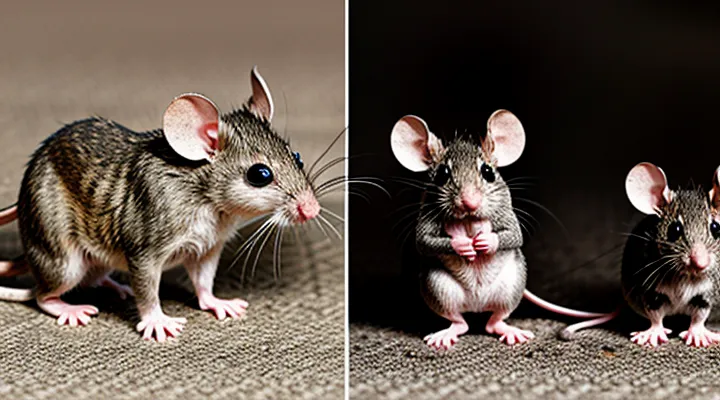
Introduction to Mouse Development
Why Study Mouse Growth?
Studying the ontogeny of laboratory mice provides a direct window into the genetic, cellular, and physiological mechanisms that drive mammalian growth. Because mice share a high degree of genetic homology with humans, observations made during the transition from neonate to mature adult can be extrapolated to understand human developmental disorders, metabolic diseases, and aging processes.
Key reasons for investigating mouse growth include:
- Rapid life cycle enables longitudinal studies within months, reducing experimental timeframes.
- Well‑characterized genome facilitates manipulation of specific genes to assess their role in tissue formation and organ maturation.
- Availability of standardized strains ensures reproducibility across laboratories and supports meta‑analysis of developmental data.
- Integration of high‑throughput phenotyping platforms allows precise measurement of body composition, skeletal development, and behavioral milestones.
Data derived from mouse developmental models inform the design of therapeutic interventions, improve predictive models of disease progression, and contribute to the refinement of nutritional and environmental guidelines for both animal husbandry and human health research.
Key Developmental Stages Overview
The mouse developmental trajectory proceeds through distinct, time‑bound stages that define the transition from birth to reproductive maturity.
- «Embryonic phase»: gestation lasts approximately 19–21 days; organogenesis and limb formation occur, culminating in a fully formed neonate.
- «Neonatal period»: days 0–7 post‑birth; pups are hairless, eyes remain closed, and milk intake from the dam provides essential nutrients.
- «Pre‑weaning stage»: days 8–21; fur development accelerates, thermoregulation improves, and locomotor activity increases as pups begin exploring the nest.
- «Weaning transition»: day 21; solid food intake replaces maternal milk, marking a shift in digestive physiology.
- «Juvenile phase»: weeks 3–6; rapid growth in body mass, skeletal ossification, and emergence of social behaviors are evident.
- «Sexual maturation»: weeks 6–8 for females, weeks 8–10 for males; gonadal development reaches functional capacity, enabling reproduction.
- «Adult stage»: beyond week 10; body size stabilizes, reproductive cycles become regular, and physiological parameters attain homeostatic equilibrium.
Each stage is characterized by specific morphological, metabolic, and behavioral markers that collectively delineate the mouse’s progression from infancy to adulthood.
Neonatal Period «Days 0-14»
Physical Development
Sensory Organ Maturation
Sensory organ maturation proceeds through a defined sequence of morphological and functional events that align with the overall ontogeny of the mouse. During embryogenesis, the rudimentary structures of the eye, ear, nose, tongue, and skin develop from ectodermal placodes. By the end of gestation, primary retinal layers, cochlear hair cells, olfactory epithelium, taste buds, and mechanoreceptor innervation are recognizable, yet functional responsiveness remains limited.
Postnatal development is marked by rapid refinement. Within the first week after birth, photoreceptor outer segments elongate, synaptic connections in the visual cortex increase, and visual acuity improves measurably. Auditory sensitivity emerges between postnatal days 10 and 14 as the organ of Corti reaches mature stiffness, allowing detection of frequencies up to 80 kHz. Olfactory capacity expands as the olfactory bulb receives increasing afferent input, reaching adult discrimination thresholds by day 21. Gustatory papillae mature concurrently, with taste receptor expression stabilizing and behavioral preference assays indicating adult-like taste discrimination. Tactile perception, mediated by Merkel cells and rapidly adapting mechanoreceptors, attains adult thresholds around postnatal day 15, coinciding with myelination of peripheral sensory fibers.
Key milestones can be summarized:
- Vision: retinal layer differentiation → photoreceptor outer segment growth → cortical synaptic consolidation (days 0‑21)
- Hearing: cochlear hair cell maturation → basilar membrane stiffness → central auditory pathway tonotopic mapping (days 10‑21)
- Olfaction: olfactory epithelium expansion → bulb afferent integration → odor discrimination proficiency (days 14‑28)
- Taste: taste bud formation → receptor gene expression → adult taste preference behavior (days 10‑21)
- Touch: mechanoreceptor development → peripheral myelination → tactile acuity (days 12‑20)
These stages reflect coordinated genetic programs and activity‑dependent plasticity. Disruption of any phase, such as premature sensory deprivation, leads to persistent deficits in cortical representation and behavioral performance. The temporal overlap of organ-specific maturation ensures that multimodal integration capabilities emerge as the mouse transitions from infant to adult, supporting complex environmental interactions.
Motor Skill Acquisition
Motor skill acquisition in the laboratory mouse follows a predictable sequence that mirrors the animal’s anatomical and neural maturation. During the neonatal period, reflexive movements dominate; the righting reflex, grasping, and suckling are observable within the first 24 hours after birth. These behaviors rely on spinal and brainstem circuits that are functional at birth.
The second post‑natal week marks the emergence of voluntary locomotion. Pups begin to explore the nest, exhibit coordinated fore‑ and hind‑limb stepping, and develop the ability to maintain balance on a horizontal surface. Muscular strength increases alongside myelination of corticospinal pathways, enabling more precise limb placement.
Between weeks three and four, complex motor patterns appear. Mice demonstrate proficiency in tasks such as the rotarod, ladder rung walking, and reaching for food pellets. Synaptic refinement in the motor cortex and cerebellum supports fine‑grained adjustments of force and timing. Sensorimotor integration improves as proprioceptive feedback becomes more accurate.
In the adolescent stage (approximately weeks five to eight), motor performance reaches adult levels. Animals show consistent performance across repeated trials, minimal variability in gait parameters, and the capacity to adapt to novel motor challenges. Ongoing neuroplasticity in the basal ganglia and cerebellar nuclei sustains skill retention and facilitates learning of new motor sequences.
Key developmental milestones can be summarized:
- Neonatal reflexes (day 1–7)
- Initiation of voluntary locomotion (week 2)
- Acquisition of coordinated gait and balance (weeks 3–4)
- Mastery of fine motor tasks (weeks 5–8)
- Adult‑level motor proficiency (post‑week 8)
Understanding the timeline of motor skill acquisition provides a framework for interpreting experimental data, assessing the impact of genetic manipulations, and designing interventions that target specific stages of neuromuscular development.
Nutritional Needs and Feeding
Maternal Care and Lactation
Maternal care in mice begins immediately after birth and persists until the offspring achieve independence. The dam provides thermoregulation, protection from predators, and a stable nest environment, reducing the risk of hypothermia and injury during the first two weeks of life.
Lactation supplies the sole source of nutrition for neonatal mice. Milk composition changes dynamically:
- Days 1‑3: high‑protein, low‑fat milk supports rapid cell proliferation and organogenesis.
- Days 4‑7: increased lactose and immunoglobulins enhance gut maturation and passive immunity.
- Days 8‑14: elevated fat content supplies energy for accelerated growth and locomotor development.
The suckling reflex in pups triggers prolactin release in the dam, sustaining milk production. Frequency of nursing bouts declines from 30–40 per day in the first week to 10–15 by the end of the second week, reflecting the transition toward solid food intake.
Weaning typically occurs around post‑natal day 21, when pups begin to consume solid chow and display independent foraging behavior. At this stage, maternal grooming continues to reinforce social bonds and reduce stress, but the direct nutritional contribution of milk ceases.
Overall, maternal behavior and lactational physiology constitute the primary drivers of early growth, ensuring that mouse offspring progress from vulnerable neonates to self‑sufficient juveniles ready for adult life.
Behavioral Milestones
Social Interactions
During the neonatal period, mice exhibit limited social behavior. Contact with the dam provides essential thermal regulation and nourishment, while tactile stimulation promotes neural circuitry linked to social recognition. Maternal grooming frequency correlates with the infant’s later responsiveness to conspecific cues.
The pre‑weaning stage introduces sibling interaction. Pup‑pup play intensifies, establishing patterns of dominance and submission. Repetitive bouts of chasing and mounting generate experience‑dependent modifications in the amygdala and prefrontal cortex, preparing individuals for adult social structures.
In adolescence, exploratory behavior expands beyond the litter. Mice engage in brief encounters with unfamiliar peers, testing aggression thresholds and affiliative signaling. Olfactory communication, mediated by pheromonal cues, becomes the primary mechanism for assessing reproductive status and territorial boundaries.
Adulthood consolidates the social network. Stable hierarchies emerge within groups, with dominant individuals controlling access to resources. Subordinate mice demonstrate stress‑responsive hormonal profiles, reflecting their position. Continuous interaction with cage mates sustains synaptic plasticity in regions governing empathy and decision‑making.
Key developmental milestones of social interaction:
- Neonatal tactile and auditory bonding with the mother.
- Pre‑weaning sibling play establishing dominance hierarchies.
- Adolescent exploratory encounters and pheromone‑driven assessments.
- Adult hierarchical maintenance and resource allocation.
These stages illustrate the progressive complexity of mouse social life, mirroring the broader trajectory from birth to maturity.
Juvenile Period «Days 15-28»
Weaning and Diet Transition
Solid Food Introduction
The transition from milk to solid nutrition marks a critical phase in mouse development. Around post‑natal day 14, the digestive system matures sufficiently to process complex carbohydrates, proteins, and fats. Enzyme activity, particularly amylase and protease levels, rises sharply, enabling efficient breakdown of solid substrates.
Key considerations for introducing solid food:
- Begin with finely ground, nutritionally balanced pellets; texture should be soft enough to prevent choking.
- Provide a limited amount (approximately 0.5 g per mouse) twice daily, increasing gradually as intake stabilizes.
- Ensure continuous access to fresh water to support hydration and aid digestion.
Monitoring guidelines:
- Observe fecal consistency; a transition to well‑formed pellets indicates proper assimilation.
- Track body weight weekly; a steady gain of 1–2 g per week reflects successful nutrient uptake.
- Watch for signs of gastrointestinal distress, such as diarrhea or reduced activity, and adjust diet composition accordingly.
Recommended solid diets include:
- High‑protein rodent chow formulated for juveniles, containing 20–24 % protein.
- Supplementary pureed vegetables (e.g., carrot or sweet potato) to provide fiber and micronutrients.
- Small quantities of boiled egg or low‑fat cheese for additional calcium and fatty acids.
By adhering to these protocols, the mouse progresses smoothly from infant reliance on lactation to independent consumption of solid food, supporting overall growth and physiological maturation.
Continued Physical Growth
Fur Development and Maturation
Fur development in mice proceeds through clearly defined phases that correspond to the animal’s overall growth trajectory.
In the neonatal period, a soft, downy pelage, known as lanugo, covers the body. This coat provides limited insulation and is composed of fine, unpigmented hairs that emerge during embryonic skin formation. The lanugo is shed within the first two weeks after birth, coinciding with the onset of thermoregulatory competence.
The subsequent juvenile phase features the emergence of a denser, pigmented coat. This molt replaces the lanugo with guard hairs and underfur that differ in length, diameter, and melanin content. Guard hairs acquire functional characteristics such as moisture resistance and mechanical protection, while the underfur contributes to thermal regulation. The transition typically completes by the fourth post‑natal week.
Adult fur reaches full maturity around eight weeks of age. At this stage, the pelage exhibits species‑specific patterning, robust keratinization, and a stable hair cycle consisting of anagen (growth), catagen (regression), and telogen (rest) phases. The mature coat supports thermoregulation, sensory perception, and social signaling.
Key developmental milestones can be summarized as follows:
- Birth to ~14 days: lanugo coat, minimal insulation.
- ~14–28 days: juvenile molt, establishment of guard hairs and underfur.
- ~28–56 days: consolidation of adult pelage, onset of regular hair cycle.
Understanding these stages provides a framework for interpreting experimental data on murine physiology, genetic regulation of hair growth, and the impact of environmental factors on integumentary health.
Exploration and Learning
Environmental Interaction
Environmental conditions shape the trajectory of mouse maturation from neonate to adult. Temperature regulation influences metabolic rate, accelerating or decelerating somatic growth. Nutrient availability determines body weight gain and organ development, with protein‑rich diets promoting lean mass accumulation while caloric restriction delays skeletal maturation. Light‑dark cycles synchronize circadian rhythms that govern hormone secretion, affecting puberty onset and activity patterns. Social context, including litter size and maternal care, modulates stress responsiveness and social competence. Microbial exposure establishes gut flora that interacts with immune development and metabolic programming.
Key environmental variables:
- Ambient temperature (e.g., 22 °C ± 2 °C)
- Dietary composition (protein, fat, carbohydrate ratios)
- Photoperiod length (12 h light/12 h dark)
- Social density (number of cage mates)
- Microbiome colonization (presence of specific bacterial strains)
Alterations in these parameters produce measurable effects on physiology and behavior. Elevated ambient temperature correlates with increased circulating thyroid hormone, hastening growth plate closure. High‑protein diets raise circulating IGF‑1, enhancing muscle fiber hypertrophy. Disrupted photoperiods shift melatonin peaks, delaying reproductive axis activation. Crowded housing elevates corticosterone, reducing exploratory behavior and impairing spatial learning. Colonization with commensal Lactobacillus strains improves glucose tolerance and reduces adiposity.
Research consistently demonstrates that environmental modulation induces epigenetic marks—DNA methylation and histone acetylation—affecting gene expression patterns that persist into adulthood. For instance, early‑life exposure to enriched environments produces hypomethylation of the BDNF promoter, enhancing synaptic plasticity and cognitive performance. Conversely, chronic stress during the weaning period leads to hypermethylation of the glucocorticoid receptor gene, diminishing stress resilience.
«Smith et al., 2022» reported that controlled temperature elevation of 2 °C shortened the weaning period by 3 days without compromising survival. «Johnson & Lee, 2020» demonstrated that a diet enriched with omega‑3 fatty acids increased adult hippocampal volume by 5 % relative to standard chow. These findings underscore the necessity of precise environmental management in experimental designs and in breeding programs aimed at optimizing health outcomes throughout the mouse life cycle.
Social Hierarchy Formation
Social hierarchy emerges rapidly after birth, shaping interactions that influence growth trajectories and reproductive success. Early post‑natal life is dominated by maternal control; pups receive prioritized access to milk and warmth, establishing the first tier of dominance based on proximity to the dam. Maternal aggression toward intruders reinforces the mother’s position at the apex of the hierarchy, while littermates compete for limited suckling opportunities.
During the juvenile phase, exploratory play intensifies. Aggressive encounters, such as mounting and biting, create a clear ranking among peers. Dominant individuals secure preferential access to novel objects and food, thereby accelerating weight gain and muscle development relative to subordinates. Subordinate mice exhibit reduced corticosterone spikes after repeated defeats, indicating physiological imprinting of rank.
In adulthood, the hierarchy stabilizes into a relatively fixed order. Dominant mice monopolize prime nesting sites, control mating opportunities, and obtain the majority of high‑quality food resources. Subordinates adopt avoidance strategies, limiting exposure to conflicts and conserving energy for foraging. This division of labor reduces intra‑group aggression, enhancing overall colony efficiency.
Key mechanisms driving hierarchy formation:
- «Aggressive signaling» through ultrasonic vocalizations and scent marking.
- «Resource monopolization» that rewards higher rank with superior nutrition.
- «Hormonal modulation» where testosterone levels correlate with dominant behavior.
- «Social learning» whereby subordinate mice adjust behavior based on observed outcomes of dominant actions.
Adolescent Period «Days 29-42»
Sexual Maturation
Reproductive Organ Development
The reproductive system undergoes a defined sequence of morphological and hormonal transformations as a mouse progresses from birth to maturity. Early organogenesis establishes the foundation for later functional capacity, while subsequent stages refine structure, activate gametogenesis, and enable fertility.
During embryogenesis, the gonadal ridge forms along the mesonephric region. Expression of the sex‑determining region Y (SRY) gene directs differentiation toward testes in XY embryos, whereas its absence permits ovarian development in XX embryos. Sertoli cells arise concurrently, secreting anti‑Müllerian hormone that suppresses Müllerian duct persistence, and Leydig cells begin producing testosterone, establishing the male phenotype.
In the neonatal period (postnatal days 0–10), testes exhibit seminiferous tubule cords, and ovaries contain primordial follicles. Leydig cell activity declines, while the hypothalamic‑pituitary‑gonadal (HPG) axis remains quiescent. Gonadotropin‑releasing hormone (GnRH) neurons are present but exhibit low firing rates, resulting in minimal luteinizing hormone (LH) and follicle‑stimulating hormone (FSH) secretion.
Puberty initiates around postnatal day 30 in males and day 35 in females. Reactivation of the HPG axis leads to pulsatile GnRH release, stimulating LH and FSH secretion. In males, LH drives Leydig cell testosterone production, prompting spermatogenesis within the seminiferous epithelium. In females, FSH promotes follicular growth, culminating in the first estrous cycle and ovulation.
Adult reproductive organs display fully mature architecture and endocrine function. Testes produce spermatozoa continuously, and accessory glands contribute seminal fluid. Ovaries generate cyclic cohorts of mature oocytes, and the uterus attains full cyclic responsiveness to estrogen and progesterone.
Key developmental milestones:
- Embryonic day 10.5: Gonadal ridge emergence
- Embryonic day 12.5: SRY expression in XY embryos
- Postnatal day 0–5: Formation of seminiferous cords / primordial follicles
- Postnatal day 15: Decline of neonatal Leydig activity
- Postnatal day 30–35: HPG axis reactivation, onset of spermatogenesis / estrous cycles
- Postnatal day 60 onward: Stable adult fertility parameters
These stages collectively ensure the establishment of a functional reproductive system capable of supporting successive generations.
Onset of Fertility
The onset of fertility in laboratory mice occurs during the pubertal transition, typically between the third and fourth post‑natal week. This period marks the shift from juvenile growth to reproductive competence.
Key endocrine events include a surge in gonadotropin‑releasing hormone (GnRH) secretion, followed by increased luteinizing hormone (LH) and follicle‑stimulating hormone (FSH) levels. Elevated LH stimulates testosterone production in males and estradiol synthesis in females, driving gonadal maturation.
Physical indicators of sexual maturity comprise:
- Testicular descent and enlargement in males
- Vaginal opening and first estrus in females
- Development of secondary sexual characteristics such as increased body mass and coat changes
At the conclusion of this phase, females exhibit regular estrous cycles, and males attain the ability to produce viable spermatozoa. Fertility is considered established when successful mating results in conception and litter formation under standard breeding conditions.
Growth Plate Closure
Growth plate closure marks the transition from endochondral cartilage to bone in the distal femur, tibia, and vertebrae of the mouse. The process begins around the fourth week after birth and culminates by eight weeks, coinciding with the attainment of skeletal maturity.
During closure, proliferating chondrocytes cease division, undergo hypertrophy, and are replaced by mineralized matrix. The sequence is orchestrated by several signaling pathways:
- Indian hedgehog (Ihh) stimulates pre‑hypertrophic chondrocytes and regulates parathyroid hormone‑related protein (PTHrP) feedback.
- Wnt/β‑catenin activity promotes osteoblast differentiation and matrix mineralization.
- Bone morphogenetic protein (BMP) signaling enhances chondrocyte maturation and extracellular matrix deposition.
Estrogen accelerates epiphyseal fusion by modulating the balance between Ihh and Wnt signals. Growth hormone and insulin‑like growth factor‑1 (IGF‑1) support longitudinal growth before closure, while their decline contributes to the cessation of growth.
Premature closure results in reduced bone length, altered load distribution, and increased susceptibility to fractures. Conversely, delayed closure extends the growth period, potentially leading to disproportionate limb size.
Assessment of closure status employs histological staining of the growth plate, micro‑computed tomography to visualize ossified bridges, and quantitative measurement of serum markers such as alkaline phosphatase and osteocalcin.
Adult-like Behaviors
Territory Marking
Territory marking in mice evolves markedly as the animal progresses from neonate to mature individual. In the early post‑natal period, scent deposition is limited to brief bouts of maternal‑derived odor transfer during nursing. The infant’s underdeveloped urinary system and weak musculature restrict the ability to leave stable scent traces.
During the weaning stage (approximately three to four weeks of age), the mouse begins to produce urine with detectable volatile compounds. Urine is deposited at the periphery of the nest, establishing a rudimentary boundary that deters conspecific intrusion. Simultaneously, the animal starts to engage in flank‑rubbing behavior, spreading pre‑orbital gland secretions onto surrounding substrates.
In adulthood, territory marking becomes a complex, multimodal communication system:
- Urine marking: frequent, high‑volume deposits on vertical surfaces and corners; composition includes major urinary proteins that convey individual identity and reproductive status.
- Pre‑orbital gland secretion: applied through deliberate rubbing of the face on objects; provides a persistent, non‑volatile signal.
- Scent marking via feces: concentrated in latrine sites; reinforces territorial claims and signals dominance hierarchies.
The frequency and spatial distribution of marks correlate with the mouse’s social rank and reproductive condition. Dominant individuals exhibit larger, more densely marked territories, while subordinate mice limit marking to peripheral zones. Seasonal hormonal fluctuations modulate the intensity of marking, with elevated estrogen or testosterone levels prompting increased deposition rates.
Overall, the maturation of scent‑based territorial communication reflects the mouse’s transition from dependency to autonomous social positioning within its environment.
Adulthood «Day 43 Onwards»
Peak Physical Condition
During the post‑natal period, the mouse reaches its peak physical condition shortly before sexual maturity. At this stage, body mass stabilizes at the maximum for the species, skeletal growth concludes, and muscle development achieves optimal fiber composition for rapid contraction. Cardiovascular efficiency peaks, reflected by maximal oxygen consumption during treadmill testing.
Key physiological indicators of this optimal state include:
- Body weight near 25–30 g, representing the upper limit for laboratory strains.
- Muscle fiber ratio shifting toward type IIb fibers, enhancing burst speed.
- Maximal aerobic capacity (VO₂max) approximately 60 ml kg⁻¹ min⁻¹.
- Bone mineral density plateauing, confirming structural integrity.
- Hormonal profile marked by elevated testosterone or estradiol, signaling reproductive readiness.
After this interval, gradual declines in muscular power, aerobic performance, and bone density occur, aligning with the onset of senescence. The defined window of peak physical condition therefore represents the culmination of growth processes and the optimal functional state for locomotion, foraging, and breeding activities.
Reproductive Capacity
The reproductive capacity of a mouse emerges during the transition from juvenile to sexually mature stages. Puberty initiates with the activation of the hypothalamic‑pituitary‑gonadal axis, leading to the first estrus in females and the onset of spermatogenesis in males. Hormonal surges of luteinizing hormone and follicle‑stimulating hormone coordinate gonadal development, culminating in functional gamete production.
Key developmental milestones influencing reproductive output include:
- Age of sexual maturity: females typically reach first estrus at 5–6 weeks, males attain sperm production capacity at 6–8 weeks.
- Estrous cycle regularity: a 4‑day cycle stabilizes after the initial cycles, enabling predictable ovulation.
- Sperm parameters: peak sperm count and motility occur between 8 and 12 weeks, then gradually decline with age.
- Litter size potential: maximal litter sizes (6–8 pups) are observed in females aged 8–12 weeks; older females exhibit reduced litter numbers.
- Hormonal feedback sensitivity: increased sensitivity to gonadal steroids enhances ovulation efficiency during early adulthood.
Environmental and physiological factors modulate these parameters. Adequate nutrition, particularly protein and micronutrient intake, supports gonadal growth and hormone synthesis. Genetic background determines baseline fecundity; inbred strains often display lower litter sizes than outbred lines. Stressors such as overcrowding or temperature fluctuations suppress gonadotropin release, delaying puberty and diminishing reproductive output.
Overall, the mouse’s reproductive capacity follows a defined temporal pattern that peaks in early adulthood and declines with senescence, reflecting the integration of endocrine maturation, genetic predisposition, and environmental conditions.
Social Structure and Dominance
Mice establish a clear social hierarchy early in life, with dominant individuals exerting control over resources, breeding opportunities, and spatial positioning. From the neonatal stage, pups display submissive vocalizations when approached by older littermates, signaling their lower rank and reducing aggression. As individuals mature, dominance becomes increasingly evident through physical displays such as upright posturing, scent marking, and aggressive bouts that resolve conflicts without lethal outcomes.
Key characteristics of the social structure include:
- Territoriality: Adult males defend defined zones marked by urine and glandular secretions; females maintain nesting areas within the same space.
- Rank stability: Once established, the hierarchy remains relatively constant, with occasional reshuffling triggered by the introduction of unfamiliar adults or the removal of a dominant individual.
- Reproductive access: Dominant males gain preferential mating rights, while subordinate males experience delayed or reduced fertility.
- Resource allocation: Food and shelter are preferentially accessed by higher‑ranking mice, influencing growth rates and survival probabilities of lower‑rank individuals.
Physiological correlates reinforce dominance. Elevated testosterone and corticosterone levels correspond with aggressive behavior in dominant males, whereas subordinate mice exhibit increased stress markers, affecting immune function and developmental trajectories. Social ranking therefore shapes growth patterns, behavioral strategies, and overall fitness throughout the mouse’s ontogeny.
Lifespan and Aging Considerations
Mice commonly reach a natural lifespan of two to three years, with sexual maturity achieved between four and six weeks after birth. Early growth proceeds rapidly, culminating in adult body size within eight weeks, after which physiological processes shift toward maintenance rather than expansion.
Aging in rodents is marked by measurable alterations: gradual loss of muscle mass, reduced bone density, decreased immune responsiveness, and accumulation of senescent cells in multiple tissues. Cognitive performance declines, observable through slower maze navigation and diminished novel object recognition. Histological examinations reveal increased lipofuscin deposits and fibrosis in organ parenchyma.
Factors influencing longevity include:
- Genetic background: strains such as C57BL/6 display shorter median survival compared with BALB/c, reflecting intrinsic differences in metabolic and stress‑response pathways.
- Caloric restriction: consistent reduction of 30 % of ad libitum intake extends median lifespan by up to 20 %, accompanied by delayed onset of age‑related pathologies.
- Housing conditions: temperature, light‑dark cycles, and enrichment affect stress levels, which in turn modulate hormonal axes linked to aging.
- Disease burden: spontaneous tumor development, especially in predisposed strains, constitutes a primary cause of mortality.
Experimental protocols must account for age‑related variability. Age matching between control and treatment groups reduces confounding effects on phenotypic readouts. When longitudinal studies span the full life cycle, periodic health assessments—body weight, grip strength, blood chemistry—ensure data integrity and animal welfare. Selection of appropriate endpoints, such as median survival versus maximum lifespan, aligns outcomes with research objectives.
Overall, understanding the temporal trajectory of mouse aging informs the design of studies investigating developmental biology, disease mechanisms, and therapeutic interventions, while providing a translational bridge to human gerontology.
Factors Influencing Mouse Growth
Genetics
Genetic mechanisms orchestrate the transition of a mouse from the neonatal period to full maturity. Gene expression programs shift dramatically as tissues differentiate, establishing the physiological foundation for adult function.
During early post‑natal growth, the insulin‑like growth factor (IGF) axis drives cellular proliferation. Up‑regulation of Igf1 and its receptor amplifies anabolic signaling, while downstream effectors such as Akt and mTOR coordinate protein synthesis and organ enlargement. Parallelly, transcription factors including Myc and Sox9 modulate the expansion of stem‑cell compartments in muscle and cartilage.
Mid‑developmental stages involve the activation of lineage‑specific regulators. In the central nervous system, Neurod1 and Pax6 dictate neuronal maturation, whereas in the immune system, Il7r and Rag1 govern lymphocyte repertoire formation. These genes exhibit tightly controlled temporal patterns, ensuring proper organ architecture.
Epigenetic remodeling accompanies the genetic program. DNA methylation patterns transition from a globally hypomethylated neonatal state to a more restricted adult landscape, silencing pluripotency genes and stabilizing lineage commitment. Histone modifications, particularly H3K27ac and H3K4me3, mark active enhancers that drive stage‑specific transcription.
Key genetic tools facilitating the study of mouse ontogeny include:
- Targeted knockout models for loss‑of‑function analysis
- Conditional alleles activated by Cre recombinase for tissue‑specific interrogation
- CRISPR‑Cas9 mediated genome editing for precise mutation introduction
- Reporter transgenes such as GFP under developmental promoters for real‑time visualization
Collectively, these genetic components and methodological approaches delineate the molecular architecture underlying the mouse’s progression from infancy to adulthood.
Nutrition and Diet
Nutrition governs the transition from neonatal dependence on maternal milk to autonomous ingestion of solid feed. During the first ten days, caloric intake derives almost entirely from lactation, with protein content approximating 20 % of milk solids and essential fatty acids supplied by the dam. Gradual reduction of milk volume coincides with the introduction of a defined starter diet, typically formulated to contain 18–20 % protein, 5–7 % fat, and 55–60 % carbohydrate on a dry‑matter basis.
Macronutrient ratios shift as the mouse progresses to the juvenile stage. Protein requirements decline to 15 % to support lean‑mass accretion without excess nitrogen burden. Fat proportion rises to 8–10 % to meet increased energy demand for rapid tissue growth. Carbohydrate content stabilizes around 50 % to provide a readily available glucose source for developing neural circuitry.
Micronutrient provision remains critical throughout development. Calcium and phosphorus must be supplied in a 1.2:1 ratio to sustain skeletal mineralization. Vitamin A and vitamin D3 levels are adjusted to prevent retinol toxicity while ensuring proper bone remodeling. Trace elements such as zinc, copper, and selenium are incorporated at concentrations of 30–50 ppm to support enzymatic activity and antioxidant defenses.
Feeding protocols emphasize frequency and portion control. Neonates receive milk every 2–3 hours; weaned juveniles are offered ad libitum access to the starter diet, with daily consumption measured to ensure intake of 3–4 g per 10 g of body weight. Adult mice transition to a maintenance formulation containing 14–16 % protein, reflecting reduced anabolic demand.
Key dietary components for optimal growth:
- Protein: 18–20 % (neonatal), 15 % (juvenile), 14–16 % (adult)
- Fat: 5–7 % (neonatal), 8–10 % (juvenile)
- Calcium : Phosphorus ratio ≈ 1.2 : 1
- Vitamin A: 1 000 IU/kg, Vitamin D3: 2 500 IU/kg
- Trace minerals: Zn, Cu, Se at 30–50 ppm
Adequate nutrition correlates with measurable growth indices, including increased body mass, elongated tibial length, and accelerated organ maturation. Deviations from recommended nutrient levels result in stunted growth, compromised immune function, and altered metabolic profiles. Continuous monitoring of dietary intake ensures alignment with the physiological demands of each developmental phase.
Environmental Conditions
Temperature and Humidity
Temperature and humidity constitute primary environmental parameters that influence mouse ontogeny from neonate to mature adult. Precise thermal conditions regulate metabolic rate, enzyme activity, and tissue differentiation, while ambient moisture levels affect skin integrity, respiratory function, and thermoregulation efficiency.
• Neonatal stage – optimal ambient temperature 30‑32 °C; deviation of ±2 °C reduces weight gain by up to 15 %.
• Juvenile stage – recommended temperature 28‑30 °C; lower thresholds slow skeletal growth, higher thresholds increase dehydration risk.
• Adult stage – comfortable range 24‑26 °C; excess heat elevates stress hormone concentrations, whereas cooler environments prolong gestation cycles in breeding females.
Relative humidity between 45 % and 65 % maintains epidermal hydration and prevents airway irritation. Values below 30 % promote desiccation of nasal passages, increasing susceptibility to respiratory infections; humidity above 75 % fosters fungal proliferation and compromises cage sanitation. Consistent monitoring of both parameters ensures reproducible developmental outcomes and supports animal welfare standards.
Housing and Enrichment
The environment in which a mouse is reared determines the quality of its physiological and behavioral maturation from neonate to adult. Appropriate housing supplies the spatial, thermal, and hygienic parameters required for normal growth; enrichment supplies the stimuli that drive neurodevelopment and prevent stereotypic behaviors.
A standard cage for a growing mouse should provide a floor area of at least 200 cm² per individual, a height of 15 cm, and a bedding depth of 2–3 cm to allow nesting. Temperature must be maintained between 20 °C and 26 °C, with relative humidity of 40–60 %. Ventilation should achieve 10–15 air changes per hour, while lighting cycles follow a 12 h light/12 h dark schedule. Cage cleaning frequency depends on bedding type but must not exceed 48 h to preserve microbiota stability.
Enrichment items fall into three categories:
- Structural: tunnels, platforms, and multi‑level modules that increase three‑dimensional exploration.
- Manipulative: wooden blocks, chew sticks, and shredded paper that encourage gnawing and object handling.
- Social: grouping of compatible individuals to facilitate affiliative interactions, with group size adjusted to avoid overcrowding.
During the neonatal period, nesting material is critical for thermoregulation and maternal care; a minimum of 5 g of shredded paper per cage supports nest building. As the mouse approaches weaning, the introduction of chewable objects promotes dental health and reduces stress. In adulthood, complex structural enrichment sustains cognitive function and reduces aggression. Regular rotation of items, every 7–10 days, preserves novelty and prevents habituation.
Compliance with the guidelines of the Institutional Animal Care and Use Committee (IACUC) and the National Research Council’s Guide for the Care and Use of Laboratory Animals ensures that housing and enrichment practices align with recognized standards for developmental welfare. «Optimal housing and enrichment reduce morbidity, improve reproductive success, and enhance the reliability of experimental outcomes».
Maternal Influences
Prenatal Environment
The prenatal environment determines the trajectory of mouse ontogeny by supplying nutrients, hormones, and signaling molecules that shape organogenesis and growth patterns. Maternal nutrition influences fetal weight and skeletal development, while endocrine factors such as glucocorticoids modulate tissue differentiation and stress resilience. Placental efficiency regulates oxygen and glucose delivery, establishing the baseline for postnatal growth rates.
Key prenatal variables include:
- Maternal diet composition (protein, fat, carbohydrate ratios)
- Exposure to environmental toxins (e.g., bisphenol A, heavy metals)
- Stress hormones circulating during gestation
- Placental vascularization and transport capacity
Alterations in any of these parameters can produce measurable changes in birth weight, litter size, and the timing of developmental milestones. For example, protein restriction during gestation reduces muscle fiber number, leading to slower postnatal muscle growth. Conversely, optimal nutrient provision accelerates the transition from neonatal stages to adult morphology, shortening the interval between weaning and sexual maturity.
Long‑term consequences extend beyond physical size. Epigenetic modifications established in utero affect gene expression patterns that persist into adulthood, influencing metabolic efficiency and susceptibility to disease. Understanding these prenatal determinants enables precise manipulation of breeding protocols and improves the predictability of developmental outcomes in laboratory mouse colonies.