
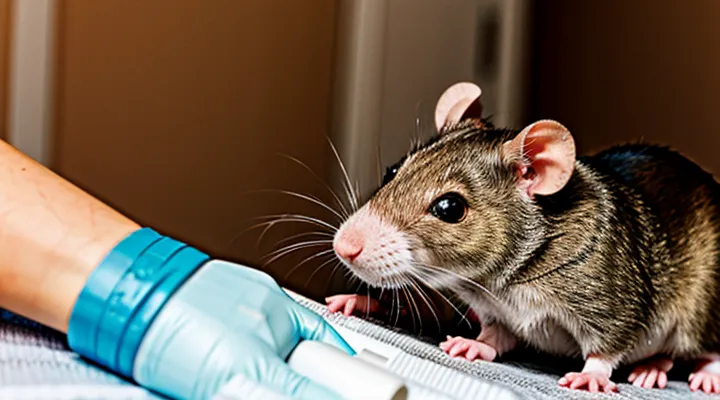
Recognizing Choking in Rats
Signs and Symptoms of Choking
Visual Cues
When a rodent experiences airway obstruction, visual assessment provides the fastest indication of distress and guides immediate response.
Key signs that a rat is choking include:
- Open mouth with rapid, shallow breaths or no airflow.
- Extended neck and elevated head, often accompanied by a tense neck muscles.
- Tail held stiff and upright, contrasting with the relaxed posture of a healthy animal.
- Eyes wide, bulging, or fixed, indicating hypoxia.
- Lack of movement or attempts to wiggle forward despite visible effort.
- Audible wheezing or high‑pitched sounds from the throat.
Observe the animal’s chest and abdomen for irregular expansion. A collapsing or absent rib cage movement confirms inadequate ventilation. The presence of foam or mucus at the mouth can also signal blockage.
After initiating rescue maneuvers—such as gentle back blows, abdominal thrusts, or clearing the airway—re‑evaluate the same visual cues. Successful relief is evident when normal breathing resumes, the tail relaxes, the neck returns to a neutral position, and the eyes regain a calm appearance. Immediate recognition of these cues reduces the time without oxygen and improves survival odds.
Behavioral Changes
When a rat experiences airway obstruction, its behavior shifts noticeably. The animal often ceases grooming, stops moving, and may appear disoriented. Breathing becomes irregular; rapid, shallow breaths alternate with brief pauses. Vocalizations, if present, turn into weak squeaks or silence. These alterations serve as immediate indicators that the airway is compromised.
The severity of the obstruction correlates with specific behavioral cues:
- Persistent coughing without relief suggests a partial blockage.
- Sudden collapse or loss of posture points to a complete obstruction.
- Continuous attempts to swallow or gulp air indicate the animal is trying to clear the passage.
- Absence of response to gentle tactile stimulation reflects escalating hypoxia.
Prompt intervention follows the observed behavior:
- Position the rat on its back, head slightly lower than the torso, to align the airway.
- Apply gentle pressure to the abdomen just below the rib cage, performing a quick, upward thrust to expel the foreign material.
- If the blockage persists, repeat the abdominal thrust up to three times, monitoring for restoration of normal breathing and activity.
- Once breathing resumes, keep the rat warm and quiet, observing for lingering signs of distress; seek veterinary care if recovery is incomplete.
Behavioral changes provide the primary diagnostic signal; recognizing and acting on them enables effective emergency assistance for a choking rodent.
Differentiating Choking from Other Issues
When a rat shows distress, the first step is to determine whether the airway is obstructed or another condition is present. Choking produces a specific pattern of symptoms that differ from respiratory infections, heart problems, or trauma.
Typical signs of an airway blockage include:
- Sudden, noisy breathing (gurgling or high‑pitched wheeze) that begins abruptly.
- Inability or difficulty swallowing, often accompanied by pawing at the mouth.
- Visible obstruction, such as a piece of bedding or food, near the nostrils or mouth.
- Rapid, shallow breaths without effortful chest movement.
Contrast these with other issues:
- Respiratory infection presents with persistent nasal discharge, sneezing, and a low‑grade fever.
- Cardiac distress may cause pale or bluish gums, lethargy, and a weak pulse, but breathing remains relatively regular.
- Physical injury results in localized swelling, bleeding, or abnormal posture, while the breathing pattern may stay unchanged.
Accurate identification relies on observing the onset, sound, and effort of breathing, as well as any visible material in the oral cavity. Immediate differentiation guides the appropriate emergency response for the rodent.
Immediate Action Protocol
Preparing for Intervention
Ensuring Safety for Yourself and the Rat
When a rodent begins to choke, protect yourself before attempting rescue. Wear disposable gloves to prevent bites and reduce the risk of zoonotic disease transmission. Keep the animal’s airway clear of debris; a sudden movement can cause the rat to bite, so maintain a calm grip and avoid direct hand contact with the mouth.
- Wash hands thoroughly before and after the procedure.
- Use a clean towel or cloth to hold the rat, limiting exposure to saliva.
- Position the animal over a flat surface to prevent it from falling and injuring itself.
- If the rat bites, release the grip immediately and reassess the approach; never force the mouth open.
Maintain a well‑ventilated area to reduce inhalation of any aerosolized particles. Have a first‑aid kit containing gloves, antiseptic wipes, and a small syringe for delivering oxygen or fluids if needed. After the emergency, disinfect all surfaces and monitor both your health and the rat’s for signs of infection or stress.
Gathering Necessary Tools (If Any)
When a small rodent shows signs of airway obstruction, immediate action is essential. Before attempting any maneuver, assemble any equipment that could aid resuscitation, keeping the kit compact and readily accessible.
Typical items include:
- Small, smooth‑tipped tweezers for extracting visible foreign bodies.
- A miniature suction device or bulb syringe capable of generating gentle negative pressure.
- Sterile gauze pads for cleaning the mouth and surrounding area.
- A pair of disposable gloves to maintain hygiene and protect the handler.
- A soft, lightweight towel or cloth to stabilize the animal during treatment.
If a dedicated pet‑first‑aid kit is unavailable, a basic household substitute—such as a clean cotton swab, a small syringe without a needle, and a mild antiseptic solution—can serve as an interim measure. Ensure all tools are clean, appropriately sized for a rat, and stored in a sealed container to prevent contamination.
Performing the Heimlich-Like Maneuver
Positioning the Rat
When a rat shows signs of airway obstruction, immediate positioning is critical to facilitate breathing and enable subsequent rescue techniques. Hold the animal securely but gently to prevent stress or injury.
- Place the rat on its back with the head slightly lower than the torso, creating a mild head‑down angle that encourages any foreign material to move toward the mouth.
- Support the neck with one hand, ensuring the airway remains open; avoid compressing the trachea.
- Align the spine by keeping the body straight, which prevents the chest from collapsing and maintains maximal lung expansion.
- If the rat is small enough, gently cradle the torso against your forearm, allowing the head to hang just below the level of the heart.
Maintain this position while assessing the severity of the blockage and preparing to administer back blows or abdominal thrusts. The orientation described maximizes the likelihood that the obstruction can be expelled with minimal additional manipulation.
Applying Gentle Pressure
When a small rodent experiences airway obstruction, careful manual intervention can prevent tissue damage and increase the chance of recovery. Gentle pressure applied to the abdomen helps dislodge the offending object without harming delicate internal structures.
The technique consists of three precise actions:
- Hand placement: Position the thumb and first two fingers just behind the rib cage, forming a shallow cup that contacts the soft abdominal wall.
- Pressure direction: Press upward and slightly forward, using a smooth, steady force that mimics a mild push rather than a sharp thrust.
- Repetition: Perform two to three compressions, pausing briefly after each to allow the animal to cough or breathe.
Key considerations ensure effectiveness:
- Maintain a calm grip; excessive force can rupture internal organs.
- Observe the rat’s response after each compression; successful clearance often produces a brief gasp or expulsion of material.
- If the obstruction persists after three attempts, seek professional veterinary assistance immediately.
Applying gentle abdominal pressure, when executed correctly, creates a controlled airflow surge that can expel the blockage while preserving the animal’s fragile anatomy.
Repeating the Maneuver
When the initial back‑blow or abdominal thrust does not clear the obstruction, repeat the maneuver promptly. Do not wait for the rat to recover breathing; immediate repetition increases the chance of dislodging the object.
- Perform a second back‑blow: hold the rat upright, support the head, and deliver a firm tap between the shoulder blades.
- Follow with a fresh abdominal thrust: place a thumb‑sized pressure point just behind the rib cage and compress sharply upward.
- Continue alternating back‑blows and thrusts, counting each pair as one cycle.
Repeat cycles up to five times, observing the animal’s response after each. If the rat coughs, gags, or resumes normal breathing, stop the procedure. If no improvement occurs after five cycles, assess for unconsciousness. An unconscious rat requires gentle positioning on its side and immediate veterinary attention; avoid excessive force that could cause internal injury.
Monitoring signs—such as the presence of the foreign object in the mouth, audible choking sounds, or lack of airflow—guides the decision to continue or cease repetitions. Prompt, repeated action, performed with controlled force, constitutes the core of effective emergency care for a choking rodent.
Alternative Methods
Clearing the Airway Manually (Caution Advised)
When a rat exhibits choking signs—gasping, silent cough, or inability to breathe—immediate manual airway clearance is critical. The procedure must be performed with gentle precision to avoid further injury.
-
Secure the animal
-
Expose the oral cavity
- Gently open the mouth by applying slight pressure to the lower jaw with the thumb and index finger.
- Avoid excessive force that could damage the mandible or soft tissues.
-
Visual inspection
- Look for visible obstruction such as food particles, fur, or foreign objects.
- If an object is seen and easily reachable, use fine, curved forceps to extract it.
-
Back-blow technique
- Position the rat’s head lower than its chest.
- Deliver up to three brisk, controlled strikes between the shoulder blades with the base of the palm.
- Observe for expulsion of the blockage; repeat only if necessary.
-
Chest thrusts
- Place two fingers just behind the sternum, applying firm, downward pressure.
- Perform up to five rapid thrusts, allowing the chest to recoil fully between each thrust.
-
Re‑assessment
- Check for restored breathing by feeling for airflow and listening for audible respiration.
- If the airway remains obstructed, repeat steps 3–5, but limit total attempts to three cycles to prevent trauma.
Cautionary notes
- Do not use excessive force; rat ribs are delicate and can fracture under high pressure.
- Avoid blind probing of the throat; blind insertion of instruments may push the obstruction deeper.
- If the rat shows signs of severe distress—pale mucous membranes, loss of consciousness, or no response after three cycles—seek veterinary assistance immediately.
- Maintain a clean environment to reduce infection risk after the procedure.
Prompt, controlled manual clearance can restore airflow and prevent fatal hypoxia, but it requires restraint, precision, and adherence to the safety limits outlined above.
Encouraging Coughing
When a pet rat shows signs of airway blockage—gasping, silent choking, or inability to breathe—prompt intervention can prevent fatal outcomes.
Coughing is the body’s natural mechanism for clearing obstructions; stimulating this reflex often resolves the emergency without invasive measures.
To encourage a rat to cough:
- Secure the animal with one hand, supporting the torso to prevent panic.
- Hold the rat upright, head slightly tilted forward to keep the airway open.
- Gently tap the back between the shoulder blades with a fingertip; the vibration can trigger a cough.
- If no response, apply a brief, mild pressure to the abdomen just below the ribcage, mimicking a light Heimlich maneuver; this pressure should be enough to stimulate the cough reflex without causing injury.
- Observe the rat for any expelled material and for the return of normal breathing.
If coughing does not clear the obstruction within a few seconds, proceed to more aggressive techniques such as repeated abdominal thrusts or direct removal of the object, always monitoring for signs of distress.
After successful clearance, keep the rat warm, offer water, and monitor for lingering respiratory difficulty. Immediate veterinary evaluation is advisable to rule out secondary complications.
Post-Choking Care
Monitoring the Rat's Condition
Observing Breathing and Activity
Recognizing respiratory distress in a choking rodent is the first step toward effective emergency care. Immediate assessment of breathing and activity determines whether intervention is required and guides the appropriate response.
Observe the animal’s thorax for rhythmic expansion and contraction. Look for subtle chest rise, especially when the rat is lying on its side. Listen for audible inhalation or exhalation; silence may indicate airway blockage. Note any nasal flaring, which signals increased effort to draw air.
Watch the rat’s movements for signs of panic. Repeated pawing at the mouth, head shaking, or frantic attempts to clear the throat suggest an obstructed airway. Lack of locomotion, prolonged immobility, or a limp posture often accompanies severe choking.
Key observation steps:
- Place the rat on a flat surface, head slightly elevated.
- Watch the chest for at least five seconds; count each expansion.
- Listen near the nostrils for breathing sounds; repeat for another five seconds.
- Examine the facial expression for nostril dilation or mouth opening.
- Note any pawing, head tilting, or frantic motions aimed at the oral cavity.
- Record the duration of each observed sign; prolonged absence of breathing or activity requires immediate airway clearance.
Accurate, swift observation provides the information needed to decide whether to perform back blows, abdominal thrusts, or seek veterinary assistance.
Checking for Injuries
When a rodent shows signs of airway obstruction, immediate assessment of physical trauma is essential before attempting any rescue maneuver. Begin by gently securing the animal to prevent further injury while maintaining a clear view of its body.
- Observe the fur and skin for punctures, abrasions, or bleeding.
- Feel the limbs for swelling, broken bones, or abnormal movement.
- Check the neck and jaw for bruising, dislocation, or signs of trauma that could impede breathing.
- Examine the chest and abdomen for tenderness, distension, or visible deformities that suggest internal injury.
If any injury is identified, note its location and severity. Minor wounds may be cleaned with saline and covered with a sterile dressing; severe injuries require veterinary intervention before proceeding with airway clearance. Ensure the animal remains calm and supported throughout the examination to reduce stress and prevent additional harm.
When to Seek Veterinary Attention
Persistent Symptoms
After a rat experiences an airway obstruction, immediate clearing of the blockage is critical. Even when the obstruction is removed, the animal may develop lingering signs that require close observation.
Persistent respiratory difficulty, such as rapid shallow breaths, audible wheezing, or intermittent pauses, indicates that the airway may still be compromised or that inflammation is present. Continuous coughing or gagging suggests residual irritation or a partially obstructed passage. Look for nasal discharge, especially if it is thick or blood‑tinged, which can signal irritation of the nasopharyngeal mucosa.
Behavioral changes provide additional clues. A rat that remains lethargic, refuses food or water, or displays a reduced response to stimuli may be suffering from hypoxia or secondary infection. Weight loss or a sudden decline in grooming habits also reflect ongoing distress.
When any of the following conditions persist for more than a few minutes, or worsen over time, veterinary evaluation is required:
- Inconsistent or labored breathing
- Recurrent coughing, gagging, or choking sounds
- Nasal or oral discharge with blood or pus
- Marked lethargy or unresponsiveness
- Loss of appetite and refusal to drink
- Sudden decline in body condition or grooming
While awaiting professional care, maintain a calm environment, keep the rat warm, and provide easy access to fresh water. Avoid forcing food, but offer soft, nutrient‑dense options if the animal shows interest. Continuous monitoring is essential; any escalation of symptoms should prompt immediate veterinary intervention.
Difficulty Breathing
A rat that cannot breathe properly shows rapid, shallow breaths, gasping, or complete silence of respiration. The animal may tilt its head back, open its mouth wide, and exhibit trembling of the chest. If the nostrils appear blocked or the throat swells, immediate intervention is required.
First actions:
- Place the rat on a stable surface, gently restraining its body to prevent injury.
- Check the oral cavity for visible obstructions; remove any foreign material with tweezers, avoiding damage to the gums.
- If nothing is visible, perform a brief, careful abdominal thrust: position one hand over the abdomen just behind the rib cage, apply a quick, upward pressure to expel the blockage.
If the airway remains obstructed after two attempts, repeat the abdominal thrust until the rat regains normal breathing or the object is expelled. Do not use excessive force that could cause internal injury.
Once breathing resumes, keep the rat upright, monitor its respiratory rate, and ensure the airway stays clear. Offer a small amount of water to encourage swallowing, but avoid food until the rat is fully alert. If breathing does not improve within a few minutes, seek professional veterinary assistance without delay.
Other Concerning Signs
When a rat experiences airway obstruction, additional symptoms may indicate severe distress and require immediate intervention. Recognizing these signs can prevent irreversible damage and improve the chance of recovery.
- Labored breathing or shallow breaths that do not improve after clearing the mouth
- Cyanosis, visible as a pale or bluish tint around the ears, tail, and extremities
- Unusual vocalizations, such as high‑pitched squeaks or prolonged silence despite visible struggle
- Loss of muscle tone, resulting in a limp body or inability to maintain posture
- Rapid heart rate detectable by a faint pulse on the femoral artery
- Excessive drooling or frothy saliva accumulating around the mouth
- Sudden collapse or failure to stand when the animal is normally active
These indicators often accompany choking and signal that oxygen delivery to tissues is compromised. Prompt assessment and appropriate emergency measures are essential to address both the obstruction and the systemic effects reflected by these signs.