
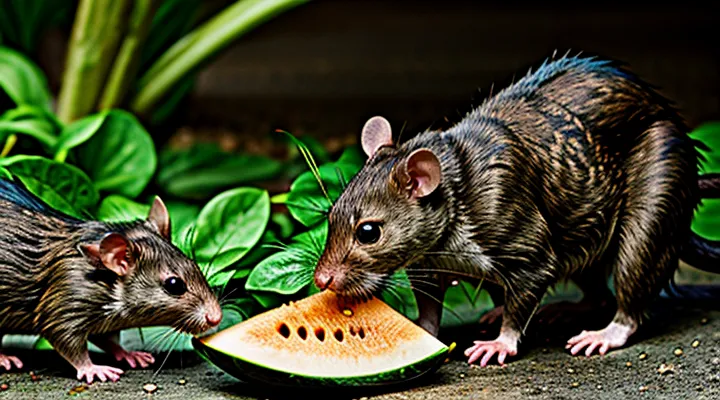
«Understanding Rat Dietary Needs»
«Essential Nutrients for Rats»
Rats require a balanced diet that supplies protein, fats, carbohydrates, vitamins, and minerals to support growth, reproduction, and immune function. Protein sources such as cooked eggs, lean meat, or soy provide the amino acids necessary for tissue repair. Fats from vegetable oil or small amounts of nuts deliver energy and aid in the absorption of fat‑soluble vitamins. Carbohydrates are supplied by grains, fruits, and vegetables, delivering quick energy and fiber for gastrointestinal health.
Key micronutrients include:
- Vitamin A – supports vision and epithelial integrity; found in carrots and leafy greens.
- Vitamin C – antioxidant that enhances immune response; abundant in bell peppers and citrus fruits.
- Vitamin D – regulates calcium metabolism; synthesis occurs with exposure to ultraviolet light, but fortified feed can supply it.
- Calcium and phosphorus – essential for bone development; present in dairy products, bone meal, and fortified cereals.
- Iron, zinc, and selenium – trace elements required for enzyme function and antioxidant defenses; available in meat, whole grains, and seeds.
Melon contributes primarily water, simple sugars, and modest amounts of vitamin A and potassium. Its high moisture content aids hydration, while the natural sugars provide an energy boost. However, melon lacks protein, fat, and most essential minerals, so it should complement, not replace, a nutritionally complete rat diet.
To incorporate melon safely, limit servings to no more than 10 % of total daily intake, ensure the fruit is seed‑free, and monitor for signs of digestive upset. Pair melon with a protein‑rich staple and a vitamin/mineral supplement to maintain nutritional adequacy. Continuous observation of weight and coat condition will confirm that the diet meets the rat’s physiological requirements.
«Foods to Avoid for Rats»
Rats thrive on a diet that emphasizes fresh fruits, vegetables, and high‑quality rodent pellets. While melon can be offered as an occasional treat, several foods must be excluded to prevent digestive upset, toxicity, or long‑term health problems.
- Citrus peels and large amounts of citrus fruit – acidic content can irritate the stomach.
- Processed meats, bacon, and hot dogs – high fat and salt levels strain the kidneys.
- Chocolate, caffeine, and nicotine – contain theobromine and stimulants toxic to rodents.
- Raw beans, especially kidney beans – contain lectins that damage the intestinal lining.
- Avocado flesh and pit – persin in avocado is poisonous to rats.
- Onions, garlic, and chives – sulfur compounds cause hemolytic anemia.
- Dairy products – rats lack lactase, leading to diarrhea and nutrient imbalance.
- Fruit seeds and pits (e.g., apple, peach) – contain cyanogenic glycosides that release cyanide.
- Sugary snacks, candy, and artificial sweeteners – promote obesity and metabolic disorders.
- Moldy or spoiled foods – mycotoxins can cause liver and neurological damage.
Providing water daily and monitoring portion sizes ensures the diet remains balanced. Replace prohibited items with safe alternatives such as carrots, broccoli, plain cooked chicken, or small pieces of fresh melon. Consistent avoidance of the listed foods supports optimal growth, immune function, and longevity in pet rats.
«Melon as a Dietary Supplement for Rats»
«Types of Melon and Their Suitability»
«Cantaloupe for Rats»
Cantaloupe is a suitable occasional treat for pet rats when offered in moderation. The fruit supplies water, natural sugars, and a range of vitamins, notably vitamin A and vitamin C, which support ocular health and immune function. Its soft flesh is easy for rats to chew, reducing the risk of dental injury.
When incorporating cantaloupe into a rat’s diet, observe the following guidelines:
- Offer only a small cube, approximately ½ inch on each side, once or twice a week.
- Remove seeds completely; they can cause gastrointestinal blockage.
- Rinse the fruit under cool water to eliminate surface pesticides or contaminants.
- Serve fresh, unripe portions are less palatable and may cause digestive upset.
Potential concerns include excess sugar intake, which can lead to obesity or dental decay if overused. Monitor the animal for loose stools or reduced appetite after feeding; these signs may indicate intolerance. If any adverse reaction occurs, discontinue the fruit and consult a veterinarian.
Cantaloupe should complement, not replace, a balanced staple diet of commercial pellets, fresh vegetables, and occasional protein sources. Properly managed, it adds variety and enrichment to a rat’s nutritional regimen.
«Honeydew for Rats»
Honeydew melon can be a safe, occasional treat for pet rats when offered correctly.
Honeydew provides water, natural sugars, and modest amounts of vitamins A and C, which can supplement a grain‑based diet. The fruit’s low fiber content means it should not replace staple foods but can add variety.
- Offer a cube no larger than ½ inch (approximately 5 mm) per rat.
- Limit to one serving per week to avoid excess sugar.
- Remove seeds and any rind before feeding.
- Serve fresh, chilled pieces; discard leftovers after two hours to prevent spoilage.
- Observe each rat for signs of digestive upset; discontinue if diarrhea or lethargy occurs.
Rats that are overweight, diabetic, or have a history of dental issues should not receive honeydew. Regular monitoring of weight and health records ensures the treat remains beneficial without compromising nutrition.
«Watermelon for Rats»
Watermelon can be a safe, occasional treat for pet rats when offered correctly. The fruit supplies moisture and a modest amount of natural sugars, while contributing small quantities of vitamins A and C, potassium, and dietary fiber.
When introducing watermelon, follow these steps:
- Verify freshness; discard any fruit with mold or excessive softness.
- Remove seeds completely; even small seeds pose choking risks.
- Cut the flesh into cubes no larger than ½ cm to prevent accidental ingestion of large pieces.
- Offer a single cube at a time and observe the rat’s reaction for signs of digestive upset.
Recommended frequency is one to two small pieces per week for an adult rat weighing 250–300 g. Juvenile rats should receive fewer treats, limited to a single bite every ten days. Excessive consumption may lead to diarrhea or weight gain due to the fruit’s sugar content.
Nutritional balance remains essential. Watermelon should never replace staple foods such as high‑protein pellets, fresh vegetables, and limited grains. Ensure that the primary diet provides adequate protein (15–20 % of calories) and essential nutrients, while watermelon serves only as supplemental hydration and flavor variety.
«Nutritional Benefits of Melon for Rats»
Melons provide a high moisture content, typically 90 % water, which supports hydration in laboratory and pet rats. The fruit supplies vitamin A in the form of β‑carotene, essential for retinal health and immune function. Vitamin C, abundant in cantaloupe and watermelon, contributes to collagen synthesis and oxidative stress reduction. Potassium levels in melon aid electrolyte balance and nerve transmission. Dietary fiber, present in the flesh and rind, promotes gastrointestinal motility and helps maintain a stable gut microbiota.
Key nutritional advantages include:
- Hydration – rapid water absorption reduces the need for supplemental fluids.
- Antioxidant protection – β‑carotene and vitamin C neutralize free radicals, lowering cellular damage.
- Electrolyte regulation – potassium supports cardiac and muscular activity.
- Digestive health – soluble fiber facilitates smooth passage of waste and prevents constipation.
- Low caloric density – approximately 30 kcal per 100 g, allowing inclusion without excess energy intake.
When integrating melon into a rat diet, follow these guidelines:
- Offer fresh, seed‑free flesh in portions not exceeding 10 % of total daily intake.
- Introduce the fruit gradually to monitor tolerance and avoid gastrointestinal upset.
- Remove rind and any remaining seeds, as they may pose choking hazards or contain trace toxins.
- Store cut pieces in refrigeration for no more than 48 hours to prevent bacterial growth.
- Combine with a balanced pellet diet to ensure adequate protein, fat, and micronutrient levels.
Overall, melon serves as a hydrating, vitamin‑rich supplement that enhances rat health when used responsibly within a controlled feeding regimen.
«Potential Risks and Considerations»
«Sugar Content Concerns»
Melon can be an occasional treat for pet rats, but its high natural sugar concentration requires careful management. Excessive sugar intake may lead to obesity, dental decay, and disturbances in glucose regulation, which are especially problematic for rats prone to metabolic disorders.
Key considerations for sugar content:
- Typical cantaloupe contains 7–9 g of sugar per 100 g fresh weight; honeydew is slightly lower, around 6 g.
- A single bite (approximately 5 g) delivers 0.3–0.45 g of sugar, a modest amount when offered infrequently.
- Regular feeding of more than two small pieces per week can raise daily sugar intake beyond recommended limits for a 250‑g rat.
- Monitor body condition and fecal consistency; rapid weight gain or soft stools may indicate excessive sugar consumption.
Practical guidelines:
- Offer melon no more than twice weekly, limiting each portion to a cube no larger than 1 cm per side.
- Prioritize low‑sugar fruits such as berries or apple slices for regular treats; reserve melon for special occasions.
- Adjust overall diet to compensate for the added sugar by reducing other carbohydrate sources on feeding days.
- Observe each rat individually; some may be more sensitive to sugar and require stricter limits.
By adhering to these parameters, owners can provide the nutritional benefits of melon—hydration and vitamins—while minimizing the risk associated with its sugar content.
«Pesticide Residues»
When melons are included in a rat diet, pesticide residues can affect health, experimental outcomes, and data reliability. Residues may remain on the fruit surface, penetrate the flesh, or be present in the seed. Even low concentrations can influence metabolic pathways, alter gut microbiota, and interfere with toxicology assays.
Key considerations for managing pesticide residues in melon fed to rats:
- Source melons from suppliers that provide pesticide‑free certification or verified low‑residue reports.
- Perform a pre‑use wash with running water followed by a brief dip in a 1 % food‑grade hydrogen peroxide solution; rinse thoroughly.
- Conduct periodic residue testing using gas chromatography–mass spectrometry (GC‑MS) or liquid chromatography–tandem mass spectrometry (LC‑MS/MS) to confirm compliance with established limits (generally <0.01 mg kg⁻¹ for most pesticides).
- Store melons at 4 °C and use within 48 hours of purchase to limit degradation of any residual compounds.
- Record batch numbers, supplier details, and test results in the animal husbandry log for traceability.
If residues exceed acceptable thresholds, discard the affected batch and replace it with verified low‑residue fruit. Implementing these controls safeguards rat welfare, maintains experimental integrity, and reduces the risk of confounding variables introduced by pesticide exposure.
«Safe Feeding Practices»
«Portion Control and Frequency»
When offering melon to rats, limit each serving to a cube measuring approximately 1 × 1 × 1 cm. This size supplies a modest amount of water and natural sugars without overwhelming the animal’s diet. Adjust the cube dimensions for larger or smaller individuals: increase by up to 20 % for adult rats weighing over 300 g, reduce by the same proportion for juveniles under 150 g.
Provide melon portions no more than three times per week. Space each offering at least 24 hours apart to prevent excessive carbohydrate intake. On days when melon is served, schedule the feeding during the early evening, aligning with the rats’ peak activity period.
Monitor each rat after consumption. Observe for signs of digestive upset, such as loose stool or reduced food intake, and discontinue melon if symptoms appear. Maintain a balanced base diet of commercial rodent pellets, fresh vegetables, and limited protein sources; treat melon strictly as an occasional supplement.
«Preparation Methods»
«Washing Melon Thoroughly»
When offering melon to pet rodents, begin each feeding session with a clean piece of fruit. Residual soil, pesticide residues, or microbial growth on the rind can transfer to the edible flesh during cutting, posing health risks to the animals. Thorough washing eliminates these hazards and preserves the nutritional value of the melon.
Effective cleaning procedure:
- Rinse the whole melon under cool, running water for at least 30 seconds.
- Apply a soft vegetable brush, moving from top to bottom, to dislodge stubborn particles.
- For added safety, immerse the fruit briefly (10–15 seconds) in a solution of one part white vinegar to three parts water; this reduces surface bacteria without affecting flavor.
- Rinse again with plain water to remove any vinegar residue.
- Pat the surface dry with a clean kitchen towel or paper towel before cutting.
After the melon is dry, use a sanitized knife and cutting board to slice the fruit. Remove the rind entirely, as it is indigestible for rats and may contain higher concentrations of chemicals. Serve only the flesh, preferably in small, bite‑sized cubes, and discard any leftovers within a few hours to prevent spoilage.
«Removing Seeds and Rind»
When offering melon to pet rats, the edible portion should be limited to the flesh. Seeds present a choking hazard and contain trace amounts of cyanogenic compounds that can cause digestive upset. The rind is fibrous, difficult to digest, and may harbor pesticide residues, increasing the risk of gastrointestinal irritation.
To prepare melon safely:
- Cut the fruit into small, bite‑size cubes (approximately 0.5 cm on each side).
- Remove all seeds using a knife or a fine mesh sieve.
- Peel the rind completely; discard any remaining skin.
- Rinse the flesh under running water to eliminate surface contaminants.
- Store prepared pieces in a sealed container in the refrigerator and use within 24 hours.
Feeding only the soft, seed‑free flesh ensures that rats receive the fruit’s natural sugars and vitamins without exposure to indigestible or potentially harmful material. Regular monitoring of the animal’s behavior after melon consumption can confirm tolerance and prevent adverse reactions.
«Introducing New Foods to Rats»
When expanding a rat’s diet with melon, begin with a controlled trial to gauge acceptance and tolerance. Offer a small piece—approximately one‑quarter of a teaspoon—once per day for three consecutive days. Observe the animal’s behavior and stool for signs of distress; discontinue the trial if vomiting, diarrhea, or lethargy appear.
- Prepare fresh, seed‑free melon; wash thoroughly to remove pesticides.
- Cut into uniform, bite‑size cubes to prevent choking.
- Introduce the cube alongside a familiar staple, such as a pellet or vegetable.
- Limit the portion to no more than 5 % of the total daily caloric intake.
- Increase the amount gradually, not exceeding a total of two teaspoons per week.
After each exposure, record weight, water consumption, and any changes in activity. A stable weight and normal hydration indicate successful integration. If adverse effects emerge, revert to the previous tolerated amount before attempting another increase.
Balance melon’s natural sugars with high‑fiber and protein sources. Complement the fruit with leafy greens, legumes, and a quality rodent pellet to maintain essential nutrients. Ensure that melon never replaces the primary diet; it serves as an occasional treat that enriches variety without compromising health.
«Observing for Adverse Reactions»
When introducing melon into a rat’s diet, systematic observation is essential to detect any negative health effects. Begin by establishing a baseline of normal behavior, appetite, stool consistency, and weight. Record these parameters before the first serving and continue daily for at least two weeks after each new portion.
Monitor the following indicators for adverse reactions:
- Reduced food intake or refusal of melon
- Diarrhea, loose stools, or unusual color
- Lethargy, tremors, or uncoordinated movement
- Swelling, redness, or irritation around the mouth and paws
- Sudden weight loss or failure to gain expected weight
If any sign appears, discontinue melon immediately and consult a veterinarian. Document the onset, duration, and severity of each symptom to facilitate accurate diagnosis and adjustment of the diet. Regular review of observations ensures the melon supplement supports health without compromising welfare.
«Alternative Fruit Options for Rats»
«Safe Fruits for Rats»
Melons can be a refreshing treat for pet rats when offered in moderation. Rats tolerate the high water content and natural sugars, but the fruit must be prepared correctly to avoid digestive upset.
Safe fruits for rats include:
- Apples (core and seeds removed)
- Blueberries
- Strawberries
- Raspberries
- Blackberries
- Pears (seedless)
- Kiwi (peeled)
- Bananas (small pieces)
- Mango (seedless)
- Papaya (seedless)
These fruits provide vitamins, antioxidants, and fiber without excessive acidity or toxic compounds. When selecting fruit, choose fresh, pesticide‑free specimens. Wash thoroughly, remove skins that are tough or contain residues, and cut into bite‑size pieces to prevent choking.
Melon preparation follows the same principles. Remove seeds, slice flesh into ¼‑inch cubes, and limit the portion to no more than one tablespoon per rat per week. Monitor the animal for signs of diarrhea or reduced appetite; discontinue if adverse reactions occur.
Balance fruit with a staple diet of high‑quality rodent pellets, fresh vegetables, and occasional protein sources. Water should be available at all times. Regularly rotate fruit varieties to maintain nutritional diversity and prevent overexposure to any single sugar source.
«Fruits to Limit or Avoid»
When adding melon to a rat’s diet, certain fruits must be restricted because they can cause digestive upset, obesity, or toxic reactions.
- Citrus fruits (orange, lemon, lime, grapefruit): high acidity irritates the stomach lining and may lead to diarrhea.
- Grapes and raisins: contain compounds linked to acute kidney failure in rodents.
- Stone fruits with pits (peach, plum, cherry): pits pose choking hazards and contain cyanogenic glycosides that are harmful if ingested.
- Fruit juices and dried fruit snacks: concentrated sugars increase caloric load and can disrupt gut flora.
- Unripe or over‑ripe fruit: excessive tannins or fermentable sugars may cause bloating and gas.
Only small, fresh portions of low‑sugar fruits such as blueberries, strawberries, or apple slices should complement melon. Monitor each rat’s response and adjust quantities to maintain a balanced nutrient profile.