
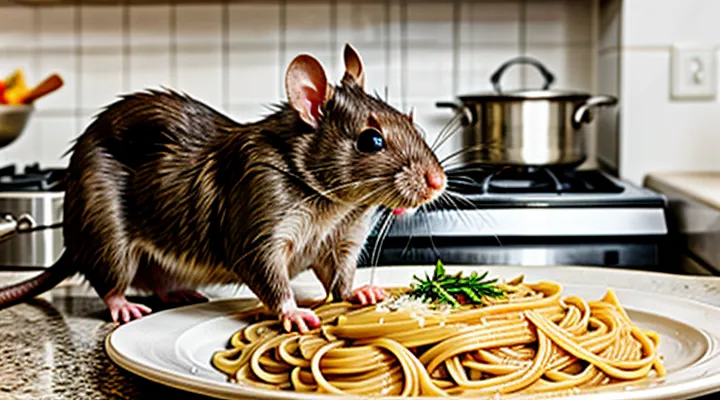
Nutritional Value of Cooked Pasta for Rats
Carbohydrates and Energy
Cooked pasta consists primarily of starch, a polysaccharide formed from glucose units. In rats, pancreatic amylase and intestinal brush‑border enzymes hydrolyze starch into maltose and glucose, which are absorbed through the small intestine. The absorbed glucose enters the bloodstream, raising plasma sugar levels and providing a rapid source of metabolic fuel.
Glucose is metabolized via glycolysis to pyruvate, which enters the mitochondria for oxidative phosphorylation. Each molecule of glucose yields approximately 30–32 ATP molecules under aerobic conditions, supplying energy for locomotion, thermoregulation, and cellular processes. The speed of glucose absorption from cooked pasta makes it an efficient short‑term energy source, but it also produces a swift decline in blood sugar once the glucose is cleared.
Key factors when incorporating cooked pasta into a rat diet:
- Portion size: limit to 5–10 % of total daily caloric intake to avoid excessive caloric load.
- Glycemic impact: high‑glycemic starch can cause rapid spikes and subsequent drops in blood glucose; monitor for signs of hypoglycemia.
- Nutrient balance: complement pasta with protein‑rich foods (e.g., boiled egg, lean meat) and a modest amount of dietary fat to sustain prolonged energy release.
- Fiber content: add a small quantity of insoluble fiber (e.g., shredded carrot) to mitigate rapid gastric emptying and support gut motility.
When these parameters are controlled, cooked pasta can serve as a reliable carbohydrate source, delivering immediate energy while fitting within a nutritionally balanced regimen for laboratory or pet rats.
Micronutrients and Vitamins
Providing rats with cooked pasta requires careful attention to micronutrient and vitamin content. Pasta supplies primarily carbohydrates and a small amount of protein, but it lacks many essential nutrients that rats need for growth, reproduction, and metabolic health.
Key micronutrients and vitamins typically deficient in a pasta‑based diet include:
- Vitamin A – necessary for vision and epithelial integrity; not present in significant amounts in plain pasta.
- B‑complex vitamins (B1, B2, B6, B12, niacin, folate) – support energy metabolism and nervous system function; pasta provides only trace levels.
- Vitamin D – critical for calcium absorption and bone mineralization; absent from cooked pasta.
- Calcium – required for skeletal development and muscle contraction; pasta contains negligible calcium.
- Iron – essential for hemoglobin synthesis; limited in refined wheat products.
- Zinc – involved in immune response and enzyme activity; low concentration in pasta.
- Magnesium – supports neuromuscular function; not supplied in adequate quantities.
To address these gaps, incorporate supplemental sources:
- Fortified rodent chow – delivers a balanced spectrum of vitamins and minerals.
- Fresh vegetables (e.g., carrots, leafy greens) – provide vitamin A, calcium, and magnesium.
- Small portions of fruit (e.g., berries) – contribute vitamin C and additional B vitamins.
- Commercial vitamin–mineral powders – allow precise dosing when mixed with the pasta portion.
Safety considerations:
- Avoid excess calcium or vitamin D, which can cause hypercalcemia and renal damage.
- Monitor iron intake to prevent toxicity, especially in young or female rats prone to iron overload.
- Adjust supplementation based on age, reproductive status, and health condition; regular veterinary assessment ensures appropriate nutrient balance.
A balanced approach that pairs cooked pasta with targeted micronutrient sources maintains rat health while allowing occasional dietary variety.
Safety Considerations for Feeding Cooked Pasta
Pasta Type and Ingredients
Whole Wheat vs. Refined Pasta
When rats receive cooked pasta, the choice between whole‑wheat and refined varieties influences nutrient intake, gastrointestinal response, and overall health.
- Fiber content – Whole‑wheat pasta supplies substantially more dietary fiber, supporting regular bowel movements and microbial diversity. Refined pasta provides minimal fiber, which may reduce stool bulk and alter gut flora composition.
- Carbohydrate quality – Whole‑wheat contains complex carbohydrates with a lower glycemic index, leading to slower glucose absorption and steadier blood‑sugar levels. Refined pasta consists mainly of simple starches that cause rapid glucose spikes.
- Protein and micronutrients – Whole‑wheat retains higher levels of B‑vitamins, iron, and magnesium; refined pasta loses many of these nutrients during milling.
- Digestibility – Rats digest refined pasta more quickly, which can be advantageous for short‑term energy needs but may increase risk of digestive upset if fed in large quantities. Whole‑wheat’s higher fiber slows digestion, reducing post‑meal discomfort for sensitive individuals.
- Palatability – Refined pasta typically presents a smoother texture, encouraging higher initial acceptance. Whole‑wheat may be perceived as coarser, potentially limiting intake until rats adapt.
Selecting whole‑wheat pasta benefits long‑term gut health and metabolic stability, while refined pasta offers rapid energy and higher immediate acceptance. Balanced feeding programs often combine both types, adjusting proportions to match the rat’s age, health status, and activity level.
Presence of Salt and Seasonings
When offering rats cooked pasta, the inclusion of salt and seasonings demands careful evaluation. Sodium concentrations above 0.3 % of the diet can impair renal function and elevate blood pressure in rodents. Commercial pasta often contains 0.8–1.2 % sodium; reducing this level is essential for safe consumption.
Common seasonings affect rats differently:
- Black pepper – irritates mucous membranes; excessive amounts may cause gastrointestinal distress.
- Garlic and onion powders – contain thiosulfates that can cause hemolytic anemia; even small doses pose risk.
- Herbs such as basil, oregano, and parsley – generally safe in modest quantities; provide antioxidants without toxic effects.
- Paprika and chili powders – capsaicin may induce hyperactivity and discomfort; avoid for regular feeding.
Guidelines for preparation:
- Rinse cooked pasta thoroughly to remove surface salt.
- Use unsalted water during cooking; add no additional sodium.
- Limit added herbs to no more than 0.5 g per 100 g of pasta.
- Exclude all powdered onion, garlic, and pepper.
- Offer seasoned pasta no more than twice weekly to prevent cumulative exposure.
Adhering to these parameters ensures that the nutritional benefit of cooked pasta is delivered without compromising rat health.
Preparation Methods
Cooked vs. Raw Pasta
Cooked pasta presents a softer texture that rats can chew and swallow with minimal effort. The gelatinization of starch during boiling increases water absorption, making the food more palatable and reducing the risk of choking. Raw pasta retains a hard, brittle structure; rats must exert greater gnawing force, which can lead to dental strain or incomplete mastication.
Nutrient availability differs markedly between the two states. Heat treatment breaks down complex carbohydrates, allowing enzymes in the rat’s digestive tract to access glucose more readily. Consequently, cooked pasta delivers higher immediate energy. Raw pasta, with intact starch granules, passes through the gastrointestinal system slower, providing a modest fiber effect but limiting rapid caloric uptake.
Safety considerations focus on preparation and storage. Boiling eliminates potential microbial contaminants, while raw pasta may harbor spores or dust particles that could cause respiratory irritation if inhaled. Overcooking creates a mushy consistency that can attract mold if left at room temperature; cooling promptly and serving within a few hours prevents spoilage. Salt, sauces, and oil should be omitted, as excessive fat or sodium can disrupt the rodent’s electrolyte balance.
Key points for selecting pasta type:
- Cooked: soft texture, high digestible carbohydrate, low choking risk, requires immediate serving after cooling.
- Raw: hard texture, lower immediate energy, potential dental strain, must be offered in small, manageable pieces.
- Both: avoid additives, store in airtight containers, monitor for mold or odor before feeding.
Temperature and Storage
When offering rats cooked pasta, temperature must be controlled to prevent thermal injury and bacterial growth. Serve the pasta at room temperature (approximately 20 °C–22 °C) or slightly warm (no higher than 40 °C). Test a small portion with a fingertip before distribution; the food should feel comfortably warm, not hot enough to cause burns.
Proper storage preserves nutritional value and reduces the risk of spoilage. Follow these practices:
- Cool cooked pasta rapidly after preparation, ideally within 30 minutes, then place it in a shallow, airtight container.
- Refrigerate at 4 °C–5 °C if the pasta will be used within 24 hours. Discard any leftovers beyond this period.
- For longer preservation, freeze portions in sealed bags at –18 °C. Thaw in the refrigerator, not at room temperature, and use within 48 hours.
- Label each container with the preparation date to track freshness.
Avoid leaving pasta at ambient temperature for more than two hours, as this creates conditions favorable to pathogenic bacteria such as Salmonella and E. coli. Regularly inspect stored pasta for off‑odors, discoloration, or slime; any sign of deterioration warrants immediate disposal.
Portion Control and Frequency
Feeding rats cooked pasta requires precise portion sizing to prevent digestive upset and obesity. A typical adult laboratory rat tolerates 1–2 g of cooked pasta per feeding, equivalent to roughly one‑quarter of a teaspoon. Smaller juveniles should receive half that amount, while larger breeding individuals may handle up to 3 g. Excessive portions introduce excess carbohydrates, strain the gastrointestinal tract, and interfere with balanced nutrient intake.
Guidelines for portion control:
- Measure pasta by weight, not volume, to ensure consistency.
- Use a kitchen scale calibrated to 0.1 g for accuracy.
- Offer the measured amount on a clean, dry surface to avoid contamination.
- Remove uneaten pasta within 30 minutes to prevent spoilage.
Feeding frequency influences metabolic stability. Provide cooked pasta no more than twice weekly, interspersed with a standard rodent chow diet that supplies essential proteins, fats, and micronutrients. Daily feeding of pasta can lead to rapid weight gain and nutrient imbalance; spacing servings allows the gut microbiota to adapt and maintain regular bowel function. Adjust frequency according to individual health status, monitoring body condition scores and stool consistency.
Potential Benefits of Cooked Pasta
Dietary Enrichment
Feeding rats cooked pasta can serve as a vehicle for dietary enrichment, provided that nutritional, behavioral, and safety factors are addressed.
Nutritional considerations focus on macro‑ and micronutrient balance. Pasta supplies primarily carbohydrates; supplementing with protein sources such as boiled egg or low‑fat cottage cheese prevents protein deficiency. Adding finely chopped vegetables (e.g., carrots, broccoli) introduces fiber, vitamins, and minerals that pasta alone lacks. Salt and seasoning must be omitted to avoid electrolyte disturbances.
Behavioral enrichment benefits from the novel texture and manipulable shape of pasta. Small, bite‑size pieces encourage foraging and chewing, which support dental health and reduce stereotypic behavior. To maximize enrichment, rotate pasta shapes (spaghetti, penne, shells) and combine with natural foraging items like shredded paper.
Safety protocols include thorough cooking to eliminate resistant starches that can cause digestive upset, and rapid cooling to prevent bacterial growth. Portion sizes should not exceed 10 % of the daily caloric intake; an adult laboratory rat typically consumes 15–20 g of cooked pasta per day, adjusted for body weight and activity level. Monitor stools for signs of softening or diarrhea, which indicate overconsumption.
Practical guidelines:
- Cook pasta al dente, rinse with cool water, and drain completely.
- Cut into uniform 0.5 cm fragments.
- Mix with a measured protein supplement (1 g per 10 g pasta).
- Add 1 g of finely diced vegetable per 10 g pasta.
- Serve in a clean, shallow dish; remove leftovers after 30 minutes.
- Record intake and health observations daily.
Implementing these measures ensures that cooked pasta contributes to a balanced, stimulating diet without compromising the rat’s health.
Encouraging Foraging Behavior
Providing rats with cooked pasta can serve as a tool for stimulating natural foraging instincts. The texture of softened noodles encourages manipulation with forepaws and whiskers, creating opportunities for exploratory behavior.
Key factors to maximize foraging benefits:
- Placement: Disperse small pasta pieces throughout bedding, nest material, or puzzle devices. Distribution forces rats to search, dig, and retrieve food items.
- Portion control: Offer no more than 5–10 g per animal per day. Limited quantities prevent overconsumption while maintaining the incentive to search.
- Variety: Alternate pasta with other low‑calorie, high‑fiber foods such as shredded carrots or bran flakes. Rotating items preserves novelty and reduces habituation.
- Safety: Ensure noodles are plain, free of salt, butter, or sauces. Cooked pasta should be cooled to room temperature to avoid burns.
- Observation: Monitor for signs of stress or aggressive competition during foraging sessions. Adjust distribution method if dominant individuals monopolize resources.
Research indicates that environmental enrichment, including food‑based foraging challenges, reduces stereotypic behaviors and supports cognitive health. Implementing these practices when supplying rats with boiled pasta integrates nutritional provision with behavioral enrichment, fostering a more engaged and resilient colony.
Potential Risks and Limitations
Digestive Issues
Rats can process cooked pasta, but the high starch content creates specific gastrointestinal challenges. Excess carbohydrates ferment in the cecum, producing gas and potentially leading to bloating. Rapid gastric emptying may cause loose stools, while insufficient fiber can result in constipation. Sodium and seasoning residues commonly found in prepared pasta increase the risk of electrolyte imbalance and irritate the intestinal mucosa.
- Fermentation of undigested starch → gas, abdominal distension
- Low dietary fiber → reduced bulk, harder feces
- Elevated sodium → dehydration, renal strain
- Added sauces or preservatives → mucosal irritation, allergic reactions
- Stale or mold‑contaminated pasta → pathogenic bacterial growth
Mitigation strategies include limiting portion size to no more than 5 % of total daily intake, selecting plain, unsalted pasta, and supplementing the diet with high‑fiber items such as beet pulp or small amounts of leafy greens. Monitoring fecal consistency after each feeding helps detect early signs of dysbiosis. If persistent diarrhea or constipation occurs, discontinue pasta and consult a veterinary specialist.
Weight Gain and Obesity
Feeding laboratory rats boiled pasta introduces a high‑glycemic, energy‑dense component that can accelerate adipose tissue accumulation. The starches in cooked pasta are rapidly digested, raising blood glucose and insulin levels, which promote lipogenesis when excess calories are not offset by increased activity. Consequently, diets that incorporate substantial quantities of pasta often result in measurable weight gain within a few weeks, with body‑mass indices surpassing control groups fed standard chow.
Experimental protocols that aim to assess obesity risk must control portion size, frequency of feeding, and overall caloric balance. Limiting pasta servings to a defined gram per kilogram of body weight, pairing the diet with measured exercise regimens, and monitoring weekly weight curves provide reliable indicators of diet‑induced adiposity. Additionally, analyzing serum leptin and triglyceride concentrations corroborates phenotypic observations and clarifies metabolic pathways involved.
Long‑term studies reveal that sustained inclusion of cooked pasta without compensatory energy expenditure leads to persistent obesity markers, including enlarged adipocytes and impaired glucose tolerance. Adjusting macronutrient ratios, substituting part of the pasta with fiber‑rich vegetables, or implementing periodic diet breaks can mitigate weight gain while preserving the experimental value of a carbohydrate‑rich feed.
Allergenic Reactions
Feeding rats cooked pasta introduces proteins that may trigger immune responses. Recognizing and managing allergenic reactions is essential for maintaining animal health.
Common allergenic components in typical pasta preparations include:
- Wheat gluten
- Egg proteins (present in enriched dough)
- Dairy additives such as cheese or butter
- Soy‑derived sauces or seasonings
- Tomato‑based sauces containing nightshade alkaloids
- Spices and herbs with pollen or mold residues
Rats exposed to these proteins can exhibit:
- Respiratory distress (labored breathing, nasal discharge)
- Dermatological changes (scratching, hair loss, erythema)
- Gastrointestinal upset (vomiting, diarrhea, reduced appetite)
- Behavioral signs (lethargy, agitation)
Diagnostic steps:
- Observe symptom onset relative to pasta exposure.
- Conduct a dietary elimination trial, removing suspect ingredients for 7–10 days.
- Reintroduce each component individually, monitoring for recurrence.
- If reactions persist, obtain veterinary allergy testing (serum IgE or intradermal assay).
Mitigation measures:
- Use gluten‑free pasta made from rice, corn, or quinoa.
- Prepare plain pasta without eggs, dairy, or sauce.
- Rinse cooked pasta thoroughly to remove residual starch and potential additives.
- Introduce new ingredients gradually, recording any adverse effects.
- Maintain a consistent diet, limiting sudden changes that could sensitize the immune system.