
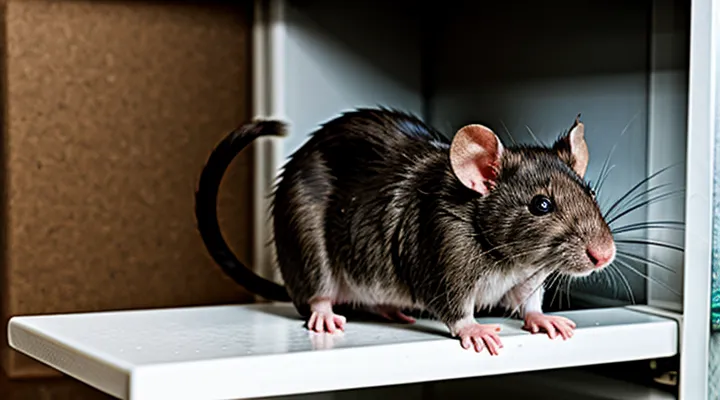
The Historical Context of Rat Experimentation
Early Use of Rats in Scientific Research
The Shift from Larger Animals to Rodents
The transition from using large mammals such as dogs, cats, and primates to employing rodents marked a decisive change in biomedical research protocols. Early laboratory work relied on species with physiological similarities to humans, but mounting ethical scrutiny, cost constraints, and methodological limitations prompted a reevaluation of model organisms.
Key drivers of the shift include:
- Ethical pressure: Public and institutional review boards imposed stricter welfare standards, making the use of sentient large animals increasingly untenable.
- Economic efficiency: Rodents require less space, feed, and specialized care, reducing overall expenditures for long‑term studies.
- Genetic manipulability: The development of inbred strains and transgenic technologies enabled precise control over genetic variables, a capability less feasible in larger species.
- Reproducibility: Smaller animals produce more uniform data sets, facilitating statistical analysis and cross‑laboratory comparison.
Consequences of adopting rats as primary subjects extend to experimental outcomes. The high breeding rate and short life cycle accelerate longitudinal investigations, while the availability of extensive behavioral and physiological databases supports detailed interpretation of results. Moreover, the use of rodents aligns with regulatory frameworks that prioritize reduction of animal suffering, thereby satisfying both scientific and ethical mandates.
Key Discoveries Enabled by Rat Models
Rat models have produced definitive insights across multiple biomedical domains. Their physiological similarity to humans, reproducible genetics, and manageable size enable controlled experimentation that isolates causal mechanisms.
- Identification of the dopamine pathway’s involvement in reward processing, establishing a foundation for addiction research.
- Discovery of the leptin–melanocortin circuit regulating appetite, leading to targeted obesity therapies.
- Elucidation of the blood‑brain barrier’s selective permeability, informing drug delivery strategies for neurological conditions.
- Demonstration that mutations in the CFTR gene cause cystic fibrosis phenotypes, providing a platform for gene‑editing trials.
- Validation of the role of microglial activation in neuroinflammation, guiding anti‑inflammatory drug development.
- Mapping of circadian rhythm genes, revealing molecular clocks that synchronize metabolic and behavioral cycles.
These findings have translated into clinical interventions, diagnostic tools, and regulatory standards. Continued refinement of rat genetics, including CRISPR‑mediated edits, expands the capacity to model complex polygenic diseases, ensuring that future investigations retain the same level of precision and relevance.
Ethical Considerations in Rat Experimentation
Animal Welfare Regulations and Guidelines
The 3Rs Principle: Reduction, Refinement, Replacement
The 3Rs framework guides responsible rodent research by setting clear objectives for minimizing animal use and improving welfare. It provides a structured approach that aligns scientific rigor with ethical obligations, ensuring that studies involving rats meet regulatory expectations and public scrutiny.
- Reduction – design experiments to obtain statistically reliable data with the smallest feasible number of subjects; employ power analysis, shared control groups, and longitudinal designs to avoid unnecessary replication.
- Refinement – implement procedures that lessen pain, distress, or lasting harm; adopt refined anesthesia protocols, environmental enrichment, and humane endpoints that are validated through physiological monitoring.
- Replacement – substitute live rats with alternative methods whenever possible; utilize in‑vitro cell cultures, organ‑on‑a‑chip systems, computational modeling, and validated surrogate species to achieve comparable insights.
Effective application of the 3Rs yields measurable benefits: lower animal numbers, enhanced data quality, and compliance with ethical standards. Continuous evaluation of protocols, coupled with training in best practices, sustains progress toward more humane and scientifically robust rat studies.
Institutional Animal Care and Use Committees (IACUCs)
Institutional Animal Care and Use Committees (IACUCs) serve as the primary regulatory bodies overseeing all vertebrate animal research within U.S. institutions. Their mandate includes evaluating scientific merit, ensuring compliance with federal regulations, and safeguarding animal welfare throughout the lifecycle of a study involving rats.
Committee composition reflects multidisciplinary expertise. Members typically include a veterinarian, a scientist experienced in rodent research, a non‑research staff representative, and an unaffiliated community member. This structure provides balanced perspectives on experimental design, veterinary care, and ethical considerations.
The review process follows a defined sequence:
- Protocol submission: investigators present detailed plans, specifying objectives, procedures, anesthesia, analgesia, and endpoints.
- Initial assessment: the committee checks alignment with the Animal Welfare Act and the Public Health Service Policy, confirming that no alternative species or method can achieve the same scientific goal.
- Risk‑benefit analysis: reviewers compare anticipated scientific gains against potential pain or distress to the rats.
- Approval, modification, or denial: decisions are documented, and required amendments are communicated to the researcher.
- Continuing oversight: annual reviews, progress reports, and unanticipated event notifications maintain ongoing compliance.
IACUCs also enforce record‑keeping standards. They require detailed logs of animal acquisition, housing conditions, health monitoring, and experimental outcomes. Audits verify that housing meets temperature, humidity, and enrichment criteria, reducing stress‑induced variability in data.
Training obligations fall under the committee’s jurisdiction. All personnel handling rats must complete certified courses covering humane handling, proper dosing techniques, and euthanasia methods approved by the American Veterinary Medical Association.
By imposing rigorous protocol scrutiny, IACUCs directly influence the quality and reproducibility of rat‑based experiments. Studies that pass committee review demonstrate lower incidence of confounding variables related to animal distress, leading to clearer interpretation of results and more reliable translational value.
Debates on Sentience and Suffering in Rats
Neurological Evidence of Pain Perception
Rodent studies reveal distinct neural signatures that correspond to nociceptive processing. Electrophysiological recordings show increased firing rates in spinal dorsal horn neurons and cortical pain‑related areas following noxious stimulation. Immediate‑early gene assays, such as c‑Fos immunoreactivity, rise sharply in the thalamus, somatosensory cortex, and amygdala within minutes of a painful stimulus. Functional imaging in anesthetized rats displays heightened blood‑oxygen‑level‑dependent signals in the anterior cingulate and insular cortex during thermal or mechanical injury. Autonomic measures, including elevated heart rate variability and plasma corticosterone, align temporally with these neural activations.
Key observations supporting pain perception include:
- Consistent correlation between stimulus intensity and neuronal discharge magnitude.
- Reversible suppression of neural activity by clinically approved analgesics.
- Parallel emergence of protective behaviors (withdrawal, licking) and neural markers.
- Persistence of neural responses in chronic injury models, indicating sustained perception.
These findings demonstrate that rats possess functional pathways analogous to human pain circuits, confirming that nociceptive signals are processed beyond reflexive reflexes. The presence of such evidence obligates researchers to implement analgesic protocols, refine experimental designs to minimize distress, and adhere to regulatory standards that recognize rat sentience.
Public Perception and Advocacy for Animal Rights
Public opinion surveys consistently reveal a majority of respondents express discomfort with laboratory rat studies, especially when procedures cause pain or prolonged confinement. Media reports highlighting graphic imagery amplify negative attitudes, while scientific outreach that emphasizes methodological safeguards mitigates opposition among informed audiences.
- Organized campaigns urging legislative bans on invasive experiments lacking clear therapeutic benefit.
- Petitions demanding institutional review boards adopt stricter humane endpoints.
- Educational programs that train researchers in refined techniques and alternative models.
- Legal actions challenging funding allocations for studies that fail to demonstrate adherence to the three‑Rs principle.
Advocacy pressure translates into measurable policy shifts: several jurisdictions have introduced statutes limiting the use of rats in non‑essential research, and major funding agencies now require justification of animal numbers and pain mitigation strategies. Consequently, research protocols increasingly incorporate in‑silico simulations, organ‑on‑chip technologies, and genetically engineered cell lines, reducing reliance on live rodents while maintaining experimental rigor.
Scientific Results and Impact of Rat Experiments
Contributions to Medical Science
Drug Discovery and Development
Rodent models provide indispensable data for early‑stage pharmacology, delivering quantitative measurements of toxicity, efficacy, pharmacokinetics, and pharmacodynamics that cannot be obtained from in‑vitro systems alone.
Ethical oversight of rat studies follows established governance structures: institutional animal care committees evaluate protocols against the 3Rs principle, enforce humane endpoints, and require justification for animal numbers. Compliance with national and international guidelines ensures that each experiment balances scientific necessity with animal welfare.
Data generated from rat experiments directly shape drug development decisions. Results guide lead optimization, inform dose‑range finding, and define safety margins required for regulatory submissions.
Typical outputs obtained from rat studies include:
- Acute and chronic toxicity profiles
- Absorption, distribution, metabolism, and excretion (ADME) parameters
- Behavioral and cognitive assay outcomes
- Biomarker validation for target engagement
Integration of these findings accelerates progression from preclinical candidates to clinical trials while maintaining ethical standards throughout the discovery pipeline.
Understanding Disease Mechanisms
Rat models deliver reproducible biological systems that replicate many human disease pathways. Genetic homology, short life cycles, and well‑characterized physiology enable precise manipulation of variables that drive disease progression. Researchers can isolate molecular events, track temporal changes, and apply interventions that would be impractical in larger organisms.
Ethical compliance rests on three core practices:
- Institutional oversight that approves study protocols before initiation.
- Implementation of the Replacement‑Reduction‑Refinement (3R) principle, limiting animal numbers and substituting alternative methods whenever feasible.
- Defined humane endpoints, including continuous monitoring of pain indicators and immediate euthanasia when criteria are met.
Controlled rat experiments have clarified several mechanisms underlying pathology:
- Neurodegenerative cascades: identification of protein aggregation patterns and synaptic loss in models of Parkinson’s and Alzheimer’s disease.
- Metabolic dysregulation: mapping of insulin signaling defects and adipose tissue inflammation that drive type‑2 diabetes.
- Immune modulation: delineation of cytokine networks and cellular infiltration in autoimmune and infectious disease models.
These findings translate into target validation for drug development, biomarker discovery, and the refinement of therapeutic strategies. The convergence of rigorous ethical standards and detailed mechanistic data sustains the scientific value of rat research while respecting animal welfare.
Contributions to Behavioral and Psychological Research
Learning and Memory Studies
Rats provide a well‑characterized model for investigating the neural mechanisms underlying learning and memory. Their brain architecture shares essential features with humans, allowing precise manipulation of circuits that support acquisition, consolidation, and retrieval of information.
Common experimental paradigms include:
- Morris water maze for spatial navigation.
- Radial arm maze for working memory assessment.
- Fear conditioning for associative learning.
- Operant chambers for reinforcement schedules.
- In vivo electrophysiology to record hippocampal and cortical activity during task performance.
Ethical compliance follows the three‑Rs principle. Replacement is pursued by using in vitro systems when feasible. Reduction is achieved through power calculations that limit animal numbers while preserving statistical validity. Refinement involves environmental enrichment, analgesia, and humane endpoints to minimize distress. Institutional review boards evaluate protocols before approval, ensuring that procedures meet national welfare standards.
Results consistently demonstrate that long‑term potentiation in the hippocampus correlates with improved spatial memory, while disruption of NMDA receptor signaling impairs acquisition across tasks. Pharmacological agents such as ampakines enhance performance in maze tests, indicating potential therapeutic avenues for cognitive deficits. Genetic models reveal that mutations in synaptic proteins produce measurable deficits in both working and reference memory, mirroring aspects of human neurodegenerative disorders.
These findings inform translational research, guiding drug development and behavioral interventions aimed at ameliorating memory impairment. Ongoing studies integrate optogenetics and high‑resolution imaging to dissect circuit dynamics with unprecedented precision, promising deeper insight into the cellular basis of cognition.
Models for Mental Health Disorders
Researchers employ rat paradigms to investigate psychiatric conditions because rodents share conserved neurobiological pathways with humans. Models are classified by induction method, each providing a distinct window on disease mechanisms.
- Genetic manipulation (knock‑out, knock‑in, CRISPR) creates animals with altered expression of genes implicated in depression, schizophrenia, or autism.
- Pharmacological exposure (chronic corticosterone, NMDA antagonists) reproduces symptom clusters such as anhedonia or psychosis‑like behaviors.
- Stress‑based protocols (social defeat, chronic unpredictable stress) generate persistent alterations in mood‑regulating circuits.
Validation relies on behavioral assays (forced swim test, sucrose preference, prepulse inhibition) and physiological readouts (corticosterone levels, electrophysiological patterns). Consistency with human diagnostic criteria is assessed through cross‑species biomarkers and neuroimaging correlates.
Ethical oversight demands adherence to the three‑Rs: replacement, reduction, refinement. Institutional review boards require justification of animal numbers, implementation of humane endpoints, and continuous monitoring of welfare indicators. Protocols incorporate environmental enrichment and analgesia to mitigate distress while preserving experimental integrity.
Outcome reports demonstrate that specific rat models reproduce core features of mental disorders, enable mechanistic dissection, and support preclinical screening of therapeutic agents. Data generated under rigorous ethical standards contribute to translational pipelines, informing clinical trial design and risk‑benefit assessments.
Limitations and Criticisms of Rat Models
Species Differences and Translational Challenges
Rats differ from humans in anatomy, metabolism, and neurobiology, which limits direct extrapolation of experimental outcomes. Specific divergences include:
- Enzyme activity: hepatic cytochrome P450 isoforms vary, altering drug clearance rates.
- Immune system: cytokine profiles and cell surface markers show species‑specific patterns.
- Brain structure: proportion of cortical regions and receptor distribution differ, affecting behavioral readouts.
- Lifespan and developmental timing: accelerated maturation compresses exposure windows compared with human development.
These biological gaps generate translational challenges. Dose‑response relationships derived from rodent data often require scaling adjustments that may not capture non‑linear pharmacodynamics. Behavioral paradigms designed for rats can lack relevance to complex human cognition, leading to overestimation of therapeutic efficacy. Genetic background influences phenotype expression; inbred strains provide uniformity but reduce external validity for heterogeneous human populations. Consequently, risk assessments must incorporate comparative physiology, cross‑species validation, and, where feasible, complementary models such as non‑human primates or organ‑on‑chip systems to bridge the gap between rodent findings and human applications.
Over-reliance on Animal Models
Over-reliance on rodent models skews translational validity. Rats share physiological pathways with humans, yet species‑specific differences alter drug metabolism, immune response, and behavioral outcomes. Consequently, findings that appear robust in rats frequently fail in clinical trials, inflating development costs and extending timelines.
Key limitations include:
- Genetic homogeneity within laboratory colonies reduces representation of human genetic diversity.
- Simplified environmental conditions ignore complex psychosocial factors influencing disease progression.
- Endpoint measures often focus on surrogate markers rather than clinically relevant outcomes.
Ethical implications arise when extensive use of rats persists despite known shortcomings. Institutional review boards must weigh scientific justification against the probability of meaningful human benefit. Reducing dependence on rodent experiments can be achieved by integrating in‑vitro organ‑on‑chip platforms, computational modeling, and targeted human tissue studies. These alternatives lower animal numbers, address species‑specific gaps, and improve predictive accuracy for therapeutic interventions.
Alternatives and Future Directions
In Vitro and Computational Models
Organ-on-a-Chip Technology
Organ‑on‑a‑Chip platforms reproduce tissue architecture and fluid dynamics on a micro‑scale, enabling precise control of cellular environments without whole‑animal subjects. The devices integrate human or rodent cells within channels that simulate vascular flow, mechanical stress, and biochemical gradients, delivering data comparable to in‑vivo observations.
By substituting live rats with microengineered tissue models, researchers reduce the number of animals required for preliminary toxicity, pharmacokinetic, and disease‑mechanism studies. The approach eliminates the need for invasive procedures, thereby addressing the principal ethical objections associated with rodent experimentation.
Results obtained from chip‑based assays demonstrate high concordance with traditional animal data while providing greater reproducibility and real‑time monitoring. The technology captures organ‑specific responses, clarifies dose‑response relationships, and reveals inter‑organ interactions that are difficult to assess in isolated animal experiments.
Key advantages include:
- Direct observation of cellular behavior through transparent substrates.
- Quantitative readouts of metabolic activity, barrier integrity, and electrophysiology.
- Scalable designs that accommodate multiple organ modules for systemic studies.
- Reduced variability stemming from genetic and environmental differences among animals.
Adoption of Organ‑on‑a‑Chip systems therefore strengthens experimental rigor, aligns research practices with humane standards, and accelerates the translation of preclinical findings to clinical applications.
Advanced Simulation Techniques
Advanced simulation techniques provide a computational alternative to traditional rodent studies, enabling researchers to explore physiological processes, drug interactions, and behavioral outcomes without direct animal involvement.
Key simulation modalities include:
- Multi‑scale physiological models that integrate cellular, tissue, and organ dynamics.
- Agent‑based frameworks reproducing individual rat behaviors within virtual environments.
- Machine‑learning algorithms trained on historical experimental datasets to predict toxicological responses.
- Virtual reality platforms that visualize neural circuit activity in real time.
These methods directly address ethical concerns by reducing the number of live subjects required for hypothesis testing, thereby supporting the reduction principle of humane research practices. Validation protocols compare simulated outputs with a subset of empirical data, confirming predictive fidelity and ensuring that conclusions remain grounded in observable phenomena.
Successful implementation depends on high‑quality input data, rigorous calibration procedures, and collaboration between computational scientists, biologists, and ethicists. When these conditions are met, advanced simulations generate reproducible results, accelerate discovery cycles, and maintain compliance with regulatory expectations for animal welfare.
Ethical Innovations and Best Practices
Enhancing Animal Welfare Protocols
Improving welfare protocols in rodent research directly influences ethical compliance and data reliability. Institutional review boards require demonstrable steps that minimize distress while preserving experimental integrity.
Key elements include housing conditions, handling techniques, analgesic regimes, and environmental enrichment. Standard cages should incorporate nesting material, chewable objects, and opportunities for vertical movement. Handling must transition from tail grabs to tunnel or cupped‑hand methods, reducing stress‑induced hormonal fluctuations. Analgesic plans need pre‑emptive dosing and regular assessment using validated pain scales.
- Provide species‑specific enrichment items and rotate them weekly.
- Implement automated monitoring of temperature, humidity, and light cycles.
- Train personnel in low‑stress restraint and humane endpoints.
- Record individual health metrics in a centralized database for trend analysis.
- Conduct periodic audits of protocol adherence and adjust based on findings.
Continuous oversight relies on real‑time data collection and transparent reporting. Electronic health records enable rapid identification of abnormal behavior, prompting immediate intervention. Compliance audits, performed quarterly, verify that all procedures align with national guidelines and institutional policies.
Adopting these measures reduces variability caused by stress, enhances reproducibility, and satisfies ethical standards demanded by funding agencies and regulatory bodies. The result is a research environment where animal welfare and scientific rigor are mutually reinforced.
Promoting Transparency in Research
Transparency in rodent research underpins ethical scrutiny and scientific reliability. Researchers must disclose every procedural detail that could affect animal welfare or data interpretation.
Key components of transparent practice include:
- Preregistration of study hypotheses, experimental design, and statistical analysis plans in accessible registries.
- Publication of complete methodological descriptions, covering animal sourcing, housing conditions, handling protocols, and humane endpoints.
- Open sharing of raw data, code, and ancillary materials through recognized repositories, with persistent identifiers.
- Documentation of Institutional Animal Care and Use Committee (IACUC) approvals, risk assessments, and any protocol amendments.
Providing these elements enables independent verification, reduces duplication of effort, and strengthens public confidence in the use of laboratory rats. Peer reviewers gain access to the full experimental context, allowing objective evaluation of both ethical compliance and result validity.
Institutions should enforce mandatory data deposition, adopt standardized reporting checklists, and implement audit trails that record every alteration to the study protocol. Funding agencies and journals must require adherence as a condition for award or publication. This systematic approach guarantees that rat-based investigations remain accountable, reproducible, and ethically defensible.