
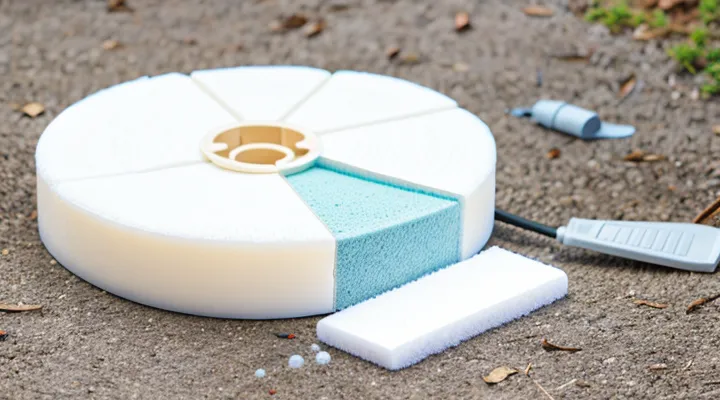
Understanding Expanding Foam and Pest Control
What is Expanding Foam?
Types of Expanding Foam
Expanding foams employed for rodent exclusion differ in composition, density, and sealing properties. Selecting the appropriate type ensures reliable blockage of entry points and long‑term durability.
-
Open‑cell polyurethane foam expands rapidly, fills irregular gaps, and remains flexible after curing. Its low density provides good penetration but offers limited resistance to chewing; suitable for sealing cracks around foundations where rodents are unlikely to gnaw directly.
-
Closed‑cell polyurethane foam creates a rigid, waterproof barrier. Higher density prevents moisture ingress and resists mechanical damage, making it ideal for sealing larger openings such as vents, utility penetrations, and gaps around pipe sleeves.
-
High‑expansion “spray‑in” foam, often a blend of closed‑cell polymers, expands up to 300 times its liquid volume. The massive expansion fills deep cavities and creates a thick plug that rodents cannot bypass. Use with caution in confined spaces to avoid over‑pressurization.
-
Specialized rodent‑resistant foams incorporate additives such as bittering agents or fiber reinforcements. These formulations deter chewing and add structural strength, providing an extra layer of protection for exposed seams and attic access points.
-
Fire‑rated expanding foam meets building code requirements for flame spread and smoke development. When applied around electrical conduits or near heat sources, it maintains fire safety while sealing potential rodent pathways.
Proper application demands clean, dry surfaces, adequate nozzle distance, and adherence to manufacturer cure times. Over‑filling can cause pressure damage; under‑filling leaves gaps that rodents exploit. Matching foam type to the specific opening and exposure conditions maximizes effectiveness in rodent control.
How Expanding Foam Works
Expanding foam consists of two reactive components—typically an isocyanate and a polyol blend—stored under pressure in a sealed cartridge. When the nozzle is depressed, the mixture is released into the target void. Contact with atmospheric moisture triggers a rapid exothermic reaction, forming a polymer matrix that expands up to 30 times its original volume. The resulting foam fills irregular gaps, hardens within minutes, and creates a durable barrier that resists gnawing.
Key mechanisms of action:
- Chemical polymerization – moisture‑induced cross‑linking produces a rigid, closed‑cell structure.
- Volume expansion – gas generation from the reaction forces the material into crevices, eliminating entry points.
- Curing process – heat released during polymerization accelerates solidification, yielding a solidified plug that adheres to surrounding surfaces.
Proper usage requires applying the foam directly into identified entryways before rodents can exploit them. Over‑application can cause excess pressure, leading to deformation of surrounding materials; therefore, dispense incrementally and allow each layer to cure before adding more. Once cured, the foam remains stable under temperature fluctuations and provides long‑term exclusion of mice and rats.
Why Pests Are a Problem
Health Risks Posed by Rodents
Rodents transmit pathogens that can cause serious illness in humans; recognizing these hazards is essential when sealing entry points with expanding foam.
- Hantavirus, carried by deer mice and other species, causes severe respiratory disease.
- Salmonella and other bacterial infections spread through rodent droppings and urine.
- Leptospirosis, a bacterial disease, enters the body via contact with contaminated water or surfaces.
- Allergens from fur, dander, and urine trigger asthma attacks and allergic reactions.
- Parasites such as fleas, mites, and tapeworms attach to rodents and may infest indoor environments.
Applying foam without proper precautions can embed contaminated debris within walls, increasing exposure risk. Workers should wear gloves, respirators, and disposable coveralls; work areas must be cleared of visible droppings before foam injection. Surfaces contacted by foam should be disinfected after curing.
Implementing these measures reduces the likelihood of disease transmission and ensures that the foam barrier provides effective rodent exclusion without compromising occupant health.
Structural Damage Caused by Rodents
Rodents gnaw on wood, plastic, and insulation, creating holes that compromise structural integrity. Their incisors continuously grow, prompting constant chewing that weakens load‑bearing beams, floor joists, and wall studs. Over time, these breaches reduce the capacity of the building framework to support weight and resist stress.
Chewed wiring presents a dual threat: loss of electrical continuity and increased fire risk. Exposed conductors may spark, while damaged cables can cause intermittent power failures, affecting both safety systems and everyday operations.
Urine and droppings corrode metal components. Acidic waste accelerates rust on bolts, brackets, and HVAC ducts, leading to premature failure of fastening systems and reduced efficiency of ventilation units.
Rodent nests often incorporate shredded insulation material. Removal of insulation leaves cavities exposed to temperature fluctuations, raising energy consumption and promoting condensation that can rot surrounding structural elements.
Typical manifestations of rodent‑induced damage include:
- Holes in structural timber and sheathing
- Severed or frayed electrical wiring
- Rusted fasteners and ductwork
- Missing or displaced insulation
- Deformed or broken plaster and drywall
Addressing these issues promptly prevents escalation. Properly applied expanding foam, placed in entry points and gaps, creates a durable barrier that deters rodents from accessing interior spaces. The foam expands to fill voids, sealing cracks that would otherwise serve as chewing sites, thereby protecting the building’s framework from further degradation.
Proper Application Techniques
Identifying Entry Points
Common Rodent Entry Points
Identifying the pathways rodents use to enter a building is essential for the effective use of expanding foam as a sealant. Accurate detection allows targeted application, reduces waste, and maximizes the barrier’s durability.
- Gaps around plumbing and gas pipes, especially where they penetrate foundations or walls.
- Openings surrounding electrical conduit, cable bundles, and HVAC ducts.
- Cracks in concrete slabs, foundation walls, or brickwork.
- Spaces beneath door thresholds and around sliding‑door tracks.
- Unsealed window frames, including the perimeter of casement and double‑hung windows.
- Vents, exhaust fans, and dryer ducts that lack proper flashing.
- Roof eaves and soffit vents with loose or missing flashing.
- Wall cavities accessed through unfinished basements or crawl spaces.
- Gaps around chimney flues and fireplace openings.
Inspect each potential entry point with a flashlight and a thin probe. Clean debris, dry the surface, then inject low‑expansion foam in short bursts, allowing it to fill the void without over‑pressurizing the material. After curing, trim excess foam flush with surrounding surfaces. Re‑check sealed areas periodically to ensure the barrier remains intact and to detect any new openings that may develop.
How to Inspect for Gaps and Cracks
Inspecting a building for openings before applying expanding foam is essential to ensure the seal is effective against rodents. Begin with a systematic visual sweep of the exterior envelope, focusing on areas where utilities, vents, and structural joints intersect. Use a bright flashlight to highlight subtle seams that may be hidden by paint or insulation.
Next, run a thin, flexible probe—such as a steel ruler or a flexible inspection mirror—along all seams, door frames, and window casings. If the probe passes through without resistance, the opening is large enough for a mouse or rat to exploit. Mark each compromised spot with a temporary, non‑permanent indicator (e.g., a colored sticker) to track progress.
Apply a pressure‑sensitive smoke pencil or a handheld infrared camera to detect air movement through micro‑cracks. Observe the smoke trail or temperature differential; any visible escape indicates a breach that requires sealing.
When the inspection is complete, compile the findings into a concise list:
- Exterior wall joints with visible gaps larger than 1 mm
- Roof eave and soffit penetrations around plumbing and wiring
- Utility entry points (cable, pipe sleeves) lacking proper collars
- Foundation cracks exceeding 2 mm in width
- Door and window frames with deteriorated weatherstripping
Address each item before foam application. Clean debris, remove loose material, and, if necessary, widen the gap slightly to allow the foam to expand fully and fill the void. This disciplined inspection eliminates hidden entryways, maximizes the barrier’s durability, and prevents future rodent incursions.
Preparing the Application Area
Cleaning Surfaces
Cleaning the area where expanding foam will be placed is a prerequisite for effective rodent control. Residues, dust, and grease reduce adhesion, allowing pests to bypass the barrier.
Begin by removing loose debris with a brush or vacuum. Apply a solvent‑based cleaner to surfaces that will receive foam; allow the cleaner to evaporate completely before proceeding. For porous materials such as wood or insulation, wipe with a mild detergent, rinse with water, and dry thoroughly.
- Sweep or vacuum to eliminate crumbs and droppings.
- Wipe surfaces with a degreasing agent (e.g., isopropyl alcohol or a commercial degreaser).
- Rinse with clean water if a detergent was used; dry with a lint‑free cloth.
- Inspect for moisture; ensure the substrate is completely dry before foam injection.
After foam expansion, trim excess material and discard any residue that contacts non‑target surfaces. Use a scraper or a utility knife for removal, followed by a final wipe with a disinfectant to prevent secondary contamination. Maintaining a clean substrate before and after foam application maximizes seal integrity and deters future mouse or rat activity.
Safety Precautions for Application
When using expanding foam to seal entry points for rodents, strict safety measures protect the applicator and the environment.
- Wear chemical‑resistant gloves, goggles, and a disposable coverall to prevent skin and eye contact.
- Ensure the work area is well‑ventilated; open windows or use a fan to disperse vapors.
- Read the product label before mixing; follow the recommended ratio of foam to catalyst precisely.
- Apply foam only to dry, clean surfaces; avoid spraying near open flames or heat sources because the material expands exothermically.
- Do not inhale the aerosol; use a respirator with organic vapor cartridges if the space lacks adequate airflow.
- Keep the canister upright during use to prevent unintended discharge and to maintain pressure stability.
- Store unopened containers in a cool, dry place away from direct sunlight and out of reach of children and pets.
- Dispose of empty cans according to local hazardous‑waste regulations; never puncture or incinerate them.
After application, allow the foam to cure fully before touching the treated area. Clean any accidental spills with a solvent compatible with the foam’s composition, then wash hands thoroughly with soap and water. Following these protocols eliminates exposure risks and ensures effective rodent exclusion.
Applying the Expanding Foam
Step-by-Step Application Guide
Applying expanding foam to seal rodent entry points requires precise preparation, correct product selection, and controlled execution. Follow the steps below to achieve an effective barrier without compromising structural integrity or safety.
- Identify all openings – Inspect walls, foundations, crawl spaces, and utility penetrations for gaps larger than ¼ inch. Use a flashlight and a thin probe to locate concealed cracks.
- Select a rodent‑resistant foam – Choose a low‑expansion, closed‑cell spray foam formulated for pest control. Verify that the product contains a rodent‑deterrent additive and complies with local building codes.
- Prepare the work area – Remove debris, dust, and loose material from each gap. Wear gloves, eye protection, and a respirator approved for aerosolized chemicals. Cover nearby surfaces with drop cloths to prevent overspray.
- Calibrate the applicator – Attach the foam canister to the dispensing gun, test the trigger on a scrap piece, and adjust the flow to a steady, moderate rate. Excessive pressure can force foam into unintended cavities.
- Apply foam – Insert the nozzle into the opening, hold it at a 45‑degree angle, and dispense a measured amount that fills the void without bulging. Allow the foam to expand fully; it will typically double its initial volume within seconds.
- Trim excess material – After the foam cures (usually 10–15 minutes), cut any protruding sections flush with the surrounding surface using a utility knife or a fine saw.
- Seal the perimeter – Apply a thin bead of silicone or acrylic caulk around the foam edges to reinforce the seal and prevent moisture ingress.
- Inspect and document – Verify that each treated opening is airtight and free of gaps. Record the locations, product batch numbers, and date of application for future maintenance.
Adhering to this protocol ensures a durable, pest‑proof barrier while minimizing material waste and health risks. Regular follow‑up inspections are recommended to confirm long‑term effectiveness.
Tools and Equipment Needed
When applying expanding foam to seal rodent entry points, the following equipment ensures effective coverage and safe handling.
- Two‑component polyurethane foam canister designed for pest control
- Adjustable nozzle or trigger‑spray tip for precise placement
- Extension pole or flexible wand to reach high or concealed gaps
- Protective gloves resistant to chemicals
- Safety goggles or face shield to prevent spray contact with eyes
- Half‑face respirator with organic vapor filter for inhalation protection
- Utility knife or foam cutter for trimming excess material after curing
- Measuring tape or ruler to assess gap dimensions before application
- Disposable drop cloths or plastic sheeting to protect surrounding surfaces
- Fire‑resistant ladder or step stool for elevated work areas
- Portable fire extinguisher rated for Class B fires in case of accidental ignition
All items should be inspected for integrity before use. Replace damaged protective gear promptly to maintain safety standards. Clean excess foam with a solvent recommended by the manufacturer, then dispose of waste according to local regulations.
Post-Application Considerations
Curing Time and Ventilation
When applying expanding foam as a rodent deterrent, the material must reach full hardness before it can reliably block entry points. Most polyurethane foams achieve a solid state within 8 to 12 minutes after discharge, but the cure continues for up to 24 hours as the chemical reaction completes. During this period the foam retains a slight tackiness; any movement of the treated area can compromise the seal and allow small mammals to re‑enter.
Adequate airflow is essential while the foam expands. The exothermic reaction generates heat and releases volatile organic compounds (VOCs). Ventilation reduces the risk of inhalation exposure and prevents the buildup of heat that could warp surrounding structures. Open windows, run exhaust fans, or employ portable air movers to create a minimum of six air changes per hour in the work zone. If possible, wear a respirator equipped with organic vapor filters until the foam has fully cured and the odor dissipates.
Key parameters to monitor:
- Initial set time: 8–12 minutes; avoid disturbing the foam during this window.
- Full cure duration: up to 24 hours; defer heavy traffic or loading of the sealed opening until this period ends.
- Ventilation rate: ≥6 air changes per hour; maintain continuous airflow until VOC levels return to background.
By respecting the foam’s hardening schedule and providing sufficient ventilation, the barrier remains durable and safe for occupants while effectively denying mice and rats access.
Trimming Excess Foam
Trimming excess foam ensures a secure seal and prevents unintended gaps that rodents could exploit. Over‑application creates bulges that may crack or detach, reducing the effectiveness of the barrier.
Select a sharp utility knife or a foam‑cutting blade designed for polymeric materials. Wear gloves and eye protection; the foam expands rapidly and can cause skin irritation or eye injury if contact occurs.
Steps for proper removal:
- Allow the foam to cure fully according to the manufacturer’s time guidelines, typically 15–30 minutes.
- Position the cutting tool at a shallow angle to the foam surface.
- Slice away protruding sections in smooth, controlled strokes, avoiding deep cuts into the surrounding substrate.
- Inspect the trimmed area for uniform thickness; the foam should sit flush with the surrounding material.
- Clean any debris with a damp cloth; discard waste according to local disposal regulations.
Consistent trimming maintains a continuous barrier, limits material waste, and enhances the long‑term performance of the rodent‑proofing system.
Limitations and Alternatives
When Expanding Foam is Not Enough
Severe Infestations
Severe rodent infestations demand rapid, reliable sealing of entry points and nesting sites. Expanding polyurethane foam offers immediate blockage of gaps that exceed 1 mm, a size sufficient for mice and rats to exploit. The material’s pressure‑expanding properties fill irregular voids, creating a durable barrier that resists chewing and weathering.
Before application, identify all potential ingress locations: foundation cracks, utility penetrations, vent openings, and damaged insulation. Remove loose debris, dry surfaces, and any existing bait or trap remnants. Wear gloves, eye protection, and a respirator rated for organic vapors; the foam releases isocyanates that can irritate skin and lungs.
Apply foam according to the following sequence:
- Shake the can for 1 minute to ensure uniform mixture.
- Insert the straw nozzle into the targeted gap, keeping the tip at least 1 cm from the opening to avoid over‑pressurization.
- Dispense a short burst; the foam expands up to 30 times its original volume, filling the cavity within seconds.
- Allow the material to cure for 15 minutes; during this period, avoid contact with the expanding mass.
- Trim excess foam with a utility knife once hardened, then smooth the surface with sandpaper if necessary.
After sealing, monitor the treated area for signs of continued activity. Persistent droppings or gnaw marks indicate additional breaches that require repeat treatment. Combine foam barriers with conventional control methods—such as snap traps or bait stations—to achieve comprehensive eradication. Regular inspection of the building envelope prevents re‑infestation and extends the effectiveness of the foam sealant.
Large Structural Gaps
Large openings in foundations, walls, or utility penetrations provide direct pathways for rodents to enter a building. These gaps often exceed one inch in width and may extend several feet along joists, girders, or pipe sleeves. Because mice and rats can compress their bodies to fit through openings as small as a quarter inch, any gap larger than this threshold must be treated as a critical entry point.
To prepare a large structural gap for foam treatment, first remove loose debris, insulation, and any protruding fasteners that could impede adhesion. Clean the surrounding surfaces with a solvent‑based degreaser or a mild detergent solution, then allow the area to dry completely. If the gap contains moving parts such as vent ducts or service lines, isolate them with temporary tape or clamps to prevent foam intrusion.
Application of expanding polyurethane foam should follow these steps:
- Insert the foam nozzle into the deepest point of the gap, maintaining a slight angle to promote even distribution.
- Dispense foam in short bursts, allowing each charge to expand before adding the next; this prevents over‑pressurization that could damage surrounding structures.
- Fill the cavity until the foam contacts all sides, leaving a ¼‑inch margin from the exterior surface to avoid surface cracking.
- Trim excess cured foam with a utility knife, then sand the surface smooth if required for aesthetic or functional reasons.
- Seal the trimmed area with a compatible caulk or weather‑resistant sealant to reinforce the barrier.
Safety considerations include wearing gloves, eye protection, and a respirator rated for organic vapors. Ensure adequate ventilation during and after application, as curing foam releases isocyanates that can irritate the respiratory tract. Keep ignition sources away, because the foam is flammable until fully cured.
After sealing, inspect the treated gap for any residual openings. Use a flashlight to verify that the foam has adhered to all surfaces and that no voids remain. Conduct a follow‑up assessment after two weeks to confirm that the barrier remains intact and that no rodent activity is observed near the treated area.
By systematically identifying, preparing, and sealing large structural gaps with expanding foam, property owners can eliminate the most accessible routes for rodents, thereby reducing infestation risk and the need for repeated pest‑control interventions.
Complementary Pest Control Methods
Trapping and Baiting
Expanding foam can seal entry points that rodents exploit, but it does not eliminate animals already inside a structure. Effective control therefore requires a coordinated approach that includes traps and bait stations. Place snap or live traps near suspected pathways, ensuring they are positioned at least 12 inches inside the sealed opening to prevent escape. Bait traps with high‑protein foods such as peanut butter, dried fruit, or commercial rodent attractants; avoid using foam as bait because it lacks nutritional appeal.
When integrating foam with trapping, follow these steps:
- Identify active gnawing sites and install traps before applying foam to close the opening.
- Apply foam to gaps no larger than ¼ inch; larger openings should be filled with steel wool or metal mesh before foaming to prevent rodents from chewing through.
- After foam cures, set baited traps within 2 feet of the sealed area, monitoring daily for captures.
- Replace bait regularly to maintain attractiveness; discard captured rodents promptly and reset traps.
Bait stations should be positioned away from children and pets, using tamper‑resistant containers. Rotate bait types weekly to prevent habituation. Combine regular inspection of foam‑sealed seams with trap checks to maintain a rodent‑free environment.
Professional Extermination Services
Expanding polyurethane foam provides a rapid seal for rodent entry points, creating an airtight barrier that prevents mice and rats from re‑entering structures. The material expands to fill gaps as small as 1 mm, hardening within minutes to a durable, weather‑resistant plug.
Professional extermination firms possess the expertise to identify concealed access routes, select the appropriate foam formulation, and apply it safely. Trained technicians assess structural vulnerabilities, account for ventilation requirements, and ensure compliance with local health and safety regulations.
Preparation steps
- Conduct a thorough inspection of interior and exterior surfaces to locate active burrows, gnaw marks, and potential gaps.
- Remove debris, insulation, or wiring that could obstruct foam flow.
- Isolate affected zones by sealing ventilation openings to prevent aerosol dispersion.
- Equip personnel with protective gloves, goggles, and respirators approved for foam chemicals.
Application technique
- Attach the foam dispensing nozzle to a low‑pressure hose, calibrate the flow rate according to the manufacturer’s specifications.
- Insert the nozzle into each identified opening, maintaining a slight angle to allow the material to expand outward.
- Release foam in short bursts, monitoring expansion to avoid over‑filling, which can damage surrounding structures.
- Allow the foam to cure for the recommended period (typically 10–15 minutes) before handling the area.
After sealing, technicians perform a follow‑up inspection to verify that all gaps remain closed and that no new activity appears. Regular monitoring schedules, combined with integrated pest‑management strategies, sustain long‑term protection against rodent intrusion.
Long-Term Prevention Strategies
Sealing Other Entry Points
Expanding foam is an effective barrier when applied correctly, but its success depends on eliminating all alternative access routes. Identify cracks, gaps around utility penetrations, and openings at the foundation, roof, and attic. Seal each opening before foam deployment to prevent rodents from bypassing the treated area.
- Inspect exterior walls for gaps larger than ¼ in.; fill with steel wool, then apply foam to lock the filler in place.
- Close openings around pipes, cables, and vents using metal mesh or silicone caulk, followed by a thin foam layer for reinforcement.
- Repair damaged siding, soffits, and eaves; use weather‑resistant sealant to create a continuous surface before foam injection.
- Apply foam around door frames and window sills after weatherstripping is installed; ensure the foam expands fully to fill voids without compressing the hardware.
After sealing, re‑evaluate the structure for new or missed gaps. A comprehensive sealant strategy ensures that expanding foam serves as the final obstacle, not a secondary line of defense.
Maintaining a Clean Environment
A clean environment maximizes the efficacy of expanding foam used to block mouse and rat entry points. Residue, dust, and food debris create surface conditions that prevent the foam from adhering properly, leading to gaps that rodents can exploit. Regular cleaning removes these obstacles and ensures a stable substrate for the sealant.
Key cleaning actions before foam application:
- Sweep or vacuum the area to eliminate loose particles.
- Wipe surfaces with a mild detergent solution to dissolve grease and grime.
- Dry the treated zone thoroughly to avoid moisture interference.
- Inspect for hidden debris in corners, behind appliances, and under shelving; remove any found.
Maintaining hygiene after the foam cures is equally critical. Periodic removal of accumulated waste, prompt repair of spills, and routine inspection of sealed openings prevent re‑contamination and preserve the integrity of the barrier. Consistent housekeeping therefore supports long‑term rodent exclusion and reduces the need for repeated foam applications.