
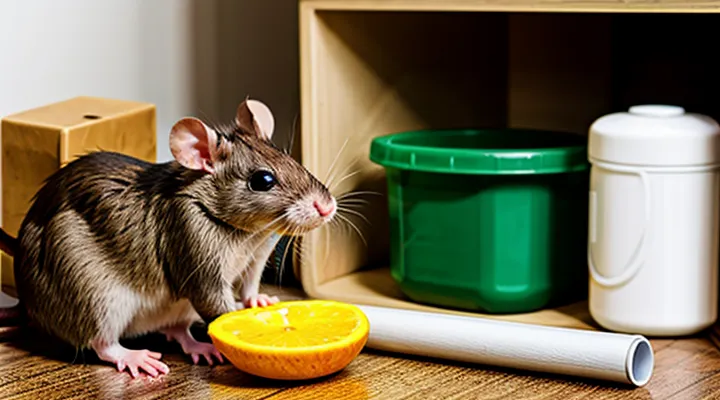
Housing Essentials
Cage Requirements
Size and Bar Spacing
When selecting a habitat for a pet rat, cage dimensions and bar spacing are critical for health and safety. A minimum floor area of 2 sq ft per adult rat provides sufficient space for movement, exploration, and exercise. Larger enclosures—3 sq ft or more—reduce stress and encourage natural behaviors. Height should allow vertical climbing; a minimum of 12 inches is acceptable, but 18–24 inches is preferable for multi‑level setups.
Bar spacing must prevent escape and avoid injury. The gap between vertical bars should not exceed ½ inch (approximately 1.3 cm). This measurement stops a rat’s head from slipping through while still permitting ventilation. Horizontal spacing, measured from the top of one bar to the bottom of the next, should be no greater than 1 inch (2.5 cm) to prevent the animal from squeezing between rows.
Key specifications:
- Floor area: ≥ 2 sq ft per rat; larger for groups.
- Height: ≥ 12 in, ideally 18–24 in.
- Vertical bar gap: ≤ ½ inch (1.3 cm).
- Horizontal bar gap: ≤ 1 inch (2.5 cm).
- Material: stainless steel or coated wire to resist rust and chewing.
Compliance with these dimensions ensures the enclosure supports physical activity, reduces the risk of entrapment, and meets the basic requirements of a responsible rat‑keeping supply list.
Ventilation and Material
Proper airflow is critical for preventing respiratory problems in rats. Cages should feature multiple openings that allow fresh air to circulate without creating drafts. Mesh panels made of stainless steel provide unobstructed ventilation while maintaining structural integrity. Adjustable vents enable fine‑tuning of airflow based on ambient temperature and humidity. Regular inspection of ventilation components ensures they remain free of debris and corrosion.
Material selection influences both comfort and safety. Durable cage construction prevents escape and resists gnawing. Recommended materials include:
- Stainless steel frames and bars – corrosion‑resistant, easy to disinfect.
- Polycarbonate or acrylic lids – clear, shatter‑proof, allow visual monitoring.
- High‑density, low‑dust bedding such as paper pulp or aspen shavings – absorb moisture, reduce odor, and minimize inhalation hazards.
- Chew‑safe accessories (e.g., untreated wooden blocks, natural rope) – satisfy gnawing instinct and protect cage elements from damage.
Choosing ventilation components and cage materials that meet these specifications supports optimal health and welfare for pet rats.
Bedding Options
Substrate Types
Choosing an appropriate substrate is critical for a rat’s health, comfort, and waste management. The material must absorb moisture, control odor, be safe for chewing, and allow easy cleaning.
- Paper-based bedding (e.g., shredded paper, recycled paper pellets). High absorbency, low dust, non‑toxic. Ideal for rats that chew extensively. Requires regular replacement to prevent mold.
- Aspen wood shavings. Low aromatic oil content compared to pine or cedar, reducing respiratory irritation. Provides a dry, granular texture that encourages natural foraging behavior. Must be kept dry to avoid clumping.
- Coconut fiber (coir). Natural, biodegradable, and highly absorbent. Offers a soft surface for nesting. May retain moisture longer than paper, so frequent spot cleaning is advisable.
- Hemp bedding. Naturally antimicrobial, low dust, and biodegradable. Provides a pleasant scent and moderate absorbency. Slightly higher cost than paper or wood options.
- Corncob bedding. Economical and absorbent, but can produce dust and may contain allergens. Not recommended for rats with respiratory sensitivities.
When selecting a substrate, prioritize low dust levels and non‑toxic composition. Rotate bedding weekly, remove soiled sections daily, and replace the entire substrate every two to four weeks depending on the material’s absorbency and the cage’s size. This routine minimizes ammonia buildup and supports a hygienic environment for the animal.
Absorbency and Safety
Absorbent, non‑toxic materials protect a rat’s environment from moisture and contamination, reducing the risk of skin irritation and respiratory problems. Selecting supplies that combine high absorbency with proven safety standards ensures a clean, healthy habitat.
- Paper‑based bedding – rapid wicking, dust‑free, biodegradable; free of chemicals that could be ingested.
- Wood shavings (aspen or kiln‑dried pine) – moderate absorbency, low aromatic oils; avoid cedar or untreated pine to prevent respiratory distress.
- Cage liners (polyethylene mats) – impermeable barrier, easy to replace; choose food‑grade plastic without BPA or phthalates.
- Absorbent pads for feeding area – thick cellulose core, washable covers; prevent spills from reaching the cage floor.
- Cleaning wipes (unscented, hypoallergenic) – safe for direct contact with surfaces; avoid alcohol‑based formulas that could irritate skin.
Regularly replace bedding when saturated, clean liners with mild detergent, and inspect all materials for tears or wear. Maintaining optimal absorbency and safety mitigates health hazards and supports the rat’s well‑being.
Cage Accessories
Food Bowls and Water Bottles
Providing a rat with appropriate feeding equipment is a fundamental aspect of responsible care. Proper containers prevent contamination, support healthy eating habits, and reduce waste.
- Stainless‑steel or ceramic bowls resist gnawing and are easy to sterilize.
- Diameter of 4–5 cm accommodates typical portion sizes without spillage.
- Flat, shallow design encourages natural foraging behavior.
- Secure placement on a non‑slippery surface prevents tipping during active play.
- Daily cleaning with mild detergent removes residue and deters bacterial growth.
Hydration must be supplied through a reliable water delivery system. Bottles designed for small rodents deliver fresh water while minimizing spills.
- Squeeze‑type bottles with metal or durable plastic tubing resist chewing.
- Capacity of 100–150 ml meets daily consumption and reduces refill frequency.
- Adjustable mounting brackets allow placement at cage height that prevents contamination of bedding.
- Regular inspection for blockages and thorough cleaning with a bottle‑brush maintain flow.
Selecting durable, appropriately sized bowls and leak‑proof bottles ensures consistent nutrition and hydration, contributing to the overall well‑being of the animal.
Hiding Spots and Enrichment
Providing safe concealment and mental stimulation is a core component of responsible rat husbandry. A well‑designed environment should contain multiple secure hideaways and enrichment objects that encourage natural behaviors such as foraging, climbing, and chewing.
- Small wooden or plastic tunnels, preferably with smooth interior surfaces, allow rats to retreat from light and stress.
- Ceramic or PVC hide boxes with rounded edges give a sturdy, easy‑to‑clean sanctuary.
- Thick fabric hammocks or fleece nests offer warmth and a soft shelter for sleep.
- Branches, natural wood sticks, and untreated dowels serve as climbing structures and chewable enrichment.
- Puzzle feeders or treat‑dispensing balls promote problem‑solving and extend feeding time.
- Cardboard tubes, shredded paper, and safe, untreated cardboard sheets provide material for nest building and exploratory digging.
- Small plastic wheels with a solid surface prevent foot injuries while delivering exercise.
Integrating these elements reduces boredom, supports dental health, and mirrors the complexity of a rat’s natural habitat. Regular rotation of items prevents habituation and sustains engagement, contributing to overall welfare.
Ladders and Platforms
Ladders and platforms provide vertical and horizontal space that encourages natural climbing behavior, improves exercise, and reduces stress. Properly designed structures prevent injuries and allow the rat to explore multiple levels within the cage.
- Material: Untreated hardwood, solid plastic, or metal coated with non‑toxic paint. Materials must be chew‑resistant and easy to clean.
- Dimensions: Rungs spaced 1–1.5 cm apart; platform surface at least 10 × 10 cm to accommodate a rat’s body without crowding.
- Load capacity: Minimum 200 g per rung and 300 g per platform to support adult rats and occasional stacking.
- Attachment: Securely fastened to cage walls or frames with stainless‑steel screws or bolts; avoid loose fittings that could detach.
- Placement: Position at varying heights to create a three‑dimensional environment; ensure one clear path from the bottom to the highest platform for unobstructed movement.
- Maintenance: Inspect weekly for splintering, rust, or loose joints; replace damaged components promptly to maintain safety.
Integrating ladders and platforms with other enrichment items creates a comprehensive habitat that meets the physical and behavioral needs of pet rats. Regular assessment of the structures ensures they remain functional and safe throughout the animal’s lifespan.
Nutrition and Health
Food Staples
Commercial Rat Pellets
Commercial rat pellets provide a nutritionally balanced diet that meets the specific requirements of pet rats. Formulated with appropriate ratios of protein, fat, fiber, vitamins, and minerals, they supply essential amino acids, calcium, and phosphorus needed for growth, reproduction, and skeletal health.
The pellets contain digestible plant and animal proteins, enriched with vitamin A, D3, and E, as well as B‑complex vitamins that support metabolism and immune function. Fiber levels promote gastrointestinal motility and help prevent dental overgrowth, while low‑fat content reduces the risk of obesity.
Compared with seed mixes or fresh produce, pellets eliminate the variability of nutrient content, ensuring consistent intake. They reduce the likelihood of selective feeding, where rats may favor high‑energy items and neglect essential nutrients.
Practical guidelines:
- Store in a cool, dry place; seal the container after each use to preserve freshness.
- Offer 1 ½ – 2 grams of pellets per 100 grams of body weight daily; adjust based on activity level and age.
- Provide fresh water alongside the pellets at all times.
- Supplement with small amounts of fresh vegetables or fruits for enrichment, but maintain pellets as the core ration.
Regular monitoring of body condition and adjusting portions accordingly ensures optimal health and longevity for the animal.
Fresh Fruits and Vegetables
Fresh fruits and vegetables provide essential vitamins, minerals, and fiber that support a rat’s immune system, dental health, and digestive function. Daily inclusion of safe produce reduces the risk of nutritional deficiencies and promotes natural foraging behavior.
Recommended items (serve in small pieces, 1‑2 % of total diet):
- Apples (core and seeds removed)
- Pears
- Berries (strawberries, blueberries, raspberries)
- Bananas (thin slices)
- Carrots
- Bell peppers (any colour)
- Broccoli florets
- Zucchini
- Leafy greens (romaine lettuce, kale, spinach)
Foods to avoid:
- Citrus fruits (oranges, lemons, grapefruits) – high acidity can upset stomach
- Avocado – contains persin, toxic to rodents
- Raw potatoes and green tomato skins – solanine is harmful
- Onions, garlic, chives – cause hemolytic anemia
Handling guidelines:
- Wash all produce thoroughly to eliminate pesticide residues and microbes.
- Remove seeds, pits, and stems that may pose choking hazards.
- Offer only a few bites at a time; excess leftovers should be discarded within two hours to prevent spoilage.
Integrating these fresh items into a balanced feeding regimen enhances overall health and encourages natural chewing activity.
Occasional Treats
Occasional treats provide enrichment and reinforce positive behaviors without replacing the staple diet. They should be given sparingly to avoid nutritional imbalances and digestive issues.
- Small pieces of fresh fruit (apple, pear, berries) – remove seeds and cores.
- Vegetables such as carrot, cucumber, or bell pepper – offer in bite‑size portions.
- Unsalted nuts (almond, peanut) – limit to one or two halves per week.
- Cooked lean protein (boiled egg, shredded chicken) – serve plain, without seasoning.
- Commercial rat treats formulated for low sugar and high fiber – follow manufacturer’s serving guidelines.
Treats must be introduced gradually, monitoring for adverse reactions. Store perishable items in the refrigerator and discard any that become moldy or soft. Use treats as a reward during handling sessions or as occasional variety to stimulate curiosity.
Health and Hygiene
Grooming Tools
Grooming tools are indispensable for maintaining a rat’s coat, skin health, and overall hygiene. Regular grooming reduces shedding, prevents matting, and allows early detection of parasites or skin conditions. Proper tools also enable owners to handle rats safely, minimizing stress during examinations.
- Bristle brush: soft to medium bristles, suitable for daily light brushing to remove loose hair and debris.
- Fine-tooth comb: ideal for detangling small clumps and checking for ticks or mites.
- Nail clippers or small animal nail trimmer: stainless‑steel blades, calibrated for the thin, curved claws of rats; use with a styptic powder to control bleeding.
- Small grooming scissors: rounded tips for trimming excess fur around the ears, tail, and hindquarters without injury.
- Cotton swabs and unscented wipes: for gentle cleaning of the facial area and around the eyes, avoiding harsh chemicals.
Cleaning and sanitizing the tools after each use prevents cross‑contamination. Store them in a dry, sealed container to maintain blade sharpness and prevent rust. Incorporating these items into the daily care routine ensures a clean coat, reduces health risks, and supports a comfortable living environment for the pet rat.
First-Aid Kit Essentials
A rat’s first‑aid kit should contain items that allow immediate response to wounds, infections, and other health emergencies. Each component is selected for safety, effectiveness, and ease of use with small mammals.
- Sterile gauze pads (2 × 2 cm) – pressure dressing for bleeding.
- Adhesive bandage strips (1 cm width) – temporary closure of minor cuts.
- Veterinary‑grade antibiotic ointment – topical treatment to prevent infection.
- Tweezers with fine tips – removal of splinters or foreign objects.
- Digital thermometer (range 95‑105 °F) – accurate body‑temperature measurement.
- Sterile saline solution – irrigation of eyes, ears, and wounds.
- Styptic powder – rapid hemostasis for nosebleeds or pinprick bleeding.
- Cotton swabs – cleaning of small areas without causing trauma.
- Small, blunt‑tip scissors – trimming of fur or bandages.
- Disposable nitrile gloves – protection against cross‑contamination.
- Emergency contact card – veterinarian phone number, clinic address, and poison‑control hotline.
Including these supplies ensures that routine injuries can be treated promptly, reducing the risk of complications and supporting the overall health of a pet rat.
Carrier for Vet Visits
A secure carrier is indispensable for veterinary appointments. It protects the rat from escape, reduces stress, and complies with clinic safety policies.
Key characteristics:
- Sturdy construction: rigid walls or reinforced plastic prevent crushing and maintain shape.
- Ventilation: multiple mesh panels ensure airflow while limiting gaps.
- Size: interior dimensions of at least 10 × 6 × 6 cm accommodate an adult rat comfortably, allowing movement without excessive space.
- Secure latch: spring‑loaded or snap‑fit closure eliminates accidental opening.
- Easy cleaning: removable bottom tray or smooth interior surface simplifies disinfection after use.
- Portable handle: ergonomic grip reduces handling strain and stabilizes the carrier during transport.
Additional accessories improve the experience:
- Soft bedding layer (paper or aspen shavings) provides cushioning without choking hazards.
- Small water bottle or droplet pad prevents dehydration on longer trips.
- Light-weight blanket or towel can mask unfamiliar scents, easing anxiety.
When selecting a carrier, verify that the clinic accepts the model; some facilities require specific dimensions or materials. Test the latch and ventilation before the first visit to ensure reliability. Regularly inspect for cracks, loose fittings, or worn mesh, replacing the carrier promptly if damage is observed.
Entertainment and Stimulation
Toys and Enrichment
Chew Toys
Chew toys are indispensable for a pet rat’s dental health and mental stimulation. Rats’ incisors grow continuously; without regular abrasion, teeth can overgrow, leading to pain, difficulty eating, and potential infection. Providing appropriate gnawing objects ensures natural wear and prevents these problems.
Effective chew toys share several characteristics:
- Hard, non‑toxic materials such as untreated wood, natural mineral blocks, or safe acrylic.
- Varied textures to engage different chewing styles; smooth sticks, ridged tunnels, and braided ropes each target distinct bite patterns.
- Size appropriate to the animal; items should be large enough to avoid accidental ingestion but small enough for easy handling.
- Durability to withstand constant gnawing without splintering or breaking into hazardous fragments.
Common selections include:
- Untreated hardwood blocks (apple, maple, willow) – dense enough for prolonged use.
- Mineral chews (calcium or mineral-rich rocks) – supplement dietary needs while promoting wear.
- Paper‑based toys (compressed cardboard rolls, untreated paper tubes) – soft enough for gentle gnawing and easy to replace.
- Natural rope or sisal – provides texture variation and can be tied to cage structures for added enrichment.
- Plastic chew sticks specifically marketed for rodents – must be free of BPA and other chemicals.
Maintenance involves regular inspection for cracks, splinters, or excessive wear. Damaged items should be removed immediately to avoid injury. Cleaning methods vary by material: wooden toys can be rinsed with warm water and air‑dried, while mineral blocks typically require no washing. Replace chew toys periodically, as even the most durable objects will eventually degrade.
Integrating a rotating selection of chew toys reduces boredom, encourages exploratory behavior, and supports optimal oral health, making them a core component of any comprehensive rat‑care inventory.
Puzzle Toys
Puzzle toys provide mental stimulation that prevents repetitive behaviors and promotes healthy activity in pet rats. Selecting appropriate items enhances enrichment and supports natural foraging instincts.
Recommended options include:
- Wood‑based mazes with removable compartments that can be rearranged.
- Plastic tubes featuring sliding doors or rotating sections.
- Treat‑dispensing blocks with adjustable difficulty levels.
- Interactive puzzle balls that release small rewards when rolled.
- Stackable platforms with hidden chambers for exploring.
When choosing toys, consider durability, size, and ease of cleaning. Materials must be non‑toxic and withstand gnawing; smooth edges reduce injury risk. Toys should fit comfortably within a standard cage footprint, allowing free movement. Regular rotation of puzzles maintains novelty and encourages problem‑solving skills. Cleaning protocols involve washing with mild soap and rinsing thoroughly to remove residue, then drying before reintroduction.
Integrating a variety of puzzle toys into the rat’s environment fulfills essential enrichment requirements and contributes to overall well‑being.
DIY Enrichment Ideas
Providing stimulating environments enhances a rat’s health, behavior, and longevity. Incorporating do‑it‑yourself enrichment into the core supplies for rat ownership maximizes the value of each item while encouraging natural instincts.
- Cardboard tunnels – Cut sections of sturdy cardboard into cylinders, connect with tape, and secure inside the cage. Rats use them for exploration and nesting.
- Paper roll mazes – Repurpose toilet paper or paper towel rolls, trim to varying lengths, and arrange in a network. The maze promotes problem‑solving and agility.
- Wooden chew blocks – Drill shallow holes in untreated hardwood, insert safe, non‑toxic wood shavings, and allow rats to gnaw. This satisfies dental wear and reduces boredom.
- DIY foraging toys – Fill a shallow plastic container with shredded paper, hide small treats, and cover with a loosely fitted lid. Rats must manipulate the lid to retrieve food, mimicking natural foraging.
- Hanging hammocks – Sew a small fabric pouch from fleece, attach a sturdy string, and suspend from the cage top. The hammock offers a resting spot above ground level.
- Sensory pads – Glue bits of textured fabric (e.g., fleece, burlap) onto a flat board, place within the enclosure. The varied surfaces stimulate tactile exploration.
- Puzzle feeders – Cut a plastic bottle in half, fill with seeds, and secure the cap with a small zip tie. Rats must roll or tilt the bottle to access the contents.
Each project uses readily available, inexpensive materials and integrates seamlessly with the fundamental items required for rat care. Regular rotation of these DIY enrichments maintains novelty and supports ongoing mental and physical development.
Exercise and Socialization
Playpens and Exercise Wheels
A secure enclosure is the foundation of a healthy rat habitat. A playpen should be at least 2 ft × 2 ft × 12 in, constructed from chew‑resistant metal or reinforced plastic, with a tight‑fit lid to prevent escape. Ventilation slots must be small enough to block teeth but large enough for airflow. Interior accessories—ramps, tunnels, and hideaways—attach securely to the base, allowing the animal to explore without risk of collapse.
An exercise wheel provides essential aerobic activity. The wheel’s diameter must be no less than 12 in for adult rats, ensuring a natural stride and reducing spinal stress. Choose a solid running surface; mesh wheels can trap feet and cause injury. Bearings should rotate smoothly with minimal resistance, and the wheel must be anchored firmly to the cage or playpen to avoid wobble.
Key specifications:
- Playpen dimensions: ≥ 2 ft × 2 ft × 12 in
- Material: chew‑proof metal or reinforced plastic
- Lid: secure latch, fine ventilation
- Wheel diameter: ≥ 12 in for adults, ≥ 10 in for juveniles
- Wheel surface: solid, non‑slipping material
- Bearings: silent, low‑friction, rust‑resistant
Properly sized, durable playpens and safely designed wheels together support natural behavior, prevent injury, and promote overall well‑being.
Interaction and Bonding
Interaction and bonding require specific items that enable consistent, low‑stress contact between owner and rat. A secure, well‑ventilated hand‑towel or small fleece blanket provides a safe surface for daily handling, reducing the animal’s anxiety and encouraging trust. A soft, chew‑resistant grooming brush allows gentle fur maintenance while reinforcing a calm routine. Hand‑held feeding tools, such as a narrow spoon or small syringe, facilitate direct food offering, which strengthens the association between human presence and positive reinforcement.
Supplementary supplies enhance engagement and deepen the relationship:
- Small, lightweight tunnels or PVC pipes that can be held and guided during play sessions.
- Interactive puzzle toys with removable treats, prompting problem‑solving and cooperative interaction.
- Scented nesting material (e.g., untreated paper strips) that can be placed in the hand for the rat to explore, fostering tactile familiarity.
- A low‑profile, detachable cage lid that can be opened for supervised floor time, allowing the rat to roam freely while remaining within the owner’s sight.
Consistent, brief handling sessions—five to ten minutes each day—combined with the tools listed above create a predictable environment. Predictability reduces stress hormones, leading to increased social grooming, vocal communication, and a willingness to approach the caretaker voluntarily. The result is a stable, mutually beneficial bond that supports overall health and behavior.