
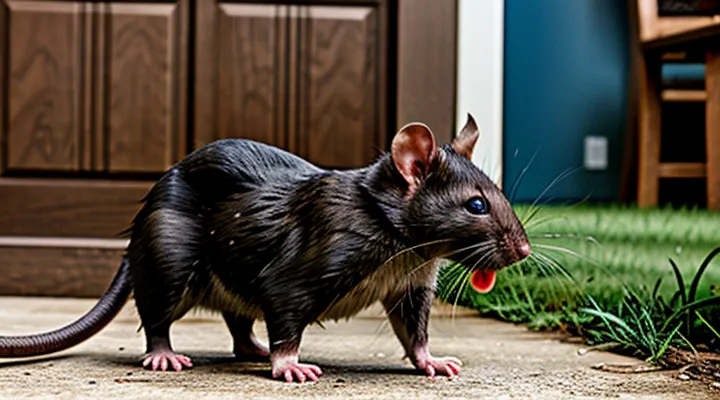
Understanding the Threat: Why Rats Are a Problem
Health Risks Associated with Rats
Rats that infiltrate residential spaces carry pathogens capable of causing severe illness. Direct contact with rodent urine, feces, or saliva introduces infectious agents, while indirect exposure occurs through contaminated food, water, and household surfaces.
Common health hazards include:
- Leptospirosis, a bacterial infection transmitted via urine and capable of kidney and liver damage.
- Hantavirus pulmonary syndrome, spread through aerosolized droplet particles from dried droppings, leading to respiratory failure.
- Salmonellosis, resulting from ingestion of food tainted with fecal material, causing gastrointestinal distress.
- Rat‑bite fever (streptobacillosis), arising from bites or scratches, producing fever, rash, and joint pain.
- Allergic reactions and asthma exacerbations triggered by rodent dander and droppings.
Transmission pathways extend beyond overt contact. Rodents gnaw on packaging, contaminating stored provisions with saliva and excreta. Their movement through walls and ducts distributes droppings, creating airborne particles that settle on surfaces. Bites deliver direct inoculation of bacteria into the bloodstream. These mechanisms collectively elevate infection risk for all occupants, with heightened vulnerability among children, the elderly, and immunocompromised individuals.
Unaddressed rodent presence amplifies public‑health concerns, increasing medical expenses and burdening healthcare systems. Effective mitigation of rat infestations directly reduces exposure to the outlined diseases, safeguarding household health and preventing widespread outbreaks.
Property Damage Caused by Rats
Rats inflict extensive damage on residential structures and belongings. Their incisors continuously gnaw on wood, insulation, electrical wiring, and plumbing, compromising structural integrity and creating fire hazards. Contamination of food stores and surfaces results from droppings and urine, leading to costly sanitation and health remediation.
- Wood framing, baseboards, and door frames: gnawed holes weaken load‑bearing elements.
- Electrical wiring: exposed conductors increase short‑circuit risk and potential ignition.
- Plumbing: chewed plastic or rubber hoses cause leaks, water damage, and mold growth.
- Insulation: shredded material loses thermal efficiency, raising energy consumption.
- Stored food and pantry items: contaminated by feces and saliva, rendering them unsafe and requiring replacement.
Unchecked damage escalates repair expenses and endangers occupant safety. Prompt identification of gnaw marks, audible activity, and droppings enables early intervention. Effective deterrence strategies reduce the likelihood of property degradation, preserving structural soundness and minimizing financial loss.
Prevention: Sealing Entry Points and Eliminating Attractants
Identifying Potential Entry Points
Inspecting the Exterior of Your Home
Inspecting the exterior of a residence is a fundamental step in preventing rodent intrusion. Identifying potential entry points and eliminating attractants reduces the likelihood that rats will seek shelter inside.
Key inspection actions include:
- Examine the foundation for gaps larger than ¼ inch; seal with cement, steel wool, or expanding foam.
- Survey siding, windows, and doors for cracked or missing caulking; apply weather‑resistant sealant.
- Trim tree branches, shrubs, and vines that contact the building; maintain a clearance of at least 2 feet.
- Remove piles of wood, compost, or debris that provide nesting material; store items on a raised platform.
- Ensure gutters and downspouts direct water away from the walls; fix leaks and install splash blocks.
- Inspect roof eaves, soffits, and vent covers; install metal mesh or screen to block rodent access.
- Check exterior lighting for excess illumination that may attract insects, which in turn draw rats; use motion‑activated fixtures where possible.
Regularly scheduled exterior reviews, performed at least twice a year, keep the property’s envelope sealed and unattractive to rats, supporting long‑term rodent control.
Checking Utility Gaps and Openings
Rats exploit gaps around utility lines, pipes, and cable entries to reach interior spaces. Identifying and sealing these openings eliminates primary access routes and reduces the likelihood of infestation.
- Inspect exterior walls for holes surrounding water, gas, and electrical conduits. Use a flashlight to reveal concealed cracks.
- Examine the basement and crawl spaces for gaps where plumbing penetrates foundations. Measure each opening; gaps larger than ¼ inch require immediate remediation.
- Verify that vent pipes are fitted with metal mesh or stainless‑steel screens. Replace damaged screens promptly.
- Check the roof for unsealed penetrations around satellite dishes, antennae, and chimney flues. Apply expanding foam or metal flashing as appropriate.
- Review interior utility closets for loose conduit sleeves and unfinished cable trays. Install tight‑fitting sealant or conduit collars.
- Perform a final walkthrough after sealing to confirm that no residual openings remain. Document each repaired location for future reference.
Sealing utility gaps creates a continuous barrier that deters rodents from entering the dwelling. Regular inspections, especially after renovations or seasonal weather changes, sustain the effectiveness of this preventive measure. «Seal all openings to disrupt rodent pathways».
Eliminating Food Sources and Water
Proper Food Storage Techniques
Rats locate homes primarily by scent trails leading to unsecured food sources; eliminating these cues removes a key attractant. Secure storage limits exposure, reduces odor buildup, and deprives rodents of nourishment.
- Use airtight containers made of metal or heavy‑walled plastic; ensure lids seal with a locking mechanism.
- Store dry goods in sealed bins away from walls and floors; keep containers on elevated shelves.
- Place perishable items in refrigeration units promptly; clean spills immediately to prevent lingering smells.
- Rotate stock regularly; discard expired products to avoid decay that emits strong odors.
- Keep pet food in sealed containers and remove leftovers after each feeding.
Maintain cleanliness by sweeping crumbs, vacuuming pantry floors, and wiping surfaces with a mild disinfectant. Inspect containers weekly for cracks or compromised seals; replace damaged units without delay. Consistent application of these practices creates an environment where food is inaccessible, substantially lowering the likelihood of rodent intrusion.
Managing Pet Food and Bird Feeders
Pet food left uncovered creates a reliable food source for rodents. Store dry kibble in airtight containers made of metal or heavy‑wall plastic; seal each container after every use. Clean spills immediately, and dispose of waste in a sealed bag before placing it in an outdoor trash bin.
Bird feeders attract rats when seed accumulates on the ground. Position feeders on poles or brackets that keep them at least two feet above any surface. Install a tray beneath the feeder to catch falling seed, and empty it daily. Use feeder designs with weight‑activated shut‑off mechanisms that close access when non‑target birds are absent, reducing excess spillage.
Regular maintenance further limits rodent interest:
- Sweep patios and decks to remove debris that can hide food.
- Inspect pet feeding areas weekly for gnawed packaging or crumbs.
- Rotate feeder locations seasonally to prevent rats from establishing a permanent route.
By controlling the availability of edible material, the likelihood of rat intrusion diminishes markedly, supporting a healthier indoor environment.
Addressing Leaks and Standing Water
Rats are attracted to moisture sources; unchecked leaks and stagnant water create ideal habitats for these pests. Fixing plumbing faults, roof drips, and appliance condensation eliminates the water that supports rodent survival and breeding.
Identify all water ingress points. Inspect under sinks, behind appliances, in basements, and around exterior walls. Seal cracks with appropriate caulking, replace deteriorated pipe sections, and install drip‑free fixtures. Ensure that gutters and downspouts direct water away from the foundation; use splash blocks or extend downspouts at least three feet from the house.
Maintain dry conditions in storage areas. Store items off the floor, use pallets or shelving, and keep containers sealed. Regularly empty pet water dishes, clean up spills promptly, and avoid leaving standing water in trays or buckets.
Implementing these measures reduces the environmental appeal of the property to rats, thereby supporting broader pest‑deterrence strategies.
- Repair all leaks promptly.
- Redirect runoff from the building envelope.
- Eliminate standing water in basements, crawl spaces, and outdoor containers.
- Keep storage zones dry and organized.
Maintaining a Clean Environment
Regular Waste Disposal Practices
Regular waste disposal directly influences rodent activity inside residential structures. Prompt removal of food residues eliminates attractive food sources, reducing the likelihood that rats will explore or colonize a dwelling.
Key practices include:
- Securely seal all trash containers with tight‑fitting lids; containers that lack proper closure allow odors to escape and provide easy entry points.
- Schedule waste collection at least twice weekly; longer intervals increase the volume of decomposing material, which intensifies scent cues for rodents.
- Store outdoor bins away from building foundations, preferably on a non‑porous surface; this prevents moisture accumulation and limits pathways for rats to reach interior spaces.
- Separate organic waste (e.g., fruit peels, meat scraps) from general trash and compost it in sealed receptacles; untreated organic matter emits strong attractants.
- Perform routine inspections of disposal areas for signs of gnawing, droppings, or nests; early detection enables corrective actions before infestations develop.
Consistent adherence to these measures creates an environment where food availability is minimal, discouraging rats from establishing permanent presence. Maintaining hygiene through disciplined waste management is therefore a fundamental component of any comprehensive rodent‑prevention program.
Decluttering and Organization
A clutter‑free environment removes hiding places and food sources that attract rodents. Storing items in sealed containers eliminates easy access to crumbs and spilled goods, reducing the likelihood of rat activity. Regularly discarding damaged packaging and broken food prevents odors that draw pests.
Key practices for maintaining a rat‑unfriendly home:
- Keep pantry shelves organized; place all dry goods in airtight bins.
- Remove cardboard boxes promptly; recycle or dispose of them in sealed bags.
- Clear floor spaces beneath appliances and furniture; vacuum debris weekly.
- Trim vegetation and eliminate debris around the foundation to deny outdoor shelter.
- Inspect storage areas for gaps; seal openings with steel wool or caulk.
Implementing systematic decluttering creates a hostile environment for rats, supporting broader pest‑prevention measures. Continuous attention to organization sustains the barrier against rodent intrusion.
Deterrence Methods: Non-Lethal and Humane Approaches
Natural Repellents
Essential Oils and Their Effectiveness
Essential oils provide a natural option for discouraging rodent activity within residential spaces. Their strong aromatic compounds interfere with rats’ scent‑tracking abilities, creating an environment that rodents find hostile. Oils such as peppermint, eucalyptus, clove, and citronella contain menthol, eucalyptol, eugenol, and citronellal respectively, each known to irritate the nasal passages and respiratory system of rats, prompting avoidance of treated areas.
Application methods determine effectiveness. A typical protocol involves diluting the oil in water at a ratio of 10 ml per liter, then soaking cotton balls or applying the solution to fabric strips. These items should be placed near entry points, along baseboards, and in concealed corners where gnawing signs appear. Reapplication every 48–72 hours maintains potency, as volatile components dissipate with time. For continuous release, ultrasonic diffusers can disperse a fine mist of oil, covering larger zones without direct contact.
Evidence from pest‑control studies indicates moderate success rates. Laboratory trials report a 60‑80 % reduction in rat activity when peppermint oil is employed alongside physical barriers. Field observations confirm that clove oil, when applied to known pathways, decreases sightings by roughly half over a two‑week period. Effectiveness varies with concentration, environmental humidity, and the presence of alternative food sources; therefore, essential oils should complement, not replace, structural sealing and sanitation measures.
Botanical Solutions: Plants That Deter Rats
Botanical deterrents provide a natural method for minimizing rodent activity inside residential structures. Certain herbs and shrubs emit scents or contain compounds that rats find unpleasant, reducing the likelihood of nesting or foraging.
- Mint – strong menthol aroma repels rodents; plant in containers near entry points.
- Lavender – floral volatile oils discourage rats; position in closets or pantry corners.
- Rosemary – piney fragrance deters; use as potted plant on windowsills.
- Marigold – earthy scent and bitter foliage act as a barrier; place along baseboards.
- Catnip – contains nepetalactone, which rats avoid; grow in garden beds adjacent to the house.
Effective deployment requires strategic placement where rats travel, such as gaps under doors, behind appliances, and along wall voids. Maintain healthy growth by providing adequate sunlight, well‑draining soil, and regular pruning to prevent dense foliage that could shelter pests. Replace wilted or overly mature plants to sustain aromatic potency.
Integrating these flora into a comprehensive rodent‑prevention plan eliminates reliance on chemical agents, supports indoor air quality, and enhances aesthetic appeal while delivering consistent deterrent action.
Ultrasonic Devices
How Ultrasonic Repellents Work
Ultrasonic repellents emit sound waves at frequencies typically between 20 kHz and 65 kHz, a range inaudible to humans but within the hearing sensitivity of rodents. The devices contain a piezoelectric transducer that converts electrical oscillations into rapid pressure variations in the air. These pressure variations stimulate the cochlear hair cells of rats, producing a sensation of discomfort that prompts avoidance of the treated zone.
Effective deployment relies on several technical factors:
- Frequency selection matching the species’ most responsive hearing band.
- Continuous emission or programmed cycles to prevent habituation.
- Placement at ground level or near entry points, avoiding obstacles that block sound propagation.
- Power rating sufficient to cover the intended square‑meter area; larger rooms may require multiple units.
Limitations arise from the physical properties of ultrasonic waves: solid walls, furniture and dense materials attenuate the signal, reducing reach. Additionally, prolonged exposure can lead to desensitization, diminishing efficacy over time. Regular monitoring of rodent activity and periodic adjustment of device settings help maintain deterrent performance.
Considerations for Effective Placement
Effective placement of deterrent devices determines the success of any rat‑control program. Positioning must correspond to observed rodent pathways, nesting sites, and food sources.
Key considerations include:
- Install traps and bait stations along walls, behind appliances, and within 30 cm of known runways; rats rarely cross open spaces.
- Place devices at ground level or no higher than 20 cm, reflecting the species’ preferred travel height.
- Conceal traps within debris, cardboard, or pipe insulation to reduce wariness while maintaining accessibility for capture.
- Ensure bait is secured to prevent spillage, protecting non‑target animals and children.
Additional factors:
- Seal entry points before deployment; gaps larger than 6 mm permit access and undermine deterrent effectiveness.
- Locate devices away from strong air currents, which can disperse scent‑based repellents and diminish attraction.
- Conduct weekly inspections, record captures, and relocate devices if activity shifts.
Strategic placement, combined with regular monitoring, maximizes the likelihood of sustained rodent exclusion.
Trapping and Relocation (Humane Options)
Live Traps: Selection and Usage
Live traps provide a humane alternative to lethal methods, allowing capture and release of rats without killing them. Selecting an appropriate device and applying it correctly maximizes effectiveness while minimizing stress on the animal.
Key criteria for choosing a live trap:
- Size compatible with adult rats (minimum interior dimensions 10 × 7 × 7 cm).
- Secure locking mechanism that activates quickly when the trigger is disturbed.
- Durable construction resistant to gnawing; metal or reinforced plastic preferred.
- Easy-to-clean interior, preferably with a removable tray.
- Transparent or vented walls to maintain visibility and airflow.
Proper usage involves the following steps:
- Position the trap along established rat pathways, such as near walls, behind appliances, or close to food sources.
- Bait the interior with attractive items: peanut butter, dried fruit, or small pieces of meat.
- Set the trigger mechanism according to manufacturer instructions, ensuring the door remains closed until activation.
- Check the trap at least twice daily; remove captured rats promptly to prevent overheating or injury.
- Release the animal at least 200 m from the residence, preferably in a wooded or agricultural area with adequate shelter.
- Clean and disinfect the trap after each use to eliminate scent traces that could deter future captures.
Regular monitoring and strategic placement of multiple traps increase capture rates, especially when combined with exclusion measures such as sealing entry points and maintaining a clean environment.
Safe Release Practices
Effective release of captured rodents requires procedures that protect human health, prevent re‑entry into the dwelling, and minimize stress to the animal.
The process begins with secure containment. Use a sturdy, ventilated trap that can be sealed without crushing the rat. After capture, wear disposable gloves and place the trap in a sealed, insulated container to maintain temperature stability during transport.
Key steps for a humane and safe release:
- Select an appropriate release site – choose an area at least 200 meters from the residence, with abundant shelter and food sources, such as a wooded field or park.
- Transport the animal promptly – limit travel time to under one hour; keep the container upright and shaded.
- Open the trap outdoors – position the trap on level ground, open the door fully, and allow the rat to exit voluntarily. Avoid direct handling.
- Observe the departure – ensure the animal leaves the trap without hesitation; if it hesitates, give a brief moment before gently encouraging movement with a soft brush.
- Record release details – note date, time, GPS coordinates, and environmental conditions for future reference and monitoring.
After release, inspect the home for remaining entry points and seal any gaps. Regular maintenance of doors, windows, and utility penetrations reduces the likelihood of subsequent incursions.
Adhering to these guidelines safeguards occupants, complies with local wildlife regulations, and upholds humane standards in pest management.
Advanced Deterrence and Professional Assistance
When to Call an Exterminator
Signs of a Severe Infestation
Severe rat infestation manifests through multiple observable indicators that demand immediate attention.
- Large, dark droppings measuring up to ½ inch, found along walls, in cupboards, and near food sources.
- Gnaw marks on wood, plastic, or electrical wiring, often spaced at regular intervals.
- Strong, musky odor emanating from urine deposits, especially in hidden corners.
- Persistent scratching or scurrying sounds within walls, ceilings, or attic spaces, occurring primarily at night.
- Presence of shredded material, such as paper, fabric, or insulation, forming nests in concealed areas.
- Direct sightings of live rats or fresh carcasses, indicating a high population density.
- Damage to stored food packaging, including torn bags and contaminated products.
- Multiple entry holes, typically ¾ inch in diameter, clustered around foundation, pipes, or vents.
Each sign reflects extensive activity and breeding. Prompt verification and professional intervention are essential to prevent structural damage, health hazards, and further population growth.
Professional Rodent Control Strategies
Professional rodent control relies on systematic assessment, structural modification, and targeted interventions. Initial inspection identifies entry points, nesting sites, and activity pathways. Sealing gaps, repairing vent screens, and installing door sweeps eliminate access routes. Proper exclusion reduces the need for chemical measures and limits future infestations.
Effective interventions combine trapping, baiting, and monitoring. Traps—snap, live‑capture, or electronic—should be placed along walls, behind appliances, and in concealed locations. Bait stations, positioned out of reach of children and pets, deliver rodenticides in a controlled manner. Regular inspection of traps and bait stations confirms capture rates and informs adjustments.
Integrated pest management (IPM) emphasizes sanitation, habitat reduction, and ongoing surveillance. Eliminating food residues, storing grains in sealed containers, and maintaining clean waste areas remove attractants. Continuous monitoring using motion‑activated cameras or detection devices provides data on population trends and guides timely response.
Professional services often employ licensed technicians who follow regulatory standards for pesticide application and waste disposal. Documentation of inspection findings, treatment plans, and follow‑up actions ensures accountability and supports long‑term rat deterrence.
Long-Term Monitoring and Maintenance
Long‑term monitoring establishes a reliable baseline for rodent activity, enabling early detection of re‑infestation. Regular inspection of entry points, gnaw marks, droppings, and nesting material should follow a fixed schedule, such as weekly checks in high‑risk zones and monthly reviews of the entire property. Documenting findings in a simple log—date, location, evidence, corrective action—provides a clear record for trend analysis and accountability.
Maintenance focuses on sustaining barriers and environmental conditions that discourage rats. Seal cracks and gaps with steel wool or cement, reinforce doors with weather‑stripping, and ensure that all food storage areas remain airtight. Eliminate water sources by repairing leaks promptly and storing water containers off the floor. Keep vegetation trimmed away from building foundations, and store waste in sealed containers removed from the premises on a regular basis.
Key actions for sustained control:
- Conduct visual inspections according to a predetermined timetable.
- Record observations in a standardized log for trend tracking.
- Repair structural vulnerabilities immediately after detection.
- Maintain cleanliness standards in kitchens, pantries, and waste disposal zones.
- Schedule professional audits annually to validate the effectiveness of implemented measures.