
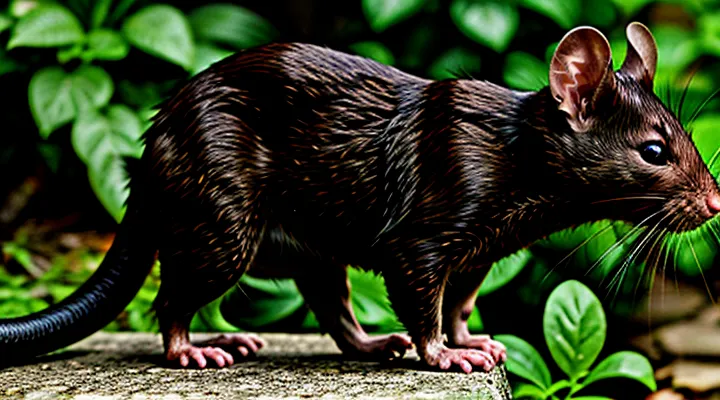
Understanding Rat Behavior and Hearing
How Rats Perceive Sound
Frequency Range
Rats respond to acoustic stimuli within specific bands; frequencies below 1 kHz are largely inaudible to them, while ultrasonic intervals above 20 kHz rapidly attenuate in typical building materials. Research indicates that the most disruptive range lies between 2 kHz and 15 kHz, with peak aversion observed at 6–12 kHz.
- 2 kHz–5 kHz: audible to rats, induces stress without excessive penetration loss.
- 6 kHz–12 kHz: optimal balance of audibility and propagation, produces consistent avoidance behavior.
- 13 kHz–15 kHz: extends deterrent effect to larger spaces, but efficiency declines beyond 15 kHz due to material absorption.
Effective deployment requires devices capable of generating continuous tones within these bands, calibrated to maintain sound pressure levels of 85–95 dB SPL at the source. Adjustments for wall thickness, insulation, and ambient noise should be made to preserve target intensity at the rodent’s location.
Sensitivity to Noise
Rats possess a highly developed auditory system that detects frequencies from 200 Hz to 80 kHz, with peak sensitivity between 2 kHz and 10 kHz. Their hearing threshold is approximately 10 dB SPL at the most sensitive frequencies, far lower than human thresholds, which enables detection of faint, high‑frequency sounds that humans may not perceive.
Effective acoustic deterrents exploit this sensitivity by emitting ultrasonic pulses within the 20‑kHz to 70‑kHz band. The pulses must maintain an amplitude above the rat’s hearing threshold—typically 60‑80 dB SPL at the source—to ensure detection across typical indoor distances (1‑3 m). Continuous exposure leads to habituation; therefore, modulation of frequency, pulse duration, and interval is required to sustain aversive response.
Key parameters for designing noise‑based rat control:
- Frequency range: 20 kHz – 70 kHz, centered on 30 kHz‑40 kHz for maximal aversion.
- Sound pressure level: ≥ 60 dB SPL at target distance.
- Temporal pattern: randomize pulse length (0.5‑2 s) and inter‑pulse interval (5‑30 s).
- Coverage area: overlapping zones to avoid silent gaps.
Understanding rat auditory sensitivity allows precise calibration of sound devices, reducing energy waste and minimizing non‑target effects while maintaining deterrent efficacy.
Limitations of Auditory Repellents
Auditory repellents aim to deter rodents by emitting frequencies that cause discomfort or disorientation. Their effectiveness depends on sound propagation, species sensitivity, and environmental conditions.
- Rodents quickly habituate to repeated tones, reducing long‑term impact.
- Ultrasonic waves attenuate rapidly in air, limiting coverage to a few meters and requiring dense placement of devices.
- Structural barriers such as walls, insulation, and furniture absorb or reflect sound, creating blind spots.
- Ambient noises from appliances, traffic, or HVAC systems can mask repellent frequencies, diminishing potency.
- Frequencies that affect rats may also be audible to pets or humans, potentially causing stress or hearing damage.
- Battery‑powered units lose output as power declines, necessitating regular maintenance.
- Regulatory guidelines restrict the use of certain sound levels, limiting maximum output.
- Manufacturing inconsistencies lead to variable frequency accuracy, affecting reproducibility across products.
These constraints restrict the reliability of sonic deterrents as a standalone solution. Successful rodent management typically integrates auditory devices with sanitation, physical barriers, and trapping to address the identified shortcomings.
Types of Sounds Used for Rat Repulsion
Ultrasonic Devices
How Ultrasonic Repellers Work
Ultrasonic repellers emit sound waves above the human hearing threshold, typically between 20 kHz and 65 kHz. Rodents possess auditory receptors tuned to these frequencies, allowing the devices to deliver a continuous high‑frequency stimulus that interferes with their nervous system. The signal is generated by piezoelectric transducers, modulated to produce varying patterns that prevent habituation.
The mechanism relies on three core effects:
- Acoustic discomfort: Persistent exposure triggers stress responses, prompting rodents to vacate the area.
- Disruption of communication: Ultrasonic pulses mask the vocalizations rodents use for mating and territorial signaling.
- Interference with navigation: High‑frequency noise hampers the species’ ability to locate food and shelter.
Effective devices incorporate the following technical features:
- Frequency sweep: Alternating between multiple frequencies reduces the chance that rodents acclimate.
- Amplitude control: Adjustable output ensures sufficient intensity without causing damage to non‑target species.
- Coverage pattern: Directional transducers focus the beam, while omnidirectional models provide broader area coverage.
Safety considerations include confirming that the emitted levels remain below thresholds known to affect pets such as cats and dogs, and verifying compliance with local electromagnetic emission regulations. Installation best practices involve placing units near entry points, maintaining clear line‑of‑sight to avoid signal attenuation, and supplying continuous power to prevent gaps in coverage.
Limitations stem from the rodents’ ability to adapt to constant tones, the reduced effectiveness in open outdoor spaces where sound dissipates rapidly, and the necessity of complementary sanitation measures to eliminate attractants. Combining ultrasonic deterrence with physical barriers and proper waste management yields the most reliable reduction in rodent activity.
Effectiveness and Range
Acoustic deterrents for rodents rely on specific frequencies and sound pressure levels to achieve measurable repulsion. Laboratory and field studies indicate that ultrasonic emissions between 20 kHz and 50 kHz produce the highest avoidance rates, with 30 kHz–40 kHz delivering optimal results for common Rattus spp. Continuous waveforms outperform intermittent bursts, maintaining a consistent aversive stimulus that reduces habituation. Effectiveness diminishes sharply below 15 kHz, where auditory thresholds of rats overlap with normal environmental noise, rendering the signal indistinguishable.
The operational radius of a sound‑based repellent is governed by three parameters:
- Source power: Devices emitting ≥ 100 dB SPL at 1 m achieve a reliable coverage zone of 3–5 m, assuming unobstructed propagation.
- Environmental attenuation: Dense vegetation, masonry walls, and ambient wind reduce effective range by 30‑50 %, necessitating placement within line‑of‑sight of target zones.
- Frequency‑dependent absorption: Higher ultrasonic frequencies experience greater air absorption, limiting practical reach to 2 m for 45 kHz and above, whereas mid‑range frequencies (30 kHz) sustain coverage up to 4 m under standard indoor conditions.
Strategic deployment—multiple synchronized units spaced at intervals equal to the validated coverage radius—ensures overlapping fields, eliminating blind spots and maintaining continuous deterrence across larger infestations.
Factors Affecting Performance
Acoustic deterrent systems succeed only when a range of variables aligns with the target rodents’ hearing capabilities and the surrounding environment.
- Frequency range – Ultrasonic bands above 20 kHz affect most rats; frequencies below this threshold lose efficacy.
- Signal intensity – Sound pressure levels must exceed the auditory threshold of the animals without causing equipment distortion.
- Modulation pattern – Alternating pulses or variable tones prevent habituation more effectively than constant tones.
- Ambient temperature and humidity – High humidity attenuates ultrasonic waves, reducing reach; temperature influences device electronics and sound propagation.
- Obstructions – Solid walls, furniture, and insulation reflect or absorb sound, creating dead zones that limit coverage.
- Device placement – Positioning near entry points and at a height matching the rodents’ typical travel paths maximizes exposure.
- Power consistency – Stable voltage supplies maintain output levels; fluctuations cause intermittent performance drops.
- Background noise – Low‑frequency household appliances and HVAC systems generate competing sounds that can mask deterrent signals.
- Rodent demographics – Younger or smaller individuals exhibit higher auditory sensitivity; adult rats may require higher intensities.
- Habituation rate – Repeated exposure to identical signals leads to desensitization; rotating frequencies and patterns mitigates this effect.
Infrasonic Devices
Theoretical Basis
Acoustic deterrence relies on the auditory sensitivity of rodents, which detect frequencies between 20 kHz and 80 kHz more readily than humans. Ultrasonic emissions exploit this range, triggering startle responses and disrupting normal behavior. The underlying mechanism involves the activation of the cochlear hair cells, leading to heightened neural activity in the brainstem auditory nuclei and resulting in avoidance behavior.
Two physiological principles support this approach:
- Frequency selectivity: Rodents possess a narrower auditory filter bandwidth, making high‑frequency tones more salient and less likely to be masked by ambient noise.
- Temporal patterning: Irregular pulse sequences prevent habituation, as the nervous system requires constant stimulus characteristics to adapt.
Behavioral studies demonstrate that exposure to intermittent ultrasonic bursts reduces foraging activity and nest establishment. Electro‑physiological recordings confirm increased firing rates in the inferior colliculus during exposure, correlating with observed aversion.
Effective implementation must consider sound propagation characteristics. Air attenuation rises sharply above 30 kHz, limiting effective range to 1–3 m in typical indoor environments. Reflective surfaces can extend coverage but also create standing waves that may reduce overall efficacy. Consequently, strategic placement of multiple emitters, spaced to avoid destructive interference, maximizes area coverage while maintaining sufficient intensity (≥90 dB SPL at the target frequency).
The theoretical foundation therefore integrates rodent auditory physiology, neural response dynamics, and acoustic physics to justify the use of high‑frequency sound as a non‑chemical repellent.
Practical Applications and Challenges
Acoustic deterrents designed to repel rodents find use in residential, commercial, and agricultural settings. Homeowners install ultrasonic plug‑in devices in kitchens, basements, and attics to protect stored food and structural integrity. Food‑processing facilities integrate wall‑mounted emitters near loading docks and storage areas, reducing contamination risk without chemical residues. Grain silos and livestock barns employ broadband sound generators that cover a wider frequency spectrum, targeting both rats and other pest species. Urban pest‑control firms deploy portable units during targeted inspections, allowing rapid assessment of infestation hotspots.
Practical implementation encounters several technical constraints.
- Frequency attenuation through walls and insulation limits effective range, requiring careful placement and sometimes multiple units.
- Ambient noise from machinery or traffic can mask deterrent signals, diminishing efficacy.
- Power consumption varies; battery‑operated models demand regular replacement, while mains‑connected devices must comply with electrical safety standards.
- Species‑specific auditory thresholds mean that some rodent populations may become habituated, necessitating periodic frequency adjustments.
Regulatory considerations affect deployment. Many jurisdictions classify ultrasonic devices as electronic equipment, subjecting them to certification for electromagnetic compatibility and safety. Documentation of efficacy is often required for commercial use, prompting reliance on controlled field trials rather than anecdotal reports. Liability concerns arise when devices fail to prevent damage, leading operators to combine acoustic methods with traditional traps or exclusion techniques.
Future development focuses on adaptive algorithms that modulate sound patterns in response to real‑time monitoring of rodent activity. Integration with IoT platforms enables remote diagnostics, automated alerts, and data collection for longitudinal studies. Overcoming current challenges will expand the practical reach of sound‑based repellents while maintaining compliance and cost‑effectiveness.
Auditory Deterrents: Other Sound Types
Predator Sounds
Predator vocalizations serve as a biologically based deterrent that exploits rats’ innate fear of natural hunters. When rats perceive sounds associated with owls, hawks, or feral cats, they interpret the environment as hostile and reduce foraging activity.
Typical predator sounds employed in rodent control include:
- Owl hoots and screeches, covering a broad frequency range that overlaps rat hearing sensitivity.
- Hawk calls, characterized by sharp, high‑pitched whistles.
- Feral cat hisses and growls, producing low‑frequency rumble combined with high‑frequency hiss components.
Effective acoustic deterrence requires specific parameters: frequencies between 2 kHz and 20 kHz align with rat auditory peaks; sound pressure levels of 80 dB SPL or higher ensure detection at distances of 5–10 m; intermittent playback (5 min on, 10 min off) prevents habituation.
Implementation guidelines demand placement of speakers near entry points, food sources, and nesting sites; weather‑proof enclosures protect equipment; and timers or motion sensors automate exposure. Regular monitoring of rat activity confirms efficacy and informs adjustments to playback schedules.
Distress Calls
Distress calls are vocalizations emitted by rats when they encounter a threat, injury, or confinement. These sounds contain high‑frequency components and abrupt amplitude changes that signal danger to conspecifics.
Research shows that exposure to recorded distress calls triggers avoidance behavior in unexposed rats. The response is mediated by the auditory cortex and the amygdala, which associate the acoustic pattern with negative outcomes. Consequently, distress calls can function as a non‑chemical deterrent when broadcast in environments where rodent activity is undesirable.
Effective deployment of distress calls requires attention to several technical factors:
- Frequency range: 4–12 kHz, with peak energy near 8 kHz, aligns with the rat’s most sensitive hearing band.
- Temporal pattern: irregular bursts of 0.2–0.5 seconds, spaced by 1–3 seconds, mimic natural alarm sequences.
- Sound pressure level: 70–80 dB SPL at the source ensures detection without causing auditory damage.
- Playback schedule: intermittent operation (e.g., 15 minutes on, 45 minutes off) prevents habituation.
Implementation typically involves weather‑proof speakers placed near entry points, connected to a programmable timer or motion sensor. Recordings should be sourced from validated laboratory studies to guarantee authenticity and avoid distortion.
Limitations include reduced efficacy in highly insulated structures, where sound attenuation may fall below detection thresholds, and the potential for rats to acclimate if exposure becomes continuous. Periodic variation of call recordings mitigates habituation risk.
Safety considerations mandate compliance with local noise regulations and the avoidance of frequencies that could affect non‑target species, such as pets or wildlife, within the same habitat. Proper installation and monitoring ensure that distress calls remain a targeted, humane component of an overall rodent management strategy.
Unpleasant Human-Made Noises
Unpleasant human-made noises can serve as a practical component of acoustic rat deterrence. These sounds exploit rats’ sensitivity to sudden, irregular, and high‑frequency disturbances, prompting avoidance behavior.
Typical sources include:
- Metallic clangs produced by striking pipes, tools, or metal sheets. Frequencies between 2 kHz and 5 kHz generate sharp acoustic spikes that rats find disorienting.
- Compressed‑air blasts from pneumatic equipment or air‑horns. Peak pressure levels of 80 dB SPL or higher create abrupt pressure changes that disrupt rodent activity.
- Electric buzzers operating at 3 kHz–7 kHz. Continuous tonal output interferes with rats’ communication, reducing site attractiveness.
- Construction vibrators and rotary hammer drills. Vibration‑induced sound waves, especially in the 1 kHz–4 kHz range, produce a pervasive rumble that deters nesting.
Effectiveness depends on three parameters:
- Frequency band – rats respond most strongly to sounds above 2 kHz; lower frequencies have limited impact.
- Amplitude – sound pressure must exceed the species’ hearing threshold by at least 30 dB to trigger avoidance.
- Temporal pattern – irregular intervals prevent habituation; random bursts sustain deterrent effect longer than steady tones.
Implementation guidelines:
- Position noise emitters near entry points, burrows, and food storage areas. Direct sound toward known pathways to maximize exposure.
- Operate devices for cycles of 5–10 minutes followed by 10–15 minutes of silence. This schedule balances efficacy with energy consumption and reduces the risk of habituation.
- Monitor ambient noise levels to ensure human occupants are not exposed to harmful SPLs. Use shielding or directional speakers where necessary.
Safety considerations include verifying that equipment complies with occupational noise regulations and that emitted frequencies do not interfere with nearby electronic systems. Regular maintenance of mechanical noise generators prevents malfunctions that could diminish deterrent performance.
In summary, strategically applied unpleasant human-made noises—metallic impacts, compressed‑air blasts, electric buzzers, and construction vibrators—constitute an effective acoustic strategy for discouraging rat presence when calibrated for frequency, amplitude, and timing.
Best Practices for Deploying Sound Repellents
Strategic Placement
Optimizing Coverage
Effective acoustic deterrent systems require precise spatial planning to ensure that the entire target area receives sufficient sound intensity. Placement of emitters should follow a grid pattern that accounts for obstacles such as walls, furniture, and structural columns. Overlap between adjacent coverage zones prevents gaps where rodent activity may persist.
Key steps for optimizing coverage include:
- Measure the effective radius of each device at the target frequency; adjust for attenuation caused by building materials.
- Arrange units so that the distance between centers does not exceed twice the measured radius, guaranteeing overlapping fields.
- Elevate emitters to a height that maximizes line‑of‑sight across open spaces while minimizing reflection from ceilings.
- Conduct a sweep test with a calibrated sound level meter to verify uniformity; record any zones where SPL falls below the deterrent threshold.
- Re‑position or add supplemental units in identified weak spots, then repeat verification.
Environmental variables influence propagation. Soft furnishings and carpet absorb high‑frequency tones, reducing effective range. In such environments, increase emitter density or select lower frequencies with better penetration. Seasonal temperature shifts can alter sound speed and attenuation; schedule periodic recalibration to maintain consistent coverage.
Documenting emitter locations, measured SPL values, and adjustment actions creates a repeatable framework. This systematic approach ensures that acoustic deterrent systems achieve comprehensive reach, reducing the likelihood of rat infestation across the treated space.
Avoiding Obstructions
When ultrasonic or audible deterrent emitters are placed in a building, physical barriers can diminish signal strength and create dead zones where rats remain undisturbed. Solid objects such as walls, cabinets, and large furniture absorb or reflect sound waves, reducing the effective radius of the device. Open pathways allow waves to travel uninterrupted; closed or cluttered spaces interrupt propagation and compromise the intended coverage area.
To preserve optimal coverage, follow these actions:
- Position emitters at the center of open rooms, away from walls and large metal objects.
- Keep the line of sight between the device and target zones clear; avoid placing items directly in front of the speaker cone.
- Mount devices at a height of 1.5–2 m to reduce ground‑level obstructions and improve dispersion.
- Use a single, unobstructed unit per large area; multiple overlapping units can create interference if placed too close to structural elements.
- Inspect the environment regularly for newly added furniture or storage that could block sound paths, and relocate the emitter as needed.
Maintaining an unobstructed acoustic field ensures that the repellent frequencies reach the intended locations, maximizing the likelihood of deterring rodent activity.
Combining Sound with Other Methods
Integrated Pest Management
Integrated Pest Management (IPM) treats rat control as a systematic process that combines several tactics to achieve long‑term reduction. Sound‑based deterrents are incorporated as one element of this multi‑layered approach.
IPM components relevant to acoustic methods include:
- Monitoring: Deploy ultrasonic or broadband emitters in strategic locations to detect activity levels and identify hotspots.
- Sanitation: Eliminate food sources, water points, and shelter that attract rodents, thereby reducing the need for continuous acoustic exposure.
- Exclusion: Seal entry points, install mesh screens, and reinforce structures to prevent ingress; sound devices complement physical barriers by discouraging entry through gaps.
- Biological control: Encourage natural predators such as owls or feral cats; acoustic devices can be timed to avoid disrupting predator hunting patterns.
- Chemical control: Apply rodenticides only where monitoring confirms high infestation; acoustic deterrents may lower chemical usage by maintaining low population densities.
- Acoustic deterrence: Install devices that emit frequencies uncomfortable to rats, rotating frequencies to prevent habituation; integrate with sensors to activate only when activity is detected, conserving energy and limiting noise pollution.
Effective implementation requires calibration of frequency range (typically 20–80 kHz) and coverage area to match the target environment. Regular performance audits should compare pre‑ and post‑deployment activity data, adjusting device placement or supplementing with additional IPM measures when reductions plateau.
By positioning sound deterrents within the broader IPM framework, practitioners achieve a balanced strategy that limits reliance on chemicals, enhances durability of control efforts, and aligns with regulatory expectations for humane pest management.
Environmental Modifications
Environmental adjustments increase the efficacy of acoustic rat deterrent systems. By limiting entry points, reducing shelter, and eliminating alternative attractants, sound devices operate under optimal conditions.
- Seal cracks, gaps, and utility openings with steel wool, caulk, or metal flashing.
- Remove stored debris, cardboard, and fabric piles that provide nesting material.
- Trim vegetation and trim back tree branches that touch building exteriors.
- Store waste in sealed containers and dispose of garbage regularly.
- Install bright, motion‑activated lighting in dark corridors and basements.
- Repair leaks, ensure proper drainage, and keep humidity levels low.
Each modification addresses a specific factor that can undermine acoustic deterrents. Sealed structures prevent rats from bypassing sound zones; clutter removal reduces hiding spots where rodents can acclimate to the noise; vegetation management blocks pathways that lead to entry points; proper waste handling removes food sources that attract rodents; intensified lighting disrupts nocturnal activity patterns; moisture control eliminates damp environments favored by rats.
Implementation should follow a systematic audit: identify vulnerable openings, catalog clutter sources, assess lighting gaps, and monitor moisture levels. Apply corrective measures before deploying sound emitters, then verify reduced rodent activity through regular inspections. This integrated approach maximizes the deterrent impact of sound technology.
Maintenance and Monitoring
Regular Device Checks
Regular inspections are essential for maintaining the performance of ultrasonic rodent deterrent systems. Devices that emit targeted frequencies lose efficacy when power output drops, transducers degrade, or environmental conditions change. Consistent checks prevent silent failures that allow rats to re‑establish activity.
A practical inspection routine includes:
- Verify power supply: confirm that batteries are charged or that the outlet connection is secure; replace depleted units immediately.
- Measure output level: use a calibrated sound meter to ensure the emitted frequency remains within the specified range (typically 20–65 kHz).
- Inspect speaker integrity: look for cracks, debris, or moisture that could impair vibration. Clean surfaces with a dry cloth; avoid solvents that may damage components.
- Assess placement: ensure the device remains positioned at the recommended height and distance from walls, as relocation can alter acoustic coverage.
- Review operating schedule: confirm that timers or motion sensors activate the device for the prescribed duration each day; adjust settings if deviations are detected.
Document each inspection with date, findings, and corrective actions. A log enables trend analysis, revealing patterns such as gradual power loss or recurring placement errors. Promptly addressing identified issues restores the intended acoustic barrier and sustains long‑term rodent deterrence.
Observing Rat Activity
Accurate monitoring of rodent movement is essential for determining the efficacy of acoustic deterrents. Direct visual surveys, infrared cameras, and motion‑activated sensors provide reliable records of entry points, pathways, and nesting sites. Deploy devices at suspected corridors and record activity continuously for at least 48 hours to capture variations in behavior.
Key observational practices include:
- Placement of cameras near potential food sources and structural gaps.
- Calibration of motion detectors to ignore non‑target species.
- Use of chew‑resistant tape or powder trails to reveal hidden routes.
Data analysis should focus on temporal patterns. Peak activity typically occurs during twilight and nighttime hours; logging timestamps allows alignment of sound emission schedules with these periods. Correlate recorded events with the activation of ultrasonic or low‑frequency emitters to assess immediate behavioral responses, such as avoidance or altered travel routes.
When observations indicate persistent activity despite sound deployment, adjust emitter placement to cover uncovered pathways, increase frequency modulation, or integrate additional deterrent modalities. Continuous feedback from monitoring ensures that acoustic strategies remain targeted and effective.
Potential Drawbacks and Considerations
Habituation to Sound
Why Rats Become Desensitized
Rats habituate to acoustic deterrents when exposure is repetitive, predictable, or of insufficient intensity. Continuous playback of the same frequency allows the nervous system to classify the stimulus as non‑threatening, reducing the startle response. Low‑volume sounds fail to trigger the auditory threshold required for aversion, and rats quickly learn that the noise poses no risk.
Key mechanisms driving desensitization include:
- Habituation – neural adaptation after repeated, non‑harmful stimuli.
- Frequency adaptation – diminished sensitivity to specific pitches after prolonged exposure.
- Amplitude tolerance – increased threshold for sound detection when volume remains constant.
- Environmental masking – background noises from machinery or traffic drown out deterrent signals.
- Behavioral conditioning – association of the sound with safe food sources or shelter diminishes its effectiveness.
To maintain efficacy, sound‑based repellents must vary in frequency, amplitude, and pattern, and be deployed intermittently rather than continuously. Integrating ultrasonic bursts with irregular timing and occasional high‑intensity pulses disrupts habituation pathways, preserving the deterrent effect over longer periods.
Strategies to Combat Habituation
Rats quickly become desensitized to constant acoustic deterrents, reducing the efficacy of sound-based repellent systems. Maintaining deterrent impact requires interrupting the learning process that leads to habituation.
- Rotate frequencies: alternate between ultrasonic, audible, and broadband tones every few hours to prevent pattern recognition.
- Use intermittent playback: schedule bursts of sound with random intervals rather than continuous emission.
- Vary amplitude: adjust volume levels within safe limits to introduce novelty.
- Combine modalities: supplement acoustic devices with scent dispensers, visual flickers, or physical barriers to create a multimodal threat environment.
- Implement device rotation: deploy multiple units in a staggered sequence, ensuring each unit operates for a limited duration before being replaced or repositioned.
- Conduct periodic deactivation: schedule short, regular shutdown periods to reset rat exposure and avoid continuous conditioning.
Effective deployment demands systematic monitoring of rodent activity, adjustment of the above parameters based on observed behavior, and documentation of pattern changes. Consistent variation and multimodal reinforcement sustain deterrent potency and limit the development of habituation.
Impact on Pets and Other Animals
Household Pets
Household pets influence the selection and deployment of audio‑based rat deterrents. Cats provide innate predatory cues; their vocalizations and movement generate frequencies that can augment mechanical emitters, reducing the intensity required for electronic devices. Dogs emit low‑frequency barks that may mask ultrasonic signals, necessitating careful frequency calibration to avoid interference. Small mammals such as rabbits and guinea pigs produce higher‑pitch noises that can complement ultrasonic deterrents when housed separately from rodent‑prone areas.
Key considerations for integrating pets with sound‑based rat control:
- Species‑specific vocal range: match deterrent frequency bands to avoid overlap with pet communication.
- Habitat separation: position speakers outside pet enclosures to prevent habituation or stress.
- Sensitivity thresholds: monitor pet behavior for signs of discomfort; adjust volume accordingly.
- Compatibility with existing pet training devices: ensure that deterrent emitters do not conflict with clickers or whistles used in training.
Effective implementation requires measuring ambient sound levels, selecting emitters that operate above pet hearing thresholds, and maintaining regular equipment checks. When these parameters align, pets contribute to a multi‑layered strategy that enhances the efficacy of acoustic rat management without compromising animal welfare.
Wildlife Concerns
Acoustic rat deterrents can affect non‑target species that share the same habitat. Many mammals, birds, and reptiles rely on similar frequency ranges for communication, navigation, and predator detection. Introducing high‑frequency or ultrasonic emissions may disrupt these natural processes, leading to altered feeding patterns, reduced reproductive success, or increased stress levels.
Potential impacts include:
- Interference with bat echolocation, which could impair foraging efficiency and increase collision risk.
- Disruption of bird song and alarm calls, potentially compromising territory defense and predator avoidance.
- Modification of amphibian breeding choruses, which may affect mate selection and population stability.
- Disturbance of invertebrate communication, influencing pollination and decomposition cycles.
Mitigation strategies involve selecting frequencies that fall outside the auditory range of protected wildlife, limiting exposure duration, and monitoring ambient sound levels before deployment. Regular field assessments should verify that target deterrence is achieved without measurable adverse effects on surrounding fauna.
Ethical Implications
Humane Repulsion
Sound‑based rat deterrence relies on auditory stimuli that trigger avoidance behavior without causing injury. The approach conforms to humane standards by exploiting rats’ acute hearing while preserving their physical integrity.
Acoustic devices emit frequencies outside the range of human perception but within the hearing spectrum of rodents. Rats detect ultrasonic tones between 20 kHz and 70 kHz, and sudden variations in pitch or amplitude disrupt their navigation and foraging patterns. Continuous, predictable tones lose effectiveness as rodents habituate; irregular or pulsed signals maintain deterrence.
- Ultrasonic bursts (30–50 kHz) delivered in short, random intervals
- Audible predator calls (e.g., owl or hawk vocalizations) repeated irregularly
- Broadband noise with rapid frequency sweeps to prevent adaptation
Effective deployment requires strategic positioning near entry points, nesting sites, and travel corridors. Devices should cover a radius of 5–10 m, be mounted at ceiling height to maximize dispersion, and operate on a timer that activates during peak rodent activity (dusk to dawn). Power sources may include mains electricity with battery backup to ensure uninterrupted operation.
The method eliminates chemical exposure, reduces risk of secondary poisoning, and complies with animal welfare regulations, offering a practical alternative for residential, commercial, and agricultural environments.
Environmental Impact
Acoustic deterrent methods designed to drive rodents away rely on sound frequencies that interfere with rat communication and behavior. These devices emit ultrasonic or low‑frequency tones that are inaudible or uncomfortable for the target species, creating a hostile acoustic environment without physical contact.
The primary environmental considerations include:
- Non‑chemical approach – eliminates the need for rodenticides, reducing soil and water contamination risks.
- Energy consumption – most units operate on low power; selecting models with energy‑efficient circuitry minimizes electricity demand.
- Noise pollution – improperly calibrated devices can affect non‑target wildlife and domestic animals; precise frequency selection confines impact to the intended species.
- Material durability – devices constructed from recyclable plastics or metals lessen landfill contribution at end‑of‑life.
Field studies show that when ultrasonic emitters are installed in confined spaces such as warehouses or agricultural storage, they do not alter ambient air quality or introduce harmful residues. However, continuous exposure to high‑intensity sound may stress birds, insects, or pets sharing the same area, necessitating zone‑specific deployment and periodic monitoring.
Overall, sound‑based rodent deterrents present a lower ecological footprint than chemical alternatives, provided that manufacturers adhere to standards for frequency range, power output, and product recyclability. Proper implementation yields effective pest control while preserving surrounding ecosystems.