
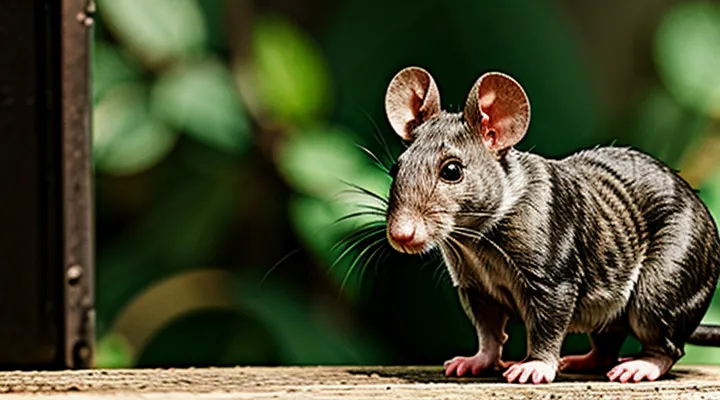
Understanding Dumbo Rats
What Makes Dumbo Rats Unique?
Physical Characteristics
The physical traits of Dumbo rats directly affect their suitability as companion animals. Their most distinctive feature is the set of large, low‑set ears that extend horizontally from the sides of the head, giving the breed its name. These ears are supported by a robust cartilage framework, making them less prone to injury than the taller, upright ears of standard rats.
Typical size ranges from 7 to 9 inches (18–23 cm) in body length, with a weight of 200–350 grams. The body is compact, featuring a broad chest and a short, muscular tail that is often thicker than that of conventional varieties. Coat textures vary from short, velvety fur to longer, plush hair, depending on the specific line. Common color patterns include solid shades (black, white, chocolate) and bi‑ or tricolored combinations.
Key physical characteristics:
- Ear morphology: oversized, horizontally oriented, cartilage‑reinforced.
- Body dimensions: 7–9 inches length, 200–350 grams weight.
- Tail: short, thick, low‑profile.
- Coat: short to medium length, dense, multiple color options.
- Facial structure: rounded skull, short snout, prominent whiskers.
These attributes influence enclosure requirements, grooming frequency, and health monitoring. Larger ears increase susceptibility to ear mites and require regular cleaning; dense coats may demand weekly brushing to prevent matting. The compact body and sturdy tail reduce the risk of spinal injury when handling, yet the overall size mandates a cage with sufficient floor space to accommodate active exploration. Understanding these physical parameters enables informed decisions regarding the acquisition and maintenance of these rodents.
Temperament and Behavior
Dumbo rats display a temperament that tends toward calmness and sociability, distinguishing them from many standard laboratory strains. Their larger, low‑set ears contribute to a unique facial expression that many owners interpret as a friendly demeanor, though this perception is rooted in observable behavior rather than anthropomorphism.
Positive behavioral traits include:
- Consistent willingness to engage in gentle handling, reducing stress during routine care.
- Rapid adaptation to new environments, allowing smoother transitions when cages are rearranged.
- Cooperative interaction with other rats, facilitating group housing without frequent aggression.
Negative aspects to consider:
- Elevated curiosity can lead to frequent escape attempts if cage security is insufficient.
- Strong attachment to human caretakers may result in separation anxiety when left unattended for extended periods.
- Occasional dominance displays, such as mounting or resource guarding, require vigilant monitoring to prevent injury within the colony.
Overall, temperament and behavior present both advantages and challenges for prospective owners, influencing daily management practices and long‑term welfare outcomes.
Pros of Keeping Dumbo Rats
Social Companionship
Interaction with Owners
Interaction between owners and Dumbo rats is direct and observable. These rodents respond to gentle handling, vocalizations, and scent cues, allowing owners to assess wellbeing and develop routines. Regular contact promotes familiarity; rats learn to anticipate feeding times, cleaning schedules, and play sessions, which reduces stress and supports stable behavior.
Key aspects of owner‑rat interaction include:
- Physical handling – Short, calm sessions prevent fear responses. Supporting the body and avoiding sudden movements minimizes the risk of bites.
- Vocal communication – Soft squeaks often indicate contentment, while sharp chirps may signal discomfort. Recognizing these sounds enables timely adjustments.
- Environmental enrichment – Introducing tunnels, chew toys, and climbing structures encourages exploration and reinforces positive engagement during supervised play.
- Health monitoring – Close observation reveals changes in coat condition, activity level, or appetite, facilitating early detection of illness.
Potential challenges arise from misinterpretation of signals or inconsistent handling. Over‑handling can lead to fatigue, while neglect reduces social bonding and may cause aggressive or withdrawn behavior. Proper hygiene, including regular cage cleaning and hand washing, mitigates disease transmission between the animal and caretaker.
Successful interaction depends on consistent, low‑stress contact, attentive reading of behavioral cues, and provision of appropriate enrichment. When these elements align, owners experience reliable companionship, while the rats maintain physiological and psychological stability.
Interaction with Other Rats
Dumbo rats exhibit distinct social dynamics that influence their suitability for communal housing. Their large, floppy ears can impair peripheral vision, making them more reliant on tactile cues from cage mates. When placed with other rats, they tend to seek physical contact, which can reduce stress and encourage natural grooming behaviors. However, limited visual fields may cause misinterpretation of aggressive gestures, increasing the risk of conflicts in densely populated enclosures.
Key considerations for mixed‑rat environments include:
- Hierarchy formation: Dumbo rats often accept dominant partners if the hierarchy is established early; sudden introductions can trigger fighting.
- Space requirements: Adequate floor space (minimum 0.5 sq ft per rat) mitigates territorial disputes and allows for escape routes.
- Health monitoring: Close contact accelerates the spread of respiratory infections; routine health checks are essential.
- Enrichment compatibility: Shared toys and tunnels must accommodate the breed’s reduced agility; oversized structures prevent bottlenecks.
Successful integration depends on gradual introductions, sufficient space, and vigilant observation of social cues. Failure to address these factors can lead to injury, heightened stress, and reduced overall welfare.
Low Maintenance Requirements
Dietary Needs
Dumbo rats require a balanced diet that supplies adequate protein, fiber, fat, vitamins, and minerals to support rapid growth and high metabolism.
- Protein : 20‑25 % of total calories, sourced from quality rat pellets or lab‑grade mouse/rat chow.
- Fiber : 5‑7 % to promote gastrointestinal motility; include timothy hay or shredded wheat.
- Fat : 5‑10 % for energy; avoid excessive animal fat.
- Vitamins : A, D, E, and B‑complex must be present in the feed; supplementation only when deficiencies are diagnosed.
- Minerals : calcium, phosphorus, and trace elements such as zinc and selenium are essential for bone health and immune function.
Meeting these nutritional standards yields tangible benefits.
- Stable body weight and muscle development.
- Reduced incidence of dental overgrowth, as proper chew stimulation is provided by fibrous foods.
- Enhanced coat condition and skin integrity.
- Improved reproductive performance in breeding stock.
Neglecting dietary adequacy introduces measurable problems.
- Obesity and associated cardiovascular strain when calories exceed needs.
- Dental malocclusion caused by insufficient abrasive material.
- Nutrient deficiencies leading to alopecia, lethargy, or immune suppression.
- Gastrointestinal disturbances, including diarrhea or constipation, from imbalanced fiber.
Practical feeding regimen for owners includes:
- Offer a measured portion of fortified rat pellets twice daily; adjust quantity according to age and activity level.
- Provide fresh vegetables (e.g., broccoli, carrots, leafy greens) in small daily servings; remove uneaten produce within two hours.
- Supply a limited amount of fruit (e.g., apple slices, berries) as occasional treats, not exceeding 5 % of total intake.
- Ensure constant access to clean, fresh water; use a bottle with a stainless‑steel tip to prevent contamination.
- Rotate supplemental items such as boiled egg whites or plain cooked chicken to diversify protein sources, but keep overall protein percentage within the recommended range.
Adhering to these guidelines sustains health, minimizes common ailments, and contributes positively to the overall assessment of keeping Dumbo rats.
Cage Setup and Enrichment
A proper cage for Dumbo rats must balance space, ventilation, and safety. Minimum dimensions of 24 × 18 × 12 inches provide adequate floor area for a pair; larger enclosures reduce territorial stress. Wire flooring should be avoided because it can damage delicate feet; solid or mesh platforms with a thin, non‑slip surface are preferable. Acrylic or polycarbonate lids prevent escape while allowing visual monitoring. Secure locks on all doors eliminate accidental openings.
Enrichment items support natural behaviors and prevent boredom. Include the following elements:
- Climbing structures: wooden dowels, PVC tubes, or rope ladders positioned at varied heights.
- Chewing materials: untreated hardwood blocks, mineral chews, or cardboard strips refreshed weekly.
- Hideaways: small PVC tunnels, ceramic igloos, or fabric pouches with removable seams for cleaning.
- Foraging opportunities: scatter dried peas, millet, or specially formulated rat treats in a shallow dish or within a puzzle feeder.
- Substrate options: paper‑based bedding for absorbency, supplemented with a thin layer of aspen shavings for nesting.
Regular rotation of toys and rearrangement of the cage layout stimulates exploration and reduces habituation. Cleaning schedule should involve weekly removal of waste, spot‑cleaning of soiled areas daily, and full substrate change every two weeks to maintain hygiene and odor control. All accessories must be inspected for splinters or loose parts before each use.
Intelligence and Trainability
Learning Tricks
Dumbo rats possess a level of problem‑solving ability that makes them receptive to training. When owners introduce structured learning sessions, the animals display heightened focus and quicker adaptation to new environments.
Teaching tricks provides several advantages. Structured training supplies mental enrichment, reducing repetitive behaviors that can lead to self‑injury. Regular interaction during lessons strengthens the human‑rat bond, which translates into calmer handling and easier health checks. Consistent cue‑response routines also create predictable behavior patterns, simplifying cage maintenance and socialization with other rodents.
The practice carries notable challenges. Effective training demands daily short sessions, typically five to ten minutes, which may conflict with owners’ schedules. Positive reinforcement must be precise; inconsistent rewards can cause confusion and stress. Some rats may become anxious if cues are introduced too rapidly, requiring gradual progression and careful observation of stress indicators such as excessive grooming or reduced appetite.
Commonly taught tricks include:
- Targeting a stick or fingertip on command.
- Performing a 360‑degree spin when a specific word is spoken.
- Retrieving a small, lightweight object and depositing it in a designated spot.
- Navigating a low‑profile obstacle course that encourages climbing and tunneling.
- Identifying a scented item and indicating its location with a nose poke.
Balancing the enrichment benefits against the time and attentiveness required enables prospective owners to decide whether incorporating trick training aligns with their capacity to provide consistent, low‑stress learning experiences for their dumbo rats.
Problem-Solving Abilities
Dumbo rats exhibit a high capacity for problem solving, demonstrated by rapid maze completion, latch manipulation, and puzzle‑box success. Their intelligence translates into noticeable curiosity and the ability to devise shortcuts to food sources or escape routes.
Owners must provide complex enrichment to prevent boredom‑induced stress. Simple toys quickly become ineffective; rotating challenges such as treat‑dispensing devices, variable tunnel layouts, and interactive foraging stations sustain engagement and reduce destructive behavior.
Advantages linked to cognitive aptitude
- Enhanced interaction: rats respond to training cues, allowing reliable recall of commands and tricks.
- Social bonding: problem‑solving sessions promote trust and reduce fear responses.
- Observational learning: individuals can watch peers solve tasks, accelerating group skill development.
Disadvantages linked to cognitive aptitude
- Elevated maintenance: enrichment equipment requires regular cleaning, replacement, and occasional repair.
- Potential for escape: ability to open cages or unlatch doors necessitates secure locking mechanisms and vigilant inspection.
- Increased time commitment: owners must allocate daily periods for training and puzzle rotation to meet mental needs.
Balancing these factors determines whether the intellectual traits of Dumbo rats constitute a beneficial or burdensome aspect of pet ownership.
Cons of Keeping Dumbo Rats
Shorter Lifespan
Emotional Impact of Loss
The death of a dumbo rat triggers a measurable emotional response that can affect an owner’s wellbeing. The animal’s short lifespan intensifies attachment, making loss feel abrupt and significant.
Grief manifests in several distinct ways:
- Persistent sadness that interferes with daily activities.
- Guilt over perceived neglect or inadequate care.
- Heightened anxiety about future pet ownership decisions.
- Physical symptoms such as fatigue or loss of appetite.
Coping mechanisms that reduce distress include:
- Conducting a brief ceremony to acknowledge the animal’s role.
- Documenting memories in a journal or photo album.
- Seeking advice from experienced small‑rodent owners or veterinary professionals.
- Engaging in routine activities that restore normalcy, such as scheduled feeding times for other pets.
Understanding these reactions helps owners prepare for the emotional consequences of keeping dumbo rats and manage loss without compromising overall mental health.
Considerations for Re-homing
When a Dumbo rat is to be re‑homed, the owner must verify that the animal’s well‑being will be preserved throughout the transition.
- Current health condition: recent veterinary check, vaccination record, any ongoing treatments.
- Temperament profile: social behavior, compatibility with other pets, reaction to handling.
- Legal environment: local regulations regarding exotic rodents, required permits.
- Prospective caretaker’s experience: familiarity with rat care, capacity to provide enrichment and proper diet.
- Quarantine plan: isolation period to prevent disease transmission, access to veterinary support.
- Transportation logistics: safe carrier, temperature control, minimal stress during travel.
- Documentation: transfer of ownership papers, health certificates, emergency contact information.
Assessing health condition ensures that hidden illnesses do not spread to a new household. Temperament data helps match the rat with an adopter who can meet its social needs. Compliance with local statutes avoids legal complications. An experienced caretaker reduces the risk of neglect or improper handling. A defined quarantine protocol protects both the rat and existing animals in the new home. Proper transport minimizes stress, which can compromise immune function. Complete documentation provides a clear chain of responsibility and facilitates future veterinary care.
Health Concerns and Vet Care
Common Ailments
Dumbo rats frequently encounter health issues that influence the decision to keep them as pets. Recognizing these conditions enables owners to weigh benefits against risks.
Respiratory infections, such as Mycoplasma pulmonis, present with sneezing, nasal discharge, and labored breathing. Early detection and antibiotic therapy reduce mortality, but the disease can spread quickly in crowded cages.
Skin problems include dermatitis and fungal infections. Symptoms appear as reddened patches, hair loss, or crusty lesions. Proper sanitation and humidity control prevent outbreaks; treatment requires topical antifungals or corticosteroids.
Dental overgrowth is common due to continuous incisor growth. Uneven wear leads to malocclusion, difficulty eating, and weight loss. Routine trimming or provision of chew toys maintains proper length; neglect may necessitate surgical correction.
Gastrointestinal disturbances, such as dysbiosis or ileus, manifest through reduced food intake, abdominal distension, and altered stool consistency. Adjusting diet, providing fiber, and, when needed, probiotic supplementation restore balance; severe cases demand veterinary intervention.
Reproductive tumors, particularly uterine adenocarcinoma in females, develop with age. Detection involves abdominal palpation or imaging; surgical removal offers the only curative option. The prevalence of this condition adds a long‑term health consideration for breeding or intact females.
Parasitic infestations, including mites and pinworms, cause itching, hair loss, and anemia. Regular fecal examinations and environmental treatments eliminate parasites, yet infestations can recur without diligent monitoring.
Each ailment carries specific management requirements. Understanding prevalence, preventive measures, and treatment complexity is essential for evaluating whether Dumbo rats are suitable companions.
Cost of Veterinary Services
Veterinary expenses represent a significant portion of the overall cost of owning a Dumbo rat. Routine care, emergency treatment, and preventive measures each require separate budgeting.
- Annual physical examination: $50‑$100
- Vaccinations (if available locally): $30‑$60 per dose
- Parasite control (fleas, mites, intestinal worms): $20‑$40 per treatment
- Dental cleaning (rare but possible): $60‑$120
- Emergency visit (urgent illness or injury): $100‑$250, not including medication or procedures
Costs fluctuate based on geographic location, clinic pricing structure, and the animal’s health history. Younger rats typically need fewer interventions, while older or genetically predisposed individuals may require more frequent diagnostics, such as blood work or imaging, adding $70‑$150 per session. Specialty services, including surgery or hospitalization, can exceed $500.
Owners should anticipate variable out‑of‑pocket spending and consider pet insurance or a dedicated health fund to mitigate unexpected charges. Accurate financial planning helps ensure that veterinary care remains accessible throughout the rat’s lifespan.
Dedicated Time and Attention
Daily Interaction Needs
Daily interaction is essential for the health and well‑being of dumbo rats. A minimum of 30 minutes of direct handling each day prevents stress, reinforces trust, and encourages exploratory behavior. Interaction should include gentle petting, brief cage‑out sessions, and responsive play with safe toys.
Key components of daily interaction:
- Handling – Hold the rat in both hands, allowing it to sniff and climb. Short, calm sessions build confidence.
- Cage enrichment – Rotate tunnels, chew blocks, and climbing platforms daily to keep the environment novel.
- Social play – If housed with companions, monitor group dynamics and intervene if aggression appears. Separate playtime with the owner adds variety.
- Training cues – Simple commands such as “come” or “target” can be taught with treats, providing mental stimulation.
- Observation – Spend a few minutes each day scanning for changes in coat condition, posture, or activity level; early detection of health issues relies on routine visual checks.
Neglecting daily interaction often results in increased vocalization, repetitive pacing, or self‑gnawing. Consistent engagement, combined with a stimulating habitat, supports the rat’s natural curiosity and reduces the likelihood of behavioral problems.
Cleaning and Maintenance Schedule
A proper cleaning and maintenance routine is essential for the health and longevity of Dumbo rats. Consistent care reduces the risk of disease, controls odor, and preserves the integrity of equipment.
-
Daily tasks
• Remove uneaten food and replace fresh water.
• Spot‑clean the cage interior, discarding soiled bedding.
• Inspect the enclosure for signs of damage or moisture buildup. -
Weekly tasks
• Perform a full bedding change, washing the cage with a mild, animal‑safe detergent.
• Clean and disinfect feeding bowls, water bottles, and toys.
• Check ventilation openings and clear any blockages. -
Monthly tasks
• Deep‑clean the cage frame, using a brush to remove debris from corners and joints.
• Examine the structural integrity of the cage, tightening loose screws and replacing worn components.
• Rotate or replace enrichment items that show wear.
Adhering to this schedule minimizes pathogen exposure, maintains a stable environment, and supports optimal behavior. Failure to follow the routine can lead to respiratory issues, increased stress, and accelerated wear of cage materials.
Potential for Destructive Behavior
Chewing Habits
Dumbo rats exhibit a strong instinct to gnaw, a behavior that directly influences dental health and overall well‑being. Continuous tooth wear prevents overgrowth, which can lead to malocclusion, infection, or difficulty eating. Providing safe, chewable objects also satisfies the species’ need for environmental stimulation, reducing stress‑related behaviors such as bar biting or excessive grooming.
Potential drawbacks arise when chewing materials are unsuitable. Soft plastics may fragment, creating ingestion hazards; untreated wood can harbor mold or pesticides; and overly hard items may cause tooth fractures. Unmonitored gnawing can also damage cage components, leading to escape routes or compromised enclosure integrity.
Effective management relies on material selection, rotation, and observation:
- Untreated hardwood blocks (e.g., apple, willow) – natural texture, low toxicity.
- Certified chew toys made from animal‑safe polymers – durable, easy to clean.
- Mineral or calcium chews – support enamel strength, provide supplemental nutrients.
- Regular inspection of chew items for wear, cracks, or contamination.
- Weekly replacement of heavily used objects to maintain freshness and safety.
Monitoring bite marks on teeth and behavior patterns enables early detection of dental issues. Prompt veterinary assessment, combined with a structured chewing regimen, maximizes health benefits while minimizing risks associated with inappropriate gnawing.
Escape Artists
Dumbo rats are notorious for their ability to slip through small openings, a trait commonly referred to as “escape artistry.” This behavior stems from their slender bodies, flexible spines, and strong hind limbs, which enable them to navigate gaps as narrow as a few millimeters.
Owners must account for this propensity when designing enclosures. Failure to seal potential exits can lead to lost pets, exposure to predators, and contamination of the household environment.
Key considerations for managing escape‑prone dumbo rats:
- Use solid, chew‑resistant materials for cage walls and lids.
- Install a secure latch system that requires simultaneous pressure on two points.
- Ensure all ventilation slots are covered with fine mesh no larger than 1 mm.
- Regularly inspect the cage for wear, cracks, or loose fittings.
- Provide enrichment items that satisfy the rats’ exploratory instincts, reducing the urge to seek escape routes.
By implementing these measures, caretakers can minimize the risks associated with the rats’ natural tendency to flee, while still allowing the animals to exhibit their characteristic curiosity within a safe environment.
Responsible Dumbo Rat Ownership
Ethical Sourcing
Reputable Breeders
Choosing a reputable breeder is a fundamental step for anyone interested in acquiring dumbo rats. Reliable sources provide animals that meet established health and genetic standards, reducing the likelihood of future medical problems.
Key attributes of a reputable breeder include:
- Documentation of health screenings for common rat illnesses such as respiratory infections and tumors.
- Records of lineage that demonstrate careful selection to avoid hereditary defects.
- Transparent policies regarding animal care, housing conditions, and socialization practices.
- Availability of references from previous customers or veterinary professionals.
Benefits of purchasing from such breeders are evident. Rats obtained from vetted operations typically display robust immune systems, consistent temperament, and appropriate growth rates. These factors simplify daily care and increase the probability of a harmonious pet‑owner relationship.
Potential drawbacks merit consideration. Prices from established breeders often exceed those of casual sellers, reflecting the cost of health testing and ethical breeding practices. Additionally, demand may limit immediate availability, requiring prospective owners to wait for suitable litters.
Adoption from Shelters
Adopting dumbo rats from animal shelters provides a direct source of animals that have already been cared for and evaluated for health. Shelters often perform basic veterinary checks, reducing the initial risk of undiscovered illnesses. The animals are accustomed to handling, which can ease the transition to a new home.
Advantages of shelter adoption
- Immediate access to rats with known temperament, facilitating selection of calm or active individuals.
- Lower initial cost compared to purchasing from breeders, freeing resources for proper enclosure setup and enrichment.
- Contribution to reduced overpopulation, as each adopted rat removes a potential breeding candidate from the shelter system.
- Availability of rats of various ages, allowing owners to choose juveniles for long‑term companionship or adults for established behavior.
Potential drawbacks
- Limited control over genetic background, which may affect size, ear shape, or susceptibility to specific health issues.
- Possible prior exposure to other rodents, increasing the chance of parasite transmission despite shelter screening.
- Variation in prior handling experience; some rats may display heightened fear or stress responses that require gradual acclimation.
- Shelter inventory fluctuates, so specific desired traits may not be consistently available.
Careful assessment of each shelter rat’s health records, behavior, and compatibility with the intended environment mitigates most concerns. Structured quarantine, routine veterinary visits, and enrichment programs further enhance the welfare of adopted dumbo rats.
Providing Optimal Environment
Cage Size and Accessories
Adequate cage dimensions are critical for the health of Dumbo rats. Minimum floor space should be at least 2 sq ft per adult, with a height of 12–18 in to accommodate their low‑profile bodies and provide room for vertical enrichment. Larger enclosures reduce stress, improve locomotion, and allow natural foraging behavior.
Cage construction must ensure ventilation, durability, and ease of sanitation. Wire mesh with ½‑inch spacing prevents escape while allowing airflow; acrylic panels offer visibility but require regular cleaning to avoid bacterial buildup. Removable trays simplify litter changes and reduce odor accumulation.
Essential accessories support physical and mental well‑being:
- Hide boxes made of untreated wood or thick cardboard for privacy and nesting.
- Climbing ladders or rope bridges that encourage upward movement and muscle development.
- Chewable toys such as pine blocks, sisal ropes, or natural twine to satisfy dental gnawing needs.
- Enrichment platforms with textured surfaces for exploration and balance training.
Properly sized enclosures combined with appropriate accessories create a stable environment that mitigates common health issues and promotes natural behaviors in Dumbo rats.
Temperature and Humidity
Temperature control directly influences the health of Dumbo rats. Optimal ambient temperature ranges from 68 °F to 75 °F (20 °C–24 °C). Temperatures below 65 °F (18 °C) can depress metabolic rates, leading to lethargy and increased susceptibility to respiratory infections. Temperatures above 80 °F (27 °C) accelerate dehydration and elevate stress hormones, potentially shortening lifespan.
Humidity levels affect skin integrity and respiratory function. Maintain relative humidity between 40 % and 60 %. Humidity below 30 % dries the skin and nasal passages, causing irritation and crusting around the ears. Humidity above 70 % promotes fungal growth and exacerbates respiratory conditions such as pneumonia.
Practical measures:
- Use a digital thermometer and hygrometer to monitor conditions continuously.
- Place cages away from drafts, direct sunlight, and heating vents.
- Employ a humidifier or dehumidifier to adjust moisture levels as needed.
- Adjust room temperature with a thermostat; avoid sudden fluctuations.
Failure to regulate temperature and humidity can negate the benefits of keeping Dumbo rats, leading to increased veterinary costs and reduced animal welfare. Proper environmental management is essential for sustainable ownership.
Ensuring Proper Nutrition
Balanced Diet
A balanced diet is essential for the health of Dumbo rats, directly influencing their longevity and quality of life. Proper nutrition supports immune function, dental health, and normal growth patterns.
Key nutritional components include:
- High‑quality protein sources (e.g., cooked egg, lean meat, soy)
- Complex carbohydrates and fiber (e.g., whole‑grain pellets, oats, barley)
- Fresh vegetables rich in vitamins A, C, and K (e.g., kale, bell pepper, carrot)
- Limited fruits for supplemental sugars (e.g., apple slices, berries)
- Mineral supplements as needed (e.g., calcium, magnesium)
Feeding should follow a consistent schedule, typically two to three meals per day, with portions calibrated to the animal’s weight and activity level. Fresh water must be available at all times, and uneaten food should be removed within 24 hours to prevent spoilage.
Nutritional imbalances can lead to specific health problems: excess fat contributes to obesity, insufficient calcium causes dental malocclusion, and lack of fiber results in gastrointestinal stasis. Monitoring body condition and adjusting the diet accordingly mitigates these risks.
Treats and Supplements
Treats and supplements are integral to the health management of pet dumbo rats. High‑quality treats should complement, not replace, a balanced grain‑based diet. Fresh vegetables (e.g., carrots, broccoli, kale) provide vitamins A, C, and K; fruits (e.g., apple slices, berries) add natural sugars and antioxidants. Commercial rat treats must be low in fat and free of artificial colors; a single 1‑gram portion twice weekly satisfies enrichment without excess caloric intake.
Supplementation addresses nutrients that standard chow may lack. Vitamin D3, calcium, and omega‑3 fatty acids support bone development and skin health. A daily dose of 100 IU vitamin D3 per kilogram of body weight prevents deficiency without causing toxicity. Calcium carbonate, administered at 10 mg per kilogram, balances the high phosphorus content of most pellets. Fish‑oil capsules, broken into 0.2‑gram portions, supply essential EPA and DHA.
Potential drawbacks accompany improper use. Over‑feeding treats leads to obesity, insulin resistance, and reduced lifespan. Excess vitamin D3 causes hypercalcemia, manifested by kidney stones and lethargy. Calcium overload may interfere with phosphorus absorption, resulting in skeletal abnormalities. Unsuitable supplements (e.g., human multivitamins) often contain additives toxic to rodents.
Guidelines for safe implementation
- Limit treats to ≤5 % of total daily caloric intake.
- Rotate vegetable and fruit varieties to avoid nutrient imbalances.
- Verify supplement concentration; use products formulated for small mammals.
- Record dosage and monitor weight, coat condition, and stool consistency weekly.
- Discontinue any supplement that triggers adverse reactions and consult a veterinarian promptly.
Adhering to these protocols maximizes the nutritional benefits of treats and supplements while minimizing health risks for dumbo rats.
Is a Dumbo Rat Right for You?
Assessing Your Lifestyle
Evaluating personal circumstances is essential before adding Dumbo rats to a household. The decision hinges on objective criteria rather than emotional impulse, ensuring both animal welfare and owner satisfaction.
Key lifestyle dimensions to examine:
- Available time – Daily interaction, cage cleaning, and health monitoring require a minimum of 30 minutes per day.
- Living space – A secure enclosure of at least 2 sq ft per rat, plus room for enrichment, must fit comfortably within the home.
- Financial commitment – Ongoing costs include quality feed, bedding, veterinary care, and replacement accessories; estimate a monthly budget of $30‑$50.
- Allergy considerations – Conduct a short exposure test to determine any hypersensitivity to rodent dander.
- Pet experience – Prior handling of small mammals reduces the learning curve for proper care and reduces stress for the animals.
- Household stability – Frequent travel, long work hours, or unstable housing arrangements increase the risk of neglect.
After reviewing these factors, compare the results against the responsibilities associated with Dumbo rat ownership. If the majority of criteria meet or exceed the required thresholds, proceeding with acquisition aligns with responsible pet stewardship. Conversely, significant gaps suggest postponement or alternative companion choices.
Financial Considerations
Keeping dumbo rats involves several monetary factors that affect the overall feasibility of ownership. Prospective owners must evaluate both the initial outlay and the recurring expenses to determine whether the hobby aligns with their budget.
- Purchase price: adult dumbo rats typically cost $30–$80 each; breeders may charge higher rates for pedigree or show-quality specimens.
- Housing: a suitable cage ranges from $100 to $250, depending on size and material; accessories such as hides, wheels, and bedding add $20–$50.
- Nutrition: a balanced diet of commercial pellets, fresh vegetables, and occasional treats averages $15–$25 per month.
- Veterinary care: routine examinations, vaccinations, and emergency treatments can total $100–$300 annually; specialized care for dental or respiratory issues may increase costs.
- Supplies replacement: bedding, cleaning agents, and worn accessories require periodic replacement, typically $30–$60 per quarter.
Potential financial advantages exist for owners who engage in breeding, showing, or resale. Successful breeding pairs may generate $150–$300 per litter, after accounting for increased feed and veterinary expenses. Show participation can yield prize money ranging from $50 to several hundred dollars, offsetting some upkeep costs. Reselling well‑conditioned, socialized rats often commands prices comparable to initial purchase, reducing net expenditure.
A realistic financial plan incorporates the sum of these elements, compares projected income from breeding or showing against the total cost of ownership, and includes a contingency reserve for unexpected health issues. This approach ensures that the monetary commitment remains sustainable over the typical two‑year lifespan of the animals.