
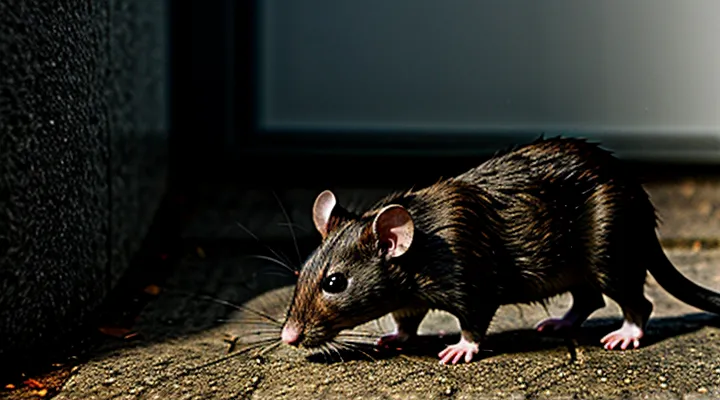
General Interpretations of Rats in Dreams
Negative Connotations
Dreams in which rats are slain often signal adverse emotional states. The act of killing a rodent in a nocturnal vision reflects inner turmoil rather than triumph.
- Persistent anxiety: the image suggests an unresolved fear that resurfaces nightly.
- Guilt: the violent elimination of a creature may indicate remorse over harsh actions taken in waking life.
- Aggressive impulses: the scenario reveals a tendency to confront problems with force instead of negotiation.
- Loss of control: the killing act can symbolize a perceived inability to manage chaotic elements in one’s environment.
- Moral conflict: the presence of blood and death highlights a struggle between personal ethics and survival instincts.
These interpretations share a common thread: they portray the dream as a warning sign, urging self‑examination of negative patterns that threaten psychological equilibrium.
Positive or Neutral Connotations
Dreams that involve the act of killing rats often carry meanings that are constructive rather than threatening. The imagery suggests a decisive removal of unwanted elements, reflecting personal agency in confronting problems that have been lingering beneath the surface.
Typical positive or neutral interpretations include:
- Elimination of harmful habits or thoughts that impede progress.
- Assertion of control over chaotic or disruptive influences in one’s environment.
- Transition from a state of neglect to one of order and cleanliness.
- Symbolic cleansing that prepares the mind for new opportunities.
When the scenario appears without accompanying fear or distress, it usually indicates confidence in one’s ability to manage difficulties. The dreamer may be experiencing an internal shift toward self‑discipline, signaling readiness to tackle future challenges with clarity and resolve.
The Act of Killing Rats in Dreams
Symbolic Meaning of «Killing»
The image of a rat being slain in a nocturnal vision conveys a decisive break with a lingering problem. Rats often embody hidden anxieties, contamination, or survival instincts; eliminating them signals an attempt to eradicate the source of distress. The violent removal reflects an unconscious desire for control, suggesting that the dreamer is ready to confront and neutralize a threatening element in waking life.
The act of killing carries multiple layers of meaning:
- Assertion of power: The dreamer experiences a surge of agency, indicating readiness to dominate a feared situation.
- Purification: Slaying the creature removes perceived impurity, aligning with a psychological cleansing process.
- Transition: The death of the rat marks a shift from stagnation to movement, hinting at personal growth or change.
In cultural narratives, rodents often symbolize disease or betrayal. When the dream narrative ends with the creature’s demise, it can denote the termination of harmful influences, whether relational, occupational, or internal. The vividness of the scene amplifies the urgency of the underlying issue, urging the conscious mind to act.
Interpretation benefits from contextual details such as the method of killing, the dreamer’s emotional response, and the setting. A swift, effortless strike may point to confidence, while a prolonged struggle suggests lingering resistance. Recognizing these nuances refines the overall assessment of the dream’s directive.
Interpreting the Outcome of the Kill
Dream imagery that features the slaying of rats conveys a decisive termination of an unwanted influence. The act of killing the rodent symbolizes the dreamer’s effort to eradicate a source of anxiety, deceit, or contamination that has infiltrated personal or professional life. The resulting feeling of relief or lingering tension after the kill reflects the effectiveness of the purge.
The outcome can be interpreted through three primary lenses:
- Complete eradication – The rat’s death is final, indicating successful elimination of the problem and a clear path forward.
- Partial removal – The rat is wounded or its corpse remains, suggesting the issue persists in a diminished but still present form.
- Ambiguous resolution – The kill occurs unnoticed or the dreamer feels guilt, pointing to unresolved internal conflict despite the external act.
Each scenario predicts a different psychological adjustment. A conclusive kill often leads to increased confidence and reduced stress. A partial or ambiguous result may trigger continued vigilance, prompting the dreamer to monitor residual threats. The emotional tone accompanying the kill—calm, triumph, dread—further refines the interpretation, signaling whether the subconscious views the action as empowering or as a forced concession.
In practice, the dreamer should match the observed details with these categories to gauge the real‑world implication of the rodent’s demise. This alignment informs whether additional steps, such as confronting hidden habits or reinforcing boundaries, are warranted.
Psychological Perspectives
Subconscious Conflicts
Dream imagery that includes the killing of rats often signals unresolved inner tensions. The act of exterminating a rodent serves as a metaphor for confronting aspects of the self that are perceived as dirty, threatening, or unwanted. When the dreamer witnesses or performs the killing, the subconscious is processing a desire to eliminate anxieties, guilt, or suppressed impulses that have been lingering beneath awareness.
Typical subconscious conflicts revealed by this motif include:
- Fear of contamination or moral impurity, expressed through the rat’s association with disease.
- Aggressive impulses toward perceived personal weaknesses, represented by the violent act.
- Power dynamics in relationships, where the rat symbolizes a subordinate or parasitic element the dreamer wishes to control.
- Repressed memories of betrayal or exploitation, with the rat embodying the source of emotional injury.
Interpretation hinges on the dreamer’s emotional response during the scene. A sense of relief suggests successful integration of the conflict, while lingering dread indicates the issue remains unresolved and may require conscious attention.
Overcoming Adversity
Dreams that feature the demise of rats often serve as a metaphor for confronting hidden threats and reclaiming control. The act of killing a rat in a dream signals a decisive break with harmful influences that have been undermining confidence or stability.
The symbolism translates into practical strategies for overcoming adversity:
- Identify the source of persistent anxiety or sabotage, treating it as the “rat” that must be eliminated.
- Take concrete action to neutralize the threat, rather than merely acknowledging its presence.
- Reinforce the outcome by acknowledging the sense of empowerment that follows the decisive act.
When the dream’s narrative ends with the rat’s death, it reflects a psychological shift from passivity to assertiveness. The subconscious records this shift as evidence that personal agency can dismantle obstacles that once seemed insurmountable.
Applying this insight to waking life encourages individuals to replace hesitation with purposeful intervention, thereby converting fear into a catalyst for resilience.
Cultural and Spiritual Significance
Cross-Cultural Interpretations
Dreams in which a rat is slain appear across disparate cultural traditions, each assigning distinct symbolic weight to the act.
In European folklore, the rat often represents disease or corruption; killing it in a dream signals the subconscious’s effort to eradicate a threatening influence. This interpretation aligns with historical associations of rodents with plague and moral decay.
East Asian narratives treat the rat as a dual emblem of cunning and fertility. A dream of its death may denote a shift from opportunistic behavior toward disciplined progress, suggesting the dreamer’s desire to suppress impulsive tendencies.
In the Indian subcontinent, the rat is linked to the deity Ganesha’s vehicle, the mouse, symbolizing obstacles. Its demise can be read as the removal of hindrances on a spiritual path, reflecting an inner resolve to overcome material distractions.
Middle Eastern dream manuals frequently describe the slain rodent as an omen of successful negotiation or the end of a hostile encounter, emphasizing the dreamer’s capacity to neutralize adversarial forces.
African oral traditions often view the rat as a trickster figure. Its death may indicate the cessation of deceitful actions within the community, highlighting a collective movement toward honesty and stability.
Indigenous North American cultures sometimes interpret the rat’s death as a purification rite, where the animal’s eradication represents the cleansing of impurity from the individual’s life force.
Key cross‑cultural patterns emerge:
- Elimination of a harmful or contaminating element
- Transition from chaotic to orderly behavior
- Assertion of personal or communal authority over adversity
- Symbolic purification or spiritual advancement
These recurring motifs suggest that, regardless of geographic origin, the act of killing a rat in a dream functions as a potent metaphor for confronting and dispelling perceived threats, both external and internal.
Spiritual Cleansing or Renewal
The image of a dead rat in a dream signals the removal of impurity from the psyche. The animal often represents hidden contamination, disease, or unwanted habits. When the dreamer witnesses the rat’s death, the unconscious signals that the contaminating element has been eliminated, allowing the inner self to reset.
Key aspects of this symbolism include:
- Termination of toxic patterns – the act of killing marks a decisive break with behaviors that undermine spiritual health.
- Purification of the emotional field – the loss of the rat corresponds to the clearing of anxiety, fear, or shame that has lingered beneath awareness.
- Preparation for renewal – the void left by the creature creates space for fresh growth, comparable to a field after weeds are removed.
Interpretation aligns with Jungian analysis, which treats the rat as a shadow figure. The shadow’s destruction indicates integration of repressed material, facilitating a more coherent self‑image. In traditions that associate rodents with filth, their demise functions as a ritual cleansing, mirroring rites that expel disease from the community.
Thus, dreaming of a rat’s death functions as an internal ceremony of spiritual purification, signaling that the dreamer has expelled a source of corruption and is poised for renewed vitality.
Personal Context and Dream Analysis
The Dreamer’s Feelings and Associations
Dreams in which the dreamer kills rats often provoke a sharp, immediate sense of relief mixed with lingering unease. The act of eliminating the rodent can feel like a sudden release of pressure, yet the vividness of the violence may leave a residual tension that persists after waking.
Typical emotional responses include:
- A surge of triumph or empowerment at having removed a threatening presence.
- A spike of anxiety or guilt related to the cruelty of the act.
- A lingering discomfort that the problem may reappear in another form.
- A sense of purification, as if a hidden contamination has been eradicated.
Associations commonly linked to this imagery are:
- Suppressed fears – rats often symbolize hidden anxieties; killing them suggests an attempt to confront and extinguish those fears.
- Control over chaos – the violent act reflects a desire to impose order on a situation perceived as chaotic or invasive.
- Moral conflict – the dream may surface internal debates about aggression, compassion, and ethical boundaries.
- Health concerns – rodents are associated with disease; eliminating them can represent a subconscious focus on personal well‑being.
- Transformation – the death of the pest may signal the end of a detrimental habit or thought pattern, paving the way for renewal.
The dreamer's lingering feelings often reveal how effectively the subconscious has processed the perceived threat. Persistent guilt may indicate unresolved compassion toward the creature, while sustained confidence can point to successful integration of the need for boundaries. Recognizing these emotional cues helps clarify the underlying psychological work the dream is performing.
Life Situations and Challenges
Dream narratives that feature the act of destroying rats often signal a confrontation with hidden threats. The creature represents decay, deceit, or persistent anxiety; its elimination indicates a decisive effort to eradicate these elements from one’s psyche.
In daily life, the symbol appears when individuals face situations that demand the removal of harmful influences. Examples include ending a toxic relationship, exposing fraud within an organization, or discarding habits that erode health. The dream’s violent resolution mirrors the urgency and finality required to resolve such issues.
Challenges linked to this motif typically involve:
- Recognizing the presence of covert problems before they spread.
- Gathering sufficient evidence or resolve to act decisively.
- Managing emotional turbulence that accompanies aggressive confrontation.
- Maintaining stability after the disruptive act to prevent new threats from emerging.
Effective response strategies consist of clear assessment, direct communication, and swift implementation of corrective measures. Monitoring post‑action outcomes ensures that the underlying cause does not reappear, reinforcing long‑term resilience.