
Understanding Dream Symbols
The Role of Animals in Dreams
Rats as Dream Archetypes
Rats appear repeatedly in collective unconscious as symbols of hidden survival mechanisms, social hierarchy, and adaptive intelligence. Their presence in nocturnal narratives signals the dreamer’s relationship with instinctual drives and the unseen structures that govern daily life.
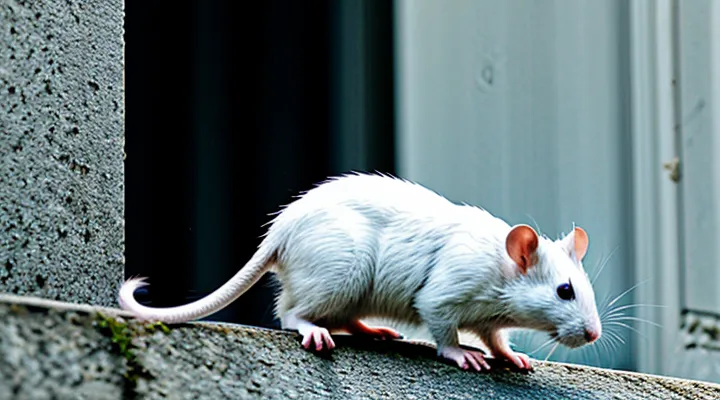
The color white modifies the base rat archetype. A white rat conveys notions of cleansing, renewal, and the emergence of previously concealed truths. It can also indicate a shift from fear toward acceptance of the shadow self, suggesting that the dreamer is confronting impurity with a desire for purification.
Typical dream scenes involving a white rat include:
- Observing a white rat moving through a familiar space – signals an awareness of subtle, unnoticed influences that may be guiding current decisions.
- Attempting to catch or kill a white rat – reflects internal conflict between eliminating perceived threats and acknowledging the necessity of those same instincts for personal growth.
- Feeding or caring for a white rat – denotes integration of neglected aspects of the psyche, fostering resilience and resourcefulness.
- Witnessing a white rat scurrying away – suggests missed opportunities to harness intuitive knowledge that could improve problem‑solving capacity.
Across cultures, the rat archetype embodies adaptability and the capacity to thrive in adverse conditions. When the animal appears in a dream with a white hue, the symbolic message intensifies, urging the dreamer to examine how purity, transformation, and hidden wisdom intersect within their subconscious landscape.
The White Rat in Dreams
General Interpretations of White Animals
White animals in dreams frequently embody concepts of purity, transformation, and heightened awareness. Their coloration distinguishes them from ordinary counterparts, signaling that the dreamer’s subconscious assigns special significance to the creature’s attributes.
Interpretations vary by species, yet several overarching themes persist:
- White birds: indication of spiritual ascent, release of burdens, or the arrival of insight.
- White mammals (e.g., deer, wolves): representation of instinctual clarity, protective instincts, or the emergence of dormant strength.
- White reptiles: suggestion of renewal, shedding of old patterns, or the need for emotional balance.
- White rodents, including the white rat: emphasis on adaptability combined with an unusual purity, pointing to subtle changes in personal habits or hidden opportunities.
Cultural traditions reinforce these meanings. In Eastern symbolism, white fauna often denote auspicious events and moral integrity. Western folklore associates white creatures with divine intervention or the revelation of concealed truths. Psychological frameworks interpret the presence of a white animal as a manifestation of the ego’s pursuit of integration with the unconscious, urging the dreamer to acknowledge aspects of the self that have been sanitized or overlooked.
When a white rat appears specifically, the dream signals a convergence of practicality and innocence. The rat’s reputation for resourcefulness merges with the color’s connotations of cleanliness, suggesting that the dreamer may benefit from applying disciplined strategies while maintaining ethical transparency. Recognizing this blend can guide decision‑making, encourage meticulous planning, and foster an environment where honest effort yields measurable progress.
Specific Meanings of a White Rat
Purity and Innocence
A white rat appearing in a dream signals a contrast between the ordinary and the unblemished. The animal’s color overrides the typical associations of rodents, highlighting qualities of cleanliness, moral clarity, and untainted intention.
When the dreamer observes a white rat, the image conveys an inner desire for innocence or a reminder of a pure aspect of self. The creature’s presence can indicate a recent or upcoming situation in which honesty, sincerity, or a fresh start will be essential.
Interpretive guidelines:
- The rat’s behavior matters: calm, gentle movements reinforce a sense of untouched virtue; frantic activity may suggest anxiety about losing purity.
- Contextual symbols enhance meaning: white surroundings, water, or light intensify the theme of innocence, while darkness or dirt diminishes it.
- Personal associations affect the reading: individuals who view rats negatively may experience the white variant as a challenge to overcome preconceived notions about cleanliness and moral judgment.
Transformation and Change
Seeing a white rat in a dream signals a shift in personal identity. The animal’s color suggests purity, while the species represents adaptability. Together they point to a cleansing of old habits and the emergence of new behaviors.
The dream image often coincides with the following transformative signals:
- Release of repressed emotions that have hindered growth.
- Adoption of unconventional strategies to solve problems.
- Reassessment of relationships that no longer serve the dreamer’s development.
Psychological analysis links the white rat to the unconscious mind’s attempt to reorganize self‑concept. The creature’s nocturnal nature reflects hidden aspects of the psyche, and its whiteness indicates a desire for clarity after a period of confusion. When the dreamer acknowledges this symbolism, mental patterns realign, facilitating measurable change in attitudes and actions.
Cultural folklore reinforces the same theme. In several traditions, a white rodent appears as a messenger of renewal, urging the individual to discard outdated roles and embrace fresh responsibilities. The recurring motif across societies underscores a universal association between this dream element and personal evolution.
Consequently, interpreting a white rat in a nocturnal vision serves as a diagnostic cue: the subconscious is urging the dreamer to initiate a deliberate transformation, replace stagnant routines, and pursue a trajectory aligned with newly defined values.
Hidden Wisdom and Intuition
Dreams featuring a white rat often signal an inner source of hidden knowledge. The animal’s pale hue suggests purity of insight, while its small size emphasizes subtlety. When the creature appears, the subconscious may be urging the dreamer to trust an understated, yet precise, intuitive cue that has emerged from daily observations.
The symbolism points to several practical applications:
- Recognize brief moments of clarity as valuable data rather than dismissing them as trivial.
- Translate the rat’s quiet presence into a prompt for reflective analysis of recent decisions.
- Allow the gentle instinct conveyed by the dream to guide problem‑solving, especially in situations where overt logic stalls.
Overall, a white rat in a nocturnal vision serves as a reminder that profound understanding often arrives in modest packages, demanding attentive listening to the inner voice.
Overcoming Adversity
Dreams featuring a white rat often signal hidden resilience. The animal’s pale coloration suggests purity of intent, while its small size reflects modest resources. When such a dream appears during a difficult period, it can be interpreted as an invitation to confront obstacles with quiet determination.
The symbolism encourages specific actions:
- Identify the source of stress; note precise triggers rather than vague discomfort.
- Break the challenge into manageable tasks, mirroring the rat’s ability to navigate tight spaces.
- Maintain a calm mindset; the white hue represents emotional steadiness under pressure.
- Seek support from trusted individuals, reflecting the rat’s social nature in the wild.
- Review progress regularly, adjusting tactics as the dream’s message evolves.
By treating the white rat as a metaphor for understated strength, the dream provides a framework for turning adversity into measurable advancement. The image serves as a reminder that even modest effort, when directed with clarity, can overcome substantial barriers.
Contextualizing Your White Rat Dream
Personal Associations with Rats
Personal memories, cultural background, and emotional reactions to rats shape the way a white rat appears in a dream. The same image can convey different messages depending on the dreamer’s individual relationship with rodents.
- Fear of disease or contamination, often rooted in childhood stories or personal illness, can turn the white rat into a warning sign.
- Admiration for rats’ cleverness, observed in laboratory work or urban wildlife, may reinterpret the animal as a symbol of resourcefulness.
- Associations with betrayal, derived from folklore or personal experiences of deceit, can give the dream a cautionary tone.
- Positive memories of pet rats, reflecting companionship and trust, may indicate emotional support or nurturing qualities.
When a white rat surfaces in a night vision, the dream’s meaning aligns with these personal cues. A dreamer who links rats to danger may interpret the image as an alert to hidden threats. Conversely, a person who respects rats’ adaptability may see the dream as encouragement to navigate change skillfully. The color white adds a layer of purity, innocence, or new beginnings, which merges with the individual’s rat‑related feelings to produce a nuanced message.
To extract an accurate interpretation, the dreamer should inventory past encounters with rats, noting emotional tone, cultural references, and any recurring themes. This self‑assessment refines the symbolic reading, turning a generic animal symbol into a personalized insight.
The Emotional Tone of the Dream
Seeing a white rat in a dream often triggers a distinct emotional atmosphere that shapes the symbol’s significance. The color white suggests purity, clarity, or a fresh start, while the rat conveys adaptability, resourcefulness, or hidden concerns. The interplay of these elements creates a nuanced affective backdrop that determines whether the vision feels threatening, reassuring, or neutral.
Typical emotional responses include:
- Anxiety or dread – indicates underlying stress, fear of hidden threats, or unresolved conflicts.
- Curiosity or intrigue – points to a desire to explore unfamiliar aspects of oneself or a situation.
- Disgust or revulsion – reflects aversion to perceived impurity, betrayal, or moral compromise.
- Calm or acceptance – suggests integration of the rat’s qualities, such as resilience and cleverness, into one’s self‑concept.
The emotional tone modifies interpretation. When fear dominates, the white rat signals a warning about concealed dangers or suppressed worries. When curiosity prevails, the symbol encourages investigation of new opportunities or hidden talents. A calm disposition indicates successful assimilation of adaptive traits, while disgust signals a need to purge toxic influences.
To apply the insight, identify the primary feeling experienced during the dream, then map that emotion onto current life circumstances. Aligning the affective response with real‑world stressors, ambitions, or relationships clarifies the message the subconscious is delivering and guides practical adjustments.
Actions of the White Rat in the Dream
A Friendly White Rat
A white rat appearing in a dream often signifies purity combined with adaptability. When the animal is perceived as friendly, the image conveys a sense of trust in one’s intuitive guidance. The dreamer may interpret the creature as an invitation to embrace hidden talents that are both modest and valuable.
Key aspects of a friendly white rat in a sleeping vision:
- Communication: The rat’s approachable demeanor suggests that confidential messages are being delivered without threat.
- Resourcefulness: The animal’s reputation for survival highlights the dreamer’s ability to navigate complex situations with ease.
- Healing: The color white amplifies associations with cleansing and renewal, indicating emotional or physical recovery.
- Social bonds: A gentle interaction points to the strengthening of relationships that are based on mutual support rather than competition.
Psychological analysis links the friendly white rat to the subconscious mind’s effort to reconcile vulnerability with competence. The creature’s small size underscores modest achievements, while its friendliness removes fear, encouraging the dreamer to explore concealed aspects of identity.
Cultural references reinforce the symbol. In Eastern folklore, white rodents are messengers of auspicious change; in Western alchemy, they represent the transformation of base material into refined essence. Both traditions align with the dream’s portrayal of a benevolent, pale rat.
Overall, the presence of a courteous white rat advises the dreamer to trust subtle insights, nurture latent abilities, and accept assistance that arrives in an unassuming form.
An Aggressive White Rat
Seeing an aggressive white rat in a dream signals a confrontation with hidden hostility or repressed anger. The animal’s color suggests purity, innocence, or a clean slate, while its hostile behavior indicates that these qualities are being threatened by internal or external forces.
The image often reflects an internal struggle: suppressed aggression emerging in a context that normally represents peace. It may also point to a situation where a seemingly harmless person or circumstance has turned antagonistic, prompting the dreamer to reassess trust and boundaries.
- Fear of betrayal by someone who appears trustworthy.
- Emerging anger toward a situation that was once considered benign.
- Warning that a personal flaw, such as complacency, is being challenged.
- Indicator that a conflict will require decisive, possibly confrontational, action.
- Symbol of a sudden loss of control over a previously orderly environment.
Interpretation advises immediate self‑assessment. Identify areas where calmness has been compromised, and consider confronting the source of hostility directly. Strategies include setting clear limits, communicating concerns without ambiguity, and, if necessary, seeking external mediation to prevent escalation.
A Trapped White Rat
A white rat caught in a dream often signals a feeling of confinement related to purity, innocence, or a fresh start. The animal’s color suggests unblemished intentions, while the entrapment denotes obstacles that prevent those intentions from manifesting.
The image can reflect several inner dynamics:
- Restricted potential – a sense that personal growth or a new opportunity is blocked.
- Suppressed emotions – feelings of vulnerability or fear that are being held back.
- Moral dilemma – a conflict between ethical values and external pressures.
- Health concerns – subconscious attention to a minor illness or a need for better self‑care.
Psychologically, the trapped white rat may arise when the dreamer experiences anxiety about losing control over a situation that was previously clear and uncomplicated. The animal’s small size amplifies the perception of powerlessness, while its whiteness underscores a desire for clarity.
Cultural sources often associate white rodents with transformation and cleansing. When the creature is immobilized, it can indicate that the cleansing process is stalled, urging the dreamer to address the barrier directly.
Practical steps suggested by dream analysts include:
- Identify the specific area of life where progress feels halted.
- Examine any self‑imposed limits or external constraints contributing to the stagnation.
- Take concrete action to remove or negotiate the obstacle, such as setting boundaries or seeking support.
- Reflect on personal values to ensure they align with current choices, reducing internal conflict.
Overall, the vision of a trapped white rat serves as a concise alert: an untainted goal is being held back, and decisive effort is required to restore forward momentum.
Cultural Perspectives on White Rats
Western Interpretations
In Western dream analysis, the appearance of a white rat conveys several distinct messages that differ from those assigned to darker or differently colored rodents. The animal’s color, size, behavior, and the dreamer’s reaction each influence the final interpretation.
Typical meanings include:
- Symbol of purity confronting impurity, suggesting a need to address hidden contamination in personal or professional life.
- Indicator of hidden threats, where the rat’s stealth represents unnoticed problems that could undermine stability.
- Representation of intelligence and adaptability, urging the dreamer to employ resourceful strategies in current challenges.
- Sign of betrayal or deceit, especially when the rat is observed in a domestic setting, implying disloyalty within close relationships.
Freudian perspective treats the white rat as a phallic symbol that reflects repressed sexual energy, while Jungian theory views it as an archetype of the “shadow” that must be integrated to achieve psychological wholeness. Both schools agree that the dream’s emotional tone—fear, curiosity, calm—provides essential clues for accurate decoding.
Western literature and media reinforce these associations: classic horror stories use white rats to signal clandestine danger, whereas contemporary self‑help texts cite them as reminders of vigilance and adaptability. The recurring motif across these sources underscores the animal’s role as a messenger of subtle, yet significant, life adjustments.
When interpreting such a dream, focus on the specific context—location, interaction, and feelings experienced. Align these details with the outlined meanings to derive a concise, actionable insight.
Eastern Interpretations
In many Eastern traditions a white rat appearing in a dream is linked to concepts of purity, prosperity and transformation. Chinese folklore records the white rat as an emblem of new wealth, especially when the dreamer is engaged in a venture that requires careful negotiation. Classical Chinese dream manuals describe the animal’s pale hue as a sign that material gains will be attained without moral compromise, distinguishing it from darker rodents that often foretell loss.
Japanese dream literature associates the white rat with subtle shifts in personal energy. The creature’s agility is interpreted as an indication that the sleeper’s inner chi is being redirected toward creative pursuits. When the white rat is observed moving freely, the implication is that obstacles will dissolve, allowing the individual to pursue artistic or scholarly objectives with clarity.
In the Indian subcontinent, the white rat carries a dual symbolism. Ayurvedic dream analysis treats the animal’s color as a marker of spiritual cleanliness, suggesting that the dreamer is ready for a phase of purification. Simultaneously, the rodent’s reputation for gathering food translates into a forecast of abundant harvests or financial increase. Traditional commentaries also warn that the white rat may signal the need for vigilance against deceit, as its innocuous appearance can mask cunning intentions.
Key points from these traditions include:
- Association with untainted wealth and ethical profit.
- Indication of a smooth flow of vital energy toward creative or scholarly goals.
- Representation of spiritual cleansing paired with a warning to remain discerning.
Indigenous Interpretations
Indigenous cultures often attribute symbolic weight to white rodents appearing in nocturnal visions. Among the Lakota, a white rat signifies a messenger from the spirit world, urging the dreamer to address unresolved communal responsibilities. The Hopi interpret the animal’s pallor as an omen of purification, suggesting that the individual must cleanse personal habits that hinder harmony with the earth. In Maori tradition, the creature embodies the guardian of hidden knowledge; a dream featuring a white rat encourages the seeker to explore ancestral teachings concealed in oral histories.
Key themes across these traditions include:
- Guidance from ancestors or spirits, delivered through the animal’s unexpected presence.
- A call for personal or collective purification, often linked to ritual cleansing practices.
- An invitation to uncover concealed wisdom, prompting deeper engagement with cultural narratives.
These interpretations converge on the idea that a white rat in a dream functions as a catalyst for moral and spiritual realignment within the community framework.
Further Dream Exploration
Reflecting on Your Waking Life
Dream imagery featuring a white rat often mirrors aspects of daily experience that the conscious mind overlooks. When the rat appears, the mind signals a need to examine habits, relationships, or responsibilities that feel neutral yet demand attention.
To translate the symbol into actionable insight, consider the following steps:
- Identify recent situations where you felt unnoticed or dismissed; the white rat’s modest coloration suggests subtle influences rather than overt threats.
- Assess routines that appear harmless but may conceal inefficiency, such as lingering procrastination or unexamined financial habits.
- Examine interpersonal dynamics where you play a supporting role; the dream may highlight a desire for acknowledgment or a warning against being taken for granted.
Reflecting on these areas creates a bridge between nocturnal symbolism and conscious decision‑making. By aligning dream content with concrete elements of waking life, you transform a fleeting image into a practical guide for personal development.
Journaling Your Dreams
Recording nightly visions provides the most reliable source for analyzing the symbolism of a white rodent that appears in sleep imagery. A written account preserves details that fade quickly, such as emotional tone, surrounding objects, and the sequence of events. By consulting a personal archive, patterns emerge that reveal recurring themes, personal associations, and shifts in meaning over time.
Effective dream journaling follows a consistent method:
- Write immediately after awakening; delay compromises accuracy.
- Include date, time of sleep, and any notable physical sensations.
- Capture verbatim dialogue, colors, textures, and the exact behavior of the white animal.
- Note the emotional response at the moment of the dream and any lingering feelings upon waking.
- Add brief reflections on recent life circumstances that could influence the imagery.
Analyzing entries across weeks uncovers correlations between the presence of the pale creature and specific life stressors, health concerns, or interpersonal dynamics. When the animal repeatedly appears in contexts of cleanliness, purification, or hidden threats, the journal data supports an interpretation that the symbol reflects subconscious processing of vulnerability and transformation.
Regular review of the compiled journal, combined with reference material on dream symbolism, enables a systematic approach to decoding the white rat motif. The documented evidence eliminates speculation, allowing conclusions to be drawn from observable trends rather than anecdotal inference.