
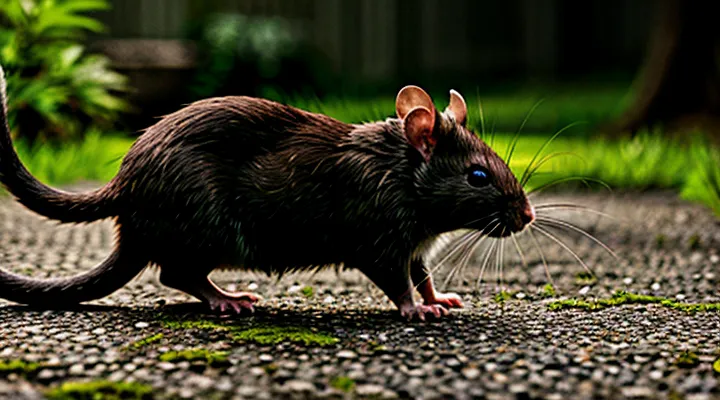
Dispelling Myths and Fostering Understanding
Rats in Popular Culture Versus Reality
Rats appear frequently in movies, cartoons, and folklore as symbols of disease, cunning, or urban decay. These portrayals emphasize negative traits, often exaggerating aggression or disease transmission, and rarely acknowledge the species’ ecological functions.
Scientific observation shows rats as highly adaptable mammals that occupy diverse habitats, from forests to agricultural fields. They contribute to seed dispersal, nutrient cycling, and serve as prey for numerous predators. Their social structures involve complex communication, grooming, and hierarchical organization, contradicting the simplistic “sneaky pest” image.
Documentary productions that target wildlife enthusiasts aim to correct these misconceptions. By focusing on field footage, expert interviews, and behavioral experiments, such films illustrate the following contrasts:
-
Myth: Rats spread plague and cause widespread illness.
Fact: Only specific rodent species act as vectors for plague; most rats carry few pathogens and coexist with humans without significant health risks. -
Myth: Rats are solitary scavengers.
Fact: Urban and wild rats live in colonies, maintain burrow networks, and display cooperative foraging. -
Myth: Rat intelligence is limited to simple problem‑solving.
Fact: Laboratory studies reveal advanced learning, memory, and even cultural transmission of foraging techniques. -
Myth: Rats avoid natural environments.
Fact: Many species thrive in grasslands, wetlands, and forest edges, where they play roles comparable to other small mammals.
The factual perspective presented in these documentaries encourages nature lovers to view rats as integral components of ecosystems rather than merely urban nuisances. This shift supports balanced conservation attitudes and promotes informed appreciation of mammalian biodiversity.
The Ecological Role of Rodents
Rodents, including the species most frequently portrayed in rat‑focused nature documentaries, perform several essential functions within terrestrial ecosystems. They harvest seeds, consume fruits, and bury surplus food, thereby facilitating seed dispersal and germination across diverse habitats. Their burrowing activity aerates soil, enhances water infiltration, and promotes the decomposition of organic matter, which improves nutrient cycling and supports plant growth.
In food webs, rodents occupy a central position as both predators of insects and prey for birds of prey, mammals, and reptiles. Their populations influence the abundance of these secondary consumers, shaping community dynamics. By regulating insect populations, especially those that damage crops or transmit pathogens, rodents indirectly affect plant health and agricultural productivity.
Rodents also serve as bioindicators. Fluctuations in their numbers often reflect changes in habitat quality, climate conditions, and the presence of pollutants. Monitoring these trends provides valuable data for conservation planning and ecosystem management.
Documentary productions that highlight these ecological contributions help nature enthusiasts appreciate the broader significance of rats beyond their cultural perception. Viewers can deepen their understanding by watching films that:
- Illustrate seed‑dispersal mechanisms in forested landscapes.
- Showcase the impact of burrowing on soil structure and plant diversity.
- Depict predator‑prey interactions involving rodents across various biomes.
- Present scientific surveys that use rodent population metrics to assess environmental health.
By focusing on these aspects, the films reinforce the ecological importance of rodents and encourage informed appreciation among audiences interested in natural history.
Top Documentary Films Featuring Rats
Rats have long intrigued naturalists, and several documentary productions illuminate their behavior, ecology, and interaction with human environments. Below are the most notable titles that deliver comprehensive insight for viewers interested in wildlife.
- “Rats: The Hidden World” (2021, BBC Earth) – 55 minutes; examines urban and rural populations, focusing on foraging strategies and social structures; available on BBC iPlayer and Amazon Prime.
- “The Secret Life of Rats” (2019, National Geographic) – 48 minutes; follows a research team studying disease transmission and adaptive intelligence; streaming on Disney+ and YouTube.
- “Rats of the City” (2017, PBS Frontline) – 60 minutes; documents the impact of rodent colonies on public health and municipal sanitation policies; accessible via PBS.org.
- “Rats – Nature’s Survivors” (2015, Smithsonian Channel) – 52 minutes; presents comparative analysis of black rats and brown rats across continents, highlighting reproductive rates and ecological niches; viewable on Smithsonian Channel and Hulu.
- “Mighty Mice and Mighty Rats” (2013, Discovery Channel) – 45 minutes; juxtaposes rodent species to illustrate evolutionary adaptations; broadcast on Discovery+.
Each film combines field footage, expert commentary, and scientific data, offering a reliable resource for nature enthusiasts seeking factual portrayals of rat species.
Critically Acclaimed Films Focusing on Urban Rats
«Rats» (2016)
“Rats” (2016) presents an unflinching portrait of urban rodent populations, focusing on their ecological functions, behavioral adaptations, and interactions with human environments. The film combines high‑definition macro photography with interviews from ecologists and pest‑management specialists, revealing how rats contribute to waste decomposition and serve as indicators of ecosystem health. Narration is minimal; visual evidence drives the argument, allowing viewers to observe foraging patterns, social hierarchies, and disease‑resistance mechanisms without editorializing.
Key aspects that make this documentary valuable for nature enthusiasts:
- Detailed footage of rat colonies in sewers, parks, and residential areas, illustrating habitat versatility.
- Comparative analysis of rat species across continents, highlighting evolutionary convergence.
- Insight into the role of rats in scientific research, including genetics and neurobiology.
- Discussion of ethical considerations in pest control, encouraging humane management practices.
- Supplementary data tables and maps provided in the accompanying website, supporting further study.
The film’s rigorous approach and visual clarity furnish a comprehensive resource for anyone interested in the biological and environmental significance of these often‑misunderstood mammals.
Directed by Morgan Spurlock
Morgan Spurlock, acclaimed for his investigative documentary style, applied the same rigor to a film centered on rats, offering a precise view of rodent ecology for audiences interested in wildlife.
The film, titled “The Rat”, premiered in 2022, runs 58 minutes, and combines field footage with interviews from urban ecologists, pest‑control specialists, and city planners. Production values emphasize close‑up cinematography that captures nocturnal foraging, social hierarchy, and interaction with human infrastructure. The narrative avoids sensationalism, focusing instead on data‑driven observations and the species’ role in urban ecosystems.
Key reasons the documentary merits inclusion in a nature‑lover’s viewing list:
- Detailed examination of rat behavior across different habitats
- Presentation of recent scientific findings on disease transmission and population dynamics
- Visual documentation of adaptive traits that enable survival in densely populated areas
- Insight into municipal strategies for coexistence and humane management
- High‑quality narration that maintains factual clarity without editorializing
Spurlock’s approach delivers an educational resource that aligns with the interests of viewers seeking factual, well‑produced content about urban wildlife.
Exploring Urban Environments
Rats thrive in city landscapes, providing a lens through which nature lovers can study urban ecology. Their adaptability, foraging behavior, and interactions with human infrastructure illustrate the complex balance of life in densely populated areas. Observing these rodents in documentary form reveals patterns of resource use, population dynamics, and the impact of waste management on biodiversity.
The following documentaries present detailed examinations of rat populations within metropolitan settings, each offering practical insights for field observation and environmental interpretation:
- “Rats of the City” – Tracks colonies across multiple districts, highlighting seasonal migration and the influence of public transportation corridors.
- “Urban Underground” – Focuses on subterranean habitats, detailing tunnel networks, sewage systems, and the role of rats in waste decomposition.
- “Streetwise Survivors” – Profiles individual rats navigating construction zones, illustrating adaptation to rapid urban development.
- “Nighttime Navigators” – Captures nocturnal activity through infrared footage, revealing feeding strategies and predator avoidance tactics.
These films equip viewers with visual references for identifying rat signs, assessing habitat quality, and understanding the broader ecological implications of urban wildlife. By integrating cinematic observation with on‑site exploration, nature enthusiasts can develop a nuanced perspective on how resilient species shape, and are shaped by, the built environment.
«Ratatouille» (Not a Documentary, but an Influence)
Ratatouille, although an animated feature, reshaped public perception of rats by presenting them as intelligent, curious beings rather than pests. This shift created a receptive audience for factual programs that explore rat behavior in natural habitats, aligning with the interests of wildlife enthusiasts.
The film’s visual techniques—high‑definition close‑ups, dynamic lighting, and fluid camera movements—have become reference points for documentary crews aiming to capture the subtle gestures of rodents in urban and rural settings. Its narrative focus on a rat’s relationship with its environment also encouraged filmmakers to frame rodents within broader ecological contexts rather than isolated anecdotes.
Key ways Ratatouille informs rat‑focused documentaries:
- Adoption of cinematic lighting to highlight whisker movement and fur texture.
- Use of anthropomorphic storytelling cues to engage viewers without compromising scientific accuracy.
- Emphasis on the rat’s role in food chains, prompting segments on scavenging and ecosystem services.
- Inspiration for sound design that blends natural rodent noises with ambient urban soundscapes.
- Encouragement of interdisciplinary collaboration between animators and wildlife biologists to improve visual authenticity.
The Power of Storytelling
Documentary films that focus on rodents offer nature enthusiasts a structured narrative that transforms scientific observation into memorable experience. By arranging visual evidence, expert commentary, and personal anecdotes into a coherent storyline, filmmakers guide viewers through complex ecosystems without overwhelming them with raw data.
Effective storytelling accomplishes three objectives. First, it highlights behavioral patterns that reveal the species’ ecological impact. Second, it creates emotional resonance, encouraging audiences to support conservation initiatives. Third, it clarifies scientific concepts through relatable metaphors, making abstract information accessible.
Key narrative techniques include:
- Chronological progression that follows a rat’s daily activities, illustrating adaptation and survival strategies.
- Interleaving personal reflections from field researchers, which anchor abstract findings in human experience.
- Visual contrast between urban and wild habitats, emphasizing the species’ versatility and the broader environmental context.
When these elements converge, the documentary becomes more than a visual record; it serves as a persuasive tool that shapes public perception and motivates protective action for the natural world.
Documentaries Showcasing Rats in Nature
Biodiversity and Ecosystem Impact
Documentary productions that focus on rats provide concrete illustrations of how these mammals influence species richness and functional processes within natural habitats. By observing rat behavior, foraging patterns, and interactions with other organisms, viewers gain insight into trophic dynamics, seed dispersal mechanisms, and disease transmission pathways that shape community composition.
Rats contribute to biodiversity through several mechanisms:
- Consumption of a wide range of food items, including insects, fruits, and carrion, which regulates prey populations and accelerates nutrient recycling.
- Creation of burrows and nesting sites that serve as microhabitats for invertebrates, amphibians, and small mammals, thereby enhancing habitat heterogeneity.
- Transport of seeds and fungal spores across fragmented landscapes, facilitating plant colonization and genetic exchange.
Conversely, high rat densities can suppress native species by outcompeting them for resources, increasing predation pressure, and altering soil structure. Documentary narratives that present quantitative data on population fluctuations, habitat alteration, and interspecific competition enable nature enthusiasts to evaluate the net ecological effect of rats in specific ecosystems.
When selecting films for an informed perspective, consider titles that:
- Include field‑based measurements of rat population density and its correlation with biodiversity indices.
- Feature expert commentary on ecosystem services and disservices linked to rodent activity.
- Present case studies from diverse biomes—urban, agricultural, and pristine forests—to illustrate context‑dependent impacts.
By integrating visual evidence with scientific analysis, these documentaries equip viewers with a nuanced understanding of how a single mammalian group can both support and challenge ecological balance.
Rats as Prey and Predator
Rats occupy a paradoxical niche, acting simultaneously as predators of insects, eggs, and small vertebrates and as a primary food source for birds of prey, snakes, and larger mammals. This duality shapes ecosystem dynamics, influencing pest control, seed dispersal, and disease transmission.
Documentary productions that capture rat behavior provide direct observation of these interactions, allowing nature enthusiasts to assess the species’ impact without relying on secondary reports. Visual evidence clarifies hunting techniques, social hierarchies, and vulnerability to natural hunters.
- “Rats: The Hidden Hunters” – follows urban and rural populations as they stalk insects and hatchlings, illustrating predatory efficiency and opportunistic feeding.
- “Predators of the City” – documents nocturnal raptors, feral cats, and snakes targeting rats, highlighting the species’ role as a crucial prey item.
- “Life on the Edge: Rodent Survival” – presents side‑by‑side footage of rats foraging for seeds while evading owl attacks, emphasizing the balance between consumption and consumption.
- “Underground Kingdom” – explores subterranean colonies, showing rats preying on soil invertebrates and simultaneously serving as food for burrowing owls and foxes.
- “The Rat’s World” – offers a year‑long chronicle of rat populations in a temperate forest, detailing seasonal shifts in predation pressure and dietary breadth.
Educational Value for Nature Enthusiasts
Conservation Lessons from Rat Documentaries
Rat-focused documentaries reveal ecological functions that challenge common misconceptions and inform conservation strategies. Filmmakers capture urban and wild populations, demonstrating how rodents contribute to seed dispersal, soil aeration, and food‑web dynamics. By presenting empirical observations, these films equip nature enthusiasts with evidence‑based perspectives on species management.
Key conservation insights include:
- Habitat connectivity – footage shows rats thriving where green corridors link fragmented landscapes, underscoring the need for continuous natural pathways.
- Population regulation – predator‑prey interactions depicted in the films illustrate how rat numbers naturally fluctuate, reducing reliance on lethal control measures.
- Disease monitoring – documented cases of pathogen prevalence provide baseline data for early detection systems, supporting proactive health interventions.
- Human‑wildlife coexistence – narratives of community‑based projects highlight practical approaches to mitigate conflict without eradicating local rodent communities.
Documentaries also emphasize the importance of interdisciplinary research, integrating genetics, behavioral ecology, and urban planning. By translating scientific findings into visual storytelling, they foster public awareness and encourage policy frameworks that balance biodiversity preservation with human interests.
Inspiring Empathy for Misunderstood Creatures
Rats often suffer from negative stereotypes that obscure their ecological significance and complex social behavior. Studies reveal their contribution to seed dispersal, waste decomposition, and disease regulation, underscoring a need for balanced perception.
Documentary storytelling can reveal hidden dimensions of rat life. Close‑up cinematography captures nocturnal foraging, cooperative nesting, and problem‑solving abilities, providing evidence that challenges conventional bias. Narrative focus on individual colonies illustrates emotional bonds and hierarchical communication, fostering viewer connection.
Recommended films that illustrate these points:
- “Rats: The Hidden World” – high‑definition footage of urban colonies, commentary from behavioral ecologists.
- “The Secret Life of Rats” – exploration of rural populations, emphasis on ecological services.
- “Ratropolis” – investigation of city‑dwelling rodents, interviews with pest‑management researchers who advocate humane coexistence.
- “Small Giants” – comparative study of rats and other small mammals, highlighting intelligence and adaptability.
Viewers can translate empathy into concrete action by supporting organizations that promote humane pest control, participating in citizen‑science projects that monitor rat activity, and adopting practices that reduce unnecessary harm in urban environments.
Where to Find and Watch These Documentaries
Streaming Platforms and Archives
For viewers interested in rat-focused nature documentaries, reliable digital venues determine accessibility. Streaming services host recent productions, while archival collections preserve historic and independent works.
- Netflix – offers a curated selection of wildlife series that include episodes on urban rodent ecology and laboratory research.
- Amazon Prime Video – features full-length documentaries produced by independent filmmakers, often available for rent or purchase.
- Apple TV+ – presents high‑definition nature titles, with occasional releases exploring rodent behavior in natural habitats.
- CuriosityStream – specializes in scientific and natural‑history content; its library contains multiple rat‑centric featurettes.
- BBC iPlayer – provides on‑demand access to British wildlife documentaries, including episodes that examine rat populations in the countryside.
Archival resources complement commercial platforms by granting access to rare or out‑of‑print titles.
- Internet Archive – stores public‑domain and Creative Commons‑licensed rat documentaries, searchable by keyword and date.
- National Film Preservation Foundation – maintains a catalog of restored wildlife films, some of which focus on rodent species.
- University film libraries – institutions such as the University of California, Berkeley, and the University of Edinburgh host digital repositories that include scholarly rat documentaries, often accessible through academic portals.
Both streaming and archival channels together ensure comprehensive coverage for nature lovers seeking authoritative visual material on rat ecology and behavior.
Film Festivals and Educational Screenings
Film festivals provide a primary platform for showcasing rat-focused documentaries, attracting audiences interested in wildlife and ecological narratives. Curated programs highlight scientific insight, cultural perspectives, and conservation messages, ensuring that the subject receives both artistic recognition and public exposure.
- International Wildlife Film Festival (Missoula, USA) – regularly includes a “Rodent” category featuring new releases on urban and wild rat behavior.
- Festival International du Film d’Environnement (Paris, France) – presents a dedicated screening slot for documentaries exploring pest species and their ecological roles.
- Wildscreen Festival (Bristol, UK) – hosts a “Small Mammals” showcase where rat documentaries compete for the Panda Award.
- EcoFilm Festival (Tokyo, Japan) – offers a “Urban Ecology” segment that frequently programs films about city-dwelling rats.
Educational screenings extend the reach of these works beyond festival circuits. Universities, museums, and nature centers schedule screenings as part of curricula, public lecture series, or community outreach events. Partnerships with conservation NGOs enable the inclusion of expert panels, Q&A sessions, and supplementary educational materials such as field guides and research articles.
Nature enthusiasts can locate upcoming events through festival calendars, institutional newsletters, and dedicated online platforms like FilmFreeway and Documentary.org. Subscribing to mailing lists of relevant organizations guarantees timely notifications about screenings, ticket availability, and virtual access options for remote viewers.
The Future of Rat Documentaries
Emerging Themes and Research
Documentary productions centered on rats have increasingly addressed scientific and cultural questions that resonate with audiences interested in wildlife. Recent works reveal a shift from purely observational narratives toward multidimensional explorations of rodent ecology and human interaction.
Key emerging themes include:
- Urban ecosystem dynamics, highlighting how rats adapt to and influence city habitats.
- Disease transmission pathways, presenting current research on zoonotic risks without sensationalism.
- Complex social structures, illustrating cooperative foraging, hierarchy, and communication.
- Ethical representation, balancing scientific accuracy with respect for animal welfare.
- Interdisciplinary collaboration, integrating perspectives from ecology, anthropology, and urban planning.
- Citizen‑science participation, inviting viewers to contribute observations through digital platforms.
- Climate‑change implications, examining how shifting temperatures affect rat distribution and behavior.
Contemporary research supports these thematic developments. Studies measuring audience response demonstrate that rat‑focused documentaries can increase knowledge of urban biodiversity and foster pro‑environmental attitudes. Experiments with immersive media show heightened empathy toward rodents when viewers experience their perspective through virtual reality. Comparative analyses across cultural contexts reveal varying narrative strategies that affect public perception of rats as pests versus keystone species. Data‑driven production techniques, such as using GPS tracking and bioacoustic monitoring, enhance visual storytelling while providing authentic scientific evidence.
Collectively, these trends indicate that rat documentaries are evolving into rigorous, interdisciplinary tools that both inform and inspire nature enthusiasts.
The Evolving Perception of Rats
Rats have moved from symbols of disease and urban decay to subjects of scientific curiosity and ecological appreciation. Early documentary portrayals emphasized pest control and human‑rat conflict, reinforcing fear and misunderstanding. Contemporary filmmakers present rats as adaptable mammals that contribute to ecosystem health, highlighting their role in seed dispersal, waste decomposition, and as indicators of environmental change.
Recent productions illustrate this shift.
- Rats: The Hidden World (2022) follows urban colonies, showing social structures comparable to primate groups.
- Rodent Resilience (2021) documents rats thriving in reclaimed habitats, linking their survival to biodiversity restoration.
- City Rats, Rural Roots (2023) contrasts city and countryside populations, underscoring genetic diversity and adaptive behavior.
These films encourage nature lovers to observe rats as participants in natural processes rather than merely nuisances. By framing rats within broader ecological narratives, documentaries reshape public perception, fostering respect for an animal that has long inhabited the margins of human experience.