
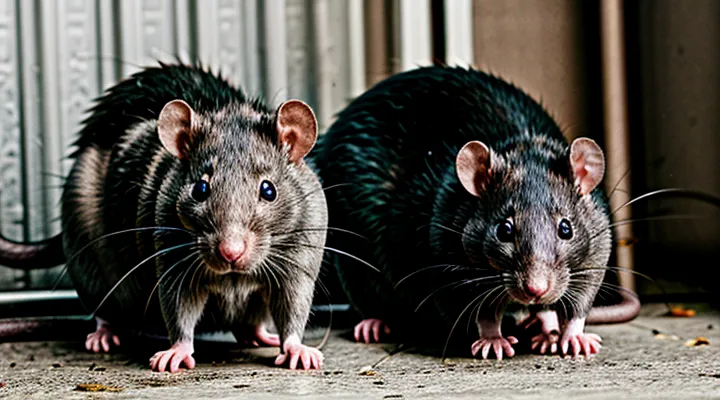
Rabies in Rodents: A Rare Occurrence
Understanding Rabies Transmission
What is Rabies?
Rabies is an acute, neurotropic viral disease caused by members of the Lyssavirus genus. The virus infects mammals through saliva, typically introduced by a bite or scratch from an infected animal. Once inside the host, the pathogen travels from peripheral nerves to the central nervous system, where it replicates and induces progressive encephalitis.
The incubation period varies from weeks to months, depending on factors such as wound location and viral load. Early clinical signs include fever, headache, and malaise, followed by neurological manifestations:
- Hyperactivity or aggression
- Hydrophobia and difficulty swallowing
- Excessive salivation
- Paralysis progressing to coma
Without timely intervention, the disease is invariably fatal. Prevention relies on two primary strategies:
- Pre‑exposure vaccination for individuals at high risk (e.g., animal handlers, laboratory personnel). The regimen consists of three intramuscular doses administered on days 0, 7, and 21 or 28.
- Post‑exposure prophylaxis following a potential exposure. Immediate thorough wound cleansing with soap and water is essential, followed by administration of rabies immune globulin and a series of four vaccine doses on days 0, 3, 7, and 14.
Control of rabies in animal reservoirs, especially domestic dogs, reduces the likelihood of spillover to humans and other species. Surveillance, vaccination campaigns, and public education are critical components of a comprehensive rabies management program.
Typical Rabies Vectors
Rabbies is most commonly spread through the saliva of infected mammals when it enters a wound or mucous membrane. The principal carriers worldwide include domestic dogs, which account for the majority of human cases in regions where vaccination is limited. Cats also transmit the virus, particularly stray or feral individuals that hunt rodents. Among wildlife, the following species are recognized as frequent vectors:
- Bats – primary source of human infections in many developed countries; virus persists in colonies and can be transmitted through bites or scratches.
- Raccoons – prevalent in North America; urban and suburban populations frequently encounter humans.
- Foxes – common vectors in Europe and parts of Asia; aggressive behavior during rabies outbreaks increases exposure risk.
- Skunks – responsible for a substantial portion of cases in Canada and northern United States.
- Coyotes – expanding range brings them into contact with human habitats, especially in rural areas.
- Mongooses – notable vectors in Caribbean islands and parts of Africa where they are abundant.
These animals maintain rabies cycles in their respective ecosystems, often without showing overt clinical signs until late stages. Control measures focus on vaccination of domestic dogs and cats, oral rabies vaccine baits for wildlife, and public education on avoiding contact with suspect animals. While rats can carry the virus experimentally, natural infection rates in rodent populations are extremely low, and they are not considered a typical source of human rabies transmission.
The Unlikely Link: Rats and Rabies
Documented Cases and Scientific Evidence
Rats are frequent occupants of human environments, yet epidemiological records contain no verified instance of a rat directly transmitting rabies to a person. The United States Centers for Disease Control and Prevention, the World Health Organization, and national public‑health agencies list zero confirmed human rabies cases attributable to rats. Isolated reports of suspected exposure often involve misidentification of the offending animal or lack laboratory confirmation.
Experimental research demonstrates that rats can become infected when inoculated with high viral loads, but the virus rarely reaches the salivary glands, the primary route for transmission. Field serosurveys of wild rodent populations repeatedly report rabies antibody prevalence below 1 %, indicating minimal natural infection rates. Viral replication in rat neural tissue is inefficient, and observed clinical signs differ from the classic rabies presentation in carnivores.
Key evidence supporting the low transmission probability:
- Controlled inoculation studies show limited viral shedding in rat saliva.
- Nationwide surveillance data from 1990‑2023 record no rat‑origin human rabies cases.
- Serological surveys of urban rat colonies reveal seroprevalence rates <0.5 %.
- Comparative pathology indicates rats clear the virus faster than typical reservoir species.
Given the negligible documented risk, preventive measures focus on general rodent control, avoidance of bites, and maintenance of pet vaccination programs. These actions effectively reduce the already minimal chance of rabies exposure from rats.
Reasons for Low Risk in Rodents
Rodents are rarely vectors for rabies because the virus seldom infects them. Experimental studies show that most rodent species develop only transient, low‑titer infections, insufficient for efficient transmission through bites.
Key factors limiting risk include:
- Low susceptibility: Natural exposure rarely leads to productive infection; the virus is often cleared before replication reaches transmissible levels.
- Minimal saliva shedding: Even when infection occurs, viral presence in oral secretions is low, reducing the chance of virus transfer during a bite.
- Limited interaction with primary reservoirs: Rodents typically avoid direct contact with carnivorous mammals—such as raccoons, foxes, and bats—that maintain rabies cycles.
- Short lifespan and high turnover: Populations replace themselves quickly, preventing the establishment of persistent rabies reservoirs.
Epidemiological data support these biological constraints. Surveillance records from health agencies consistently report fewer than one percent of confirmed rabies cases involving rodents, and almost all such incidents involve secondary exposure, where a rodent was bitten by an infected predator and then transmitted the virus to a human.
Consequently, public‑health guidelines prioritize control measures for known reservoir species rather than rodents, focusing resources on vaccination of domestic animals and education about wildlife avoidance.
Assessing Risk and Prevention Strategies
When to Be Concerned
Symptoms of Rabies in Animals
Rabies infection in mammals produces a predictable progression of clinical signs that can be observed in rats, rodents, and other potential vectors. Early manifestations affect the nervous system and may appear within days to weeks after exposure.
- Restlessness, irritability, or unusual aggression
- Excessive salivation, foamy discharge from the mouth
- Difficulty swallowing, leading to a “wet” appearance of the muzzle
- Fever and lethargy
As the disease advances, neurological dysfunction becomes pronounced.
- Partial paralysis of the hind limbs or facial muscles
- Incoordination, stumbling, or inability to maintain balance
- Hyperactivity alternating with periods of apparent coma
- Seizures or convulsions
Terminal stages culminate in severe respiratory failure and death. Recognizing these signs in rats and other animals enables timely quarantine, diagnostic testing, and implementation of preventive measures to protect human health.
Signs of a Rat Bite
Rat bites produce distinct physical cues that signal the need for immediate medical evaluation. The wound typically appears as a puncture or series of punctures, often surrounded by a small area of bruising or swelling. Bleeding may be minimal, but the skin around the bite can become red, warm, and tender to touch.
Key indicators of a rat bite include:
- Sharp, needle‑like puncture marks, usually 1–3 mm in diameter
- Rapid onset of pain or throbbing sensation at the site
- Localized swelling or edema developing within minutes to hours
- Redness that expands outward from the entry point
- Formation of a small blister or ulceration if the bite is deep
- Presence of a foul odor or pus, suggesting secondary bacterial infection
- Fever, chills, or malaise appearing 24–48 hours after the incident, which may signal systemic involvement
If the bite occurs in a region with high rat activity or the animal is suspected of being sick, assess for rabies‑related signs. Early neurological manifestations—such as agitation, excessive salivation, or difficulty swallowing—require urgent consultation with a health professional and consideration of post‑exposure prophylaxis. Prompt wound cleaning, tetanus update, and antibiotic therapy reduce the risk of complications and limit the potential for virus transmission.
Preventing Exposure and What to Do If Bitten
General Rodent Control Measures
Rodent control reduces the likelihood of disease transmission, including rabies, by limiting contact between rats and people. Effective measures combine environmental management, exclusion techniques, and population reduction.
- Seal building openings: Install metal flashing, weather‑stripping, and concrete caps on vents, gaps around pipes, and utility penetrations.
- Eliminate food sources: Store grain, pet food, and waste in sealed containers; clean spills promptly; use covered trash bins.
- Reduce shelter: Remove debris, vegetation, and clutter near structures; keep lawns trimmed; store firewood off the ground.
- Apply traps or bait stations: Use snap traps, live‑catch cages, or authorized anticoagulant baits according to local regulations; monitor and replace regularly.
- Conduct routine inspections: Survey premises quarterly for signs of activity, such as droppings, gnaw marks, or burrows; document findings and adjust actions accordingly.
Integrated pest management (IPM) coordinates these tactics, prioritizing prevention over eradication. Documentation of control activities supports compliance with health‑department guidelines and facilitates rapid response if rodent‑borne threats emerge.
Post-Exposure Prophylaxis (PEP) Guidelines
Post‑exposure prophylaxis (PEP) is the standard medical response after a potential rabies exposure from a rodent bite or scratch. Immediate wound cleansing with soap and running water for at least 15 minutes reduces viral load and is the first critical step.
The recommended PEP regimen consists of two components: rabies‑immune globulin (RIG) and a series of inactivated rabies vaccine doses. RIG, 20 IU/kg of body weight, is infiltrated around the wound site; any remaining volume is administered intramuscularly at a distant site. The vaccine schedule typically follows days 0, 3, 7, and 14, with an additional dose on day 28 for immunocompromised patients. Each dose is given intramuscularly into the deltoid muscle of the non‑dominant arm.
Eligibility for PEP is determined by a risk assessment that considers the animal’s species, health status, and exposure circumstances. Rats are low‑risk carriers, but documented cases of rabies transmission from laboratory‑bred or wild‑caught rodents justify prophylaxis when the animal’s rabies status is unknown or the bite is deep, puncturing, or accompanied by bleeding.
Contraindications include severe allergic reactions to vaccine components or RIG. In such cases, alternative passive immunization with monoclon‑specific antibodies may be considered, and the vaccine series should be adjusted under specialist supervision.
Follow‑up includes observation of the animal, if possible, for a minimum of 10 days, and serological testing 14 days after the final vaccine dose to confirm adequate antibody response. Documentation of each PEP step is essential for legal and medical records.
Prompt initiation of the outlined protocol, adherence to the dosing timeline, and thorough wound care together provide the highest probability of preventing rabies onset after a rat‑related exposure.
Consulting a Medical Professional
When a rat bite or exposure to rat saliva occurs, immediate evaluation by a qualified health practitioner is essential. A medical professional can determine whether rabies exposure is plausible based on the animal’s behavior, geographic prevalence of the virus, and the circumstances of contact.
Key reasons to seek professional advice include:
- Verification of vaccination status for the patient and assessment of prior immunizations against rabies.
- Clinical examination for wound severity and identification of infection signs that may require antibiotics or tetanus prophylaxis.
- Decision‑making regarding post‑exposure rabies prophylaxis, which involves a series of vaccine doses and, when indicated, rabies immune globulin.
- Documentation of the incident for public‑health reporting and potential epidemiological investigation.
The consultation process typically follows these steps:
- Describe the incident in detail: date, location, type of contact, and condition of the rat.
- Provide personal medical history, including allergies, current medications, and previous rabies vaccinations.
- Undergo a physical assessment of the wound, followed by cleaning and, if necessary, suturing.
- Receive a risk assessment from the clinician, who will advise on the need for rabies post‑exposure treatment or alternative care.
Prompt medical evaluation reduces the likelihood of severe outcomes and ensures that preventive measures are applied correctly. Delay increases uncertainty about viral transmission and may compromise the effectiveness of prophylactic interventions.