
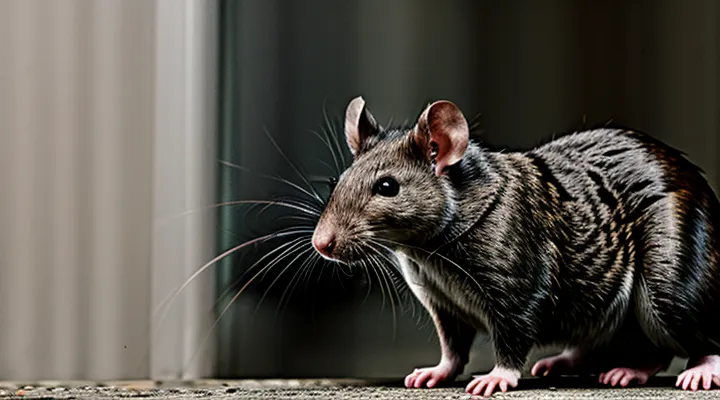
Understanding Rabies Transmission
What is Rabies?
Rabies is an acute, fatal encephalitis caused by a neurotropic RNA virus of the Rhabdoviridae family. The virus infects mammals through the nervous system, replicating in peripheral nerves before reaching the central nervous system. Once clinical signs appear, the disease progresses rapidly to coma and death.
Key characteristics of rabies infection:
- Transmission occurs primarily via bites or scratches from infected animals; saliva containing the virus is the main vector.
- The incubation period varies from weeks to months, influenced by the site of entry and viral load.
- Early symptoms include fever, headache, and malaise; neurological signs progress to agitation, hydrophobia, and paralysis.
- Post‑exposure prophylaxis, consisting of wound cleansing, rabies immunoglobulin, and a vaccine series, prevents disease if administered promptly.
Rodents, including rats, are rarely identified as natural reservoirs for the virus. Documented cases of rabies in rats are exceptional and usually result from exposure to a highly infected predator. Consequently, the likelihood that rats serve as a significant source of rabies transmission to humans or other animals is minimal.
How Rabies is Transmitted
Animal Bites
Rats are frequently implicated in bite incidents, yet their role as vectors for rabies remains limited. Rabies virus circulates primarily among carnivorous mammals such as dogs, foxes, and bats; rodent populations, including rats, rarely develop clinical rabies and seldom transmit the pathogen through saliva.
Key points concerning rat bites and rabies risk:
- Incidence: Rat bite reports outnumber confirmed rabies cases in rodents by a wide margin. Surveillance data show fewer than one percent of documented rodent bites involve a rabid animal.
- Virus presence: Experimental infection demonstrates low viral replication in rat salivary glands, reducing the probability of transmission.
- Geographic variation: Areas with endemic rabies in wildlife may see isolated rodent infections, but these events are exceptional and not predictive of routine risk.
When a rat bite occurs, medical management should focus on wound care and infection control rather than rabies prophylaxis, unless the animal exhibits signs of rabies or originates from a high‑risk region. Recommended actions include:
- Immediate irrigation with clean water and mild soap.
- Inspection for deep punctures; seek professional debridement if necessary.
- Tetanus immunization update if indicated.
- Evaluation of rabies exposure based on animal behavior, regional prevalence, and veterinary assessment; administer post‑exposure prophylaxis only when justified.
Overall, rat bites present a modest threat of bacterial infection and tissue damage, while the likelihood of rabies transmission from rats is exceedingly low compared with bites from known rabies reservoirs.
Other Exposure Routes
Rats can present rabies risk through mechanisms other than direct bites. Virus particles may be present in saliva, urine, or feces of an infected rodent; contact with these materials can lead to infection if they breach skin integrity or reach mucous membranes. Scratches that break the epidermis and become contaminated with saliva constitute a recognized transmission pathway. Inhalation of aerosolized droplets generated during handling of heavily soiled cages or during necropsy of infected specimens can introduce the virus into the respiratory tract. Mucosal exposure—eyes, nose, or mouth—occurs when contaminated secretions splash onto these surfaces. Additionally, indirect transmission is possible via fomites: surfaces or equipment contaminated with infectious fluids that are later touched by a susceptible individual, especially if the skin is compromised. Each route requires a viable virus dose and a portal of entry; without these conditions, transmission is unlikely.
Rabies in Rodents
Prevalence in Small Mammals
CDC Guidelines
The Centers for Disease Control and Prevention (CDC) classifies rats as low‑risk mammals for rabies transmission. Surveillance data show no confirmed rabies cases in wild or domestic rats in the United States, and the virus is rarely detected in this order.
Risk assessment relies on three factors: (1) the species involved, (2) exposure type, and (3) geographic rabies prevalence. Because rats are not typical rabies reservoirs, the CDC considers bite or scratch incidents from rats to present minimal infection risk, even in areas where rabies is endemic among wildlife.
CDC recommendations for rat‑related exposures include:
- Immediate wound cleansing with soap and water for at least 15 minutes.
- Evaluation by a healthcare professional to determine the need for post‑exposure prophylaxis (PEP); PEP is generally not indicated for rat bites unless the animal is known to be rabid or cannot be observed.
- Observation of the rat for 10 days if the animal is available; lack of clinical signs during this period supports a low likelihood of rabies.
- Reporting the incident to local health authorities when the rat’s rabies status is unknown or when the exposure involves a captive or exotic rat species.
The CDC advises against routine rabies vaccination of rats. Instead, the agency emphasizes proper animal handling, prompt wound care, and adherence to local public‑health reporting protocols to manage potential exposures effectively.
World Health Organization Perspective
The World Health Organization (WHO) classifies rabies as a zoonotic disease primarily maintained in carnivorous mammals, especially dogs, and in certain wildlife species such as bats, foxes, and raccoons. Surveillance data indicate that rodents, including rats, are rarely infected with the rabies virus. Documented cases of rabies in rats are exceptionally scarce and typically result from experimental infection rather than natural transmission.
WHO guidance on animal bites emphasizes risk assessment based on the species involved, the epidemiological situation in the region, and the health status of the offending animal. For rat bites, the organization advises the following actions:
- Immediate thorough washing of the wound with soap and water.
- Evaluation of the bite for signs of infection; standard medical treatment should be provided if needed.
- Rabies post‑exposure prophylaxis (PEP) only when the rat is confirmed or highly suspected to be rabid, which is uncommon in most settings.
- Reporting the incident to local health authorities to support surveillance efforts.
The WHO also recommends public education on avoiding contact with wild rodents, proper handling of laboratory animals, and maintaining rodent control measures in urban environments to reduce potential exposure to various pathogens. Rabies vaccination programs focus on high‑risk animal reservoirs; rats are not included in routine vaccination strategies due to their negligible role in virus transmission.
Why Rats Are Low-Risk Carriers
Biological Factors
Rats are mammals with physiological traits that limit their capacity to serve as effective rabies vectors. The virus requires replication in neuronal tissue and subsequent shedding in saliva for transmission. In rats, the following biological factors reduce this risk:
- Low susceptibility to infection; experimental studies show limited viral replication in rodent neural pathways.
- Minimal viral load in salivary glands; even when infection occurs, the concentration of rabies virus in saliva is insufficient for efficient transmission.
- Short incubation period relative to larger carnivores; infected rats often die before the virus reaches the salivary glands.
- Social behavior that limits bite exposure; rats typically avoid aggressive confrontations that would generate deep wounds necessary for virus entry.
These characteristics differentiate rats from recognized reservoirs such as raccoons, skunks, and foxes, which exhibit high viral replication, prolonged salivary shedding, and aggressive interactions that facilitate bite transmission. Consequently, the biological profile of rats does not support a significant role in spreading rabies to humans or other animals.
Behavioral Patterns
Rats exhibit social hierarchies that shape contact rates within colonies. Dominant individuals patrol nesting areas, while subordinates remain peripheral, limiting the number of direct bites among conspecifics. This structure reduces the likelihood of virus spread through aggressive encounters.
Nocturnal foraging drives rats into human‑occupied spaces. Contact with domestic animals, especially unvaccinated dogs or cats, creates cross‑species transmission pathways. When rodents scavenge garbage or enter basements, they encounter potential rabies vectors such as raccoons or foxes, increasing exposure risk.
Grooming behavior removes external parasites but does not eliminate saliva‑borne pathogens. Rats frequently bite each other during territorial disputes; however, bite frequency is low compared to carnivorous mammals that serve as primary rabies reservoirs. The limited duration of salivary contact during rodent bites further diminishes transmission probability.
Key behavioral factors influencing rabies risk:
- Territorial aggression: brief, infrequent bites among peers.
- Exploratory foraging: occasional overlap with rabies‑positive wildlife.
- Social grooming: reduces ectoparasite load but does not affect viral particles in saliva.
- Stress‑induced activity: heightened movement during population surges may increase incidental contacts with infected animals.
Overall, rat behavior limits the efficiency of rabies transmission, making rodents a marginal source compared with established wildlife reservoirs.
What to Do After a Rat Bite
Cleaning the Wound
When a rat bite occurs, immediate wound care reduces the chance of infection and limits exposure to rabies virus. Prompt cleaning removes saliva, blood, and debris that may contain pathogens.
- Wash hands thoroughly before touching the wound.
- Rinse the bite with clean running water for at least 30 seconds.
- Apply mild soap around the edges; avoid scrubbing the tissue itself.
- Use a sterile gauze pad to press gently, allowing excess fluid to drain.
- Irrigate the wound with a saline solution or diluted povidone‑iodine; repeat until the water runs clear.
- Cover the area with a sterile, non‑adhesive dressing to protect against further contamination.
After initial care, seek professional medical evaluation. Health‑care providers will assess the need for rabies post‑exposure prophylaxis, tetanus booster, and possible antibiotics. Documentation of the incident and identification of the animal aid decision‑making regarding vaccine administration.
When to Seek Medical Attention
Rats can bite, scratch, or contaminate wounds with saliva that may contain rabies virus. Immediate evaluation is required whenever a rat‑related incident creates a potential route for the pathogen.
- Bite or puncture wound from a rat, regardless of depth
- Scratch that breaks skin, especially if the animal’s mouth contacted the area
- Contact of rat saliva with an open wound, mucous membrane, or eye
- Exposure to a rat of unknown vaccination status in a region where rabies is present
- Development of pain, tingling, swelling, or redness at the site within 24 hours
- Appearance of fever, headache, or neurological symptoms after the incident
If any condition above applies, seek professional medical care without delay. Clean the wound thoroughly with soap and water, apply an antiseptic, and present the case to a healthcare provider who can assess the need for rabies post‑exposure prophylaxis. Documentation of the animal’s origin and health status should be provided to facilitate risk assessment. Prompt treatment reduces the likelihood of disease progression and improves outcomes.
Post-Exposure Prophylaxis (PEP) Considerations
Rats are rarely implicated in rabies transmission, yet any bite or scratch from a rodent warrants a systematic assessment before dismissing prophylactic treatment. The decision to initiate post‑exposure prophylaxis (PEP) hinges on three primary factors: the animal’s health status, the epidemiology of rabies in the region, and the nature of the exposure.
- Verify whether the rat displayed abnormal behavior, neurological signs, or was found dead under suspicious circumstances. Healthy‑looking, captive‑bred specimens from low‑risk areas generally present minimal danger.
- Confirm local rabies prevalence among wildlife reservoirs. In regions where rabies circulates among foxes, raccoons, or bats, occasional spill‑over to rodents can occur, raising the precautionary threshold.
- Evaluate wound characteristics: depth, location, and contamination level. Deep punctures or scratches on mucous membranes increase viral entry risk and strengthen the case for PEP.
If risk assessment indicates potential exposure, the standard protocol includes immediate thorough irrigation of the wound with soap and water, followed by administration of rabies immune globulin (RIG) at the wound site and initiation of the vaccine series on days 0, 3, 7, and 14. Immunocompromised patients may require an additional dose on day 28. Documentation of the animal’s origin and health status assists public health authorities in determining whether laboratory testing of the specimen is feasible; a negative result can halt further prophylaxis.
When the rat is unavailable for testing or originates from an endemic zone, clinicians should err on the side of caution and complete the full PEP regimen. This approach aligns with established guidelines and minimizes the rare but fatal outcome of untreated rabies infection.
Preventing Rodent Infestations
Securing Food Sources
Rats are common in environments where food is stored, yet the species is rarely a vector for the rabies virus. Laboratory studies and field surveys show that natural infection in rats occurs infrequently, and documented cases of rabies transmission from rats to humans are virtually absent. Consequently, the primary health concern associated with rodents in food‑handling areas centers on contamination rather than viral spillover.
Because rabies poses minimal direct threat, food‑security strategies should focus on preventing rodent access, minimizing contamination, and maintaining sanitary conditions. Effective control reduces the likelihood of bacterial, viral, and parasitic agents that can compromise food quality and safety.
Key actions for protecting food supplies include:
- Sealing entry points: install metal screens, weather‑stripping, and concrete pads to block burrows and gaps.
- Eliminating attractants: store waste in sealed containers, clean spills promptly, and keep feed in rodent‑proof bins.
- Implementing regular inspections: conduct visual checks of storage areas, monitor for droppings, gnaw marks, and nest material.
- Applying integrated pest management: combine traps, bait stations, and biological controls while avoiding broad‑spectrum poisons that may contaminate food.
- Maintaining environmental hygiene: enforce strict cleaning schedules, sanitize surfaces, and control humidity to deter nesting.
By prioritizing these measures, food managers mitigate the real risks posed by rats, preserve nutritional integrity, and maintain public confidence in the safety of stored provisions.
Eliminating Entry Points
Rats rarely carry the rabies virus, but preventing their access to buildings limits any chance of exposure. Sealing gaps and openings removes the primary pathway for rodents to enter indoor spaces where humans and pets may encounter them.
Typical ingress sites include:
- Cracks around doors, windows, and foundation walls.
- Gaps surrounding utility penetrations such as pipes, cables, and vents.
- Unscreened openings in crawl spaces, attics, and basements.
- Damaged or missing weather stripping and door sweeps.
Effective measures:
- Inspect exterior walls and foundations for fissures; fill with cement or appropriate sealant.
- Install metal flashing around utility entries; use expanding foam for minor gaps.
- Fit fine mesh screens on vents, chimneys, and exhaust fans; replace deteriorated screens promptly.
- Maintain door sweeps and weather stripping; replace worn components.
- Keep vegetation trimmed at least 12 inches from the structure; remove debris that can conceal entry points.
Regular audits of the building envelope ensure that newly formed gaps are identified and repaired before rats can exploit them, thereby minimizing any indirect rabies transmission risk.
Professional Pest Control
Rats are rarely identified as natural reservoirs for the rabies virus. Surveillance data from health agencies show that most confirmed rabies cases involve carnivorous mammals such as raccoons, skunks, and bats. Rodent infections are exceptional and typically result from exposure to a rabid predator rather than from the rodents themselves.
Scientific studies confirm that healthy rats seldom carry the virus. Experimental inoculation demonstrates that rodents can develop antibodies without becoming efficient transmitters. Consequently, direct transmission from rats to humans or domestic animals is considered an uncommon event.
Professional pest‑control services address the low but present risk by reducing rodent populations and limiting contact with potential rabid wildlife. Their expertise includes:
- Inspection of structures to locate entry points and nesting sites.
- Installation of sealed barriers and exclusion devices to prevent ingress.
- Deployment of bait stations and traps calibrated to local regulations.
- Ongoing monitoring to verify that rodent activity remains below actionable thresholds.
When a rat bite or scratch occurs, certified pest managers advise immediate wound cleansing, medical evaluation, and, if warranted, consultation with a veterinarian or public‑health authority. Their protocols integrate environmental sanitation, habitat modification, and education of property owners to sustain long‑term control and minimize any chance of rabies exposure.