
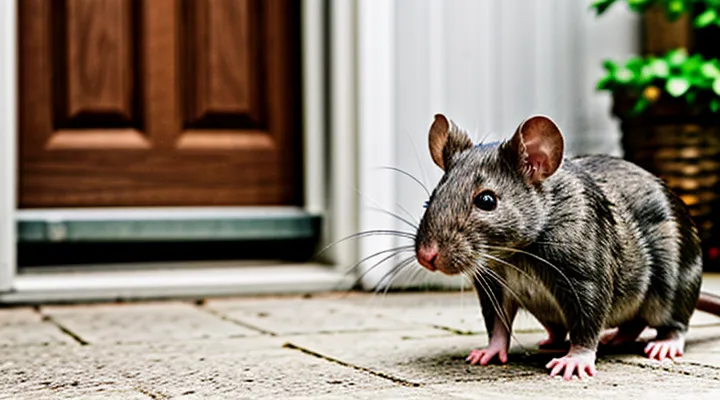
The Social Lives of Rats
Rat Intelligence and Emotional Capacity
Evidence of Complex Emotions in Rodents
Research on murine affective states demonstrates that rats exhibit behavioral and physiological patterns consistent with complex emotions. Laboratory observations show that individuals develop preference for specific handlers, display distress when separated, and seek reunion, indicating attachment-like processes.
Key empirical findings include:
- Conditioned place preference: Rats repeatedly choose environments associated with a familiar caregiver, reflecting positive affect linked to the caretaker’s presence.
- Ultrasonic vocalizations: High-frequency calls increase during separation and diminish upon reunion, mirroring vocal indicators of anxiety and relief observed in other mammals.
- Stress hormone profiles: Corticosterone spikes during brief isolation and normalize after reuniting with the same handler, demonstrating a physiological response to social loss.
- Neural activation patterns: Functional imaging reveals heightened activity in the amygdala and nucleus accumbens when rats anticipate interaction with a known human, regions implicated in emotional processing and reward.
These data collectively support the conclusion that rats possess emotional capacities beyond simple conditioning, encompassing elements of longing, anxiety, and pleasure associated with familiar humans. Consequently, the notion that rodents may experience a form of missing their owners aligns with current scientific evidence.
Social Bonding in Rat Colonies
Rats form stable social structures that influence their response to separation from familiar humans. Within a colony, individuals develop affiliative bonds through grooming, huddling, and shared nesting. These interactions create a hierarchy of trust that persists even when a caretaker is removed.
Research using partner‑preference tests shows that rats preferentially approach cages containing familiar handlers over strangers. Physiological measures, such as elevated oxytocin and reduced cortisol, accompany successful reunions, indicating that the animal perceives the human as a social partner rather than merely a food source.
Key observations of rat social bonding include:
- Mutual grooming lasting several minutes, which reinforces pairwise connections.
- Co‑sleeping in the same nest chamber, reducing individual stress levels.
- Coordinated foraging, where experienced individuals lead naïve conspecifics to resources.
When a primary caregiver is absent, rats display:
- Increased vocalizations resembling distress calls.
- Extended periods of inactivity near the empty enclosure.
- Heightened exploratory behavior in search of the missing individual.
These patterns suggest that the emotional attachment formed within the colony extends to humans who regularly interact with the rats, providing a basis for the animal’s capacity to miss its owner after separation.
Do Rats Form Bonds with Humans?
Recognizing Familiar Faces and Scents
Rats possess acute visual and olfactory systems that enable them to differentiate individual humans. Studies using maze tests show that rats repeatedly choose paths leading to a person whose face they have previously encountered, indicating reliable facial recognition. Their visual acuity, while lower than that of primates, focuses on motion patterns and distinctive features such as hair color or facial shape, allowing discrimination among caretakers and strangers.
Olfactory discrimination complements visual cues. Laboratory experiments demonstrate that rats respond more quickly to bedding scented with a familiar handler than to neutral or novel odors. The scent of a specific individual becomes associated with food delivery and safe handling, creating a strong associative memory. When the familiar scent is absent, rats exhibit increased exploratory behavior and heightened vigilance, suggesting detection of a missing olfactory cue.
Key mechanisms underlying recognition:
- Facial pattern memory – encoded during repeated handling sessions; persists for weeks.
- Scent imprinting – formed through exposure to skin oils, sweat, and breath; reinforced by feeding.
- Associative learning – links both visual and olfactory signals to positive outcomes (e.g., food, gentle touch).
The combination of these sensory processes explains why rats often display signs of distress or altered activity when a regular caretaker is away. Absence of familiar faces or scents disrupts established expectations, leading to measurable behavioral changes that align with the concept of missing an owner.
Behavioral Indicators of Attachment
Greeting Rituals
Rats display distinct greeting rituals that reveal their recognition of and attachment to familiar humans. When an owner returns, a rat may approach with a raised head, ears forward, and whiskers oriented toward the person. This posture signals alertness and willingness to engage. The animal often initiates contact by nudging the hand or nose against the skin, a behavior rooted in scent exchange and social bonding.
Key elements of a rat’s greeting routine include:
- Approach distance: Rats typically close the gap within a few seconds of detecting the owner’s presence, demonstrating anticipation.
- Vocalizations: Soft chirps or squeaks accompany the approach, serving as auditory cues that reinforce the interaction.
- Physical contact: Repeated nose‑to‑hand touches, gentle nibbling, and occasional grooming of the owner’s fingers indicate trust.
- Body language: Tail held low or slightly curled, coupled with relaxed posture, reflects a calm state rather than defensive tension.
These actions collectively suggest that rats form a mental representation of their caretaker and respond with a consistent set of behaviors when reunited. The rituals function as both a greeting and an affirmation of the established bond, providing measurable indicators that the animal registers the owner’s return.
Seeking Attention and Comfort
Rats are highly social mammals that rely on tactile and olfactory contact for emotional stability. When a familiar caretaker is absent, they display increased vocalizations, heightened activity, and repeated attempts to locate the source of previous interaction. These behaviors indicate a drive to re‑establish the bond rather than random curiosity.
Research on rodent stress responses shows elevated corticosterone levels during periods of isolation, accompanied by reduced exploratory behavior. Direct contact with a known human lowers these physiological markers, confirming that attention from a caregiver functions as a calming stimulus. The same effect is observed when rats receive gentle handling, which triggers the release of oxytocin‑like peptides linked to social bonding.
The underlying mechanisms involve learned associations between the owner’s scent, voice, and the provision of food or shelter. Over time, rats develop a mental map linking these cues to safety and nourishment. When the cues disappear, the animal’s internal alarm system activates, prompting seeking behavior aimed at restoring the missing source of comfort.
Owners can mitigate separation‑induced stress through consistent routines:
- Schedule brief, daily handling sessions lasting 5–10 minutes.
- Provide enrichment items (tunnels, chew toys) that retain the owner’s scent.
- Maintain a predictable feeding timetable to reinforce reliability.
- Offer a warm, quiet retreat where the rat can retreat when the owner is away.
Implementing these practices satisfies the rat’s innate need for attention and comfort, reducing signs of distress and strengthening the interspecies bond.
The Concept of «Missing» in Animals
Understanding Animal Grief and Separation Anxiety
Rats demonstrate emotional responses that align with grief and separation anxiety when deprived of familiar caretakers. Scientific observations show increased vocalizations, heightened vigilance, and alterations in grooming patterns shortly after a caregiver’s absence. These behaviors indicate a stress reaction comparable to that seen in other mammals.
Key physiological and behavioral markers of rat distress include:
- Elevated corticosterone levels measurable in blood or saliva.
- Repetitive pacing or attempts to escape confinement.
- Withdrawal from social interaction with conspecifics.
- Persistent ultrasonic vocalizations, especially in the 22‑kHz range.
- Disruption of normal feeding and sleep cycles.
Research employing controlled experiments reveals that rats form lasting bonds with humans who provide regular handling, food, and enrichment. When those interactions cease, the animals exhibit a measurable decline in exploratory behavior and a rise in anxiety‑related performance on maze tests. Re‑introduction of the caretaker typically restores baseline activity within hours, suggesting that the emotional impact is both acute and reversible.
Mitigation strategies for owners include maintaining a consistent schedule, providing enrichment objects that retain the caretaker’s scent, and gradually acclimating rats to brief periods of separation. Monitoring stress hormones and behavioral cues can guide adjustments to housing conditions, ensuring that the animals’ welfare remains stable during inevitable absences.
Comparing Rat Behavior to Other Domesticated Animals
Rats display social bonds that resemble attachment patterns observed in other companion species, yet the expression of those bonds differs in measurable ways. Research on rodent cognition shows that rats recognize individual caretakers, form preferences, and exhibit stress responses when separated. Compared with dogs, cats, and guinea pigs, the following distinctions emerge:
- Attachment formation: Dogs develop sustained proximity seeking and vocalizations toward owners; cats show intermittent affection and territorial marking; guinea pigs maintain group cohesion and emit distress calls when isolated. Rats prioritize scent and tactile cues, showing rapid habituation to a familiar handler and increased locomotor activity during brief separations.
- Separation anxiety: Dogs often display prolonged whining, pacing, and attempts to escape confinement. Cats may hide or become overly vocal. Guinea pigs produce high-pitched alarm calls and exhibit reduced feeding. Rats present a short‑term elevation in corticosterone levels and exploratory behavior, returning to baseline within hours.
- Reunion response: Dogs greet owners with tail wagging, licking, and sustained eye contact. Cats may rub against the owner’s legs or purr intermittently. Guinea pigs increase social grooming and emit soft chirps. Rats approach the caretaker, sniff intensively, and engage in brief investigative play, indicating recognition without prolonged affection.
These comparative data suggest that rats experience a form of loss when their human caretaker is absent, but the intensity, duration, and behavioral manifestations are less overt than those of larger mammals. The evidence supports the conclusion that rats miss their owners in a manner consistent with their species‑specific social structure and neurophysiology.
Factors Influencing Rat-Human Bonds
Early Socialization and Handling
Early interaction with humans shapes a rat’s capacity for attachment. From birth to weaning, regular gentle contact conditions the animal to recognize caretakers as sources of safety and food. Handling that includes stroking, scent transfer, and brief confinement reduces fear responses and establishes a baseline of trust.
Consistent handling during the first four weeks yields measurable outcomes:
- Increased willingness to approach the handler within seconds of entry.
- Lower cortisol spikes during novel situations, indicating reduced stress.
- Preference for the handler’s scent over unfamiliar conspecifics when presented with choice tests.
These behavioral markers predict the likelihood that a rat will seek its caretaker after periods of separation. The stronger the early bond, the higher the probability of reunion‑oriented actions such as vocalizations, exploration of the owner’s scent, and anticipatory activity at the cage entrance.
Consistency of Interaction
Rats develop expectations based on the regularity of human contact. When interactions occur at predictable intervals, the animals learn to anticipate the presence of a specific individual, reinforcing a bond that can be measured through altered activity patterns, vocalizations, and proximity-seeking behavior. Disruption of this schedule often leads to heightened alertness, increased exploration of the environment, and reduced engagement with the caretaker once contact resumes.
Key effects of consistent interaction include:
- Strengthened recognition of the caretaker’s scent and voice.
- Elevated baseline levels of oxytocin‑like neuropeptides, supporting social attachment.
- Faster habituation to novel stimuli when the owner is present, indicating reduced stress.
- More frequent initiation of contact‑seeking actions, such as climbing onto the hand or following the owner’s movements.
Conversely, irregular or sparse contact diminishes these responses, suggesting that the perception of loss is linked to the breakdown of established interaction patterns rather than an innate yearning for the owner.
Individual Rat Personalities
Rats exhibit distinct, measurable personality dimensions that influence their social bonds and responses to separation. Researchers have identified consistent individual differences across several behavioral axes, allowing prediction of how a rat will react when its caretaker is absent.
Key personality traits include:
- Exploratory tendency – frequency of novel environment investigation; high scores correlate with rapid adaptation to new routines.
- Boldness – willingness to approach unfamiliar objects or humans; bold individuals display reduced stress markers during brief separations.
- Sociability – preference for conspecific interaction versus solitary activity; highly sociable rats form stronger affiliative ties with caregivers.
- Emotional reactivity – intensity of physiological response (e.g., corticosterone surge) to stressors; elevated reactivity predicts heightened distress during owner absence.
Empirical data show that rats scoring high on sociability and emotional reactivity exhibit measurable signs of distress—such as increased vocalizations, elevated heart rate, and heightened locomotor activity—when deprived of regular human contact. Conversely, bold, low‑reactivity individuals often maintain baseline behavior, suggesting that personality modulates the perception of loss.
These findings imply that the likelihood of a rat “missing” its owner is not uniform across the species but varies according to each animal’s personality profile. Understanding these individual differences enables caretakers to tailor enrichment and interaction schedules, reducing separation‑related stress for the most vulnerable rats.
How to Strengthen Your Bond with Your Pet Rat
Interactive Play and Training
Interactive play provides rats with mental stimulation that mirrors the social interaction they receive from their caretakers. When owners engage in structured games—such as obstacle courses, puzzle feeders, and gentle hand‑guided chase—rats display heightened alertness and a willingness to seek out the participant. This behavior indicates that the animal associates the activity with a positive social presence, which can reduce signs of separation stress.
Training sessions reinforce the bond through consistent cues and rewards. By teaching simple commands (e.g., “come,” “stay,” or target‑touch), owners create predictable patterns that rats learn to anticipate. The resulting anticipation of interaction demonstrates that rats recognize and respond to the identity of the caregiver rather than merely to the activity itself.
Key components of effective interactive sessions include:
- Varied enrichment tools that require problem‑solving.
- Short, frequent training periods (5–10 minutes) to maintain focus.
- Consistent verbal or tactile signals paired with treats.
- Gradual increase in task difficulty to sustain engagement.
When these elements are applied regularly, rats exhibit reduced vocalizations and grooming excesses after the owner’s absence. The observable decrease in stress‑related behaviors supports the conclusion that interactive play and training mitigate the emotional impact of separation, suggesting that rats do form a measurable attachment to their owners.
Providing a Stimulating Environment
Pet rats thrive when their surroundings encourage natural behaviors. A varied enclosure reduces stress, supports cognitive health, and can influence the bond they form with human caretakers.
Key elements of an enriching habitat include:
- Multiple levels or climbing structures to satisfy arboreal instincts.
- Secure tunnels and hideouts that mimic burrows, providing privacy.
- Objects that can be gnawed, such as untreated wood blocks, to maintain dental health.
- Puzzle feeders that require problem‑solving for food access, stimulating mental activity.
- Rotating toys or novel items introduced weekly to prevent habituation.
Consistent cleaning, adequate space, and regular interaction complement these features, creating an environment where rats are more likely to display contentment and exhibit behaviors indicative of attachment to their owners.
Positive Reinforcement Techniques
Rats develop social bonds with their caretakers, and observable reactions during separation can indicate attachment. Positive reinforcement provides a measurable method to reinforce and evaluate these reactions.
Reward‑based training relies on delivering a desirable stimulus immediately after a target behavior. Effective reinforcement requires consistency, precise timing, and a reward that the rat values, such as a small piece of fresh fruit, a seed, or a brief session of gentle handling.
- Offer a favored treat the moment the rat approaches the owner’s hand or voice.
- Use a clicker or a brief tactile cue to mark the exact instant of contact, followed by the reward.
- Incorporate short play intervals after the rat initiates interaction, reinforcing the behavior with additional treats.
- Apply gentle grooming or petting only when the rat voluntarily seeks contact, pairing the action with a treat to strengthen the association.
When a rat consistently seeks the owner after a brief absence, displays rapid approach, or emits vocalizations during training, these responses suggest a perceived loss of companionship. Repeated reinforcement of such behaviors solidifies the bond and provides clear evidence of attachment.
To implement the technique, owners should:
- Identify the rat’s preferred food or tactile reward.
- Conduct brief training sessions (2–5 minutes) several times daily, focusing on approach and contact cues.
- Record the latency between the owner’s return and the rat’s response, noting any reduction over successive sessions.
- Adjust reward type or timing if the rat shows diminished interest, ensuring the reinforcement remains effective.
Consistent application of these methods clarifies whether a rat experiences separation distress and enhances the relational connection between animal and caretaker.