
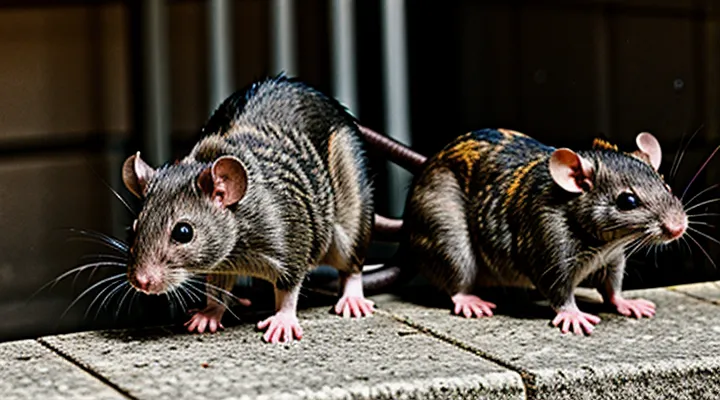
The Sound Repertoire of Rats
Understanding Rat Communication
Vocalizations Beyond Hissing
Rats produce a diverse array of sounds that extend far beyond the familiar hiss. Their vocal repertoire includes high‑frequency squeaks, ultrasonic calls, and low‑frequency chirps, each serving a specific communicative function.
Squeaks are audible to humans and typically arise when a rat experiences pain, fear, or sudden stress. The rapid, sharp quality of these vocalizations signals immediate danger to conspecifics and can provoke defensive or avoidance behavior in nearby individuals.
Ultrasonic vocalizations (USVs) exceed the range of human hearing, usually falling between 20 and 100 kHz. Rats emit USVs during social interactions such as mating, play, and maternal care. Distinct frequency patterns differentiate positive contexts (e.g., 50 kHz calls during play) from negative ones (e.g., 22 kHz calls associated with threat or frustration).
Low‑frequency chirps, sometimes described as “purring,” occur during grooming or contented resting. These soft, rhythmic sounds convey a state of relaxation and reinforce social bonds within a group.
Typical rat vocalizations:
- High‑frequency squeak: sharp, audible; indicates pain or acute stress.
- 22 kHz ultrasonic call: prolonged, low‑pitch; associated with fear, aggression, or social defeat.
- 50 kHz ultrasonic call: brief, high‑pitch; linked to positive social encounters and reward.
- Low‑frequency chirp/purr: soft, rhythmic; reflects contentment and affiliative behavior.
Understanding this spectrum of sounds clarifies how rats navigate their environment, coordinate group activities, and express emotional states without relying solely on the hiss.
Non-Vocal Cues
Rats communicate aggression and discomfort through a range of visual and tactile signals that complement or replace audible hissing. Observers can identify these non‑vocal cues without relying on sound recordings.
- Flattened ears pressed against the head indicate heightened tension.
- Tail held rigidly upright or curled tightly around the body signals a defensive posture.
- Fur standing on end, especially along the back and neck, reflects a fear or threat response.
- Rapid, darting movements and sudden freezes reveal alertness to perceived danger.
- Scent marking with urine or glandular secretions accompanies aggressive encounters, leaving chemical traces for conspecifics.
In addition to posture, facial expressions provide diagnostic information. Darkened eye rings and widened pupils enlarge the visual field, preparing the animal for potential conflict. When a rat arches its back while exposing its teeth, the combination of these visual elements predicts an imminent hiss or bite.
Researchers quantify these behaviors by scoring each cue on a standardized scale, allowing comparisons across studies. Consistent patterns emerge: the more pronounced the ear flattening and tail rigidity, the greater the likelihood of an audible hiss. Consequently, non‑vocal indicators serve as reliable proxies for assessing rat aggression when acoustic data are unavailable.
Why the Question «Do Rats Hiss?» Arises
Common Misconceptions About Rodent Sounds
Rats are capable of producing a hissing sound, but the behavior is frequently misunderstood.
- Hissing is a defensive vocalization, emitted when an animal feels threatened or is trying to deter an intruder. It is not a sign of constant aggression; the sound usually stops once the perceived danger disappears.
- Many people assume that only rats hiss, yet other rodents such as mice, hamsters, and gerbils also hiss under similar circumstances. The acoustic pattern differs slightly among species, but the functional purpose remains comparable.
Common myths about rodent vocalizations often ignore the diversity of sounds they use to communicate.
-
Myth: Rats hiss exclusively; silence indicates a healthy pet.
Fact: Rats produce a range of noises, including ultrasonic chirps, audible squeaks, and teeth‑gnashing sounds. Silence can simply mean the animal is not currently stressed, not that it is automatically healthy. -
Myth: A hiss always signals imminent attack.
Fact: Hissing frequently precedes a warning; the rat may retreat if the threat does not intensify. Aggressive biting is less common than the initial vocal warning. -
Myth: All rodents share identical sound repertoires.
Fact: Species‑specific vocalizations exist. For example, mice emit high‑frequency ultrasonic calls during mating, while gerbils use a series of rapid chattering noises to maintain social bonds.
Understanding the context of each sound eliminates confusion and improves handling practices. Accurate interpretation of hissing, squeaking, and other noises allows owners and researchers to assess welfare, identify stressors, and respond appropriately.
Similarities to Other Animals' Defensive Sounds
Rats produce a sharp, high‑pitched hiss when confronted with a perceived threat. The sound functions as an auditory warning, intended to deter predators or rivals and to signal readiness for aggression.
Similar defensive vocalizations appear across diverse taxa:
- Felines emit a low‑frequency growl or hiss when threatened, combining audible warning with visual cues such as flattened ears.
- Canids use a guttural snarl accompanied by bared teeth, delivering both acoustic and visual signals of hostility.
- Ferrets generate a rapid, high‑frequency chatter that escalates to a hissing tone when cornered, mirroring the rat’s abrupt pitch shift.
- Snakes produce a hiss by forcing air through the glottis, creating a continuous, low‑intensity sound that warns intruders of venomous potential.
- Crocodilians emit a deep, resonant bellow, but also a short, sharp hiss when defending nests, paralleling the rat’s brief warning burst.
- Waterfowl, particularly geese, perform a loud, harsh honk in response to approaching danger, sharing the rat’s purpose of startling aggressors.
Key parallels among these sounds include:
- Rapid onset – immediate production upon detection of threat.
- Elevated frequency – higher pitch enhances detectability at short range.
- Acoustic warning – serves primarily to discourage further approach before physical confrontation.
- Contextual consistency – triggered by similar stimuli such as confinement, predation risk, or territorial intrusion.
These common features illustrate convergent evolution of defensive acoustics, wherein unrelated species develop analogous hissing or harsh vocalizations to achieve the same protective function.
Actual Rat Sounds and Their Meanings
Types of Rat Vocalizations
Ultrasonic Sounds
Rats produce a range of vocalizations, many of which lie above the human hearing threshold. These ultrasonic calls serve primarily for social communication, territory marking, and predator avoidance. The frequencies typically span 20–100 kHz, with peak energy around 40–60 kHz, allowing rapid transmission of information without alerting larger mammals.
When a rat feels threatened, it may emit a broadband, lower‑frequency hiss that is audible to humans (approximately 4–10 kHz). This audible hiss differs fundamentally from the ultrasonic repertoire, both in spectral content and behavioral context. The hiss functions as an immediate warning signal, whereas ultrasonic sounds convey nuanced messages such as mating readiness, juvenile distress, or group cohesion.
Key characteristics of rat ultrasonic vocalizations:
- Frequency range: 20–100 kHz, peak at 40–60 kHz.
- Duration: 10–200 ms, often in rapid sequences.
- Contexts: courtship, aggression, alarm, mother–pup interaction.
- Detection: requires specialized microphones or bat‑detector equipment.
Scientific recordings confirm that rats do not substitute ultrasonic calls for hissing. The two signal types occupy distinct acoustic niches and are triggered by separate neural pathways. Consequently, the presence of ultrasonic vocalizations does not indicate that a rat is hissing; it reflects a different communicative purpose.
Auditory Sounds
Rats produce a range of auditory signals, including ultrasonic vocalizations, chirps, squeaks, and low‑frequency hisses. These sounds serve communication, navigation, and defensive functions. The acoustic spectrum of a rat’s hiss typically occupies 200–800 Hz, with a harsh, broadband quality distinguishable from higher‑frequency calls.
Hissing occurs when a rat perceives a threat or experiences territorial intrusion. The sound is generated by forced air expulsion through the glottis, creating a rapid pressure wave that conveys aggression and warning. Acoustic analysis shows a sudden onset, elevated amplitude, and a duration of 0.1–0.5 seconds, often followed by a pause before other vocalizations resume.
Common contexts for rat hissing include:
- Encounter with unfamiliar conspecifics
- Presence of predators or humans handling the animal
- Intrusion into a established nesting area
- Exposure to sudden loud noises or bright lights
The hiss functions as an auditory deterrent, signaling willingness to defend and prompting avoidance behavior in potential aggressors.
Contexts for Different Sounds
Fear and Aggression
Rats emit a short, sharp exhalation when they perceive threat or confront a rival. The sound originates from the rapid closure of the glottis, producing a distinct hiss that signals heightened arousal.
Fear‑related hissing arises when a rat encounters unfamiliar environments, sudden movements, or predators. Typical signs accompanying the vocalization include:
- Freezing or retreating
- Dilated pupils
- Elevated heart rate
- Tail lifting
Aggressive hissing occurs during territorial disputes, competition for food, or mating encounters. Accompanying behaviors often involve:
- Forward posture and lunging
- Biting or swatting with forepaws
- Raised fur along the back
- Persistent vocalization until the opponent withdraws
The acoustic signal functions as a warning; its intensity correlates with the animal’s assessment of danger or dominance. In both contexts, hissing serves to avoid physical confrontation by communicating the rat’s emotional state to conspecifics and potential threats.
Contentment and Play
Rats produce a spectrum of sounds that correspond to specific emotional states. Hissing typically signals fear or aggression, while contentment and play generate markedly different auditory and behavioral patterns.
Contented rats display several consistent cues:
- Soft, rhythmic teeth chattering that resembles a low purr.
- Slow, steady breathing without abrupt pauses.
- Relaxed body posture, ears flattened against the head, and a loose tail.
- Frequent grooming of themselves or cage mates, indicating a low‑stress environment.
Playful interactions involve distinct actions and sounds:
- Quick, erratic darts across the enclosure, often followed by sudden stops.
- Mid‑air somersaults and “pinning” where one rat lies on its back while another nuzzles the belly.
- High‑frequency chirps or squeaks emitted during chase sequences.
- Light biting and gentle wrestling that lack the tension seen in aggressive encounters.
When evaluating a rat’s vocal output, the presence of hissing should be weighed against these markers. A predominance of the listed contentment and play signals confirms a positive emotional state, whereas hissing emerges only when the animal perceives threat or competition.
Pain and Distress
Rats emit a sharp, high‑pitched sound when their nervous system registers nociceptive input. The hiss originates from rapid vibration of the laryngeal muscles, a reflex designed to alert conspecifics and deter a perceived threat. Electrophysiological studies show that activation of peripheral nociceptors leads to increased firing in the periaqueductal gray, which in turn engages the vocalization circuitry.
Key physiological and environmental factors that provoke hissing include:
- Mechanical injury (pinch, bite, surgical incision)
- Thermal extremes (exposure to hot surfaces or cold drafts)
- Chemical irritants (formalin injection, capsaicin)
- Social stressors (isolation, aggressive encounters)
Behavioral observations confirm that hiss frequency rises proportionally with stimulus intensity. When a rat receives a mild pinch, a single brief hiss may occur; severe trauma can produce a series of prolonged hisses accompanied by rapid breathing and elevated heart rate. Corticosterone measurements rise in parallel, indicating activation of the hypothalamic‑pituitary‑adrenal axis.
Interpretation of hissing as an indicator of discomfort aids welfare assessment. Researchers use automated acoustic monitoring to quantify distress levels in laboratory colonies, allowing timely intervention. The correlation between vocalization amplitude and analgesic efficacy provides a non‑invasive metric for evaluating pain‑relief compounds.
Distinguishing Rat Sounds from Other Pests
Identifying Common Household Pests by Sound
Rats produce a sharp, high‑pitched hiss when threatened or communicating distress. This sound distinguishes them from other common indoor pests, each of which generates characteristic noises.
- Rats: rapid, continuous hissing; occasional chattering when gnawing or fighting.
- Mice: faint squeaks, especially at night; high‑frequency chirps during mating.
- Cockroaches: rustling or scraping sounds from movement within walls or cabinets; occasional wing‑beat clicks when disturbed.
- Bed bugs: soft, repetitive popping noises caused by feeding or movement, often audible near mattresses.
- Termites: subtle clicking or ticking from chewing wood; louder when colonies expand within structures.
- Houseflies: buzzing at 200–300 Hz, persistent when trapped or near food sources.
Recognizing these auditory signatures enables early detection, targeted control, and prevention of infestation escalation. Accurate sound identification reduces reliance on visual inspections and minimizes exposure to chemical treatments.
How to Confirm Rat Presence
Confirming the presence of rodents is a prerequisite for any assessment of their vocal behavior. Accurate identification prevents misinterpretation of noises and guides appropriate control measures.
Key indicators of an infestation include:
- Dark, pellet‑shaped droppings, ½ to ¾ inch long, found near food sources or along walls.
- Gnaw marks on wood, plastic, or wiring, typically ¼ inch wide with fresh, clean edges.
- Persistent, high‑pitched squeaks or hissing sounds, especially at night.
- Strong, musky odor from urine or secretions, noticeable in enclosed spaces.
- Visible tracks or tail marks in dusty corners, near food storage, or on smooth surfaces.
- Damage to stored grain, pet food, or packaging, evidenced by shredded material.
Verification methods:
- Conduct a systematic visual inspection of likely entry points, such as gaps around pipes, vents, and foundation cracks.
- Deploy snap or live traps in identified hotspots; examine captured specimens for confirmation.
- Install motion‑activated cameras to record activity without disturbing the animals.
- Engage a licensed pest‑control professional for detailed surveys, including infrared inspections and laboratory analysis of droppings.
Document each finding with date, location, and type of evidence. Correlate multiple indicators before concluding an infestation, ensuring reliable assessment of the rodents’ presence and associated acoustic behavior.
The Science Behind Rat Sounds
Anatomy of Rat Vocalization
Rats produce a range of sounds through a specialized vocal apparatus that includes the larynx, vocal folds, and associated respiratory structures. The larynx houses thin, pliable vocal folds that vibrate when air is expelled from the lungs, generating tonal signals such as ultrasonic chirps used in social communication. When the animal contracts the laryngeal muscles while maintaining high subglottal pressure, the folds tighten, producing a broadband, high‑frequency hissing sound that serves as an aggressive warning.
Key anatomical components involved in rat vocal production:
- Larynx – cartilage framework supporting the vocal folds; controls pitch and intensity.
- Vocal folds (cords) – elastic tissue that oscillates to create sound; tension adjustments alter frequency.
- Respiratory muscles – diaphragm and intercostal muscles regulate airflow and pressure.
- Air sacs (nasal cavity, oral cavity) – resonating chambers that shape acoustic properties.
- Neuromuscular control – brainstem nuclei coordinate muscle activity for precise timing of calls.
The hissing signal emerges from rapid closure of the vocal folds combined with elevated intrathoracic pressure, resulting in a harsh, broadband noise detectable by conspecifics at short distances. Understanding this anatomy clarifies how rats modulate vocal output to convey threat, dominance, or discomfort.
Evolutionary Purpose of Rat Communication
Rats produce hissing sounds primarily as a defensive signal. The acoustic burst warns conspecifics and potential predators of aggression, reducing the likelihood of physical confrontation. By announcing hostility, the hiss conserves energy and minimizes injury risk, a clear advantage in dense urban and wild habitats where encounters are frequent.
The evolutionary value of this vocalization includes several specific benefits:
- Immediate deterrence of rival individuals, preventing costly fights.
- Coordination of group members during territorial disputes, allowing synchronized retreat or defense.
- Enhancement of predator avoidance; predators often associate hissing with a ready and potentially dangerous prey, prompting hesitation.
- Transmission of alarm across limited distances, alerting nearby rats to danger without visual cues.
Hissing also functions as a social cue within hierarchical structures. Subordinate rats emit lower‑intensity hisses when challenged, signaling submission, while dominant individuals produce louder, more abrupt hisses to assert control. This gradient of acoustic intensity facilitates stable social organization, reducing the frequency of escalated aggression.
Overall, the hiss represents an adaptive communication tool that balances threat display with energy efficiency, contributing to the survival and reproductive success of rats across varied environments.