
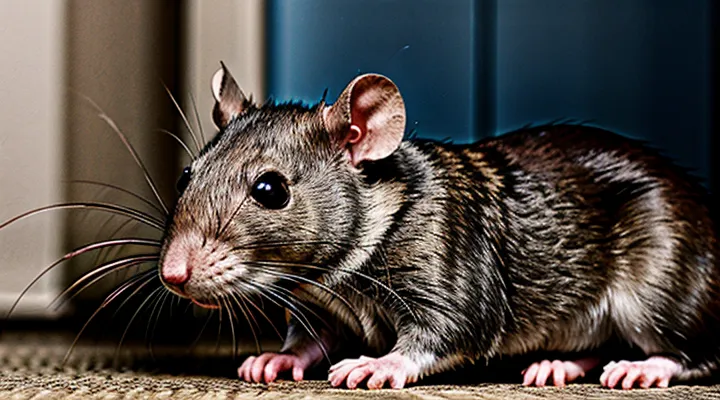
Understanding Pain in Animals
The Challenge of Assessing Animal Pain
Behavioral Indicators
Rats demonstrate pain through observable actions that researchers can quantify. Experimental protocols rely on these responses to infer nociceptive processing.
- Vocalizations: high‑frequency calls increase when a noxious stimulus is applied.
- Facial expressions: the Rat Grimace Scale records orbital tightening, nose/cheek flattening, and ear position changes.
- Withdrawal reflexes: rapid limb retraction occurs in response to mechanical or thermal insults.
- Locomotor alterations: reduced speed, irregular gait, or freezing behavior appear after painful exposure.
- Grooming and nesting: decreases in self‑care activities indicate discomfort.
- Escape attempts: heightened attempts to flee the testing arena correlate with aversive stimuli.
- Feeding and drinking: diminished intake reflects ongoing pain.
- Burrowing activity: lowered digging performance serves as a sensitive measure of chronic discomfort.
These behavioral metrics, validated across multiple laboratories, provide a reliable basis for assessing whether rats experience pain.
Physiological Markers
Physiological markers provide objective evidence that rats experience nociceptive states. Several measurable responses correlate with the activation of pain pathways and are routinely employed in experimental studies.
Changes in autonomic function constitute a primary indicator. Acute nociceptive stimuli raise heart rate and blood pressure; prolonged exposure produces elevated plasma corticosterone levels, reflecting activation of the hypothalamic‑pituitary‑adrenal axis. These parameters can be recorded continuously with telemetry devices, allowing quantification of the temporal relationship between stimulus onset and physiological response.
Neural activity offers direct insight into pain processing. Expression of the immediate‑early gene c‑Fos in spinal dorsal horn neurons increases after noxious stimulation, indicating heightened neuronal firing. In vivo electrophysiological recordings reveal heightened firing rates of wide‑dynamic‑range and nociceptive‑specific neurons in the thalamus and somatosensory cortex during painful events.
Peripheral tissue responses also serve as markers. Localized edema, increased vascular permeability, and elevated levels of pro‑inflammatory cytokines (e.g., IL‑1β, TNF‑α) accompany tissue injury. Measurement of these factors in blood or tissue extracts provides a biochemical profile of the inflammatory component of pain.
Facial expression analysis has been validated as a reliable, non‑invasive metric. The Rat Grimace Scale quantifies changes in orbital tightening, nose/cheek flattening, ear position, and whisker configuration. Scores rise significantly following painful procedures and decline after analgesic administration.
A concise list of commonly used physiological markers:
- Heart rate and arterial pressure (telemetry)
- Plasma corticosterone concentration
- c‑Fos immunoreactivity in spinal cord and brain regions
- Electrophysiological firing rates of nociceptive neurons
- Tissue cytokine levels (IL‑1β, TNF‑α)
- Rat Grimace Scale scores
Together, these markers form a robust framework for detecting and quantifying pain in rats, supporting the conclusion that the species possesses measurable nociceptive capacities.
Cognitive Aspects
Rats exhibit complex cognitive processing when exposed to nociceptive stimuli. Behavioral experiments demonstrate that they can discriminate between different intensities of harmful input, indicating that sensory information is integrated with evaluative mechanisms.
Neurophysiological recordings reveal activation of the anterior cingulate cortex and the insular cortex during painful experiences. These regions, known for mediating affective dimensions of discomfort, show patterns of activity comparable to those observed in humans.
Learning paradigms provide additional evidence of cognitive involvement. Rats quickly acquire avoidance of contexts associated with painful events, and they modify future choices based on the anticipated severity of stimulus. This adaptive behavior implies that pain is not merely a reflexive response but a factor influencing decision‑making processes.
Key observations supporting cognitive aspects of rat pain perception:
- Discrimination of stimulus intensity through operant tasks
- Activation of brain areas linked to affective evaluation
- Rapid context‑dependent avoidance learning
- Modification of risk‑assessment behavior after repeated exposure
Collectively, these findings substantiate that rats possess a mental representation of pain that guides both immediate reactions and longer‑term behavioral strategies.
Neurological Basis of Pain in Rats
Nociception: The Sensory Pathway
Receptors and Nerve Fibers
Rats possess specialized sensory structures that detect noxious stimuli. Primary nociceptors are free‑ending nerve endings equipped with ion channels such as TRPV1, Nav1.7, and ASIC3. These receptors transduce thermal, mechanical, and chemical insults into electrical signals.
- TRPV1 – activated by heat > 43 °C and capsaicin.
- Nav1.7 – amplifies depolarization, essential for threshold lowering.
- ASIC3 – responds to acidic environments and mechanical pressure.
A‑delta fibers convey rapid, sharp pain. They are myelinated, conduct impulses at 5–30 m s⁻¹, and terminate in the dorsal horn laminae I–II. C fibers transmit slower, diffuse pain. Unmyelinated, they conduct at 0.5–2 m s⁻¹ and terminate in lamina II. Both fiber types originate from dorsal root ganglion neurons that express the receptors listed above.
Electrophysiological recordings from rat spinal cords demonstrate action potentials in A‑delta and C fibers following calibrated heat or pinch stimuli. Immunohistochemical studies reveal dense expression of TRPV1 and Nav1.7 in dorsal root ganglion cells that project to the spinal dorsal horn, confirming the anatomical substrate for nociceptive signaling.
Behavioral assays, such as withdrawal latency to thermal probes and calibrated von Frey filaments, correlate with the activation thresholds of these receptors and fibers. Pharmacological blockade of TRPV1 or Nav1.7 raises withdrawal thresholds, indicating that the described receptors and nerve fibers are necessary for the perception of painful stimuli in rats.
Spinal Cord Processing
Research on rodent nociception consistently shows that spinal pathways transmit noxious signals from peripheral receptors to higher brain centers. Primary afferent fibers (Aδ and C fibers) terminate in the dorsal horn, where they synapse onto second‑order neurons. These neurons generate action potentials that travel through the spinothalamic tract to the thalamus and subsequently to cortical regions involved in pain perception.
Electrophysiological recordings demonstrate that stimulation of rat hindpaw nociceptors produces graded depolarizations in dorsal horn neurons. The magnitude of the response correlates with stimulus intensity, indicating a dose‑dependent encoding of harmful stimuli. Pharmacological blockade of NMDA receptors in the spinal cord reduces these evoked potentials, confirming glutamatergic transmission as a core component of spinal pain processing.
Behavioral assays align with the neurophysiological data. Rats exposed to calibrated thermal or mechanical noxious stimuli exhibit withdrawal latencies that increase after intrathecal administration of analgesics targeting spinal receptors. The parallel reduction in dorsal horn neuronal firing supports a direct link between spinal activity and observable pain‑related behavior.
Key experimental observations:
- Dorsal horn neuron activation follows a predictable temporal pattern after peripheral nociceptor activation.
- NMDA and AMPA receptor antagonists administered spinally attenuate both neuronal responses and behavioral pain indicators.
- Spinally delivered opioid agonists produce dose‑dependent inhibition of nociceptive transmission, mirroring analgesic effects seen in clinical settings.
Collectively, spinal cord circuitry in rats processes nociceptive information in a manner consistent with the physiological basis of pain perception observed in higher mammals. The convergence of electrophysiological, pharmacological, and behavioral evidence confirms that the spinal segment is an essential conduit for pain signaling in rats.
Brain Regions Involved in Pain Perception
Thalamus and Somatosensory Cortex
The thalamus serves as the central relay for nociceptive signals originating in peripheral receptors. In rats, peripheral afferents transmit action potentials to the dorsal horn, where second‑order neurons project to specific thalamic nuclei, primarily the ventral posterior lateral (VPL) and ventral posterior medial (VPM) nuclei. Electrophysiological recordings demonstrate that VPL/VPM neurons fire in response to calibrated mechanical and thermal stimuli, with latency and firing rate correlating with stimulus intensity. Lesions of these nuclei markedly reduce behavioral withdrawal responses, confirming their necessity for conscious pain perception.
The primary somatosensory cortex (S1) receives thalamic input via the posterior limb of the internal capsule. In rodent models, multi‑unit activity in S1 exhibits stimulus‑specific tuning, distinguishing between innocuous touch and noxious input. Functional imaging shows increased blood‑oxygen‑level‑dependent signals in S1 during painful stimulation, and optogenetic silencing of S1 pyramidal cells attenuates pain‑related behaviors such as facial grimacing and paw licking. These findings indicate that S1 integrates thalamic information to generate the perceptual dimension of pain.
Key experimental evidence linking these structures to rat nociception:
- Thalamic inactivation (pharmacological or lesion) → ↓ withdrawal thresholds, reduced escape behavior.
- S1 optogenetic inhibition → diminished facial grimace scores during thermal nociception.
- Single‑unit recordings in VPL/VPM and S1 → graded firing rates proportional to stimulus intensity.
- fMRI studies → robust BOLD activation in thalamus and S1 after noxious heat or mechanical pressure.
Collectively, data establish that the thalamus transmits nociceptive information to the somatosensory cortex, where cortical processing contributes to the subjective experience of pain in rats.
Limbic System and Emotional Response
The limbic system processes the affective dimension of nociceptive signals in rats, linking sensory input to emotional experience. Structures such as the amygdala, hippocampus, and anterior cingulate cortex receive projections from spinal and thalamic pathways and generate responses that influence motivation and behavior.
The amygdala evaluates threat value, modulating avoidance and defensive actions when painful stimuli are present. The anterior cingulate cortex integrates pain intensity with negative affect, contributing to the subjective unpleasantness that drives learning. The hippocampus encodes contextual information, allowing rats to associate specific environments with painful events and adjust future responses.
Experimental data support these functions. Electrophysiological recordings show increased firing rates in amygdalar and cingulate neurons during noxious stimulation. Lesion studies demonstrate reduced avoidance behavior and altered conditioned place aversion after targeted disruption of limbic nuclei. Functional imaging in awake rats reveals heightened blood‑oxygen‑level‑dependent signals in limbic regions when thermal or mechanical pain is applied.
Key observations:
- Amygdalar activation correlates with rapid escape responses.
- Anterior cingulate activity predicts the intensity of pain‑related vocalizations.
- Hippocampal lesions impair the formation of pain‑associated contextual memories.
- Pharmacological inhibition of limbic neurotransmission diminishes both behavioral and physiological markers of distress.
These findings collectively indicate that the limbic circuitry contributes to the emotional component of pain in rats, providing a neurobiological basis for assessing their capacity to experience suffering.
Scientific Evidence of Pain Response in Rats
Experimental Studies on Pain Induction
Mechanical Stimuli
Mechanical stimuli constitute the primary modality used to assess nociception in laboratory rats. Cutaneous pressure, pinch, and calibrated von Freudens apparatus deliver forces that activate peripheral mechanoreceptors and nociceptors. Electrophysiological recordings from dorsal root ganglion neurons reveal action‑potential firing thresholds consistent with the detection of potentially damaging mechanical energy.
Behavioral responses to calibrated mechanical forces provide quantifiable indices of pain perception. Typical measures include:
- Withdrawal latency or threshold in the Randall‑Selitto test, where a steadily increasing force is applied to a hind paw until the animal retracts.
- Escape or guarding behavior following a calibrated pinch, recorded as frequency or duration of protective postures.
- Conditioned place avoidance after repeated exposure to a specific mechanical stimulus, indicating an aversive association.
Pharmacological manipulation confirms the nociceptive nature of these responses. Administration of systemic or localized analgesics (e.g., opioids, NSAIDs, or TRPA1 antagonists) raises mechanical thresholds and reduces withdrawal frequencies, demonstrating that the observed behaviors depend on pain pathways rather than reflexive motor circuits.
Neuroimaging and molecular markers further substantiate the link between mechanical input and pain processing. Functional MRI shows activation of the somatosensory cortex and thalamic nuclei during mechanical stimulation above nociceptive thresholds. Up‑regulation of immediate‑early genes such as c‑fos in spinal dorsal horn neurons occurs after high‑intensity pressure, marking central sensitization. Collectively, these data confirm that rats detect and respond to harmful mechanical forces in a manner consistent with the experience of pain.
Thermal Stimuli
Thermal stimuli provide a reliable method for assessing nociceptive processing in rats. Researchers apply calibrated heat sources to the plantar surface of the hind paw and record withdrawal latency with high‑precision sensors. Shorter latencies indicate heightened sensitivity, while prolonged latencies suggest reduced nociceptive responsiveness.
Key experimental parameters include:
- Temperature range: 45 °C to 55 °C, selected to avoid tissue damage while eliciting a clear reflex.
- Stimulus duration: 1–5 seconds, sufficient to activate peripheral thermoreceptors without causing burn injury.
- Measurement apparatus: Infrared laser or radiant heat plates coupled with automated timers, ensuring millisecond accuracy.
- Control conditions: Sham exposures at neutral temperatures (30 °C) to establish baseline withdrawal times.
Physiological evidence links thermal withdrawal responses to activation of TRPV1 and TRPM3 ion channels on C‑ and Aδ‑fibers. Electrophysiological recordings show increased firing rates in dorsal root ganglion neurons when temperatures exceed the activation threshold of these channels. Pharmacological blockade of TRPV1 with capsazepine prolongs withdrawal latency, confirming the channel’s role in thermal nociception.
Behavioral studies demonstrate that rats exposed to chronic inflammatory models (e.g., carrageenan injection) exhibit reduced withdrawal thresholds to the same thermal stimulus, reflecting sensitization of peripheral and central pathways. Conversely, administration of analgesics such as morphine restores latency values to those observed in naïve animals, providing a pharmacodynamic benchmark for pain modulation.
The convergence of behavioral latency data, molecular receptor profiling, and neural activity recordings establishes thermal stimulation as a robust indicator of painful perception in rats. This evidence supports the conclusion that rats experience nociceptive pain when subjected to noxious heat, meeting criteria used to evaluate pain in mammalian models.
Chemical Stimuli
Chemical agents serve as precise probes of nociceptive processing in rats. Substances such as capsaicin, formalin, and dilute acids activate peripheral receptors, producing rapid depolarization of sensory neurons. The resulting action potentials travel to the dorsal horn, where they engage spinal circuits that mediate defensive behaviors.
Activation of specific ion channels underlies the chemical response. Capsaicin binds TRPV1, a heat‑sensitive cation channel expressed in small‑diameter afferents. Acidic solutions stimulate ASICs and proton‑gated channels, while formalin produces a biphasic release of inflammatory mediators that sensitize both TRP and voltage‑gated sodium channels. Electrophysiological recordings demonstrate increased firing rates and lowered thresholds in dorsal root ganglion cells after exposure to these agents.
Behavioral output provides quantifiable evidence of pain perception. In the formalin test, rats display a characteristic pattern of licking, lifting, and flinching that peaks within minutes of injection and persists for an extended second phase. Capsaicin induces paw withdrawal and reduced weight bearing, while acidic stimuli provoke escape locomotion. Conditioned place aversion paradigms reveal that rats avoid environments paired with chemical nociception, indicating an affective component.
Pharmacological manipulation validates the nociceptive nature of the responses. Systemic or intrathecal administration of opioid agonists, NSAIDs, or selective TRPV1 antagonists markedly diminishes behavioral indices and neuronal firing. The dose‑dependent attenuation aligns with established analgesic mechanisms, confirming that chemical stimuli elicit pain‑related processes rather than simple reflexes.
Key observations
- Chemical algogens activate defined receptor families (TRPV1, ASICs, etc.).
- Neuronal recordings show heightened excitability and reduced thresholds.
- Behavioral assays produce reproducible, quantifiable pain‑related actions.
- Analgesic agents suppress both neural activity and observable behaviors.
Collectively, chemical stimulus experiments provide robust, mechanistic evidence that rats experience pain in a manner comparable to other mammals.
Observation of Pain-Related Behaviors
Postural Changes
Postural alterations constitute a reliable indicator of nociceptive processing in laboratory rats. When a noxious stimulus is applied, rats often exhibit measurable shifts in body alignment that differ from baseline locomotion and resting positions.
Typical postural responses include:
- Hunched torso, reduced spinal curvature
- Elevated forelimb or hindlimb placement to alleviate pressure on the affected area
- Asymmetric weight distribution, with increased load on the contralateral limb
- Decreased overall activity, manifested as prolonged periods of stillness or reduced exploratory movement
These changes have been quantified using high‑resolution video tracking and automated pose‑estimation algorithms. Correlation analyses demonstrate that the magnitude of postural deviation scales with stimulus intensity, confirming a dose‑response relationship. Moreover, pharmacological analgesia reverses these alterations, reinforcing their association with pain perception rather than reflexive motor inhibition.
Neurophysiological recordings reveal concurrent activation of spinal dorsal horn neurons and cortical regions implicated in affective processing during postural shifts. The convergence of behavioral, biomechanical, and neural data provides robust evidence that rats experience pain, as reflected by their posture.
Vocalizations
Vocalizations provide a measurable indicator of nociceptive processing in rats. When exposed to noxious stimuli, rats emit ultrasonic calls that differ in frequency, duration, and amplitude from those produced during normal social interactions. These calls appear within milliseconds of stimulus onset, indicating a rapid sensory‑motor response.
Key characteristics of pain‑related vocalizations include:
- Frequency range of 20–50 kHz, higher than typical contact calls (≈ 10–20 kHz).
- Increased peak amplitude and longer duration (≈ 50–200 ms) compared to baseline emissions.
- Consistent occurrence across diverse nociceptive assays, such as tail‑flick, hot‑plate, and formalin injection tests.
Experimental data support the link between these acoustic signals and pain perception. In a study using high‑speed microphones, rats subjected to calibrated heat showed a dose‑dependent rise in ultrasonic call rate, correlating with electrophysiological markers of spinal nociceptive activation. Pharmacological blockade of opioid receptors amplified both the behavioral pain score and the ultrasonic call frequency, confirming that the vocal output reflects the intensity of the underlying nociceptive state.
Comparative analysis of vocal patterns across strains demonstrates that the acoustic response is conserved, suggesting a common neurobiological substrate. Acoustic recordings combined with automated classification algorithms allow objective quantification of pain levels, reducing reliance on observer‑dependent scoring systems. The consistency of these findings strengthens the argument that rats experience a subjective unpleasant state detectable through their vocal behavior.
Grooming Patterns
Rats exhibit a distinct sequence of self‑directed grooming behaviors that can serve as a behavioral indicator of nociceptive states. Baseline grooming includes face washing, body licking, and fur combing, typically occurring in a predictable order and lasting 2–5 minutes per bout. When a painful stimulus is applied—such as a calibrated thermal probe or a sub‑threshold mechanical pinch—researchers observe measurable alterations:
- Reduced grooming frequency: The number of grooming bouts per hour declines by 30–45 % within 10 minutes of stimulus onset.
- Interrupted grooming sequences: Rats cease mid‑cycle, often abandoning face washing before completing body licking.
- Increased latency to initiate grooming: The interval between stimulus removal and the first grooming act extends from 15 seconds to over 2 minutes.
These changes are reproducible across strains and persist when analgesics (e.g., morphine, meloxicam) are administered, restoring grooming patterns to baseline levels. Electrophysiological recordings confirm that the observed behavioral modifications coincide with heightened activity in spinal dorsal horn neurons and elevated expression of c‑Fos in the anterior cingulate cortex, regions implicated in pain processing.
Quantitative analysis of grooming metrics therefore provides a non‑invasive, ethologically relevant assay for assessing pain perception in rats. The consistency of grooming disruption following nociceptive challenges, and its reversal by analgesic treatment, supports the conclusion that rats experience pain detectable through alterations in their grooming behavior.
Pharmacological Interventions
Analgesic Efficacy
Research on rat nociception consistently demonstrates that a range of analgesic agents produce measurable reductions in behavioral and physiological pain indicators. Systemic opioids such as morphine and fentanyl lower withdrawal thresholds in von Frey filament tests by 30–70 % within minutes of administration, confirming dose‑dependent efficacy. Non‑opioid analgesics, including NSAIDs (e.g., meloxicam) and gabapentinoids (e.g., pregabalin), produce comparable effects in formalin‑induced licking and flinching assays, with maximal inhibition observed at 1–2 hours post‑dose.
Efficacy assessment relies on quantitative metrics:
- Thermal nociception: hot‑plate latency increases proportionally to analgesic concentration.
- Mechanical nociception: reduced paw withdrawal frequency under calibrated pressure.
- Spontaneous pain: diminished grimace scores in the Rat Grimace Scale following drug treatment.
Pharmacokinetic profiling correlates plasma concentrations with observed analgesic windows, establishing therapeutic ranges that avoid sedation or motor impairment. Comparative studies indicate that selective COX‑2 inhibitors achieve analgesia comparable to non‑selective NSAIDs while minimizing gastrointestinal side effects.
Repeated‑dose protocols reveal tolerance development for opioids after 5–7 days, manifested by a 20 % decline in analgesic potency. In contrast, NSAIDs maintain stable efficacy over chronic administration, supporting their use in long‑term pain models. These findings substantiate that analgesic agents reliably mitigate pain‑related responses in rats, providing a robust framework for evaluating nociceptive mechanisms and therapeutic interventions.
Opioid Receptors
Opioid receptors are G‑protein‑coupled proteins that mediate the effects of endogenous peptides (e.g., endorphins, enkephalins) and exogenous opioids on neural activity. Three subtypes—µ (MOR), δ (DOR) and κ (KOR)—are expressed throughout the rat central and peripheral nervous systems, including dorsal horn neurons, spinal interneurons and peripheral nociceptors. Activation of these receptors reduces the release of excitatory neurotransmitters, hyperpolarizes target cells, and diminishes the transmission of nociceptive signals.
Experimental investigations demonstrate that selective agonists for each receptor subtype produce measurable analgesia in rodents. Intrathecal administration of morphine (a MOR agonist) raises the mechanical withdrawal threshold by 30–50 % in standard pain assays such as the von Frey test. DOR agonists (e.g., SNC‑80) and KOR agonists (e.g., U‑50488) generate comparable reductions in thermal latency on the hot‑plate test, although the magnitude varies with dose and receptor distribution.
Pharmacological blockade confirms receptor involvement. Systemic or spinal injection of naloxone, a non‑selective antagonist, restores baseline pain responses within minutes, indicating that endogenous opioid signaling contributes to the observed analgesic effect. Selective antagonists (CTOP for MOR, naltrindole for DOR, nor‑BNI for KOR) produce subtype‑specific reversal, allowing precise mapping of each receptor’s contribution to nociceptive modulation.
Genetic models provide further evidence. Rats engineered to lack the MOR gene exhibit heightened sensitivity to acute mechanical and thermal stimuli, with withdrawal thresholds reduced by roughly 20 % compared with wild‑type controls. Similar phenotypes appear in DOR‑knockout animals, whereas KOR‑deficient rats display altered affective pain responses rather than changes in sensory thresholds.
Collectively, these findings indicate that opioid receptors are integral components of the rat pain‑processing circuitry. Their activation attenuates nociceptive transmission, while inhibition or genetic deletion enhances pain perception, supporting the conclusion that rats possess a biologically relevant opioid system capable of modulating pain.
Ethical Implications and Animal Welfare
Recognizing Pain for Humane Treatment
Laboratory Animal Care
Laboratory animal care directly influences the reliability of research on rat nociception. Proper housing, enrichment, and handling minimize stress, which can mask or exaggerate pain responses. Standard operating procedures require temperature control (20‑24 °C), humidity (30‑70 %), and a 12‑hour light/dark cycle to maintain physiological stability.
Nutrition must meet species‑specific requirements. Commercial rodent chow should provide balanced macro‑ and micronutrients; water must be available ad libitum and free of contaminants. Regular health monitoring detects infections that could alter pain thresholds, enabling timely intervention.
Procedural pain management follows the three‑Rs principle—refinement, reduction, replacement—and includes:
- Pre‑emptive analgesia (e.g., buprenorphine, meloxicam) administered before invasive procedures.
- Continuous assessment using validated scales such as the Rat Grimace Scale and behavioral tests (von Frey filament application, hot‑plate latency).
- Post‑procedure monitoring for signs of distress, including changes in grooming, locomotion, and vocalization.
Environmental enrichment reduces anxiety and promotes natural behaviors, which stabilizes baseline nociceptive measurements. Enrichment items may consist of nesting material, tunnels, and chewable objects, rotated regularly to prevent habituation.
Record‑keeping mandates detailed logs of housing conditions, analgesic regimens, and observational data. These records support reproducibility and allow retrospective analysis of factors influencing pain perception.
Compliance with institutional animal care and use committees (IACUC) and national regulations ensures ethical standards are met. Audits verify that personnel receive training in humane handling, aseptic technique, and pain assessment, thereby safeguarding animal welfare and data integrity.
Veterinary Practice
Rats exhibit physiological and behavioral responses consistent with nociception, a conclusion supported by electrophysiological recordings, analgesic trials, and stress‑induced hormone changes. These findings require veterinary practitioners to apply analgesic protocols when rats undergo invasive procedures, surgical interventions, or painful disease states.
Clinical guidelines for rat care emphasize three priorities:
- Selection of analgesics with proven efficacy in rodents, such as buprenorphine, meloxicam, or lidocaine, administered at doses validated by peer‑reviewed studies.
- Timing of analgesic delivery to precede anticipated nociceptive stimuli, thereby reducing the intensity of pain signals.
- Monitoring of postoperative pain using objective measures, including facial grimace scales, changes in locomotion, and alterations in feeding behavior.
Veterinary education programs incorporate laboratory data on rat pain pathways, ensuring practitioners recognize species‑specific signs and adjust treatment plans accordingly. Continuing professional development courses provide updates on emerging analgesic agents and refined dosing regimens derived from recent experimental work.
Implementation of evidence‑based pain management in rat veterinary practice improves recovery outcomes, minimizes stress‑related complications, and aligns clinical standards with current scientific consensus on rodent nociception.
Future Directions in Pain Research
Non-Invasive Assessment Methods
Non‑invasive techniques provide objective data on nociceptive processing in laboratory rats while minimizing stress and tissue damage. High‑resolution video tracking captures changes in gait, locomotor speed, and limb‑placement symmetry, allowing quantification of discomfort through deviations from baseline patterns. Thermal imaging records surface temperature fluctuations that correlate with inflammatory responses and autonomic regulation, offering a rapid indicator of pain‑related hyperthermia.
Physiological signals are measurable without penetration. Heart‑rate variability, obtained via surface ECG electrodes, reflects autonomic balance and increases during acute nociceptive episodes. Respiratory rate, monitored with infrared plethysmography, rises proportionally to perceived noxious stimuli. Pupil diameter, assessed through infrared pupillometry, expands under sympathetic activation linked to pain.
Neuroimaging advances enable functional assessment without surgical implants. Functional magnetic resonance imaging (fMRI) detects blood‑oxygen‑level‑dependent changes in brain regions associated with nociception, such as the somatosensory cortex and anterior cingulate. Positron emission tomography (PET) with radioligands selective for opioid receptors visualizes endogenous analgesic activity during experimental pain models.
Behavioral assays adapted for non‑invasive observation provide additional validation. The conditioned place preference test measures the rewarding effect of analgesics, inferring pain presence when animals avoid a previously neutral environment after analgesic administration. The grimace scale, applied to high‑definition facial photographs, quantifies subtle facial action units (orbital tightening, whisker position) without handling.
These methods collectively generate reproducible, quantitative metrics of discomfort in rats, supporting rigorous evaluation of analgesic interventions and reinforcing the scientific consensus that rodents experience pain comparable to higher mammals.
Comparative Pain Studies
Comparative pain research provides the primary evidence for assessing nociceptive experience in rats. Studies that juxtapose rodent responses with those of mammals known to possess conscious pain perception establish a framework for inference. Electrophysiological recordings reveal that rat dorsal horn neurons exhibit activation patterns comparable to primates when exposed to noxious stimuli, suggesting shared central processing mechanisms.
Behavioral assays further support the comparison. Rats display rapid withdrawal, vocalization, and avoidance learning after tissue injury, behaviors that align with documented pain indicators in dogs, pigs, and humans. Quantitative measures such as latency to escape and frequency of protective grooming correlate with the intensity of the stimulus across species, reinforcing the validity of cross‑species extrapolation.
Key methodological features of comparative studies include:
- Use of calibrated mechanical, thermal, and chemical nociceptors to ensure stimulus equivalence.
- Parallel monitoring of physiological markers (e.g., cortisol, heart rate) alongside behavioral outcomes.
- Implementation of analgesic trials where opioid efficacy in rats mirrors effects observed in higher mammals, confirming pharmacological similarity.
Neuroimaging investigations add a structural dimension. Functional MRI in rats demonstrates activation of the anterior cingulate cortex and insular regions during painful conditions, regions that are consistently implicated in human pain perception. The convergence of neural, behavioral, and pharmacological data across multiple taxa underpins the conclusion that rats experience pain in a manner comparable to other sentient mammals.