
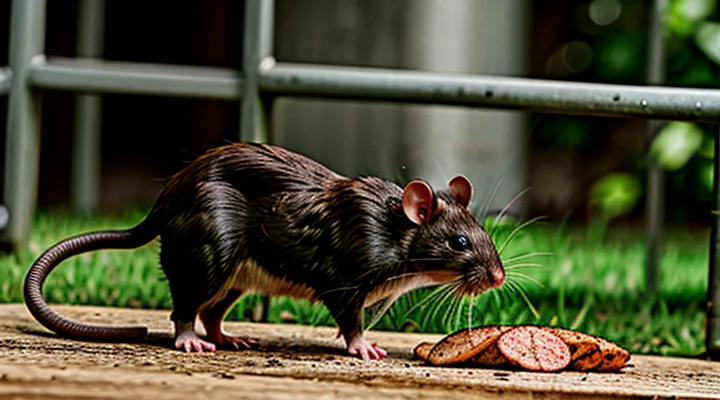
Understanding Rat Diet
Omnivorous Nature of Rats
Wild Rat Diet
Wild rats obtain nourishment from a diverse range of sources found in natural habitats. Plant material such as seeds, grains, fruits and leafy vegetation constitutes the primary component of their diet.
Typical items consumed include:
- Seeds and cereals harvested from grasses and crops
- Fresh fruits and berries that fall to the ground
- Leaves and stems of herbaceous plants
- Invertebrates, notably insects, larvae and earthworms
- Small vertebrate carcasses and carrion when available
Analysis of stomach contents and fecal samples indicates that animal matter can represent up to 20 % of total intake in certain seasons. Insects provide high‑quality protein and essential fatty acids, while occasional consumption of carrion supplies additional nutrients not readily available in plant sources.
Seasonal fluctuations in food availability drive shifts in dietary composition. During periods of plant scarcity, reliance on animal protein increases, reflecting the opportunistic feeding strategy of wild rats.
Overall, the diet of wild rats is omnivorous, incorporating both plant and animal elements, with the proportion of meat varying according to environmental conditions and resource abundance.
Pet Rat Diet
Pet rats thrive on a diet that mirrors the omnivorous habits of their wild ancestors. Their nutritional needs include a balance of carbohydrates, proteins, fats, vitamins, and minerals. Commercially prepared rodent pellets supply a reliable foundation, offering consistent nutrient ratios and minimal risk of contamination.
Supplementary foods enhance variety and promote dental health. Suitable additions are:
- Fresh vegetables such as carrots, broccoli, and leafy greens
- Fruits in moderation, for example apples, berries, and bananas
- Cooked lean meats, including chicken or turkey, provided they are unseasoned and free of bones
- Hard‑boiled eggs, offering high‑quality protein and essential fatty acids
- Small portions of nuts and seeds, which deliver healthy fats but must be limited due to high calorie density
Meat should not dominate the diet; it serves as an occasional protein source rather than a staple. Excessive animal protein can stress the kidneys and disrupt the gut microbiome. When offering meat, ensure it is thoroughly cooked, cooled, and presented in bite‑size pieces to prevent choking.
Water availability is critical. Fresh, clean water must be accessible at all times, preferably in a bottle with a sipper tube to reduce spillage and contamination.
Monitoring body condition and stool consistency helps assess dietary adequacy. Healthy rats exhibit a sleek coat, steady weight, and firm, dark brown feces. Deviations may indicate nutritional imbalances or the need to adjust food variety.
In summary, a well‑structured pet rat diet consists of a high‑quality pellet base, regular portions of fresh produce, limited lean meat, and constant access to fresh water. This regimen supports optimal growth, reproduction, and overall vitality.
Rats and Meat Consumption
Types of Meat Rats Eat
Cooked Meats
Rats readily consume animal tissue when presented, and the preparation of such tissue influences acceptance and nutritional value. Cooked meats, defined as flesh subjected to heat sufficient to denature proteins and eliminate most pathogens, are frequently included in laboratory rodent diets and occasional pet‑feeding regimes.
Key observations concerning cooked meats in rat nutrition:
- Palatability increases after cooking; the softened texture and enhanced aroma stimulate ingestion.
- Protein digestibility improves due to heat‑induced unfolding of muscle fibers, facilitating enzymatic breakdown.
- Heat treatment reduces the risk of parasitic infection and bacterial contamination, although residual pathogens may persist if cooking is insufficient.
- Excessive fat content in certain cooked meats can lead to obesity and hepatic lipidosis, especially when provided without balanced grain or fiber sources.
- Mineral composition varies with meat type; for example, beef provides high iron, while poultry supplies greater phosphorus, affecting hematologic parameters.
Experimental data indicate that rats offered cooked chicken or beef exhibit growth rates comparable to those receiving standard laboratory chow, provided that the meat constitutes no more than 15 % of total caloric intake. Overreliance on meat alone results in deficiencies of essential carbohydrates and fiber, leading to gastrointestinal disturbances.
In practical applications, inclusion of modest portions of well‑cooked meat enhances dietary diversity, supports muscle development, and supplies micronutrients otherwise scarce in grain‑based feeds. Proper preparation—cooking to an internal temperature of at least 71 °C and avoiding seasoning—ensures safety and maximizes nutritional benefit.
Raw Meats
Rats are omnivorous mammals; raw animal tissue supplies protein, fat and essential micronutrients. In natural habitats and controlled environments, individuals readily accept uncooked flesh when it appears alongside plant material and seeds. Consumption of raw meat contributes to growth and reproductive performance, provided that the source is free from harmful microorganisms.
Typical preferences for uncooked animal products follow a predictable order:
- Fresh skeletal muscle
- Organ tissues such as liver and heart
- Blood and marrow
Health implications accompany the intake of uncooked flesh. Pathogenic bacteria, parasites and viruses may survive in inadequately processed meat, posing infection risks to the consumer. Nutritional balance requires supplementation with plant-derived carbohydrates, because exclusive reliance on raw meat can lead to deficiencies in fiber and certain vitamins. Proper sourcing, storage at low temperature and occasional thermal treatment reduce hazards while preserving the nutritional value that raw meat offers rats.
Insects and Other Protein Sources
Rats are opportunistic omnivores; their diet routinely incorporates animal protein when available. In natural habitats, insects represent a primary source of such protein. Species commonly consumed include beetles, moth larvae, crickets and grasshoppers, each offering high concentrations of essential amino acids, vitamins and minerals. The exoskeleton provides chitin, which supports digestive health in many rodent populations.
Other protein options encountered by rats encompass:
- Small vertebrates such as fledgling birds or amphibian larvae.
- Unfertilized eggs, which supply readily digestible protein and lipids.
- Carrion and decaying flesh, offering a fallback resource during scarcity.
- Human‑provided meat scraps, often introduced in urban or laboratory settings.
The inclusion of animal protein influences growth rates, reproductive success and immune function. Controlled studies demonstrate that diets enriched with «insects» or comparable protein sources yield faster weight gain and higher litter sizes compared to strictly plant‑based regimens. In laboratory environments, balanced protein supplementation reduces variability in experimental outcomes, underscoring the necessity of accurate dietary formulation.
Understanding the role of «protein» derived from insects and alternative animal sources clarifies rat foraging behavior and informs ethical husbandry practices.
Nutritional Value and Risks of Meat for Rats
Benefits of Protein
Protein supplies the amino acids required for cellular structures and metabolic pathways. In mammals that include meat in their diet, such as rats that occasionally consume animal tissue, protein intake directly influences physiological performance.
Key advantages of adequate protein consumption include:
- Muscle fiber synthesis and maintenance, supporting locomotion and foraging efficiency.
- Enzyme formation, accelerating biochemical reactions essential for digestion and energy production.
- Immune system reinforcement, enabling rapid response to pathogens encountered in varied habitats.
- Tissue regeneration, facilitating wound healing after injuries sustained during exploratory behavior.
- Hormone regulation, stabilizing signaling mechanisms that control growth and reproductive cycles.
«Protein is indispensable for optimal growth and functional resilience», a principle reflected in the dietary habits of rodents that integrate meat-derived nutrients when available.
Potential Dangers
Rats that consume animal flesh can introduce pathogens harmful to humans and domestic animals. Direct contact with contaminated saliva, urine, or feces may transmit bacterial infections such as salmonellosis and leptospirosis. Ingestion of meat‑laden rodents can also spread parasites, including tapeworms and roundworms, which persist in food preparation areas.
Potential dangers include:
- Contamination of stored food products, leading to spoilage and economic loss.
- Amplification of zoonotic diseases, raising public‑health risks in densely populated regions.
- Development of antibiotic‑resistant bacterial strains when rodents acquire resistant microbes from meat sources.
- Disruption of pest‑control measures, as meat‑eating behavior may increase rodent populations and alter their foraging patterns.
Mitigation requires strict sanitation, secure waste management, and routine monitoring of rodent activity in facilities handling animal products.
Moderation and Preparation
Rats possess an omnivorous digestive system, allowing them to process animal protein alongside plant matter. When meat is introduced into a captive rat’s diet, moderation prevents nutritional imbalance and reduces the risk of gastrointestinal distress. A small portion—approximately 5 % of total daily intake—provides essential amino acids without overwhelming the animal’s metabolic capacity.
Preparation guidelines ensure safety and digestibility:
- Remove bones, cartilage, and excessive fat to avoid choking hazards and pancreatitis.
- Cook meat thoroughly; boiling or steaming eliminates pathogens such as Salmonella and E. coli.
- Cool cooked meat to room temperature before offering it to the rat, preventing thermal injury.
- Cut meat into bite‑size pieces, roughly 1 cm³, to facilitate chewing and reduce ingestion of large, indigestible chunks.
Regular monitoring of body condition and stool consistency confirms that meat inclusion remains beneficial. Adjust portion size or frequency if signs of obesity, diarrhea, or lethargy appear. By adhering to these moderation and preparation practices, meat can serve as a valuable supplemental component of a rat’s balanced diet.
Meat Consumption in Different Rat Species
Common Rat Species
Brown Rats
Brown rats (Rattus norvegicus) inhabit urban and rural environments worldwide, thriving alongside human settlements. Their success derives from a flexible diet that readily incorporates diverse food sources.
The species is classified as omnivorous. Primary intake consists of grains, seeds, fruits, and vegetable matter, while animal-derived items supplement nutrition. Documented meat sources include:
- Insects and larvae captured in storage areas
- Carrion and discarded fish or meat waste
- Small vertebrates such as baby birds or amphibians captured opportunistically
Stomach‑content analyses from field studies consistently reveal the presence of insect exoskeletons, feather fragments, and muscle tissue. Laboratory feeding trials demonstrate rapid acceptance of raw meat when presented alongside plant material, confirming physiological capability to digest animal protein.
Protein and fat supplied by meat improve growth rates and reproductive output, especially during periods of scarce plant resources. The ability to exploit animal matter enhances survival in fluctuating environments.
Overall, brown rats incorporate meat into their diet, confirming their status as true omnivores rather than strict herbivores. This dietary adaptability underpins their widespread distribution and resilience.
Black Rats
Black rats (Rattus rattus) inhabit urban and rural environments worldwide. Their diet combines plant material, stored grains, and animal protein.
Meat intake occurs when opportunistic feeding conditions arise. Typical animal sources include:
- Insects such as beetles and cockroaches
- Small vertebrates, for example nestlings or juvenile mice
- Carrion and discarded food waste
Protein from these sources satisfies the species’ high metabolic demands. Digestive enzymes efficiently process muscle tissue, enabling rapid growth and reproductive cycles.
Consumption of animal matter influences pest dynamics. Predation on insects can reduce crop‑damage populations, while scavenging of waste contributes to disease transmission risk in human settlements.
Overall, black rats exhibit flexible feeding behavior that incorporates meat as a supplemental component of an omnivorous diet.
Fancy Rats
Fancy rats, a term applied to selectively bred varieties of the common brown rat, display a wide range of coat colors, patterns, and body sizes. Their popularity as companion animals stems from their intelligence, sociability, and adaptability to indoor environments.
Rats in the wild are omnivorous; their diet naturally incorporates plant matter, seeds, and animal protein such as insects, carrion, and small vertebrates. This dietary flexibility allows them to obtain essential amino acids from meat sources when available.
Domestic fancy rats receive commercially formulated pellets that provide balanced nutrition. These pellets typically contain 15‑20 % protein, derived from both plant and animal origins. Supplemental protein can be offered through:
- Cooked chicken breast, unseasoned
- Boiled eggs, chopped
- Small pieces of lean beef, thoroughly cooked
- Insect larvae (e.g., mealworms)
Meat should be provided in moderation, never raw, and must be free of seasoning, sauces, or added fats.
Veterinary guidance recommends that meat constitute no more than 10 % of a fancy rat’s total caloric intake. A diet emphasizing high‑quality pellets, fresh vegetables, and occasional protein treats supports optimal growth, coat condition, and immune function.
Dietary Variations
Rats belong to the order Rodentia and are classified as omnivores, capable of digesting both plant and animal matter. Their gastrointestinal tract processes protein from meat similarly to that derived from seeds or insects.
Dietary patterns differ markedly among species and environments. Wild brown rats (Rattus norvegicus) routinely capture insects, scavenge carrion, and consume small vertebrates when available. Urban populations exploit refuse, incorporating discarded meat scraps alongside grains and fruit. Laboratory strains receive formulated feeds that often contain dried animal protein to meet precise nutritional requirements.
Research on captive feeding demonstrates rapid acceptance of meat items. In controlled trials, rats offered fresh mouse carcasses, cooked chicken, or fish fillets consumed them within minutes, indicating no innate aversion. Nutrient analyses reveal that meat contributes essential amino acids, taurine, and vitamin B12, which complement plant‑derived nutrients.
Typical animal‑based components observed in rat diets include:
- Insects (beetles, larvae)
- Small mammals (mouse, vole)
- Bird eggs
- Fish fragments
- Processed meat scraps (chicken, pork)
These variations reflect rats’ adaptive foraging strategy, allowing them to exploit protein sources across diverse habitats while maintaining overall dietary balance. «Rattus species exhibit flexible omnivorous feeding habits that incorporate meat when it enhances nutritional intake».
Identifying Signs of Meat Consumption
Droppings and Remains
Rats exhibit opportunistic feeding behavior, consuming a range of protein sources when available. Examination of fecal material provides direct evidence of dietary intake. Studies consistently reveal:
- Presence of undigested muscle fibers and connective tissue fragments.
- Detection of chitinous exoskeleton residues from insects.
- Occasional identification of bone splinters and cartilage particles.
These components indicate ingestion of animal matter beyond scavenged carrion. Moreover, analysis of carcass remains in rodent-infested environments shows characteristic gnaw marks and tissue removal patterns consistent with predatory consumption. Remains often display:
- Clean cuts along muscle groups, suggesting precise biting.
- Partial consumption of organs, leaving behind skeletal structures.
- Accumulation of blood stains surrounding feeding sites.
Combined fecal and carcass data confirm that rats incorporate meat into their diet when circumstances permit, reflecting a flexible omnivorous strategy.
Behavior and Scavenging
Rats exhibit opportunistic foraging patterns that include the consumption of animal tissue when it becomes accessible. Their natural inclination toward scavenging drives them to explore refuse, carrion, and discarded food, allowing meat to enter their diet alongside grains, fruits, and insects.
Key aspects of scavenging behavior:
- Rapid detection of odor cues from decaying flesh.
- Preference for soft, easily torn tissue, which reduces handling time.
- Ability to store small portions in hidden locations for later consumption.
- Seasonal adjustment, with increased reliance on protein sources during breeding periods.
Physiological adaptations support occasional meat intake. Digestive enzymes capable of breaking down protein and fat are present, and laboratory studies show that rats can maintain normal growth rates on diets containing up to 30 % animal protein. Field observations confirm that wild populations regularly ingest carrion, insects, and small vertebrates when such resources are abundant.
Preventing Unwanted Meat Consumption
Securing Food Sources
Rats are omnivorous mammals capable of digesting animal tissue alongside plant material. Their ability to consume meat expands the range of potential food sources that must be protected in environments where rodent infestations are a concern.
When designing protective measures, consider the following points:
- Store meat products in sealed containers that resist gnawing; metal or heavy‑duty plastic with airtight lids provides effective barriers.
- Maintain low humidity levels in storage areas; reduced moisture discourages the breakdown of protein sources that might attract rodents.
- Implement regular sanitation schedules to remove scraps, spilled feed, and carcasses that could serve as supplemental nutrition.
- Position traps or bait stations away from legitimate food supplies to prevent accidental contamination of consumables.
Understanding the dietary flexibility of rats informs risk assessments for both commercial kitchens and residential pantries. By limiting access to meat and other protein sources, the incentive for rodents to infiltrate storage zones diminishes, thereby enhancing overall food security.
Proper Waste Management
Effective waste management directly influences rodent feeding behavior. Improperly stored refuse provides easy access to animal protein, encouraging rats to consume meat remnants. Controlling waste composition reduces the incentive for carnivorous foraging.
Key practices:
- Seal all food waste in rigid containers; prevent exposure of meat scraps.
- Separate organic matter from general trash; route animal proteins to specialized disposal streams.
- Schedule frequent collection to limit accumulation time.
- Locate dumpsters away from building entrances; install rodent‑proof lids.
- Conduct regular inspections for breaches; repair damaged seals promptly.
Consistent application of these measures diminishes the availability of meat sources, thereby limiting opportunistic predation by rats. Properly managed waste environments promote healthier urban ecosystems and reduce public‑health risks associated with rodent populations.
Health Implications
Dietary Imbalances
Rats are classified as omnivores, capable of processing plant material, insects, and occasional vertebrate tissue. Their natural intake typically includes grains, seeds, fruits, and a modest proportion of animal protein derived from insects or carrion. When laboratory or pet diets replace this diversity with grain‑heavy formulations, protein‑to‑carbohydrate ratios shift dramatically, creating nutritional imbalances.
Common imbalances observed in rodent feeding regimes include:
- Deficient essential amino acids, leading to reduced growth rates and compromised immune function.
- Low levels of vitamin B12 and iron, frequently linked to the omission of animal‑derived ingredients.
- Excessive carbohydrate load, causing obesity, glucose intolerance, and hepatic lipid accumulation.
Inclusion of meat or meat‑based supplements restores essential amino acids and micronutrients absent from plant‑dominant rations. However, overreliance on muscle tissue can introduce excess saturated fat and cholesterol, predisposing rats to cardiovascular stress and hepatic steatosis. Balanced protocols therefore integrate lean meat portions with complementary plant proteins, such as soy or lentils, to maintain optimal macronutrient distribution.
Effective dietary management requires regular assessment of body condition, blood parameters, and fecal consistency. Adjustments should prioritize:
- Protein contribution of 15‑20 % of total caloric intake, sourced from a mix of animal and plant proteins.
- Inclusion of vitamin B12 (2–5 µg kg⁻¹) and iron (50–100 mg kg⁻¹) at levels reflecting natural foraging exposure.
- Limitation of saturated fat to below 5 % of total calories to avoid metabolic disturbances.
Adhering to these guidelines mitigates the risk of nutritional deficiencies while preventing the adverse effects of excessive meat consumption, ensuring a stable and health‑supporting diet for rats.
Disease Transmission
Rats regularly include animal tissue in their diet, a behavior that influences the spread of pathogens. Consumption of carrion, insects, and other vertebrate flesh introduces a range of microorganisms that can survive within the rodent’s gastrointestinal tract and be excreted in urine, feces, or saliva. These excretions contaminate food stores, water sources, and surfaces, creating pathways for human infection.
Key disease agents associated with meat‑eating rodents include:
- Salmonella spp., transmitted through fecal contamination of food.
- Leptospira interrogans, shed in urine and capable of infecting through skin abrasions.
- Hantavirus, released in aerosolized rodent droppings.
- Yersinia pestis, historically linked to rodent predation on infected prey.
The risk escalates in environments where waste management is poor, and where rodents have easy access to meat waste. Controlling rodent populations, securing food storage, and maintaining sanitation reduce the likelihood of zoonotic transmission stemming from carnivorous feeding habits.
Parasites
Rats frequently consume animal tissue when it is accessible, and such behavior exposes them to a range of parasitic organisms. Ingested meat can harbor cysts, larvae, and ova that survive the digestive process and establish infections in the rodent host.
Common parasites acquired from meat include:
- Taenia spp. (tapeworms) – develop as larval cysticerci in muscle tissue; rodents become definitive hosts after ingesting infected prey.
- Trichinella spp. – encyst in striated muscle; consumption of infected meat transmits the parasite to the rat’s gastrointestinal tract.
- Sarcocystis spp. – form sarcocysts in muscle; rodents act as intermediate hosts when they eat meat containing sporocysts.
- Nematodes such as Angiostrongylus cantonensis – larvae present in raw or poorly cooked vertebrate tissue; rats serve as definitive hosts, shedding larvae in feces.
The life cycle of these parasites often relies on predation or scavenging. When rats ingest contaminated meat, parasites may complete development within the host, leading to clinical manifestations such as weight loss, gastrointestinal disturbance, and neurological signs. In addition, infected rats can disseminate parasites to other species, including humans, through fecal contamination or direct contact.
Control measures focus on limiting rodent access to uncooked animal products, maintaining strict sanitation, and monitoring rodent populations for parasitic infection rates. Effective management reduces the risk of parasite transmission both within rodent communities and to secondary hosts.