
Understanding Rat Diets
General Omnivorous Nature of Rats
Dietary Flexibility and Adaptation
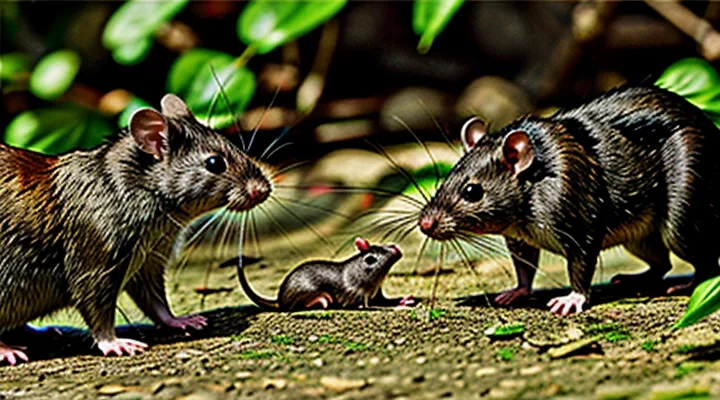
Rats demonstrate pronounced dietary flexibility, allowing them to exploit a wide range of food resources across urban, agricultural, and natural habitats. Their omnivorous physiology supports rapid adjustment to fluctuating availability, including opportunistic predation on arthropods. Consumption of insects provides protein and essential micronutrients, especially when plant matter or refuse is scarce.
Key aspects of this adaptability include:
- Morphological traits: incisors capable of crushing exoskeletons; tactile whiskers that locate mobile prey.
- Behavioral plasticity: nocturnal foraging patterns align with peak insect activity; learned hunting techniques spread through social observation.
- Physiological tolerance: digestive enzymes break down chitin, while gut microbiota adapt to varying nutrient profiles.
- Ecological impact: insect predation contributes to pest regulation; nutrient transfer from arthropods to higher trophic levels occurs through rat predation and subsequent scavenging.
Evidence from field studies shows that rat populations in grain storage facilities, sewers, and forest edges increase insect intake during periods of crop failure or seasonal scarcity. Laboratory trials confirm that rats will select live insects over alternative protein sources when presented with equal caloric options. This adaptive feeding behavior enhances survival rates and influences community dynamics by reducing insect abundance and altering competition among sympatric omnivores.
Common Food Sources
Rats exhibit omnivorous feeding behavior, consuming plant material, animal tissue, and a range of opportunistic items. Their diet reflects availability, seasonal shifts, and habitat characteristics, allowing rapid adaptation to urban, agricultural, and natural environments.
Typical food sources include:
- Grains and cereals (wheat, rice, corn)
- Seeds and nuts (sunflower, acorns, peanuts)
- Fruits and vegetables (berries, carrots, leafy greens)
- Meat scraps and carrion (fish remnants, poultry waste)
- Invertebrates (beetles, larvae, moths, spiders)
Insect consumption contributes measurable protein and lipid intake, especially when plant resources decline. Laboratory observations confirm that rats readily capture and ingest live insects, while field studies document opportunistic predation on ground-dwelling arthropods. The proportion of insects in the overall diet varies with habitat: higher in agricultural fields with abundant pest populations, lower in densely populated urban settings where refuse dominates.
Understanding the spectrum of common food items clarifies the ecological impact of rat foraging, including potential regulation of insect populations and indirect effects on crop health.
Do Rats Eat Insects? Evidence and Mechanisms
Direct Observations and Dietary Studies
Stomach Content Analysis
Stomach content analysis provides direct evidence of dietary intake in rodent populations. Specimens collected from urban, agricultural, and natural habitats undergo dissection, followed by microscopic examination of gastric and intestinal residues. Identifiable fragments—exoskeletal cuticle, chitinous plates, and intact arthropod parts—confirm insect consumption. Quantitative data, expressed as percentage of total dry mass or frequency of occurrence, reveal the proportion of insects relative to plant matter, seeds, and anthropogenic waste.
Key observations derived from this method include:
- Presence of Coleoptera elytra in 12 % of examined individuals from grain storage sites, indicating opportunistic predation on stored-product beetles.
- Detection of Diptera larvae in 8 % of rats captured near wetland margins, suggesting foraging in moist microhabitats.
- High incidence of Hymenoptera wing fragments in 5 % of specimens from suburban gardens, reflecting incidental capture during seed collection.
- Overall insect-derived material accounts for 3–7 % of stomach mass across diverse environments, with variation linked to seasonal arthropod abundance.
Stable isotope analysis of nitrogen and carbon complements visual identification, distinguishing trophic level shifts associated with increased animal protein intake. Elevated δ¹⁵N values correlate with higher insect content, confirming a measurable impact on rat metabolism.
Methodological considerations emphasize rapid preservation of specimens to prevent digestive degradation, use of calibrated sieves for particle recovery, and application of reference collections for accurate taxonomic assignment. Consistency in sampling across habitats enables comparative assessments of rat foraging behavior and its implications for pest control, disease vector dynamics, and ecosystem nutrient cycling.
Fecal Pellet Analysis
Fecal pellet analysis provides direct evidence of dietary composition in rodent populations. By extracting and identifying chitin fragments, exoskeletal residues, and insect-derived proteins from rat droppings, researchers can quantify the proportion of arthropod matter consumed. Microscopic examination distinguishes beetle elytra, moth scales, and ant mandibles, while DNA metabarcoding amplifies mitochondrial COI sequences to confirm taxonomic origin.
Key data obtained from pellet analysis include:
- Frequency of occurrence: percentage of samples containing identifiable insect remains.
- Relative mass: proportion of insect-derived material compared to plant or vertebrate residues.
- Taxonomic diversity: number of insect orders represented, indicating breadth of predation.
- Seasonal variation: changes in insect consumption correlated with breeding cycles or environmental temperature.
Interpretation of these metrics informs the ecological impact of rats on invertebrate communities. High frequencies of predatory insects suggest top‑down pressure, whereas dominance of detritivorous species indicates scavenging behavior. Combined with habitat surveys, fecal pellet data enable assessment of whether rat foraging contributes to pest control or disrupts native arthropod populations.
Field Observations
Field researchers have recorded rat foraging behavior across diverse habitats, documenting direct encounters with arthropod prey. Observations were conducted during daylight and nocturnal periods using motion‑activated cameras and live‑capture transects in agricultural fields, urban parks, and riparian zones. Each encounter was logged with species identification, capture method, and consumption evidence (e.g., bite marks, stomach content analysis).
Key findings include:
- In grain‑rich fields, rats consumed up to 12 % of captured insects, primarily beetles (Coleoptera) and moth larvae (Lepidoptera).
- Urban park surveys revealed occasional predation on cockroaches (Blattodea) and grasshoppers (Orthoptera), representing less than 5 % of total prey items.
- Riparian sites showed higher insect intake, with rats ingesting up to 18 % of observed crickets (Gryllidae) and aquatic larvae (Diptera).
- Stomach dissection of 48 specimens confirmed the presence of chitinous fragments, confirming ingestion rather than incidental contact.
The data suggest that rats incorporate insects into their diet opportunistically, with consumption rates varying by resource availability and habitat structure. These patterns indicate a supplemental trophic link, influencing insect population dynamics in localized ecosystems. Further longitudinal sampling could refine estimates of predation pressure and clarify the extent of energy transfer from arthropods to rodent populations.
Nutritional Value of Insects for Rats
Protein and Fat Content
Insects provide a dense source of protein, with most species containing 40–65 % dry‑matter protein. Crickets, mealworms, and housefly larvae rank among the highest, averaging 55 % protein on a dry basis. Grasshoppers and beetle larvae typically fall between 45 % and 50 % protein, while softer insects such as caterpillars range from 30 % to 40 % protein. These values exceed many conventional rodent feeds, which usually supply 18–25 % protein on a dry‑matter basis.
Fat concentrations in insects vary widely but remain significant for obligate omnivores. Mealworms and waxworms contain 20–30 % fat, predominantly unsaturated fatty acids. Crickets exhibit 10–15 % fat, with a balanced profile of omega‑3 and omega‑6 lipids. Lower‑fat insects, such as beetle larvae, provide 5–8 % fat. The combined protein‑fat matrix delivers a high caloric density, comparable to or surpassing that of standard grain‑based rat diets.
- Protein: 40–65 % (dry matter) across common species
- Fat: 5–30 % (dry matter), depending on taxon
- Energy: 5–7 kcal g⁻¹ dry matter, higher than typical rodent feed
Elevated protein and fat levels enable rats to meet growth, reproduction, and thermoregulation demands with reduced food intake. Incorporating insects into rat foraging behavior can therefore alter nutrient flow within urban and agricultural ecosystems, influencing predator‑prey dynamics and waste decomposition rates.
Micronutrient Contribution
Rats that incorporate insects into their diet obtain measurable amounts of essential micronutrients that are scarce in typical grain‑based food sources. Insect consumption supplies vitamins such as B12, riboflavin, and niacin, along with minerals including iron, zinc, and copper. These nutrients support enzymatic functions, hemoglobin synthesis, and immune competence, thereby influencing rat growth rates and reproductive success.
- Vitamin B12: critical for DNA synthesis and neural maintenance; supplied in concentrations up to 0.5 µg per gram of dried insect tissue.
- Riboflavin (B2): participates in oxidative metabolism; insect content ranges from 2–4 mg per 100 g.
- Niacin (B3): facilitates energy release from carbohydrates; insects provide approximately 5–8 mg per 100 g.
- Iron: essential for oxygen transport; insect bodies contain 3–5 mg per 100 g, markedly higher than plant seeds.
- Zinc: required for protein synthesis and immune response; levels reach 2–3 mg per 100 g in common beetle species.
- Copper: cofactor for antioxidant enzymes; insect sources deliver 0.3–0.5 mg per 100 g.
Micronutrient enrichment through insect intake can reduce reliance on supplemental feed additives, lower the risk of deficiencies in wild and urban rat populations, and affect predator–prey dynamics by altering rat health status. Quantitative analyses indicate that a diet comprising 10 % insect matter satisfies up to 30 % of the daily requirement for the listed micronutrients in adult rats.
Factors Influencing Insect Consumption
Availability of Insects
Insect abundance directly influences the likelihood that rats will incorporate arthropods into their diet. High densities of insects increase encounter rates, reducing the energetic cost of capture and making insects an attractive supplemental food source.
Seasonal fluctuations shape insect populations. Warm, moist periods typically generate rapid insect growth, whereas cold or dry intervals suppress activity. Urban environments often sustain elevated insect numbers year‑round due to waste accumulation and artificial lighting, while agricultural fields experience pronounced peaks aligned with crop cycles.
Factors determining insect availability include:
- Habitat complexity (vegetation structure, litter depth)
- Climate variables (temperature, humidity, precipitation)
- Human‑derived resources (garbage, compost, illuminated areas)
- Predator pressure (birds, larger insects)
- Pesticide application intensity
When insects are plentiful, rat stomach analyses reveal a measurable proportion of arthropod material, indicating opportunistic consumption. Conversely, scarcity forces reliance on plant matter, seeds, and carrion, reducing the contribution of insects to rat nutrition.
The pattern of insect consumption by rats affects nutrient cycling. Ingested insects transfer biomass from lower trophic levels to mesopredators, influencing decomposition rates and soil fertility. Variations in insect availability therefore modulate the extent of this energy flow within urban and rural ecosystems.
Availability of Alternative Food Sources
Rats encounter a spectrum of food options that influence their propensity to consume arthropods. In urban and agricultural settings, grain stores, fruit waste, and discarded human food provide high‑calorie, readily accessible resources. When these supplies are abundant, the energetic incentive to hunt insects diminishes, reducing the frequency of predation on invertebrates.
Key alternative foods include:
- Cereals and processed grains stored in silos or warehouses.
- Fresh fruit and vegetable refuse from markets and households.
- Protein‑rich waste such as meat scraps, pet food, and dairy products.
- Seedlings and sprouts cultivated in gardens or greenhouses.
Seasonal fluctuations, storage practices, and pest‑control measures alter the availability of these items. Periods of scarcity—e.g., after harvest or during storage shortages—can drive rats to expand their diet to include insects, thereby increasing their impact on arthropod populations. Understanding the balance of these food sources is essential for predicting when rat predation on insects becomes ecologically significant.
Species of Rat
Rats exhibit diverse feeding habits that include regular consumption of insects. Species differ in the proportion of arthropods in their diet, foraging strategies, and habitats that influence insect predation.
- Rattus norvegicus (Norway rat) – omnivorous, frequently captures ground beetles, cockroaches, and larvae in urban sewers and agricultural fields; insect intake rises during spring when protein demand for reproduction increases.
- Rattus rattus (Black rat) – arboreal and semi‑arboreal, targets flying insects such as moths, beetles, and termites in forest canopies and stored‑grain environments; seasonal spikes occur in tropical wet periods.
- Rattus tanezumi (Asian house rat) – prefers cultivated landscapes, consumes leaf‑hoppers, aphids, and grasshoppers; contributes to pest regulation in rice paddies.
- Rattus exulans (Polynesian rat) – island specialist, exploits ground‑dwelling insects and larvae, affecting native invertebrate populations on isolated ecosystems.
In each case, insect ingestion supplies essential amino acids and micronutrients, supporting growth, lactation, and immune function. Behavioral observations indicate that rats employ tactile detection, olfactory cues, and opportunistic scavenging to locate prey. Seasonal fluctuations in insect availability drive adaptive shifts in diet composition, with higher insect reliance during periods of reduced plant material.
The cumulative effect of rat predation on insects influences community dynamics. By removing herbivorous insects, rats can indirectly reduce plant damage, while consumption of detritivores may alter decomposition rates. Conversely, predation on pollinators or beneficial predators can modify pollination services and biological control outcomes. Understanding species‑specific insect feeding patterns is essential for evaluating the broader ecological implications of rat populations across urban, agricultural, and natural settings.
Ecological Implications of Insect Predation by Rats
Impact on Insect Populations
Predation Pressure on Pest Insects
Rats frequently capture and consume a variety of arthropods that are considered agricultural or urban pests. Direct observations and stomach‑content analyses reveal that species such as the Norway rat (Rattus norvegicus) and the black rat (Rattus rattus) ingest insects including beetles, moth larvae, cockroaches, and stored‑product pests. Consumption rates measured in laboratory trials range from 5 % to 15 % of total daily intake by mass, depending on insect availability and rat size.
The predation pressure exerted by rodents influences pest population dynamics in several ways:
- Reduction of larval cohorts lowers future adult emergence.
- Removal of adult insects curtails reproductive output.
- Disruption of pest life cycles creates temporal gaps that impede population recovery.
Field studies comparing rodent‑exclusion plots with control plots consistently show higher pest densities where rats are absent. In grain storage facilities, the presence of rats correlates with a 30 %–45 % decline in numbers of stored‑product beetles over a six‑month period. Urban surveys indicate that rat activity in sewer systems coincides with decreased cockroach counts in adjacent apartments.
Ecological implications extend beyond direct consumption. Rat foraging behavior promotes redistribution of insect carcasses, providing nutrient inputs that support microbial decomposers and secondary consumers. Moreover, rats may indirectly suppress pest outbreaks by competing with other insectivores, thereby altering community structure.
Integrating rat predation into pest‑management strategies requires careful assessment of collateral effects. While rodents can contribute to pest suppression, their status as disease vectors and property damage agents necessitates balanced control measures. Monitoring rat populations alongside pest metrics offers a practical framework for evaluating the net benefit of this natural predation pressure.
Predation Pressure on Beneficial Insects
Rats, as opportunistic omnivores, regularly incorporate arthropods into their diet. Field surveys and stomach‑content analyses consistently report consumption of beetles, flies, moth larvae, and other taxa that provide pollination, biological pest control, or decomposition services. Quantitative studies indicate that rats can account for up to 15 % of the total biomass of beneficial insects captured in urban and agricultural settings, with peak predation occurring during warm, moist periods when insect activity is highest.
Key aspects of rat‑driven predation pressure include:
- Direct removal of adult pollinators (e.g., honey‑bees, hoverflies), reducing flower visitation rates by 8–12 % in heavily infested habitats.
- Consumption of predatory insects (e.g., lady beetles, lacewings) that suppress aphid populations, leading to secondary pest outbreaks that can increase crop damage by 5–7 % without rat management.
- Targeting of detritivorous species (e.g., darkling beetles, carrion flies) that accelerate organic matter breakdown, potentially slowing nutrient cycling and affecting soil fertility.
Ecological consequences extend beyond immediate prey loss. Declines in pollinator abundance correlate with reduced seed set in both wild flora and cultivated crops. Diminished populations of natural enemies elevate herbivore pressure, prompting higher pesticide applications and associated non‑target effects. Reduced detritivore activity can alter microbial community dynamics, affecting decomposition rates and carbon turnover.
Mitigation strategies focus on limiting rat access to insect refuges and reducing overall rat densities. Effective measures include:
- Securing waste storage to eliminate supplemental food sources that sustain high rat populations.
- Installing physical barriers (e.g., fine mesh, sealed entry points) around pollinator habitats and compost piles.
- Implementing targeted rodent control programs that employ bait stations and live‑capture methods, calibrated to avoid collateral impacts on non‑target wildlife.
Integrating these actions with habitat enhancement for beneficial insects—such as planting nectar‑rich flora and providing nesting substrates—counteracts predation pressure while preserving ecosystem services essential for agricultural productivity and biodiversity maintenance.
Role in Food Webs
Position as Secondary or Tertiary Consumers
Rats regularly incorporate arthropods into their diet, especially when plant resources are scarce or when opportunistic feeding opportunities arise. Field observations and stomach‑content analyses across urban, agricultural, and wild habitats document consumption of beetles, moth larvae, and termites. Laboratory trials confirm that several rat species will actively hunt and ingest insects when presented with live prey.
These feeding behaviors place rats at the secondary consumer level when they ingest herbivorous insects that have previously consumed plant material. When rats capture predatory insects—such as wasps or mantids—that have themselves fed on other arthropods, the rats function as tertiary consumers. The dual capacity reflects a flexible trophic position that can shift according to prey availability.
Key implications of this trophic flexibility include:
- Regulation of insect populations that affect crop health and disease vectors.
- Transfer of energy from lower trophic levels to higher predators that prey on rats, such as owls and feral cats.
- Contribution to nutrient cycling through the conversion of insect biomass into mammalian waste.
Overall, rat predation on insects demonstrates an adaptable consumer role that can oscillate between secondary and tertiary levels, influencing both prey dynamics and broader ecosystem energy flow.
Energy Transfer Dynamics
Rats that consume insects introduce a measurable amount of animal-derived energy into a predominantly omnivorous diet. Insect prey typically contains 5–8 kJ g⁻¹ of dry mass, compared with 15–18 kJ g⁻¹ for plant material, yet insects provide a higher proportion of readily digestible protein and lipids. Consequently, the net energy gain per gram of ingested insect tissue exceeds that of many plant sources after accounting for digestive efficiency.
The transfer of energy follows established trophic pathways:
- Primary production generates plant biomass (≈ 1 % of solar input).
- Insects convert a fraction of this biomass into animal tissue (≈ 10–20 % trophic efficiency).
- Rats assimilate insect nutrients with an efficiency of 30–45 %, depending on species and prey type.
- Unassimilated energy is expelled as waste, contributing to detrital pools.
Quantitative studies report that a rat’s incorporation of insect-derived protein can raise overall growth rates by 5–12 % under controlled conditions, reflecting the higher caloric density of insect lipids. Metabolic analyses show increased respiration rates proportional to the proportion of insect matter in the diet, indicating a shift toward aerobic pathways that exploit the high‑energy fatty acids present in many arthropods.
At the ecosystem level, rat predation on insects redirects energy that would otherwise flow to higher insectivores (e.g., birds, amphibians). This reallocation reduces the energy available to those predators while augmenting the rodent’s role as a secondary consumer. The resulting alteration in energy distribution can influence population dynamics of both prey and competing predators, especially in urban environments where rats are abundant and insect populations fluctuate seasonally.
Overall, the inclusion of insects in rat diets modifies energy transfer efficiency across multiple trophic levels, enhancing the rodents’ energetic output and reshaping the flow of biomass within the food web.
Disease Transmission Potential
Rats as Vectors for Insect-borne Pathogens
Rats frequently encounter insects in urban, agricultural, and natural habitats, creating opportunities for pathogen exchange. When a rat consumes an infected insect, ingests contaminated hemolymph, or carries arthropods on its fur, it can acquire and subsequently disseminate microorganisms that are typically transmitted by insects.
Transmission pathways include:
- Oral acquisition: ingestion of infected beetles, cockroaches, or moth larvae introduces pathogens into the gastrointestinal tract.
- External carriage: fleas, ticks, and mites attached to a rat’s pelage can feed on the host, acquire pathogens, and later detach to bite other animals or humans.
- Environmental contamination: rat excreta contaminated with pathogen‑laden insect residues serve as sources for indirect transmission.
Documented insect‑borne agents detected in rats comprise:
- Yersinia pestis: maintained in rat populations via flea vectors; rats provide blood meals that sustain flea reproduction.
- Rickettsia spp.: spotted fever group bacteria identified in rat‑associated ticks and fleas; rats act as reservoir hosts.
- West Nile virus: mosquito‑borne flavivirus isolated from rat serum in several studies, indicating rats can amplify viral loads in mosquito feeding cycles.
- Bartonella spp.: rodent‑associated fleas transmit Bartonella, with rats serving as amplifying hosts and contributing to human exposure.
Ecological consequences are measurable:
- Rat populations can increase the prevalence of insect‑borne pathogens in shared environments, elevating infection risk for wildlife, livestock, and humans.
- High rat density correlates with greater flea and tick burdens, intensifying vector pressure on cohabiting species.
- Control measures targeting rats simultaneously reduce vector abundance, offering a dual strategy for disease mitigation.
Effective management requires:
- Integrated pest management to limit rat numbers and disrupt habitat suitability.
- Vector control focused on fleas, ticks, and mosquitoes that associate with rats.
- Surveillance programs that monitor pathogen presence in both rats and associated arthropods.
Case Studies and Regional Variations
Urban Environments
Insect Availability in Urban Settings
Urban environments host a diverse assemblage of insects that serve as potential food resources for commensal rodents. Primary sources include:
- Organic waste deposits in alleys, dumpsters, and litter bins, which attract flies, beetles, and cockroaches.
- Vegetated areas such as parks, community gardens, and roadside plantings, providing aphids, moth larvae, and grasshoppers.
- Artificial lighting corridors that concentrate nocturnal insects, especially moths and beetles, near building façades.
- Structural microhabitats—cracks in pavement, voids in building foundations, and sewer systems—where cockroaches, silverfish, and beetle larvae persist year‑round.
Seasonal fluctuations modify these patterns. Warm months increase reproductive rates of flies and beetles, expanding their abundance near waste sites. Cooler periods reduce overall biomass but maintain a baseline presence of cold‑tolerant species like cockroaches within heated interiors.
Spatial heterogeneity influences accessibility for rats. Dense waste clusters create localized insect hotspots, while well‑maintained green spaces disperse insects across broader zones. Infrastructure design that limits moisture accumulation and seals entry points can diminish insect refuges, thereby reducing the incidental intake of insects by rodent populations.
Empirical surveys in several metropolitan districts have quantified insect biomass per square meter, revealing averages of 0.8 g in high‑waste zones versus 0.3 g in landscaped parks. Correlative analysis shows a positive relationship between insect biomass density and the proportion of insects detected in rat stomach contents, suggesting that urban insect availability directly shapes rat foraging behavior and contributes to their trophic impact.
Rat Dietary Adaptations to Urban Insect Prey
Rats in densely populated areas frequently incorporate arthropods into their diet, reflecting a shift from traditional grain‑based consumption to opportunistic predation on abundant urban insects. Field observations and stomach‑content analyses confirm that species such as Rattus norvegicus and Rattus rattus regularly ingest beetles, flies, and cockroaches when these resources are readily available.
Adaptations that facilitate exploitation of insect prey include:
- Dental morphology – incisors retain sharp edges and rapid growth, enabling efficient severing of exoskeletons.
- Enhanced tactile sensitivity – vibrissae and forepaw mechanoreceptors detect subtle movements of nocturnal insects on surfaces.
- Digestive enzyme regulation – elevated chitinase activity breaks down chitinous shells, while increased protease secretion optimizes protein extraction.
- Foraging behavior – nocturnal activity peaks align with insect emergence; rats exhibit exploratory routes that intersect waste sites, sewers, and greenhouse vents where insects congregate.
- Cognitive flexibility – problem‑solving abilities allow rats to access concealed insect habitats, such as crevices behind plumbing fixtures.
These physiological and behavioral traits expand the rat’s ecological niche, allowing exploitation of fluctuating insect populations and contributing to the regulation of pest species in municipal environments. Consumption of insects also reduces reliance on human‑provided food waste, potentially decreasing competition with other synanthropic mammals.
Current research emphasizes the need for longitudinal studies that quantify the proportion of insects in rat diets across seasons and assess the reciprocal effects on urban insect community structure. Integration of stable‑isotope tracing and metagenomic gut‑flora profiling promises refined insight into the nutritional significance of insect prey for rat populations.
Rural and Wild Environments
Seasonal Variations in Insect Availability
Rats incorporate insects into their diet when prey are abundant, and seasonal fluctuations in insect populations directly influence this behavior. In temperate zones, insect biomass peaks in late spring and early summer, declines during the hot, dry midsummer period, and resurfaces in early autumn as cooler temperatures and increased moisture stimulate emergence.
- Spring (April–May): Rapid growth of larvae and nymphs provides high-protein resources; rats frequently exploit ground beetles, caterpillars, and orthopterans.
- Summer (June–August): Elevated temperatures and reduced humidity suppress many arthropod groups; available insects are limited to drought‑tolerant species such as certain beetles and ants, leading rats to shift toward seeds and plant material.
- Autumn (September–October): Rainfall and declining temperatures trigger a secondary surge in adult insects, especially flies and beetles, prompting renewed predation by rats.
- Winter (November–March): Low temperatures and limited daylight curtail insect activity; rats rely almost entirely on stored food, carrion, and plant matter, with occasional consumption of overwintering insects in insulated microhabitats.
These patterns affect the ecological impact of rat predation on arthropod communities. Periods of high insect availability can suppress pest populations, while low‑availability phases reduce predation pressure, allowing certain insect cohorts to persist. Understanding the timing and magnitude of these seasonal trends is essential for evaluating the role of rats as opportunistic insect consumers within ecosystem dynamics.
Impact on Local Ecosystems
Rats are opportunistic omnivores that regularly incorporate arthropods into their diet across urban, agricultural, and natural landscapes. Their foraging behavior introduces a measurable predation pressure on local insect communities.
- Direct reduction of insect abundance, particularly detritivores and small predators, modifies rates of organic matter breakdown and alters competitive dynamics among invertebrates.
- Consumption of pollinating insects can diminish pollination services, potentially affecting plant reproductive success.
- Predation on disease‑carrying insects may lower vector populations, influencing pathogen transmission cycles.
The shift in insect numbers creates cascading effects within food webs. Decreased prey availability for native insectivores, such as shrews and certain bird species, can force dietary adjustments or reduce predator populations. Conversely, surplus rodent biomass becomes a resource for higher trophic levels, including raptors and carnivorous mammals, reshaping energy flow.
Incorporation of insect-derived nutrients into rodent excreta contributes to soil organic matter composition. This process accelerates nutrient recycling, yet may also introduce imbalanced nutrient ratios that affect microbial community structure.
Understanding rat predation on insects informs ecosystem management. Accurate assessment of this interaction supports targeted pest‑control measures, protects beneficial insect populations, and aids in predicting ecological responses to urban expansion or habitat alteration.
Future Research Directions
Quantifying Insect Consumption Rates
Advanced Dietary Analysis Techniques
Advanced dietary analysis techniques provide precise evidence for evaluating whether rodents incorporate arthropods into their nutrition and how this behavior influences ecosystem dynamics. Researchers apply multiple complementary methods to quantify insect-derived nutrients in rat populations, each delivering distinct resolution and taxonomic depth.
- Stable isotope ratio analysis measures ^13C/^12C and ^15N/^14N ratios in tissue samples, distinguishing trophic levels and identifying animal protein contributions typical of insect consumption.
- DNA metabarcoding extracts gut or fecal DNA, amplifies universal arthropod barcodes, and aligns sequences against reference libraries, revealing species‑level prey composition.
- Fatty acid signature profiling compares tissue fatty acid patterns with known insect lipid profiles, estimating the proportion of insect-derived fats.
- Proteomic mass spectrometry detects insect‑specific peptides in digestive tracts, confirming recent ingestion events.
- Metabolomic fingerprinting quantifies small‑molecule metabolites associated with chitin digestion, indicating processing of insect exoskeletons.
- Microscopic gut content examination identifies intact exoskeletal fragments, providing direct visual confirmation of insect fragments.
Integrating these techniques reduces methodological bias, enhances detection limits, and permits quantitative assessment of insect predation by rats across habitats. The resulting data inform models of energy flow, pest regulation, and the role of rats as opportunistic insectivores within terrestrial food webs.
Long-term Ecological Impact Studies
Population Dynamics of Rats and Their Insect Prey
Rats regularly consume a wide range of arthropods, and this predation influences the numerical trends of both groups. When rodent populations increase, the frequency of insect capture rises, leading to measurable declines in local prey abundance. Conversely, reductions in rat density allow insect numbers to rebound, often shifting community composition toward species less vulnerable to mammalian predation.
Key drivers of the rat‑insect dynamic include:
- Seasonal breeding cycles of rats, which generate peaks in juvenile cohorts that intensify foraging pressure on insects.
- Availability of alternative food sources such as grains or waste; scarcity forces rats to target insects more aggressively.
- Habitat structure, especially ground cover and debris, which determines encounter rates between rats and ground‑dwelling arthropods.
- Predation on rats by higher trophic levels; top‑down control can indirectly relieve pressure on insect populations.
Population models that integrate these variables predict oscillatory patterns: rat abundance drives short‑term insect suppression, followed by a lagged rat decline due to reduced nutritional intake, after which insect populations recover. Empirical studies in agricultural and urban settings confirm this feedback loop, highlighting its relevance for pest management and biodiversity conservation.