
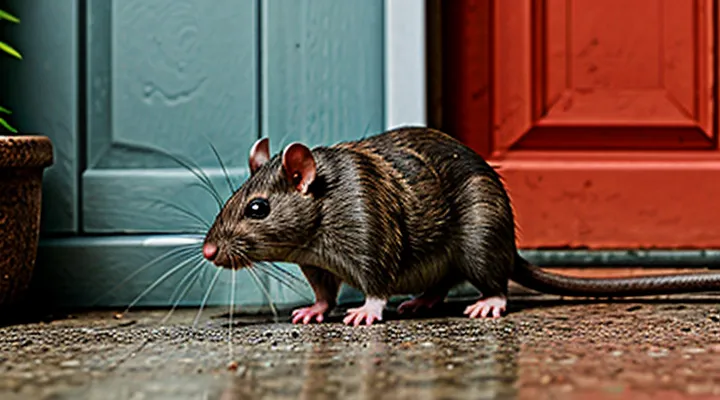
Can Rats Consume Milk?
Understanding Lactose Intolerance in Mammals
Rats are omnivorous rodents that may encounter milk in laboratory settings or as accidental food sources. Their ability to process milk depends on the presence of the enzyme lactase, which hydrolyzes lactose into glucose and galactose. In most mammals, lactase activity declines sharply after weaning, rendering adult individuals lactose intolerant. Consequently, adult rats typically exhibit reduced tolerance to lactose, leading to gastrointestinal discomfort when ingesting milk.
Key physiological factors influencing lactose intolerance in mammals:
- Lactase expression: High during neonatal period, low in adulthood.
- Gut microbiota: Bacterial fermentation of undigested lactose produces gas and short‑chain fatty acids, causing bloating and diarrhea.
- Genetic regulation: Species‑specific promoter regions control lactase gene transcription; rodents possess regulatory elements that suppress expression post‑weaning.
- Dietary adaptation: Species that evolved on milk‑free diets retain minimal lactase activity, whereas dairy‑dependent mammals maintain higher levels.
Experimental observations confirm that juvenile rats readily consume milk without adverse effects, while adult specimens display signs of intolerance after relatively small lactose doses. Researchers often use this differential response to study gut physiology, enzyme regulation, and probiotic interventions.
Understanding lactose intolerance across mammalian taxa clarifies why adult rats, like many other non‑human mammals, are unlikely to seek or tolerate milk as a regular food source.
The Role of Lactase Enzyme
Rats possess the enzyme lactase, a β‑galactosidase that hydrolyzes lactose into glucose and galactose. The presence and activity level of this enzyme determine how efficiently a rat can process milk sugars.
When lactase expression is high, lactose is rapidly broken down, allowing the animal to extract energy from milk without gastrointestinal distress. Low lactase activity leads to undigested lactose, osmotic imbalance in the intestine, and potential diarrhea, which discourages milk consumption.
Key points about lactase in rodent nutrition:
- Lactase is synthesized in the small‑intestinal brush border.
- Activity peaks during the neonatal period and declines in most adult strains.
- Genetic variation among rat strains produces measurable differences in lactase levels.
- Dietary exposure to lactose can induce modest up‑regulation of the enzyme in some populations.
Milk and Adult Rats: A Complex Relationship
Adult rats possess the enzyme lactase only during the early post‑natal period. After weaning, lactase activity declines sharply, rendering most mature individuals unable to digest lactose efficiently. Consequently, milk provides limited nutritional value for adult rodents and may cause gastrointestinal distress when consumed in significant quantities.
Physiological studies demonstrate that adult rats will ingest milk if presented as the sole liquid source, but preference tests show a marked avoidance when alternative water is available. This behavior reflects both the reduced palatability of lactose‑rich fluids and the metabolic cost of processing undigested sugars.
Key factors influencing the milk‑rat interaction:
- Lactase persistence: Rare genetic variants maintain lactase expression into adulthood, allowing a minority of rats to tolerate milk without adverse effects.
- Nutrient composition: Milk supplies proteins and fats that are redundant for adult rats, whose diet typically consists of grain‑based pellets rich in these macronutrients.
- Health implications: Excessive milk intake in lactase‑deficient adults can lead to diarrhea, bloating, and altered gut microbiota, potentially compromising experimental outcomes in laboratory settings.
Researchers advise offering water as the primary hydration source and reserving milk for neonatal care or specific metabolic studies involving lactase‑positive strains. This protocol minimizes stress and ensures consistent physiological data across adult rat populations.
Nutritional Implications of Milk for Rats
Potential Benefits of Milk for Young Rats
Young rats can obtain several nutritional advantages from milk. Milk supplies high‑quality protein that supports rapid tissue growth, essential for the development of skeletal muscle and organ systems. Calcium and phosphorus in milk contribute to bone mineralization, while vitamin D enhances calcium absorption. Lactose serves as an energy source and promotes the proliferation of beneficial gut bacteria, which can improve digestive health. Immunoglobulins and bioactive peptides present in milk may strengthen the immature immune system, offering protection against common pathogens.
Key benefits include:
- Accelerated growth due to complete amino acid profile
- Enhanced bone strength from calcium‑phosphorus balance
- Improved gut microbiota composition via lactose fermentation
- Additional vitamins (A, B‑complex, D) supporting metabolic functions
- Passive immunity through maternal antibodies transferred in milk
Milk should be offered in limited quantities to avoid lactose overload, which adult rodents often cannot digest. Formulated rodent milk replacers mimic natural composition and reduce the risk of digestive upset. When introducing milk, monitor weight gain and stool consistency to ensure the intended benefits are realized without adverse effects.
Risks Associated with Milk Consumption in Adult Rats
Adult rats possess limited lactase activity, making milk a potential source of gastrointestinal distress. Undigested lactose creates an osmotic gradient that draws water into the intestinal lumen, resulting in diarrhea, dehydration, and electrolyte imbalance. Chronic exposure can impair nutrient absorption and weaken overall health.
Excessive milk intake introduces disproportionate levels of calcium and phosphorus, which may precipitate renal calculi and strain kidney function. High fat content contributes to rapid weight gain, increasing the risk of obesity‑related disorders such as insulin resistance and hepatic steatosis.
Microbial balance is vulnerable to milk carbohydrates; overgrowth of fermentative bacteria can alter the gut microbiome, reducing diversity and promoting dysbiosis. Dysbiosis correlates with heightened inflammation and compromised immune response.
Contamination risk is inherent in raw dairy products. Pathogenic bacteria (e.g., Salmonella, E. coli) can colonize the gastrointestinal tract, leading to systemic infection and mortality in adult rats.
Key risks associated with milk consumption in adult rats:
- Lactose intolerance → diarrhea, dehydration
- Calcium/phosphorus overload → renal calculi, kidney strain
- High fat content → obesity, metabolic syndrome
- Microbiome disruption → dysbiosis, inflammation
- Pathogen exposure → infection, increased mortality
Considering these factors, routine milk provision to adult rats is inadvisable without rigorous lactase supplementation, controlled nutrient balancing, and strict sterility protocols.
Digestive Issues and Diarrhea
Rats that ingest milk often experience gastrointestinal distress because their digestive systems lack sufficient lactase enzyme. Lactose that remains undigested draws water into the intestinal lumen, leading to loose stools and, in severe cases, watery diarrhea. The condition may develop within minutes of consumption and can persist for several hours, depending on the amount of milk and the individual’s tolerance level.
Key factors influencing the reaction include:
- Age: younger rats possess slightly higher lactase activity, yet even juveniles can exhibit symptoms after large quantities.
- Quantity: small amounts may cause mild cramping, while larger servings increase the risk of acute diarrhea.
- Frequency: repeated exposure reduces tolerance, potentially exacerbating intestinal inflammation.
Clinical signs to monitor are abdominal bloating, increased defecation frequency, and dehydration. Prompt removal of milk from the diet, provision of clean water, and, if necessary, electrolytic solutions help restore fluid balance. In persistent cases, veterinary assessment is recommended to rule out secondary infections or underlying malabsorption disorders.
Nutritional Imbalance
Rats are omnivorous rodents whose natural diet consists of grains, seeds, insects, and occasional animal protein. Milk is not a regular component of their environment, and consumption introduces nutrients in proportions that differ markedly from their evolutionary needs.
- Excess calcium relative to phosphorus disrupts bone mineralization.
- Lactose exceeds the enzymatic capacity of most adult rats, leading to gastrointestinal distress and reduced absorption of other minerals.
- High casein protein can overload hepatic metabolism, causing amino‑acid imbalance.
- Fat content in dairy surpasses typical rodent intake, promoting elevated serum triglycerides and hepatic steatosis.
Experimental data reveal that rats offered unrestricted cow’s milk develop hypophosphatemia, hypercalcemia, and signs of malabsorption within two weeks. Parallel studies with formulated rodent milk substitutes, adjusted for calcium‑phosphorus ratio and lactose reduction, mitigate these effects but still present a narrower margin of safety compared with grain‑based feeds.
For laboratory and pet care, the safest practice limits dairy to minimal, nutritionally balanced formulations or eliminates it entirely. Standard rodent chow remains the optimal source for maintaining homeostatic nutrient levels.
Alternative and Safer Dietary Options for Rats
Rats thrive on a diet that mirrors their natural omnivorous habits, emphasizing protein, fiber, and low‑fat content. Conventional dairy products, including milk, pose health risks such as lactose intolerance, gastrointestinal distress, and potential calcium imbalance. For owners seeking nutritionally sound alternatives, the following provisions are recommended:
- Commercial rodent pellets: Formulated to meet established nutrient ratios, these pellets supply balanced protein (15‑20 %), fat (5‑7 %), and essential vitamins and minerals.
- Fresh vegetables: Offer a daily selection of leafy greens (e.g., kale, romaine lettuce), carrots, and bell peppers. These provide fiber, antioxidants, and micronutrients without excess sugars.
- Lean animal protein: Small portions of cooked chicken breast, boiled egg white, or low‑fat turkey deliver high‑quality amino acids. Ensure no seasoning, skin, or bones are included.
- Whole grains: Provide measured amounts of cooked brown rice, oatmeal, or whole‑wheat pasta. Grains contribute complex carbohydrates and B‑vitamins.
- Nuts and seeds: Offer limited quantities (no more than 5 % of total intake) of unsalted almonds, sunflower seeds, or pumpkin seeds for healthy fats and trace minerals.
- Fruit treats: Use sparingly; berries, apple slices (without core), or melon furnish natural sugars and vitamin C. Limit to occasional rewards to avoid weight gain.
Water must be available at all times, refreshed daily, and delivered via a clean bottle or bowl to prevent contamination. Regular monitoring of body condition and veterinary check‑ups ensure the diet remains appropriate for the individual rat’s age, activity level, and health status.
Historical Context and Misconceptions
The "Cat and Milk" Fallacy and its Relation to Rats
The belief that cats instinctively seek milk stems from a cultural myth that portrays milk as a universal feline treat. Scientific investigations reveal that adult cats lack the enzyme lactase, making milk a potential source of digestive upset rather than a nutritional benefit. The myth persists because of nostalgic imagery and occasional marketing that pairs cat images with milk containers, creating a false association between felines and dairy consumption.
When the same misconception is transferred to rodents, it generates the “Cat and Milk” fallacy applied to rats. Researchers observing rat behavior often report that rats will drink milk when it is offered, yet this does not indicate a natural dietary preference. Key observations include:
- Lactase activity in adult rats declines after weaning, similar to cats.
- Milk consumption in laboratory settings is driven by novelty or hunger, not by innate attraction.
- Regular milk intake can cause diarrhea, weight loss, and altered gut flora in rats.
Consequently, the fallacy misleads both pet owners and scientific communication by implying that milk is a standard component of a rat’s diet. Evidence confirms that rats, like many mammals, are better served by water and species‑appropriate solid foods.
Traditional Beliefs Versus Scientific Understanding
Rural anecdotes and children's stories often portray rats as avid milk drinkers, a image reinforced by cartoons and folklore that show the animal licking a bottle. This portrayal persists because milk symbolizes nourishment and the visual of a small creature sipping it appears endearing.
Laboratory research establishes that adult rats lack sufficient lactase, the enzyme required to break down lactose. Experiments in which rats receive milk or dairy solutions result in gastrointestinal distress, reduced food intake, and weight loss. Neonatal rodents consume their mother’s milk, but the transition to solid food includes a rapid decline in lactase activity, making milk an unsuitable dietary component for mature individuals.
The discrepancy between cultural imagination and empirical data can be summarized:
- Traditional belief: rats regularly drink milk; milk is a natural part of their diet.
- Scientific finding: adult rats are lactose intolerant; milk consumption leads to adverse health effects.
- Cultural source: stories, media, and anecdotal observations of rats near dairy containers.
- Experimental source: controlled feeding trials, enzymatic assays, and metabolic studies.
Understanding this contrast clarifies that the popular image does not reflect the physiological reality of the species.
When is Milk Potentially Acceptable?
Emergency Situations for Orphaned Rat Pups
Orphaned rat pups face rapid physiological decline without maternal care. Their survival depends on immediate provision of appropriate nutrition, temperature regulation, and hygiene.
Nutritional emergencies arise when pups cannot access their mother's milk. Rat milk differs from common dairy; it contains high protein, fat, and specific antibodies. Commercial rodent milk replacer, prepared according to manufacturer instructions, supplies the necessary balance. If replacer is unavailable, a temporary formula of diluted goat’s milk (10 % protein, 5 % fat) mixed with a vitamin‑mineral supplement can be used, but only for short periods. Feeding should occur every 2–3 hours with a calibrated syringe, delivering 0.1 ml per gram of body weight. Over‑feeding leads to aspiration; under‑feeding accelerates hypoglycemia.
Temperature control prevents hypothermia, the most common cause of mortality in neonates. Pups require an ambient temperature of 30–32 °C for the first week, decreasing to 26 °C by day 14. A heating pad set to low, covered with a thin cloth, offers consistent warmth without creating hot spots. Monitoring should include tactile checks of the ventral surface; cold pups feel cool to the touch.
Hydration emergencies occur when dehydration develops despite regular feeding. Signs include sunken eyes and reduced skin elasticity. Subcutaneous administration of sterile isotonic saline (0.9 % NaCl) at 0.5 ml per 10 g of body weight restores fluid balance. Oral rehydration solutions designed for rodents may be offered in small volumes if the pup can swallow without distress.
Sanitation prevents infection, which spreads quickly in confined litter areas. All feeding equipment must be sterilized before each use. Bedding should be changed daily with clean, low‑dust material. Any pup displaying nasal discharge, ocular swelling, or lethargy requires isolation and veterinary assessment.
Emergency response checklist
- Verify ambient temperature (30–32 °C) and adjust heating source.
- Prepare rodent‑specific milk replacer; warm to 37 °C.
- Feed each pup with a calibrated syringe every 2–3 hours; record volume.
- Inspect for signs of hypothermia, dehydration, or infection.
- Administer subcutaneous saline if dehydration is evident.
- Sterilize all equipment and replace bedding daily.
- Contact a veterinarian at the first indication of illness.
Prompt execution of these measures stabilizes orphaned rat pups, reduces mortality, and prepares them for eventual weaning onto solid food.
Specific Veterinary Recommendations
Rats can ingest milk, but most adult specimens lack sufficient lactase, making dairy products a common source of gastrointestinal distress. Veterinary guidance advises against routine inclusion of milk in rodent diets.
- Offer water as the primary fluid; ensure constant availability of clean, fresh supply.
- Provide a balanced commercial rodent pellet formulated to meet nutritional requirements.
- If supplemental calcium is needed, use a calcium‑enriched chew or a veterinary‑approved mineral block.
- Reserve milk for neonatal pups under direct supervision; limit volume to no more than 2 ml per day per pup.
- When milk is introduced to an adult, start with a lactose‑free alternative and monitor for signs of diarrhea, bloating, or weight loss.
In cases of lactose intolerance, replace dairy with lactose‑free formulas specifically designed for small mammals. Such products contain appropriate protein, fat, and vitamin profiles without the problematic sugar.
If a rat exhibits dehydration or malnutrition, veterinary assessment should determine whether a short‑term, low‑lactose supplement is justified. Administration must follow precise dosing instructions and include regular re‑evaluation.
Overall, the safest practice is to exclude conventional milk from the diet of mature rats, relying on water and nutritionally complete feed to maintain health.
Responsible Pet Rat Care and Diet
Recommended Diet for Pet Rats
Pet rats require a balanced diet that mirrors their natural omnivorous habits. The core components should include high‑quality commercial rat pellets, fresh vegetables, occasional fruit, and a reliable water supply.
- Pellets: Formulated to provide essential protein (15–20 %), fat (5–7 %), and fiber. Offer 1–2 g per 100 g body weight daily.
- Vegetables: Dark leafy greens (kale, spinach), carrots, broccoli, and bell peppers. Provide 1–2 teaspoons per rat, split into two feedings.
- Fruit: Apple slices, berries, or banana in limited quantities (no more than ½ teaspoon per day) to prevent excess sugar.
- Protein treats: Cooked egg, plain boiled chicken, or mealworms. Limit to 1–2 g per week.
- Calcium source: A small piece of plain, unsalted cheese or a calcium supplement dusted on pellets, used sparingly to avoid renal strain.
- Water: Fresh, clean water available at all times; replace daily.
Milk is not a natural component of a rat’s diet. Lactose intolerance is common, and regular milk consumption can cause digestive upset and diarrhea. If a veterinarian prescribes a lactose‑free supplement, it should be given only under supervision and in minimal amounts.
Feeding schedule matters. Provide food in the morning and early evening, removing uneaten fresh foods after four hours to prevent spoilage. Monitor body condition regularly; a healthy rat maintains a sleek coat, active behavior, and steady weight.
Avoid toxic items such as chocolate, caffeine, citrus peels, raw potatoes, and processed human snacks. These can lead to acute poisoning or long‑term health issues.
By adhering to these guidelines, owners ensure optimal nutrition, support immune function, and promote longevity in pet rats.
Foods to Avoid for Pet Rats
Pet rats should not be given dairy products, including milk, because they lack the enzymes needed to digest lactose and can develop gastrointestinal upset. This dietary restriction extends to a broader range of foods that pose health risks for these small rodents.
- Processed meats (e.g., bacon, ham, sausage) – high sodium and preservatives can cause kidney strain and hypertension.
- Sugary treats (candy, chocolate, baked goods) – sugar spikes blood glucose, while chocolate contains theobromine, which is toxic to rats.
- Citrus fruits and juices – acidity irritates the digestive tract and can lead to mouth sores.
- Raw potatoes and green tomatoes – contain solanine, a potent neurotoxin.
- Onion, garlic, and related Allium species – cause hemolytic anemia by damaging red blood cells.
- High‑fat snacks (chips, fried foods) – contribute to obesity and hepatic lipidosis.
- Artificial sweeteners, especially xylitol – induce rapid insulin release and can be fatal.
- Caffeinated beverages and foods – stimulate the heart and may cause arrhythmias.
Providing a balanced diet of commercial rat pellets, fresh vegetables, and occasional protein sources such as boiled egg or lean cooked chicken ensures nutritional adequacy while avoiding the hazards listed above. Regular monitoring of weight and behavior helps detect early signs of dietary intolerance.
Consulting with a Veterinarian
Consulting a veterinarian is essential when determining whether a rat should be offered milk. Rats lack the digestive enzymes needed to break down lactose efficiently; a professional can confirm the animal’s tolerance and advise on safe alternatives.
A veterinarian will:
- Review the rat’s age, health history, and current diet.
- Perform a physical examination to detect signs of lactose intolerance, such as diarrhea or abdominal discomfort.
- Recommend appropriate nutritional supplements or fortified feeds that meet the rat’s specific needs.
When scheduling the appointment, provide the clinician with:
- Details of any milk exposure, including type (cow, goat, plant‑based) and quantity.
- Observed symptoms following consumption.
- Information about the rat’s housing conditions and overall diet composition.
Following the consultation, implement the veterinarian’s guidance promptly. Replace milk with water and a balanced rodent diet, and monitor the rat for any changes in health or behavior. If symptoms persist, return to the clinic for further evaluation.