
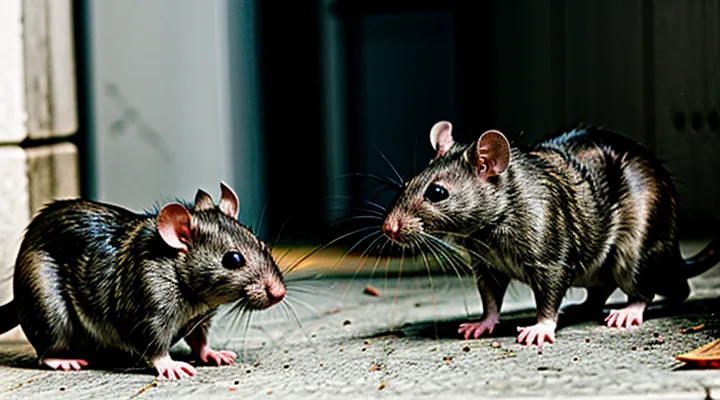
Understanding Rat Behavior
Why Rats Bite
Self-Defense Mechanisms
Rats protect themselves through a set of instinctive responses that can result in biting when they perceive danger. Their defensive repertoire includes rapid sensory assessment, aggressive posture, and the use of sharp incisors.
- Acute whisker and auditory perception detects sudden movements or unfamiliar sounds.
- Elevated stress hormones trigger a fight‑or‑flight cascade.
- Muscular contraction of the jaw and neck prepares a bite.
- Release of pheromones signals alarm to nearby conspecifics.
Biting occurs most frequently under direct handling, confinement in small spaces, or exposure to predators. The bite is puncture‑type, delivering a narrow wound that may introduce pathogens such as Streptobacillus moniliformis. The force generated by a rat’s jaw can exceed 20 N, sufficient to penetrate skin and underlying tissue.
Preventive measures rely on minimizing perceived threats: avoid sudden motions, use gloves when handling, provide ample escape routes, and maintain a calm environment. Understanding these defense mechanisms clarifies when and why rats resort to biting, enabling effective risk mitigation.
Territoriality
Rats defend the space they occupy with a well‑defined hierarchy. When an individual perceives an intrusion—whether from another rat or a human—it may respond aggressively to preserve its nest, food stores, or mating area. The aggression manifests as lunging, snapping, and, if contact persists, a bite.
Key conditions that increase the likelihood of a bite linked to territorial defense:
- Presence of a new object or animal inside an established burrow or shelter.
- Sudden movement or noise that suggests a threat to the rat’s domain.
- Competition for limited resources such as food or nesting material.
- Prior experience of being chased or cornered, which heightens defensive reflexes.
In environments where rats have unrestricted access to their preferred territory—basements, attics, or cluttered storage areas—the probability of a defensive bite rises sharply. Conversely, limiting the animal’s access, removing attractants, and allowing gradual desensitization to human presence reduce aggressive encounters.
Hunger and Resource Scarcity
Rats are opportunistic feeders; when food supplies dwindle, they expand their foraging range and increase contact with human habitats. Scarcity drives rats to explore storage areas, waste containers, and food preparation surfaces, raising the likelihood of direct encounters with people.
Factors linking hunger to biting behavior include:
- Reduced availability of natural seeds, fruits, and insects forces rats to seek alternative protein sources, sometimes resulting in aggression toward humans who appear as potential prey.
- Overcrowded colonies compete for limited resources, elevating stress levels and prompting defensive bites when individuals perceive threats to food caches.
- Seasonal shortages intensify foraging activity during night hours, aligning rat movement patterns with human activity and increasing bite risk.
Understanding these dynamics clarifies that bites are not random but correlate with periods of resource deficiency, emphasizing the need for consistent waste management and secure food storage to mitigate aggression.
Types of Rats and Their Tendencies
Wild Rats
Wild rats, primarily species such as Rattus norvegicus and Rattus rattus, inhabit sewers, fields, and abandoned structures. Their populations thrive where food waste and shelter are abundant, leading to frequent contact with humans in urban and rural settings.
Biting incidents occur when rats feel threatened, experience extreme hunger, or are defending a nest. Bites are typically brief, resulting in puncture wounds that may penetrate skin and underlying tissue.
Key factors that increase the likelihood of a rat bite:
- Sudden approach or handling without protective equipment
- Presence of food sources that attract aggressive foraging behavior
- Overcrowded colonies that compete for limited resources
- Illness or injury that heightens defensive responses
Preventive actions include securing waste containers, sealing entry points in buildings, maintaining clear perimeters around storage areas, and using traps or professional control services when infestations develop. Prompt wound cleaning and medical evaluation reduce the risk of infection following any bite.
Pet Rats
Pet rats are small, intelligent mammals that can coexist peacefully with humans when properly cared for. Biting incidents are uncommon and usually stem from specific triggers rather than an inherent aggressiveness.
The primary factors that increase the likelihood of a bite are:
- Fear or sudden movement that startles the animal
- Pain from injury, illness, or improper handling
- Territorial behavior during breeding season
- Lack of socialization with humans from an early age
A healthy rat will typically give warning signs before attempting to bite. These signals include raised whiskers, flattened ears, a stiffened body, and rapid, shallow breathing. Recognizing these cues allows owners to pause interaction and reduce stress for both parties.
Preventive measures are straightforward:
- Wash hands before handling to remove scents that may alarm the rat.
- Approach the cage calmly, offering a treat to encourage voluntary contact.
- Support the rat’s body fully, avoiding restraint that restricts movement.
- Provide regular enrichment to prevent boredom and aggression.
- Schedule veterinary check‑ups to detect pain‑inducing conditions early.
When a bite does occur, clean the wound with mild soap and water, apply an antiseptic, and monitor for infection. If redness, swelling, or prolonged pain develops, seek medical advice promptly.
In summary, pet rats rarely bite without provocation. Proper handling, awareness of warning behaviors, and routine health care minimize risk, allowing owners to enjoy the companionship of these curious rodents safely.
The Likelihood of a Rat Bite
When and Where Bites Occur
In Homes and Urban Areas
Rats in residential buildings and city neighborhoods bite humans primarily when they feel threatened, are defending food, or are handling injuries. Bites are uncommon; surveys in North America and Europe record fewer than 1 % of reported rat sightings resulting in a bite. The most frequently involved species are the Norway rat (Rattus norvegicus) and the roof rat (Rattus rattus), both adapted to indoor environments.
Factors that increase the likelihood of a bite include:
- Presence of abundant food waste or unsecured garbage.
- Structural gaps larger than ¼ inch that allow rodent entry.
- Direct handling of live rats without protective equipment.
- Injured or sick rats that are more aggressive.
Typical bite characteristics:
- Small puncture wounds, often on hands or forearms.
- Painful, may bleed, and can become infected if not cleaned promptly.
- Potential transmission of pathogens such as Streptobacillus moniliformis (rat‑bite fever) and Leptospira spp.
Preventive actions:
- Seal cracks, vents, and utility openings with steel wool or metal mesh.
- Store food in sealed containers; remove crumbs and spills immediately.
- Maintain regular waste removal, using bins with tight‑fitting lids.
- Install snap or electronic traps in known activity zones; replace bait regularly.
- Conduct periodic professional inspections, especially in multi‑unit buildings.
If a bite occurs, immediate steps are:
- Wash the wound with soap and running water for at least two minutes.
- Apply an antiseptic and cover with a clean dressing.
- Seek medical evaluation to assess infection risk and consider prophylactic antibiotics or tetanus update.
Understanding the environmental conditions that attract rats and implementing systematic exclusion measures markedly reduces bite incidents in homes and urban settings.
During Handling (Pet Rats)
Pet rats may bite when they feel threatened, startled, or experience pain. Biting is a defensive response, not a typical behavior for well‑socialized individuals. The risk increases if the rat has not been regularly handled, if handling is abrupt, or if the animal is sick or injured.
Factors that influence bite likelihood during handling include:
- Handling technique – slow, gentle movements reduce surprise.
- Grip – supporting the body with both hands prevents the rat from feeling trapped.
- Environment – quiet, familiar surroundings lower stress levels.
- Health status – illness, dental problems, or injury can make a rat more irritable.
Preventive measures:
- Approach the rat calmly, allowing it to sniff your hand before contact.
- Use a cupped hand to cradle the body rather than grasping the tail or limbs.
- Observe body language; raised hair, flattened ears, or rapid tail flicking signal discomfort.
- Limit handling sessions to a few minutes for new or shy rats, extending duration as trust builds.
- Maintain regular health checks; pain or infection often triggers aggression.
When a bite occurs, wash the wound with soap and water, apply an antiseptic, and monitor for signs of infection. If the bite breaks the skin or the rat shows persistent aggression, consult a veterinarian for assessment and guidance.
In Wilderness or Rural Settings
Rats encountered in wilderness or rural environments can bite humans, but incidents are relatively uncommon. Biting behavior typically follows a pattern of self‑defense, competition for food, or mistaken identification of a hand or foot as prey. Unlike urban rats, which often coexist with humans and display more habituated behavior, wild and farm‑yard rats are less accustomed to close contact and may react aggressively when startled.
Key factors influencing the likelihood of a bite include:
- Species: Norway rats (Rattus norvegicus) and roof rats (Rattus rattus) are the most prevalent in rural settings; both possess strong incisors capable of inflicting puncture wounds.
- Food scarcity: Limited resources increase competition, prompting rats to defend caches aggressively.
- Human activity: Handling of traps, storage of grain, or direct contact with nesting sites raises the risk of defensive bites.
- Health status: Malnourished or diseased rats may be more irritable and prone to aggression.
Preventive measures focus on minimizing attractants and reducing direct exposure. Secure grain stores, eliminate debris that provides shelter, and use snap traps or live‑catch devices with minimal handling. When capture is necessary, wear thick gloves and handle rodents by the tail to avoid triggering a bite response. Prompt wound cleaning and medical evaluation are essential if a bite occurs, given the potential for bacterial infection and zoonotic disease transmission.
Factors Increasing Bite Risk
Poor Sanitation
Rats are more likely to bite humans when sanitation conditions are deficient. Accumulated garbage, overflowing dumpsters, and unclean streets provide abundant food and shelter, forcing rodents to forage closer to residential areas. The proximity raises the probability of defensive or opportunistic bites during encounters with people.
Improper waste disposal creates pathways for rats to infiltrate homes, basements, and food storage spaces. When rodents encounter human activity while seeking sustenance, they may bite to protect their territory or to secure a meal. Bites often occur on hands, fingers, or exposed skin during handling of contaminated objects or while attempting to remove rats from living spaces.
Health consequences of rat bites include bacterial infections such as Staphylococcus aureus and Streptococcus species, as well as potential transmission of pathogens like Leptospira spp. Prompt medical evaluation and wound care are essential to prevent complications.
Factors linking poor sanitation to increased bite incidents:
- Unsecured trash containers that attract foraging rodents.
- Open sewers or standing water that serve as breeding sites.
- Cluttered storage areas offering nesting material.
- Lack of regular pest‑control inspections in high‑risk neighborhoods.
Addressing these sanitation shortcomings reduces rodent populations, limits human‑rat contact, and consequently lowers the incidence of bites.
Proximity to Nests
Rats are most defensive when a person approaches the entrance or interior of their nesting area. Direct contact with a nest triggers territorial aggression, increasing the likelihood of a bite. The risk rises sharply within a radius of one to two meters from a known nest site, especially if the individual moves quickly or attempts to manipulate nesting material.
Key points regarding nest proximity and biting behavior:
- Immediate vicinity (0‑1 m): Rats may bite without hesitation to protect offspring or stored food.
- Close range (1‑2 m): Biting becomes probable if the intruder shows signs of threat, such as sudden movements or loud noises.
- Peripheral zone (2‑5 m): Rats may exhibit warning behaviors—hissing, lunging, or retreating—before resorting to a bite, but the incidence drops significantly.
- Beyond 5 m: Aggressive bites are rare unless the rat is cornered or feels trapped.
Environmental factors that amplify the danger include cluttered spaces that conceal nests, abundant food sources near nesting sites, and low lighting that obscures the rat’s line of sight. Reducing human activity around known nesting locations, sealing entry points, and maintaining clear, well‑lit pathways are proven methods for minimizing bite incidents.
Cornered or Threatened Rats
Rats that feel trapped or perceive a threat are more likely to bite than those that are undisturbed. When an animal is cornered, its defensive response includes a rapid assessment of escape routes; if none are available, the bite serves as a protective measure.
Key triggers for aggressive biting in cornered rats:
- Sudden movements toward the animal
- Direct eye contact combined with looming gestures
- Physical restraint of the body or tail
- Exposure to unfamiliar scents or loud noises while confined
Physiological factors amplify the risk. Rats possess sharp incisors capable of penetrating skin with minimal force, and their saliva contains bacteria that can cause infections if a wound is not promptly treated. Stress hormones released during fear increase muscle tension, making the bite more forceful.
Preventive actions reduce incidents:
- Avoid handling rats that display raised fur, flattened ears, or rapid tail flicking.
- Provide an unobstructed exit path before attempting to move or capture the animal.
- Use gentle, gradual movements rather than sudden grabs.
- Wear thick gloves when contact is unavoidable, and disinfect any bite wound immediately.
Health Risks and Prevention
Potential Health Consequences
Disease Transmission
Rats can transmit several pathogens through bite wounds, making bite incidents a public‑health concern. When a rat’s teeth penetrate skin, saliva and oral flora are introduced directly into the tissue, providing a route for bacterial, viral, and rickettsial agents.
Key diseases associated with rat bites include:
- Leptospira interrogans – causes leptospirosis; incubation 2‑14 days; symptoms range from fever to renal failure.
- Streptobacillus moniliformis – responsible for rat‑bite fever; presents with fever, rash, and arthralgia within 3‑10 days.
- Yersinia pestis – the plague bacterium; rare in modern settings but can cause bubonic plague after a bite.
- Hantavirus – primarily transmitted via aerosolized rodent excreta, but documented cases show possible transmission through bite saliva.
- Salmonella spp. – may cause gastrointestinal infection if introduced into a wound.
Transmission mechanisms are direct inoculation of pathogen‑laden saliva, secondary infection from contaminated surfaces, and, in some cases, hematogenous spread from the bite site to systemic circulation. Immunocompromised individuals, children, and people living in densely populated or unsanitary environments face heightened risk.
Preventive actions focus on reducing exposure and managing injuries promptly:
- Implement integrated pest management to limit rodent populations in residential and occupational settings.
- Use protective gloves and clothing when handling rodents or cleaning infested areas.
- Clean and disinfect bite wounds immediately; irrigate with sterile saline, apply antiseptic, and seek medical evaluation.
- Administer appropriate antibiotics (e.g., penicillin or doxycycline) when bacterial infection is suspected, following local guidelines.
- Monitor for systemic symptoms; initiate targeted therapy for identified pathogens, such as doxycycline for leptospirosis or streptobacillus infection.
Understanding the disease transmission potential of rat bites informs clinical response and public‑health strategies, reducing morbidity associated with rodent‑borne infections.
Infection and Wound Care
Rat bites can introduce bacteria, viruses, and parasites directly into skin and tissue. The most common pathogens include Streptococcus, Staphylococcus, Pasteurella multocida, and Leptospira species. In addition, rat‑associated viruses such as hantavirus may be transmitted through broken skin. Prompt assessment of the wound determines the risk of infection and guides treatment.
Initial wound management consists of:
- Immediate irrigation with sterile saline or clean water for at least five minutes, applying gentle pressure to remove debris.
- Removal of visible foreign material using sterile forceps; avoid aggressive scraping that may enlarge the wound.
- Application of a broad‑spectrum topical antiseptic (e.g., chlorhexidine or povidone‑iodine) after cleaning.
- Coverage with a sterile, non‑adhesive dressing to maintain a moist environment and protect against external contaminants.
Systemic prophylaxis should be considered for all rat‑bite injuries. A single dose of tetanus toxoid is required if immunization status is uncertain or the last booster exceeds ten years. Oral or injectable antibiotics covering both aerobic and anaerobic organisms—commonly amoxicillin‑clavulanate—are recommended for deep punctures, bites on hands or face, or in immunocompromised individuals. Monitoring for signs of cellulitis, abscess formation, or systemic illness (fever, malaise) is essential during the first 48‑72 hours.
Follow‑up includes wound reassessment at 48‑hour intervals, dressing changes under aseptic conditions, and evaluation for potential complications such as osteomyelitis or septic arthritis. Documentation of the incident, source identification, and reporting to public‑health authorities facilitate broader surveillance of rodent‑borne diseases.
Preventing Rat Bites
Rodent Control Strategies
Rats can bite when they feel threatened, are defending a food source, or are handling disease‑laden material. Bites are relatively uncommon compared to other health hazards, yet they increase the risk of infection and reinforce the need for effective rodent management.
Effective control relies on a combination of preventive measures and active interventions. Preventive actions include sealing entry points, eliminating food and water sources, and maintaining clutter‑free environments. Active interventions focus on population reduction and monitoring.
- Exclusion: install metal flashing, steel wool, or concrete around gaps larger than ¼ inch.
- Sanitation: store waste in sealed containers, clean spills promptly, and remove standing water.
- Trapping: use snap traps or electronic devices for immediate removal; position traps along walls, behind appliances, and near suspected runways.
- Baiting: apply anticoagulant or non‑anticoagulant rodenticides according to local regulations; rotate active ingredients to prevent resistance.
- Biological control: introduce predatory species such as barn owls or feral cats in appropriate settings, ensuring compliance with wildlife guidelines.
Regular inspection of traps, bait stations, and exclusion points allows early detection of reinfestation. Documentation of capture rates and bite incidents supports targeted adjustments to the control plan. Integrated strategies that combine exclusion, sanitation, trapping, baiting, and, where suitable, biological agents provide the most reliable reduction of rat populations and the associated bite risk.
Safe Handling Practices
Rats may bite when they feel threatened, experience pain, or are improperly restrained. Reducing bite incidents requires consistent, controlled handling techniques.
- Wear clean, puncture‑resistant gloves before any direct contact.
- Approach the animal calmly; sudden movements increase defensive aggression.
- Support the rat’s body with both hands, securing the head and hindquarters to prevent escape.
- Keep nails trimmed and avoid exposing sharp objects that could startle the animal.
- Use a secure, well‑ventilated cage for transport; never lift a rat by its tail.
- Perform regular health checks; injuries or illness can heighten irritability.
- Limit handling sessions to short intervals, especially with newly acquired or stressed individuals.
- Wash hands thoroughly after removing gloves to prevent cross‑contamination.
Adhering to these practices minimizes the likelihood of bites and promotes a safe environment for both handler and animal.
Personal Protective Measures
Rats can inflict bites that transmit bacterial infections and parasites; avoiding direct contact reduces these risks.
- Wear thick, puncture‑resistant gloves when handling rodents or cleaning areas where they may be present.
- Use long‑sleeved shirts and sturdy trousers to protect exposed skin.
- Apply disposable protective sleeves or aprons in environments with high rodent activity.
- Maintain clean workspaces; remove food residues, garbage, and clutter that attract rats.
- Seal entry points such as gaps around pipes, doors, and vents to prevent intrusion.
- Install snap traps or electronic devices in known pathways; check and replace them regularly.
- Employ professional pest‑control services for extensive infestations.
- Disinfect surfaces after handling rodents or cleaning droppings with an EPA‑approved sanitizer.
- If a bite occurs, wash the wound with soap and water, apply an antiseptic, and seek medical evaluation promptly.
Consistent use of these measures minimizes exposure to rat bites and associated health hazards.