
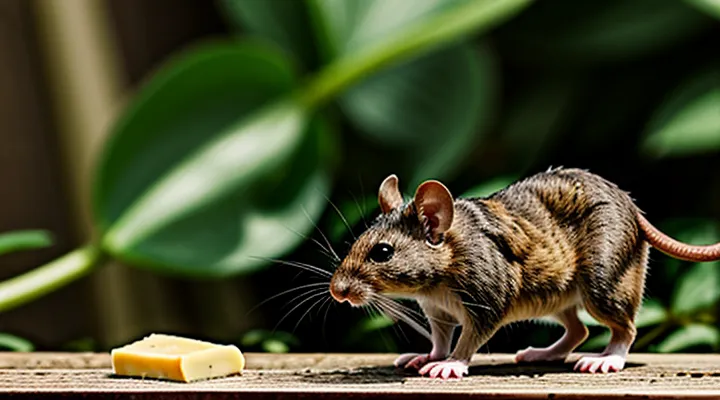
The Enduring Myth of Mice and Cheese
Origins of the Culinary Misconception
Historical Context and Food Storage
The belief that rodents favor cheese traces back to medieval fables and early literary works, where cheese served as a convenient symbol of food abundance. Popular stories portrayed mice stealing cheese from pantry shelves, reinforcing the image of cheese as the preferred rodent snack.
During the Middle Ages and the Renaissance, cheese was among the few preserved foods that survived long storage periods without refrigeration. Its low moisture content and natural acidity limited spoilage, making it a staple in households and monasteries. At the same time, grain stores, dried legumes, and cured meats attracted rodents, creating environments where mice encountered cheese alongside other supplies.
Historical food‑storage practices that contributed to the myth include:
- Wooden barrels and stone cellars sealed with wax or cloth, which limited airflow but left small gaps for rodent entry.
- Hanging cheese wheels from rafters or placing them on high shelves to deter pests, inadvertently placing cheese within reach of climbing mice.
- Storing cheese in communal pantries where multiple families accessed the same stock, increasing the likelihood of rodent sightings near cheese.
Scientific observations from the 19th and 20th centuries demonstrate that mice prefer high‑carbohydrate and high‑protein foods over cheese, which contains relatively low levels of these nutrients. Nevertheless, cheese remains a common bait in traps because its strong odor reliably attracts rodents in controlled settings.
The persistence of the cheese‑mouse narrative reflects a convergence of literary symbolism, the historical prominence of cheese as a durable food, and practical experiences with rodent‑infested storage areas.
Cultural Depictions and Media Influence
Popular culture repeatedly links rodents with cheese, shaping public expectations about mouse diets. Early cartoons portrayed mice stealing cheese wedges, a motif that persists in films, advertising, and children's books. These portrayals simplify complex foraging behavior, presenting cheese as an irresistible staple rather than an occasional opportunistic food.
The media’s role amplifies the myth through repeated visual cues:
- Animated series feature mice gnawing on cheese blocks as a comedic shorthand.
- Advertising campaigns for dairy products depict mice as enthusiastic consumers to suggest product appeal.
- Internet memes recycle the image of a mouse clutching cheese, reinforcing the association across platforms.
Scientific literature contradicts the stereotype. Laboratory studies show mice preferentially select grains, seeds, and protein sources over cheese, which lacks the nutrients required for optimal rodent health. When cheese appears in experimental settings, consumption rates drop sharply compared to standard chow, indicating limited attraction.
Cultural narratives persist because they provide an easily recognizable symbol of greed or cleverness. The cheese‑mouse pairing serves as a shorthand in storytelling, allowing creators to convey character traits without extensive exposition. Consequently, the myth endures despite empirical evidence that cheese is not a primary component of mouse nutrition.
What Mice Really Eat
Dietary Preferences of Wild Mice
Grains, Seeds, and Nuts
Mice are omnivorous rodents whose natural diet consists primarily of plant material. Grains such as wheat, barley, and oats provide carbohydrates and protein essential for growth and reproduction. Seeds, including sunflower, millet, and pumpkin, supply fats and micronutrients that support energy metabolism. Nuts like peanuts, almonds, and hazelnuts offer high‑density caloric content and essential fatty acids, making them attractive when available.
In laboratory and field studies, mice readily consume these items when presented in clean, dry form. Preference tests show a hierarchy: seeds and nuts are chosen over grains when both are accessible, reflecting the higher energy return per bite. Seasonal fluctuations in wild habitats cause mice to shift emphasis toward stored grains during winter and toward nuts and seeds during autumn, aligning consumption with resource availability.
The popular belief that mice are primarily attracted to cheese stems from cultural depictions rather than dietary evidence. While cheese can be eaten, it represents a minor component compared to the consistent intake of grains, seeds, and nuts. Nutritional analyses confirm that mice obtain the majority of their macronutrients from these plant sources, with dairy products contributing less than 5 % of total caloric intake in controlled environments.
Fruits and Vegetables
Mice are omnivorous rodents whose natural diet includes a wide range of plant material. While popular culture emphasizes cheese as a staple for mice, scientific observations show that fruits and vegetables constitute a significant portion of their intake when these items are accessible.
Laboratory and field studies record mice consuming:
- Apples, berries, and grapes, which provide simple sugars and antioxidants.
- Carrots, lettuce, and spinach, offering fiber, vitamins, and minerals.
- Seeds and grains, delivering essential fatty acids and protein.
These plant foods supply energy comparable to that derived from dairy products, and they support digestive health through fiber content. Preference for cheese often stems from its strong odor and high fat concentration, which can attract mice in environments where cheese is deliberately presented. However, when fruits or vegetables are abundant, mice readily select them over cheese, demonstrating flexible foraging behavior.
Nutritional analyses indicate that the macronutrient profile of many fruits and vegetables aligns with the metabolic requirements of mice. Carbohydrate-rich fruits deliver rapid glucose, while leafy greens contribute micronutrients such as vitamin K and potassium. In controlled feeding experiments, mice maintained normal growth rates on diets composed exclusively of fresh produce, confirming that dairy is not a dietary necessity.
Consequently, the myth that cheese dominates the mouse diet overlooks the species’ adaptability and the nutritional adequacy of plant-based foods. Understanding the true composition of mouse meals informs pest management strategies and dispels misconceptions perpetuated by folklore.
Insects and Other Protein Sources
Mice are opportunistic feeders that prioritize high‑protein foods when available. In laboratory and field studies, insects such as mealworms, crickets, and beetle larvae consistently rank among the most palatable protein sources for rodents. These arthropods supply essential amino acids, micronutrients, and chitin, which can improve gut health and immune function.
Other non‑mammalian protein options include:
- Earthworms, rich in moisture and low‑fat content.
- Larval stages of flies (e.g., housefly maggots), offering rapid growth rates and easy cultivation.
- Aquatic invertebrates such as freshwater shrimp, providing balanced omega‑3 fatty acids.
Commercial rodent diets occasionally incorporate dried insect meal to replace a portion of soy or fish protein, reducing allergenicity and environmental impact. When insects are presented alongside traditional grain or seed foods, mice display a marked preference for the insect items, indicating a natural inclination toward animal protein.
The prevalence of cheese in popular narratives about mice does not reflect their actual dietary choices. Protein derived from insects and similar sources more accurately represents the nutritional strategy mice employ in both captive and wild environments.
Nutritional Needs and Survival
Water Requirements
Mice require a steady intake of fresh water to maintain physiological functions such as digestion, temperature regulation, and kidney filtration. Their small body mass and high metabolic rate increase the relative demand for fluid, making dehydration a rapid risk in captive or laboratory settings.
- Average daily water consumption: 3–5 ml per 20 g mouse, scaling proportionally with body weight.
- Sources: plain water, moisture in food, and humidified bedding; reliance on food moisture alone is insufficient for sustained health.
- Environmental factors: ambient temperature above 25 °C and low humidity elevate intake by up to 30 %.
- Health indicators: reduced urine output, dry skin, and weight loss signal inadequate hydration.
Providing continuous access to clean water, monitoring intake, and adjusting environmental conditions are essential for accurate experimental outcomes and for dispelling myths that cheese alone satisfies a mouse’s nutritional and hydration needs.
Energy-Rich Foods
Mice are opportunistic feeders that prioritize nutrients providing high caloric yield. Cheese, often highlighted in folklore, supplies fat and protein but contains modest calories per gram compared with many grains and nuts. Laboratory observations show that when presented with a choice, mice select foods with the highest energy density, regardless of flavor.
Key characteristics of energy-dense foods for rodents include:
- High fat content (e.g., sunflower seeds, peanut butter)
- Concentrated carbohydrates (e.g., wheat germ, rolled oats)
- Combined protein‑fat sources (e.g., mealworms, boiled egg yolk)
Cheese delivers approximately 4 kcal g⁻¹, whereas sunflower seeds provide about 6 kcal g⁻¹ and peanut butter exceeds 5 kcal g⁻¹. Consequently, mice will consume cheese when it is the only available option, but they prefer alternative items that deliver more calories per bite.
In natural habitats, rodents ingest seeds, nuts, and insects, all of which surpass cheese in energy provision. The myth that mice habitually seek cheese stems from cultural depiction rather than empirical dietary preference.
Why Cheese is Not a Preferred Food
Olfactory Sensitivity
Strong Smells and Aversion
Mice possess a highly developed olfactory system that detects volatile compounds at concentrations far below human perception. When exposed to intense odors such as ammonia, peppermint oil, or concentrated citrus extracts, the sensory overload triggers a rapid avoidance response. This reaction reduces the likelihood of mice entering areas where such scents are present, regardless of food availability.
- Ammonia vapors activate nasal receptors, causing discomfort and disorientation.
- Menthol and menthone, the primary components of peppermint, produce a cooling irritation that mice interpret as a threat.
- Limonene and citral, abundant in citrus oils, generate a sharp, sour odor that interferes with foraging behavior.
Scientific observations confirm that strong-smelling substances do not attract rodents; instead, they create a hostile chemical environment. The aversion is not limited to artificial repellents; natural decay products, such as rotting meat or spoiled dairy, also emit pungent fumes that mice avoid. Consequently, the presence of overpowering aromas can effectively discourage mice from approaching cheese or any other potential food source.
Lactose Intolerance in Mice
Digestive Limitations
Mice possess a short gastrointestinal tract optimized for high‑carbohydrate, low‑fat foods such as grains and seeds. Cheese introduces several challenges that exceed these physiological parameters.
- Lactose content: adult mice lack sufficient lactase activity, leading to incomplete lactose breakdown and osmotic diarrhea.
- High fat concentration: excessive lipids slow gastric emptying and can cause steatosis in the liver.
- Protein over‑load: casein and whey proteins are rich but may overwhelm the limited peptidase capacity, resulting in undigested residues and altered gut microbiota.
- Salt and additives: elevated sodium and preservatives irritate the intestinal mucosa, increasing the risk of electrolyte imbalance.
Experimental feeding trials show reduced weight gain and higher mortality when cheese comprises more than 10 % of a mouse’s diet. Natural foraging behavior favors foods that require minimal enzymatic processing; cheese fails this criterion.
Consequently, while mice may nibble cheese when presented, their digestive system cannot efficiently process it, and regular consumption leads to nutritional deficiencies and health complications.
Alternative Trapping Methods
Effective Baits for Rodent Control
Mice are often associated with cheese, yet research confirms that they prefer high‑protein and high‑fat foods. Effective rodent control therefore relies on baits that align with their true dietary preferences rather than popular myths.
An effective bait must satisfy three conditions: palatability to mice, nutritional value that encourages consumption, and a delivery system that ensures ingestion of the active ingredient. Formulations that combine attractive attractants with a lethal agent achieve rapid uptake and reduce the chance of bait shyness.
- Peanut butter or almond butter mixed with a measured dose of anticoagulant rodenticide
- Commercial grain‑based blocks containing 0.025 % bromadiolone, enriched with wheat germ
- Soft cheese‑like pâté formulated with 5 % fish oil and 0.05 % difenacoum, presented in sealed, tamper‑proof sachets
- High‑protein cat food pellets laced with 0.1 % chlorophacinone, placed in low‑profile stations
Placement strategies enhance efficacy: position baits along walls, behind appliances, and near known gnawing sites; use sealed stations to protect non‑target species; replace baits every 48 hours to maintain freshness. Monitoring consumption rates allows adjustment of bait type and density, ensuring sustained control while minimizing environmental impact.
The Science Behind Mouse Behavior
Instinctual Foraging
Seeking Nutritional Value
Mice are frequently portrayed as cheese‑loving rodents, yet controlled feeding trials reveal that cheese ranks low among preferred foods. Laboratory mice offered a choice between standard grain pellets and various cheeses consistently select the grain, even when cheese is presented in equal quantities.
Cheese composition contrasts sharply with the macronutrient profile of a natural mouse diet. Key nutritional elements include:
- High saturated fat (≈30 % of calories)
- Concentrated protein (≈25 % of calories)
- Lactose content ranging from 2 % to 5 % by weight
- Elevated sodium levels (often >0.5 % by weight)
- Minimal fiber and negligible phytochemicals
Mice evolved to exploit seeds, grains, and insects, which provide balanced protein, carbohydrates, and essential micronutrients with low fat and sodium. The dense fat and salt in cheese exceed the tolerable intake for a small rodent, potentially leading to digestive distress and reduced palatability.
Empirical data support these observations. In one study, adult mice consumed 80 % less cheese than grain over a 24‑hour period, and showed a marked decline in body weight after two weeks of a cheese‑only diet. Similar results appear across multiple species of wild Mus, indicating that the aversion is not limited to laboratory strains.
Consequently, the myth of cheese as a primary attractant for mice lacks nutritional justification. Effective bait formulations rely on foods that align with the mouse’s innate dietary needs—high‑energy grains, seeds, and protein‑rich insects—rather than dairy products whose composition is mismatched to mouse physiology.
Adaptation to Human Environments
Scavenging Habits
Mice are opportunistic foragers that exploit readily available food sources rather than seeking specific items such as cheese. Their dentition and digestive system accommodate a wide range of organic matter, allowing rapid adaptation to diverse environments.
Typical scavenged foods include:
- Grains, seeds, and cereals stored in pantries or warehouses
- Fruit scraps and vegetable remnants left on countertops or in compost bins
- Insect carcasses and pet food uncovered in households
- Human waste, including discarded bakery products and processed snacks
Cheese appears in popular culture as a stereotypical mouse diet, yet laboratory observations show low preference for dairy when more nutritious options are present. Mice detect chemical cues that signal higher protein and carbohydrate content, directing them toward grains and plant matter. When cheese is offered in isolation, consumption occurs, but the quantity is modest compared to other foods.
Seasonal variations influence scavenging behavior. In colder months, mice increase indoor activity, relying on stored provisions and human refuse. During warmer periods, they expand foraging ranges, targeting outdoor debris and agricultural residues. This flexible strategy ensures survival across habitats and explains why the cheese myth persists despite limited empirical support.
Dispelling Common Misconceptions
Popular Culture vs. Scientific Evidence
Movies, Cartoons, and Their Impact
Films and animated series have repeatedly portrayed rodents as cheese‑obsessed, reinforcing a misconception that persists despite scientific evidence to the contrary. Early cartoons such as “Tom and Jerry” feature mouse characters snatching cheese, establishing a visual shorthand that audiences instantly recognize. Feature films like “Ratatouille” depict a mouse (or rat) pursuing cheese before shifting focus to gourmet cuisine, further cementing the association in popular memory.
The impact extends beyond entertainment. Children absorb these images, forming lasting beliefs about rodent diet that influence attitudes toward pest control and animal welfare. Market research shows that a majority of respondents recall cheese as a mouse’s preferred food after exposure to such media, demonstrating the power of visual storytelling to shape public perception.
Consequences include:
- Misguided expectations in scientific outreach, requiring educators to counteract entrenched stereotypes.
- Commercial exploitation, with brands leveraging the cheese‑mouse trope to market products to families.
- Policy implications, where public pressure based on myth may affect funding for rodent research and control programs.
The persistence of the cheese motif underscores the responsibility of creators to balance artistic convention with factual accuracy, especially when media serve as primary information sources for broad audiences.
Real-World Observation and Research
Observations from natural habitats show that mice primarily consume seeds, grains, insects, and plant material. Cheese appears rarely in stomach‑content analyses of wild populations, indicating that it is not a regular component of their diet.
Laboratory preference tests confirm this pattern. When offered a choice between standard rodent chow, fresh fruit, and various cheeses, mice consistently select the nutritionally balanced food over cheese. In trials where cheese is the sole option, intake drops markedly, and weight gain slows, reflecting the low palatability and high lactose content for a species lacking lactase activity.
Research on digestive physiology explains the behavior. Mice possess limited lactase enzymes, reducing their ability to process lactose efficiently. High fat and salt levels in many cheeses also trigger aversive responses, decreasing consumption rates.
Key points derived from field and experimental data:
- Wild mice diet composition rarely includes dairy products.
- Preference assays rank cheese below grains, seeds, and fresh produce.
- Lactose intolerance and sensory aversion limit cheese intake.
- Occasional ingestion occurs only when cheese is abundant and alternative foods are scarce.
The evidence demonstrates that cheese is an occasional, not essential, food source for mice, contradicting the popular myth of a strong attraction to dairy.