
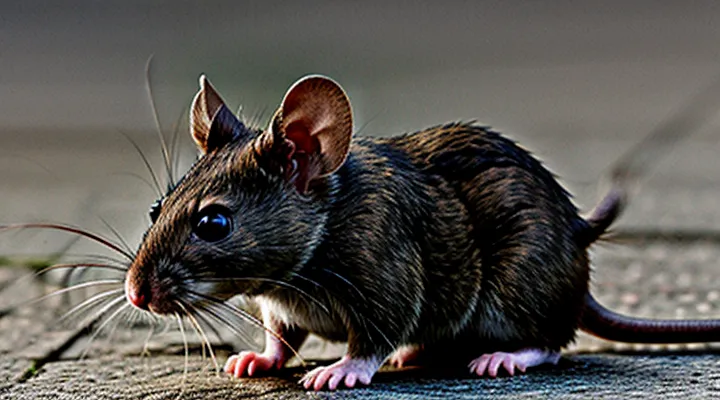
Understanding Rabies Transmission
What is Rabies?
Rabies is a fatal encephalitis caused by the rabies virus, a member of the Lyssavirus genus. The virus infects mammals through the nervous system, ultimately reaching the brain and causing severe neurological dysfunction.
Transmission occurs primarily via saliva introduced into a wound. Common vectors include carnivorous and omnivorous species such as dogs, bats, and foxes. Rodents, including mice and rats, rarely develop the disease and are considered low‑risk carriers; documented cases of rabies in these species are exceptional.
Key characteristics of the disease:
- Incubation period: variable, typically 1 – 3 months, dependent on bite location and viral load.
- Prodromal signs: fever, malaise, and discomfort at the wound site.
- Neurologic phase: agitation, hypersalivation, hydrophobia, paralysis, and eventual coma.
- Outcome: almost invariably fatal once clinical signs appear.
Diagnosis relies on detection of viral antigens in brain tissue (post‑mortem) or viral RNA in saliva, cerebrospinal fluid, or skin biopsies using PCR or immunofluorescence techniques.
Preventive measures focus on vaccination of domestic animals, wildlife oral vaccine programs, and immediate post‑exposure prophylaxis for humans, consisting of wound cleansing, rabies immunoglobulin, and a series of rabies vaccines.
Understanding the virology, transmission dynamics, and clinical progression of rabies clarifies why rodents are not significant reservoirs, despite occasional reports linking them to the disease.
How Rabies Spreads
Rabies spreads through direct exposure to infected saliva. Bites and scratches introduce the virus into peripheral nerves, where it travels toward the central nervous system. Contact with mucous membranes or open wounds can also transmit the pathogen. In rare circumstances, aerosolized virus particles cause infection in densely populated animal facilities.
Rodents such as mice and rats exhibit low natural infection rates. Experimental studies demonstrate that these species can become infected, yet they seldom develop sufficient viral loads to act as primary sources of transmission. Consequently, they are not considered significant reservoirs in wild populations.
Control strategies focus on limiting contact between potential carriers and susceptible hosts. Measures include:
- Reducing rodent infestations in residential and agricultural settings.
- Ensuring vaccination of domestic carnivores that may encounter wild mammals.
- Educating personnel handling laboratory rodents about biosafety protocols.
«Rabies is a viral encephalitis transmitted primarily through saliva of infected animals». Understanding these transmission pathways informs public‑health policies aimed at preventing spillover events from wildlife to humans and domestic animals.
Common Carriers of Rabies
Rodents are seldom identified as primary vectors of the rabies virus. Epidemiological surveys consistently show that the majority of rabies cases in mammals originate from carnivorous wildlife and certain domesticated species.
Common reservoirs and transmitters include:
- Wild canids (e.g., foxes, coyotes)
- Mustelids (e.g., raccoons, skunks, martens)
- Bats of various families
- Feral and stray dogs in regions lacking vaccination programs
- Occasionally, large herbivores such as deer when exposed to infected predators
These animals maintain viral circulation through frequent aggressive interactions, bites, and grooming behaviors that facilitate saliva exchange. The virus persists in the central nervous system, producing salivary shedding during the clinical phase.
Mice and rats rarely develop clinical rabies, and documented incidents of transmission from these rodents to humans or other mammals are exceptional. When infection occurs, it typically results from exposure to a highly infected predator rather than independent viral maintenance within rodent populations.
Control strategies therefore prioritize vaccination of domestic dogs, oral bait vaccination of wildlife, and public education on avoiding contact with wild carnivores and bats. Surveillance programs monitor rabies incidence across the listed carriers, providing data for targeted interventions and risk assessment.
Rabies in Rodents: A Closer Look
Mice and Rabies
Low Risk of Transmission
Rodents such as mice and rats are rarely implicated in rabies outbreaks. Surveillance data from public‑health agencies consistently show fewer than one percent of documented rabies cases involve these species. The virus’s natural reservoirs are primarily carnivorous mammals, notably foxes, raccoons, skunks and bats; rodent infections are usually incidental and result from exposure to a primary host.
Laboratory and field investigations confirm that transmission from small rodents to humans or domestic animals occurs infrequently. Virus replication in the nervous tissue of mice and rats is limited, reducing viral shedding in saliva. Consequently, bite incidents involving these rodents seldom lead to viable rabies transmission.
Factors underlying the low risk include:
- Short incubation periods in rodents, often leading to rapid death before significant viral load develops.
- Limited aggressive behavior toward larger mammals, decreasing opportunities for bite exposure.
- Lower viral titers in salivary glands compared to established reservoir species.
- Predominant urban environments where rodent populations are controlled through pest‑management programs.
Overall, the probability of acquiring rabies from a mouse or rat bite remains minimal. Preventive measures should focus on established reservoir species rather than on small rodent vectors.
Reasons for Low Risk
Rodents such as mice and rats are rarely associated with rabies transmission. Several factors contribute to this low risk.
- Limited exposure to rabies‑infected wildlife; these species typically inhabit environments where infected carnivores are uncommon.
- Natural resistance to the virus; experimental studies show low susceptibility and rapid clearance of rabies infection in small rodents.
- Short lifespan and high reproductive rate; infected individuals seldom survive long enough to spread the virus.
- Predominant diet of plant material and invertebrates; reduced contact with typical rabid reservoirs like bats, foxes, or raccoons.
- Behavioral patterns that avoid aggressive encounters; bites from rodents are infrequent and usually superficial, decreasing the likelihood of viral entry.
Rats and Rabies
Extremely Rare Cases
Rodents are seldom implicated in rabies transmission; epidemiological surveys consistently rank them among the lowest‑risk taxa. Occasional reports describe infection in mice or rats, but such instances represent a minute fraction of worldwide rabies cases.
Documented occurrences classified as extremely rare include:
- A single laboratory mouse infected experimentally with a canine rabies strain, resulting in clinical disease and virus isolation.
- One field‑caught Norway rat (Rattus norvegicus) from a rural area of Brazil, confirmed positive by direct fluorescent antibody testing in 2003.
- Two house mice (Mus musculus) found dead near a rabid skunk carcass in the United States, with viral RNA detected by RT‑PCR in 2015.
These reports share common features: the rodents were exposed to a highly infectious source, infection was identified post‑mortem, and no secondary transmission to humans or other animals was recorded.
Public‑health agencies consider such cases exceptional. Surveillance protocols prioritize species with established reservoir status; however, laboratory confirmation of rabies in murine specimens warrants inclusion of rodents in differential diagnosis when unexplained encephalitis occurs in endemic zones. Risk assessment models assign a probability of less than 0.001 % for natural rodent‑mediated rabies spillover.
Contributing Factors
Rodent species such as mice and rats are rarely natural reservoirs for the rabies virus. Their involvement in transmission depends on several environmental and biological conditions.
- High population density in urban waste sites increases contact with infected carnivores.
- Seasonal fluctuations in predator activity raise exposure risk during breeding periods.
- Immunocompromised individuals within rodent colonies may sustain transient viral replication.
- Close proximity to domestic animals that have been vaccinated poorly or not at all creates spill‑over opportunities.
- Environmental stressors, including limited food supply and extreme temperatures, weaken innate defenses and facilitate infection.
Overall, the likelihood of rodents carrying rabies remains low, but dense urban habitats, predator‑prey dynamics, compromised immunity, and inadequate vaccination of surrounding animals collectively elevate the probability of occasional viral presence.
Distinguishing Rabies from Other Rodent Behaviors
Signs of Rabies in Animals
Rabies is a neurotropic virus that infects a wide range of mammals, including small rodents. Recognizing clinical manifestations in these animals is essential for disease surveillance and public‑health response.
Typical signs observed in infected animals:
- Aggressive behavior, such as unprovoked attacks or excessive biting.
- Excessive salivation or foaming at the mouth, often accompanied by difficulty swallowing.
- Unusual vocalizations, including high‑pitched squeaks or chattering.
- Disorientation, loss of balance, or inability to navigate familiar environments.
- Paralysis of the hind limbs, progressing to complete immobility.
- Sudden changes in activity level, ranging from hyperactivity to profound lethargy.
The disease course advances from prodromal agitation to paralysis, culminating in death. Early detection of these symptoms in mice, rats, and other potential carriers enables timely quarantine, vaccination of exposed humans, and implementation of control measures to prevent further transmission.
Other Rodent Diseases
Rodents, including mice and rats, host a range of pathogens that can affect both animal health and public safety. While rabies transmission by these species is exceedingly rare, several other infections are well documented.
Common bacterial agents:
- «Salmonella spp.» – cause gastroenteritis; transmission through contaminated food or bedding.
- «Leptospira interrogans» – induces leptospirosis; spreads via urine, posing a risk to humans handling rodent waste.
- «Yersinia pestis» – the agent of plague; persists in wild rodent populations and can be transmitted by flea vectors.
- «Mycoplasma pulmonis» – leads to respiratory disease in laboratory mice; reduces breeding efficiency.
Prominent viral infections:
- «Lymphocytic choriomeningitis virus (LCMV)» – asymptomatic in rodents, but may cause meningitis in humans after exposure to contaminated aerosols or tissue.
- «Hantavirus» – carried primarily by wild mice; inhalation of aerosolized rodent excreta can result in hemorrhagic fever with renal syndrome or hantavirus pulmonary syndrome.
- «Arenavirus» – includes several strains that cause febrile illness in humans after contact with infected rodents.
Parasitic and protozoal concerns:
- «Toxoplasma gondii» – rodents act as intermediate hosts; ingestion of infected tissue can transmit the parasite to felids and, indirectly, to humans.
- «Eimeria spp.» – cause coccidiosis, leading to intestinal damage in laboratory colonies.
- «Nematodes» such as «Trichinella spiralis» – may be acquired through ingestion of raw rodent meat in certain regions.
These diseases demonstrate the broader health implications of rodent populations. Effective control measures—environmental sanitation, pest management, and routine health monitoring—reduce the risk of zoonotic transmission and safeguard both animal colonies and human communities.
When to Be Concerned
Rodents are infrequently implicated in rabies transmission, yet specific situations demand immediate attention.
- A bite or scratch from a mouse or rat, especially if the wound is deep or bleeding.
- Observation of a dead or moribund rodent displaying abnormal behavior such as aggression, paralysis, or excessive salivation.
- Contact with a rodent that has interacted with known rabies‑infected wildlife (e.g., raccoons, foxes, bats).
- Exposure of individuals with compromised immune systems or pregnant persons to potentially infected rodents.
- Presence in regions where rabies prevalence in wildlife is documented as high.
When any of the above conditions occur, the following steps are required:
- Clean the wound thoroughly with soap and water.
- Obtain prompt medical evaluation for possible post‑exposure prophylaxis.
- Notify local public health or animal control agencies to facilitate laboratory testing of the animal, if available.
- Observe the animal, if it can be safely confined, for a minimum of ten days to detect signs of rabies.
Prompt recognition of these risk factors and swift medical response reduce the likelihood of rabies development after rodent exposure.
Preventing Rodent Encounters and Bites
Rodent Control Measures
Rodents are not typical carriers of the rabies virus, yet sporadic infections have been documented in certain regions. Preventive action reduces the likelihood of exposure and supports public‑health objectives.
Effective rodent control relies on an integrated approach that combines environmental management, physical barriers, and targeted removal techniques. Consistent application of these measures limits population density and minimizes contact with potential disease vectors.
- Maintain cleanliness: eliminate food residues, store waste in sealed containers, and remove debris that provides shelter.
- Implement exclusion: seal entry points, install door sweeps, and repair structural gaps to block ingress.
- Deploy trapping: use snap or live traps in high‑activity zones, check devices daily, and dispose of captured animals according to local regulations.
- Apply baiting cautiously: select rodenticides approved for indoor or outdoor use, follow label instructions, and monitor non‑target species.
- Conduct regular monitoring: record sightings, assess trap success, and adjust strategies based on observed trends.
Compliance with municipal ordinances and occupational‑health guidelines ensures that control activities protect both human occupants and wildlife. Documentation of interventions provides traceability and facilitates evaluation of program effectiveness.
Safe Handling Practices
Rodents are infrequently identified as carriers of rabies, yet laboratory and field work involving mice and rats requires strict adherence to biosafety protocols to prevent any potential exposure.
Personal protective equipment forms the first line of defense. Wear disposable gloves, lab coats, and eye protection whenever direct contact with live animals or their excreta is anticipated. Ensure that gloves are changed promptly after each handling session and that laboratory coats are laundered or discarded according to institutional guidelines.
Environmental controls reduce the risk of accidental transmission. Operate within a certified animal‑containment cabinet or a designated animal room equipped with negative pressure ventilation. Disinfect work surfaces with an EPA‑registered virucidal agent before and after each use. Dispose of bedding, carcasses, and sharps in biohazard containers that are sealed and labeled appropriately.
Procedural hygiene mitigates inadvertent spread. Perform hand washing with soap and water for at least 20 seconds after glove removal. Decontaminate reusable equipment with a 10 % bleach solution followed by thorough rinsing. Avoid mouth contact with gloves or equipment; refrain from eating, drinking, or applying cosmetics in the animal area.
In the event of an incident, initiate a predefined response plan. Isolate the exposed individual, document the exposure details, and seek medical evaluation for post‑exposure prophylaxis against «rabies» if warranted. Report the occurrence to the institutional biosafety officer and review handling practices to prevent recurrence.
What to Do After a Rodent Bite
Rodent bites can introduce bacterial infections and, although rare, the possibility of rabies transmission. Prompt response reduces complications and informs medical evaluation.
Immediate actions after a bite:
- Apply pressure with a clean cloth to stop bleeding.
- Irrigate the wound thoroughly with running water for at least five minutes.
- Disinfect the area using an antiseptic solution such as povidone‑iodine or chlorhexidine.
- Cover the wound with a sterile dressing.
- Seek professional medical care without delay; inform the provider about the species involved and circumstances of the incident.
- Follow prescribed antibiotic therapy and complete the full course.
- If rabies exposure is suspected, initiate post‑exposure prophylaxis according to local health‑authority guidelines.
Documenting the incident, including the animal’s condition and location, assists health professionals in risk assessment and appropriate treatment planning.
Expert Perspectives and Public Health Information
Official Health Organization Stances
Rodent species such as mice and rats are generally regarded by major health authorities as low‑risk vectors for rabies. Surveillance data indicate that natural infection in these animals is exceedingly rare, and documented cases of rabies transmission from murine rodents to humans are virtually absent.
- Centers for Disease Control and Prevention (CDC): classifies rabies in small rodents as “exceptionally uncommon”; recommends post‑exposure prophylaxis only when a confirmed rabid animal is identified.
- World Health Organization (WHO): lists rodents among species with “negligible” contribution to rabies epidemiology; advises risk assessment based on bite circumstances rather than species alone.
- European Centre for Disease Prevention and Control (ECDC): notes sporadic reports of rabies in wild rats but emphasizes that such events do not alter overall public‑health guidance; reinforces standard animal‑bite protocols.
- Public Health England (PHE): states that routine testing of mice and rats for rabies is not required; highlights that bite management follows generic wound‑care recommendations unless exposure to a confirmed rabid animal is evident.
Overall, official statements converge on the conclusion that murine rodents do not constitute a significant rabies reservoir. Preventive measures focus on proper wound cleaning, assessment of exposure risk, and administration of rabies vaccine only when a credible rabies source is identified.
When to Seek Medical Attention
Rodent bites or scratches that break the skin create a pathway for rabies virus, which can be present in wild mice and rats. Immediate evaluation by a healthcare professional is required whenever the exposure meets any of the following criteria:
- The animal was observed acting erratically, appearing unusually aggressive, or displaying neurological signs.
- The bite or scratch occurred on the hands, face, or any area with rich nerve supply.
- The wound is deep, bleeding, or shows signs of infection.
- The incident involved a rodent found dead, found in a high‑risk environment (e.g., sewage, abandoned buildings), or known to have been in contact with other rabid animals.
- The person exposed has not received a rabies vaccination within the past five years, or their vaccination status is unknown.
When any of these conditions apply, the following steps should be taken without delay:
- Clean the wound thoroughly with soap and running water for at least fifteen minutes.
- Apply an antiseptic solution such as povidone‑iodine.
- Contact a medical facility to assess the need for rabies post‑exposure prophylaxis, which may include rabies immunoglobulin and a series of vaccine injections.
- Document the incident, including details about the animal, location, and time of exposure, to assist healthcare providers in risk assessment.
Failure to seek prompt medical attention after a potentially rabid rodent exposure increases the likelihood of disease progression, which is almost invariably fatal once clinical symptoms appear.
Debunking Common Myths
Rabies infection in small rodents is exceedingly rare. Scientific surveillance shows no confirmed cases of natural rabies transmission from house mice or Norway rats to humans or other mammals. The virus requires a sufficient viral load in saliva, which these species rarely achieve.
Common misconceptions:
- «Mice frequently transmit rabies to pets.» – Surveillance data indicate zero documented incidents.
- «All rodents are high‑risk carriers of the virus.» – Rabies prevalence concentrates in carnivorous mammals such as raccoons, skunks, and foxes.
- «A bite from a rat always necessitates post‑exposure prophylaxis.» – Prophylaxis is recommended only when the animal is known to be rabid or when local epidemiology suggests risk.
Veterinary guidelines advise observation of the animal for ten days after a bite. If the rodent remains healthy, the likelihood of rabies exposure is negligible. Consequently, routine vaccination of rodents is unnecessary, and public health measures focus on wildlife reservoirs rather than commensal rodents.