
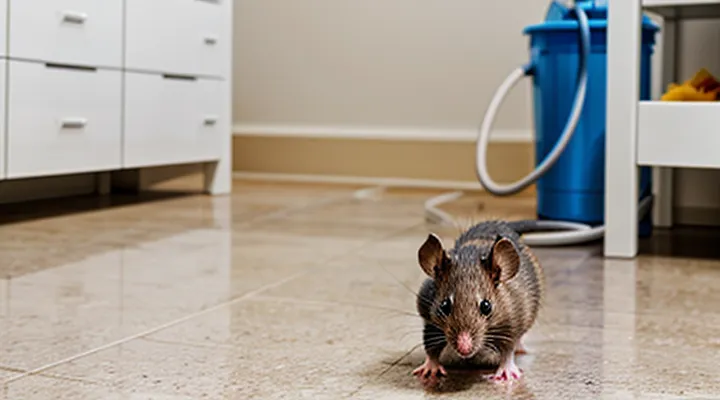
Understanding the Mouse Problem
Why Mice are a Threat
Health Risks
Mice infestations introduce a range of serious health hazards. Rodent droppings, urine, and saliva contaminate surfaces, food supplies, and air, creating pathways for disease transmission.
- «Hantavirus» infection can cause severe respiratory illness, sometimes fatal.
- «Salmonella» and other bacterial pathogens spread through contaminated food, leading to gastro‑intestinal upset.
- «Leptospirosis» emerges from contact with urine, producing fever, muscle pain, and potential kidney damage.
- «Lymphocytic choriomeningitis virus» may result in meningitis after exposure to rodent secretions.
- Allergens present in dander and urine trigger asthma attacks and chronic respiratory irritation.
- Mechanical damage to wiring and insulation raises fire risk, indirectly endangering occupants.
Effective disinfection eliminates these threats. Thorough cleaning removes organic residues, while approved disinfectants deactivate viruses and bacteria on all contact surfaces. Sealing entry points prevents re‑infestation, sustaining a safe environment. Regular monitoring ensures that sanitation protocols remain effective and that health risks stay minimized.
Property Damage
Mice infestations cause extensive property damage that can compromise the integrity of residential and commercial spaces. Their constant gnawing leads to destruction of structural components, electrical wiring, and insulation, increasing the risk of fire and costly repairs. Moisture‑laden droppings and urine corrode metal surfaces, while nesting materials attract mold growth, further degrading building materials.
Key damage areas include:
- Woodwork: gnawing weakens beams, floorboards, and door frames, creating structural vulnerabilities.
- Electrical systems: chewing on cables creates short circuits, potential outages, and fire hazards.
- Plumbing: burrowing near pipes can cause leaks, water damage, and mold proliferation.
- Storage: contaminated food supplies become unsuitable for consumption, resulting in financial loss.
Effective mitigation requires immediate removal of rodents, thorough cleaning of contaminated zones, and targeted disinfection. Use rodent‑proof sealing methods to block entry points, replace damaged wiring and insulation, and apply approved sanitizing agents to eliminate pathogens left by mice. Regular inspections and maintenance prevent recurrence, safeguarding structural integrity and reducing long‑term repair expenses.
Identifying a Mouse Infestation
Signs of Presence
Detecting mouse activity is essential before any sanitation measures are applied. Accurate identification of infestation signs prevents unnecessary treatment and directs resources to affected zones.
- Fresh droppings, typically dark, rice‑shaped, found along walls, under appliances, or in cabinets.
- Gnaw marks on wood, plastic, wiring, or food packaging, indicating repeated chewing.
- Urine stains that appear as yellowish rings or wet patches, often near entry points.
- Nests constructed from shredded paper, fabric, insulation, or dried food, located in concealed corners.
- Visible tracks or footprints in dusty areas, especially along baseboards.
- Scratching or scurrying sounds heard at night, suggesting movement within walls or ceilings.
- Chewed food containers, spilled grain, or scattered crumbs, reflecting foraging activity.
- Grease or oil smears left by tail contact on surfaces near food sources.
Each indicator confirms rodent presence and guides targeted disinfection. Prompt action after detection reduces contamination risk and limits structural damage.
Common Hiding Spots
Mice select concealed areas that provide food, water and protection from predators. Identifying these locations is essential for any pest‑control program.
«Common hiding spots» include:
- Wall voids and cavities behind baseboards
- Empty dryer or washing‑machine vents
- Under appliances such as refrigerators and stoves
- Ceiling joist spaces and attic insulation
- Crawl‑space gaps and floor joist openings
- Stored boxes, bags and clutter in closets or garages
- Buried debris piles in gardens or near building foundations
These sites offer shelter and easy access to structural entry points. Failure to address them allows rodents to persist despite surface cleaning, increasing the risk of contamination.
Inspection should focus on each listed area, looking for droppings, gnaw marks or nesting material. Seal openings with steel wool, caulk or metal mesh before applying disinfectants. Apply approved rodent‑specific sanitizers to surfaces where contamination is evident, following product safety guidelines.
Regular monitoring of identified hiding places, combined with thorough disinfection, reduces the likelihood of re‑infestation and promotes a hygienic environment.
Preparing for Disinfection
Assessing the Infestation Level
Assessing the infestation level provides the data needed to plan effective rodent‑control measures. Accurate evaluation prevents unnecessary chemical use and targets treatment to the most affected zones.
Observable indicators include droppings, gnaw marks, nesting material, and audible activity. Droppings concentrated in a single area suggest a high population density, while scattered traces indicate a lower presence. Gnaw marks on structural elements reveal entry points that require sealing before disinfection.
Quantitative methods involve setting up monitoring stations with snap traps or live‑capture devices, then recording capture rates over a 24‑hour period. Capture rates of ≥ 5 per trap per day typically classify the situation as severe, 1–4 as moderate, and 0 as minimal. Infrared motion sensors can supplement trap data, especially in concealed spaces.
Thresholds guide the selection of control tactics. When the capture rate exceeds the moderate level, integrated pest management (IPM) protocols should combine exclusion, sanitation, and targeted rodenticide application. For minimal activity, enhanced sanitation and regular inspections may suffice.
Assessment protocol
- Conduct a visual sweep of all rooms, storage areas, and utility spaces.
- Document droppings, gnaw marks, and nesting sites using a standardized checklist.
- Install three monitoring stations per 100 m², positioned near suspected activity zones.
- Retrieve trap data after 24 hours, calculate capture rates, and compare with defined thresholds.
- Record findings in a logbook; update the log after each inspection cycle.
Consistent application of this protocol ensures that subsequent disinfection efforts are proportionate to the actual rodent burden, optimizing safety and resource allocation. «Effective control begins with precise measurement».
Necessary Equipment and Materials
Personal Protective Gear
Effective rodent‑related sanitation requires the use of appropriate protective equipment to prevent exposure to pathogens carried by mice.
Essential items include:
- «protective gloves» made of nitrile or rubber, resistant to disinfectants;
- «respirator» with N95 or higher filtration, covering nose and mouth;
- «protective eyewear» or face shield to guard against splashes;
- «disposable coveralls» or gown that fully encloses the body;
- «boot covers» or waterproof shoes to avoid contaminating footwear.
Selection criteria focus on chemical resistance, fit, and durability. Gloves must extend beyond the wrist and remain intact when handling contaminated material. Respirators should be sealed against the face and equipped with replaceable filters suitable for aerosolized disinfectants. Eyewear must provide a wide field of view without gaps. Coveralls should feature sealed seams and be fastened at the neck and wrists. Boot covers must cover the entire shoe and be secured to prevent slipping.
Before entering an infested area, inspect each piece for damage. Don protective gear in the following order: gloves, boot covers, coveralls, eyewear, respirator. Ensure a tight seal on the respirator and adjust straps on eyewear for comfort and security. After work, remove gear in a controlled sequence to avoid cross‑contamination: respirator, eyewear, coveralls, boot covers, gloves. Dispose of single‑use items in sealed biohazard bags; clean reusable equipment with an approved disinfectant, then rinse and dry before storage.
Adherence to these practices minimizes health risks and supports thorough decontamination of spaces affected by mouse activity.
Cleaning and Disinfection Supplies
Effective rodent‑related sanitation begins with appropriate cleaning and disinfection materials. Selecting products that combine strong detergent action with proven antimicrobial activity ensures removal of urine, feces, and saliva, which carry pathogens and attract further infestation.
- Detergent concentrate formulated for grease and protein breakdown; compatible with hard‑water conditions.
- Broad‑spectrum disinfectant containing quaternary ammonium compounds or hydrogen peroxide; label specifies efficacy against bacteria, viruses, and fungi commonly associated with rodents.
- Enzymatic cleaner designed to degrade organic residues that persist after standard detergent use; accelerates odor elimination.
- Disposable absorbent pads and mop heads; prevent cross‑contamination between treated zones.
- Sealable containers for waste collection; limit aerosolisation of particles during removal.
- Personal protective equipment (gloves, goggles, respirators); safeguard staff from irritants and inhalation hazards.
Application protocol demands thorough mechanical cleaning before any chemical treatment. Surfaces should be scrubbed with detergent solution, rinsed, and allowed to dry. Disinfectant must be applied at the concentration indicated on the label, maintaining wet contact time for the period required to achieve full microbial kill. After treatment, waste materials are sealed and disposed of according to local regulations. Regular rotation of supplies prevents degradation of active ingredients and ensures consistent performance.
Safety Precautions Before Starting
Before any rodent‑related sanitation begins, ensure the environment is prepared to protect personnel and prevent cross‑contamination.
- Verify that all occupants, including pets, are removed from the area.
- Isolate the work zone with physical barriers or warning signs to restrict access.
- Conduct a risk assessment to identify hazardous substances, electrical equipment, and structural damage that could compromise safety.
- Secure ventilation by sealing windows and doors, then activate local exhaust systems to limit aerosol spread.
Personal protective equipment must be selected according to the chemicals and tasks involved. Recommended items include:
- Respiratory protection rated for organic vapors or particulate matter.
- Impermeable gloves resistant to the disinfectant in use.
- Eye protection such as goggles or face shields.
- Protective clothing, preferably disposable coveralls with sealed seams.
All protective gear should be inspected for integrity before entry and disposed of or decontaminated after use.
Chemical handling procedures require strict adherence to manufacturer guidelines. Store disinfectants in locked containers, label them clearly, and keep safety data sheets readily accessible.
Finally, confirm that emergency equipment—fire extinguishers, spill kits, and first‑aid supplies—is operational and positioned near the work area. Documentation of the safety checklist must be retained for regulatory compliance and future reference.
Disinfection Methods and Techniques
Physical Removal and Cleaning
Trapping and Baiting
Effective rodent control in indoor environments relies on strategic trapping and baiting. Proper implementation reduces infestation risk and supports subsequent sanitation efforts.
Selection of traps must match the target species and location. Snap traps, glue boards, and live‑catch cages each serve specific scenarios. Snap traps provide rapid mortality, suitable for concealed areas such as wall voids. Glue boards capture without immediate kill, useful for monitoring activity levels. Live‑catch cages allow relocation when humane handling is required. Choose devices constructed from rust‑resistant material to ensure durability.
Placement guidelines:
- Position traps along walls, behind appliances, and near known runways.
- Align bait side toward the wall to exploit mice’s natural tendency to travel close to surfaces.
- Space traps 1–2 m apart in high‑traffic zones; increase density in severely infested sections.
- Secure traps on stable surfaces to prevent dislodgement by movement or cleaning activities.
Bait selection influences capture success. Preferred attractants include:
- Peanut butter, offering strong odor and high caloric content.
- Commercial rodent gel, formulated for prolonged palatability.
- Small pieces of dried fruit or cheese, suitable for short‑term use.
Apply bait sparingly, no more than a pea‑size amount, directly onto the trigger mechanism. Replace bait every 48 hours to maintain freshness and avoid spoilage.
Safety and sanitation measures:
- Wear disposable gloves when handling traps and bait to prevent cross‑contamination.
- Dispose of captured rodents in sealed containers, followed by thorough disinfection of trap surfaces with a 10 % bleach solution.
- After removal, vacuum and clean the surrounding area to eliminate residual scent trails that may attract remaining mice.
- Store unused traps and bait in airtight containers away from food preparation zones.
Consistent monitoring, combined with proper trap maintenance, sustains low mouse activity and supports overall hygiene objectives.
Sealing Entry Points
Sealing entry points prevents mice from re‑entering treated areas, eliminating a primary source of contamination.
Identify all potential openings: cracks in foundations, gaps around doors and windows, openings around pipes, vents, utility conduits, and damaged screens.
Use durable, rodent‑proof materials to close each opening:
- Steel wool or copper mesh packed into narrow gaps, then covered with caulk or cement.
- Hardware cloth (¼‑inch mesh) or metal flashing secured over larger holes.
- Expanding polyurethane foam for irregular spaces, applied over a backing of steel wool.
- Concrete or mortar for cracks in foundations and walls.
Inspect the sealed areas monthly, especially after seasonal temperature changes or building renovations. Repair any new damage promptly to maintain a barrier against future infestations.
Deep Cleaning Affected Areas
Deep cleaning of areas contaminated by rodents eliminates residual urine, feces, and saliva that can harbor pathogens and attract further activity. Effective sanitation requires systematic removal of organic matter before applying chemical agents.
- Remove all visible debris, food scraps, and nesting material using disposable gloves and sealed bags.
- Vacuum carpets, upholstery, and crevices with a HEPA‑rated unit to capture microscopic particles.
- Wash hard surfaces (floors, counters, walls) with hot water and a detergent that emulsifies grease and protein residues.
- Rinse thoroughly to prevent detergent buildup that may interfere with disinfectant efficacy.
- Apply an EPA‑registered rodent‑specific disinfectant, ensuring contact time meets manufacturer specifications.
- Allow surfaces to dry completely before restoring items or re‑stocking supplies.
Special attention is needed for concealed spaces such as wall voids, ductwork, and crawl spaces. Access panels should be opened, dust removed, and the interior sprayed with a fine mist of disinfectant. After treatment, seal openings to deter re‑entry.
Final verification includes visual inspection for remaining stains and a swab test of high‑risk zones. Documentation of cleaning procedures and products used supports compliance with health‑safety standards.
Chemical Disinfection
Choosing the Right Disinfectants
Choosing an effective disinfectant for rodent‑related contamination requires evaluating several technical factors. The product must inactivate the specific pathogens that mice can transmit, such as Salmonella, Hantavirus and Leptospira. Broad‑spectrum agents containing quaternary ammonium compounds, chlorine‑based solutions or hydrogen peroxide are commonly recommended, provided they are approved for the target microorganisms.
Key selection criteria include:
- Spectrum of activity: verified efficacy against bacteria, viruses and fungi commonly associated with mice.
- Contact time: minimum dwell period required to achieve the claimed kill rate; shorter times improve workflow.
- Surface compatibility: non‑corrosive formulation for metal, wood, concrete and plastic flooring.
- Residual effect: presence of lingering antimicrobial action for high‑traffic areas, balanced against toxicity concerns.
- Safety profile: low odor, minimal skin irritation, compliance with occupational health regulations.
- Environmental impact: biodegradable ingredients and reduced hazardous waste.
When a disinfectant meets these parameters, it can be applied after thorough removal of droppings, urine and nesting material. Application methods—spray, fogger or wipe—should match the disinfectant’s label instructions to ensure uniform coverage. Documentation of the chosen product, concentration and exposure time supports regulatory compliance and facilitates future audits.
Application Techniques
Effective rodent‑related sanitation requires precise application of disinfectants to eliminate disease‑carrying agents and deter reinfestation. Proper technique maximizes chemical penetration, reduces exposure time, and ensures safety for occupants and pets.
Preparation begins with thorough removal of debris, droppings, and nesting material. Surfaces should be vacuumed or swept, then washed with detergent to eliminate organic matter that can inactivate disinfectants. All food sources must be sealed, and ventilation adjusted to meet product safety data sheets.
Application techniques include:
- Spray mist: low‑pressure aerosol applied to cracks, crevices, and floor edges; dwell time of 10 minutes before ventilation. - Fogging: thermal fogger generates fine particles that settle on vertical and horizontal surfaces; suitable for large, open areas; requires 30 minutes of enclosure. - Wipe‑down: saturated cloths or disposable wipes used on countertops, cabinets, and equipment; ensures direct contact with high‑touch zones. - Foam injection: expandable foam placed in burrows and voids; maintains contact for extended periods, ideal for concealed spaces. - Electrostatic spraying: charged droplets adhere uniformly to irregular surfaces, improving coverage on walls and ceilings.
After treatment, inspect all treated zones for visible residue and confirm that required dwell time was achieved. Conduct microbiological swabs where applicable, and document results. Schedule periodic re‑application according to infestation risk assessments and product re‑entry intervals.
Ventilation During and After
Effective control of rodent‑related contamination requires proper airflow management while applying disinfectants and during the subsequent drying period. Secure the area by sealing openings that could allow drafts to carry aerosolised chemicals into occupied spaces. Use exhaust fans to draw contaminated air outward, maintaining a negative pressure relative to adjacent rooms.
Key ventilation practices:
- Install portable high‑efficiency particulate air (HEPA) units with exhaust ducts directed outside the building.
- Operate mechanical exhaust at a rate of at least 6 air changes per hour during chemical application.
- After disinfectant contact time, increase airflow to 12–15 air changes per hour to accelerate evaporation and reduce residue concentration.
- Verify that ventilation systems are equipped with activated carbon filters to capture volatile organic compounds.
- Conduct a final airflow verification using calibrated anemometers before re‑occupying the premises.
Following the drying phase, continue low‑level ventilation for several hours to ensure complete off‑gassing of residual agents. Monitor indoor air quality with real‑time sensors for volatile compounds; re‑establish normal HVAC operation only after readings fall within occupational safety limits. Proper airflow throughout the process minimizes health risks and supports thorough decontamination.
Natural and Eco-Friendly Approaches
Essential Oils
Essential oils provide a natural, low‑toxicity option for reducing mouse activity while sanitising indoor environments. Their strong aromatic compounds interfere with rodents’ sensory receptors, discouraging entry and nesting.
- Peppermint oil – high menthol concentration, strong repellent effect.
- Eucalyptus oil – contains eucalyptol, disrupts olfactory cues.
- Citronella oil – citrus scent overwhelms mouse detection.
- Lavender oil – linalool component creates an unfavourable atmosphere.
- Tea tree oil – terpinen‑4‑ol contributes to deterrence.
Application methods focus on sustained release of vapour. Soak cotton pads with 10 ml of oil, place them in concealed corners, behind appliances, and near known entry points; replace every 48 hours. Use ultrasonic diffusers set to low intensity for continuous dispersal, ensuring ventilation rates of at least 0.5 air changes per hour. Prepare spray solutions by mixing 5 ml of oil with 250 ml of water and a teaspoon of ethanol; apply to cracks, gaps, and surfaces where droppings are present. Avoid direct contact with food preparation areas.
Safety protocols require assessment of resident sensitivities. Dilute oils to concentrations below 1 % for indoor use. Keep treated materials out of reach of children and domestic animals; monitor for signs of irritation. Ensure adequate airflow to prevent accumulation of volatile compounds.
Essential oils complement structural controls. Seal openings larger than 6 mm, eliminate food sources, and maintain routine cleaning. Combining chemical deterrents with physical barriers enhances overall effectiveness in rodent‑free premises.
Other Repellents
Effective mouse control often requires supplemental repellents alongside sanitation measures. These devices and substances create unfavorable conditions that discourage rodent activity without relying on chemical poisons.
- Ultrasonic emitters generate high‑frequency sound waves beyond human hearing; rodents find the noise stressful, leading to avoidance of treated zones.
- Motion‑activated spray units release a burst of irritant mist when movement is detected, providing immediate deterrence in high‑traffic areas such as kitchens and storage rooms.
- Natural oil blends, typically containing peppermint, eucalyptus, or citronella, exploit rodents’ sensitivity to strong scents; regular application to entry points and nesting sites sustains the repellent effect.
- Predator‑derived products, including powdered fox urine or synthetic ferret scent, mimic the presence of natural enemies, prompting mice to vacate infested spaces.
- Magnetic or electromagnetic barriers, installed beneath flooring or within wall cavities, produce low‑intensity fields that disrupt rodent navigation systems, reducing the likelihood of intrusion.
Successful deployment follows a systematic approach: identify potential entry points, position repellents at these locations, and maintain devices according to manufacturer schedules. Replace oil‑based applications every two weeks to prevent scent degradation. Verify ultrasonic coverage by mapping the area, ensuring overlapping zones to eliminate blind spots. Combine these methods with regular cleaning, waste management, and structural repairs for comprehensive mouse mitigation.
Post-Disinfection Measures
Preventing Future Infestations
Regular Cleaning and Maintenance
Regular cleaning and maintenance form the backbone of effective rodent control in any building. Persistent removal of food residues, moisture sources, and clutter eliminates the resources mice require for survival and reproduction.
Key practices include:
- Daily sweeping and vacuuming of floors, especially in kitchens, storage rooms, and dining areas, to collect crumbs and droplet spills.
- Immediate disposal of waste in sealed containers; weekly cleaning of garbage bins with disinfectant solutions prevents odor buildup.
- Routine wiping of countertops, appliance exteriors, and shelving with an EPA‑approved detergent followed by a sanitizing rinse.
- Inspection and repair of leaky pipes, dripping fixtures, and condensation points; moisture elimination reduces nesting suitability.
- Periodic decluttering of basements, attics, and crawl spaces; removal of cardboard boxes, paper stacks, and unused materials blocks potential shelter.
- Scheduled cleaning of ventilation grilles and ducts; suction of accumulated dust prevents hidden pathways for rodents.
Maintenance extends beyond surface hygiene. Structural integrity must be preserved through regular checks for cracks, gaps, and openings in walls, floors, and foundation. Sealing identified breaches with steel wool, caulk, or metal mesh creates a physical barrier that hinders entry.
Consistent application of these procedures, combined with prompt repair of infrastructure deficiencies, sustains an environment hostile to mice and supports long‑term sanitation goals.
Food Storage Guidelines
Proper food storage is essential when eliminating rodent activity from a building. Secure containers prevent contamination and reduce attractants that draw mice back into the environment.
- Use airtight, hard‑sided containers made of metal or heavy‑wall plastic for all dry goods, grains, and pet food.
- Store items on elevated shelves, at least six inches above the floor, to limit access by crawling pests.
- Label containers with purchase dates and implement a first‑in, first‑out rotation system to avoid prolonged exposure.
- Keep storage areas free of debris, spilled food, and packaging waste; clean surfaces daily with an appropriate disinfectant.
- Separate raw and prepared foods, maintaining a minimum distance of twelve inches between them to minimize cross‑contamination.
Temperature control further deters rodents. Maintain refrigeration at or below 40 °F (4 °C) and freezers at or below 0 °F (‑18 °C). Regularly inspect seals on doors and drawers for gaps; replace any compromised components promptly.
Waste management complements storage practices. Dispose of trash in sealed bins with tight‑fitting lids, and remove waste from the premises at least once daily. Ensure collection points are located away from food storage zones.
Consistent application of these guidelines supports a comprehensive approach to rodent‑free premises, reinforcing sanitation efforts and protecting the integrity of stored food.
Monitoring for Re-infestation
Monitoring after rodent eradication prevents recurrence and protects sanitation standards. Detecting early signs enables swift corrective action before a full‑scale problem develops.
Typical indicators include:
- Fresh droppings, especially near food storage or waste areas;
- Gnaw marks on packaging, wiring, or structural components;
- Visible burrows or nesting material;
- Tracks in dusty or damp locations;
- Unusual scratching or scurrying noises.
A structured inspection schedule optimises detection:
- Daily checks during the first seven days post‑treatment;
- Weekly inspections for the subsequent three weeks;
- Monthly reviews for the next six months;
- Quarterly assessments thereafter, adjusted to building usage and risk factors.
Effective tools comprise:
- Mechanical traps positioned along walls and near suspected activity zones;
- Electronic motion sensors that log movement in concealed spaces;
- Bait stations monitored for consumption patterns;
- Flashlights and magnifying lenses for detailed visual surveys.
When any indicator appears, immediate response is required. Deploy additional traps, reinforce sanitation, and seal newly identified entry points. Document each finding and action taken to maintain a clear record of control measures and to inform future preventive strategies.
Dealing with Deceased Pests
Safe Disposal Practices
Safe disposal of rodent carcasses and contaminated materials is essential to prevent disease spread after a mouse infestation. Handling dead mice requires protective gloves and a mask to avoid direct contact with pathogens. Each carcass should be placed in a heavy‑duty, sealable plastic bag, the air expelled, and the knot tightened securely. Bags must be labeled with the date of collection and stored in a locked, temperature‑controlled area until removal.
When disposing of infested debris such as droppings, nesting material, or contaminated food, follow these steps:
- Collect material in disposable, sealable bags or containers.
- Add a disinfectant solution (e.g., a 10 % bleach mix) to the bag, allowing contact for the manufacturer‑recommended duration.
- Seal the bag tightly, then place it in a secondary, rigid container for transport.
- Arrange pickup with a licensed waste‑management service that handles biohazard waste, ensuring compliance with local regulations.
Sanitizing waste containers after use reduces residual contamination. Rinse containers with hot water, then apply an EPA‑approved disinfectant, allowing the required dwell time before rinsing again. Store containers in a dry, well‑ventilated space until the next use.
Documentation of disposal activities supports traceability and regulatory compliance. Record the type and quantity of waste, the disinfectant used, and the date of final removal. Retain records for the period mandated by health authorities.
Final Disinfection of Disposal Areas
The final phase of sanitation in areas where mouse carcasses and waste have been removed requires a systematic approach to ensure complete eradication of pathogens.
First, eliminate all organic residue. Sweep, vacuum, and mop surfaces with a detergent solution to remove blood, urine, and fecal matter. Rinse thoroughly and allow the area to dry.
Second, select a registered disinfectant effective against Salmonella, Leptospira, and hantavirus. Follow the manufacturer’s concentration guidelines; typical dilutions range from 0.5 % to 2 % active ingredient.
Third, apply the disinfectant uniformly. Use a fogger, sprayer, or immersion method appropriate to the surface type. Ensure that the product contacts all exposed areas, including cracks, seams, and equipment undersides.
Fourth, observe the required contact time. Most products demand a minimum of 10 minutes; some may require up to 30 minutes. During this interval, restrict entry to the zone and maintain ventilation if the disinfectant emits fumes.
Fifth, verify efficacy. Perform swab sampling on representative spots and submit to a certified laboratory. Acceptable results show no detectable levels of target pathogens.
Sixth, record the operation. Document the disinfectant used, concentration, application method, contact time, and laboratory findings. Retain records for regulatory review and future audits.
Seventh, re‑establish normal activity only after verification confirms a pathogen‑free environment. Implement ongoing monitoring to detect any resurgence promptly.
Following this structured protocol guarantees that disposal zones are rendered safe for personnel and compliant with health‑safety standards.