
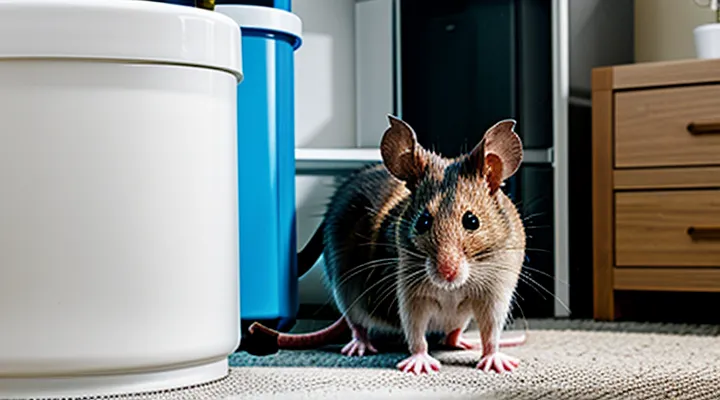
Understanding the Mouse Problem
Signs of a Mouse Infestation
Droppings and Urine Trails
Mice droppings appear as small, dark, cylindrical pellets, typically 5‑6 mm long. Fresh deposits emit a faint, ammonia‑like odor; older samples become dry and brittle. Urine trails are invisible to the naked eye but leave a glossy sheen on surfaces and can be detected by the characteristic sour smell. Both excreta contain pathogens such as Hantavirus, Leptospira, and Salmonella, posing health risks through inhalation of aerosolized particles or direct contact.
To eliminate contamination, follow these steps:
- Wear disposable gloves, a N‑95 respirator, and eye protection before handling any material.
- Wet droppings and urine streaks with a commercial enzymatic cleaner or a 1 % bleach solution; allow the solution to penetrate for at least five minutes to prevent aerosolization.
- Use disposable paper towels or a HEPA‑filtered vacuum to remove the softened waste. Discard all cleaning materials in a sealed plastic bag.
- Apply a disinfectant approved for rodent pathogens (e.g., 10 % bleach, hydrogen peroxide, or quaternary ammonium compounds) to the entire affected area. Maintain surface wetness for the contact time specified on the product label, typically 10‑15 minutes.
- Rinse with clean water if the disinfectant requires removal, then dry the surface thoroughly.
- Perform a final inspection for residual droppings or stains; repeat the cleaning cycle if any remain.
Proper disposal and thorough disinfection reduce the likelihood of disease transmission and prepare the space for subsequent pest‑exclusion measures.
Gnaw Marks and Damage
Gnaw marks indicate active mouse presence; they appear as parallel, crescent‑shaped bites on wood, plastic, wiring, and insulation. Fresh marks are lighter in color and may show shavings, while older ones darken with dust accumulation.
Damage caused by these bites includes compromised structural integrity, exposed electrical conductors, and increased risk of fire. Chewed insulation can lead to short circuits, and gnawed food containers create pathways for bacterial contamination.
Practical response:
- Inspect all accessible surfaces for fresh and aged gnaw marks; prioritize areas near food storage, utility panels, and entry points.
- Clean marked surfaces with a disinfectant approved for rodent control; allow sufficient contact time to neutralize pathogens.
- Repair or replace compromised materials: seal holes in wood or drywall, reinforce weakened frames, and replace damaged wiring following local electrical codes.
- Apply rodent‑proofing measures after repairs: install steel mesh or copper flashing around openings, use sealed conduit for cables, and maintain a clutter‑free environment to eliminate hiding places.
Regular monitoring of gnaw marks and prompt remediation prevent escalation of structural damage and reduce health hazards associated with mouse infestations.
Unusual Noises
Unusual sounds often signal hidden rodent activity, providing early warning before contamination spreads. Recognizing these noises enables targeted cleaning and prevents the need for extensive decontamination later.
Typical auditory indicators include:
- Light scurrying or scratching within walls, ceilings, or floor cavities.
- High‑pitched squeaks emitted from concealed nesting sites.
- Soft thumping when mice move across stored boxes or insulation.
Each sound suggests a specific location and level of infestation. Scurrying indicates active travel routes; squeaks often accompany breeding areas; thumping points to storage zones where food residues may accumulate.
To act on these clues:
- Trace the source by listening at different points and noting the direction of the noise.
- Inspect adjacent structural gaps, vents, and openings for droppings, gnaw marks, or nesting material.
- Seal identified entry points with steel wool, caulk, or metal flashing to block further ingress.
- Remove food sources and thoroughly clean contaminated surfaces with an EPA‑registered rodent‑specific disinfectant, allowing the recommended contact time.
- Deploy traps or bait stations near the identified pathways, monitoring activity daily and adjusting placement as needed.
Prompt response to unusual noises reduces the risk of bacterial spread, limits odor development, and minimizes the volume of disinfectant required to restore a safe environment.
Musty Odors
Musty odors often indicate lingering urine, feces, or mold growth after a rodent intrusion. These smells persist because organic material provides nutrients for bacteria and fungi, which release volatile compounds detectable by humans.
Addressing the odor requires a systematic approach:
- Remove all visible droppings, nesting material, and contaminated food items.
- Clean surfaces with an enzymatic cleaner that breaks down organic residues; allow the solution to sit for the recommended contact time before wiping.
- Apply a diluted bleach solution (1 part bleach to 10 parts water) to non‑porous areas to disinfect and neutralize odor‑producing microbes.
- Treat porous materials—carpet, insulation, drywall—by discarding heavily contaminated sections or applying an odor‑absorbing agent such as activated charcoal or baking soda, followed by thorough ventilation.
- Install dehumidifiers or improve airflow to reduce moisture levels, preventing mold development that contributes to mustiness.
After completing these steps, re‑inspect the space for residual smells. Persistent odor may signal hidden damage; locate and remediate any concealed moisture sources before final verification.
Why Mice Are a Threat
Health Risks
Mice infestations introduce pathogens that can cause serious illness. Their droppings, urine, and saliva contaminate surfaces, food, and air, creating vectors for disease transmission.
Key health hazards include:
- Hantavirus – inhalation of aerosolized droppings can lead to severe respiratory disease.
- Salmonella – ingestion of contaminated food may cause gastrointestinal infection.
- Leptospirosis – contact with urine can result in kidney damage and fever.
- Allergic reactions – proteins in dander and urine trigger asthma attacks and skin irritation.
- Bacterial sepsis – wounds exposed to mouse excreta may develop infection.
These risks persist until thorough decontamination eliminates residues and prevents re‑contamination. Effective disinfection involves:
- Removing live rodents and sealing entry points.
- Collecting droppings with wet cleaning methods to avoid aerosolization.
- Applying EPA‑registered disinfectants to all affected areas, following label contact times.
- Disposing of contaminated materials in sealed containers.
- Monitoring for signs of reinfestation and repeating cleaning as needed.
Prompt, systematic sanitation reduces exposure to hazardous microorganisms and protects occupants’ health.
Structural Damage
Mice activity often leads to compromised building integrity. Their gnawing habit, nesting behavior, and droppings create conditions that weaken walls, floors, and support structures.
Typical structural damage includes:
- Gnawed electrical wiring, increasing fire risk.
- Chewed insulation, reducing thermal efficiency.
- Burrowed openings in drywall, plaster, or wood framing.
- Damaged plumbing, causing leaks and corrosion.
- Eroded foundation seals, allowing further intrusion.
Begin remediation by conducting a thorough inspection. Identify all entry points, trace gnaw marks to their source, and assess the extent of material loss. Document findings with photographs and measurements to prioritize repairs.
Repair measures should follow these steps:
- Seal all entryways using metal flashing or cement‑based caulk.
- Replace compromised wiring with conduit‑protected cables.
- Install rodent‑resistant insulation, such as steel‑mesh batts.
- Repair or replace damaged drywall and wood framing, reinforcing with metal brackets where necessary.
- Recondition plumbing with flexible, rodent‑proof tubing.
After structural repairs, implement preventive actions to protect the restored environment. Apply continuous perimeter barriers, maintain a clean interior free of food residues, and schedule regular inspections to detect early signs of rodent activity. These practices sustain the integrity of the space while eliminating the need for repeated disinfection efforts.
Contamination of Food
Mice introduce pathogens, urine, and droppings into food supplies, creating direct health hazards. Their presence compromises nutritional safety and can trigger food‑borne illnesses.
Visible signs of contamination include gnaw marks, shredded packaging, droppings near food containers, and unexploded nests. Absence of these indicators does not guarantee a clean environment; rodents often travel unseen.
Preventive actions
- Seal all entry points with steel wool, metal flashing, or cement.
- Install door sweeps and repair cracks in walls, floors, and ceilings.
- Keep storage areas free of clutter; maintain at least a six‑inch clearance around walls.
- Use airtight containers for dry goods, preferably those with tamper‑evident seals.
- Position traps or bait stations along known travel routes, checking them daily.
Cleaning and disinfection protocol
- Remove all food items from the affected area.
- Vacuum surfaces to collect droppings and urine; discard the vacuum bag immediately.
- Apply a detergent solution to scrub countertops, shelves, and floorings.
- Rinse thoroughly with clean water.
- Apply an EPA‑registered disinfectant approved for food‑contact surfaces; follow the manufacturer’s contact time.
- Allow the area to dry completely before restocking.
Storage best practices
- Store perishable items in refrigeration units with temperature monitoring.
- Rotate stock using a first‑in‑first‑out system to avoid prolonged exposure.
- Conduct regular inspections for signs of rodent activity and replace compromised packaging without delay.
Adhering to these measures reduces the likelihood of food contamination, safeguards consumer health, and supports long‑term pest‑free environments.
Preparing for Disinfection
Safety Precautions
Personal Protective Equipment
When addressing rodent‑related contamination, select protective gear that prevents direct contact with droppings, urine, and disinfectant chemicals. The equipment must resist penetration, be easy to decontaminate, and meet occupational safety standards.
- Disposable nitrile gloves: shield hands from pathogens and chemical residues; replace after each task.
- Fluid‑resistant coveralls or disposable jumpsuits: provide full‑body barrier; seal cuffs and ankles to avoid gaps.
- Eye protection (safety goggles or face shield): guard against splashes and airborne particles.
- Respiratory protection: use N95 or higher‑efficiency respirators with appropriate filters when dust or aerosolized particles are present.
- Foot protection: waterproof boots with sealed tops or disposable shoe covers to keep footwear clean.
- Head covering: disposable caps or hats to prevent hair contamination.
Before entering the area, inspect all items for tears or defects. Don PPE in a clean staging zone, following a strict order: respirator, eye protection, coveralls, gloves, and foot coverings. After work, remove gear in reverse sequence, avoiding contact between contaminated surfaces and skin. Dispose of single‑use items according to hazardous waste protocols; launder reusable garments with high‑temperature cycles and appropriate detergents. Maintain a log of PPE inspection, usage, and replacement to ensure continuous protection throughout rodent remediation efforts.
Ventilating the Area
Ventilation removes airborne particles, lingering odors, and excess moisture that can foster mold after a mouse intrusion. Proper airflow accelerates the drying of surfaces treated with disinfectants and reduces the risk of respiratory irritation for occupants.
- Open all exterior doors and windows for at least 30 minutes immediately after cleaning.
- Position portable fans to draw fresh air from the outside and exhaust stale air toward an open exit.
- Maintain a minimum airflow of 0.5 CFM per square foot; larger spaces may require additional fans.
- Use high‑efficiency particulate air (HEPA) filters on exhaust devices when dust or droppings remain suspended.
- After the initial purge, keep windows slightly ajar for several hours to sustain circulation while disinfectants cure.
Monitor humidity with a hygrometer; keep relative humidity below 60 % to prevent fungal growth. Replace filters regularly, and ensure fans are clean before each use. Continuous ventilation until the area is visibly dry and odor‑free completes the decontamination process.
Clearing the Space
Removing Food Sources
Mice survive by exploiting any accessible nourishment; eliminating those supplies cuts off the primary incentive for infestation.
Identify all potential food locations. Store pantry items in airtight containers made of metal or thick plastic. Transfer bulk goods to sealed bins and label each for regular inspection. Keep countertops clear; wipe crumbs immediately after meals. Dispose of pet food after each feeding and use sealed feeders that prevent spillover. Remove fruit, vegetables, and other perishables from open surfaces; place them in refrigerator or covered containers. Secure garbage bins with tight-fitting lids and empty them daily.
Maintain a routine that prevents re‑accumulation. Conduct weekly sweeps of kitchens, dining areas, and storage rooms to locate stray crumbs or spills. Inspect under appliances, behind cabinets, and inside drawers for hidden residue. Replace damaged seals on containers promptly. Rotate stock to use older items first, reducing the chance of spoilage that attracts rodents. Document each inspection to track compliance and identify recurring problem spots.
Decluttering and Organizing
A tidy environment eliminates hiding places and travel routes that mice exploit. When clutter is removed, surfaces become visible, allowing regular inspection and prompt identification of droppings, gnaw marks, or entry points.
Organizing storage areas reduces the appeal of food sources. Keep all food in sealed containers, label boxes with contents and dates, and store items off the floor. Vacuum shelves before restocking to remove crumbs and debris that attract rodents.
Implement a systematic decluttering routine:
- Remove all unused items from closets, cabinets, and under‑furniture spaces.
- Sort remaining items into categories: retain, donate, discard.
- Place retained items on shelves or in bins that close securely.
- Clean each emptied area with a disinfectant solution before reorganizing.
- Schedule quarterly reviews to maintain order and detect signs of infestation early.
Consistent organization supports sanitation efforts by limiting opportunities for mice to nest and contaminate surfaces, thereby reinforcing overall rodent‑control strategies.
Disinfection Methods
Initial Cleaning
Vacuuming and Sweeping
Effective removal of mouse droppings, urine stains, and nesting material begins with thorough vacuuming and sweeping. These actions eliminate the primary sources of contamination before chemical disinfectants are applied.
- Use a high‑efficiency particulate air (HEPA) vacuum equipped with a sealed canister. Operate the unit on low suction to prevent aerosolization of fine particles. After each pass, empty the canister into a sealed, biohazard‑rated bag and seal it for disposal.
- Follow vacuuming with a damp mop or microfiber sweep. The mop should be saturated with a disinfectant solution proven against rodent‑borne pathogens (e.g., a 1 % bleach solution). Sweep in overlapping strokes, starting at the perimeter and moving toward the center to avoid re‑contamination.
- Perform the procedure in well‑ventilated areas. Wear disposable gloves, a N95 respirator, and eye protection throughout the process. Replace gloves if they become soiled.
- Dispose of all cleaning materials—vacuum bags, mop heads, and wipes—in sealed containers labeled “biohazard waste.” Follow local regulations for hazardous waste removal.
- Repeat vacuuming and sweeping after any visible mouse activity and before applying final disinfectant treatments. Frequency should be at least once daily in high‑risk zones and after any suspected infestation event.
By adhering to these steps, the environment is cleared of rodent residues, reducing the risk of disease transmission and enhancing the efficacy of subsequent sanitizing measures.
Washing Surfaces
Effective surface cleaning removes urine, feces, and saliva that attract rodents and spread disease. Eliminating these residues is essential for any rodent‑control program.
Begin by clearing the area of food particles, dust, and loose debris. Wear disposable gloves and, if ventilation is limited, a mask. Select a detergent formulated for grease removal and a disinfectant approved for household use; combine according to the manufacturer’s instructions.
- Wet the surface with warm, soapy water; allow it to soak for 1–2 minutes.
- Scrub vigorously with a non‑abrasive brush or cloth, focusing on cracks, corners, and appliance exteriors.
- Rinse thoroughly with clean water to remove detergent residues.
- Apply the disinfectant, ensuring complete coverage; maintain the contact time specified on the label (typically 5–10 minutes).
- Dry the surface with a clean towel or allow air‑drying; moisture can encourage rodent activity.
After cleaning, inspect for remaining stains or odors. Repeat the process in high‑traffic zones weekly until no signs of rodent activity are detected. Document dates, products used, and observations to track effectiveness and guide future maintenance.
Chemical Disinfectants
Choosing the Right Product
Choosing the right product is critical for effective mouse‑related sanitation. Evaluate each option against the following criteria:
- Active ingredient – Select agents proven against rodent‑borne pathogens, such as quaternary ammonium compounds, hydrogen peroxide, or ethanol‑based solutions. Verify EPA registration for the intended use.
- Surface compatibility – Ensure the disinfectant does not degrade flooring, upholstery, or food‑contact surfaces. Review manufacturer specifications for metal, plastic, wood, and fabric.
- Contact time – Confirm the required dwell period aligns with operational schedules. Products demanding prolonged exposure may disrupt routine activities.
- Safety profile – Prioritize formulations with low toxicity to humans and pets. Check for required personal protective equipment and ventilation needs.
- Odor and residue – Opt for low‑odor, non‑sticky solutions in occupied spaces. Residue‑free options reduce re‑contamination risk.
- Application method – Choose between spray, wipe, or fogger based on area size and accessibility. Foggers reach hidden cavities but may need specialized training.
- Cost efficiency – Compare price per square foot of coverage. Bulk purchasing can lower expense without compromising quality.
- Environmental impact – Favor biodegradable products with minimal ecological footprint, especially in facilities with recycling or waste‑reduction policies.
After narrowing candidates, conduct a small‑scale test on a representative surface. Measure microbial reduction after the specified contact time and observe any adverse effects. Document results, then scale up to full‑area treatment, maintaining records of product batch numbers, application dates, and personnel involved. This systematic approach ensures consistent, verifiable disinfection against mouse‑related contamination.
Proper Application Techniques
Effective rodent contamination control begins with precise execution of disinfectant procedures. Before treatment, remove all food residues, debris, and nesting material. Clean surfaces with detergent and water, then allow complete drying to ensure optimal chemical contact.
Select a disinfectant proven against bacterial and viral agents commonly carried by mice. Verify label specifications for contact time, dilution ratio, and surface compatibility. Prepare the solution in a clean container, measuring accurately to avoid under‑ or over‑concentration.
Apply the disinfectant using one of the following methods, depending on area size and material:
- Sprayer: Coat walls, floors, and hard-to-reach corners with a fine mist. Maintain a distance of 12‑18 inches to achieve even coverage.
- Fogger: Deploy in enclosed rooms for uniform distribution. Follow manufacturer‑recommended fogging duration and ventilation interval.
- Wipe: Saturate disposable cloths or mop heads, then rub surfaces until visibly wet. Press to ensure penetration into cracks and crevices.
After application, observe the required dwell time without disturbance. Ensure adequate ventilation to reduce chemical residue buildup. Dispose of used applicators according to local hazardous‑waste guidelines. Conduct a visual inspection to confirm no untreated spots remain, then re‑enter the area only after the prescribed aeration period has elapsed.
Natural Alternatives
Vinegar Solutions
Vinegar solutions provide a readily available, low‑cost option for reducing mouse‑related contamination in indoor environments. The acidic nature of vinegar helps break down organic residues, neutralize scent markers, and lower bacterial counts on treated surfaces.
Typical preparation involves mixing white distilled vinegar with water. Common dilutions include:
- 1 part vinegar to 1 part water for strong cleaning tasks.
- 1 part vinegar to 3 parts water for routine surface wiping.
- Undiluted vinegar for spot treatment of droppings or strong odors.
Acidity (pH ≈ 2.5) denatures proteins and disrupts the pheromone trails that mice use for navigation. By erasing these markers, vinegar reduces the likelihood of repeated visits to the same area.
Effective application methods:
- Fill a spray bottle with the chosen solution, spray directly onto countertops, shelves, and floorboards, then wipe with a disposable cloth.
- Soak rags in undiluted vinegar and place them in corners, behind appliances, and other potential entry points for several hours.
- After removing droppings, apply the solution to the affected area and allow it to air‑dry, ensuring thorough coverage.
Vinegar does not eliminate a mouse population; it should complement trapping, sealing gaps, and sanitation measures. In heavily infested spaces, additional rodent‑specific controls are necessary.
The solution is non‑flammable and poses minimal health risk. Store in a clearly labeled container, keep out of reach of children, and avoid direct contact with eyes. Proper ventilation during use further reduces any irritation.
Essential Oils
Essential oils provide a natural option for reducing mouse activity and limiting pathogen spread in indoor environments. Their strong aromas disrupt rodent sensory pathways, deterring entry and nesting.
Effective oils include:
- Peppermint oil – high menthol content causes aversion.
- Eucalyptus oil – volatile compounds irritate rodent respiratory receptors.
- Tea tree oil – antimicrobial properties complement repellent effect.
- Citronella oil – strong citrus scent masks food odors.
- Clove oil – eugenol component acts as a deterrent.
Application techniques:
- Prepare a 10 % solution by mixing ten millilitres of oil with ninety millilitres of water and a few drops of emulsifier. Spray around entry points, behind appliances, and along baseboards.
- Soak cotton balls in pure oil and place them in concealed locations such as wall voids, attic corners, and under cabinets. Replace every three to four days.
- Use oil‑infused pads in traps to increase capture rates while minimizing reliance on poison.
Safety considerations:
- Verify ventilation; high concentrations may irritate human respiratory systems.
- Keep oils away from pets, especially cats, which are sensitive to phenols.
- Store sealed bottles out of reach of children.
- Conduct a spot test on surfaces to prevent staining.
Essential oils work best when combined with structural measures: seal cracks, eliminate food sources, and maintain regular cleaning. The integrated approach maximizes rodent deterrence while reducing reliance on chemical pesticides.
Air Purification
Using Air Filters
Air filtration reduces the presence of mouse‑related allergens, pathogens, and odor particles that remain suspended after an infestation. By capturing airborne debris, filters limit the spread of contaminants to other rooms and improve overall hygiene.
- HEPA filters: retain particles down to 0.3 µm with 99.97 % efficiency, removing dander, urine crystals, and bacterial fragments.
- Activated‑carbon filters: adsorb volatile organic compounds and odors produced by rodent urine and feces.
- Electrostatic filters: attract charged particles, offering supplemental protection where HEPA units are impractical.
Selection criteria focus on airflow capacity, filter rating, and compatibility with existing HVAC or portable units. Install filters at the point of air intake to intercept contaminants before circulation. Replace cartridges according to manufacturer schedules or when pressure drop exceeds recommended levels, typically every 3–6 months in high‑risk environments.
Combine filtration with sealing entry points, regular cleaning, and baiting programs. Properly maintained filters prevent re‑contamination after eradication efforts and sustain a safe indoor environment.
Deodorizing the Area
After eliminating mice, odor remains a common problem. Effective deodorization requires removing the source, neutralizing residual smells, and preventing recurrence.
- Remove all contaminated materials such as droppings, nesting debris, and soiled insulation. Dispose of them in sealed bags and follow local waste regulations.
- Clean surfaces with a detergent solution, then rinse thoroughly. Use hot water to dissolve grease that can trap odor molecules.
- Apply an enzymatic cleaner to areas where urine or feces contacted. Enzymes break down organic compounds that cause persistent smell.
- Place activated charcoal or baking soda in corners, under appliances, and inside cabinets. These absorb volatile compounds without adding fragrance.
- Use a commercial odor neutralizer that contains cyclodextrin or ozone‑generating technology. Follow the manufacturer’s instructions for safe application.
- Increase ventilation by operating exhaust fans, opening windows, and running portable air purifiers equipped with HEPA and activated‑carbon filters for at least 24 hours.
- Seal cracks, gaps, and entry points with steel wool and caulk. Prevent future infestations that could reintroduce odor sources.
Maintain a regular cleaning schedule and monitor humidity levels; low moisture discourages bacterial growth that contributes to unpleasant smells.
Preventing Future Infestations
Sealing Entry Points
Identifying Gaps and Cracks
Effective mouse control requires thorough inspection of the premises to locate any openings that permit entry. Small openings, often unnoticed, serve as primary pathways for rodents. Inspect walls, floors, and ceilings for visible fractures, loose joints, or gaps around utility penetrations. Pay particular attention to areas where pipes, cables, and ducts intersect structural components.
Key inspection points include:
- Baseboards and trim where shrinkage can create narrow fissures.
- Door and window frames, especially weather‑stripping that has deteriorated.
- Ventilation grilles and exhaust fans that may lack proper sealing.
- Crawl spaces and attic access panels with compromised latches.
- Exterior siding, brickwork, and roof eaves where mortar or caulking has cracked.
When a gap is identified, measure its width. Openings larger than 1/4 inch (6 mm) can admit mice; even smaller crevices may be enlarged by gnawing. Document each location, noting material type and surrounding conditions to select appropriate sealing methods.
Sealing techniques should match the substrate:
- Use polyurethane foam for irregular gaps in insulation or around pipes.
- Apply steel wool backed with caulk to prevent gnawing in narrow cracks.
- Install metal flashing or hardware cloth (¼‑inch mesh) over larger openings in walls or foundations.
- Replace damaged weather‑stripping with durable rubber or silicone profiles.
Regular re‑inspection, at least quarterly, confirms that sealed areas remain intact and that no new breaches have formed due to building settlement or environmental factors. Persistent monitoring prevents re‑infestation and supports overall sanitation efforts.
Repairing Damage
Mice leave gnawed wood, chewed wiring, and contaminated insulation that compromise safety and efficiency. Immediate repair prevents recurring infestations and restores structural integrity.
- Inspect all walls, floors, and ceilings for bite marks, droppings, and nesting material. Document each damaged area before beginning work.
- Remove compromised insulation and replace it with rodent‑resistant material. Seal seams with metal mesh or heavy‑duty tape to block future entry.
- Repair or replace gnawed structural components. Use hardwood or metal brackets where mice have weakened support.
- Reinforce entry points by installing steel wool or copper mesh in gaps, then covering with cement, caulk, or sheet metal. Pay special attention to openings around pipes, vents, and utility lines.
- Test electrical wiring for exposed conductors or short circuits. Replace any sections that show signs of chewing; verify connections meet local code requirements.
- Apply a non‑toxic, rodent‑deterrent coating to exposed surfaces. Products containing peppermint oil or capsaicin create an environment that discourages re‑entry without harming occupants.
- Conduct a final walkthrough with a flashlight to ensure no hidden damage remains. Document completed repairs for future reference and maintenance planning.
Timely, thorough restoration eliminates hazards, reduces the likelihood of repeat incursions, and supports a clean, safe environment after rodent control measures have been applied.
Maintaining Cleanliness
Regular Cleaning Schedule
A consistent cleaning routine is the most reliable barrier against mouse activity. Dust, food residue, and clutter provide the resources mice need to survive; eliminating these elements on a predictable schedule removes the incentive to enter a space.
Implement a weekly cycle that targets high‑risk zones:
- Kitchen surfaces, countertops, and appliance exteriors: wipe with a disinfectant approved for food‑contact areas after each meal preparation.
- Storage cabinets and pantry shelves: remove items, vacuum shelves, then replace goods in sealed containers.
- Floor edges and behind appliances: sweep or vacuum daily, mop with a rodent‑deterrent solution twice a week.
- Waste receptacles: empty daily, clean interior with a bleach‑based cleaner weekly.
- Entry points such as door thresholds and window sills: inspect for crumbs, wipe with a mild sanitizer every three days.
Supplement the schedule with monthly deep‑cleaning tasks:
- Disassemble and clean the interior of refrigerators, ovens, and microwaves.
- Move furniture to vacuum underneath and behind it, focusing on baseboards.
- Seal any cracks or gaps discovered during inspection with steel wool and caulk.
Record each cleaning activity in a log. Documentation reveals patterns, highlights missed areas, and provides evidence of compliance for pest‑management professionals. A disciplined schedule, combined with proper waste handling and structural sealing, creates an environment where mice cannot establish a foothold.
Proper Food Storage
Proper food storage eliminates the primary attraction that draws rodents into residential and commercial areas. When food sources are inaccessible, mice lose the incentive to enter, reducing the likelihood of contamination and disease transmission.
Effective storage practices include:
- Use containers with gasket seals rated for rodent resistance; plastic or metal options prevent chewing.
- Keep containers on elevated surfaces, away from walls and baseboards where mice travel.
- Label each container with the date of opening; rotate stock to consume older items first.
- Store dry goods in low‑humidity environments; moisture encourages both mold and rodent activity.
- Conduct weekly visual inspections; discard any compromised packaging or spilled residues immediately.
Maintain a clean perimeter around storage zones. Sweep crumbs, vacuum debris, and wipe down surfaces with a mild disinfectant after each use. By consistently applying these measures, the environment remains unattractive to mice, supporting broader sanitation and pest‑control efforts.
Repellents and Deterrents
Ultrasonic Devices
Ultrasonic devices emit high‑frequency sound waves that mice find uncomfortable, prompting them to leave the treated area. The technology relies on frequencies above 20 kHz, which are inaudible to humans but create a hostile acoustic environment for rodents.
Effectiveness depends on several factors. Proper placement ensures coverage of all entry points, nesting sites, and travel corridors. Devices should be positioned at a height of 12‑18 inches, aimed toward walls and corners where mice tend to hide. Overlapping coverage zones increase deterrence without creating blind spots.
Limitations are notable. Ultrasonic waves do not penetrate solid objects; walls, furniture, and insulation block the signal. Consequently, a single unit cannot protect an entire building; multiple units are required for larger spaces. The devices lose potency over time as rodents may habituate to the sound, reducing long‑term efficacy.
Maintenance guidelines:
- Replace batteries or recharge units according to manufacturer specifications, typically every 6‑12 months.
- Clean speaker grills weekly to prevent dust accumulation that can dampen output.
- Verify operation with a handheld ultrasonic detector during routine inspections.
Safety considerations include keeping devices away from pets that can hear ultrasonic frequencies, such as rodents, hamsters, or certain dog breeds. Children should not tamper with units, and devices must be installed out of direct water exposure.
Integrating ultrasonic devices with complementary measures—such as sealing entry gaps, removing food sources, and employing traps—creates a comprehensive strategy for eliminating mouse activity. The combined approach maximizes deterrence while addressing the root causes of infestation.
Natural Repellents
Natural repellents provide a non‑chemical option for reducing mouse activity in homes and workplaces. Their effectiveness relies on odors, textures, or environmental conditions that mice find uncomfortable.
Common natural deterrents include:
- Peppermint oil: apply a few drops on cotton balls and place them near entry points, cupboards, and behind appliances. Refresh every 3–5 days to maintain potency.
- Cayenne pepper or powdered chili: sprinkle a thin layer along baseboards, under sinks, and in cracks. Reapply after cleaning or when damp.
- Steel wool: pack tightly into gaps around pipes, vents, and foundation cracks. The sharp fibers prevent rodents from chewing through.
- Ultrasonic devices: emit high‑frequency sounds that rodents cannot tolerate. Position units in each major room; replace batteries annually.
- Cat litter or dried cat hair: distribute in areas where mice travel. The scent of a predator discourages further intrusion.
When selecting a natural repellent, consider the following criteria:
- Volatility: substances that evaporate quickly lose efficacy and require frequent reapplication.
- Safety: ensure the repellent does not pose health risks to occupants, especially children and pets.
- Compatibility: avoid using irritants near food preparation surfaces or ventilation systems.
Integrating natural deterrents with structural measures—such as sealing holes, maintaining clean storage areas, and eliminating water sources—creates a comprehensive mouse‑control strategy. Regular inspection of repellent placements and prompt replacement of depleted materials sustain long‑term effectiveness.