
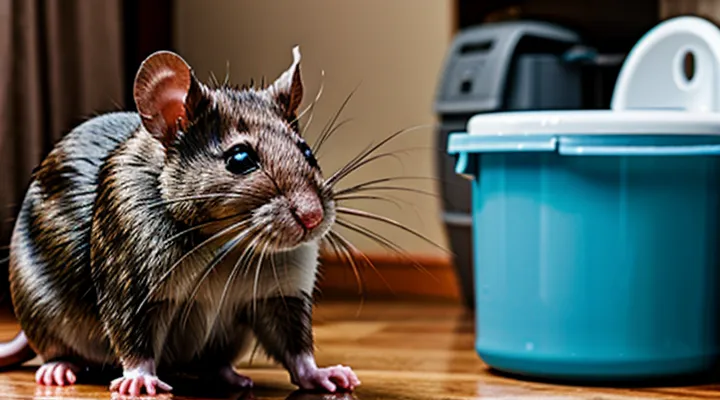
Understanding the Risks
Health Hazards Associated with Rodent Infestations
Diseases Transmitted by Rodents
Rodents are vectors for a range of pathogens that can persist in contaminated environments. Effective sanitation of spaces where rats and mice have been present must address these agents to prevent human exposure.
Common rodent‑borne diseases include:
- Leptospirosis – bacterial infection transmitted through urine‑contaminated water or soil; survives for weeks in moist conditions.
- Hantavirus Pulmonary Syndrome – virus carried in rodent droppings and saliva; aerosolized particles become infectious when disturbed.
- Salmonellosis – Salmonella bacteria spread via feces; can survive on surfaces and in food residues.
- Rat‑bite fever (Streptobacillosis) – bacterial infection introduced through bites or scratches; bacteria may be present on the rodent’s mouth and skin.
- Lymphocytic choriomeningitis virus (LCMV) – virus excreted in urine, feces, and saliva; remains viable on surfaces for several days.
- Tularemia – caused by Francisella tularensis; infection possible through contaminated dust or water.
- Plague – Yersinia pestis transmitted by fleas that have fed on infected rodents; fleas can survive in bedding and cracks.
These pathogens share characteristics that influence disinfection strategies:
- Environmental stability: many survive in moist or organic material for extended periods, requiring thorough drying and removal of debris before chemical treatment.
- Aerosol risk: disturbing droppings or nests releases infectious particles; wetting materials before removal reduces airborne spread.
- Resistance to low‑level disinfectants: some bacteria form biofilms or spores that demand higher concentrations of EPA‑registered agents.
Control measures should incorporate:
- Physical removal of nests, droppings, and contaminated insulation.
- Application of a broad‑spectrum disinfectant with proven efficacy against bacteria, viruses, and spores, following manufacturer contact time.
- Verification of surface dryness before re‑entry to minimize aerosol generation.
- Documentation of areas treated, agents used, and exposure time for regulatory compliance.
Understanding the specific diseases linked to rodent activity informs the selection of appropriate decontamination protocols and protects occupants from infection.
Allergic Reactions and Asthma Triggers
Rodent infestations release urine, feces, dander, and saliva proteins that act as potent allergens. These substances can trigger IgE‑mediated reactions, including sneezing, nasal congestion, skin rashes, and ocular irritation. Inhalation of aerosolized particles from contaminated dust or cleaning agents can provoke bronchoconstriction in susceptible individuals, leading to asthma attacks.
Common triggers associated with rodent‑contaminated environments include:
- Urine‑derived proteins (e.g., Rat n1, Mouse n1)
- Dander and hair fragments
- Fungal spores that proliferate in moist debris
- Dust generated during debris removal
- Chemical irritants from disinfectants when applied without proper ventilation
Effective mitigation requires a coordinated approach:
- Isolate the area; restrict access for non‑essential personnel.
- Equip workers with respirators rated N95 or higher, gloves, and eye protection.
- Ensure mechanical ventilation or portable HEPA filtration units operate throughout the cleaning process.
- Apply low‑dust, non‑aerosol disinfectants (e.g., quaternary ammonium compounds in liquid form) rather than sprays.
- Wet‑mop surfaces before disinfecting to suppress particulate release.
- Conduct a final air‑quality assessment using particle counters or allergen test kits before reoccupancy.
- Provide medical personnel with emergency inhaler access for individuals with known asthma.
Implementing these measures reduces exposure to allergenic proteins and irritant particles, thereby lowering the risk of allergic reactions and asthma exacerbations during rodent‑related decontamination work.
Safety Precautions Before Disinfection
Personal Protective Equipment (PPE)
Personal protective equipment (PPE) must be selected, worn, and maintained according to the hazards present in rodent‑infested environments. Respiratory protection, such as N95 or higher‑efficiency respirators, prevents inhalation of aerosolized pathogens and dust generated during cleaning. Eye protection, including goggles or face shields, guards against splashes of disinfectant solutions. Gloves made of nitrile or latex provide a barrier against direct contact with contaminated surfaces and chemical agents. Disposable coveralls, boot covers, and head caps protect clothing and reduce cross‑contamination when removed and discarded properly.
Proper donning and doffing procedures reduce the risk of self‑contamination. Workers should:
- Perform hand hygiene before putting on gloves and after removal.
- Inspect respirators for fit and seal before each use.
- Secure all seams and closures on coveralls to eliminate gaps.
- Remove PPE in a designated area, following a step‑by‑step sequence (outer garments, gloves, respirator, eye protection).
Cleaning and storage of reusable PPE must follow manufacturer guidelines. Disinfection of equipment, such as reusable respirators, requires approved chemical agents and thorough drying. Inspection for tears, punctures, or degradation should occur before each shift. Damaged items must be replaced immediately to maintain protective integrity.
Disposal of single‑use PPE should occur in sealed, labeled containers that meet local biohazard waste regulations. Containers must be sealed, transported, and incinerated or autoclaved according to established protocols, ensuring that contaminated material does not re‑enter the work area.
Ventilation Requirements
Effective ventilation is essential when treating spaces contaminated by rodent activity. Proper airflow reduces aerosolized disinfectant concentrations, limits inhalation hazards, and accelerates drying of treated surfaces.
Key requirements:
- Achieve at least 12 air changes per hour in confined rooms; larger areas may require proportionally higher rates.
- Use exhaust fans positioned near the source of contaminants to capture airborne particles before they disperse.
- Install fresh‑air intake filters rated MERV 13 or higher to prevent re‑introduction of rodent‑borne allergens.
- Maintain indoor temperature between 20 °C and 25 °C to support optimal disinfectant efficacy and prevent condensation.
- Monitor relative humidity, keeping it below 60 % to inhibit mold growth after cleaning.
Before commencing disinfection, verify that all ventilation equipment operates according to manufacturer specifications. Conduct a pre‑treatment airflow test with a calibrated anemometer; adjust fan speeds until target air change rates are met. During application, keep doors and windows closed except for controlled exhaust paths to preserve directed airflow. After completion, continue ventilation for a minimum of 30 minutes to clear residual chemicals and volatile organic compounds. Document airflow measurements and equipment settings for compliance verification.
Preparing the Area for Disinfection
Rodent Removal and Exclusion
Trapping and Baiting
Effective rodent management begins with a systematic trapping and baiting program before any sanitizing procedures are applied. Capturing or eliminating the animals removes the primary source of contamination and prevents re‑infestation during cleaning.
Select traps that match the target species and environment. Snap traps provide rapid kill and minimal residue; live‑capture cages allow relocation when humane handling is required. Placement should focus on established runways, near walls, and close to food sources. Maintain a spacing of 10–15 ft between devices to maximize coverage.
Choose baits that attract both rats and mice while complying with local regulations. Common options include:
- Peanut butter mixed with oats for mice
- Protein‑rich blocks or fish‑based gels for rats
- Commercial rodenticide baits formulated for indoor use, applied in tamper‑resistant stations
Rotate bait formulations every two weeks to avoid habituation.
Implement safety measures throughout the operation. Wear disposable gloves when handling traps and baits, and store all toxic products out of reach of non‑target animals and children. After capture, dispose of carcasses in sealed bags and follow hazardous‑waste guidelines for poisoned specimens. Once trapping is complete, proceed to disinfection, using EPA‑approved cleaners on all surfaces that rodents contacted.
Integrating trapping and baiting with the subsequent sanitizing phase ensures a thorough reduction of pathogen load and a lasting reduction in rodent activity.
Sealing Entry Points
Sealing entry points prevents rodents from re‑contaminating treated spaces and limits the spread of pathogens. Identify all possible openings, including gaps around pipes, vents, doors, windows, and foundation cracks. Use durable, non‑porous materials such as steel wool, copper mesh, cement, and expanding foam rated for pest exclusion. Apply sealant after cleaning surfaces to remove debris, urine, and droppings, ensuring full contact and adhesion.
Key actions:
- Conduct a thorough visual inspection of interior and exterior walls, floors, and ceilings.
- Measure each gap and select an appropriate sealing product based on size and exposure.
- Install steel wool or copper mesh in larger openings before applying a sealant layer.
- Apply expanding foam or acrylic caulk to fill smaller cracks, smoothing the surface for later painting or coating.
- Verify the integrity of doors and windows by checking weatherstripping and installing door sweeps where needed.
- Document all sealed locations and schedule quarterly reviews to detect new breaches.
Maintaining sealed barriers involves regular monitoring, especially after construction, landscaping changes, or severe weather. Prompt repair of damaged seals sustains the effectiveness of the overall decontamination effort and reduces the likelihood of future rodent incursions.
Initial Cleaning Steps
Removing Rodent Droppings and Urine
Rodent feces and urine must be eliminated before any sanitizing effort. Their removal reduces pathogen load and prevents aerosolization of harmful particles.
Wear disposable gloves, a fluid‑resistant gown, and a N95 or higher respirator. Ensure adequate ventilation or use local exhaust to limit inhalation of dust. Isolate the area from occupants until cleaning is complete.
- Moisten droppings and urine stains with a detergent‑diluted water solution; this prevents particles from becoming airborne.
- Gather softened material with a disposable scoop or paper towel. Place waste directly into a sealable biohazard bag.
- Dispose of the sealed bag according to local hazardous‑waste regulations.
- Scrub the contaminated surface with a detergent solution, then rinse with clean water.
- Apply an EPA‑registered rodent‑pathogen disinfectant, following the manufacturer’s contact time. Wipe excess liquid with a clean disposable cloth.
After treatment, discard all disposable PPE and cleaning materials in sealed bags. Wash hands thoroughly with soap and water. Verify that the surface is dry before allowing re‑entry.
Handling Contaminated Materials
Handling contaminated materials requires strict adherence to safety protocols, proper containment, and thorough decontamination to prevent the spread of pathogens carried by rodents.
Personal protective equipment (PPE) must be worn at all times. Use disposable gloves, fluid‑resistant gowns, eye protection, and a fitted respirator with a P100 filter. Replace PPE if it becomes soiled or compromised.
Collect all contaminated items in sealed, puncture‑resistant bags. Label each bag with the date, location, and hazard description. Ensure that bags are sealed before removal from the work area.
Transport materials using a dedicated, disinfected cart. Keep the cart covered and separate from non‑contaminated equipment. Follow a predetermined route that avoids high‑traffic zones.
Dispose of waste according to local regulations for biohazardous material. Autoclave or incinerate items when required; otherwise, place them in an approved biohazard container for off‑site processing.
Decontaminate reusable tools and equipment immediately after use. Immerse in a solution of 10 % bleach (sodium hypochlorite) for at least 10 minutes, then rinse with clean water and allow to air dry. Verify that the disinfectant concentration remains effective by testing the solution regularly.
Document each step of the handling process. Record PPE type, waste quantities, decontamination methods, and disposal outcomes. Retain records for a minimum of 12 months for audit and compliance purposes.
Proper Disposal Methods
Proper disposal of contaminated materials is essential to prevent disease transmission after rodent activity. All waste generated during cleaning—soiled bedding, droppings, dead rodents, and disposable cleaning tools—must be treated as biohazardous.
Effective disposal methods include:
- Sealed plastic bags: Place waste in heavy‑duty, leak‑proof bags, remove excess air, and seal with a tamper‑evident tie.
- Chemical disinfection: Prior to bagging, spray surfaces and items with an EPA‑registered rodent‑borne pathogen disinfectant; allow the recommended contact time.
- Labeling: Affix a biohazard label to each sealed bag to alert handling personnel.
- Authorized collection: Transfer bags to a licensed hazardous waste carrier; retain documentation of pickup and disposal dates.
For large carcasses or bulk material, use dedicated biohazard containers that meet OSHA standards. Store containers in a secure, temperature‑controlled area until pickup. After removal, disinfect the storage area with a solution containing at least 1,000 ppm sodium hypochlorite, then rinse and air‑dry.
Final verification requires a waste tracking form signed by the responsible technician, confirming that all materials have been disposed of according to local health regulations and institutional protocols. This systematic approach eliminates residual contamination and safeguards personnel and occupants.
Disinfection Procedures
Choosing the Right Disinfectants
EPA-Registered Products for Hantavirus
EPA‑registered disinfectants that are proven effective against hantavirus should be the first choice when cleaning rodent‑contaminated spaces. These products meet the EPA’s stringent criteria for virucidal activity, ensuring reliable inactivation of the pathogen on hard, non‑porous surfaces.
Key categories include:
- Quaternary ammonium compounds (QACs) – examples: Clorox® Healthcare Bleach Germicidal Wipes, Sani‑Cloth®; label specifies activity against hantavirus with a minimum 10‑minute contact time.
- Sodium hypochlorite (bleach) solutions – EPA‑registered formulations such as Clorox® Clean‑Up (5.25% sodium hypochlorite) require a 5‑minute dwell period on surfaces after thorough cleaning.
- Accelerated hydrogen peroxide (AHP) – products like OxyCide® and Hydrogen Peroxide 3% (EPA‑registered) achieve hantavirus inactivation within 5 minutes when applied per label directions.
- Peracetic acid blends – Peroxy‑Sorb® is listed for hantavirus with a 10‑minute contact time, suitable for metal and plastic equipment.
Application guidelines:
- Remove visible debris and organic matter before disinfection; organic load can reduce efficacy.
- Apply the product to achieve full surface coverage; wet the area until visibly damp.
- Observe the label‑specified contact time without wiping or rinsing, unless the product instructions allow.
- Ensure adequate ventilation and wear appropriate personal protective equipment (gloves, goggles, respirator if required).
Safety considerations:
- Verify that the product’s EPA registration includes hantavirus; the label will list “Hantavirus (HCPS) – EPA‑registered”.
- Follow manufacturer’s dilution instructions; over‑dilution may compromise virucidal performance.
- Store chemicals according to label recommendations to maintain stability and potency.
Selecting EPA‑registered disinfectants with explicit hantavirus claims provides a scientifically validated approach to mitigating disease risk in areas compromised by rats and mice.
Natural and Commercial Disinfectants
Rodent activity leaves behind urine, feces, and saliva that can harbor bacteria, viruses, and parasites. Effective decontamination requires agents that neutralize these pathogens while remaining safe for occupants and surfaces.
Natural disinfectants
- White vinegar (5 % acetic acid): broad‑spectrum antibacterial; apply undiluted, allow 5‑10 minutes before wiping.
- Hydrogen peroxide (3 % solution): oxidizing agent active against viruses and fungi; spray, keep wet for 5 minutes.
- Tea tree oil (5‑10 % in water): antimicrobial essential oil; use with a carrier solvent, avoid prolonged contact with plastics.
- Eucalyptus oil (5 % solution): antiviral properties; suitable for wood and tile after a brief test.
- Citrus extracts (e.g., lemon juice, orange oil): mild antibacterial effect; effective on non‑porous surfaces when left for 3 minutes.
- Neem oil (5 % solution): antifungal activity; recommended for outdoor areas with vegetation.
Commercial disinfectants
- Quaternary ammonium compounds: rapid bactericidal action; follow manufacturer‑specified contact time (usually 3‑5 minutes).
- Sodium hypochlorite (bleach) at 0.1 %: potent against viruses and spores; dilute fresh, apply, and maintain wetness for 10 minutes.
- Phenolic disinfectants: effective on hard surfaces; observe safety data sheet for ventilation requirements.
- Peracetic acid (0.2 %): strong oxidizer, suitable for metal and concrete; requires neutralization after use.
- Chlorine dioxide tablets: gas‑phase disinfectant for enclosed spaces; follow label for exposure duration.
- Enzymatic cleaners: break down organic material, reducing pathogen load before chemical disinfection; use as a pre‑treatment step.
Selection criteria
Choose agents based on pathogen spectrum, required contact time, surface compatibility, toxicity, and environmental impact. Natural options excel in low‑toxicity scenarios, while commercial products provide faster, broader efficacy on heavily contaminated surfaces.
Application protocol
- Remove visible debris and droppings with disposable tools.
- Wear gloves, mask, and eye protection throughout the process.
- Apply chosen disinfectant, ensuring full coverage and adherence to the recommended dwell time.
- Rinse or air‑dry according to product instructions.
- Ventilate the area to disperse residual vapors before re‑occupancy.
Following these steps with appropriate agents reduces the risk of disease transmission from rodent‑infested environments.
Step-by-Step Disinfection Process
Application Techniques
Effective disinfection of rodent‑contaminated environments requires precise application methods to ensure thorough pathogen elimination and prevent re‑infestation.
Select a disinfectant approved for rodent‑borne pathogens, such as a quaternary ammonium compound, chlorine‑based solution, or peroxygen formulation. Verify concentration according to label instructions and adjust for temperature and organic load.
Apply the product using the technique best suited to the surface and area geometry:
- Spray misting: Use a low‑pressure pump sprayer to generate a fine aerosol that reaches cracks, crevices, and overhead structures. Maintain a wet contact time of at least the manufacturer‑specified duration before wiping or allowing to air‑dry.
- Foam application: Deploy a hand‑held foam dispenser for porous materials, insulation, and voids. Foam expands to fill irregular spaces, providing sustained surface coverage.
- Wipe‑down method: For smooth, non‑absorbent surfaces, saturate disposable microfiber cloths with the disinfectant and wipe in a systematic, overlapping pattern. Replace cloths after each section to avoid cross‑contamination.
- Immersion: Submerge detachable equipment, tools, or containers in a prepared disinfectant bath for the full exposure period. Rinse with clean water if required by the product safety data sheet.
Ensure uniform distribution by:
- Conducting a visual inspection before treatment to identify hidden reservoirs of contamination.
- Applying disinfectant in overlapping passes to avoid untreated gaps.
- Monitoring ambient humidity and temperature to maintain optimal efficacy.
After application, allow the treated area to remain undisturbed for the full contact time. Dispose of all used applicators, protective gear, and waste according to hazardous material regulations. Document the disinfectant type, concentration, application method, and exposure duration for compliance and future reference.
Dwelling Time and Rinsing
Effective rodent‑contamination control depends on two critical actions: maintaining the required contact time for the disinfectant and performing thorough rinsing after exposure.
The disinfectant must remain on the surface for the period specified by the manufacturer. Typical requirements are:
- 5–10 minutes for quaternary ammonium compounds.
- 10 minutes for chlorine‑based solutions at 1 % concentration.
- 15 minutes for oxidizing agents such as peracetic acid.
Contact time begins when the surface is completely wet. Interruptions—dry spots, premature wiping, or insufficient coverage—reduce efficacy and may leave viable pathogens.
Rinsing removes residual chemicals and dislodged debris, preventing re‑contamination and protecting occupants. Follow these steps:
- Use clean, lukewarm water (20–30 °C).
- Apply water at a flow that fully saturates the treated area without splashing.
- Rinse for at least 30 seconds per square meter, ensuring all disinfectant residues are flushed away.
- Verify removal by visual inspection and, if possible, by pH testing of runoff water to confirm neutralization.
After rinsing, dry the surface with clean towels or allow air‑drying. Only then may the area be re‑occupied or further cleaning steps be applied.
Disinfecting Specific Surfaces
Hard, Non-Porous Surfaces
Hard, non‑porous surfaces—including metal countertops, ceramic tiles, glass, sealed wood, and plastic fixtures—retain contaminants but do not absorb them, allowing thorough chemical disinfection. Before applying any agent, remove visible droppings, urine stains, and food residues with a disposable paper towel and a detergent solution. Rinse the area with clean water and allow it to dry completely; residual moisture can dilute disinfectants and reduce efficacy.
- Select a disinfectant proven effective against rodent‑borne pathogens (e.g., a 1 % sodium hypochlorite solution, an EPA‑registered quaternary ammonium compound, or a hydrogen peroxide‑based product). Verify that the label authorizes use on the specific material.
- Apply the disinfectant uniformly, ensuring full coverage of the surface. Use a spray bottle or a clean mop, and maintain a wet contact time of at least the period specified by the manufacturer (commonly 5–10 minutes).
- After the contact time, wipe the surface with a clean, disposable cloth or allow it to air‑dry. Do not rinse unless the product label requires it.
- Dispose of all cleaning materials, gloves, and protective gear in sealed bags. Follow local regulations for hazardous waste if the disinfectant is classified as such.
Repeat the procedure on any adjacent hard surfaces that may have been contaminated during the initial cleaning. Maintain a schedule of periodic disinfection in high‑risk zones to prevent re‑contamination.
Porous Materials and Fabrics
Porous materials and fabrics retain moisture, organic debris, and rodent urine, creating environments where pathogens survive and multiply. Effective sanitation of these items requires specific actions to eliminate contaminants and prevent re‑contamination.
- Remove heavily soiled or damaged fabrics; discard if cleaning cannot restore integrity.
- Vacuum surfaces with a HEPA‑rated filter to capture dust and droppings before any liquid treatment.
- Pre‑soak washable fabrics in hot water (≥ 60 °C) with a detergent that contains enzymatic cleaners to break down protein‑based residues.
- Apply an EPA‑registered disinfectant approved for use on porous surfaces; ensure contact time meets the product’s label instructions.
- Rinse fabrics thoroughly with clean water, then dry completely using high‑temperature drying cycles or forced‑air equipment to eliminate residual moisture.
For non‑washable items such as upholstery, curtains, or insulation:
- Spot‑clean with a disinfectant solution using a spray bottle; cover the entire affected area evenly.
- Allow the product to remain wet for the required dwell period; avoid wiping dry prematurely.
- If possible, extract moisture with a professional dehumidifier or industrial dryer to reduce the risk of mold growth.
When porous building materials (e.g., drywall, acoustic panels) are contaminated:
- Seal the surface with a disinfectant‑impregnated coating, following manufacturer guidelines for thickness and drying time.
- In cases of extensive contamination, remove and replace the material to ensure complete eradication of pathogens.
All personnel handling contaminated fabrics should wear appropriate PPE, including gloves, disposable coveralls, and respiratory protection, to prevent exposure to aerosolized particles during cleaning and disinfection.
HVAC Systems and Air Ducts
Rats and mice contaminate HVAC equipment and ductwork with urine, feces, and pathogens. These residues become aerosolized when the system operates, spreading disease throughout the building. Immediate action focuses on containment, removal, and verification.
- Shut down the system and seal all supply and return registers to prevent further airflow.
- Remove accessible debris with HEPA‑filtered vacuums; discard material in sealed biohazard bags.
- Apply an EPA‑registered rodent‑specific disinfectant to interior surfaces, following the manufacturer’s contact time. Use a low‑pressure sprayer or foam to reach hidden sections.
- Disassemble removable components (grilles, filters, dampers) and soak them in the disinfectant solution. Replace filters with new, high‑efficiency units after decontamination.
- Conduct a thorough visual inspection for gnaw marks, nests, or droppings. Repair damaged insulation, sealing gaps that allow rodent entry.
- Perform a final air‑flow test with a particle counter to confirm that contaminant levels are within acceptable limits before re‑commissioning the system.
Personal protective equipment must include N‑95 respirators, disposable gloves, and coveralls. All personnel should be trained in handling rodent‑borne hazards and in the proper use of chemical agents. Documentation of each step—inspection findings, disinfectant concentrations, exposure times, and test results—provides a traceable record for compliance and future audits.
Post-Disinfection Measures
Odor Removal
Air Fresheners and Deodorizers
Air fresheners and deodorizers serve to reduce or eliminate the distinctive odor produced by rodent activity after a sanitation process. Their primary purpose is to neutralize volatile compounds rather than merely mask unpleasant smells, thereby contributing to a healthier indoor environment.
Effective products contain ingredients that chemically react with odor molecules, such as enzymatic agents, activated charcoal, or cyclodextrin complexes. When selecting a formulation, consider the following criteria:
- Compatibility with disinfectants used on surfaces previously treated for rodent contamination.
- Low volatile organic compound (VOC) content to minimize respiratory irritation.
- Proven efficacy against ammonia, urine, and fecal odor components common in rodent‑infested spaces.
- Safety data confirming non‑toxicity for occupants, including children and pets.
Application should follow a structured sequence: after thorough cleaning and disinfection, allow surfaces to dry completely. Apply the deodorizer according to manufacturer specifications, ensuring even distribution across floors, walls, and any porous materials. Use mechanical diffusion (e.g., plug‑in units) rather than aerosol sprays when possible, to maintain consistent concentration and reduce airborne particles. Ventilate the area for at least 15 minutes to disperse residual chemicals before re‑occupancy.
Safety measures include wearing protective gloves and eye protection during handling, storing products away from heat sources, and verifying that the chosen deodorizer does not react adversely with residual disinfectant residues. Avoid direct application on food‑contact surfaces unless the product is explicitly approved for such use.
Integrating deodorizers into the overall rodent‑infestation remediation protocol enhances the final outcome:
- Perform mechanical removal of droppings and nesting material.
- Apply an EPA‑registered disinfectant, following recommended dwell time.
- Rinse and dry the treated area.
- Deploy the selected deodorizer, maintaining manufacturer‑specified airflow and concentration.
- Conduct a final ventilation period before restoring normal activity.
Adhering to these guidelines ensures odor control without compromising the effectiveness of the disinfection regimen or the safety of occupants.
Professional Odor Neutralization
Professional odor neutralization is a critical component of restoring environments compromised by rodent activity. Urine, feces, and glandular secretions generate volatile compounds that persist after surface cleaning, attracting pests and creating health hazards. Neutralization eliminates these molecules rather than merely masking them, reducing re‑infestation risk and improving indoor air quality.
Effective neutralization follows a systematic approach:
- Assessment: Identify all zones with visible contamination and detect hidden odor sources using olfactory inspection or electronic sensors.
- Pre‑cleaning: Remove organic debris with disposable tools, then wash surfaces with an enzymatic detergent that breaks down protein‑based residues.
- Application of neutralizer: Deploy a professional-grade, EPA‑registered odor‑binding agent. Apply according to manufacturer specifications, ensuring thorough coverage of porous materials (carpet, insulation, upholstery) and hard surfaces.
- Ventilation: Operate high‑efficiency particulate air (HEPA) filtration units and exhaust fans for a minimum of 30 minutes to facilitate evaporation of bound compounds.
- Verification: Conduct post‑treatment scent testing; repeat application if residual odor exceeds acceptable thresholds.
Selection criteria for neutralizing products include proven efficacy against ammonia, sulfur, and skatole compounds; low toxicity to humans and pets; and compatibility with common building materials. Documentation of product batch numbers, application dates, and concentrations is essential for compliance audits and future maintenance planning.
Preventing Future Infestations
Regular Inspection and Maintenance
Regular inspection and systematic maintenance are fundamental to preventing rodent‑related contamination in facilities where sanitation is critical. Frequent visual checks identify gnaw marks, droppings, urine stains, and entry points before they become sources of disease transmission. Prompt corrective action limits the spread of pathogens and reduces the need for extensive chemical disinfection.
Inspections should follow a defined schedule and cover the following elements:
- Visual examination of walls, ceilings, floors, and storage areas for signs of activity.
- Verification that all seals, screens, and door sweeps remain intact.
- Assessment of waste containers for proper closure and placement away from food‑handling zones.
- Testing of traps and bait stations for functionality and correct positioning.
- Evaluation of ventilation and drainage systems for blockages that could attract rodents.
Maintenance tasks derived from inspection findings include sealing gaps with durable materials, repairing damaged screens, repositioning or replenishing traps, and ensuring waste management equipment operates correctly. Documentation of each inspection, observed conditions, and remedial actions creates an audit trail that supports compliance with health regulations and facilitates continuous improvement of the control program.
Food Storage and Sanitation Practices
Effective food storage is a critical component of rodent control. Store all dry goods in airtight containers made of metal or heavy‑wall plastic; seal containers with lockable lids to prevent gnawing. Keep storage areas off the floor by at least 12 inches and away from walls to eliminate rodent pathways. Maintain temperature and humidity levels that deter pest activity, and inspect containers regularly for signs of damage.
Sanitation practices must eliminate food sources that attract rats and mice. Remove spills and crumbs immediately, and clean surfaces with a detergent followed by a disinfectant approved for food‑handling environments. Dispose of waste in sealed containers that are emptied frequently; locate trash receptacles away from food storage zones. Apply a schedule for deep cleaning that includes behind equipment, under shelving, and in hard‑to‑reach corners.
Recommended actions:
- Conduct weekly inventory checks to identify expired or compromised items.
- Rotate stock using a first‑in‑first‑out system to minimize long‑term storage.
- Install physical barriers such as metal shelving and sealed doors on storage rooms.
- Use a documented cleaning log to track compliance with sanitation protocols.
- Perform quarterly inspections of building exterior for entry points and seal any openings larger than ¼ inch.