
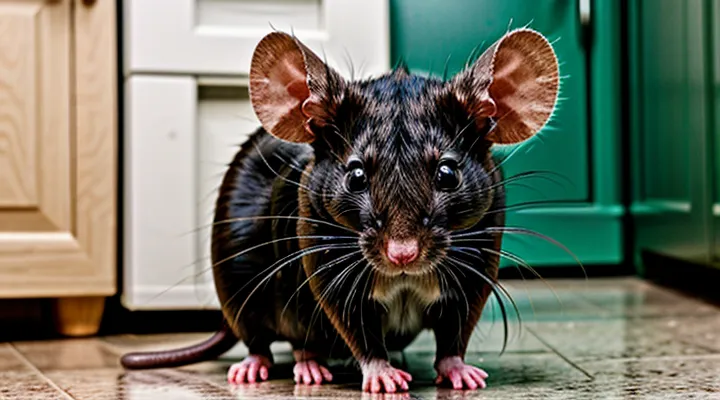
Understanding Rat Health: A Comprehensive Overview
Recognizing a Healthy Rat
Physical Indicators of Well-being
Physical health in pet rats can be assessed through observable traits that reflect their overall condition. A rat that appears alert, maintains a steady body temperature, and exhibits normal grooming behavior is likely experiencing minimal physiological stress.
Key visual and tactile markers include:
- Coat quality: smooth, glossy fur without bald patches or excessive shedding.
- Body weight: stable or gradually increasing weight appropriate for the rat’s age and breed; sudden loss signals potential pathology.
- Eye clarity: bright, clear eyes without discharge, cloudiness, or redness.
- Respiratory pattern: quiet, regular breathing without audible wheezing or labored effort.
- Skin elasticity: skin that returns promptly when gently lifted, indicating proper hydration and tissue health.
- Activity level: spontaneous exploration and interaction with the environment, suggesting adequate energy reserves.
Additional measurements that support a comprehensive evaluation are:
- Food and water intake: consistent consumption levels aligned with the rat’s metabolic needs.
- Fecal consistency: formed, moist pellets without blood or mucus, reflecting digestive function.
- Urine output: normal volume and color, indicating renal performance.
Monitoring these physical indicators enables early detection of disease processes and informs timely therapeutic interventions, thereby enhancing the welfare of domestic rats.
Behavioral Traits of a Healthy Rat
A healthy domestic rat displays consistent activity levels, alternating periods of exploration with brief rest. It readily investigates new objects, shows curiosity without signs of fear or aggression, and navigates its environment with coordinated movements. Regular self‑grooming indicates normal tactile sensation and skin health; excessive or absent grooming may signal discomfort or illness.
Social interaction serves as a reliable metric of wellness. A rat that engages in mutual grooming, gentle play, and maintains a stable hierarchy within a group demonstrates appropriate social behavior. Withdrawal, persistent isolation, or unprovoked attacks often precede underlying health issues.
Feeding behavior remains steady in a sound rat. The animal consumes a balanced diet multiple times daily, exhibits no difficulty swallowing, and maintains a steady body condition. Sudden changes in appetite, hoarding of food without consumption, or rapid weight loss are early indicators of disease processes.
Sleep patterns are predictable: rats alternate between short, active bouts and longer periods of quiet rest, typically during the daylight phase. Disruption of this cycle—excessive daytime activity, prolonged lethargy, or difficulty waking—should prompt veterinary assessment.
Other observable traits include:
- Responsive alertness to environmental cues.
- Normal respiratory rate without audible wheezing or labored breathing.
- Clean, dry fur without patches of alopecia or dandruff.
- Intact hind‑limb function, with no signs of dragging or weakness.
Recognition of these behavioral benchmarks enables owners and clinicians to differentiate normal conduct from symptomatology associated with rat health concerns, facilitating timely diagnosis and effective therapeutic intervention.
Common Diseases in Domestic Rats
Respiratory Infections
Mycoplasmosis
Mycoplasmosis is a bacterial infection of the respiratory tract in pet rats, caused primarily by Mycoplasma pulmonis. The organism lacks a rigid cell wall, rendering it resistant to many conventional antibiotics that target peptidoglycan synthesis. Transmission occurs through direct contact, aerosolized secretions, and contaminated bedding. Stressors such as overcrowding, poor ventilation, and abrupt temperature changes increase susceptibility.
Clinical manifestations include:
- Nasal and ocular discharge, often serous to purulent
- Labored breathing, audible wheezes, or rattling sounds
- Sniffles, sneezing, and occasional coughing
- Reduced activity, weight loss, and poor coat condition
Diagnosis relies on a combination of clinical observation and laboratory testing. Nasal swabs or lung tissue examined by polymerase chain reaction (PCR) provide rapid, specific identification. Culture on specialized media is possible but time‑consuming. Radiography may reveal interstitial infiltrates, supporting a respiratory etiology.
Effective therapy centers on antibiotics that inhibit protein synthesis, as the pathogen’s lack of cell wall precludes β‑lactams and glycopeptides. Recommended regimens include:
- Enrofloxacin 10 mg/kg orally once daily for 10–14 days
- Tylosin tartrate 50 mg/kg orally twice daily for 7–10 days, alternative for fluoroquinolone‑intolerant animals
Supportive care—humidified environment, nutritional supplementation, and isolation of affected individuals—enhances recovery. Monitor respiratory rate and discharge daily; adjust treatment if clinical signs persist beyond the expected response window.
Prevention focuses on environmental management: maintain low humidity, ensure adequate airflow, avoid mixing naïve and previously exposed rats, and implement strict quarantine for new arrivals. Routine health screening of breeding colonies can detect subclinical carriers, limiting spread within a population.
Symptoms of Mycoplasmosis
Mycoplasmosis in pet rats presents a recognizable set of clinical signs that facilitate early detection. Infected animals often exhibit:
- Progressive respiratory distress, including rapid breathing and audible wheezing
- Nasal discharge that may be clear, serous, or purulent
- Ocular secretions ranging from mild tearing to pronounced conjunctivitis
- Reduced activity levels, lethargy, and reluctance to explore the cage
- Anorexia or diminished food intake, leading to weight loss
- Occasional fever, detectable by rectal temperature measurement above normal ranges
These manifestations typically develop within one to three weeks after exposure to the pathogen. The respiratory component dominates the presentation, with coughing or choking episodes common during feeding. Concurrent ocular involvement may indicate secondary bacterial infection. Weight loss and appetite suppression often precede overt respiratory collapse, underscoring the need for prompt veterinary assessment.
Treatment Options for Mycoplasmosis
Mycoplasma infection in pet rats produces respiratory distress, nasal discharge, and weight loss. Effective management requires a combination of antimicrobial agents and supportive measures.
- Tetracycline-class drugs (e.g., doxycycline) administered at 5 mg/kg orally every 12 hours for a minimum of 14 days. Proven to inhibit bacterial protein synthesis and reduce bacterial load.
- Macrolides (e.g., tylosin) given at 25 mg/kg orally once daily for 10–14 days. Suitable for cases with tetracycline intolerance.
- Fluoroquinolones (e.g., enrofloxacin) used at 10 mg/kg orally once daily for 7–10 days. Reserved for severe infections due to potential cartilage toxicity in young animals.
- Combination therapy (tetracycline plus macrolide) applied when monotherapy fails to achieve clinical improvement within 48 hours.
Supportive care includes subcutaneous or intraperitoneal fluid administration to correct dehydration, high‑calorie supplemental feeding, and environmental enrichment to reduce stress. Temperature regulation and humidity control minimize secondary bacterial proliferation.
Preventive actions consist of quarantine of new arrivals for at least 30 days, routine health screening with PCR or culture, and thorough disinfection of cages using a 10 % bleach solution. Maintaining low animal density and providing adequate ventilation further limit transmission.
Other Bacterial Respiratory Infections
Bacterial respiratory infections that fall outside the primary pathogens commonly reported in pet rats still pose a significant health risk. These agents include Bordetella bronchiseptica, Streptococcus pneumoniae, Klebsiella pneumoniae, Pseudomonas spp., and Haemophilus spp. Each can colonize the upper or lower airways, leading to clinical deterioration if left untreated.
Typical manifestations encompass nasal or ocular discharge, audible sneezing, audible wheezing, increased respiratory rate, and occasional cyanosis of the extremities. In severe cases, rats may exhibit reduced activity, loss of appetite, and weight loss. The progression from mild upper‑respiratory signs to pneumonia can occur within 48 hours, underscoring the need for prompt recognition.
Diagnostic confirmation relies on a combination of physical examination, radiographic imaging, and microbiological testing. Nasal swabs or bronchoalveolar lavage samples are cultured on selective media, while polymerase chain reaction assays provide rapid species identification. Hematology often reveals neutrophilic leukocytosis, supporting a bacterial etiology.
Therapeutic protocols focus on antimicrobial agents selected according to culture‑sensitivity results. Empirical treatment may begin with a fluoroquinolone (e.g., enrofloxacin) or a macrolide (e.g., azithromycin) pending laboratory data. Supportive measures include:
- Warm, dry housing to reduce stress on the respiratory system
- Fluid therapy to maintain hydration and aid mucociliary clearance
- Nebulized saline or humidified air to alleviate airway obstruction
Treatment duration typically spans 7–10 days, with a re‑evaluation at the end of the course to ensure resolution of clinical signs and negative culture results. Failure to achieve bacterial clearance warrants a change in antibiotic class and further diagnostic investigation for underlying immunosuppression or co‑infection.
Skin Conditions
Mites and Other Parasites
Mites and other parasites are common contributors to health problems in pet rats. Infestations cause irritation, skin lesions, and secondary infections, which can impair growth and reproductive performance.
Typical ectoparasites include:
- Schoenopsylla spp. (rat fleas) – cause pruritus, anemia, and dermatitis.
- Radfordia spp. (fur mites) – produce dry, scaly patches and hair loss.
- Demodex spp. (hair follicle mites) – lead to alopecia and crusted lesions.
Internal parasites frequently encountered are:
- Nematodes (e.g., Syphacia muris, Aspiculuris spp.) – result in weight loss, diarrhea, and reduced appetite.
- Cestodes (Hymenolepis nana) – may cause gastrointestinal upset and occasional intestinal blockage.
- Protozoa (e.g., Giardia duodenalis) – produce watery stools, dehydration, and poor condition.
Diagnosis relies on visual inspection of skin and fur, microscopic examination of skin scrapings, fecal flotation, and, when necessary, PCR testing. Early detection prevents escalation to severe systemic disease.
Effective control measures comprise:
- Topical acaricides (e.g., selamectin, ivermectin) applied according to veterinary dosage guidelines.
- Oral antiparasitic agents (e.g., fenbendazole for nematodes, praziquantel for tapeworms) administered in a full treatment course.
- Environmental sanitation – thorough cleaning of cages, bedding replacement, and regular disinfection with agents effective against arthropods and helminths.
- Quarantine of new arrivals – isolation for at least two weeks with prophylactic treatment reduces introduction of parasites.
Monitoring after treatment includes repeat skin examinations and fecal analyses at 7‑ and 14‑day intervals to confirm eradication. Persistent or recurrent infestations may indicate resistance or reinfestation, requiring alternative medications or adjusted environmental protocols.
Identifying Parasitic Infestations
Parasitic infestations are a frequent cause of illness in pet rats and must be recognized promptly to prevent secondary complications.
Typical ectoparasites include fur mites (Myobia musculinus), lice (Polyplax spp.) and fleas. Internal parasites commonly observed are pinworms (Syphacia muris), tapeworms (Hymenolepis nana) and protozoa such as coccidia (Eimeria spp.). Each species produces a characteristic pattern of clinical signs.
Observable signs
- Intense scratching or grooming, especially around the neck and ears
- Hair loss, crusty or scaly skin patches
- Visible insects or moving specks in the coat
- Diarrhea, sometimes with mucus or blood
- Weight loss, reduced activity, pale mucous membranes
- Anemia indicated by rapid heart rate or lethargy
Diagnostic procedures
- Direct visual examination of the coat and skin
- Skin scrapings examined under a microscope for mites and lice
- Fecal flotation or sedimentation to detect eggs of pinworms, tapeworms or coccidia
- Tape test to collect surface parasites for microscopic identification
- Laboratory analysis of blood parameters to assess anemia or inflammatory response
Treatment protocols
- Topical acaricides (e.g., selamectin or moxidectin) applied according to manufacturer dosage for external parasites
- Oral antiparasitic agents: ivermectin for mites, pyrantel pamoate for pinworms, fenbendazole for coccidia and tapeworms
- Environmental decontamination: thorough cleaning of cages, bedding replacement, and regular disinfection with rodent‑safe agents
- Repeat treatment cycles after 10–14 days to interrupt parasite life cycles
- Follow‑up examinations to confirm eradication and monitor recovery
Early detection and targeted therapy reduce morbidity and support overall health in domestic rats. Regular health checks and strict hygiene practices remain essential components of preventive care.
Antiparasitic Treatments
Parasitic infestations are frequent health concerns in pet rats, often presenting as weight loss, ruffled fur, diarrhea, or respiratory distress. Prompt identification relies on fecal flotation, direct microscopic examination, or PCR testing to determine species and infection load.
Effective antiparasitic therapy includes several pharmacological agents, each with specific indications and dosage regimens:
- Ivermectin – oral or subcutaneous administration; 0.2 mg/kg once, repeat after 14 days for nematodes such as Syphacia muris.
- Fenbendazole – mixed in food or water; 50 mg/kg daily for three consecutive days, targeting pinworms and cestodes.
- Pyrantel pamoate – oral suspension; 5 mg/kg single dose, effective against hookworms and certain nematodes.
- Metronidazole – oral solution; 10 mg/kg twice daily for 5 days, used for protozoal infections like Giardia.
- Praziquantel – oral tablet; 5 mg/kg single dose, treats tapeworms (Hymenolepis spp.).
Administration should follow veterinary prescription, considering the rat’s age, weight, and concurrent conditions. Monitoring fecal output 7–10 days post‑treatment confirms eradication; persistent eggs warrant a second course or alternative drug.
Preventive strategies reduce recurrence: maintain strict cage hygiene, provide clean water, avoid raw or contaminated feed, and implement routine fecal screening every 3–4 months for breeding colonies.
Abscesses
Abscesses are localized collections of pus that develop within the tissues of pet rats, usually following bacterial invasion after trauma, bite wounds, or dental disease. The most frequent pathogens are Staphylococcus aureus and Streptococcus species, which proliferate in anaerobic conditions and elicit a robust inflammatory response.
Clinical signs include a firm, swollen mass that may be warm to the touch, ulcerated skin over the lesion, reduced activity, loss of appetite, and occasional fever. Rats may also exhibit hind‑limb lameness if the abscess compresses adjacent muscles or joints. Palpation reveals a fluctuant center surrounded by a firm capsule.
Diagnosis relies on physical examination and, when needed, fine‑needle aspiration to obtain purulent material for cytology and culture. Radiography can identify deeper abscesses affecting bone or internal organs. Hematology often shows leukocytosis with a left shift, supporting an infectious process.
Effective treatment follows a three‑step protocol:
- Antimicrobial therapy: Empirical broad‑spectrum antibiotics (e.g., enrofloxacin or trimethoprim‑sulfamethoxazole) are initiated immediately; adjustments are made after culture results.
- Drainage: Surgical incision and drainage remove accumulated pus, relieve pressure, and allow thorough cleaning of the cavity with sterile saline.
- Supportive care: Analgesics (e.g., meloxicam) control pain; fluid therapy and high‑calorie diet promote recovery.
Post‑operative care includes daily wound inspection, continued antibiotics for 10–14 days, and limiting stressors that could impair immunity. Preventive measures focus on maintaining a clean environment, promptly treating dental overgrowth, and avoiding injuries from cage fixtures or aggressive conspecifics. Early recognition and aggressive management reduce the risk of systemic spread and improve survival rates in affected rats.
Tumors
Types of Tumors in Rats
Tumor development represents a major health concern for pet rats, contributing to morbidity and mortality across the species. Early recognition of neoplastic conditions improves therapeutic outcomes and informs owner decisions.
Common neoplasms in laboratory‑ and domestic‑rat populations include:
- Mammary adenocarcinoma – malignant growth of mammary gland tissue.
- Fibrosarcoma – spindle‑cell tumor arising from connective tissue.
- Lymphoma – malignant proliferation of lymphoid cells, often systemic.
- Hepatocellular carcinoma – primary liver tumor with rapid progression.
- Adrenal pheochromocytoma – catecholamine‑secreting tumor of the adrenal medulla.
- Testicular interstitial cell tumor – endocrine tumor affecting male rats.
Clinical manifestations vary with tumor location and biology. Mammary adenocarcinoma typically presents as a palpable mass in the ventral abdomen, occasionally ulcerating. Fibrosarcoma may cause localized swelling, reduced mobility, or skin rupture. Lymphoma often produces generalized lymphadenopathy, weight loss, and lethargy. Hepatocellular carcinoma can lead to abdominal distension, jaundice, and ascites. Adrenal pheochromocytoma may induce episodic hypertension, tachycardia, and behavioral agitation. Testicular tumors commonly result in scrotal enlargement and reduced fertility.
Therapeutic interventions depend on tumor type, stage, and the animal’s overall condition. Surgical excision offers curative potential for localized masses such as mammary adenocarcinoma and fibrosarcoma when complete resection is feasible. Systemic chemotherapy, employing agents like cyclophosphamide or doxorubicin, addresses disseminated lymphoma and advanced hepatic disease. Palliative care—analgesics, anti‑inflammatory drugs, and supportive nutrition—mitigates discomfort in inoperable cases. Hormonal therapy may be considered for endocrine‑active tumors.
Prognosis correlates with tumor aggressiveness and treatment success. Complete surgical removal of early‑stage mammary adenocarcinoma yields survival times of several months to a year. Lymphoma and hepatic carcinoma generally carry a poor outlook, with median survival measured in weeks despite chemotherapy. Regular physical examinations and imaging (ultrasound, radiography) enable early detection, allowing timely intervention and improved quality of life.
Diagnosis and Management of Tumors
Tumors are a frequent health concern in pet rats, presenting as palpable masses, weight loss, or abnormal behavior. Early identification relies on systematic examination and targeted diagnostics.
A practical diagnostic workflow includes:
- Physical palpation of subcutaneous and intra‑abdominal areas.
- Radiography or computed tomography to assess size, location, and possible metastasis.
- Fine‑needle aspiration or core biopsy for cytological or histopathological evaluation, providing definitive tumor classification.
- Blood work to detect anemia, hypercalcemia, or organ dysfunction that may accompany neoplastic disease.
Management strategies depend on tumor type, stage, and the animal’s overall condition. Primary options are:
- Surgical excision with clean margins for localized neoplasms, often combined with postoperative analgesia and wound monitoring.
- Chemotherapeutic protocols (e.g., cyclophosphamide, doxorubicin) for malignant or incompletely resected lesions, administered under strict dosing guidelines to minimize toxicity.
- Radiation therapy for inaccessible tumors or residual disease after surgery, delivered in fractionated doses to spare surrounding tissue.
- Palliative care, including analgesics, anti‑inflammatory agents, and nutritional support, when curative treatment is not feasible.
Regular follow‑up examinations and imaging are essential to detect recurrence or metastasis promptly. Prognosis varies: benign tumors generally have favorable outcomes after complete removal, whereas malignant sarcomas or carcinomas may carry a guarded outlook despite aggressive therapy.
Nutritional Deficiencies and Related Issues
Dietary Imbalances
Dietary imbalances are a frequent underlying factor in health problems affecting pet rats, influencing both clinical presentation and therapeutic requirements.
Common nutritional deviations include:
- Protein excess or deficiency, leading to weight fluctuations and organ strain.
- Calcium‑to‑phosphorus ratio disruption, predisposing rats to skeletal deformities and urinary calculi.
- Vitamin A, D, and E shortages, causing ocular lesions, metabolic bone disease, and impaired immunity.
- Excessive fat intake, resulting in hepatic lipidosis and obesity‑related disorders.
- Insufficient dietary fiber, producing gastrointestinal stasis and abnormal fecal consistency.
Typical signs associated with these imbalances are:
- Weight loss or rapid gain, inconsistent with normal growth patterns.
- Dental overgrowth or wear, reflecting protein and calcium irregularities.
- Labored breathing, wheezing, or nasal discharge, often linked to vitamin deficiencies.
- Lethargy, reduced activity, and poor grooming, indicating overall nutritional stress.
- Abnormal urine (cloudy, gritty) or feces (soft, watery), suggestive of mineral or fiber issues.
Corrective measures focus on immediate dietary correction and supportive care:
- Adjust feed composition to meet established rodent nutrition standards (18–20 % protein, 3–4 % fat, balanced calcium‑phosphorus ratio of 1.2:1).
- Supplement deficient vitamins with veterinary‑approved products, monitoring serum levels to avoid toxicity.
- Introduce high‑fiber vegetables or safe grit to promote gut motility.
- Provide controlled portions to prevent obesity, coupled with regular weight monitoring.
- Treat secondary complications (e.g., administer calcium gluconate for hypocalcemia, prescribe antibiotics for secondary infections).
Long‑term management requires consistent feeding of a balanced commercial rat diet, periodic nutritional assessments, and prompt adjustments when clinical signs emerge.
Obesity and its Consequences
Obesity in pet rats results from excessive caloric intake combined with insufficient physical activity. Overfeeding high‑fat treats, continuous access to standard pellets, and lack of enrichment encourage rapid weight gain.
Clinical signs include a visibly enlarged abdomen, reduced mobility, lethargy, and difficulty navigating narrow spaces. Palpation often reveals increased subcutaneous fat and a distended liver.
Consequences of sustained excess weight affect multiple organ systems:
- Cardiovascular strain leading to hypertension and reduced cardiac output.
- Hepatic lipidosis, characterized by fatty infiltration of the liver and impaired metabolism.
- Joint stress, causing osteoarthritis and reduced gait efficiency.
- Respiratory compromise, with decreased tidal volume and heightened susceptibility to infections.
- Reproductive dysfunction, including reduced fertility and complications during gestation.
Diagnosis relies on regular weighing, body condition scoring, and laboratory assessments of blood glucose, lipid profile, and liver enzymes. Imaging may identify organ enlargement or fatty deposits.
Treatment focuses on controlled caloric reduction and increased activity:
- Replace high‑fat treats with low‑calorie vegetables and limited portions of high‑protein foods.
- Implement a measured feeding schedule, offering measured amounts of balanced rodent chow twice daily.
- Provide daily enrichment such as tunnels, climbing structures, and foraging toys to stimulate movement.
- Monitor weight weekly, adjusting food portions to achieve a gradual loss of 1–2 % body weight per week.
- Re‑evaluate blood parameters monthly to track metabolic improvement.
Prevention emphasizes balanced nutrition, portion control, and environmental enrichment from a young age. Consistent observation of body condition and prompt dietary adjustments deter the onset of obesity and its associated health risks.
Dental Problems
Malocclusion
Malocclusion refers to misalignment of the incisors in domestic rats, resulting in abnormal wear patterns and impaired chewing ability. The condition arises when the continuously growing teeth fail to meet correctly, leading to overgrowth that can damage oral tissues and hinder nutrition.
Typical clinical signs
- Protruding or uneven incisors visible from the side
- Difficulty grasping or gnawing food, causing reduced intake
- Weight loss or stunted growth due to inadequate nutrition
- Excessive salivation or drooling
- Pawing at the mouth, facial scratching, or visible lesions on the lips and gums
Underlying factors include genetic predisposition, trauma to the jaw, improper diet lacking sufficient hardness, and vitamin D deficiency. Regular oral examinations allow early detection; radiographs confirm tooth length and alignment, while visual inspection assesses wear surfaces.
Therapeutic measures
- Trimming overgrown incisors under anesthesia using a high‑speed rotary tool or specialized dental files
- Adjusting diet to include hard objects (e.g., untreated wood blocks) that promote natural wear
- Supplementing vitamin D and calcium to support healthy tooth development
- Monitoring post‑procedure healing; repeat trimming may be required every 4–6 weeks in severe cases
Prompt correction prevents secondary infections, improves feed intake, and restores normal growth trajectories in affected rats.
Signs of Dental Issues
Dental problems are a frequent health concern in pet rats, directly affecting nutrition, weight maintenance, and overall wellbeing. Malocclusion, overgrown incisors, and periodontal disease can develop rapidly due to the species’ continuously growing teeth.
Typical indicators of dental distress include:
- Excessive drooling or wet fur around the mouth
- Visible shortening or uneven length of the incisors
- Reluctance or inability to chew solid foods such as pellets or vegetables
- Weight loss despite unchanged food intake
- Frequent pawing at the mouth or facial area
- Audible grinding or clicking sounds while the rat is awake
- Swelling or redness on the jawline or around the eyes
If these signs are observed, immediate veterinary assessment is required. Early intervention, often involving tooth trimming or filing under anesthesia, prevents secondary infections, oral ulcers, and systemic complications. Regular dental examinations should be incorporated into routine health checks to maintain optimal oral function and prevent disease progression.
Urinary Tract Infections
Symptoms of UTIs
Urinary tract infections frequently affect domestic rats and present a recognizable set of clinical signs. Prompt identification of these indicators allows timely intervention and reduces the risk of complications.
Typical manifestations include:
- Increased frequency of urination, often accompanied by small urine volumes
- Blood‑tinged or cloudy urine
- Straining or pain during voiding, observable as a hunched posture or vocalization
- Lethargy and reduced activity levels
- Loss of appetite and weight loss
- Abdominal swelling or palpable bladder enlargement
Physical examination often reveals a distended bladder, and urine analysis may detect leukocytes, bacteria, or nitrites. In severe cases, rats may exhibit signs of systemic infection such as fever, rapid breathing, or dehydration. Monitoring these symptoms closely enables early veterinary assessment and appropriate antimicrobial therapy.
Treatment Approaches for UTIs
Urinary tract infections (UTIs) in pet rats commonly present with frequent or painful urination, blood‑tinged urine, and abdominal swelling. Prompt treatment prevents renal damage and systemic illness.
Effective therapeutic strategies include:
- Antibiotic therapy – Choose agents with proven efficacy against common rodent pathogens such as Escherichia coli and Proteus spp. Enrofloxacin, trimethoprim‑sulfamethoxazole, and amoxicillin‑clavulanate are frequently used; dosage must be calculated per kilogram body weight and administered for 7–10 days.
- Supportive hydration – Subcutaneous or oral fluid supplementation restores electrolyte balance and promotes urine flow. Monitor skin turgor and weight to assess hydration status.
- Analgesia – Non‑steroidal anti‑inflammatory drugs (e.g., meloxicam) alleviate discomfort; dosing intervals should respect the rat’s metabolic rate.
- Dietary modification – Increase water content by offering fresh vegetables, fruits, and moist pellets. Reduce protein excess that can acidify urine; incorporate balanced, low‑phosphate feeds.
- Urethral cleansing – Gentle flushing with sterile saline removes debris and reduces bacterial load. Perform under light anesthesia to prevent stress.
- Environmental hygiene – Maintain dry, clean cages; replace bedding regularly to limit bacterial proliferation.
Follow‑up examinations after the treatment course confirm resolution: absence of dysuria, normal urine appearance, and stable body weight. If symptoms persist, culture and susceptibility testing guide alternative antimicrobial selection. Preventive care—regular health checks, adequate hydration, and sanitation—reduces recurrence risk.
General Symptoms of Illness in Rats
Behavioral Changes
Behavioral alterations often signal underlying health problems in pet rats and provide early clues for diagnosis. Sudden aggression, heightened fearfulness, or uncharacteristic withdrawal may indicate pain, neurological distress, or systemic infection. Excessive grooming or self‑mutilation suggests dermatological irritation or pruritus associated with parasitic or bacterial conditions. Changes in activity patterns—such as prolonged lethargy, reduced exploration, or refusal to climb—frequently accompany respiratory or gastrointestinal disease. Abnormal feeding behavior, including loss of appetite, selective eating, or bingeing on unsuitable materials, can reflect metabolic imbalance, dental pathology, or toxin exposure.
Treatment strategies address the root cause of the behavioral shift. Veterinary assessment should include physical examination, diagnostic imaging, and laboratory testing to identify infectious agents, organ dysfunction, or toxicants. Targeted therapy may involve antimicrobial agents for bacterial infections, antiparasitic medication for infestations, analgesics for pain management, or supportive care such as fluid therapy for dehydration. Environmental modifications—quiet housing, enrichment reduction, and stress minimization—support recovery and prevent exacerbation of symptoms. Continuous monitoring of behavior throughout treatment allows adjustment of interventions and verification of clinical improvement.
Physical Manifestations
Rats afflicted with common health problems display distinct external signs that aid rapid diagnosis. Observable changes include:
- Weight loss despite adequate food intake, indicating metabolic disruption or gastrointestinal disease.
- Abnormal fur condition such as dullness, hair loss, or patches of alopecia, often linked to skin infections, parasites, or systemic illness.
- Respiratory irregularities manifested by nasal discharge, sneezing, wheezing, or labored breathing, suggestive of upper or lower respiratory tract infection.
- Ocular abnormalities like watery eyes, crusting, or redness, which may accompany conjunctivitis or systemic infection.
- Swelling or masses in the abdomen, limbs, or subcutaneous tissues, indicating abscesses, tumors, or organ enlargement.
- Diarrhea or abnormal stool consistency, frequency, or presence of blood, pointing to enteric pathogens or dietary intolerance.
- Behavioral changes reflected physically: tremors, ataxia, or unsteady gait, often associated with neurological disorders or toxin exposure.
- Skin lesions including ulcerations, scabs, or erythema, commonly resulting from bite wounds, dermatitis, or mycotic infections.
Prompt veterinary assessment should follow the identification of any of these signs. Diagnostic procedures typically involve physical examination, cytology of discharge, fecal analysis, and radiography when internal involvement is suspected. Treatment protocols align with the underlying cause: antimicrobial agents for bacterial infections, antiparasitic medication for ecto- or endoparasites, supportive care such as fluid therapy for dehydration, and analgesics for pain management. Early intervention based on clear physical manifestations improves prognosis and reduces mortality in pet rats.
Emergency Warning Signs
When a pet rat’s condition deteriorates rapidly, prompt recognition of critical signs can prevent fatal outcomes. Immediate veterinary attention is required if any of the following symptoms appear:
- Sudden, labored breathing or audible wheezing.
- Blood in urine, feces, or nasal discharge.
- Uncontrolled shaking, seizures, or loss of consciousness.
- Extreme lethargy, inability to move, or collapse.
- Swelling of the abdomen, neck, or limbs accompanied by pain.
- Persistent vomiting or regurgitation of food.
- Rapid, irregular heartbeat detected by palpation.
These manifestations indicate severe systemic distress such as respiratory failure, internal hemorrhage, toxic shock, or neurological crisis. Delay in treatment can lead to irreversible damage or death. Owners should keep emergency contact information for an exotic‑animal veterinarian readily available and be prepared to transport the rat calmly and swiftly. Immediate intervention may involve oxygen therapy, fluid resuscitation, anticonvulsants, or surgical procedures, depending on the underlying cause. Recognizing and acting on these warning signs is essential for preserving the health and life of a domestic rat.
Diagnostic Procedures and Veterinary Care
When to Seek Veterinary Attention
Pet rats deteriorate rapidly when serious health issues arise; timely professional intervention can prevent irreversible damage and reduce suffering. Recognizing the point at which home care is insufficient is essential for responsible owners.
Signs that require immediate veterinary assessment include:
- Sudden or prolonged lethargy, inability to move normally, or loss of coordination.
- Respiratory distress such as open-mouth breathing, wheezing, persistent nasal discharge, or coughing.
- Unexplained weight loss exceeding 10 % of body mass within a week.
- Visible bleeding, ulcerated skin, or severe wounds that do not stop bleeding within a few minutes.
- Persistent diarrhea, especially if accompanied by blood or mucus.
- Excessive drooling, difficulty swallowing, or swelling around the mouth and eyes.
- Abnormal discharge from the eyes, ears, or genital area that is thick, discolored, or foul‑smelling.
- Seizures, tremors, or convulsions of any duration.
- Sudden change in behavior, such as aggression, extreme fear, or refusal to eat and drink.
- Signs of pain when handling, including vocalization, stiff posture, or guarding of a specific body part.
If any of these symptoms appear, contact a veterinarian experienced with small rodents without delay. Early diagnosis and treatment increase the likelihood of recovery and improve the overall welfare of the animal.
Common Diagnostic Tests
Diagnostic testing provides the objective data needed to confirm or exclude disease processes in pet rats. Accurate interpretation guides therapeutic decisions and improves prognosis.
- Physical examination: assessment of coat condition, weight, respiratory rate, and abdominal palpation.
- Fecal analysis: flotation and direct smear to detect parasites such as Syphacia spp. and coccidia.
- Blood work: complete blood count and serum chemistry identify anemia, leukocytosis, hepatic or renal compromise.
- Radiography: lateral and ventrodorsal views reveal skeletal abnormalities, pulmonary infiltrates, and organ enlargement.
- Ultrasonography: real‑time imaging evaluates soft‑tissue structures, including liver, kidneys, and reproductive organs.
- Culture and sensitivity: bacterial swabs from wounds or ear canals determine antimicrobial susceptibility.
- Polymerase chain reaction (PCR): nucleic‑acid amplification detects viral agents (e.g., rat coronaviruses) and specific bacterial pathogens.
- Necropsy with histopathology: post‑mortem examination clarifies unresolved cases and contributes to disease surveillance.
Sample collection must follow aseptic technique; blood is drawn from the lateral tail vein or saphenous vein, feces are obtained from a clean collection chamber, and imaging requires mild sedation to minimize stress. Results are interpreted in conjunction with clinical signs; for instance, a neutrophilic leukocytosis paired with radiographic lung opacity suggests bacterial pneumonia, prompting targeted antimicrobial therapy. When findings are ambiguous or severe, referral to a veterinarian experienced in rodent medicine ensures appropriate advanced diagnostics and treatment planning.
Treatment Principles and Approaches
Medication Administration
Oral Medications
Oral medications constitute the primary route for managing bacterial, parasitic, and metabolic disorders in pet rats. Effective treatment depends on accurate diagnosis, appropriate drug selection, and correct dosing.
Common oral agents include:
- Antibiotics – enrofloxacin, doxycycline, and trimethoprim‑sulfamethoxazole are used for respiratory infections, urinary tract infections, and gastrointestinal sepsis. Typical doses range from 5–10 mg/kg once daily for enrofloxacin, 5 mg/kg twice daily for doxycycline, and 30 mg/kg twice daily for trimethoprim‑sulfamethoxazole. Treatment courses last 7–14 days, adjusted to clinical response.
- Antiparasitics – fenbendazole (50 mg/kg daily for 3 days) treats pinworm and cestode infestations; ivermectin (0.2 mg/kg single dose) is effective against mange mites. Administer with food to improve palatability.
- Analgesics/Anti‑inflammatories – meloxicam (0.1 mg/kg once daily) and buprenorphine (0.01 mg/kg twice daily) alleviate pain from trauma or postoperative wounds. Monitor for gastrointestinal irritation.
- Supportive agents – oral rehydration solutions (electrolyte‑balanced fluids) and probiotic blends (Lactobacillus spp.) aid recovery from diarrheal illness. Provide 5–10 ml/kg of rehydration fluid every 8 hours.
Key administration guidelines:
- Use a calibrated syringe or droplet dispenser to ensure precise volume.
- Mix powdered drugs with a small amount of soft food or a palatable carrier (e.g., banana puree) to encourage ingestion.
- Observe the rat for at least 15 minutes after dosing to confirm consumption; repeat if the dose is rejected.
- Record start date, dose, and any adverse reactions in a treatment log.
Potential adverse effects include gastrointestinal upset, loss of appetite, and, rarely, hepatotoxicity with prolonged antibiotic use. If vomiting, severe diarrhea, or lethargy develop, discontinue the medication and seek veterinary evaluation.
Regular monitoring of body weight, temperature, and clinical signs is essential throughout therapy. Adjust dosage based on weight changes and laboratory results, such as complete blood count or serum chemistry, to maintain therapeutic efficacy while minimizing toxicity.
Injections
Injections constitute a primary intervention for managing bacterial, viral, parasitic, and metabolic disorders in pet rats. Proper selection of injectable agents, dosage calculation, and administration technique directly influence therapeutic outcomes.
Veterinarians employ three main categories of injectable preparations:
- Antibiotics (e.g., enrofloxacin, ampicillin) for systemic bacterial infections such as pasteurellosis or streptococcal sepsis.
- Antiparasitics (e.g., ivermectin, praziquantel) to eradicate internal parasites like Hymenolepis spp. and external ectoparasites when oral routes are ineffective.
- Supportive agents (e.g., vitamin B12, buprenorphine) to address metabolic deficiencies, pain, or dehydration associated with gastrointestinal stasis or respiratory distress.
Dosage calculations follow the standard metric: milligrams per kilogram of body weight. A typical adult laboratory rat weighs 250–300 g; thus, a 0.25 kg animal receiving enrofloxacin at 10 mg/kg requires a 2.5 mg injection, usually diluted in sterile saline to a total volume of 0.1 ml. Accuracy is critical; overdosing can precipitate nephrotoxicity, while underdosing risks therapeutic failure.
Aseptic technique minimizes iatrogenic complications:
- Disinfect the injection site with 70 % isopropanol.
- Use a 27‑ to 30‑gauge needle to reduce tissue trauma.
- Insert the needle at a 45‑degree angle for subcutaneous delivery, or perpendicularly for intramuscular injection in the hind limb’s quadriceps.
- Aspirate gently before injection to confirm correct placement; discard the dose if blood return is observed.
- Apply gentle pressure post‑injection to prevent hematoma formation.
Monitoring after administration includes observing injection sites for swelling, erythema, or discharge, and recording clinical signs such as temperature, respiratory rate, and appetite. Adjustments to the treatment regimen should be based on laboratory diagnostics, including culture and sensitivity testing, rather than empirical changes alone.
Storage guidelines protect drug potency: keep lyophilized powders at 2–8 °C, refrigerate liquid formulations, and discard any solution that appears cloudy or precipitated. Documentation of batch numbers, expiration dates, and administered volumes ensures traceability and compliance with veterinary best practices.
Supportive Care
Environmental Adjustments
Environmental conditions directly influence the health of pet rats and can mitigate many disease processes. Maintaining optimal parameters reduces stress, limits pathogen proliferation, and supports recovery when illness occurs.
- Keep cage temperature between 18 °C and 24 °C; extreme heat or cold predisposes respiratory and skin infections.
- Control humidity at 40‑60 %; excess moisture encourages fungal growth and bacterial colonies.
- Provide continuous fresh‑air exchange; poor ventilation accelerates aerosol transmission of respiratory agents.
- Use chew‑resistant, non‑toxic bedding such as paper or aspen shavings; avoid cedar and pine, which contain volatile oils that irritate the respiratory tract.
- Change bedding weekly and spot‑clean soiled areas daily to remove fecal and urine contaminants that harbor parasites and bacteria.
- Install a secure, easy‑to‑clean water bottle; replace water daily to prevent bacterial colonization.
- Offer a balanced diet in a sealed container; spoiled food can introduce gastrointestinal pathogens.
- Ensure a consistent light‑dark cycle (approximately 12 hours each); irregular lighting disrupts circadian rhythms, weakening immune function.
- Provide enrichment items (tunnels, chew toys, climbing structures) that encourage natural activity and reduce stress‑related immunosuppression.
- Establish a quarantine enclosure for new or recovering rats; isolate for at least two weeks to monitor for signs such as nasal discharge, lethargy, or abnormal stool before integration.
Regular observation of behavior and physical condition complements these adjustments. Prompt identification of deviations—loss of appetite, weight loss, changes in coat texture—allows immediate veterinary intervention, improving treatment outcomes.
Nutritional Support
Nutritional support is essential for managing health problems in pet rats, as proper diet can alleviate symptoms and enhance recovery. Adequate protein, vitamins, minerals, and fiber must be provided in proportions that match the animal’s physiological demands during illness.
Key dietary adjustments include:
- High‑quality rodent pellets as the primary source of balanced nutrients; select formulations with 18‑20 % protein and added vitamin C.
- Fresh vegetables such as broccoli, kale, and carrots for vitamins A, K, and antioxidants; introduce gradually to avoid gastrointestinal upset.
- Limited fruit (e.g., apple slices, berries) for natural sugars; restrict to 5‑10 % of total intake to prevent dysbiosis.
- Soft, easily digestible foods—cooked oatmeal, mashed sweet potato, or baby food without additives—for rats experiencing oral lesions or reduced appetite.
- Supplemental electrolytes or oral rehydration solutions when dehydration is evident; administer according to weight‑based dosing guidelines.
- Probiotic powders or fermented foods (e.g., kefir) to restore gut flora after antibiotic therapy.
Monitor body condition daily, recording weight, coat quality, and stool consistency. Adjust portions to maintain a steady weight loss of no more than 5 % per week in overweight individuals, while providing additional calories for underweight or convalescent rats. Ensure constant access to clean water; consider a bottle with a sipper tube to reduce contamination risk.
When specific deficiencies are identified—such as low calcium, iron, or vitamin D—targeted supplementation should be prescribed, following veterinary dosage recommendations. Over‑supplementation can exacerbate renal or hepatic disorders; therefore, laboratory testing guides precise interventions.
Overall, integrating a structured feeding plan with regular health assessments supports symptom mitigation and promotes efficient healing in domestic rats suffering from disease.
Preventive Measures
Proper Husbandry
Proper husbandry forms the foundation for preventing and managing health problems in pet rats. Clean cages, appropriate bedding, and regular sanitation eliminate sources of bacterial, viral, and parasitic agents that commonly cause respiratory, gastrointestinal, and dermatological disorders.
Maintain a temperature range of 18‑24 °C and relative humidity between 45‑55 %. Extremes stress the immune system and predispose animals to infections such as Mycoplasma pulmonis or Sendai virus. Provide a balanced diet rich in protein, fiber, and essential vitamins; avoid high‑fat treats that can lead to obesity and hepatic lipidosis, conditions that mask underlying disease and complicate treatment.
Key husbandry practices include:
- Daily removal of soiled bedding and weekly deep cleaning of the enclosure.
- Provision of multiple water sources with stainless‑steel bottles or ceramic dishes to prevent contamination.
- Regular inspection of teeth and nails; overgrown incisors or clipped nails can cause pain, reduced food intake, and secondary infections.
- Routine health checks: monitor weight, coat condition, eye and nasal discharge, and behavior changes. Early detection of subtle signs enables prompt veterinary intervention.
Ventilation should be adequate but free of drafts. Use filtered air exchangers in densely populated rooms to reduce aerosol transmission of pathogens. Enrichment items—tunnels, chew toys, and climbing structures—promote exercise and reduce stress‑induced immunosuppression.
Implementing these husbandry standards minimizes disease incidence, shortens recovery periods, and supports the efficacy of therapeutic regimens when illness occurs. Consistency in care practices is essential for maintaining a robust, disease‑resistant rat colony.
Regular Health Checks
Regular health examinations are the most reliable method for detecting emerging illnesses in pet rats before clinical signs become severe. Early identification enables targeted therapy and reduces the risk of complications.
A comprehensive check should include:
- Visual inspection of coat, eyes, ears, and muzzle for discoloration, lesions, or discharge.
- Palpation of the abdomen to assess organ size and detect masses.
- Measurement of body weight and comparison with baseline records.
- Evaluation of respiratory rate and pattern for abnormal sounds or effort.
- Assessment of dental condition by examining incisor alignment and wear.
- Observation of grooming behavior, activity level, and stool consistency.
Frequency recommendations vary with the animal’s purpose and age. Breeding colonies benefit from weekly examinations, while companion rats require at least one assessment every four weeks. Juveniles should be checked more often, ideally every two weeks, to monitor growth and developmental milestones.
Immediate veterinary consultation is warranted when any of the following appear: sudden weight loss, nasal or ocular discharge, persistent sneezing, coughing, blood in urine or feces, swollen limbs, or marked changes in appetite or behavior. Prompt intervention based on these findings improves prognosis for most rat diseases.
Prognosis and Long-Term Care
Managing Chronic Conditions
Managing chronic conditions in pet rats requires consistent observation, targeted therapy, and preventive measures. Chronic ailments such as respiratory infections, neoplasia, renal insufficiency, and gastrointestinal stasis develop gradually and often persist despite initial treatment. Effective control hinges on early detection, individualized care plans, and collaboration with a qualified veterinarian.
Observation includes daily checks of weight, coat condition, activity level, and respiratory sounds. Any deviation from the rat’s baseline warrants immediate veterinary consultation. Diagnostic tools such as radiography, blood chemistry, and ultrasound provide objective data for treatment decisions.
Therapeutic strategies combine pharmacologic and supportive elements:
- Medication: Administer prescribed antibiotics, anti‑inflammatories, or antiparasitics according to dosage schedules; adjust based on follow‑up examinations.
- Nutrition: Provide a high‑fiber, low‑fat diet enriched with fresh vegetables and quality protein; supplement with omega‑3 fatty acids or renal‑support formulas when indicated.
- Hydration: Ensure constant access to clean water; consider subcutaneous fluids for dehydrated or renal‑compromised individuals.
- Environmental control: Maintain low humidity, stable temperature, and proper ventilation to reduce respiratory stress; use dust‑free bedding to minimize irritants.
- Stress reduction: Limit handling to brief, gentle sessions; avoid overcrowding and sudden changes in cage setup.
Long‑term monitoring involves weekly weight records, periodic blood work, and imaging as recommended. Adjustments to the care plan should reflect disease progression, side‑effect profiles, and the rat’s quality of life. Documentation of all observations and treatments facilitates communication with veterinary professionals and supports evidence‑based decisions.
By integrating vigilant observation, precise medication, tailored nutrition, and optimal husbandry, owners can extend the lifespan and improve the wellbeing of rats living with chronic health issues.
End-of-Life Care Considerations
End‑of‑life care for pet rats requires swift assessment of comfort, dignity, and owner expectations. When a disease progresses beyond curative options, the veterinarian should discuss prognosis, potential pain sources, and the owner’s wishes for euthanasia or palliative measures. Transparent communication prevents misunderstanding and aligns treatment with the animal’s best interests.
Key considerations include:
- Pain management: administer appropriate analgesics (e.g., buprenorphine, meloxicam) and monitor response every 4–6 hours.
- Hydration and nutrition: provide sub‑cutaneous fluids and softened diet if the rat can swallow; discontinue if intake ceases and distress increases.
- Environmental comfort: maintain a warm, quiet cage with soft bedding; limit handling to essential care.
- Observation of distress signals: rapid breathing, tremors, loss of coordination, or refusal to eat signal escalating suffering.
- Decision timeline: establish a clear point at which euthanasia is recommended, based on objective criteria rather than emotional hesitation.
Implementing these steps involves documenting each intervention, adjusting dosages according to weight, and reviewing the rat’s condition at regular intervals. When euthanasia becomes the humane choice, perform it using an approved agent and method, ensuring a calm environment for both animal and owner. Post‑procedure, discuss grief support resources and proper disposal of remains.