
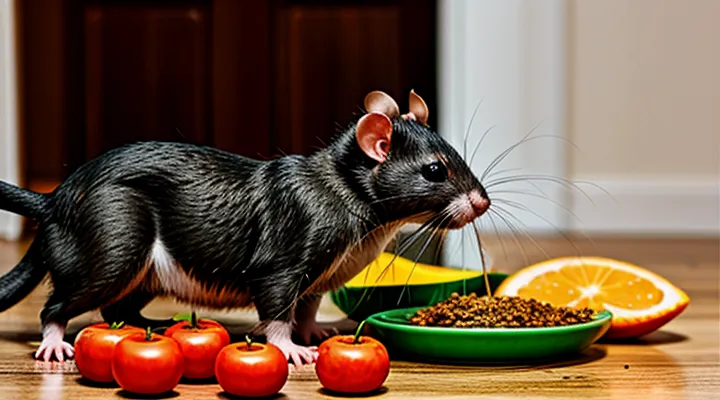
Fundamentals of a Balanced Diet for Pet Rats
Essential Nutritional Components
Proteins: Sources and Importance
Proteins supply the amino acids required for tissue synthesis, enzymatic activity, and hormone production in ornamental rodents. Adequate protein intake supports rapid growth, robust fur quality, reproductive efficiency, and immune competence.
Common protein sources suitable for decorative rats include:
- Commercial rodent pellets formulated with balanced animal and plant proteins.
- Cooked lean meats such as chicken breast, turkey, or low‑fat beef, offered in small, bite‑size portions.
- Hard‑boiled eggs, providing high‑quality protein and essential fatty acids.
- Low‑fat cottage cheese or plain yogurt, delivering dairy protein without excess lactose.
- Legume‑based treats like cooked lentils or peas, offering plant‑derived protein and fiber.
- Insect meals (e.g., dried mealworms) for occasional enrichment and additional amino acids.
When incorporating protein, maintain a daily proportion of 15–20 % of the total caloric intake, adjusting for age, activity level, and reproductive status. Over‑supplementation can lead to renal strain, while deficiency manifests as stunted growth, poor coat condition, and increased susceptibility to disease. Regular monitoring of body condition and coat health ensures the diet meets the physiological demands of decorative rats.
Carbohydrates: Energy for Active Rats
Carbohydrates provide the primary fuel for decorative rats that engage in frequent climbing, gnawing, and exploration. Rapid glucose release supports short bursts of activity, while slower‑digesting starches sustain endurance throughout the day.
Suitable carbohydrate sources include:
- Whole‑grain cereals (oats, barley, quinoa)
- Cooked legumes (lentils, chickpeas)
- Fresh fruits with moderate sugar content (apple slices, berries)
- Vegetables rich in starch (sweet potato, pumpkin)
- Small portions of whole‑grain pasta or brown rice
Complex carbs from whole grains and legumes release energy gradually, reducing spikes in blood sugar. Simple sugars from fruit should be limited to prevent excess caloric intake and dental issues.
Daily carbohydrate allocation should represent 45–55 % of total caloric intake, balanced with protein (20–25 %) and fat (20–30 %). Portion sizes depend on the rat’s weight, activity level, and age; a typical adult decorative rat consumes 1–2 tablespoons of mixed carbohydrate foods per day.
Regular observation of weight, coat condition, and activity patterns informs adjustments. If a rat shows lethargy or rapid weight gain, reduce simple sugars and increase complex carbohydrate portions. Conversely, increased activity may warrant a modest rise in overall carbohydrate provision.
Fats: Healthy Sources and Moderation
Fats supply energy, support cell membranes, and contribute to a glossy coat in decorative rats. Adequate intake prevents dry skin and maintains normal hormone function, while excess leads to obesity and hepatic stress.
- Flaxseed oil – rich in omega‑3 fatty acids, suitable for occasional drizzling.
- Fish oil – provides EPA and DHA, beneficial for coat luster; limit to a few drops weekly.
- Unsaturated vegetable oils (olive, canola) – moderate amounts for cooking or salad enhancement.
- Small pieces of nuts (almonds, walnuts) – high in monounsaturated fats, serve as occasional treats.
- Avocado flesh – source of healthy fats; offer only a few cubes per week.
Total fat should represent 5–10 % of the daily caloric intake. For a typical adult decorative rat consuming 20 g of food, this equals roughly 1–2 g of fat per day. Monitor body condition and stool consistency; rapid weight gain or greasy fur indicates over‑supplementation. Adjust portions accordingly to keep the diet balanced and the animal’s appearance optimal.
Vitamins and Minerals: Key Supplements
Vitamins and minerals form the foundation of a balanced feeding plan for ornamental rats, ensuring skeletal strength, immune competence, and metabolic efficiency. Deficiencies manifest as poor coat condition, reduced activity, or abnormal growth; excesses can cause toxicity, particularly with fat‑soluble vitamins.
Key supplements include:
- Vitamin A – supports vision and epithelial health; sources: liver, carrots, fortified feed; dosage ≈ 0.02 mg/kg body weight daily.
- Vitamin D3 – regulates calcium absorption; sources: sunlight exposure, fortified diet; dosage ≈ 0.015 mg/kg body weight daily.
- Vitamin E – antioxidant protecting cell membranes; sources: wheat germ oil, nuts; dosage ≈ 0.04 mg/kg body weight daily.
- Vitamin K – essential for blood clotting; sources: leafy greens, fermented foods; dosage ≈ 0.005 mg/kg body weight daily.
- B‑Complex (B1, B2, B3, B5, B6, B12, folic acid) – involved in energy metabolism; sources: whole grains, meat, eggs; dosage ≈ 0.1 mg/kg body weight total daily.
- Vitamin C – aids collagen synthesis; sources: citrus fruits, bell peppers; dosage ≈ 0.05 mg/kg body weight daily.
Critical minerals:
- Calcium – bone formation; sources: dairy, bone meal; target ≈ 1.0 % of diet dry weight.
- Phosphorus – works with calcium; sources: meat, fish, legumes; target ≈ 0.8 % of diet dry weight.
- Magnesium – enzyme cofactor; sources: nuts, seeds; target ≈ 0.2 % of diet dry weight.
- Potassium – nerve function; sources: bananas, potatoes; target ≈ 0.3 % of diet dry weight.
- Sodium – fluid balance; sources: small amounts of salt; target ≈ 0.1 % of diet dry weight.
- Iron – hemoglobin synthesis; sources: red meat, lentils; target ≈ 0.05 % of diet dry weight.
- Zinc, Copper, Manganese, Selenium – trace elements for enzyme activity; sources: organ meats, whole grains; each maintained at 0.01–0.03 % of diet dry weight.
Supplementation should follow veterinary guidance, using premixed rat‑specific formulas or calibrated liquid drops. Regular monitoring of coat quality, weight stability, and activity levels confirms adequacy; blood tests identify subclinical imbalances. Adjustments are made by modifying feed composition or adding targeted supplements, avoiding simultaneous high doses of overlapping nutrients.
Recommended Foods for Pet Rats
Commercial Pet Rat Food
Types of Pellets and Blocks
A varied pellet selection ensures that decorative rats receive balanced nutrition while supporting dental health. Standard maintenance pellets provide the core of protein, carbohydrate, and fat requirements; they are formulated to meet adult energy needs without excess calories. High‑fiber pellets incorporate beet pulp or oat bran, promoting gastrointestinal motility and reducing the risk of constipation. Low‑fat formulations contain reduced lipid content, suitable for rats prone to weight gain, yet maintain essential fatty acids through added fish oil or flaxseed. Vitamin‑enriched pellets add supplemental A, D, E, and B‑complex vitamins, addressing deficiencies that may arise from limited fresh produce.
Chew blocks serve a dual purpose: they deliver nutrients and satisfy natural gnawing behavior. Mineral blocks contain calcium, phosphorus, and trace elements such as zinc and selenium, essential for bone development and immune function. Enrichment blocks combine fortified grains with aromatic herbs, encouraging exploratory feeding and mental stimulation. Some manufacturers include probiotic cultures within the block matrix, aiding microbial balance in the gut.
When assembling a diet, combine at least two pellet varieties to cover macro‑ and micronutrient spectra, and supplement with a single chew block per day. Rotate flavors or formulations weekly to prevent palate fatigue. Monitor body condition and adjust the proportion of low‑fat pellets if weight gain becomes apparent. This approach delivers comprehensive nutrition, supports dental wear, and enhances the overall well‑being of ornamental rats.
Choosing a Reputable Brand
When selecting a feed brand for ornamental rodents, prioritize evidence‑based quality indicators rather than marketing hype. Reliable manufacturers provide transparent ingredient sourcing, third‑party testing, and compliance with recognized pet‑food standards. These factors directly affect the health and appearance of decorative rats, whose diet must support vibrant fur, robust teeth, and stable weight.
Key criteria for evaluating a brand:
- Ingredient clarity: Full disclosure of each component, with a focus on high‑quality protein sources (e.g., whole‑grain wheat, soy, or animal‑derived meals) and minimal filler additives.
- Nutrient balance: Guaranteed analysis that meets the specific macro‑ and micronutrient ratios required for small‑to‑medium rodents, including appropriate levels of calcium, phosphorus, and vitamin A.
- Safety certifications: Certifications from organizations such as the AAFCO, ISO, or local veterinary authorities confirming that the product passes safety and contamination tests.
- Batch traceability: Ability to trace each production batch to its raw‑material origin, enabling swift recall if a defect is identified.
- Customer feedback: Consistent positive reports from experienced rat owners and veterinary professionals regarding palatability and health outcomes.
By systematically applying these benchmarks, purchasers can identify a reputable supplier that delivers consistent nutritional value, reduces the risk of deficiencies, and supports the aesthetic goals of decorative rat keeping.
Fresh Fruits and Vegetables
Safe Options for Daily Feeding
A well‑balanced daily menu for ornamental rats must consist of nutritionally complete components while eliminating hazards. Commercially formulated rodent pellets provide essential proteins, vitamins, and minerals in a reliable ratio. Offer a measured portion—approximately 10 % of body weight—divided into two feedings to maintain steady energy levels.
Supplement the pellet base with fresh, low‑sugar produce. Safe selections include:
- Carrots, sliced thinly
- Bell peppers, red or yellow
- Zucchini, raw or lightly steamed
- Leafy greens such as romaine lettuce, kale, and spinach (remove wilted portions)
Include a modest protein source daily. Viable options are:
- Cooked chicken breast, unseasoned, diced
- Hard‑boiled egg, chopped
- Low‑fat cottage cheese, spoonful‑size
Hydration relies on fresh water supplied in a clean bottle, refreshed at least once daily. Avoid sugary treats, citrus fruits, and raw potatoes, which can cause gastrointestinal distress.
Monitor body condition weekly. Adjust portions upward if weight loss occurs, reduce if excess fat accumulates. Rotate fruit items—apple, blueberry, or pear—no more than two small pieces per week to provide antioxidants without excess sugar.
Maintain hygiene by discarding uneaten fresh foods after two hours. Clean feeding dishes daily to prevent bacterial growth. This regimen delivers consistent nutrition, supports coat health, and sustains the vibrant appearance expected of decorative rats.
Fruits to Offer in Moderation
When selecting fruit for ornamental rats, prioritize varieties low in sugar and high in fiber. Offer each fruit as a small treat, not a staple, to prevent digestive upset and weight gain.
- Apple (core removed): one thin slice, two‑three times per week.
- Blueberries: two to three berries, once or twice weekly.
- Pear (seedless, skin thinly sliced): one small piece, twice weekly.
- Strawberries: one quarter of a medium berry, once weekly.
- Kiwi (peeled): a thin half‑slice, once weekly.
Avoid citrus, grapes, and dried fruit because of high acidity or concentrated sugars that can cause gastrointestinal distress. Rotate selections to provide variety without exceeding a total fruit intake of 5 % of the rat’s daily caloric consumption. Monitor each animal for signs of intolerance, such as loose stool or reduced appetite, and discontinue the offending fruit immediately.
Vegetables to Avoid
When planning a balanced diet for ornamental rats, certain vegetables must be excluded because they can cause digestive upset, nutrient imbalances, or toxicity.
- Potatoes (raw or unpeeled): contain solanine, a glycoalkaloid toxic to rodents.
- Onions and garlic: introduce sulfides that damage red blood cells, leading to hemolytic anemia.
- Tomatoes (green or unripe): high in tomatine, which can be harmful in large amounts.
- Rhubarb leaves: contain oxalic acid that interferes with calcium metabolism.
- Avocado (skin and pit): rich in persin, a compound toxic to many small mammals.
- Cabbage and other cruciferous greens (in excess): produce goitrogens that may disrupt thyroid function.
Providing only safe vegetables ensures optimal health and longevity for decorative rats.
Healthy Protein Sources
Cooked Meats and Eggs
Cooked meats and eggs supply essential high‑quality protein for decorative rats, supporting muscle development, coat health, and immune function.
Lean poultry (chicken, turkey) and lean red meat (beef, rabbit) should be boiled or baked without added salt, spices, or fat. Remove all bones, skin, and visible fat before serving. A safe serving size equals roughly 1 g of meat per gram of body weight per day, divided into two meals to avoid digestive overload.
Eggs provide a complete amino acid profile and readily absorbable vitamins A, D, and B‑complex. Offer hard‑boiled eggs, fully cooked to eliminate salmonella risk. One small egg, chopped and mixed with other foods, satisfies the protein requirement of an average adult decorative rat; larger specimens may receive half an egg per feeding.
- Store cooked meat and eggs in airtight containers, refrigerate at ≤4 °C, and use within 48 hours.
- Reheat gently to a moderate temperature before serving; avoid microwaving, which can create hot spots.
- Rotate protein sources weekly to prevent nutrient imbalances and maintain palate interest.
Integrating these protein sources with a balanced assortment of vegetables, grains, and occasional treats ensures a comprehensive diet that promotes optimal health and vibrant appearance.
Legumes and Nuts: Cautious Feeding
Legumes and nuts can enrich the diet of ornamental rats by supplying protein, fiber, and essential fatty acids, yet they demand precise management to avoid health complications. Raw beans, lentils, and chickpeas contain lectins and phytates that impair nutrient absorption and may irritate the gastrointestinal tract; thorough cooking neutralizes these compounds. Nuts, while dense in calories and omega‑3 fats, risk obesity and pancreatitis if offered in excess.
Guidelines for safe inclusion:
- Cook all legumes until soft, discard any uncooked kernels, and rinse thoroughly to remove residual anti‑nutrients.
- Limit legumes to no more than 10 % of the total daily intake by weight, distributing the portion across two meals.
- Offer nuts in small, measured quantities (approximately ½ gram per 100 g body weight) and treat them as occasional treats rather than staples.
- Prefer unsalted, unflavored varieties; avoid roasted nuts with added oils or seasonings that can cause digestive upset.
- Monitor each rat for signs of diarrhea, bloating, or weight gain; adjust or discontinue the source if adverse symptoms appear.
Integrating legumes and nuts responsibly expands nutritional diversity while preserving the delicate balance required for the health of decorative rats.
Grains and Seeds
Whole Grains as a Staple
Whole grains supply the primary carbohydrate source for ornamental rats, delivering sustained energy and essential nutrients. They contain dietary fiber, B‑vitamins, iron, magnesium, and trace minerals that support digestive health and metabolic function.
Common whole grains suitable for inclusion are:
- Brown rice
- Oats (rolled or steel‑cut)
- Quinoa
- Barley
- Whole‑wheat couscous
- Millet
Each grain should be cooked without added salt, sugar, or seasoning. Cooking methods—boiling, steaming, or simmering—must achieve a soft texture that rats can chew easily while preserving nutrient integrity. After cooking, allow the grain to cool to room temperature before mixing it into the overall diet.
Portion guidelines recommend that whole grains constitute roughly 20–30 % of the daily dry‑matter intake. For an average adult decorative rat weighing 250 g, this translates to 5–8 g of cooked grain per day, divided across two feedings. Adjust quantities based on activity level, age, and health status.
Storage considerations include keeping uncooked grains in airtight containers at a cool, dry location to prevent mold growth. Cooked grain should be refrigerated and used within 48 hours; discard any leftovers that develop off‑odors or visible spoilage.
Integrating whole grains with protein sources, fresh vegetables, and a balanced commercial pellet ensures a comprehensive nutritional profile for decorative rats. Regular monitoring of body condition and stool quality can confirm the effectiveness of the grain component in the diet.
Seeds as Occasional Treats
Seeds can be incorporated into the dietary regimen of ornamental rats as a limited indulgence. Their high fat and calorie content requires careful selection and controlled portions to prevent weight gain and digestive upset.
Recommended seeds for occasional use include:
- Sunflower kernels (unsalted, unroasted)
- Pumpkin seeds (shelled, raw)
- Flaxseed (ground, small quantities)
- Hemp seeds (raw, unsalted)
Feeding guidelines:
- Offer no more than one teaspoon of mixed seeds per week for an adult rat.
- Provide seeds in a separate dish to avoid contamination of the main pellet or fresh food supply.
- Observe the rat for signs of gastrointestinal distress after introduction; discontinue if symptoms appear.
- Rotate seed varieties weekly to limit exposure to any single nutrient excess.
Preparation steps:
- Rinse seeds to remove dust and potential pesticide residues.
- Dry thoroughly before serving to maintain texture.
- Store in an airtight container in a cool, dark place to preserve freshness and prevent mold growth.
Foods to Avoid and Harmful Substances
Toxic Foods for Rats
Common Household Foods to Prohibit
When planning a diet for ornamental rats, the primary concern is eliminating foods that jeopardize health, coat quality, and behavior. The following household items must be excluded entirely.
- Processed meats (bacon, deli slices, hot dogs) – high in sodium and preservatives, leading to dehydration and kidney strain.
- Sugary snacks (candy, chocolate, pastries) – cause rapid blood‑glucose spikes, weight gain, and dental decay.
- Salty foods (chips, pretzels, salted nuts) – increase thirst, raise blood pressure, and promote electrolyte imbalance.
- Caffeinated beverages (coffee, tea, soda) – stimulate nervous system, risk heart arrhythmia, and induce anxiety.
- Alcoholic drinks – toxic at any concentration, causing central nervous system depression.
- Citrus fruits and juices – acidic content erodes enamel and may irritate the gastrointestinal lining.
- Dairy products (milk, cheese, yogurt) – many rats lack lactase, leading to diarrhea and gut upset.
- Raw beans or legumes (kidney, lima, soy) – contain lectins that are harmful unless thoroughly cooked.
Avoiding these items preserves the decorative rat’s vibrant fur, active demeanor, and longevity, ensuring the animal remains a striking and healthy display.
Foods Causing Digestive Upset
When planning an ornamental rodent’s menu, avoid items known to provoke gastrointestinal distress. Research and veterinary guidance identify the following foods as high‑risk:
- Citrus fruits (oranges, lemons, grapefruits) – acidic content irritates the stomach lining.
- Dairy products (milk, cheese, yogurt) – rodents lack sufficient lactase, leading to diarrhea.
- Processed sugars and artificial sweeteners – ferment in the gut, causing bloating and loose stools.
- Raw beans and legumes – contain lectins and phytic acid that can damage intestinal mucosa.
- High‑fat snacks (fried foods, greasy treats) – overwhelm digestive enzymes, resulting in steatorrhea.
- Spicy or heavily seasoned foods – capsaicin and other irritants provoke inflammation.
- Caffeinated beverages and chocolate – methylxanthines stimulate excessive motility and may be toxic.
Eliminate these items from the diet to maintain stable digestion and support overall health in decorative rats.
Unsuitable Treats and Human Snacks
High-Sugar and High-Fat Items
High‑sugar and high‑fat foods are occasionally offered to ornamental rats for occasional enrichment, yet they must be limited to prevent adverse health effects.
-
Commercial fruit snacks (e.g., dried pineapple, banana chips)
-
Sweetened cereals or granola
-
Small pieces of honey‑glazed biscuits
-
Candied nuts (unsalted)
-
Rendered animal fats (e.g., lard, tallow)
-
Commercial rodent treats with added oils
-
Cheese varieties high in butterfat (e.g., cheddar, gouda)
-
Peanut butter (unsweetened, unsalted)
Excessive intake raises body weight, accelerates dental decay, and predisposes rats to insulin resistance and hepatic lipidosis. Short‑term spikes in blood glucose can trigger lethargy and reduced activity.
Inclusion guidelines: limit high‑sugar items to no more than one teaspoon per week; restrict high‑fat items to a maximum of two grams per week; distribute portions across multiple small feeds rather than a single large serving; observe body condition scores weekly and adjust portions accordingly.
Prefer low‑sugar, moderate‑fat alternatives such as fresh vegetables, small amounts of plain cooked chicken, or unsweetened pumpkin puree to satisfy cravings while maintaining nutritional balance.
Processed Foods and Artificial Additives
Processed foods can be part of a decorative rat’s diet when they meet specific nutritional criteria. Acceptable items include low‑fat, low‑sugar canned vegetables, plain cooked grains, and unsalted, unflavored meat jerky. Each product must be examined for moisture content, calorie density, and presence of preservatives that could disrupt gut flora.
Artificial additives require careful assessment. Only additives approved for small mammals by veterinary nutrition guidelines should be used. Acceptable categories are:
- Vitamin and mineral premixes formulated for rodents
- Natural flavor enhancers without synthetic dyes
- Non‑toxic binding agents such as cellulose
Prohibited substances include:
- Artificial sweeteners (e.g., aspartame, sucralose)
- Synthetic colorants
- Preservatives containing sulfites or benzoates
When integrating processed items, follow a 70/30 rule: 70 % fresh, whole foods and 30 % processed components. Monitor weight, coat condition, and activity levels weekly to detect adverse reactions. Adjust portions promptly if signs of digestive upset or behavioral changes appear.
Special Dietary Considerations
Age-Specific Dietary Needs
Diets for Young Rats (Pups)
Young rats require a diet that supports rapid growth, organ development, and immune function. Their nutritional profile must be richer in protein and energy than that of adult decorative rats, while remaining balanced to prevent obesity and nutrient deficiencies.
Feeding should begin immediately after birth, with the mother providing milk for the first three weeks. At weaning (approximately 21 days), introduce solid foods three to four times daily. Offer small, easily chewable portions to encourage exploration without overwhelming the digestive system.
- High‑quality rodent pellets formulated for growth, providing 18–20 % protein and balanced fat levels.
- Softened commercial kitten or rabbit milk replacer, diluted to 50 % with warm water, for supplemental liquid nutrition.
- Fresh vegetables such as finely grated carrot, broccoli, or spinach, limited to 5 % of total intake to supply fiber and micronutrients.
- Small pieces of lean cooked meat or boiled egg white, delivering additional amino acids and essential minerals.
- Calcium‑rich sources (e.g., crushed eggshell powder or fortified chew) to support skeletal development.
Prepare all foods at room temperature, remove seeds, pits, and choking hazards. Store wet components in a sealed container for no more than 24 hours to prevent bacterial growth. Ensure constant access to clean, fresh water.
Track body weight weekly; a healthy pup gains 2–3 g per day during the first month. Adjust portion sizes if growth deviates from the expected curve, and consult a veterinarian if weight loss or digestive issues arise.
Dietary Adjustments for Senior Rats
Senior decorative rats require dietary modifications that address age‑related metabolic changes, reduced activity, and dental wear. Protein levels should remain adequate but sourced from highly digestible ingredients such as cooked egg white or low‑fat poultry, ensuring muscle maintenance without excess nitrogen load.
Fiber intake must increase to promote gastrointestinal motility and compensate for diminished chewing efficiency. Include fresh leafy greens (e.g., kale, romaine), shredded carrots, and a measured amount of high‑quality hay or timothy grass. Limit hard seed shells and large pellets that could strain weakened incisors.
Vitamins and minerals become critical as absorption efficiency declines. Supplement with a calibrated rodent multivitamin that provides calcium, phosphorus, and vitamin D3 in ratios supporting bone health. Avoid excessive fat and sugary treats, which can precipitate obesity and hepatic strain in older rats.
- Offer fresh water daily; consider a bottle with a drip‑free nozzle to reduce spillage.
- Provide small, frequent meals (2–3 times per day) to aid digestion.
- Monitor body condition weekly; adjust portions if weight gain or loss exceeds 5 % of ideal body mass.
- Rotate fresh produce to prevent monotony and ensure a broad spectrum of micronutrients.
Dietary Needs for Pregnant and Lactating Rats
Increased Protein and Calorie Requirements
Decorative rats require higher protein and calorie intake than standard laboratory or pet strains because their selective breeding for aesthetic traits often results in increased metabolic demand. Adequate protein supports rapid fur growth, skeletal development, and the maintenance of muscle mass necessary for active display behaviors. Caloric surplus ensures energy availability for prolonged grooming sessions and the thermoregulatory challenges associated with elaborate coat patterns.
Key considerations for meeting these nutritional needs include:
- Protein level: 18–22 % of total diet by weight, sourced from high‑quality animal proteins such as cooked chicken breast, egg whites, and low‑fat fish. Plant‑based proteins (e.g., soy isolate) may supplement but should not exceed 30 % of total protein content.
- Calorie density: 350–400 kcal per 100 g of food, achieved by incorporating healthy fats (olive oil, flaxseed oil) and complex carbohydrates (whole‑grain oats, sweet potato).
- Meal frequency: Three to four small meals per day to sustain steady blood glucose and prevent digestive overload.
- Monitoring: Weekly weight checks and coat condition assessments; adjust protein or calorie percentages by 2–3 % if weight loss or coat dullness occurs.
Calculating individual requirements starts with the rat’s ideal body weight (IBW). Multiply IBW (in grams) by 0.12 g protein per gram of body weight and by 0.05 kcal per gram for energy. For a 250 g ornamental rat, target intake equals 30 g protein and 12.5 kcal per day, distributed across the prescribed meals.
Implementing these guidelines yields robust growth, vibrant pelage, and sustained vitality in decorative rat populations.
Supplementation During Breeding
Supplementation during breeding must address the increased nutritional demands of gestating and lactating decorative rats. Adequate intake of specific nutrients supports fetal development, milk production, and parental health.
- Calcium and phosphorus: Provide a 2:1 calcium‑to‑phosphorus ratio to prevent skeletal deficiencies. Supplement with calcium carbonate or cuttlefish bone, limiting total calcium to 1 % of the diet to avoid urinary calculi.
- Vitamin D3: Ensure 800–1 000 IU per kilogram of feed to facilitate calcium absorption. Natural sources include fortified rodent pellets or a small daily dose of liquid vitamin D3.
- Vitamin E: Include 30–50 IU per kilogram of diet to protect cell membranes during rapid tissue growth. Commercial vitamin E premixes or wheat germ oil are suitable carriers.
- B‑complex vitamins: Supply thiamine, riboflavin, and pyridoxine at levels recommended for breeding rodents (approximately 5–10 mg/kg). B‑vitamin complexes can be added as a water‑soluble supplement.
- Omega‑3 fatty acids: Add 1 %–2 % fish oil or algae oil to enhance milk quality and reduce inflammation. Monitor for rancidity; store oils in dark, refrigerated containers.
- Protein: Increase dietary protein to 20 %–22 % of total calories using high‑quality sources such as soy isolate, whey concentrate, or boiled egg whites. Adjust gradually to prevent digestive upset.
- Trace minerals: Provide zinc (30 ppm), selenium (0.15 ppm), and copper (6 ppm) to support immune function and reproductive hormone synthesis. Use a balanced mineral premix to avoid toxic overdoses.
Supplementation should begin two weeks before pairing and continue through weaning. Daily feed calculations must account for the added nutrients to maintain overall caloric balance. Regularly assess body condition, coat quality, and litter size; adjust supplement levels if rats exhibit signs of deficiency (e.g., brittle nails, poor fur) or excess (e.g., urinary stones). Water should remain fresh and free of contaminants, as many supplements are delivered via the diet rather than the water supply.
Addressing Common Health Issues Through Diet
Obesity Prevention
A well‑designed feeding program is essential for preventing excess weight in ornamental rodents. Nutrient composition must provide sufficient protein, moderate fat, and high fiber while keeping caloric density low. Ingredients such as whole grains, legumes, and leafy greens supply the required balance without contributing unnecessary calories.
Portion sizes should be measured precisely. Daily rations calculated on a per‑gram basis reduce the risk of overfeeding. Splitting the total amount into two or three smaller meals encourages steady metabolism and prevents binge‑eating behavior.
Environmental enrichment supports energy expenditure. Structures that promote climbing, chewing, and exploration increase voluntary activity, which directly counteracts weight gain.
Practical measures:
- Use a digital scale to weigh each serving.
- Replace sugary treats with low‑calorie vegetables like cucumber or carrot sticks.
- Rotate enrichment toys weekly to maintain interest and movement.
- Record weekly body condition scores to detect early signs of fat accumulation.
- Adjust feed formula seasonally, accounting for changes in activity level and ambient temperature.
Managing Digestive Sensitivities
When feeding ornamental rats, digestive sensitivities demand careful attention. Identify common triggers such as high‑fat seeds, dairy products, and processed treats; eliminate or limit these ingredients to prevent inflammation and irregular bowel movements.
Select fiber‑rich components that support gut health. Include:
- Fresh leafy greens (e.g., kale, romaine, parsley) in small, chopped portions.
- Soluble fiber sources like cooked pumpkin or sweet potato, offered weekly.
- Low‑sugar fruits such as blueberries or apple slices, limited to one or two pieces per day.
Incorporate probiotic supplements designed for small mammals. A daily dose of a lyophilized culture containing Lactobacillus spp. can stabilize microbiota and reduce gas production. Ensure the product is free of additives and appropriate for rodents.
Maintain consistent feeding schedules. Offer measured portions at the same times each day to regulate gastric emptying and reduce stress‑related dysbiosis. Provide fresh water in a sealed bottle, replenished several times daily, to encourage adequate hydration.
Monitor stool quality and frequency. Firm, dark brown droppings indicate optimal digestion; soft or watery stools suggest an imbalance requiring diet adjustment. Record observations for at least two weeks before modifying the regimen.
When introducing new foods, follow a gradual rotation: add a single item for three to five days, observe tolerance, then proceed to the next. This method isolates intolerances and allows precise formulation of a balanced, sensitivity‑aware diet for decorative rats.
Dietary Support for Respiratory Health
Dietary strategies that protect the respiratory system are essential for ornamental rodents. Proper nutrition reduces inflammation, strengthens airway mucosa, and promotes efficient gas exchange.
Key nutrients include:
- Vitamin A – supports epithelial integrity, maintains clear nasal passages. Sources: carrots, sweet potatoes, kale.
- Vitamin C – antioxidant that mitigates oxidative stress in lung tissue. Sources: bell peppers, broccoli, strawberries.
- Vitamin E – protects cell membranes from damage. Sources: sunflower seeds, almonds, wheat germ oil.
- Omega‑3 fatty acids – modulate inflammatory pathways, improve airway flexibility. Sources: flaxseed oil, chia seeds, small amounts of fish oil formulated for rodents.
- Trace minerals (zinc, selenium) – essential for immune function and repair of respiratory epithelium. Sources: pumpkin seeds, Brazil nuts (in limited quantities).
Hydration plays a direct role in mucus consistency. Fresh water should be available at all times; consider adding a few drops of electrolytes to prevent dehydration during hot weather.
Fiber‑rich vegetables and low‑starch fruits reduce respiratory irritation by limiting dust in feces. Offer leafy greens, cucumber, and apple slices without seeds.
Avoid ingredients that generate airborne particles or allergens, such as powdered feeds, strong‑smelling cheeses, and heavily processed snacks. Provide a clean, dust‑free bedding material to complement dietary measures.
In practice, design each day’s menu around a balanced mix of the listed foods, supplementing with a high‑quality rodent‑specific multivitamin when natural sources fall short. Monitor weight, coat condition, and breathing patterns; adjust portions promptly if signs of respiratory distress appear.
Feeding Practices and Portion Control
Establishing a Regular Feeding Schedule
Frequency of Meals
Feeding ornamental rats requires a consistent meal schedule to support their metabolic needs and maintain coat condition. Adult individuals typically thrive on three to four feedings per day, while juveniles benefit from five to six smaller portions to accommodate rapid growth.
- Morning offering (07:00–09:00): balanced pellet or formulated mix.
- Midday supplement (12:00–13:00): fresh vegetables or low‑fat fruit.
- Early evening portion (17:00–19:00): repeat of primary feed.
- Optional night snack (21:00–22:00): protein bite or chew for dental health.
Adjust intervals based on activity patterns; active rats may require the additional evening snack, whereas sedentary specimens can maintain the three‑meal routine. Consistency in timing reduces stress and promotes regular digestion, directly influencing the vibrancy of their decorative fur.
Monitoring Food Intake
Effective management of a decorative rat’s nutrition begins with precise monitoring of food intake. Accurate records reveal consumption patterns, identify deficiencies, and prevent obesity, which can compromise appearance and health.
Document each feeding event. Include date, time, type of food, and quantity served. Record leftovers to calculate actual intake. Consistency in logging enables comparison across weeks and detection of subtle changes.
Recommended tools:
- Digital kitchen scale (precision to 0.1 g) for weighing portions and remnants.
- Spreadsheet or specialized pet‑care software for data entry and trend analysis.
- Video monitoring for groups where individual consumption is difficult to observe.
Key metrics:
- Daily caloric intake per kilogram of body weight.
- Percentage of protein, fat, and fiber consumed relative to formulated diet specifications.
- Variation in intake during breeding, molting, or exhibition preparation phases.
Frequency of measurement should match feeding schedule. For single‑ration feeding, weigh before and after each meal. For ad libitum access, perform spot checks twice daily and adjust portions based on recorded leftovers.
Interpretation guidelines:
- Stable intake within 5 % of target values indicates a balanced regimen.
- Sudden decline of more than 10 % may signal illness, stress, or environmental change.
- Progressive increase beyond 15 % suggests overfeeding; reduce portions or increase activity.
Implementing systematic monitoring creates a data‑driven foundation for dietary adjustments, ensuring decorative rats maintain optimal condition for display and longevity.
Importance of Portion Sizes
Preventing Overfeeding
Overfeeding decorative rats leads to obesity, reduced mobility, and shortened lifespan. Controlling portion size and frequency prevents these outcomes.
- Measure each feeding with a calibrated scoop; typical adult ornamental rats require 1–2 teaspoons of high‑quality pellet per day.
- Offer fresh vegetables in limited amounts, no more than 10 % of total caloric intake.
- Schedule meals at consistent times, avoiding constant access to food bowls.
- Remove uneaten fresh produce after 30 minutes to eliminate excess calories.
Daily weight checks identify trends before health issues develop. Adjust portions when weight gains exceed 2 % of body mass within a week. Replace high‑fat treats with low‑calorie enrichment items such as shredded paper or chew toys. Consistent monitoring and precise portion control maintain optimal body condition and support a vibrant, long‑lasting display of decorative rats.
Adjusting Portions Based on Activity Level
When feeding ornamental rats, portion size should correspond to the animal’s activity level. Higher activity increases energy expenditure, requiring larger servings; lower activity calls for reduced amounts to prevent excess weight.
- High activity (daily exercise, frequent play): increase daily ration by 10‑15 % of the standard amount. Include additional protein sources such as boiled egg or low‑fat cottage cheese to support muscle maintenance.
- Moderate activity (regular movement, occasional enrichment): use the baseline portion recommended for adult decorative rats. Ensure a balanced mix of pellets, fresh vegetables, and occasional fruit.
- Low activity (limited space, minimal enrichment): reduce the baseline portion by 10‑20 %. Emphasize fiber‑rich vegetables and limit high‑calorie treats.
Monitor body condition weekly. Adjust portions upward if the rat shows signs of weight loss or lethargy; reduce intake if the coat becomes dull or the abdomen appears enlarged. Recording daily food amounts and activity observations creates a reliable reference for fine‑tuning the diet.
Water: The Most Crucial Element
Providing Fresh and Clean Water
Fresh water is a non‑negotiable component of a decorative rat’s diet. Rats consume up to 10 % of their body weight in water each day; inadequate supply leads to dehydration, kidney stress, and reduced vitality.
To maintain optimal hydration, follow these practices:
- Supply water in a stainless‑steel or heavy‑glass bottle equipped with a chew‑proof nozzle. Plastic containers can leach chemicals and are prone to gnawing.
- Replace the entire water volume at least once every 24 hours. In warm environments, a twice‑daily change prevents bacterial growth.
- Keep water temperature between 15 °C and 22 °C. Cold water discourages drinking; excessively warm water accelerates microbial proliferation.
- Install a carbon‑based filter on the supply line if tap water contains chlorine or heavy metals. Filter cartridges should be renewed according to manufacturer guidelines.
- Clean the bottle and nozzle with a mild, unscented detergent, then rinse thoroughly. Sterilize weekly by soaking in a 1 % hydrogen peroxide solution for five minutes, followed by a complete rinse.
Regularly inspect water for cloudiness, foul odor, or debris. Any deviation warrants immediate replacement and container sanitation. Monitoring these parameters ensures that decorative rats receive the pure, consistent hydration necessary for health and display quality.
Types of Water Dispensers
Providing adequate hydration is essential for ornamental rodents, and the choice of water dispenser directly influences water quality and accessibility. Various dispenser designs address different husbandry environments and maintenance preferences.
- Gravity‑fed bottle: suspended container delivers water through a stainless‑steel nozzle; refill requires detaching the bottle, and the sealed system reduces contamination.
- Automatic drip system: pump‑driven unit supplies a steady stream into a shallow dish; programmable flow rates prevent overflow and encourage regular drinking.
- Ceramic bowl: glazed surface resists bacterial growth; heavy weight deters tipping, and the material does not impart taste.
- Stainless‑steel bowl: robust construction tolerates vigorous chewing; smooth interior simplifies cleaning and eliminates leaching.
- Water fountain: circulating pump creates a moving surface that entices rats to drink; built‑in filtration removes particulates and odors.
- Wall‑mounted reservoir: fixed tank with a low‑profile spout permits placement at eye level for the animal; reduces floor clutter and limits spill risk.
Selection should align with enclosure size, cleaning schedule, and the rats’ behavioral tendencies. Regular monitoring of dispenser integrity and water freshness ensures the health of decorative rats throughout their dietary regimen.