
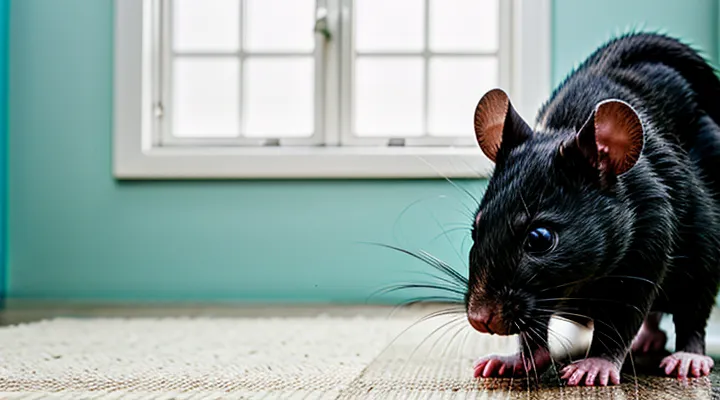
The Rationale Behind Rat Diapers
When Are Diapers Necessary for Rats?
Medical Conditions Requiring Diapers
Rats with specific health issues often experience incontinence, making disposable or reusable absorbent garments a practical necessity. Diapers mitigate hygiene risks, protect bedding, and reduce the need for frequent cleaning, thereby supporting both the animal’s comfort and the caretaker’s workload.
Common medical conditions that justify the use of rat diapers include:
- Urinary tract infections causing loss of bladder control.
- Neurodegenerative disorders, such as spinal cord injuries, leading to impaired sphincter function.
- Age‑related muscle weakness that compromises voluntary elimination.
- Gastrointestinal diseases with excessive stool leakage.
- Hormonal imbalances, for example, hyperthyroidism, that disrupt normal urinary patterns.
Behavioral Issues and Diaper Use
Rats frequently exhibit marking behavior, urinary leakage during handling, and stress‑induced accidents that compromise hygiene and health. These problems intensify when the animal lives in a cage with limited bedding or when owners need to transport the pet without causing mess. Uncontrolled elimination also increases the risk of skin irritation and respiratory issues caused by ammonia buildup.
Diapers provide a practical barrier that contains urine and feces, reduces odor, and protects cage surfaces. Effective use requires attention to fit, material, and monitoring. Key considerations include:
- Size: select a diaper that snugly wraps the rat’s abdomen without restricting movement.
- Material: breathable, absorbent fabrics prevent moisture accumulation and skin maceration.
- Secure closure: Velcro or snap fasteners should hold the diaper in place during activity but allow quick removal for cleaning.
- Inspection: check the skin daily for redness, swelling, or hair loss; replace the diaper at the first sign of saturation.
When introduced gradually, diapers can modify undesirable behaviors. Positive reinforcement, such as treats after proper placement, encourages acceptance. Overreliance on diapers without addressing underlying stressors—crowded housing, lack of enrichment, or health issues—may mask problems that require veterinary attention.
In summary, diapers address specific behavioral challenges in pet rats by containing waste, protecting health, and facilitating cleaner environments, provided they are chosen and managed with attention to fit, material quality, and regular health checks.
Special Circumstances for Rat Diapering
Special circumstances require a tailored approach to rat diapering. When a rat suffers from incontinence due to neurological injury, a snug, breathable diaper prevents skin irritation and maintains hygiene. For breeding pairs, diapers protect the female’s abdomen during gestation, reducing the risk of accidental exposure to waste that could affect litter health. In transport scenarios, a lightweight, disposable diaper controls odor and contains accidents, simplifying carrier cleaning and complying with veterinary transport regulations. Post‑surgical recovery benefits from a secure diaper that isolates the wound area from fecal contamination, accelerating healing and minimizing infection risk. Elderly rats with reduced mobility often develop chronic leakage; a reusable, adjustable diaper provides comfort while allowing easy monitoring of moisture levels.
Key considerations for implementing these solutions include:
- Material selection: hypoallergenic, moisture‑wicking fabrics that allow airflow.
- Fit adjustment: Velcro or elastic closures sized to the individual’s body dimensions.
- Maintenance routine: daily inspection, prompt change of soiled diapers, and regular washing of reusable units.
- Monitoring: visual checks for redness, swelling, or excessive moisture that could indicate discomfort or health issues.
Adhering to these guidelines ensures that rat diapering addresses the unique demands of each situation while supporting overall pet welfare.
Types of Rat Diapers
Disposable Diaper Options
Materials and Absorbency in Disposable Diapers
Disposable diapers designed for small rodents rely on a layered construction that balances comfort, durability, and fluid management. The outermost layer, typically a breathable polyethylene or polypropylene film, shields the environment from moisture while allowing air exchange to reduce skin irritation. Beneath this barrier, a non‑woven polyester or polypropylene top sheet contacts the animal’s skin; the material is soft, hypoallergenic, and engineered to wick urine away from the surface. An acquisition layer of cellulose fluff or super‑absorbent polymer (SAP) fibers spreads liquid uniformly across the core. The core itself combines high‑density SAP granules with a thin cellulose matrix, delivering rapid gel formation and high retention capacity in a compact volume. Elasticized side panels, often composed of spandex‑coated knit fabric, provide a snug fit that accommodates the animal’s movements without constriction. All adhesives used are low‑toxicity hot‑melt or water‑based formulations to prevent chemical exposure.
Absorbency performance hinges on the interaction between SAP chemistry and the diaper’s geometry. SAP particles, typically sodium polyacrylate, swell up to 300 times their original size, converting urine into a gel that locks moisture away from the skin. The gel’s retention capacity is measured in grams per square centimeter; for rat-sized diapers, values between 0.5 g/cm² and 0.8 g/cm² are sufficient to hold several voids before saturation. A well‑designed acquisition layer reduces the time to full absorption, limiting surface wetness and preventing leakage. The back sheet’s hydrophobic coating directs fluid toward the core, while strategically placed leak‑guard cuffs capture overflow at the edges. The combined system maintains a dry surface for up to 12 hours under normal usage, supporting the animal’s activity cycle without frequent changes.
Key material considerations for rodent applications include:
- Softness: Non‑woven fabrics with a low GSM rating to avoid abrasions.
- Breathability: Perforated back sheet to promote airflow.
- Low weight: Thin construction to prevent hindrance of movement.
- Non‑toxicity: Absence of latex, phthalates, and formaldehyde.
- Fit adaptability: Elastic bands calibrated for the typical circumference of adult rats (approximately 30–35 mm).
Sizing and Fit for Disposable Diapers
Accurate sizing is the foundation of effective disposable diapers for rats. A diaper that is too loose permits leakage, while one that is too tight restricts movement and can cause skin irritation. Selecting the correct size ensures containment of waste and maintains the animal’s comfort during daily activities.
To determine the appropriate size, measure the rat’s waist circumference and the distance from the base of the tail to the front of the abdomen. Use a flexible tape measure, record the values in millimeters, and compare them with the manufacturer’s size chart. Repeat the measurement after the animal reaches adulthood, as growth may necessitate a larger model.
Typical size categories include:
- Small: waist up to 30 mm, suitable for juvenile rats and dwarf breeds.
- Medium: waist 31–40 mm, fits most adult laboratory and pet rats.
- Large: waist over 40 mm, designed for oversized or overweight individuals.
When choosing a diaper, consider the following fit features:
- Elastic waistband that expands without compressing the skin.
- Leg cuffs with gentle stretch to prevent gaps while allowing natural movement.
- Adjustable fasteners that secure the diaper without excessive pressure.
- Breathable outer layer that reduces heat buildup and moisture accumulation.
Regularly inspect the diaper for signs of slipping or chafing. Replace the product promptly if the fit deteriorates, as compromised containment can lead to hygiene issues and increased cleaning workload. Maintaining precise sizing and proper adjustment maximizes the practicality of disposable rat diapers in routine pet care.
Reusable Diaper Solutions
Fabric Choices for Washable Diapers
Choosing the right textile for a reusable rat diaper determines absorbency, comfort, and longevity. Several materials dominate the market:
- Organic cotton – high absorbency, soft against delicate skin, easy to launder. Susceptible to wear after repeated cycles; may retain moisture longer than synthetic blends.
- Bamboo viscose – natural antimicrobial properties, quick‑drying, lightweight. Production can involve chemical processing; cost is higher than cotton.
- Microfiber polyester – superior wicking, resistant to shrinkage, durable. Less breathable, may cause heat buildup on small rodents.
- Flannel (cotton‑polyester blend) – warm, gentle texture, moderate absorbency. Prone to pilling, requires gentle washing to preserve nap.
- Hemp‑cotton mix – strong fibers, good breathability, environmentally sustainable. Limited availability, slightly rougher feel until softened.
Key criteria for selection:
- Absorbency – material must retain urine without leaking. Layered fabrics or a combination of a core absorbent layer and a protective outer shell improve performance.
- Skin safety – hypoallergenic fibers reduce risk of irritation or dermatitis. Avoid fabrics treated with harsh dyes or chemicals.
- Cleaning efficiency – fabrics that release stains and odors during a standard machine wash save time and maintain hygiene.
- Durability – frequent laundering demands resistance to shrinking, tearing, and pilling. Reinforced seams extend service life.
- Cost‑effectiveness – balance initial expense with expected lifespan; high‑performing synthetics may offset higher purchase price through fewer replacements.
A practical approach combines a soft inner layer (e.g., organic cotton) with a moisture‑wicking outer layer (e.g., microfiber). This hybrid construction maximizes comfort while ensuring the diaper remains dry and odor‑free between changes. Regular inspection for wear and prompt replacement of compromised sections preserve both animal welfare and the diaper’s functional integrity.
Design Considerations for Reusable Diapers
Reusable diapers designed for small rodents must balance absorption, comfort, and longevity while minimizing environmental impact. Effective designs start with material choices that provide rapid wicking, resistance to tearing, and safe contact with delicate skin. Natural fibers such as bamboo or hemp, combined with a thin polymeric liner, deliver high absorbency without retaining moisture against the animal’s fur.
Key design factors include:
- Absorbent core thickness – sufficient to handle typical urine volume of a rat, yet thin enough to avoid bulk that restricts movement.
- Secure yet gentle fastening – snap or Velcro closures positioned to avoid pressure on the tail and hind limbs, with adjustable tension for growth.
- Ergonomic shape – contoured to follow the rat’s abdomen, providing coverage from the lower back to the perineal area while allowing natural posture.
- Durability of seams – reinforced stitching or ultrasonic bonding to withstand repeated washes without delamination.
- Ease of cleaning – fabrics that retain shape after machine laundering at 40 °C, with quick‑dry properties to reduce downtime.
- Non‑toxic composition – absence of latex, phthalates, and heavy metals to prevent allergic reactions or ingestion.
- Size scalability – modular panels that can be trimmed or assembled to accommodate various breeds and adult versus juvenile dimensions.
- Cost efficiency – selection of widely available textiles to keep production affordable while maintaining performance standards.
Manufacturing tolerances must ensure uniformity across batches; variability in thickness or seam placement can compromise leak protection and animal welfare. Validation testing should include absorbency rating, tensile strength after 50 wash cycles, and behavioral observation to confirm that the diaper does not impede grooming or locomotion.
By integrating these considerations, designers create reusable rodent diapers that support consistent hygiene, reduce disposable waste, and align with responsible pet‑care practices.
Maintenance and Cleaning of Reusable Diapers
Reusable diapers for pet rodents require regular maintenance to prevent odor, infection, and material breakdown.
Before washing, detach any solid residue by shaking the diaper over a disposable surface. Rinse the interior with cool water to eliminate loose particles.
Wash the diaper in a washing machine on a gentle cycle using warm (30‑40 °C) water and a mild, enzyme‑free detergent. Do not add fabric softeners or bleach, as they can degrade the absorbent layers.
After the cycle, rinse thoroughly to remove detergent remnants. Air‑dry the diaper in a well‑ventilated area or tumble‑dry on a low‑heat setting; high temperatures may shrink or melt the waterproof backing.
Store the clean diaper in a dry container to avoid moisture accumulation. Inspect each use for tears, loss of absorbency, or compromised seams; replace any diaper that shows signs of wear.
Following these steps extends the functional life of reusable rat diapers and maintains a healthy environment for the animal.
Fitting and Application of Rat Diapers
Measuring Your Rat for Diapers
Accurate sizing is essential for a rat diaper to stay secure and prevent leaks. Begin with a gentle restraint: hold the rat on a flat surface, supporting its hindquarters while keeping the tail relaxed. Use a flexible, non‑stretchable tape measure or a piece of string that can be marked against a ruler. Measure the circumference just behind the front legs, where the diaper’s waistband will sit. Record this number in millimetres; most adult rats fall between 70 mm and 95 mm.
Next, determine the length needed to cover the tail and rear. Measure from the base of the tail to the point where the diaper’s leg openings will end, typically just before the hind paws. Add a small allowance (≈5 mm) to ensure the fabric does not bind.
Finally, verify the leg opening size. Measure the distance between the inner edges of the front paws while the rat is in a natural standing posture. This measurement guides the cut‑out dimensions for the leg holes, allowing freedom of movement without tearing.
Measurement checklist
- Waist circumference (behind front legs) – mm
- Tail‑to‑leg length – mm + 5 mm buffer
- Front‑paw gap – mm
Using these dimensions, cut the diaper material to the recorded sizes, then seal the edges with a non‑toxic adhesive or heat‑seal. A correctly measured diaper fits snugly, stays in place during activity, and simplifies hygiene for the owner.
Step-by-Step Diaper Application Guide
Applying a diaper to a rat requires precision and consistency. The following procedure outlines each stage to ensure a secure fit and minimal stress for the animal.
-
Measure the rat – Gently restrain the rodent and measure the waist circumference just behind the forelimbs. Select a diaper size that provides a snug but not restrictive fit, allowing two fingers to slide between the diaper and the skin.
-
Prepare the work area – Lay a clean, non‑slip surface. Have a soft towel, adhesive strips, and a pair of disposable gloves within reach to maintain hygiene.
-
Position the rat – Place the animal on its back on the towel, supporting the spine with one hand while the other hand holds the hindquarters. Keep the tail relaxed to avoid tension.
-
Attach the inner liner – If the diaper includes a detachable absorbent pad, unfold it and position it against the perineal area. Ensure the pad covers the entire region without extending beyond the diaper edges.
-
Secure the diaper – Slide the front portion of the diaper under the abdomen, then pull the rear flap up over the tail. Fasten the adhesive tabs or Velcro strips on both sides, confirming that the closure is even and firm. Avoid overtightening, which can impair circulation.
-
Check for comfort – Observe the rat for signs of discomfort, such as excessive scratching or attempts to remove the diaper. Adjust the fit if the animal can easily slip out or if the material bunches.
-
Monitor and replace – Inspect the diaper at least twice daily. Replace it when saturated, soiled, or after a maximum of 12 hours to prevent skin irritation. Clean the area with a mild, pet‑safe cleanser before applying a fresh diaper.
Following these steps consistently reduces the risk of leakage, maintains hygiene, and supports effective care for pet rodents that require diapering.
Ensuring Comfort and Security
Preventing Chafing and Irritation
When fitting a small rodent with a diaper, skin health depends on minimizing friction and moisture buildup. Proper selection of material, size, and maintenance routine prevents chafing and irritation.
Choose absorbent, breathable fabrics such as cotton‑blend or bamboo fibers. These textiles wick moisture away from the animal’s skin while allowing air circulation. Avoid synthetic liners that trap heat and sweat.
Ensure the diaper matches the rat’s body dimensions. Measure waist circumference and leg length, then select a size that provides snug coverage without constriction. Adjustable fasteners allow fine‑tuning of tension; a loose fit creates gaps where waste can accumulate, a tight fit compresses fur and skin.
Implement a cleaning schedule that removes residue before it softens the skin. Follow these steps each day:
- Inspect the diaper for signs of rubbing, redness, or wet spots.
- Replace the liner with a fresh, dry insert if moisture is present.
- Wash the outer shell with mild, fragrance‑free detergent; rinse thoroughly to eliminate soap residue.
- Dry the diaper completely before reapplying, preferably in a low‑heat setting or air‑dry.
Apply a thin layer of pet‑safe, hypoallergenic barrier cream to the ventral area if the skin appears dry. The cream forms a protective film that reduces direct contact between fur and diaper edges.
Regular observation of the rat’s behavior—scratching, licking, or reluctance to move—provides early warning of discomfort. Prompt adjustment of fit or material eliminates the source of irritation before it escalates.
Addressing Escape Artist Rats
Rats that habitually test the limits of their enclosure pose a specific problem when diaper solutions are employed. An unsecured diaper provides a convenient escape route, undermining hygiene and safety protocols.
Effective containment relies on three interrelated elements: diaper construction, cage architecture, and handling technique. Diaper design must incorporate reinforced attachment points, such as snap‑fasteners or elastic bands that resist chewing and pulling. Materials should balance flexibility with tensile strength to maintain a snug seal around the tail and hindquarters without causing discomfort. Adjustable sizing ensures a consistent fit as the animal grows.
Cage modifications reduce the likelihood of breach. Elevated wire mesh on the top and rear of the enclosure prevents rats from climbing out. Overlap of the diaper edge with the cage wall creates a physical barrier that the animal cannot slip through. Sealable entry ports eliminate gaps where a diaper could be pulled free.
Handling practices reinforce the physical measures. Regular inspection of the diaper for wear, immediate replacement of compromised components, and brief acclimation periods teach the rat to accept the device without frantic attempts to remove it.
Key actions for managing escape‑prone rats:
- Fit diapers with reinforced, chew‑resistant fasteners.
- Choose elasticized cuffs that conform to the animal’s body.
- Install a mesh overlay that extends beyond the diaper’s edges.
- Seal all cage openings with tight‑fit lids or clips.
- Conduct daily checks for signs of loosening or damage.
- Replace worn diapers promptly to maintain integrity.
Implementing these steps creates a reliable barrier that limits escape attempts while preserving the sanitary advantages of rat diapers.
Potential Benefits of Using Rat Diapers
Hygiene and Cleanliness in the Habitat
Rat diapers provide a practical method for managing waste in confined rodent enclosures, but their effectiveness depends on strict hygiene protocols. Moisture accumulation, odor, and bacterial growth can compromise animal health and compromise the cleanliness of the habitat.
- Change the diaper after each urination event or at least twice daily for active rats.
- Clean the diaper surface with a mild, fragrance‑free disinfectant before reuse; rinse thoroughly to remove residues.
- Replace the liner material weekly, or sooner if visible soiling occurs.
- Wash the cage floor and any bedding that contacts the diaper with hot water (minimum 60 °C) and a pet‑safe sanitizer.
- Dry all components completely before reassembly to prevent mold development.
Regular monitoring of the enclosure’s humidity levels helps identify leaks or excessive moisture. Installing a breathable barrier beneath the diaper reduces condensation while allowing airflow. Prompt removal of droppings and urine traces prevents ammonia buildup, which can irritate the respiratory system of rats.
Implementing these measures maintains a sanitary environment, reduces disease risk, and maximizes the convenience offered by rat-specific diaper solutions.
Management of Incontinence and Illness
Effective control of urinary and fecal leakage in laboratory or companion rodents requires a reliable containment system. Specialized absorbent garments provide a hygienic barrier that limits skin contact with waste, thereby reducing the risk of dermatitis and secondary infections. The garments are engineered with a breathable outer layer to prevent overheating while maintaining moisture-wicking properties.
Key considerations for integrating absorbent garments into health‑management protocols:
- Fit and sizing – Measure the animal’s torso circumference and length; select a size that allows movement without excess slack.
- Material integrity – Choose fabrics certified free of latex and harmful chemicals; ensure the inner lining is hypoallergenic.
- Change frequency – Replace garments at intervals dictated by waste volume, typically every 4–6 hours for healthy adults; increase to every 2–3 hours for animals with urinary incontinence.
- Monitoring – Inspect skin at each change for redness, hair loss, or moisture accumulation; document findings to track disease progression.
- Integration with treatment – Combine garment use with oral or injectable therapies for urinary tract infections, bladder dysfunction, or gastrointestinal disorders; adjust dosing schedules to align with change times to avoid stress.
When an animal exhibits signs of illness—such as reduced mobility, altered voiding patterns, or weight loss—prompt veterinary assessment is essential. Absorbent garments serve as a supportive measure that maintains a clean environment, facilitates accurate observation of symptoms, and minimizes the spread of pathogens within a colony. By adhering to precise sizing, regular replacement, and vigilant skin checks, caregivers can mitigate complications associated with incontinence and disease, ensuring optimal welfare for the rodent.
Enhancing Rat-Human Interaction
Rat diapers create a practical interface that encourages regular handling and observation. By containing waste, they reduce the need for frequent cage cleaning, allowing owners to focus on training sessions, bonding activities, and health checks without interruption.
Key advantages for rat‑human interaction include:
- Predictable hygiene – sealed containment eliminates surprise messes, fostering confidence during close contact.
- Extended handling time – owners can hold rats for longer periods without concern for soiling, strengthening tactile familiarity.
- Behavioral monitoring – waste collection provides data on diet, hydration, and digestive health, enabling timely adjustments that improve overall wellbeing.
- Safety during mobility – diapers prevent accidental staining of hands and surfaces, encouraging more frequent movement of rats between habitats and play areas.
Implementing rat diapers alongside routine enrichment—such as tunnels, chew toys, and foraging puzzles—creates a seamless care regimen. The resulting environment supports reciprocal trust, making daily interactions more purposeful and less stressful for both parties.
Challenges and Considerations
Health Risks Associated with Diaper Use
Skin Irritation and Infections
Rats wearing diapers are prone to skin irritation and infections if hygiene and material choice are neglected. Moisture accumulation, friction, and exposure to urine or feces create an environment where bacterial and fungal growth thrive. Early signs include redness, swelling, hair loss, scabbing, and a foul odor. If left untreated, lesions can progress to ulceration and systemic infection.
Key factors influencing dermatological health:
- Absorbent capacity – diapers that retain moisture for extended periods increase risk.
- Fit and elasticity – overly tight bands cause chafing; loose edges allow leaks.
- Material composition – synthetic fabrics may irritate sensitive rodent skin; breathable, hypo‑allergenic fibers reduce reactions.
- Cleaning routine – infrequent changes or inadequate washing introduce pathogens.
Preventive measures:
- Change diapers at least twice daily, more often with high activity or warm ambient temperatures.
- Select products labeled “cotton‑blend” or “organic bamboo” with a moisture‑wicking core.
- Inspect the perianal area each change for early inflammation.
- Rinse the diaper interior with a mild, veterinary‑approved cleanser before reuse, or use disposable units for high‑risk individuals.
- Apply a thin layer of veterinary‑approved barrier cream after cleaning to protect epidermal integrity.
If irritation appears, immediate steps include:
- Removing the diaper and gently cleaning the area with sterile saline.
- Drying the skin with a lint‑free cloth.
- Applying a topical antiseptic (e.g., chlorhexidine 0.05%) and a barrier ointment.
- Monitoring for progression; if swelling or discharge persists beyond 24 hours, seek veterinary assessment for possible systemic antibiotics or antifungal therapy.
Regular health checks, appropriate diaper selection, and disciplined change schedules are essential to maintain skin health and prevent infection in pet rats using absorbent garments.
Monitoring for Discomfort
Effective care of small‑rodent diapering requires continuous assessment of the animal’s comfort. Discomfort may compromise health, increase stress, and reduce the utility of the diaper system.
Observable indicators include:
- Excessive grooming of the diaper area
- Persistent scratching or biting at the diaper
- Changes in posture, such as hunched back or reluctance to move
- Unusual vocalizations or agitation
- Reduced food and water intake
- Abnormal fecal output, such as loose or bloody stools
Monitoring techniques:
- Visual inspection at least twice daily, focusing on skin integrity, diaper fit, and moisture levels.
- Weight measurement before and after diaper changes to detect fluid loss or swelling.
- Use of moisture‑sensing strips placed inside the absorbent layer for objective detection of saturation.
- Video observation for subtle behavioral shifts that may escape brief checks.
Integration with diaper design:
- Adjustable fasteners allow rapid removal for inspection without causing additional stress.
- Breathable, hypoallergenic fabrics reduce skin irritation, making visual signs more reliable.
- Embedded sensors transmit real‑time data to a handheld monitor, enabling prompt intervention.
Documentation protocol:
- Record date, time, and findings of each inspection in a log.
- Note any corrective actions taken, such as diaper replacement, skin treatment, or veterinary consultation.
- Review trends weekly to identify recurring issues and adjust care practices accordingly.
Behavioral Adjustments to Diapers
Initial Resistance and Training
Rats often reject diapers at first contact because the garment introduces unfamiliar tactile sensations and limits the natural range of motion. The initial aversion typically manifests as attempts to remove the diaper, increased grooming of the affected area, or heightened stress signals such as rapid breathing and frequent escape attempts.
Key factors contributing to resistance include:
- Material texture – rough or stiff fabrics irritate sensitive skin.
- Fit – overly tight bands compress the abdomen; loose edges create loose loops that rats can snag.
- Odor – residual chemicals from manufacturing or cleaning agents trigger a strong scent response.
Effective training progresses through incremental exposure and reinforcement:
- Introduce the diaper without fastening – place the garment near the cage, allowing the rat to sniff and explore it for several minutes.
- Apply a brief, loosely secured trial – fasten the diaper for 30–60 seconds while monitoring behavior; reward calmness with a small food treat.
- Gradually extend wear time – increase each session by 2–3 minutes, maintaining a loose fit that does not impede movement.
- Pair wearing with positive stimuli – deliver treats, gentle petting, or brief play periods only while the diaper remains on.
- Adjust fit as the rat adapts – tighten straps incrementally to achieve a secure yet comfortable seal, ensuring no skin folds or chafing.
Consistent application of these steps reduces stress and builds acceptance. Selecting ultra‑soft, low‑odor material and confirming proper sizing before the first trial further minimizes resistance, leading to reliable use of rat diapers as a practical element of pet care.
Long-Term Adaptability
Long‑term adaptability describes how a rat diaper maintains functionality as the animal matures, experiences seasonal changes, and encounters different living conditions.
Material selection focuses on breathable, stretchable fabrics that resist tearing and absorb moisture without causing skin irritation. Hypoallergenic fibers and moisture‑wicking layers extend the product’s usable lifespan and reduce the need for frequent replacement.
Sizing mechanisms incorporate adjustable elastic bands and modular inserts. These features accommodate growth from juvenile to adult stages and allow quick adaptation to weight fluctuations without compromising fit or leakage protection.
Reusable designs prioritize machine‑washable construction and reinforced stitching. Durable components withstand repeated laundering cycles, preserving barrier performance and minimizing long‑term costs for owners.
Environmental impact is addressed through recyclable polymers and biodegradable liners. Selecting renewable or compostable elements reduces waste accumulation and aligns with sustainable pet‑care practices.
Health monitoring benefits from transparent or windowed sections that reveal waste consistency, enabling early detection of gastrointestinal issues. Secure fastening prevents contamination of the cage environment, supporting ongoing hygiene standards.
Key factors supporting long‑term adaptability:
- Breathable, tear‑resistant materials
- Adjustable elastic and modular sizing
- Machine‑washable, reinforced construction
- Recyclable or biodegradable components
- Design elements that facilitate health observation
These attributes ensure that rat diaper solutions remain effective, economical, and responsible throughout the animal’s lifespan.
Ethical Implications of Diapering Rats
Diapering rats raises questions about animal welfare, consent, and the purpose of such interventions. The practice aims to manage hygiene in laboratory or domestic settings, yet it imposes a foreign device on a species that does not naturally require external containment of waste. This juxtaposition creates a tension between human convenience and the rat’s physiological integrity.
Ethical concerns can be grouped as follows:
- Stress and discomfort – evidence shows that restraint or unfamiliar garments increase cortisol levels in rodents, indicating heightened stress.
- Interference with natural behavior – diapers may restrict grooming, nesting, and movement, potentially altering typical social interactions.
- Justification of use – the benefit to human caretakers must be weighed against the animal’s right to a life free from unnecessary manipulation.
- Regulatory compliance – many institutional animal care committees require justification for any device that does not serve a direct scientific purpose.
Researchers recommend evaluating alternatives before adopting diapers. Options include cage design improvements, absorbent bedding, and scheduled cleaning protocols that preserve the animal’s autonomy while maintaining sanitary conditions.
When a decision to use rat diapers is made, protocols should include continuous monitoring of stress markers, regular assessment of skin integrity, and clear criteria for removal if adverse effects appear. Documentation of these measures satisfies ethical oversight and aligns practice with accepted standards of humane treatment.