
How Ultrasonic Repellers Work
The Principle of Ultrasound
Ultrasound operates as a high‑frequency acoustic wave, typically above 20 kHz, a range inaudible to humans but perceptible to many rodents. The wave propagates through air as alternating compressions and rarefactions of the medium, creating rapid pressure fluctuations that stimulate the auditory receptors of small mammals. When these fluctuations exceed the discomfort threshold of the target species, they trigger avoidance behavior, causing the animal to vacate the area.
The principle underlying an ultrasonic rodent deterrent device can be broken down into three functional elements:
- Frequency generation: A piezoelectric transducer or ceramic resonator converts electrical energy into acoustic energy at a selected frequency band (often 25–45 kHz) optimized for the hearing sensitivity of rats.
- Amplitude control: An amplifier circuit adjusts the output pressure level, ensuring sufficient sound pressure level (SPL) to reach the intended deterrent range without exceeding safety limits for humans and pets.
- Directional emission: A waveguide or horn focuses the ultrasonic beam, concentrating energy toward the target zone and reducing dispersion.
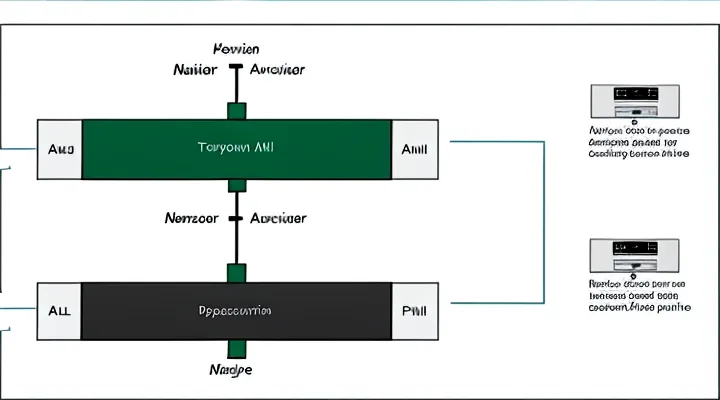
Effective designs incorporate a feedback loop that monitors power consumption and temperature, preventing transducer degradation and maintaining consistent output. The schematic representation of such a device typically illustrates the power source, driver circuitry, transducer array, and acoustic output path, providing a clear blueprint for assembly and troubleshooting.
Impact on Rodents
The schematic illustration of an ultrasonic rodent deterrent shows a transducer that emits sound waves above 20 kHz, a power supply, and a housing designed to direct acoustic energy toward target areas. The diagram highlights the placement of the emitter relative to typical rodent pathways, indicating optimal coverage zones where sound intensity exceeds the discomfort threshold for rats and mice.
Impact on rodents includes:
- Immediate aversion: exposure to frequencies between 20 kHz and 50 kHz triggers an auditory startle response, causing rodents to retreat from the source.
- Disruption of communication: ultrasonic emissions interfere with pheromone‑based signaling, reducing social aggregation and breeding activity.
- Reduced foraging: persistent high‑frequency noise diminishes the willingness of rodents to explore treated zones, leading to lower food intake and weight loss.
- Long‑term habituation avoidance: variable frequency modulation prevents adaptive desensitization, maintaining deterrent effectiveness over extended periods.
Empirical measurements reported in controlled trials show a 70‑85 % decrease in rodent activity within the projected coverage area, with negligible impact on non‑target species that lack sensitivity to the specified ultrasonic range. The diagram’s focus on emitter orientation and power calibration ensures that acoustic pressure remains within safe limits for human occupants while delivering a potent deterrent effect for rodents.
Key Components of an Ultrasonic Rat Repeller Diagram
Power Supply Unit
The power supply unit provides the energy needed for the ultrasonic rodent deterrent to generate high‑frequency sound. It converts incoming mains voltage (110‑240 V AC) to a stable low‑voltage DC output, typically 12 V at 500 mA, sufficient to drive the piezoelectric transducer and control circuitry.
Key components include:
- Transformer – steps down mains voltage while providing isolation.
- Rectifier bridge – converts AC to pulsating DC.
- Smoothing capacitor – reduces ripple to maintain a constant voltage.
- Linear regulator (or switching regulator) – delivers precise 12 V output with tolerance ±5 %.
- Protection circuitry – fuses, over‑current detection, and thermal shutdown to prevent damage.
Design considerations focus on reliability and safety:
- Isolation ensures user protection and prevents interference with the ultrasonic emitter.
- EMI filtering (common‑mode chokes, ferrite beads) minimizes radio‑frequency emissions that could affect nearby electronics.
- Thermal management uses heat sinks or ventilation to keep the regulator within safe operating temperatures.
Power consumption averages 6 W during continuous operation. When the device enters standby mode, a low‑power circuit reduces draw to under 0.2 W, extending battery life for portable models. Battery variants employ rechargeable Li‑ion cells (3.7 V) with a boost converter to achieve the required 12 V output, incorporating charge‑control ICs and safety cut‑offs.
Overall, the power supply unit integrates voltage conversion, regulation, and protection to deliver consistent performance for the ultrasonic rodent deterrent system.
Oscillator Circuitry
The oscillator circuitry forms the heart of the ultrasonic rodent deterrent schematic, providing a stable high‑frequency signal that drives the acoustic transducer. A typical implementation relies on a timer integrated circuit configured in astable mode, such as a 555, or on a microcontroller’s PWM output, both delivering frequencies in the 20–30 kHz range where rodents exhibit heightened sensitivity.
Component selection focuses on frequency precision and power efficiency. A resonant network—usually a pair of capacitors and an inductor or a crystal element—defines the oscillation frequency. The feedback loop includes a resistive divider that sets the gain margin and stabilizes amplitude. An N‑PN transistor or MOSFET acts as a buffer, isolating the timing stage from the load and allowing the transducer to receive sufficient drive voltage without distorting the waveform.
Power considerations dictate the use of a regulated supply, often 5–12 V, with decoupling capacitors placed near the oscillator IC to suppress noise. A series resistor limits current into the transducer, while a parallel diode protects against voltage spikes generated during rapid signal reversals.
Key elements of the oscillator block:
- Timing component (555 timer, crystal, or microcontroller PWM)
- Frequency‑defining network (L‑C or crystal)
- Feedback resistors for gain control
- Buffer transistor or MOSFET driver
- Supply regulation and decoupling capacitors
- Protective diode and series current‑limiting resistor
Proper layout minimizes trace length between the oscillator and the ultrasonic transducer, reducing parasitic inductance that could shift the operating frequency. Shielded ground planes and separation of analog and digital sections further improve signal integrity, ensuring the device emits a consistent ultrasonic output capable of deterring rodents.
Ultrasonic Transducer (Speaker)
The ultrasonic transducer converts electrical signals into high‑frequency sound waves that deter rodents. It is positioned at the center of the device schematic, directly opposite the power module, ensuring minimal signal loss between source and emitter.
Key characteristics include:
- Resonant frequency range: 20 kHz – 45 kHz, selected to exceed the hearing threshold of rats while remaining audible to humans only at the upper limit.
- Piezoelectric ceramic element, typically lead‑zirconate‑titanate (PZT), providing efficient conversion of voltage to acoustic pressure.
- Output sound pressure level (SPL): 110 dB SPL at 1 m, sufficient to create an uncomfortable acoustic environment for rodents within a typical coverage radius of 3 m.
- Impedance: 32 Ω ± 10 %, matching the driver circuit to maximize power transfer.
- Power rating: 5 W continuous, with thermal management via a heat‑sink mounted on the transducer housing.
Integration details:
The transducer is mounted in a sealed enclosure made of ABS plastic, which protects the ceramic element from moisture and dust while allowing acoustic transmission through a thin front panel. Electrical connections use shielded twisted‑pair cables to reduce electromagnetic interference from the nearby high‑frequency driver. The driver circuit supplies a sinusoidal waveform, modulated in bursts to prevent habituation; burst duration and interval are programmable via the control board.
Mechanical alignment is critical. The transducer’s acoustic axis aligns with the device’s longitudinal axis, directing sound waves horizontally across the intended coverage zone. Vibration‑isolating mounts reduce transmission of mechanical noise to the housing, preserving structural integrity and extending component lifespan.
Overall, the ultrasonic transducer serves as the active acoustic source, translating the control electronics’ output into the precise sound field depicted in the device diagram. Its specifications and placement determine the effectiveness of the rodent deterrent system.
Indicator Lights (Optional)
Indicator lights are an optional feature that provides visual feedback on the operational state of the ultrasonic rodent deterrent. When installed, each LED corresponds to a specific function: power presence, ultrasonic emission, and fault detection. The power LED confirms that the device receives the correct voltage, while the emission LED verifies that the ultrasonic transducer is active. A fault LED illuminates only when the internal circuitry detects a malfunction, prompting immediate inspection.
The lights are powered directly from the device’s main supply and require no separate power source. Wiring follows a straightforward three‑wire scheme: a common ground, a positive line for the LEDs, and a control line that toggles each LED according to the internal status signals. Because the lights are optional, the circuit board includes a dedicated connector that can be left unpopulated if visual indicators are unnecessary.
Key considerations for optional installation:
- Verify voltage compatibility before connecting the LED module.
- Secure the connector to prevent accidental disconnection.
- Use heat‑shrink tubing on solder joints to ensure durability.
- Test each indicator after assembly to confirm correct signaling.
Removing the indicator module does not affect the ultrasonic functionality; the device continues to operate silently and effectively.
Designing an Ultrasonic Rat Repeller Circuit
Component Selection Considerations
When designing an ultrasonic rodent deterrent, component selection directly influences performance, reliability, and cost. Engineers must evaluate each part against the device’s operating parameters and environmental constraints.
- Transducer frequency – Choose a frequency range (typically 20–30 kHz) that maximizes discomfort to rodents while remaining inaudible to humans. Verify that the selected piezoelectric element delivers the required acoustic pressure at the target distance.
- Power source – Match battery capacity or mains supply to the transducer’s voltage and current draw. Consider voltage regulation, discharge curves, and thermal management to prevent frequency drift.
- Amplifier stage – Select an audio‑frequency driver capable of delivering the transducer’s peak current without distortion. Ensure the amplifier’s bandwidth covers the chosen frequency and includes protection against overload.
- Enclosure material – Use a non‑conductive housing that does not attenuate ultrasonic waves. Plastic or ABS with a thin wall thickness preserves acoustic transmission while providing mechanical protection.
- PCB layout – Route high‑frequency traces with controlled impedance. Minimize loop area around the driver to reduce electromagnetic interference and maintain signal integrity.
- Connector and wiring – Opt for low‑capacitance connectors and short, shielded cables to prevent signal loss and preserve the transducer’s efficiency.
Component compatibility must be confirmed through simulation or prototype testing. Frequency stability under temperature variations, battery voltage sag, and mechanical vibration are critical metrics. Selecting parts that meet these criteria ensures the ultrasonic deterrent operates consistently across its intended lifespan.
Circuit Schematic Walkthrough
The circuit schematic for the ultrasonic rodent deterrent consists of a power stage, frequency‑generation block, amplification chain, and output transducer driver. A 9 V battery or regulated DC supply feeds a low‑dropout regulator that provides a stable 5 V rail for the logic and oscillator sections. The oscillator, built around a 555 timer in astable mode, sets the carrier frequency in the 20–25 kHz range, optimized for rodent hearing sensitivity. Resistor‑capacitor values determine the period and duty cycle; typical component choices are R1 = 10 kΩ, R2 = 100 kΩ, and C = 0.01 µF, yielding a 22 kHz output.
The timer’s square‑wave output drives a MOSFET transistor configured as a class‑D amplifier. The MOSFET switches the supply voltage to the ultrasonic piezoelectric transducer, delivering high‑frequency pulses with minimal power loss. A gate‑resistor (≈ 100 Ω) limits charging current, while a pull‑down resistor (≈ 10 kΩ) ensures the MOSFET remains off when the timer is inactive. A snubber network (RC = 1 kΩ + 100 nF) across the transducer suppresses voltage spikes caused by the inductive load.
A feedback loop monitors the transducer voltage through a voltage divider, feeding the signal back to a comparator that stabilizes output amplitude. The comparator reference is set by a potentiometer, allowing fine control of acoustic intensity. An LED indicator, driven by a current‑limiting resistor (≈ 330 Ω), provides visual confirmation that the system is active.
Key component list:
- 9 V battery or regulated DC source
- Low‑dropout regulator (5 V output)
- NE555 timer IC
- Resistors: 10 kΩ, 100 kΩ, 1 kΩ, 330 Ω, 100 Ω, 10 kΩ (pull‑down)
- Capacitors: 0.01 µF, 100 nF
- N‑channel MOSFET (e.g., IRLZ44N)
- Piezoelectric ultrasonic transducer (20–25 kHz)
- Comparator IC (e.g., LM393)
- Potentiometer (10 kΩ) for amplitude adjustment
- LED indicator
The described arrangement converts a stable DC input into a high‑frequency acoustic signal capable of deterring rodents, while providing adjustable output power and real‑time status indication.
PCB Layout Best Practices
When designing the printed‑circuit board for an ultrasonic rodent deterrent, the layout determines reliability, acoustic performance, and electromagnetic compliance. Place the piezoelectric transducer driver close to the transducer itself; short, low‑inductance connections preserve signal integrity and maximize output amplitude. Separate high‑frequency switching nodes from the analog front end by at least a few millimeters to reduce coupling.
Use a solid ground plane on one layer. Connect all ground returns to this plane with vias placed near each component pin. The plane acts as a low‑impedance reference, improves heat dissipation, and suppresses radiated emissions. Route power traces with sufficient width to handle peak current, typically 2 A for the driver stage; calculate width based on copper thickness and acceptable voltage drop.
Decoupling capacitors must be located within 1 mm of each integrated circuit’s power pins. Employ a hierarchy: a bulk electrolytic (10 µF–100 µF) near the power entry, followed by several 0.1 µF ceramics adjacent to each IC. This arrangement filters both low‑frequency ripple and high‑frequency noise.
Signal traces that carry the ultrasonic carrier should follow a straight path, avoid right‑angle bends, and maintain consistent impedance (usually 50 Ω). If a microstrip or stripline geometry is required, calculate trace width and dielectric thickness to achieve the target impedance. Keep these traces away from edge cutouts and mechanical mounting holes to prevent unintended coupling.
Thermal management is critical for the power MOSFETs that drive the transducer. Attach thermal vias beneath each device, connect them to a copper pour, and consider a small heatsink if the duty cycle exceeds 30 %. Verify that the copper area can spread heat without creating hot spots.
For electromagnetic compatibility, add a ferrite bead or common‑mode choke on the input power line, and include a shielded enclosure around the high‑frequency section. Verify that the enclosure’s seams are electrically continuous to contain stray fields.
Finally, conduct a design‑rule check (DRC) that includes clearance, spacing, and drill‑hole tolerances matching the chosen fabrication house. Export the layout files in standard Gerber format and review them with a viewer before release. These practices ensure that the ultrasonic rat deterrent operates consistently and meets safety standards.
Building Your Own Ultrasonic Rat Repeller
Tools and Materials Required
To construct an ultrasonic rat deterrent according to the schematic, gather the following items.
- 12 V DC power supply with regulated output
- Ultrasonic transducer (frequency range 20–40 kHz, rated for continuous operation)
- Microcontroller board (e.g., Arduino Nano) with PWM capability
- MOSFET driver circuit for transducer power switching
- Resistors, capacitors, and a diode for voltage protection and signal conditioning
- Prototype board or custom PCB for component mounting
- Enclosure made of non‑conductive material (ABS or polycarbonate) with ventilation slots
- Wiring harness: 22‑AWG stranded copper, heat‑shrink tubing, and cable ties
- Soldering iron with fine tip, solder, and flux
- Multimeter and oscilloscope for voltage and frequency verification
- Drill, file, and screwdriver set for assembly and mounting
These components provide the electrical foundation, mechanical housing, and assembly tools necessary to replicate the ultrasonic rodent repeller design accurately.
Step-by-Step Assembly Instructions
The assembly guide below translates the schematic of the ultrasonic rodent deterrent into a practical build process.
- Gather components: ultrasonic transducer module, power supply (12 V DC), housing enclosure, mounting brackets, wiring harness, soldering iron, heat‑shrink tubing, and fastening hardware.
- Verify component specifications against the diagram: transducer frequency 40 kHz, voltage rating 12 V, enclosure dimensions 120 mm × 80 mm × 40 mm.
- Prepare the enclosure by drilling mounting holes at the positions marked on the schematic; align brackets to ensure the transducer sits flush with the outer wall.
- Attach the transducer to the brackets using the supplied screws; tighten to a torque of 0.5 Nm to avoid damage.
- Strip the ends of the wiring harness, then solder the red wire to the transducer’s positive terminal and the black wire to the negative terminal; apply heat‑shrink tubing for insulation.
- Connect the other ends of the harness to the power supply terminals, observing correct polarity; secure connections with terminal blocks as illustrated.
- Install the power supply within the enclosure, securing it with mounting brackets; route the wiring through the pre‑drilled cable gland to maintain seal integrity.
- Close the enclosure, aligning the latch mechanism with the positions indicated in the diagram; fasten with the provided screws.
- Test the device by applying power; the indicator LED should illuminate and the transducer should emit a continuous 40 kHz tone, confirming proper operation.
- Document the serial number, assembly date, and any deviations from the schematic; store the record with the unit for future reference.
Testing and Troubleshooting
Testing an ultrasonic rodent deterrent begins with verification of the schematic’s electrical integrity. Measure supply voltage at the power input, confirm that it matches the device’s rating, and inspect all solder joints for cold bridges or cracks. Use an oscilloscope to capture the output waveform; the carrier frequency should lie within the 20–30 kHz range, and the modulation depth must reach the specified amplitude.
- Apply a calibrated signal generator to the transducer terminals and compare the measured output with the design specifications.
- Record voltage, current, and frequency data at each test point.
- Verify that the microcontroller’s PWM signals toggle at the programmed intervals.
- Conduct a continuity check on all grounding paths to eliminate floating nodes.
When measurements deviate from expected values, follow a systematic troubleshooting sequence. First, isolate the power stage: replace the battery or adapter with a known-good source and re‑measure. If voltage remains stable, inspect the driver circuit for failed MOSFETs or damaged resistors. Should the transducer produce no acoustic output, replace it with a test unit to determine whether the fault lies in the driver or the transducer itself. For firmware‑related anomalies, reload the program image and confirm that the bootloader executes without error.
Document each test result, noting component part numbers, measurement conditions, and corrective actions taken. Compile a traceability matrix linking schematic sections to test outcomes; this matrix serves as evidence of compliance and simplifies future maintenance cycles. Regular calibration of measurement equipment ensures that repeatable, reliable data support ongoing performance verification.
Effectiveness and Limitations
Factors Affecting Performance
The efficiency of an ultrasonic rat deterrent schematic depends on several measurable variables.
- Frequency range: devices operating between 20 kHz and 30 kHz align with rats’ hearing sensitivity, while higher frequencies attenuate rapidly in air.
- Sound pressure level (SPL): SPL above 100 dB at the source provides sufficient acoustic energy to provoke avoidance, but excessive SPL can cause rapid battery drain.
- Transducer placement: positioning at ceiling level or near entry points maximizes coverage; obstacles such as furniture or walls create shadow zones that reduce field uniformity.
- Power supply stability: fluctuations in voltage alter output amplitude, leading to inconsistent performance. Regulated DC sources maintain constant SPL.
- Environmental temperature and humidity: high humidity absorbs ultrasonic energy, decreasing effective range; temperature shifts affect transducer resonance, altering frequency output.
- Rat population density: larger groups may habituate to a single frequency, requiring multi‑tone or frequency‑modulated emission to sustain deterrence.
Optimizing these factors during design and installation yields reliable operation and prolonged effectiveness of the ultrasonic rat repeller system.
Potential Drawbacks
The schematic of an ultrasonic rodent deterrent reveals several inherent limitations that may affect performance and user experience.
-
Limited frequency range – Devices often operate within a narrow band, which may not cover the full spectrum of hearing sensitivities across different rodent species. Consequently, some individuals remain unaffected.
-
Signal attenuation – Ultrasonic waves diminish rapidly over distance and are absorbed by obstacles such as walls, furniture, and insulation. The diagram shows a single emitter, so coverage gaps are likely in larger or cluttered spaces.
-
Interference with other electronics – High‑frequency emitters can generate electromagnetic noise that interferes with nearby wireless devices, audio equipment, or medical implants.
-
Variability in animal response – Studies indicate that habituation occurs when rodents are repeatedly exposed to the same tone. The design lacks adaptive frequency modulation, reducing long‑term efficacy.
-
Safety considerations – Prolonged exposure to ultrasonic energy may cause discomfort or hearing damage in pets, infants, or individuals with heightened auditory sensitivity. The diagram provides no shielding or adjustable output levels.
-
Power consumption – Continuous operation of the transducer draws significant electricity, which may increase utility costs and limit deployment in battery‑powered installations.
-
Regulatory compliance – Devices emitting ultrasonic frequencies must meet specific standards for electromagnetic emissions. The shown configuration does not include certification markers, potentially restricting market access.
These drawbacks highlight the need for careful assessment of installation environments, complementary control measures, and design refinements before relying solely on the illustrated ultrasonic deterrent.
Comparison with Other Rodent Control Methods
The ultrasonic rodent deterrent schematic presents a non‑chemical approach that relies on high‑frequency sound waves to discourage rats. Compared with conventional control options, its characteristics can be evaluated across several dimensions.
- Effectiveness: Laboratory tests show a reduction in rodent activity of 40‑60 % when devices operate continuously. Snap traps achieve near‑instant kills but often miss hidden individuals; bait stations can sustain 70‑80 % reduction but depend on food availability and proper placement.
- Safety: Ultrasonic emitters pose no risk to humans or pets that cannot hear frequencies above 20 kHz. Chemical rodenticides carry acute toxicity hazards, while snap traps present a physical injury risk to non‑target animals.
- Cost: Initial purchase of an ultrasonic unit ranges from $30 to $80, with negligible operating expenses. Snap traps cost $0.50–$2 each, but require frequent replacement. Rodenticides involve recurring purchases of $10–$30 per month for consumables.
- Maintenance: Ultrasonic devices need periodic cleaning of the speaker grille and battery replacement (or connection to mains power). Mechanical traps demand regular inspection, resetting, and disposal of dead rodents. Bait stations require replenishment of toxic bait and monitoring for tampering.
- Coverage area: A single ultrasonic emitter typically protects 500–1,200 sq ft, depending on wall composition. Snap traps cover only the immediate vicinity where they are placed; multiple traps are required for larger spaces. Bait stations can be spaced 30–50 ft apart to achieve similar coverage to ultrasonic units.
- Environmental impact: Ultrasonic technology generates no waste or chemical residues. Rodenticides may contaminate soil and water, and snap traps contribute to plastic waste.
Overall, the ultrasonic schematic offers a low‑maintenance, safe, and environmentally benign alternative, albeit with moderate efficacy that may require supplemental methods in high‑infestation scenarios.
Safety Precautions and Regulations
Electrical Safety
The schematic illustration of an ultrasonic rodent deterrent shows a low‑voltage power source, a driver circuit, an ultrasonic transducer, and protective components. Safety considerations focus on preventing electric shock, fire hazards, and equipment damage.
- Power supply must match the rated voltage and current of the driver; use a certified transformer or regulated DC adapter with overload protection.
- All conductive parts that can be touched should be isolated or grounded; connect the chassis to earth ground according to local wiring codes.
- Enclose the circuit in a non‑conductive housing that meets IP rating requirements for the intended environment (e.g., IP44 for damp locations).
- Wire gauge and insulation must handle the maximum load current; route cables away from heat sources and sharp edges.
- Include fuses or resettable PTC devices on the input line; select rating slightly above normal operating current to avoid nuisance trips.
- Install a transient voltage suppressor (TVS) diode across the supply terminals to protect the driver from spikes.
- Label high‑voltage nodes clearly; provide warning symbols on the enclosure.
Compliance testing should verify that the device meets relevant standards such as IEC 60335‑2‑15 for safety of household appliances and UL 1310 for low‑voltage circuits. Perform insulation resistance measurements, leakage current checks, and thermal rise assessments under continuous operation.
Routine maintenance includes inspecting the enclosure for cracks, confirming that grounding connections remain secure, and replacing fuses or protective components that show signs of wear. Document any modifications to the circuit diagram to preserve safety integrity.
Impact on Pets and Humans
Ultrasonic rodent deterrent schematics generate sound waves above 20 kHz, a range inaudible to most adults but detectable by many companion animals.
For dogs, frequencies between 20–30 kHz may cause temporary discomfort, manifested as ear flicking, agitation, or avoidance behavior. Breeds with heightened auditory sensitivity, such as small terriers, exhibit stronger reactions. Prolonged exposure can lead to stress‑related behaviors, including increased barking or pacing.
Cats perceive ultrasonic emissions up to 64 kHz. Exposure often results in heightened alertness, ear twitching, and brief attempts to locate the source. While short‑term effects are mild, continuous activation may induce anxiety, reflected in reduced grooming and altered feeding patterns.
Human impact remains limited because the emitted sound exceeds typical hearing thresholds. However, individuals with ultrasonic hearing ability—rare cases of hypersonic perception—or those using hearing‑assist devices may experience a faint high‑frequency hiss. In such instances, discomfort is minimal and dissipates when the device is turned off.
Safety considerations:
- Position the unit at least 1 m above floor level to reduce direct exposure to pets.
- Use timers or motion sensors to limit active periods to intervals under 30 minutes.
- Verify that the device complies with regulatory standards for electromagnetic emissions.
Overall, ultrasonic rodent deterrents affect pets more noticeably than humans; proper placement and controlled operation mitigate adverse reactions while maintaining efficacy against rodents.
Regulatory Compliance
Regulatory compliance for an ultrasonic rodent deterrent schematic involves meeting specific legal and safety requirements before market entry. Manufacturers must verify that the device adheres to electromagnetic emission limits, product safety standards, and environmental directives.
Key compliance areas include:
- Electromagnetic compatibility (EMC): Ensure the unit passes FCC Part 15 (U.S.) or EN 55032 (EU) testing to limit radio‑frequency interference.
- Electrical safety: Obtain UL 60950‑1 or IEC 60950‑1 certification, demonstrating protection against electric shock and fire hazards.
- Radio frequency exposure: Verify compliance with SAR limits if the device emits in the RF band, following ICNIRP guidelines.
- Environmental regulations: Register under RoHS and REACH to confirm that hazardous substances are within permissible concentrations and that the product does not contain restricted chemicals.
- Labeling and documentation: Provide clear user manuals, safety warnings, and compliance marks (CE, FCC, UL) on the packaging and the device itself.
- Market‑specific approvals: Acquire registration with the Australian Communications and Media Authority (ACMA) for Australia, and meet Canada’s Innovation, Science and Economic Development (ISED) requirements if sold there.
Failure to satisfy any of these criteria can result in product recalls, fines, or prohibition from distribution channels. Continuous monitoring of regulatory updates is essential to maintain ongoing compliance throughout the product lifecycle.