
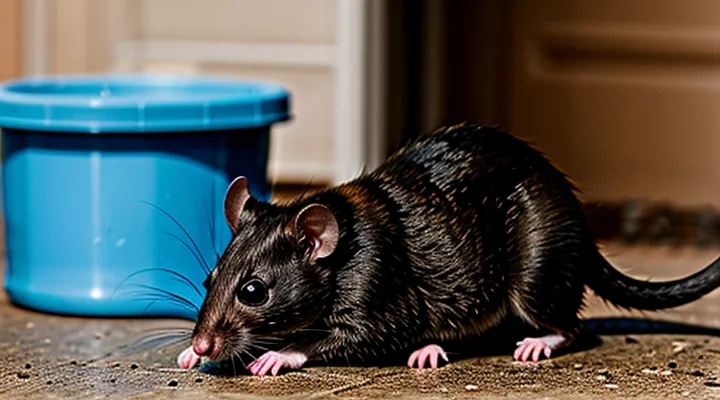
Understanding the Threat: Why Deworming is Crucial for Rats
The Impact of Parasitic Worms on Rat Health
Common Types of Worms Affecting Rats
Rats commonly host several intestinal and tissue nematodes, cestodes, and trematodes that impair health and reduce reproductive performance. Recognizing the principal species guides effective treatment protocols and environmental control measures.
-
Syphacia muris (mouse pinworm) – thin, white, thread‑like nematodes inhabiting the cecum and colon. Eggs are passed in feces, become infective after 24 hours, and are ingested through contaminated bedding or food. Infestations cause anal irritation and occasional diarrhea.
-
Aspiculuris tetraptera (rat pinworm) – larger than Syphacia, residing in the large intestine. Eggs are shed in feces and develop to infectivity within a week. Heavy burdens lead to weight loss, poor coat condition, and reduced litter size.
-
Hymenolepis nana (dwarf tapeworm) – short, segmented cestode attached to the small intestine. Gravid proglottids release eggs that are immediately infective; rats acquire infection by ingesting eggs directly or via intermediate arthropod hosts. Clinical signs include abdominal distension and nutrient malabsorption.
-
Angiostrongylus cantonensis (rat lungworm) – a pulmonary nematode maturing in the pulmonary arteries and right heart. Larvae migrate from the gastrointestinal tract to the lungs, producing coughing, respiratory distress, and occasional hemorrhage. Intermediate hosts are mollusks; rats become infected by consuming infected snails or slugs.
-
Trichuris muris (whipworm) – slender nematode embedded in the cecal wall. Eggs deposited in feces require 2–3 weeks to become infective in the environment. Severe infections cause mucosal inflammation, anemia, and reduced growth rates.
Effective control relies on accurate identification of these parasites, appropriate anthelmintic selection, and sanitation practices that interrupt egg or larval development in the environment.
Symptoms of Worm Infestation
Rats infected with intestinal parasites often display observable health changes that signal the need for prompt treatment. Recognizing these signs enables timely intervention, reducing morbidity and preventing the spread of infection within a colony.
Typical manifestations include:
- Weight loss despite adequate food intake
- Dull or patchy fur, sometimes accompanied by hair loss
- Reduced activity levels, lethargy, or reluctance to explore
- Diarrhea, which may contain blood or mucus
- Abdominal distension or palpable swelling
- Anemia, indicated by pale mucous membranes or lethargic behavior
- Poor growth in juvenile rats, evident from stunted size relative to age
Additional indicators may arise from severe infestations: respiratory distress from migration of larvae, neurological signs such as tremors or uncoordinated movement, and increased mortality rates. Continuous monitoring of these symptoms is essential for effective parasite management in laboratory and pet rat populations.
Long-term Health Complications
Neglecting routine parasite control in laboratory and pet rats leads to chronic physiological disturbances. Persistent intestinal nematodes impair nutrient absorption, causing progressive weight loss, reduced growth rates, and diminished reproductive output. Continuous blood loss from hookworms can induce anemia, which in turn lowers oxygen delivery to tissues and exacerbates fatigue.
Long‑term exposure to gastrointestinal parasites also predisposes rats to secondary infections. Damaged mucosal barriers facilitate bacterial translocation, increasing the incidence of septicemia and organ inflammation. Chronic inflammation promotes fibrotic changes in the liver and spleen, reducing organ function and shortening lifespan.
Improper deworming practices generate additional risks. Repeated administration of sub‑therapeutic doses fosters anthelmintic resistance, rendering standard treatments ineffective. Over‑dosage of certain compounds, such as ivermectin, may produce neurotoxicity, manifested by tremors, ataxia, or seizures. Persistent drug residues can accumulate in adipose tissue, leading to delayed toxic effects on renal and hepatic systems.
Key long‑term health complications associated with inadequate parasite management in rats include:
- Malabsorption and stunted growth
- Chronic anemia and reduced stamina
- Increased susceptibility to bacterial sepsis
- Fibrotic organ degeneration
- Anthelmintic resistance development
- Neurotoxic reactions from dosage errors
- Accumulation of toxic metabolites affecting kidney and liver function
Mitigating these outcomes requires scheduled, evidence‑based deworming protocols, accurate dosing, and periodic health assessments to detect early signs of pathology.
Transmission and Prevention
How Rats Contract Worms
Rats acquire helminths primarily through oral ingestion of infective stages present in the environment. Contaminated food sources, such as grain, fruit, or kitchen waste, frequently contain embryonated eggs or cysticercoids that survive harsh conditions until consumed. Water supplies polluted with fecal material also serve as vectors, delivering larvae directly to the gastrointestinal tract.
Intermediate hosts amplify transmission risk. Insects (e.g., beetles, flies) and arthropods that harbor larval stages become prey for rats; predation introduces parasites like Hymenolepis spp. into the rat’s system. Soil dwelling nematodes persist as resistant eggs, remaining viable for months and infecting rats that root or dig in contaminated substrates.
Direct contact among rats facilitates spread. Coprophagy—ingestion of feces from infected conspecifics—reintroduces eggs into the digestive tract, sustaining a cycle within dense colonies. Maternal transmission occurs when pregnant females pass larvae transplacentally or through milk, establishing infection in offspring before weaning.
Key transmission pathways:
- Ingestion of eggs from contaminated food or water
- Consumption of infected insects or arthropods
- Coprophagy within social groups
- Vertical transmission from dam to pups
Understanding these routes informs effective control strategies, emphasizing sanitation, pest management, and regular anthelmintic administration.
Environmental Factors Contributing to Infestation
Rats thrive where conditions supply food, water, shelter, and easy access to human habitats. Poor waste management, abundant refuse, and unsealed food storage create continuous feeding opportunities, directly increasing population density and the likelihood of parasite transmission.
- Uncontrolled garbage accumulation provides a constant food source.
- Leaking pipes, standing water, and damp basements offer hydration and breeding sites.
- Structural gaps, cracks, and poorly sealed entry points grant shelter and concealment.
- Overgrown vegetation and cluttered external areas furnish nesting material and protection from predators.
- Seasonal temperature fluctuations influence reproductive cycles; milder climates extend breeding periods and enlarge infestations.
Each factor contributes to a self‑reinforcing cycle: abundant resources support rapid rat reproduction, which elevates parasite loads and escalates the demand for effective deworming interventions. Mitigating these environmental conditions reduces infestation pressure and improves the efficacy of control programs.
Importance of Hygiene and Sanitation
Effective control of parasitic worms in laboratory and pet rats depends heavily on strict hygiene and sanitation practices. Contaminated bedding, feed, and water serve as reservoirs for infective stages, allowing rapid reinfestation after anthelmintic administration. Maintaining a clean environment reduces exposure risk and supports the efficacy of deworming protocols.
Key sanitation measures include:
- Daily removal of droppings and soiled bedding; replace with fresh material.
- Weekly deep cleaning of cages, cagesets, and surrounding surfaces using an approved disinfectant effective against helminth eggs.
- Provision of fresh, filtered water; replace water containers regularly to prevent biofilm formation.
- Storage of feed in sealed containers; discard any material that has been exposed to moisture or rodent droppings.
- Implementation of a rodent‑proof waste disposal system to prevent cross‑contamination between enclosures.
Consistent hygiene lowers the ambient load of parasite eggs, thereby decreasing the number of infective larvae that rats encounter. When environmental contamination is minimized, a single deworming treatment achieves higher cure rates and reduces the need for repeated medication.
Veterinary guidelines emphasize that sanitation and anthelmintic therapy are interdependent components of a comprehensive worm‑control strategy for rats. Neglecting either element compromises overall health outcomes and may lead to persistent infestations.
Effective Deworming Strategies
Identifying Infestation
Behavioral Changes in Infected Rats
Parasitic infestations in laboratory and pet rats produce measurable alterations in daily activity, feeding patterns, and social interactions. Recognizing these changes enhances the effectiveness of anti‑worm protocols.
- Decreased locomotion and prolonged periods of immobility
- Diminished grooming frequency, leading to accumulation of debris on the coat
- Heightened aggression toward cage mates, often manifesting as frequent biting or chasing
- Reduced food intake accompanied by selective consumption of softer foods
- Disruption of established dominance hierarchies, resulting in frequent re‑ordering of social rank
- Irregular nesting behavior, including incomplete nests or abandonment of nesting material
These behavioral markers serve as early indicators of infection, allowing timely administration of anthelmintic agents. Altered feeding can affect drug absorption, while increased aggression may complicate handling and dosing procedures. Monitoring activity levels and social dynamics provides data for adjusting dosage schedules and selecting delivery methods that reduce stress and improve compliance.
Integrating behavioral surveillance into worm‑control programs ensures accurate identification of infected individuals, optimizes treatment timing, and minimizes the risk of parasite transmission within colonies.
Visual Cues and Physical Symptoms
Rats infected with intestinal parasites often exhibit recognizable changes in appearance and behavior. These alterations serve as the primary indicators that deworming intervention is required.
- Dull, flaky fur replacing the usual glossy coat.
- Noticeable weight loss despite adequate food intake.
- Enlarged abdomen or visible swelling around the gastrointestinal tract.
- Increased frequency of scratching or grooming, especially around the perineal area.
- Loose, watery stools that may contain blood or mucus.
- Reduced activity levels, lethargy, or reluctance to explore.
- Unexplained respiratory distress, which can result from larval migration through lung tissue.
Physical examination should confirm these signs. Palpation of the abdomen may reveal palpable masses or tension. Fecal analysis, performed by flotation or sedimentation techniques, validates the presence of ova or larval stages. Blood work can uncover eosinophilia, a systemic response to parasitic infection.
Timely identification of these visual cues and symptoms enables prompt administration of anthelmintic agents, reducing morbidity and preventing the spread of parasites within colonies.
Diagnostic Testing Methods
Accurate diagnosis of helminth infections in laboratory and pet rats is essential for effective parasite control. Reliable identification of the causative species guides selection of anthelmintic agents, dosage, and treatment intervals, thereby preventing reinfection and minimizing drug resistance.
Common diagnostic approaches include:
- Fecal flotation – Samples are mixed with a high‑specific‑gravity solution; parasite eggs rise to the surface and are examined microscopically. This method detects most nematode and cestode eggs when shedding is active.
- Sedimentation – Utilized for heavier eggs that do not float. Feces are washed with water, allowed to settle, and the sediment examined. It complements flotation for trematode detection.
- Polymerase chain reaction (PCR) – Amplifies parasite DNA extracted from feces or tissue. PCR provides species‑level identification, useful for mixed infections and low‑intensity shedding.
- Enzyme‑linked immunosorbent assay (ELISA) – Detects parasite antigens or host antibodies in serum or fecal extracts. ELISA offers rapid screening and can identify pre‑patent infections before egg shedding begins.
- Necropsy and direct organ examination – Post‑mortem inspection of the gastrointestinal tract, liver, and lungs reveals adult worms and larval stages. This method confirms infection severity and informs epidemiological studies.
Selection of a diagnostic test depends on the suspected parasite, stage of infection, and available laboratory resources. Combining multiple techniques increases detection sensitivity and reduces false‑negative results, ensuring that deworming protocols are based on precise parasitological data.
Choosing the Right Deworming Protocol
Types of Anthelmintics Available
Effective parasite control in laboratory and pet rats relies on selecting an appropriate anthelmintic class. Available agents fall into several pharmacological groups, each with a distinct spectrum of activity and administration route.
- Benzimidazoles (fenbendazole, albendazole, mebendazole): Broad‑spectrum nematicides; oral dosing once daily for 3–5 days achieves systemic absorption and intestinal efficacy against nematodes such as Syphacia and Aspiculuris.
- Macrocyclic lactones (ivermectin, moxidectin): Potent against nematodes and ectoparasites; subcutaneous injection or oral formulation provides prolonged plasma levels; dosage typically 0.2 mg/kg for ivermectin, 0.5 mg/kg for moxidectin.
- Levamisole: Nicotinic acetylcholine receptor agonist; rapid intestinal action against adult nematodes; single oral dose of 0.2 mg/kg effective for Syphacia spp.
- Pyrantel pamoate: Nicotinic agonist causing spastic paralysis of nematodes; oral administration at 5 mg/kg clears Aspiculuris infections within 24 hours.
- Nitroscanate: Synthetic nitroimidazole; oral dosing at 50 mg/kg for 5 days targets Trichuris and Capillaria species; limited availability in some regions.
Selection criteria include parasite species, infection severity, rat age, and regulatory restrictions on drug residues. Combination therapy may be warranted for mixed infections, provided pharmacokinetic compatibility is verified. Monitoring fecal egg counts after treatment confirms efficacy and informs repeat dosing intervals.
Factors to Consider for Dosage and Administration
Effective anthelmintic treatment in rats demands precise dosage calculation and appropriate delivery method. Accurate dosing prevents sub‑therapeutic exposure, which can foster resistance, and avoids toxicity that compromises animal welfare.
- Body weight: calculate dose per kilogram; use the most recent weight measurement.
- Age and physiological status: neonates, juveniles, and pregnant females may require reduced or altered regimens.
- Target parasite species: different helminths respond to specific drug classes and concentrations.
- Drug formulation potency: verify concentration of the active ingredient; adjust volume accordingly.
- Administration route: oral gavage, medicated feed, or drinking water each affect absorption and stability.
- Frequency and treatment duration: follow species‑specific guidelines; consider life cycle of the parasite.
- Safety margin: incorporate a buffer to accommodate minor weight fluctuations.
- Palatability and stability: ensure the compound remains effective in food or water over the dosing period.
- Stress impact: select a method that minimizes handling stress, which can alter drug metabolism.
- Withdrawal period: observe required interval before using rats for research or consumption to avoid residue.
Document all variables, monitor clinical response, and adjust the protocol if adverse signs appear. Consistent record‑keeping supports reproducibility and safeguards animal health.
Consulting with a Veterinarian
Consulting a veterinarian before initiating any deworming protocol for rats ensures that treatment aligns with the animal’s specific health status and the parasites most likely to be present. A professional assessment identifies underlying conditions that could affect drug safety, determines the appropriate diagnostic tests, and selects an anthelmintic with proven efficacy for the identified species of worm.
Key reasons to involve a veterinary specialist:
- Accurate identification of parasite species through fecal examination or molecular testing.
- Determination of correct dosage based on the rat’s weight, age, and physiological condition.
- Evaluation of potential drug interactions with existing medications or supplements.
- Guidance on treatment frequency, monitoring intervals, and environmental control measures to prevent reinfestation.
During the consultation, owners should provide the following information:
- Current weight and body condition score.
- Recent health history, including signs such as diarrhea, weight loss, or respiratory distress.
- Details of any medications, supplements, or previous deworming attempts.
- Housing conditions, including cage hygiene practices and exposure to other rodents or wildlife.
The veterinarian may recommend a tailored plan that combines pharmacological treatment with sanitation protocols, such as regular cage cleaning, substrate replacement, and quarantine of new arrivals. Follow‑up appointments allow verification of parasite clearance through repeat fecal analysis and adjustment of the regimen if resistance or adverse reactions are detected. This systematic approach maximizes therapeutic success while minimizing risk to the rat’s health.
Post-Deworming Care and Follow-up
Monitoring for Side Effects
Effective surveillance of adverse reactions is a prerequisite for any rat deworming program. Prompt identification of toxicity or intolerance safeguards animal welfare and preserves the reliability of experimental data.
Typical side‑effects include:
- Reduced feed intake or refusal to eat
- Lethargy, tremors, or uncoordinated movements
- Diarrhea, blood in feces, or abnormal stool consistency
- Respiratory distress, nasal discharge, or coughing
- Skin irritation at the site of oral administration or injection
Monitoring protocol:
- Observe each rat twice daily for the first 72 hours after treatment, recording behavior, posture, and respiratory pattern.
- Weigh animals at 24‑hour intervals for the initial week; a loss exceeding 5 % of baseline weight warrants immediate assessment.
- Collect fecal samples on days 2, 4, and 7 to evaluate consistency and presence of blood; microscopic examination can detect mucosal shedding.
- Perform a brief physical examination on day 7, noting any edema, lesions, or abnormal secretions.
- If clinical signs persist beyond 48 hours or intensify, obtain a blood sample for complete blood count and biochemical panel to detect hepatic or renal impairment.
Documentation should include date, time, observed signs, weight measurements, and any interventions. Should adverse effects be confirmed, discontinue the anthelmintic, provide supportive care (e.g., fluid therapy, anti‑emetics), and consult a veterinarian for alternative treatment options. Continuous record‑keeping enables pattern recognition and informs adjustments to dosage or drug selection in future deworming cycles.
Preventing Re-infestation
Effective control of rodent parasites requires more than a single anthelmintic treatment. After administering deworming agents, owners must implement strategies that block the life cycle of intestinal worms and eliminate sources of reinfection.
Environmental sanitation is essential. Remove feces promptly, clean cages or housing with disinfectants effective against helminth eggs, and replace bedding material regularly. Ensure that feed and water containers are sealed to prevent contamination.
Rodent diet management reduces exposure. Provide nutritionally balanced pellets stored in airtight containers; avoid free‑range feeding that allows contact with contaminated soil or droppings.
Monitoring and follow‑up reinforce prevention. Conduct fecal examinations at two‑week intervals for at least six weeks post‑treatment; repeat deworming only when tests confirm clearance. Record results to track trends and adjust protocols.
Typical prevention protocol:
- Clean and disinfect habitat thoroughly before treatment.
- Administer the recommended anthelmintic dose according to veterinary guidelines.
- Isolate treated rats for the drug’s withdrawal period.
- Perform fecal analysis on day 14 and day 28 post‑treatment.
- Maintain strict hygiene and secure feeding practices continuously.
By integrating sanitation, dietary control, and systematic monitoring, the likelihood of worm re‑infestation diminishes, sustaining the health benefits achieved through the initial deworming effort.
Establishing a Regular Deworming Schedule
A consistent deworming program prevents internal parasite buildup, supports healthy weight gain, and reduces the risk of zoonotic transmission in both laboratory and pet colonies.
Effective scheduling requires three core components:
- Timing: Administer anthelmintics every 30 days for juvenile rats and every 60 days for adults, adjusting for seasonal spikes in parasite prevalence.
- Dosage verification: Use weight‑based calculations; confirm the product label specifies the concentration per kilogram and record each measurement before treatment.
- Documentation: Log the date, product name, batch number, and individual animal identification in a centralized register; review entries weekly for missed doses.
Follow‑up procedures reinforce schedule integrity:
- Collect fecal samples two weeks after each treatment to confirm parasite clearance.
- Adjust interval length if persistent infections appear, extending the cycle by 15 days until negative results are achieved.
- Rotate drug classes annually to mitigate resistance development, alternating between benzimidazoles, macrocyclic lactones, and pyrantel derivatives.
Continuous monitoring, precise record‑keeping, and adherence to weight‑based dosing form the foundation of a reliable deworming regimen for rats.