
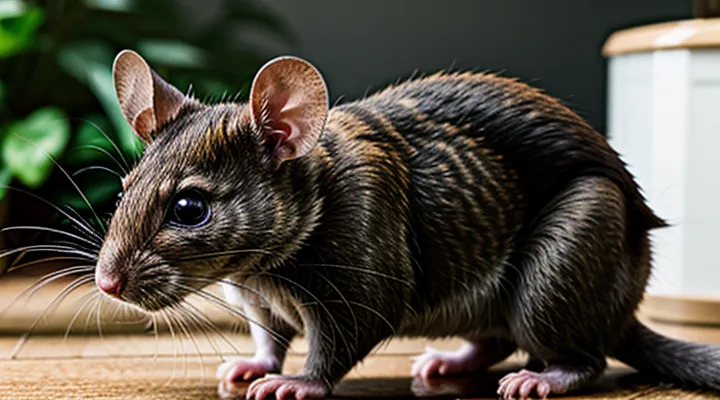
«Understanding Decorative Domestic Rats»
«What Makes Them «Decorative»?»
«Breeds and Varieties»
Decorative domestic rats are selectively bred for distinctive coat textures, colors, and body shapes, creating a range of varieties suited for ornamental pet keeping. Each variety presents specific care considerations that influence grooming frequency, dietary adjustments, and environmental enrichment.
- «Rex» – short, wavy fur; requires gentle brushing to prevent matting and regular inspection for skin irritation.
- «Hairless» – minimal fur; benefits from humidified housing and skin‑friendly moisturizers to avoid dryness.
- «Dumbo» – enlarged, low‑set ears; prone to ear infections, demanding routine cleaning and monitoring for excessive wax buildup.
- «Satin» – sleek, glossy coat; thrives on a balanced diet rich in omega‑3 fatty acids that support coat sheen.
- «Sphynx» – hairless with a wrinkled skin surface; needs temperature‑controlled environments to maintain comfort.
- «Manx» – tailless or short‑tailed; exhibits a compact body structure, requiring spacious cages to encourage movement.
- «Merle» – mottled color pattern; no special coat care beyond standard grooming, but visual appeal may attract heightened handling.
Selection of a variety should align with the keeper’s capacity to meet its unique maintenance demands. Proper housing, nutrition, and health monitoring remain essential across all breeds, ensuring the ornamental qualities are preserved while promoting animal welfare.
«Coat Types and Colors»
The variety of fur structures in ornamental pet rats influences both visual appeal and health management. Recognizing distinct coat patterns enables targeted grooming and environmental adjustments.
- Standard (short, smooth) – typical length, minimal shedding.
- Satin – glossy, slightly longer fibers, increased static.
- Rex – wavy, dense texture, higher propensity for matting.
- Hairless – absence of fur, heightened sensitivity to temperature.
- Angora – ultra‑long, silky strands, requires frequent trimming.
Coloration follows genetic lines and appears in several stable forms:
- Agouti – banded hairs producing a natural brown‑gray hue.
- Black – solid, melanin‑rich coat.
- White – albinistic expression, sensitive to UV exposure.
- Chocolate – deep brown, linked to specific pigment genes.
- Cream – diluted version of brown, lighter shade.
- Blue – slate‑gray, result of dilution of black pigment.
- Red – vivid orange‑red, derived from recessive alleles.
Maintenance practices correspond to each fur type. Regular brushing prevents tangles in Rex and Angora coats, while Satin coats benefit from occasional static discharge. Hairless individuals require heated bedding and protective clothing to avoid hypothermia. Nutritional support with adequate protein and essential fatty acids promotes coat integrity across all variants. Routine health checks should include skin inspection for signs of irritation, parasites, or alopecia, ensuring the decorative pet maintains optimal condition.
«Eye Colors and Markings»
Eye coloration and facial markings serve as primary identifiers for ornamental rats, influencing breeding decisions and aesthetic preferences.
Common eye pigments include:
- «red» – characteristic of albino lines, high sensitivity to bright light;
- «pink» – associated with partial albinism, moderate light tolerance;
- «black» – typical of pigmented strains, robust visual acuity;
- «ruby» – deep reddish hue, often linked to specific genetic markers.
Marking patterns affect visual impression and may signal genetic diversity. Typical configurations are:
- Uniform coloration across both eyes;
- Heterochromia, where each eye displays a distinct pigment;
- Speckled or mosaic iris patterns, indicating mixed gene expression.
Vision health depends on appropriate lighting and diet. Provide diffused illumination to prevent retinal strain in light‑sensitive individuals. Include antioxidants such as vitamin E and lutein in daily feed to support ocular tissues.
Routine maintenance requires regular inspection of the peri‑ocular area. Clean excess secretions with a damp cotton swab, avoiding harsh chemicals. Monitor for signs of infection—redness, swelling, discharge—and seek veterinary intervention promptly.
Consistent documentation of eye color and marking variations aids breeders in tracking hereditary traits and maintaining the visual standards valued by enthusiasts.
«Are They Truly Exotic Pets?»
«Domestication History»
Domestication of ornamental pet rats began with laboratory breeding programs in the early 1900s, when researchers selected individuals for temperament and reproductive efficiency. These efforts produced a genetically stable population that could thrive in human environments.
In the mid‑20th century hobbyists expanded the gene pool by introducing wild‑type coloration and coat variations. Selective breeding emphasized aesthetic traits such as patterned fur, enlarged ears, and distinctive body size. The result was a lineage of rats prized for visual appeal rather than solely for scientific utility.
Key milestones in the development of decorative domestic rats include:
- 1900s – establishment of laboratory colonies with controlled breeding.
- 1950s – emergence of pet‑oriented breeders focusing on appearance.
- 1970s – formation of breed societies that defined standards for coloration and morphology.
- 1990s – global exchange of breeding stock facilitated diversification of phenotypes.
Genetic refinement relied on Mendelian principles, allowing predictable inheritance of coat patterns and size modifiers. Standardized breed criteria guided selection, ensuring consistency across generations and simplifying health monitoring.
The historical shift from research subjects to ornamental companions directly influences contemporary husbandry. Knowledge of ancestral breeding objectives informs nutritional requirements, environmental enrichment, and preventative health measures tailored to the specific needs of aesthetically bred rats.
«Common Misconceptions»
«Common Misconceptions»
Misunderstandings about ornamental pet rats often lead to inadequate care and unnecessary loss of animals. Clarifying these errors improves welfare and simplifies management for enthusiasts.
- «Rats are dirty and carry disease» – Proper hygiene, regular cage cleaning, and routine veterinary checks keep health risks low; rats are no more likely to transmit pathogens than other common household pets.
- «They are unsuitable for indoor living» – Breeds selected for decorative purposes adapt well to indoor environments when provided with appropriate enrichment, ventilation, and temperature control.
- «Rats cannot form bonds with humans» – Social species develop strong attachments through gentle handling, consistent interaction, and group housing, comparable to other companion animals.
- «Exotic pet status means specialized diets only» – Balanced nutrition consists of high‑quality rodent pellets supplemented with fresh vegetables and occasional protein sources; exotic labeling does not require exotic feed.
- «They have short lifespans, making them impractical» – Average longevity of well‑cared ornamental rats reaches two to three years, allowing meaningful relationships and responsible breeding cycles.
- «Caging needs large, complex setups» – Compact, secure cages equipped with nesting material, chew toys, and climbing structures meet physical and mental needs without excessive space.
- «Handling causes stress and injury» – Gentle, gradual habituation reduces stress; proper technique prevents bites and ensures safe interaction.
Eliminating these misconceptions supports responsible ownership, reduces unnecessary abandonment, and promotes the health of decorative rodent companions.
«Creating a Suitable Environment»
«Choosing the Right Cage»
«Size and Bar Spacing»
When selecting an enclosure for decorative pet rats, size directly influences health, activity levels, and behavioral enrichment. Minimum floor area should accommodate at least one rat per 0.5 square feet; a group of three requires no less than 1.5 square feet of unobstructed floor space. Height must allow vertical exploration, with a recommended clearance of 12 inches for a single animal and proportionally greater for multiple occupants. Larger dimensions reduce stress, support natural foraging, and simplify cleaning routines.
Bar spacing determines the risk of escape and injury. Gaps wider than ¾ inch enable small rodents to squeeze through, while spacing narrower than ¼ inch may cause paw entrapment and restrict airflow. Optimal spacing falls between ¼ inch and ½ inch, providing a balance of safety and ventilation. Materials such as stainless steel or coated wire ensure durability and resist rust, preserving structural integrity over time.
Key measurements for a suitable cage include:
- Floor area: ≥ 0.5 sq ft per rat
- Height: ≥ 12 inches per individual
- Bar spacing: ¼ – ½ inch
- Wire gauge: 18–20 AWG for strength
Adhering to these specifications supports the well‑being of ornamental rats, facilitating active play, proper grooming, and long‑term health.
«Cage Materials and Ventilation»
Choosing a cage for ornamental pet rats requires materials that resist gnawing, prevent injury, and simplify cleaning. Solid hardwood such as maple or birch offers durability and natural resistance to chewing, while high‑density polyethylene provides waterproof surfaces and easy disassembly. Metal frames should be coated with powder‑finish paint free of lead and zinc to avoid toxic exposure. All components must be free of sharp edges and securely fastened to eliminate gaps where a rat could become trapped.
Adequate ventilation protects respiratory health and controls humidity. A continuous airflow rate of at least 15 cubic feet per hour per cage maintains oxygen levels and reduces ammonia buildup. Mesh panels should feature openings no larger than ¼ inch to prevent escape while allowing sufficient air exchange. Adjustable vents positioned near the top of the enclosure enable fine‑tuning of temperature without creating drafts that could chill the animals.
Key specifications:
- Material options: maple or birch hardwood, high‑density polyethylene, powder‑coated steel.
- Safety features: rounded corners, reinforced joints, chew‑resistant surfaces.
- Ventilation criteria: minimum 15 cfh per cage, mesh size ≤ ¼ inch, adjustable top vents.
- Maintenance considerations: smooth interior surfaces for easy cleaning, corrosion‑resistant hardware.
«Location Considerations»
«Location Considerations» for ornamental pet rats involve several practical factors. Adequate floor space prevents overcrowding; a minimum of 0.5 m² per pair allows natural movement and exploratory behavior. Enclosures should be placed on stable, level surfaces to avoid tipping and to maintain structural integrity.
Temperature control is essential. Ambient temperature between 18 °C and 24 °C supports normal metabolism; avoid drafts and direct sunlight that can cause rapid fluctuations. Humidity levels around 40‑60 % reduce respiratory irritation and skin dryness.
Ventilation must provide fresh air without creating strong currents. Mesh panels or adjustable vents achieve air exchange while preventing escape. Ensure that the enclosure is positioned away from kitchens, chemical storage, or other sources of strong odors that could stress the animals.
Safety considerations include selecting materials free of toxic coatings and sharp edges. Solid, chew‑resistant base plates protect against accidental ingestion of harmful substances. Regular inspection of wiring, heating elements, and accessories prevents electrical hazards.
Noise levels affect stress responses. Place the habitat in a quiet area, away from televisions, loud music, or frequent foot traffic. A calm environment promotes natural activity patterns and reduces cortisol spikes.
Accessibility for cleaning and health checks influences maintenance efficiency. Position the enclosure near a sink or water source to streamline routine sanitation and water replenishment. Ensure that the location permits easy removal of the unit for thorough disinfection without excessive lifting.
Overall, thoughtful placement optimizes welfare, simplifies husbandry, and minimizes risks associated with keeping decorative domestic rats as exotic companions.
«Essential Cage Accessories»
«Bedding and Substrate»
Choosing an appropriate bedding material directly influences the health and comfort of ornamental rats kept as pets. The substrate must provide absorbency, odor control, and a safe environment for chewing and nesting.
Suitable options include:
- Paper‑based products (recycled paper pellets, shredded paper) – highly absorbent, dust‑free, and safe for gnawing.
- Coconut fiber (coir) – offers excellent moisture retention, low dust, and a natural texture for burrowing.
- Aspen shavings – low in aromatic oils, moderate absorbency, and pleasant for nest building.
- Hemp bedding – biodegradable, low dust, and strong odor‑neutralizing properties.
Materials to avoid are pine or cedar shavings, which release volatile compounds that can irritate the respiratory tract, and any substrate containing excessive dust or chemical additives.
Maintenance guidelines:
- Replace the entire bedding weekly, or sooner if soiled or damp.
- Spot‑clean daily by removing droppings and wet patches to prevent bacterial growth.
- Ensure a minimum depth of 2–3 cm to allow nesting behavior while maintaining easy cleaning access.
- Store unused bedding in a sealed container to preserve dryness and prevent contamination.
Monitoring the substrate for signs of mold, strong odor, or excessive dryness will help maintain optimal hygiene and support the well‑being of decorative domestic rats.
«Food and Water Dispensers»
Proper provision of nutrition for ornamental rats requires reliable dispensing systems. Selecting a dispenser involves evaluating material durability, capacity, and resistance to gnawing. Stainless‑steel or high‑grade acrylic units prevent contamination and withstand frequent cleaning. Automatic gravity models maintain a constant water level, reducing spill risk, while timed feeders dispense measured portions at preset intervals, supporting dietary consistency. Integration of sealed lids minimizes exposure to dust and insects, essential for maintaining a hygienic environment.
Routine maintenance safeguards functionality and animal health. Follow a schedule:
- Disassemble components daily; rinse with warm water.
- Soak removable parts in a diluted vinegar solution for ten minutes weekly to eliminate biofilm.
- Inspect seals for wear; replace cracked or frayed elements promptly.
- Verify that feeder timers operate accurately; adjust settings after any power interruption.
- Store spare containers in a clean, dry area to prevent mold growth.
Proper placement of dispensers enhances accessibility and reduces stress. Position units at rat eye level on stable platforms, away from direct sunlight and drafts. Ensure that the floor surface is non‑slippery; a textured mat prevents accidental displacement. Regular observation of consumption patterns reveals early signs of health issues, allowing timely intervention.
«Hiding Spots and Enrichment Toys»
Providing adequate concealment and stimulation is essential for the well‑being of ornamental rats kept as indoor companions. Properly designed hiding spots reduce stress, while enrichment toys encourage natural foraging and exploratory behaviors, supporting both physical health and mental vitality.
Suitable hiding spots include:
- Small wooden cabins with ventilation holes, allowing retreat without compromising airflow.
- Ceramic tunnels featuring smooth interiors, easy to clean and resistant to gnawing.
- Fabric pouches stitched from durable, pet‑safe material, positioned low to the enclosure floor for added security.
- Stackable PVC chambers that can be rearranged to create varied escape routes.
Enrichment toys should be selected for durability, safety, and the ability to mimic natural challenges. Recommended categories are:
- Chewable blocks made from untreated hardwood, promoting dental health.
- Puzzle feeders that dispense treats when manipulated, stimulating problem‑solving skills.
- Suspended hammocks or rope ladders encouraging climbing and balance practice.
- Interactive balls containing hidden compartments, fostering curiosity and activity.
Rotating items every two to three weeks prevents habituation and maintains engagement. All accessories must be free of toxic coatings, sharp edges, and small detachable parts that could be ingested.
Implementing a combination of secure hideaways and diverse toys creates a dynamic environment, reduces anxiety, and enhances the overall quality of life for decorative rats kept as exotic pets.
«Temperature and Humidity Requirements»
«Ideal Ranges»
Decorative pet rats require stable environmental conditions to thrive. Defining precise «Ideal Ranges» eliminates health risks and promotes natural behavior.
Temperature should remain within 18 °C – 24 °C (64 °F – 75 °F). Temperatures below 15 °C (59 °F) increase susceptibility to respiratory infections; temperatures above 27 °C (81 °F) may cause heat stress.
Relative humidity must be kept between 45 % and 60 %. Humidity lower than 30 % leads to dry skin and mucous membranes; humidity exceeding 70 % encourages mold growth and respiratory problems.
Space allocation per individual rat requires a minimum of 0.5 m² floor area and a cage height of at least 30 cm. Multi‑level enclosures should provide at least 0.3 m² of climbing surface per animal.
Lighting cycles should replicate natural daylight, offering 12–14 hours of light followed by 10–12 hours of darkness. Light intensity of 300–500 lux supports circadian rhythm without causing ocular strain.
Dietary composition must supply 18–22 % protein, 3–5 % fat, and 5–7 % fiber on a dry‑matter basis. Fresh water should be available at all times; temperature of water between 15 °C and 20 °C prevents bacterial proliferation.
«Avoiding Extremes»
Avoiding extremes is essential for the well‑being of ornamental pet rats. Consistent conditions prevent stress‑related illnesses and support normal development.
Temperature stability protects metabolic function. Ideal ambient temperature ranges from 18 °C to 24 °C; avoid drafts, direct sunlight, and sudden fluctuations. Heating pads should be used only when ambient temperature falls below the lower limit, and never left unattended.
Dietary balance prevents obesity and nutritional deficiencies. Provide a high‑quality rodent mash supplemented with fresh vegetables, limiting sugary treats to no more than 5 % of daily intake. Do not replace staple feed with treats, and never withhold food for extended periods.
Handling practices must stay within moderate limits. Sessions of gentle interaction should last 5–10 minutes, gradually increasing as the animal becomes accustomed. Excessive handling can cause fear, while insufficient contact may lead to social withdrawal.
Environmental enrichment should be diverse but not overcrowded. Offer chewable items, tunnels, and climbing structures, ensuring each occupies no more than 30 % of cage floor space. Overcrowding reduces airflow and increases the risk of injury.
Health monitoring requires regular observation without over‑diagnosing. Check for changes in coat condition, activity level, and waste consistency weekly. Immediate veterinary consultation is warranted for persistent abnormalities; routine medical examinations should occur every six months, not more frequently.
By maintaining moderate temperature, balanced nutrition, appropriate handling duration, measured enrichment, and regular yet restrained health checks, owners ensure stable, thriving decorative rats without exposing them to harmful extremes.
«Nutritional Needs»
«Staple Diet for Rats»
«Commercial Rat Blocks»
Commercial rat blocks are pre‑manufactured chewable structures designed for ornamental pet rats. They provide a durable surface for gnawing, reducing dental overgrowth and encouraging natural foraging behavior. The blocks typically consist of compressed wood fibers, hemp, or biodegradable polymers, often infused with aromatic herbs to stimulate interest.
Key selection criteria include material safety, hardness rating, and size compatibility. Materials must be free of toxic binders, pesticide residues, or excessive dust. Hardness should allow incisors to wear down without risking fracture of the block, which could generate sharp fragments. Dimensions must accommodate the average body length of adult decorative rats, allowing placement in cages of standard sizes.
Practical guidelines for integration:
- Position blocks at varied heights to promote climbing and exploration.
- Rotate blocks weekly to maintain novelty and prevent habituation.
- Inspect surfaces daily for splintering or moisture accumulation; replace compromised units immediately.
- Combine blocks with natural substrates, such as untreated wood shavings, to enhance texture diversity.
- Ensure blocks are anchored securely to prevent tipping, which could cause injury during vigorous gnawing.
Health considerations focus on dental health, gastrointestinal safety, and allergen exposure. Regular veterinary checks should verify that incisors exhibit proper wear patterns. Any signs of excessive chewing on cage bars or plastic accessories may indicate insufficient block availability. Allergic reactions are rare but possible with hemp‑based products; monitor for respiratory irritation after introducing new blocks.
Cost analysis shows that bulk purchases reduce per‑unit expense, while single‑item sales often include premium packaging. Reputable suppliers provide certification of non‑toxicity and batch testing results. Selecting vendors with transparent sourcing practices supports sustainable production and consistent product quality.
Overall, commercial rat blocks constitute an essential component of a comprehensive care regimen for decorative pet rats, contributing to dental maintenance, environmental enrichment, and overall well‑being.
«Safe Human Foods»
Understanding which human foods can be offered safely to ornamental pet rats is essential for optimal health. Nutrient‑dense items supplement commercial rodent diets and encourage natural foraging behavior.
«Safe Human Foods» include:
- Fresh fruits: apple (core removed), banana, berries, melon, kiwi. Offer in small cubes to prevent choking.
- Vegetables: carrot, broccoli, spinach, kale, cucumber, bell pepper. Provide raw or lightly steamed; remove tough stems.
- Whole grains: cooked oatmeal, brown rice, quinoa. Serve plain, without added salt or sugar.
- Protein sources: boiled egg (white only), plain cooked chicken breast, low‑fat cottage cheese. Limit to occasional treats.
Preparation guidelines:
- Wash all produce thoroughly to eliminate pesticide residues.
- Cut into bite‑size pieces appropriate for the rat’s mouth.
- Introduce new items gradually; monitor for adverse reactions such as diarrhea or loss of appetite.
- Maintain portion control: treat foods should not exceed 10 % of total daily intake.
Foods that pose toxicity risks—such as chocolate, caffeine, raw beans, citrus peels, and processed snacks—must be excluded entirely. Consistent adherence to these recommendations supports robust immunity, dental health, and overall vitality in decorative domestic rats.
«Supplements and Treats»
«Occasional Additions»
The concept of «Occasional Additions» refers to supplemental items introduced at irregular intervals to enhance the well‑being of ornamental pet rats. These additions may include seasonal enrichment toys, limited‑edition dietary treats, or temporary habitat modifications that stimulate natural behaviors without disrupting routine care.
Key considerations for implementing such additions are:
- Compatibility with existing cage setup; new objects must not obstruct ventilation or escape routes.
- Material safety; only non‑toxic, chew‑resistant substances should be used.
- Frequency; intervals should allow the animal to adjust, typically ranging from weekly to monthly depending on the type of addition.
- Monitoring; observe the rats for signs of stress or over‑excitement after introduction, adjusting or removing the item as needed.
Seasonal enrichment examples include scented pine shavings for winter, lightweight climbing ropes for summer, and puzzle feeders that dispense occasional treats. Dietary supplements, such as occasional fruit slices or specialized vitamin gels, should be limited to prevent nutritional imbalance and should be introduced gradually.
Temporary habitat modifications might involve rearranging tunnels or adding a shallow water feature for brief periods. Such changes encourage exploration and reinforce problem‑solving skills, contributing to overall health while preserving the stability of the primary environment.
«Foods to Avoid»
When providing nutrition for decorative domestic rats, selecting safe ingredients is critical for health and longevity. Certain foods pose risks of toxicity, digestive disturbance, or nutritional imbalance and should be excluded from the diet.
- Chocolate and cocoa products
- Caffeine‑containing items such as coffee, tea, and soda
- Alcoholic beverages and any fermented foods
- High‑salt snacks, processed meats, and cured sausages
- Citrus fruits and juices with high acidity
- Raw beans, especially kidney beans, which contain lectins
- Avocado flesh and pit, due to persin toxicity
- Onions, garlic, and related Allium species
- Dairy products beyond minimal, low‑fat cheese, as many rats are lactose intolerant
- Sugary candies, syrups, and artificial sweeteners
Each listed item can cause specific adverse effects. Chocolate introduces theobromine, a stimulant metabolized slowly by rodents, leading to cardiac stress. Caffeine and alcohol act as central nervous system depressants, impairing coordination and respiration. Excess salt disrupts electrolyte balance, while high‑acid citrus can erode enamel and irritate the gastrointestinal lining. Raw beans contain compounds that damage red blood cells, and avocado’s persin can induce respiratory distress. Allium vegetables damage red blood cells, resulting in anemia. Lactose intolerance may produce diarrhea and dehydration, and excessive sugars contribute to obesity and dental disease. Adhering strictly to the exclusion of these foods supports optimal growth, reproduction, and overall wellbeing in ornamental rat populations.
«Feeding Schedule and Portion Control»
A consistent feeding routine stabilizes metabolism and supports dental health in ornamental pet rats. Adult individuals typically require two meals per day, spaced approximately twelve hours apart. Juveniles benefit from three smaller feedings to accommodate rapid growth.
Portion size depends on body weight, activity level, and dietary composition. A baseline recommendation is 15–20 grams of high‑quality pelleted food per 100 grams of body mass each day, divided equally between meals. Fresh vegetables and limited fruit additions should not exceed 10 % of total intake to prevent gastrointestinal upset. Protein supplements, such as cooked egg or lean meat, may be offered once or twice weekly in portions of 2–3 grams.
Monitoring body condition provides feedback for adjustment. Visible ribs, excessive weight gain, or changes in coat quality indicate the need to modify quantity or nutrient balance. Record keeping—daily logs of food type, amount, and observed intake—facilitates precise control and early detection of health issues.
«Rats thrive on consistent feeding»; therefore, adherence to a structured schedule and careful portion calculation constitute essential components of responsible exotic‑pet care.
«Health and Wellness»
«Common Health Issues»
«Respiratory Infections»
Respiratory infections in ornamental pet rats constitute a common health challenge, typically caused by bacterial agents such as «Mycoplasma pulmonis» or viral pathogens like «Sendai virus». Clinical signs include nasal discharge, audible wheezing, labored breathing, and reduced activity. Early recognition reduces morbidity and mortality.
Preventive actions focus on hygiene, ventilation, and nutrition:
- Regular cleaning of cages and bedding to eliminate dust and microbial load.
- Adequate airflow, avoiding drafts while maintaining fresh air exchange.
- Balanced diet rich in vitamins A and C to support mucosal immunity.
- Quarantine of new arrivals for at least 30 days, monitoring for signs of infection.
Diagnostic procedures combine physical examination with laboratory testing. Nasal swabs cultured on selective media identify bacterial presence; polymerase chain reaction (PCR) assays detect viral genomes. Radiographic imaging assists in assessing pulmonary involvement.
Therapeutic protocols depend on etiological identification. Antibiotics effective against «Mycoplasma» (e.g., doxycycline) are administered per veterinary guidance, typically for 7‑10 days. Antiviral support may include interferon‑based treatments, though efficacy varies. Supportive care—humidified environment, fluid therapy, and nutritional supplementation—enhances recovery.
Environmental management remains crucial. Maintaining low humidity (< 50 %) reduces pathogen proliferation. Routine replacement of enrichment items prevents contamination. Monitoring ambient temperature (18‑22 °C) avoids stress‑induced immunosuppression, thereby limiting susceptibility to «Respiratory Infections».
«Tumors and Cancers»
Decorative pet rats are susceptible to neoplastic conditions that can affect longevity and quality of life. Understanding the nature of «Tumors and Cancers» in these animals is essential for responsible husbandry.
Common tumor types include:
- Mammary adenocarcinomas, frequently observed in older females.
- Subcutaneous fibrosarcomas, often presenting as firm nodules on the flank.
- Hepatocellular carcinomas, associated with chronic liver stress.
- Lymphomas, typically affecting the spleen and peripheral lymph nodes.
Visible indicators of neoplasia are:
- Unexplained weight loss.
- Persistent swelling or masses under the skin.
- Abnormal discharge from the eyes, nose, or genitals.
- Changes in grooming behavior or reduced activity.
Diagnostic procedures rely on:
- Physical examination by a qualified veterinarian.
- Imaging techniques such as radiography or ultrasound.
- Fine‑needle aspiration or biopsy for cytological analysis.
- Histopathological evaluation to confirm malignancy.
Therapeutic approaches may involve:
- Surgical excision when the tumor is localized and accessible.
- Chemotherapy protocols adapted for small rodents.
- Palliative care, including analgesics and anti‑inflammatory agents, to maintain comfort.
Prevention strategies focus on regular health monitoring, balanced nutrition, and minimizing exposure to known carcinogens such as tobacco smoke or certain chemicals. Early detection through routine examinations increases the likelihood of successful intervention and improves overall welfare.
«Skin Parasites»
Skin parasites pose a significant health risk for ornamental pet rats. Infestations can lead to dermatitis, anemia, and secondary infections, compromising animal welfare and breeding success.
Common skin parasites include:
- «Sarcoptes» mites, which burrow into the epidermis and cause intense itching.
- «Demodex» mites, residing in hair follicles and often unnoticed until hair loss occurs.
- Fleas (primarily «Ctenocephalides felis»), capable of transmitting bacterial pathogens.
- Lice (order Phthiraptera), feeding on blood and causing localized inflammation.
Early detection relies on observable signs: excessive scratching, crusted or scaly skin, hair thinning, and visible insects in bedding. Microscopic examination of skin scrapings confirms species identification.
Preventive measures:
- Maintain a clean enclosure; replace bedding weekly and disinfect surfaces with a diluted bleach solution.
- Quarantine new arrivals for at least four weeks, monitoring for skin abnormalities.
- Apply a monthly topical acaricide approved for rodents, following label dosage precisely.
- Avoid overcrowding; provide sufficient space to reduce stress‑induced susceptibility.
Treatment protocols:
- Administer a veterinarian‑prescribed ivermectin regimen for mite infestations, observing the recommended interval between doses.
- Use a flea comb to remove adult fleas, then treat the environment with an insect growth regulator spray.
- For lice, employ a pyrethrin‑based shampoo, ensuring thorough rinsing and drying to prevent reinfestation.
Environmental management includes regular ventilation to lower humidity, which deters mite proliferation, and periodic deep cleaning of cage accessories. Consistent adherence to these practices minimizes the prevalence of skin parasites and supports the overall health of decorative domestic rats.
«Preventative Care»
«Regular Vet Check-ups»
Regular veterinary examinations are a core component of responsible ownership for ornamental pet rats. Professional assessments identify health issues that are often invisible to owners, such as early respiratory infections, dental overgrowth, or metabolic disorders. Early detection reduces treatment complexity and improves recovery rates.
Key elements of a routine check‑up include:
- Physical inspection of coat, eyes, ears, and limbs for lesions, discoloration, or abnormal discharge.
- Palpation of the abdomen to assess organ size and detect masses.
- Dental evaluation to ensure incisors are correctly aligned and not causing oral pain.
- Weight measurement and body condition scoring to monitor nutrition and growth.
- Blood sampling for complete blood count and biochemical panel, revealing hidden infections or organ dysfunction.
- Vaccination status review and administration of recommended immunizations, such as for rat coronavirus, when applicable.
Recommended frequency varies with age and health status. Juvenile rats benefit from examinations every three months until maturity. Adult rats with stable health should be examined at least twice a year. Animals with chronic conditions or a history of illness require more frequent visits, often quarterly.
Preparation for the appointment minimizes stress. Prior to transport, place the rat in a secure, well‑ventilated carrier with familiar bedding. Handle the animal gently to avoid injury. Provide the veterinarian with a concise health history, including diet, housing conditions, and any observed behavior changes.
Consistent veterinary monitoring supports longevity and enhances the aesthetic qualities prized by enthusiasts. By adhering to a structured schedule of «regular vet check‑ups», owners safeguard both the wellbeing of their decorative rodents and the visual appeal that makes them desirable companions.
«Hygiene and Sanitation»
Maintaining optimal «Hygiene and Sanitation» for ornamental pet rats prevents disease, reduces odor, and supports longevity.
Regular cage cleaning is essential. A practical schedule includes:
- Daily removal of soiled bedding, uneaten food, and waste.
- Weekly full substrate change, followed by thorough scrubbing of all surfaces with a mild, rodent‑safe disinfectant.
- Monthly deep cleaning of accessories, such as tunnels, wheels, and hideouts, using hot water and a non‑abrasive brush.
Bedding choice influences sanitation. Absorbent, dust‑free materials, like paper‑based or wood‑shaved substrates, retain moisture and limit bacterial growth. Replace bedding promptly when damp or heavily soiled.
Grooming contributes to overall cleanliness. Trim overgrown nails with appropriate clippers to prevent self‑injury and cage damage. Inspect fur for matting; gentle brushing removes debris and distributes natural oils.
Water and food hygiene requires vigilance. Provide fresh, filtered water daily; use a stainless‑steel bottle with a secure cap to avoid contamination. Offer small, pre‑portioned portions of high‑quality pellets or fresh produce; discard leftovers within a few hours to inhibit mold.
Health monitoring complements sanitation efforts. Observe rats for abnormal discharge, skin lesions, or respiratory signs. Prompt veterinary consultation and isolation of affected individuals curb pathogen spread.
«Stress Reduction»
Stress reduction is essential for the well‑being of ornamental pet rats. A stable environment, predictable routines, and appropriate enrichment minimize physiological and behavioral signs of anxiety.
Key practices include:
- Providing a multi‑level cage with secure hideouts and climbing structures; rodents naturally seek elevated and concealed spaces.
- Maintaining a consistent light‑dark cycle, ideally 12 hours of darkness, to align with their nocturnal activity patterns.
- Offering daily foraging opportunities, such as scattering fresh vegetables, herbs, or specially designed puzzle feeders, to stimulate natural exploratory behavior.
- Limiting sudden noises, vibrations, and abrupt movements within the habitat; use soft furnishings and acoustic dampening where possible.
- Conducting brief, calm handling sessions twice daily, allowing the animal to approach the hand voluntarily; avoid gripping or restraining.
- Monitoring health indicators—weight, coat condition, and droppings—to detect stress‑related illnesses early.
Nutritional support further contributes to stress mitigation. High‑quality protein sources, limited sugary treats, and a constant supply of fresh water sustain energy balance and prevent mood fluctuations.
Regular veterinary examinations, preferably with a practitioner experienced in exotic small mammals, confirm that environmental and physiological parameters remain within optimal ranges. Early intervention during periods of change—such as relocation or introduction of a new companion—prevents chronic stress development.
«Recognizing Signs of Illness»
Recognizing signs of illness in ornamental pet rats requires vigilant observation of behavioral and physical changes. Early detection prevents deterioration and reduces the need for intensive veterinary intervention.
Key indicators include:
- Reduced food or water intake, leading to noticeable weight loss.
- Lethargy, diminished activity, or reluctance to explore familiar environments.
- Respiratory abnormalities such as frequent sneezing, audible wheezing, or nasal discharge.
- Abnormal stool consistency, presence of blood, or sudden diarrhea.
- Ocular or nasal discharge that is thick, discolored, or persistent.
- Unusual grooming behavior, including excessive scratching or neglect of coat maintenance.
- Swelling, lumps, or visible lesions on the body, particularly around the abdomen or limbs.
- Changes in temperature, manifested as cold extremities or a drop in body warmth.
When any of these symptoms appear, immediate action should involve:
- Isolating the affected individual to prevent potential spread of infectious agents.
- Conducting a thorough physical examination, noting temperature, heart rate, and respiratory rhythm.
- Contacting a qualified exotic animal veterinarian for professional assessment and diagnostic testing.
- Maintaining a clean, stress‑free enclosure, with fresh bedding, water, and appropriate nutrition to support recovery.
- Recording observations daily to track progression and inform veterinary consultation.
Consistent monitoring, combined with prompt response to abnormal signs, sustains the health and longevity of decorative domestic rats.
«Socialization and Handling»
«Building Trust with Your Rat»
«Initial Acclimation»
The period designated as «Initial Acclimation» determines the long‑term health and behavior of ornamental pet rats. During this phase the animal transitions from transport conditions to a permanent enclosure, requiring precise environmental control and systematic observation.
Key actions for successful acclimation include:
- Preparing a secure, temperature‑stable cage equipped with appropriate bedding, hideouts, and enrichment objects before the animal arrives.
- Introducing the rat to the new habitat within a quiet room, limiting sudden noises and bright lights for the first 24 hours.
- Implementing a short quarantine of 3–5 days to monitor for signs of stress, respiratory distress, or parasites, while maintaining separate handling equipment.
- Providing a consistent diet of high‑quality pellets and fresh water, supplemented with small portions of fresh vegetables to encourage regular feeding.
- Recording weight, respiration rate, and activity levels twice daily, adjusting humidity and temperature settings as needed to maintain optimal comfort.
After the quarantine period, gradually increase interaction time and introduce additional enrichment items to promote natural foraging and social behaviors. Continuous assessment of coat condition, grooming habits, and social engagement indicates whether the acclimation process has stabilized. Adjustments to cage layout or diet should be made promptly based on observed data, ensuring the decorative rat adapts fully to its permanent environment.
«Gentle Handling Techniques»
«Gentle Handling Techniques» constitute the foundation of a trusting relationship with ornamental pet rats. Calm, deliberate movements reduce stress hormones, encourage exploration, and facilitate routine health checks. Consistency in approach reinforces predictable interactions, allowing the animal to anticipate caregiver actions.
Effective handling follows a clear sequence:
- Approach the cage from the side, allowing the rat to observe the hand before contact.
- Extend a fingertip, offering a small treat to create a positive association.
- Allow the rat to climb onto the hand voluntarily; avoid grabbing or sudden lifts.
- Support the torso with the opposite hand, maintaining a stable base.
- Keep sessions brief, typically two to three minutes, especially for newly acclimated individuals.
Monitoring behavior during and after handling provides feedback on technique suitability. Signs of relaxation include flattened ears, slow whisker movement, and gentle grooming. Indicators of discomfort—rapid breathing, vocalizations, or attempts to escape—signal the need to pause and reassess grip pressure or duration. Regular practice, combined with observation, ensures that handling remains a low‑stress component of overall care for decorative domestic rats.
«Social Needs of Rats»
«Importance of Companionship»
«Importance of Companionship» is a decisive factor in the wellbeing of ornamental pet rats. Social interaction satisfies innate herd instincts, stabilises activity patterns, and directly influences physiological health.
Key outcomes of regular companionship include:
- Reduced cortisol levels, indicating lower stress.
- Enhanced grooming and cleaning behaviours, promoting hygiene.
- Improved problem‑solving abilities through peer learning.
- Extended lifespan measured by veterinary records.
Effective implementation requires pairing rats of compatible age and temperament, providing daily supervised play sessions, and enriching the enclosure with shared tunnels and nesting material. Continuous observation ensures that bonds remain positive and that any signs of aggression are addressed promptly.
«Introducing New Rats»
Introducing additional rats into an established colony requires systematic preparation to prevent disease transmission and social disruption. Health assessment, temporary isolation, and habitat modification constitute the core elements of a successful integration.
- Conduct a veterinary health check for each newcomer; confirm absence of parasites, respiratory infections, and skin conditions.
- Place new rats in a quarantine enclosure for a minimum of fourteen days; provide identical bedding, diet, and enrichment to the main habitat.
- Observe quarantine individuals for signs of illness, abnormal behavior, or stress indicators.
- Prepare the primary enclosure by adding extra tunnels, hideouts, and nesting material to accommodate increased population density.
- Perform a gradual visual and scent introduction: exchange bedding between enclosures, allow limited supervised contact through a secure barrier, and monitor interactions closely.
After the quarantine period, release the new rats into the main enclosure during a calm time of day. Maintain heightened observation for the first 48 hours, noting any aggressive encounters, hierarchy shifts, or changes in feeding patterns. Adjust the number of shelters and provide supplemental food if competition arises. Consistent monitoring for two weeks ensures the colony stabilizes and the newcomers adapt without compromising overall welfare.
«Training and Enrichment»
«Basic Tricks»
Teaching ornamental rats simple behaviors provides mental enrichment and strengthens the human‑animal connection. Consistent training reduces stress and encourages natural curiosity.
«Basic Tricks» can be introduced with a short daily routine:
- Targeting – place a small stick or fingertip as a visual cue; reward the rat when it touches the cue with its nose.
- Spin – hold a treat above the head, guide the rat in a circular motion, release the reward after a full rotation.
- Sit – position a treat low on the floor, gently press the hindquarters downward; reward when the rat remains seated for a moment.
- Come – call the rat’s name calmly, present a treat at a short distance; increase distance gradually as compliance improves.
Key considerations for successful training:
- Use high‑value treats such as small pieces of fruit or specialized rodent rewards; limit portions to prevent obesity.
- Conduct sessions in a quiet, safe area free of loose wires or hazardous objects.
- Keep each session under five minutes to maintain attention and prevent fatigue.
- Reinforce desired behavior immediately; delay reduces association strength.
Regular practice of these elementary commands contributes to a well‑adjusted pet, supports physical health, and enhances the aesthetic appeal of decorative rodents.
«Interactive Play»
«Interactive Play» provides mental stimulation and physical exercise essential for the well‑being of ornamental pet rats. Structured engagement reduces stress, promotes natural foraging behavior, and supports musculoskeletal health.
Effective enrichment includes:
- chew‑resistant wooden blocks, untreated natural branches, or mineral‑based toys;
- labyrinthine tunnels and PVC mazes encouraging exploration;
- puzzle feeders dispensing small seed portions when manipulated;
- climbing ladders and rope bridges fostering agility;
- safe mirrors or reflective surfaces stimulating visual curiosity.
Materials must be non‑toxic, free of paint or varnish, and sized to prevent ingestion of large fragments. Daily inspection of toys ensures integrity; damaged items require immediate replacement. Cleaning with mild, unscented soap followed by thorough rinsing maintains hygiene without compromising scent cues.
A consistent play schedule, ranging from 10 to 15 minutes two to three times per day, aligns with the species’ crepuscular activity pattern. Observation of interaction patterns—such as repeated attempts to access a puzzle or signs of disinterest—guides adjustments in complexity or variety. Monitoring weight, coat condition, and behavior after sessions confirms that enrichment contributes positively to overall health.
«Responsible Ownership Considerations»
«Lifespan and Commitment»
Decorative rats commonly live between two and three years when provided with optimal nutrition, regular veterinary oversight, and a low‑stress environment. Genetic background, diet quality, and housing conditions account for most variation in longevity.
Key factors affecting lifespan include:
- Balanced diet rich in protein, fiber, and essential vitamins; avoid excessive sugary treats.
- Clean, well‑ventilated enclosure with appropriate bedding to prevent respiratory issues.
- Routine health checks, including dental examinations and parasite screenings.
- Social interaction; rats are highly sociable and benefit from companionship with conspecifics.
Commitment extends beyond the animal’s lifespan. Prospective owners must plan for daily feeding, weekly cage cleaning, and monthly health assessments for the entire two‑ to three‑year period. Failure to maintain these standards shortens life expectancy and compromises welfare. Long‑term planning should also consider end‑of‑life care, including humane euthanasia options and emotional support for caretakers.
«Financial Implications»
The purchase price of ornamental rats varies widely, ranging from modest amounts for common color morphs to premium sums for rare patterns or show‑quality specimens. Acquisition costs also include transportation fees when sourcing animals from distant breeders or specialty exhibitions.
Habitat expenses encompass a suitably sized enclosure, secure locking mechanisms, appropriate substrate, enrichment items, and climate‑control accessories. Quality cages and accessories represent a significant portion of the initial outlay, while periodic replacement of bedding, toys, and cleaning supplies contributes to recurring expenditures.
Nutritional requirements demand a balanced diet of commercial rodent pellets, fresh produce, and occasional protein treats. Calculated weekly portions translate into predictable grocery costs, with premium or specialty foods increasing the budget.
Veterinary care for exotic rodents involves routine health examinations, vaccinations where applicable, and treatment of common ailments such as respiratory infections or dental issues. Specialized veterinary services often command higher fees than standard small‑animal practices, and emergency care can impose substantial unexpected charges.
Long‑term financial planning should account for:
- Initial acquisition and transportation
- Cage construction, furnishings, and periodic upgrades
- Ongoing supply of food, bedding, and enrichment
- Routine veterinary visits and preventive care
- Emergency medical interventions
- Potential insurance policies for exotic pet coverage
Accurate budgeting relies on detailed record‑keeping of all expenditures, enabling owners to anticipate seasonal price fluctuations and allocate resources efficiently. By quantifying each cost category, prospective caretakers can assess affordability before committing to the ownership of decorative domestic rats.
«Ethical Sourcing»
«Reputable Breeders vs. Pet Stores»
Choosing a source for decorative rats influences health, temperament, and long‑term welfare. Reputable breeders and pet‑store vendors differ in genetics, environment, and support services.
- Breeders maintain detailed lineage records, allowing selection of rats with stable traits and minimal hereditary issues.
- Breeders provide health certificates, quarantine reports, and guidance on diet, enrichment, and housing.
- Breeders often limit litter size, ensuring each animal receives individual attention and socialization before sale.
Pet stores typically receive animals from large‑scale suppliers.
- Supply chains may involve multiple facilities, increasing exposure to pathogens and stress.
- Health documentation is often limited to basic veterinary checks, without comprehensive genetic background.
- Staff expertise varies; advice on specialized care may be generic or absent.
Prospective owners should verify breeder accreditation, request recent health screenings, and assess living conditions during visits. When purchasing from a store, inquire about the animal’s origin, request a health guarantee, and evaluate cage cleanliness and enrichment provision. Selecting a source that prioritizes genetic soundness, disease prevention, and informed support aligns with best practices for maintaining decorative rats as healthy exotic companions.
«Spaying and Neutering»
Spaying and neutering («Spaying and Neutering») represent essential surgical interventions for ornamental pet rats. The procedures remove reproductive organs, eliminating the possibility of breeding and reducing hormonally driven behaviors.
Key advantages include:
- Decreased aggression toward conspecifics
- Lower risk of reproductive cancers
- Prevention of unwanted litters that strain resources
Optimal timing occurs between eight and twelve weeks of age, when rats have reached sufficient body weight for safe anesthesia. Prior to surgery, a health assessment confirms absence of respiratory infections and verifies stable body condition.
The operative technique involves general anesthesia, aseptic preparation, and removal of ovaries in females or testes in males. Closure employs absorbable sutures; operative time typically ranges from ten to fifteen minutes. Immediate postoperative monitoring tracks respiration, temperature, and pain indicators.
Post‑surgical care requires a quiet, warm enclosure, soft bedding, and limited handling for 24–48 hours. Analgesics administered according to veterinary prescription manage discomfort. Gradual reintroduction of regular diet occurs after the first 12 hours, with fresh water always available. Full recovery is observable within one week, after which normal social interaction resumes.