
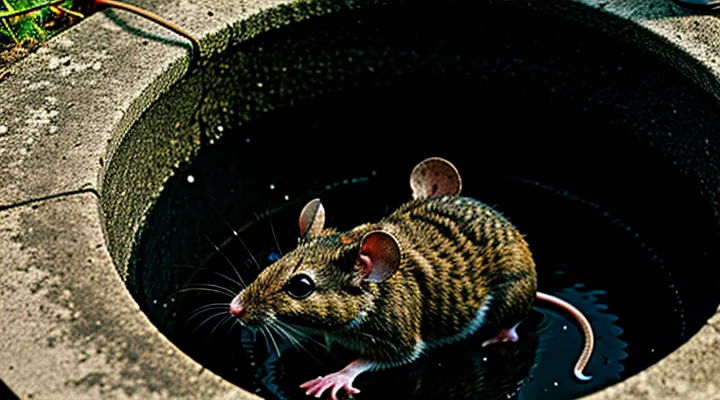
Understanding the Problem: The Dead Mouse in the Well
What Constitutes a «Well»?
Types of Water Sources
Understanding the classification of water sources is essential when evaluating contamination risks associated with a well that has yielded a dead rodent. Different source types influence water chemistry, microbial load, and the likelihood of debris entering the system.
- Groundwater – water stored in aquifers accessed by drilling; typically low in suspended solids but may contain dissolved minerals and pathogens from surrounding soils.
- Surface‑water-fed wells – wells connected to lakes, rivers, or streams; subject to seasonal fluctuations, runoff, and higher organic matter.
- Spring‑fed wells – natural discharge points where groundwater emerges at the surface; often cleaner but can be affected by surface contamination.
- Artesian wells – pressurized aquifers that force water upward without pumping; reduced exposure to surface pollutants but vulnerable to deep‑soil contaminants.
- Rainwater‑collection wells – systems that capture precipitation for infiltration; water quality depends on roof material and catchment cleanliness.
Each source presents distinct pathways for a mouse to enter the well, such as through surface runoff in surface‑water-fed systems or via burrows intersecting groundwater flows. The presence of a carcass can introduce bacterial growth, increase organic load, and accelerate biofilm formation, thereby compromising the safety of the water supply. Identifying the water source type enables targeted remediation, appropriate sealing measures, and routine monitoring to prevent future incidents.
Common Well Structures
Wells are constructed in several standard configurations, each influencing access points and internal conditions. Open wells consist of a vertical shaft without a permanent cover, relying on removable lids for protection. Lined wells feature a concrete, brick, or stone casing that stabilizes the walls and often incorporates a sealed rim. Bucket wells employ a mechanical pulley system with a detachable bucket, while driven wells use a narrow, deep bore capped by a concrete or metal collar. Artesian wells tap pressurized aquifers, typically sealed with a surface pipe and a lockable valve.
Design elements that permit animal ingress include gaps around rim seals, inadequate lid fastening, and unguarded ventilation openings. Screens or grates installed at the wellhead can block entry but may be compromised by corrosion or improper mesh size. Access hatches that lack latch mechanisms create additional pathways for rodents to fall into the shaft.
Structural deficiencies can cause a mouse to become trapped, leading to drowning or suffocation. Accumulated water in an open well provides a lethal environment, while stagnant water in lined wells may attract rodents seeking moisture, increasing the risk of entrapment. Contamination from a deceased animal can degrade water quality, posing health hazards for downstream users.
- Install reinforced, lockable lids with gasket seals.
- Fit stainless‑steel mesh screens of ≤1 cm aperture over all openings.
- Ensure rim collars are flush with the surrounding surface to eliminate gaps.
- Conduct regular inspections for corrosion, displacement, or damage to covers.
- Maintain drainage around the well to prevent water pooling at the entrance.
Identifying the «Dead Mouse»
Signs of Contamination
A deceased rodent in a water source introduces multiple contamination indicators that can be detected through visual, olfactory, and analytical observation.
Visible signs include:
- Cloudy or turbid water, indicating suspended particles.
- Discoloration ranging from brown to black, suggesting organic decay.
- Growth of biofilm or slime on well walls and surfaces.
- Presence of dead insects, fur, or other debris floating in the water.
Olfactory cues often reveal:
- A strong, putrid odor characteristic of decaying tissue.
- A sour or rancid smell that may accompany bacterial activity.
Laboratory tests can confirm hidden hazards:
- Elevated levels of ammonia, nitrogenous compounds, and phosphates.
- Increased bacterial counts, especially coliforms and E. coli.
- Detection of pathogens such as Salmonella or Leptospira that thrive on rodent carcasses.
- Presence of heavy metals or pesticides if the animal was exposed to contaminated environments.
These indicators collectively signal that the well water is compromised and unsuitable for consumption or domestic use. Immediate remediation, including removal of the carcass, thorough disinfection, and comprehensive water quality testing, is required to restore safety.
Odor Characteristics
A dead rodent lodged in a well releases a distinctive odor profile that evolves as decomposition progresses. Initial stages produce a faint, metallic scent dominated by volatile sulfur compounds such as hydrogen sulfide and methanethiol. Within 24 hours, microbial activity generates amines—putrescine and cadaverine—creating a sharp, ammonia‑like smell. As tissue breakdown continues, indole and skatole emerge, adding a fecal, sweet undertone. The odor intensifies, reaching peak offensiveness between 48 and 72 hours, then gradually declines as volatile compounds dissipate or become trapped in the well’s water column.
Key odor characteristics:
- Chemical composition – hydrogen sulfide, methanethiol, putrescine, cadaverine, indole, skatole.
- Temporal development – metallic → amine → fecal/sweet progression.
- Intensity scale – barely perceptible (0–1 h), moderate (12–24 h), strong (48–72 h), fading (>96 h).
- Detection threshold – human nose perceives hydrogen sulfide at ~0.5 ppm; putrescine and cadaverine become noticeable at ~5 ppm.
- Impact on water – soluble amines raise pH, sulfur compounds lower oxidation‑reduction potential, potentially altering taste and safety.
Monitoring these olfactory cues aids in early identification of contamination, guides remediation timing, and informs risk assessment for water users.
Visual Confirmation
Visual confirmation of a deceased rodent in a well requires direct observation of physical evidence. Inspectors should first verify the presence of a carcass by lowering a light source or camera into the shaft. Clear visibility of the body, its position, and any surrounding debris establishes the event beyond doubt.
Key visual indicators include:
- Rigid, discolored body outline consistent with post‑mortem changes.
- Absence of movement or respiratory signs.
- Accumulation of fluids or odor emanating from the site.
- Disruption of the well’s lining or blockage caused by the carcass.
Photographic documentation provides an immutable record. Capture multiple angles, focus on distinguishing features such as fur loss, discoloration, and any injuries. Annotate images with date, time, and location coordinates to maintain chain‑of‑custody integrity.
When visual confirmation is achieved, subsequent actions follow: removal of the carcass, sanitization of the well, and assessment of potential contamination pathways. The visual record also supports reporting requirements and informs mitigation strategies to prevent recurrence.
Causes of a Dead Mouse in a Well
Accidental Entry
Rodent Behavior
Rodent foraging instincts drive mice to explore narrow, moist environments when surface food sources become scarce. The scent of organic material in a well can attract a mouse, prompting it to descend despite the risk of entrapment. Once inside, the animal may lose footing on slippery walls, become unable to climb out, or suffer from hypoxia if the well lacks adequate airflow. These behavioral triggers explain how a mouse can become a fatal victim of a subterranean water source.
Consequences of a mouse death in a well extend beyond the loss of the individual. Decomposition releases nutrients that can alter the microbial composition of the water, potentially fostering bacterial growth harmful to downstream ecosystems. Predators such as owls or snakes may be drawn to the site, influencing local food‑web dynamics. Additionally, the presence of carrion can attract scavenger insects, which may serve as vectors for disease transmission to humans who rely on the well for drinking water.
Key behavioral factors contributing to the incident include:
- Strong olfactory response to organic matter
- Natural tendency to investigate confined spaces
- Limited ability to assess vertical escape routes
- Reduced visual acuity in low‑light conditions
Mitigation strategies focus on preventing access, such as installing secure covers, and monitoring water quality to detect biochemical changes resulting from carcass decomposition.
Structural Vulnerabilities of Wells
Wells that lack proper structural integrity frequently become traps for small animals, leading to incidents such as a mouse found dead at the bottom. Weaknesses arise from design, construction, and maintenance practices that compromise safety and functionality.
- Inadequate cover or grating permits entry of rodents and other fauna.
- Cracked or eroded masonry reduces wall strength, allowing collapse under weight.
- Insufficient sealing of the shaft permits water infiltration, creating slippery surfaces and hypoxic conditions.
- Unstable footing or shifting soil around the well base destabilizes the entire structure.
- Absence of escape ladders or footholds eliminates any chance of self‑rescue for trapped creatures.
Each vulnerability creates a specific hazard. An open cover enables a mouse to fall in; cracked walls may give way, crushing the animal. Water seepage lowers oxygen levels, accelerating asphyxiation. Unstable soil can trigger sudden collapse, trapping the mouse under debris. Without escape aids, even a shallow descent becomes fatal.
The structural deficiencies not only endanger wildlife but also pose health risks to humans. Decomposing bodies introduce pathogens into groundwater, while compromised walls increase the likelihood of accidental falls by people. Addressing these weaknesses through reinforced linings, secure covers, regular inspections, and emergency egress provisions reduces animal mortality and protects public health.
Well Contamination by External Factors
Nearby Debris or Waste
Nearby debris and waste directly affect the health of a well and increase the likelihood of a mouse dying inside it. Accumulated organic matter, broken containers, and litter create a habitat that attracts rodents. Once a mouse enters the well, the surrounding refuse can obstruct its escape, cause ingestion of toxic substances, or lead to suffocation.
Key ways debris contributes to the incident:
- Traps the mouse by blocking the well shaft or ladder.
- Introduces pathogens that infect the animal.
- Supplies food sources that encourage repeated entry.
- Releases chemicals (e.g., pesticides, petroleum residues) that are lethal when ingested or inhaled.
Consequences of a dead mouse in a well surrounded by waste extend beyond the carcass:
- Contamination of water with bacterial growth, parasites, and toxins.
- Rapid degradation of water quality, necessitating immediate treatment or well closure.
- Increased risk of disease transmission to humans and livestock using the water.
- Accelerated clogging of the well structure, leading to costly repairs or replacement.
Flooding and Runoff
Flooding and surface runoff can transport organic material, including deceased rodents, into shallow wells. Heavy rain increases hydrostatic pressure, forcing water through soil pores and cracks that connect the well to surrounding ground. When a mouse dies near a well, runoff can carry body fluids and tissue fragments directly into the water column, contaminating the source.
The process operates through two primary pathways. First, rapid infiltration during storm events creates a temporary hydraulic gradient that draws surface water into the well casing. Second, overflow from nearby drainage ditches can breach well caps or fill the surrounding depression, submerging the well and allowing debris to settle inside. Both mechanisms introduce nutrients and pathogens that accelerate microbial growth.
Consequences of this contamination include:
- Elevated bacterial counts, especially coliforms and Salmonella spp.
- Increased biochemical oxygen demand, leading to reduced dissolved oxygen.
- Presence of endotoxins and ammonia, which pose health risks for consumers.
- Potential for chemical reactions that produce unpleasant odors and taste defects.
Mitigation measures focus on preventing runoff entry:
- Install sealed well caps with positive pressure ventilation.
- Grade the terrain around the well to divert surface flow away from the opening.
- Construct a perimeter drainage ditch that redirects stormwater to a safe discharge point.
- Perform regular water quality testing after precipitation events to detect early signs of contamination.
Lack of Proper Well Maintenance
Infrequent Inspections
Infrequent inspections of wells allow organic material to accumulate unnoticed. When a mouse enters a well and dies, the body decomposes, releasing nutrients that promote bacterial growth. Without regular visual checks, the carcass remains submerged, creating a breeding ground for pathogens that can infiltrate the water supply.
The lack of scheduled maintenance also hinders early detection of structural damage. Cracks, blockages, and sediment buildup often accompany animal remains. When these issues go unaddressed, they increase the risk of well collapse or reduced water flow, compromising both safety and functionality.
Consequences of missed inspections include:
- Elevated levels of coliform bacteria and other contaminants.
- Increased probability of disease transmission to humans and livestock.
- Accelerated degradation of well components, leading to costly repairs or replacement.
- Diminished water quality, requiring additional treatment steps.
Implementing a routine inspection schedule mitigates these risks. Visual examinations, combined with periodic sampling, identify dead fauna and related hazards before they affect water integrity. Regular cleaning and repair actions maintain operational reliability and protect public health.
Inadequate Sealing
Inadequate sealing of a well refers to gaps, cracked covers, or improperly installed lids that fail to create a watertight barrier. Such defects provide direct access for small animals, allowing a mouse to enter the shaft and become trapped in the water column.
When a mouse gains entry through an insufficiently sealed opening, it is quickly immersed in the well water. The animal cannot escape the confined space, leading to drowning or suffocation. The body then decomposes, releasing organic material and microbial load into the water source.
Consequences of this failure include:
- Contamination of drinking water with bacterial pathogens and toxins released during decomposition.
- Increased turbidity and odor, rendering the water unsuitable for consumption without treatment.
- Potential blockage of pumps or filtration systems by tissue debris.
- Legal and regulatory repercussions for owners who fail to maintain proper well protection.
Consequences of a Dead Mouse in a Well
Health Risks and Contamination
Bacterial Contamination
A deceased rodent lodged in a water source introduces a substantial microbial load. Decomposition releases nutrients that support rapid bacterial proliferation, while the animal’s gut flora and environmental microbes infiltrate the water column.
Key bacterial groups that may emerge include:
- Enteric pathogens such as Salmonella spp. and Escherichia coli O157:H7, originating from the mouse’s intestinal tract.
- Aerobic saprophytes like Pseudomonas spp., which thrive on organic matter released during decay.
- Spore‑forming organisms such as Clostridium spp., capable of surviving adverse conditions and producing toxins.
Consequences for public health and infrastructure are direct. Consumption of contaminated water can cause gastrointestinal illness, renal complications, and, in severe cases, septicemia. Biofilm formation on well walls accelerates clogging, reduces hydraulic efficiency, and creates a reservoir for persistent contamination.
Mitigation measures involve:
- Immediate removal of the carcass and thorough flushing of the well.
- Disinfection with chlorine or alternative oxidizing agents at concentrations validated for pathogen inactivation.
- Post‑treatment testing for indicator bacteria (e.g., total coliforms, E. coli) to confirm water safety before resuming use.
Regular inspection of wells, especially in areas with rodent activity, reduces the likelihood of similar events and safeguards water quality.
Viral Risks
A deceased rodent found in a water well introduces a range of viral hazards that can affect both human health and livestock. The animal’s body may harbor pathogens that survive in moist environments, allowing viruses to persist until they encounter a susceptible host. Contact with contaminated water, inhalation of aerosolized particles, or handling of the carcass are primary routes of exposure.
Key viral agents associated with such incidents include:
- Hantavirus, transmitted through aerosolized rodent excreta and capable of causing severe respiratory illness.
- Lymphocytic choriomeningitis virus (LCMV), spread by direct contact with infected tissues or fluids, leading to neurological symptoms.
- Hepatitis E virus, which can be present in rodent feces and contaminate water supplies, resulting in acute hepatitis.
- Rabies virus, rare in rodents but possible if the animal was infected prior to death, posing a risk through bites or scratches.
Mitigation measures require immediate removal of the carcass, disinfection of the well, and testing of water for viral contaminants. Personnel handling the removal should use personal protective equipment, including gloves, masks, and eye protection, to minimize exposure. Continuous monitoring of water quality after remediation ensures that viral loads remain below detectable levels, preventing downstream infection.
Parasitic Threats
A dead rodent trapped in a well creates a breeding ground for parasites that can survive in the moist environment and spread to surrounding ecosystems. The carcass supplies nutrients for necrophagous insects, which in turn carry larvae of dipteran flies such as Calliphora and Lucilia. These larvae develop rapidly, producing adult flies capable of contaminating water supplies and nearby food stores.
Key parasitic threats include:
- Nematodes: Species such as Strongyloides can proliferate in decomposing tissue and infiltrate groundwater, posing infection risks to humans and livestock that consume the water.
- Protozoan cysts: Giardia and Cryptosporidium cysts may attach to the carcass surface, resist standard filtration, and survive in well water for extended periods.
- Maggot infestations: Adult flies emerging from the mouse deposit eggs on food preparation surfaces, leading to secondary contamination of kitchen environments.
Consequences extend beyond immediate health hazards. Parasite proliferation can degrade water quality, forcing reliance on alternative sources or costly treatment processes. Persistent contamination may reduce agricultural productivity if irrigation water becomes unsafe, and it can trigger outbreaks of gastrointestinal disease among local populations. Early removal of the carcass, thorough disinfection of the well, and regular monitoring for parasitic indicators are essential to mitigate these risks.
Water Quality Degradation
Taste and Odor Issues
A dead rodent lodged in a well introduces organic decay that contaminates the water supply with distinct sensory defects. Decomposition releases volatile compounds such as indole, skatole, and various sulfides, which impart a foul, earthy or putrid odor detectable at the tap. Simultaneously, these metabolites alter the water’s flavor profile, often producing a metallic or bitter aftertaste that persists even after filtration.
Key mechanisms behind taste and odor deterioration include:
- Microbial activity – bacteria and fungi proliferate on the carcass, producing metabolic by‑products that dissolve into the water.
- Chemical leaching – breakdown of tissue releases nitrogen‑containing compounds and organic acids that interact with mineral content, changing perceived taste.
- Aerobic vs. anaerobic processes – oxygen‑rich zones generate different odorants (e.g., ammonia) than oxygen‑depleted zones (e.g., hydrogen sulfide), both contributing to a complex sensory signature.
Remediation requires removal of the source, thorough well cleaning, and disinfection. Post‑cleaning water testing should confirm the absence of odor‑causing compounds and verify that taste thresholds meet regulatory standards. Continuous monitoring prevents recurrence by detecting early signs of organic intrusion.
Turbidity Changes
The presence of a dead mouse in a well introduces organic material that rapidly decomposes, altering the water’s turbidity. Decomposition releases proteins, fats, and cellular debris, which disperse as suspended particles. These particles increase light scattering, causing the water to appear cloudier and reducing its transparency.
Key effects of elevated turbidity include:
- Decreased penetration of sunlight, limiting photosynthetic activity of aquatic microbes.
- Impaired performance of mechanical filtration systems, which rely on clear water to operate efficiently.
- Elevated risk of pathogen proliferation, as reduced light and oxygen levels favor anaerobic bacteria.
- Potential for clogging of well casings and pumps, leading to increased maintenance demands.
Long‑term consequences may involve the accumulation of fine sediments on the well’s bottom, creating a persistent source of turbidity even after the carcass has decomposed. Continuous monitoring of turbidity levels is essential to detect such changes promptly and to implement corrective actions, such as filtration upgrades or periodic well cleaning.
Chemical Alterations
The death of a rodent in a water well initiates a series of chemical transformations that affect water quality and ecosystem health. Decomposition releases organic matter, which fuels microbial metabolism and alters the chemical composition of the well water.
Key chemical alterations include:
- Increased biochemical oxygen demand (BOD): Decomposing tissue consumes dissolved oxygen, lowering the oxygen available for aquatic organisms.
- Elevated ammonia and nitrate levels: Protein breakdown produces ammonia, which is subsequently oxidized to nitrite and nitrate through nitrification.
- Formation of volatile fatty acids: Fermentation processes generate short‑chain fatty acids that can depress pH and contribute to foul odor.
- Release of heavy metals: Tissue and bone may leach trace metals such as lead, cadmium, or mercury, contaminating the water supply.
- Production of sulfide compounds: Anaerobic bacteria reduce sulfates to hydrogen sulfide, imparting a characteristic rotten‑egg smell and increasing toxicity.
- Rise in microbial pathogens: Nutrient enrichment supports growth of bacteria like Escherichia coli and Salmonella, raising health risks for consumers.
These chemical shifts can persist until the organic load is removed or diluted, emphasizing the need for prompt well decontamination and water testing after such incidents.
Impact on Well Infrastructure
Biofilm Formation
Biofilm formation is a microbial process in which cells adhere to a surface, produce extracellular polymeric substances, and develop a structured community resistant to environmental stress.
When a rodent carcass remains in a well, the decaying tissue releases organic compounds, creating a nutrient-rich layer on the animal’s skin and on the well’s interior surfaces. These conditions favor rapid colonization by bacteria, fungi, and protozoa, initiating biofilm development directly on the dead tissue and on the surrounding substrate.
Key factors that drive biofilm establishment in this scenario include:
- Availability of carbon and nitrogen from decomposing proteins and lipids.
- Presence of micro‑aerobic zones within the well cavity.
- Introduction of environmental microbes via rainwater or groundwater flow.
- Stable temperature range typical of subterranean water sources.
Consequences of biofilm growth around the carcass are:
- Elevated microbial load in the water supply, increasing risk of gastrointestinal infection.
- Production of volatile organic compounds that cause odor and taste defects.
- Formation of a physical matrix that narrows the well conduit, reducing flow rate.
- Protection of pathogenic species from routine chlorination, extending their survival time.
Effective control requires immediate removal of the carcass, thorough mechanical scrubbing of the well walls, and application of a high‑dose disinfectant followed by verification of residual microbial counts. Regular monitoring of water quality parameters, such as heterotrophic plate counts and specific pathogen assays, ensures early detection of biofilm re‑establishment.
Potential for Blockages
A dead rodent lodged in a well can create a physical obstruction that restricts water movement. The body’s size may block the well’s intake or outlet, especially in narrow shafts, leading to a measurable drop in flow rate.
- Decomposition releases organic matter that settles and forms a clog‑forming layer.
- Bacterial activity on the carcass generates biofilm, which adheres to pipe walls and narrows the conduit.
- Accumulated sludge from tissue breakdown mixes with existing sediments, producing a dense mass that resists flushing.
Reduced flow compromises water availability and can force operators to increase pumping pressure, accelerating wear on equipment. Contaminants from the decaying tissue may leach into the water column, elevating microbial counts and posing health risks to downstream users.
Effective response includes immediate extraction of the carcass, thorough flushing of the well, and application of enzymatic cleaners to dissolve residual organic deposits. Regular inspection of well interiors and installation of protective screens can prevent future blockages caused by similar incidents.
Psychological and Financial Implications
Distrust in Water Source
The discovery of a deceased rodent in a well immediately raises questions about the integrity of the water supply. Residents associate the presence of animal carcasses with potential microbial contamination, chemical leaching, and systemic neglect of maintenance protocols.
Factors that generate mistrust include:
- Visible evidence of decay within the source.
- Historical records of water‑related health incidents in the area.
- Absence of recent water‑quality testing reports.
- Perceived failure of local authorities to enforce sanitation standards.
Consequences of diminished confidence are observable:
- Decline in household consumption of well water.
- Shift toward purchased bottled water or alternative sources.
- Increased incidence of gastrointestinal illnesses if contaminated water is consumed.
- Economic strain on communities reliant on the well for irrigation or livestock.
- Erosion of public confidence in regulatory bodies responsible for water safety.
Effective mitigation requires:
- Immediate, comprehensive laboratory analysis of the water.
- Public disclosure of test results and identified risks.
- Installation of filtration or disinfection systems where contamination is confirmed.
- Regular monitoring schedule communicated to the community.
- Accountability measures for maintenance personnel and oversight agencies.
Cost of Remediation
The presence of a deceased rodent in a water well triggers a series of remediation actions that generate measurable expenses. Immediate costs include labor for certified technicians, specialized equipment for safe extraction, and proper disposal of biological waste in compliance with health regulations. Additional expenditures arise from disinfecting the well, testing water quality, and restoring the system to operational standards.
- Labor: hourly rates for qualified personnel, overtime if urgent.
- Equipment: retrieval tools, protective gear, portable pumps.
- Waste management: biohazard containers, transport to licensed facilities.
- Water treatment: chemical disinfectants, filtration media, laboratory analysis.
- Service downtime: loss of water supply, temporary alternative sourcing, client compensation.
- Regulatory compliance: permits, inspection fees, potential fines for non‑conformance.
Total remediation budgets vary with well depth, accessibility, and local regulatory requirements, but a comprehensive cost estimate must incorporate both direct outlays and indirect financial impacts to ensure full recovery of water safety.
Mitigation and Prevention Strategies
Immediate Remediation Steps
Safe Removal Procedures
When a deceased rodent is discovered in a water well, immediate action must prevent contamination, protect personnel, and comply with health regulations. The following procedure outlines the essential steps for safe extraction and post‑removal sanitation.
- Secure the area: Post warning signs, restrict access, and ensure only trained staff enter the vicinity.
- Equip personnel: Provide disposable gloves, waterproof aprons, face shields, and respirators rated for particulate matter.
- De‑energize utilities: Turn off any electrical equipment associated with the well to eliminate shock hazards.
- Prepare removal tools: Use a long‑handled net or stainless‑steel grab bucket attached to a rope, avoiding direct contact with the carcass.
- Extract the carcass: Lower the net or bucket into the well, capture the mouse, and lift it slowly to prevent splashing.
- Contain the specimen: Place the mouse in a sealed biohazard bag, label with date and location, and store in a designated disposal container.
- Disinfect the well: Apply an EPA‑approved disinfectant, circulate for the manufacturer‑specified contact time, then flush the system with clean water.
- Verify cleanliness: Collect water samples from the well, test for bacterial indicators, and confirm results meet local drinking‑water standards before resuming use.
- Document the incident: Record all actions, personnel involved, chemicals used, and test outcomes in a compliance log.
Adhering to this protocol minimizes health risks, preserves water quality, and satisfies regulatory requirements for hazardous waste handling.
Disinfection Techniques
A deceased rodent discovered in a water well introduces organic material and pathogenic microorganisms that can compromise potable water quality. Immediate removal of the carcass, followed by thorough cleaning and disinfection, prevents the proliferation of disease‑causing agents such as Leptospira, Salmonella and hantavirus.
Disinfection aims to reduce microbial load to safe levels, inactivate resistant spores, and eliminate odors that may attract further contamination. Selection of a method depends on well construction, available resources and the spectrum of organisms present.
- Chlorination: Apply sodium hypochlorite or calcium hypochlorite at a concentration of 50 mg/L free chlorine, maintain contact time of at least 30 minutes, then flush the system.
- Iodine solution: Use a 2‑5 % iodine preparation for small, shallow wells; ensure a minimum contact period of 20 minutes.
- Quaternary ammonium compounds: Suitable for metal‑cased wells; apply according to manufacturer’s dosage, allowing 15‑20 minutes of exposure.
- UV irradiation: Install a UV reactor at the well outlet; deliver a dose of ≥40 mJ/cm² to achieve >99.9 % viral inactivation.
- Heat treatment: Pump water through a heat exchanger to reach 70 °C for 10 minutes; effective against most bacteria and viruses.
- Enzymatic cleaners: Deploy proteolytic enzymes to degrade organic residues before chemical disinfection, enhancing overall efficacy.
Implementation sequence:
- Extract the dead animal and all visible debris.
- Rinse the well with clean water to remove loose material.
- Apply an enzymatic cleaner, circulate for 10 minutes, then drain.
- Introduce the chosen disinfectant, ensure full coverage, and observe the prescribed contact time.
- Flush the well repeatedly with safe water until disinfectant residual falls below regulatory limits.
- Collect water samples for microbiological testing; confirm compliance before resuming consumption.
Failure to execute these steps can lead to persistent bacterial contamination, biofilm formation, and elevated levels of toxins, ultimately jeopardizing public health and necessitating costly remediation. Proper disinfection restores water safety and prevents recurrence of microbial hazards.
Water Testing Protocols
When a rodent carcass is discovered in a water well, immediate verification of water quality protects public health and informs remediation decisions. The verification process follows a structured protocol that isolates biological hazards, chemical contaminants, and physical integrity concerns.
- Collect a representative water sample from the well’s deepest point using a sterile, autoclavable container.
- Preserve the sample on ice and transport it to the laboratory within four hours.
- Perform a microbiological analysis that includes total coliforms, Escherichia coli, and specific pathogens associated with rodent decomposition (e.g., Salmonella spp., Leptospira).
- Conduct chemical testing for ammonia, nitrogenous waste, and organic acids that may leach from the carcass.
- Measure turbidity, pH, and conductivity to detect changes in physical parameters.
- Document the well’s construction details, depth, and pumping history to assess potential contamination pathways.
Interpretation of results follows regulatory thresholds. If coliform counts exceed the permissible limit, the water supply must be withdrawn pending disinfection. Elevated ammonia or nitrogen levels indicate ongoing decomposition, requiring flushing and possibly installation of a filtration barrier. Significant deviations in turbidity or pH suggest sediment disturbance or chemical alteration, prompting a thorough well inspection.
Consequences of untreated contamination include gastrointestinal illness, renal stress, and long‑term exposure to bio‑chemical agents. Remediation strategies involve:
- Shock chlorination or ultraviolet treatment to eradicate microbial threats.
- Mechanical removal of debris and thorough cleaning of the well casing.
- Re‑testing after remediation to verify compliance before resuming use.
Adhering to the outlined protocol ensures rapid identification of hazards, minimizes health risks, and supports evidence‑based decisions regarding well rehabilitation or closure.
Long-Term Prevention Measures
Well Sealing and Capping
Well sealing and capping involve covering an open or compromised well to prevent external intrusion, limit contamination, and maintain structural integrity. After a rodent carcass is discovered in a well, immediate sealing stops further entry of animals, debris, and pollutants, reducing health risks for downstream users.
Effective sealing options include:
- Rigid caps made of metal or high‑density polymer, fitted with a locking mechanism.
- Concrete or cement plugs poured into the well shaft, shaped to match the opening.
- Bentonite or polymeric sealants applied as a flexible barrier, suitable for irregular apertures.
- Combination systems that pair a mechanical cap with a sealant layer for redundancy.
Failure to apply a proper seal can lead to waterborne pathogen transmission, accelerated erosion of the well walls, and increased likelihood of accidental falls. Unsealed wells also allow rainwater infiltration, diluting stored water and potentially introducing surface contaminants.
Standard procedure for sealing a well after a dead mouse is found:
- Remove the carcass and any debris, then disinfect the interior with an approved biocide.
- Inspect the well for cracks, corrosion, or structural damage.
- Select a sealing method compatible with the well’s material and depth.
- Install the chosen cap or plug, ensuring a watertight fit.
- Conduct a pressure or visual test to confirm the seal’s integrity before returning the well to service.
Regular Inspections and Maintenance
Regular inspections of wells prevent the accumulation of dead rodents and the hazards they create. A systematic schedule reduces the risk of contamination, blockages, and structural damage caused by decomposition. Inspectors should verify that access points remain sealed, that water quality meets safety standards, and that any signs of animal intrusion are promptly addressed.
Key maintenance actions include:
- Visual examination of the well interior for debris, carcasses, or nesting material.
- Testing water for bacterial growth, odor, and discoloration.
- Checking and repairing covers, grates, and vent openings to deny entry.
- Cleaning and disinfecting the well wall and floor after any detection of dead animals.
- Documenting findings, corrective measures, and dates for future reference.
Consistent application of these procedures eliminates the root causes of rodent mortality in wells and safeguards downstream users from health and operational consequences.
Pest Control Around Wells
Pest control around wells is essential for preventing rodent intrusion that can lead to mortality and water contamination. Rodents are attracted to wells by moisture, shelter, and food residues. Once inside, they can drown, die, and decompose, releasing pathogens and attracting insects.
Effective measures include:
- Sealing all above‑ground openings with metal or concrete caps that fit tightly.
- Installing a wellhead cover equipped with a lockable latch to restrict unauthorized access.
- Applying rodent‑resistant barriers, such as stainless‑steel mesh, around the well casing.
- Conducting regular inspections to detect signs of gnawing, droppings, or burrows.
- Removing organic debris, spilled feed, and standing water within a 10‑meter radius.
- Using environmentally approved bait stations or traps placed outside the well perimeter, never inside the water column.
- Scheduling professional decontamination after any rodent death to eliminate bacterial growth and prevent secondary infestations.
Monitoring should be documented weekly, noting any breach, repair action, and pest activity level. Prompt remediation of identified vulnerabilities reduces the likelihood of dead rodents appearing in wells and safeguards water quality for downstream users.
Community and Public Health Considerations
Educating Well Owners
Well owners must understand how rodent mortality within their water sources occurs and what it implies for water safety. A mouse may fall into a well because of inadequate cover, attractive food residues, or structural gaps that allow entry. Once trapped, the animal can decompose, releasing pathogens, nutrients, and organic matter that degrade water quality and create breeding grounds for bacteria and insects.
Educating owners involves conveying three critical messages:
- Identify and seal entry points: install well caps, mesh screens, and repair cracks to prevent intrusion.
- Maintain cleanliness: remove debris, eliminate food sources near the well, and keep the surrounding area tidy.
- Implement monitoring and response: conduct regular visual inspections, test water for contamination after any incident, and follow decontamination protocols promptly.
By applying these practices, owners reduce the likelihood of rodent deaths, protect public health, and preserve the integrity of their water supply.
Regulatory Guidelines
The discovery of a deceased rodent in a water well triggers specific regulatory actions aimed at protecting public health and preserving water quality. Authorities require immediate assessment, removal, and remediation to prevent microbial contamination and chemical hazards.
- Conduct a visual inspection and laboratory analysis of well water within 24 hours of detection.
- Remove the carcass using personal protective equipment and approved disposal methods.
- Perform a thorough disinfection cycle, typically involving chlorination at concentrations prescribed by local health codes.
- Document all actions, including timestamps, personnel involved, and test results, and submit the report to the governing health agency within the mandated timeframe.
- Schedule a follow‑up inspection to confirm the absence of residual pathogens and verify compliance with water quality standards.
Well owners and operators bear primary responsibility for initiating the response, maintaining records, and ensuring that contracted service providers adhere to the stipulated procedures. Health departments monitor compliance through periodic audits and may require additional corrective measures if initial remediation proves insufficient.
Failure to meet these obligations can result in elevated levels of bacteria such as E. coli or Salmonella, leading to waterborne illness outbreaks. Legal repercussions include fines, suspension of water service licenses, and liability for medical expenses incurred by affected individuals.
Adhering to the outlined guidelines mitigates risk, sustains safe drinking water supplies, and aligns operations with statutory health and environmental regulations.
Case Studies and Historical Context
Documented Incidents
Lessons Learned from Past Events
The discovery of a deceased rodent within a water well has repeatedly highlighted gaps in infrastructure monitoring, contamination control, and community response. Historical cases reveal that inadequate sealing of wellheads permits entry of wildlife, while insufficient regular inspections allow decomposition to go unnoticed, creating health hazards and eroding public confidence.
Key observations from previous incidents include:
- Well integrity – compromised caps and cracked casing provide direct access points for animals. Reinforcing these structures eliminates the primary entry route.
- Inspection frequency – annual checks miss seasonal variations in wildlife activity. Implementing quarterly visual and microbial assessments captures early signs of intrusion.
- Rapid reporting mechanisms – delayed notification of contamination prolongs exposure. Establishing a dedicated hotline and integrating it with local health agencies accelerates containment.
- Community education – residents often lack awareness of signs indicating well compromise. Targeted outreach programs reduce the chance of prolonged exposure to pathogens.
Applying these lessons to current water‑supply management reduces the likelihood of similar events, safeguards water quality, and maintains trust in public utilities. Continuous improvement cycles, grounded in documented failures, ensure that preventative measures evolve alongside emerging risks.
Evolution of Well Safety Practices
Historical Responses to Contamination
The discovery of a deceased rodent in a communal well historically triggered a series of reactive measures aimed at protecting public health and preserving social order. Early societies treated such contamination as a spiritual impurity; ritual purification, sacrificial offerings, and priestly declarations were employed to cleanse the water source and appease deities believed to govern water safety. In ancient Mesopotamia, clay tablets record that temple officials ordered the sealing of the well, the removal of the animal, and the performance of libations to restore divine favor.
During the medieval period, municipal authorities combined religious rites with pragmatic actions. Records from English towns describe the appointment of a “waterwarden” who oversaw the extraction of the carcass, the dumping of contaminated water downstream, and the temporary prohibition of well usage. Legal codes mandated fines for individuals who introduced filth into public wells, reflecting an emerging sense of collective responsibility.
The Renaissance and early modern era introduced systematic sanitation practices. Italian city‑states instituted compulsory well inspections; officials documented findings in ledgers, ordered the boiling of water, and required the replacement of well linings when contamination was confirmed. These policies reduced the incidence of waterborne illnesses such as dysentery and plague, demonstrating a correlation between contamination response and mortality rates.
The 19th‑century public‑health movement formalized contamination control. Legislation mandated the removal of animal remains, the disinfection of wells with chlorine solutions, and the construction of protective wellheads. Municipal health boards conducted periodic sampling, recorded bacterial counts, and issued public notices when thresholds were exceeded. These interventions curtailed outbreaks of cholera and typhoid linked to compromised water sources.
Key historical responses can be summarized as follows:
- Ritual purification and sacrificial offerings (ancient societies)
- Authority‑driven removal and temporary suspension of well use (medieval towns)
- Mandatory inspections, infrastructure upgrades, and fines (Renaissance city‑states)
- Scientific disinfection, sampling, and regulatory oversight (19th‑century public health)
Each response reflects the prevailing understanding of contamination risk and the available means of mitigation, illustrating an evolution from supernatural interpretation to empirical public‑health practice.