
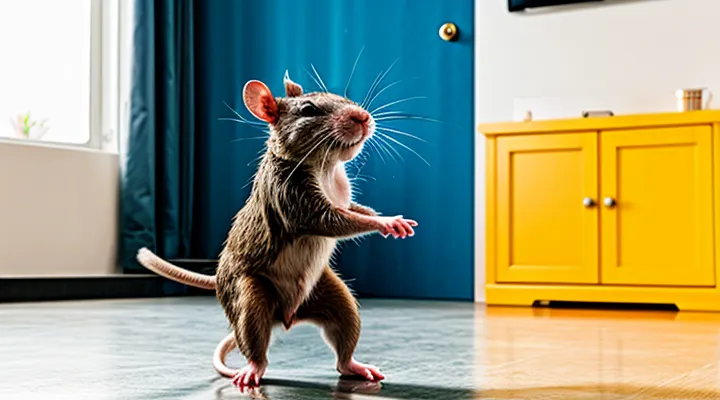
Understanding Your Rat and Building Trust
Rat Behavior and Intelligence
Rats exhibit strong social learning abilities, allowing them to acquire new actions by observing conspecifics. Their natural propensity for exploration accelerates the acquisition of patterned movements required for choreographed routines. Sensory processing in rodents emphasizes tactile and olfactory cues; integrating these stimuli with auditory signals enhances cue discrimination during training sessions.
Motivation drives performance. Food rewards, particularly high‑value pellets, trigger dopaminergic pathways linked to reinforcement learning. Consistent reward timing strengthens the association between a target behavior and its consequence, reducing latency to execute the desired trick. Gradual shaping—rewarding successive approximations—converts complex sequences into manageable steps.
Memory consolidation in rats relies on hippocampal activity. Repetition across short intervals promotes long‑term potentiation, embedding motor patterns into procedural memory. Limiting session length to 5–10 minutes prevents fatigue, preserving neural plasticity and ensuring retention of learned sequences.
Key behavioral traits supporting trick training:
- Curiosity – rapid investigation of novel objects facilitates exposure to training apparatus.
- Patience – ability to remain motionless while awaiting cues reduces premature actions.
- Social affinity – propensity to follow demonstrator rats enables group‑based learning models.
Establishing a Bond
Handling Techniques
Effective handling forms the foundation for teaching a rat to perform simple tricks. Secure grip, calm movement, and consistent positioning reduce stress and increase responsiveness. Begin each session by establishing a gentle handhold: palm open, fingers supporting the torso, thumb under the chest. Maintain the animal’s head level with the handler’s hand to prevent disorientation.
Progress to guiding the rat through basic motions. Use the following sequence:
1. Position the rat on a low platform; apply light pressure on the shoulders to encourage forward steps. 2. Introduce a cue word or sound while gently nudging the hindquarters to initiate a hop. 3. Reward immediately with a treat held in the opposite hand, reinforcing the connection between cue and action.
Maintain a neutral environment: low noise, stable lighting, and minimal distractions. Rotate the handling side after each successful attempt to develop bilateral coordination. Conclude each training block with a brief, calm release, allowing the rat to relax before returning to its enclosure.
Positive Reinforcement Basics
Positive reinforcement involves delivering a desirable stimulus immediately after a behavior to increase the likelihood of its recurrence. In rat training, a small food treat or gentle petting serves as the reward. Timing is critical; the reward must follow the action within a few seconds to create a clear association. Consistency during initial sessions establishes the connection between the trick and the incentive.
Effective application follows these steps:
- Identify a specific behavior, such as a brief hop or a turn.
- Choose a high‑value reward that the rat readily accepts.
- Present the reward the moment the behavior occurs, using a clear cue (e.g., a click or verbal marker) to signal success.
- Repeat the sequence until the rat performs the action reliably upon hearing the cue alone.
- Gradually shift to a variable‑ratio schedule, rewarding the behavior intermittently to maintain motivation.
Monitoring the rat’s response prevents overfeeding and ensures the reinforcement remains appealing. Adjusting reward type or size addresses habituation, keeping the training process efficient and enjoyable for the animal. «Positive reinforcement» thus provides a scientifically grounded framework for teaching simple tricks to small rodents.
Preparing for Training
Essential Equipment
Training Area Setup
A well‑defined training environment maximises safety and clarity for both the animal and the handler. Begin with a flat, non‑slippery surface such as a rubber mat or low‑pile carpet; this prevents accidental slips while providing a comfortable footing. Position the mat in a quiet corner of the room, away from high‑traffic zones and loud appliances, to minimise external distractions.
Essential equipment includes:
- Small, lightweight obstacles (e.g., low ramps, tunnels) that can be rearranged easily.
- Clicker or auditory cue device, calibrated to a consistent volume.
- Treat dispensers placed within arm’s reach to reinforce desired behaviours promptly.
- Visual markers (e.g., colored tape) delineating start and finish zones, aiding spatial orientation.
Lighting should be even and soft, avoiding harsh shadows that could confuse the rat’s perception. Maintain a temperature range of 20‑24 °C, ensuring the animal remains comfortable throughout short training bouts. Regularly inspect the area for loose items or debris that could pose hazards, and replace worn components to preserve a reliable setup.
Treat Selection
Selecting appropriate rewards is critical for shaping a rat’s behavior during trick training. Effective treats must balance palatability, nutritional value, and practicality. High‑value items such as small pieces of cooked egg, cheese, or fruit should be reserved for new or difficult behaviors, while low‑value snacks like dry cereal or plain kibble work well for reinforcing already mastered actions. Consistency in size prevents accidental overeating and maintains clear signal strength.
Key considerations for treat selection:
- Taste appeal – Strong flavor encourages rapid consumption, reinforcing the desired response.
- Texture – Soft, easily chewable pieces reduce handling time and keep the animal focused.
- Health impact – Low‑fat, low‑sugar options minimize weight gain and support long‑term wellbeing.
- Portion control – Pieces no larger than a pea ensure uniform delivery and prevent distraction.
- Availability – Ingredients that are inexpensive and readily stocked reduce training interruptions.
Implementing a structured reward system, where high‑value treats mark successful completion of a new trick and lower‑value treats reinforce repetition, accelerates learning and maintains motivation throughout the training program.
Health and Safety Considerations
Recognizing Stress Signals
Training a rat to perform basic tricks demands constant observation of the animal’s emotional state. Recognizing stress signals prevents counter‑productive outcomes and supports steady progress.
Typical stress indicators include:
- Pupil dilation and rapid breathing;
- Freezing or sudden immobility;
- Excessive self‑grooming or scratching;
- Aggressive postures such as lunging or teeth baring;
- High‑pitched squeaks or vocalizations.
When any of these signs appear, the trainer should pause the session, assess the environment, and modify the approach. Early detection allows a quick return to a calm state, preserving the animal’s willingness to cooperate.
Effective measures:
- Keep training intervals short, no longer than five minutes, followed by a rest period;
- Maintain a quiet, low‑light setting to reduce external stimuli;
- Use high‑value food rewards delivered promptly after successful attempts;
- Gradually increase difficulty, ensuring each new element is mastered before proceeding;
- Record observations after each session to track patterns and adjust the schedule accordingly.
Consistent monitoring of «stress signals» creates a reliable feedback loop, enabling the trainer to refine techniques while safeguarding the rat’s welfare.
Maintaining a Clean Environment
A clean training area directly influences the success of teaching a rat to perform simple tricks. Dirt and debris distract the animal, interfere with grip on obstacles, and increase the likelihood of respiratory problems.
Key actions for maintaining hygiene:
- Remove food scraps and droppings after each session; store leftovers in sealed containers.
- Disinfect cages, platforms, and props with a solution safe for rodents; rinse thoroughly before reuse.
- Sweep or vacuum the floor surrounding the training space daily; mop with a mild, non‑toxic cleaner weekly.
- Ensure adequate ventilation; replace filters in air‑circulation devices every two weeks.
- Rotate bedding material regularly; discard soiled layers and replace with fresh, absorbent substrate.
Consistent sanitation prolongs the lifespan of equipment, supports the rat’s health, and creates a predictable environment that encourages focus on learned movements. Cleanliness also simplifies observation of the animal’s progress, as fewer variables obscure performance assessment.
Teaching Basic Tricks
«Spin» Trick
Luring Technique
The «Luring Technique» is a foundational method for guiding a rat to perform basic dance movements. It relies on the strategic placement of a preferred stimulus to direct the animal’s attention and motivate specific actions.
Key components of the technique include:
- Selection of a high‑value food item that the rat readily pursues.
- Placement of the stimulus just beyond the target position, encouraging the rat to move forward to reach it.
- Gradual reduction of the distance between the stimulus and the desired final pose, reinforcing the intended movement.
- Consistent timing of the lure’s presentation to create a predictable pattern that the rat can anticipate.
Effective implementation requires monitoring the rat’s response to adjust stimulus intensity and distance. Over‑reliance on the lure can diminish spontaneous performance, so periodic removal of the stimulus helps solidify the learned trick.
Adding a Cue
When a rat learns a new trick, a clear cue links the behavior to the desired outcome. The cue must be distinct, consistent, and easily perceivable by the animal. Choose a simple sound, word, or hand signal that does not overlap with everyday noises in the training environment. Apply the cue immediately before the expected action, and repeat the same cue each session to reinforce the association.
Steps for integrating a cue:
- Identify a brief, unique signal (e.g., a short click, a tap, or a specific word).
- Introduce the signal while the rat is already performing the target behavior, pairing them in a single, uninterrupted sequence.
- Reward the rat instantly after the behavior, ensuring the reward follows the cue‑behavior pair.
- Gradually fade any supplemental prompts, leaving only the cue to elicit the action.
- Test the cue in varied contexts to confirm reliability, adjusting volume or intensity if the rat shows hesitation.
Consistent use of the chosen cue accelerates learning, allowing the rat to perform the trick on command without additional guidance. Proper timing and immediate reinforcement are essential for establishing a robust cue‑behavior connection.
«Come» Trick
Call and Reward
The call‑and‑reward method links a distinct auditory cue with an immediate positive reinforcement, creating a clear association that guides the rat toward the desired behavior. Consistency in the cue’s tone, volume, and timing ensures the animal recognizes the signal without ambiguity.
Effective application requires precise timing: the reward must follow the cue within a fraction of a second after the rat initiates the target action. Delayed reinforcement weakens the connection, causing confusion and slower learning progress.
Practical steps for implementation:
- Choose a short, sharp word or sound that is easy to reproduce, such as «click».
- Pair the cue with a high‑value treat (e.g., a small piece of peanut butter) the moment the rat performs the intended movement.
- Repeat the sequence in brief sessions, limiting each to five minutes to maintain focus.
- Gradually increase the interval between cue and reward only after the rat consistently responds within the initial timeframe.
Additional recommendations:
- Maintain a quiet environment to prevent external noises from masking the cue.
- Rotate treat flavors periodically to preserve motivation.
- Record progress with simple notes, noting successful cue‑reward pairings and any deviations.
By adhering to these principles, trainers establish a reliable communication channel that accelerates the acquisition of simple tricks in a dancing rat.
Increasing Distance
In rat dance training, the ability to expand the spatial gap between performer and cue directly influences trick complexity. Larger gaps encourage the animal to develop stronger propulsion, refined timing, and heightened focus.
Key factors that benefit from «Increasing Distance» include:
- Enhanced muscle engagement, resulting in higher jumps and longer strides.
- Improved precision in cue recognition, as the rat learns to respond from farther positions.
- Greater endurance, because repeated execution at extended ranges builds stamina.
Practical steps to implement distance growth:
- Begin with a baseline gap of 10 cm, rewarding successful cue response.
- Increment the separation by 5 cm after each set of five correct repetitions.
- Maintain consistent reward timing to reinforce the association between cue and action.
- Monitor the rat’s posture; adjust the gap if signs of strain appear.
- Once a 30 cm distance is achieved without loss of accuracy, introduce directional variations to further challenge spatial awareness.
Consistent application of these methods yields measurable improvements in the rat’s ability to perform extended‑range tricks, thereby expanding the repertoire of the dance routine.
«Jump» Trick
Low Obstacle Introduction
Introducing a low obstacle is a fundamental step when training a rat to perform dance‑related tricks. Begin with a platform no higher than two centimeters; the height should allow the animal to step onto it without hesitation. Position the obstacle on a familiar training surface to reduce anxiety and ensure consistent footing.
The training sequence proceeds as follows:
- Place a treat just beyond the obstacle’s edge. Encourage the rat to approach the treat, prompting a natural step onto the platform.
- Once the rat steps up, immediately reward with the treat and a brief verbal cue such as «good». Repeat until the animal reliably steps onto the obstacle without the lure.
- Gradually increase the distance between the starting point and the obstacle, maintaining the same reward pattern. This builds confidence in crossing a gap.
- Add a simple dance cue—e.g., a hand motion or a click sound—simultaneously with the step onto the platform. Pair the cue with the reward to associate the obstacle with the dance element.
- After consistent performance, vary the obstacle’s orientation (rotate 90°, tilt slightly) while preserving the low height. Continue rewarding successful attempts to reinforce adaptability.
Key considerations:
- Ensure the obstacle’s surface is non‑slippery; a textured mat or rubber pad prevents slips.
- Monitor the rat’s posture; a balanced stance indicates comfort with the height.
- Keep training sessions brief (5–7 minutes) to maintain focus and avoid fatigue.
By following this structured approach, the rat learns to incorporate low obstacles seamlessly into its repertoire of dance tricks, laying the groundwork for more complex maneuvers.
Gradual Height Increase
Gradual height increase is essential when training a rat to perform elevated dance moves. Incremental elevation prevents stress, encourages confidence, and builds muscular strength required for controlled jumps.
The process relies on three principles: consistent progression, precise measurement, and immediate reinforcement. Each principle supports safe skill acquisition without overwhelming the animal.
- Set an initial platform height that allows the rat to step onto it without hesitation.
- Increase the platform by no more than 2 cm after the rat reliably lands on the current level in three consecutive sessions.
- Maintain the same number of repetitions per session while monitoring the rat’s posture and balance.
- Record each height change in a log to track progress and identify plateaus.
- If the rat hesitates or exhibits signs of fatigue, revert to the previous height and repeat until confidence returns.
Safety measures include securing the platform to prevent slipping, providing a soft landing surface, and limiting training sessions to ten minutes to avoid exhaustion. Continuous observation ensures that the gradual increase remains within the rat’s physical capabilities.
Advanced Tricks and Troubleshooting
Combining Tricks
Sequencing Commands
Effective training of a rodent to perform basic dance movements relies on precise «Sequencing Commands». Each command must follow a logical order that the animal can perceive and repeat.
The typical sequence includes:
1. Capture attention with a distinct sound or hand signal.
2. Introduce the first movement, such as a forward hop, paired with a verbal cue.
3. Reward immediately after successful execution to reinforce the association.
4. Add a second cue that builds on the first, for example a turn after the hop.
5. Combine the cues into a short chain, ensuring the rat performs the actions in the intended order.
6. Gradually increase the length of the chain, maintaining consistent timing between cues.
Consistency of timing and tone prevents confusion. Use the same signal for each command throughout a training session. Record the interval between cues; a gap of 1–2 seconds typically yields reliable performance. Adjust the interval only after the animal demonstrates mastery of the current chain length.
Monitoring progress involves noting the rat’s response accuracy for each command in the sequence. When errors appear, revert to the previous stable chain and reinforce before extending again. This systematic approach maximizes the efficiency of teaching simple tricks to a dancing rat.
Creating a Routine
Creating an effective training routine for a rat that performs simple dance tricks requires clear objectives, consistent timing, and systematic reinforcement. Begin by specifying the exact movement or sequence the animal must learn, then decompose the behavior into manageable components. Assign a fixed duration for each session, ensuring the interval between repetitions allows the rat to rest without losing focus. Use a distinct cue—such as a click or a short phrase—to signal the start of each practice block, and maintain the same cue throughout the training period.
- Define the target trick and write it in concise terms.
- Split the trick into micro‑steps (e.g., lift front paw, turn, hop).
- Allocate a 5‑minute slot per session, three times daily.
- Introduce a consistent cue before each micro‑step.
- Reward immediately after successful execution, using a small food piece.
- Record performance after each session to track progress and adjust timing.
Consistency in cue usage, session length, and reward timing builds a predictable environment that accelerates learning and solidifies the routine. Regular review of recorded data guides incremental adjustments, ensuring the rat masters each element before advancing to the next.«»
Common Training Challenges
Lack of Motivation
Lack of motivation hinders the acquisition of basic tricks by a dancing rodent, reducing training efficiency and prolonging learning cycles.
Typical indicators include reduced attempt frequency, prolonged inactivity between cues, and failure to respond to reward signals.
Effective measures to restore engagement:
- Adjust reward timing to occur immediately after correct performance, strengthening the behavior‑reinforcement link.
- Incorporate varied stimuli (different textures, scents, or sounds) to prevent habituation and sustain interest.
- Shorten session length to five‑minute intervals, preventing fatigue and maintaining high arousal levels.
- Rotate trick repertoire, introducing novel movements while retaining core steps, to challenge the animal cognitively.
- Monitor health parameters; discomfort or illness often masquerades as motivational deficit.
Consistent application of these adjustments restores drive, enabling rapid progression through simple trick sequences.
Distractions and Focus
Effective training of a rat to perform basic tricks hinges on managing environmental stimuli. When a rat’s attention is divided, learning speed declines and errors increase. The following points outline how to minimize distractions and reinforce focus:
- Conduct sessions in a quiet room free of sudden noises, bright lights, and moving objects.
- Use a consistent training area marked by a single, recognizable cue (e.g., a specific mat).
- Limit the presence of other animals or people who might attract the rat’s curiosity.
- Schedule short, regular sessions (5‑10 minutes) to prevent fatigue and wandering interest.
- Introduce one trick at a time; avoid mixing commands until the current behavior is mastered.
Maintaining a stable routine further supports concentration. Begin each session with a brief “reset” signal, such as a gentle tap on the training surface, to signal that the upcoming activity is separate from previous distractions. Reward the rat immediately after the correct response, using a small treat or praise, to create a clear association between focused behavior and positive outcome.
Gradual exposure to mild, controlled distractions can later improve resilience. After the rat reliably performs a trick in a distraction‑free setting, introduce a low‑intensity stimulus (e.g., a soft background hum) while monitoring performance. Increase stimulus intensity only when accuracy remains high, thereby strengthening the animal’s ability to sustain focus amid real‑world conditions.
Maintaining and Enhancing Skills
Regular Practice
Regular practice establishes the neural pathways that enable a rat to execute dance movements reliably. Consistent sessions reinforce muscle memory, reduce hesitation, and increase the speed at which new tricks are acquired.
Key elements of an effective routine include:
- Short, focused intervals (5‑10 minutes) to maintain attention.
- Incremental difficulty, adding one new movement after the previous one is mastered.
- Positive reinforcement immediately after each successful attempt.
- A predictable schedule, preferably daily, to create a stable learning environment.
Timing of practice sessions should align with the animal’s natural activity periods, ensuring peak alertness. Recording each session’s outcomes provides data for adjusting cue timing and reward size, facilitating progressive improvement.
Over time, regular engagement transforms sporadic responses into fluid, coordinated performances, allowing the trainer to introduce more complex choreography with confidence.
Introducing New Stimuli
Introducing new stimuli is essential for expanding a rat’s repertoire of simple tricks. Novel sensory inputs—such as distinct scents, varied textures, or brief auditory tones—create fresh associations that facilitate learning. Consistent presentation of each stimulus paired with a specific cue (e.g., a hand signal) enables the animal to differentiate actions and respond reliably.
Key steps for effective stimulus introduction:
- Select a stimulus that is clearly distinguishable from existing cues; avoid overlap with previously used scents or sounds.
- Pair the stimulus with a target behavior during short training sessions (5–10 minutes).
- Deliver the stimulus immediately before the cue, maintaining a fixed interval of 1–2 seconds.
- Reinforce the correct response with a high‑value reward (e.g., a small piece of fruit) within 0.5 seconds of the behavior.
- Repeat the sequence 8–12 times per session, progressing to fewer repetitions as the rat demonstrates consistent performance.
Monitoring the rat’s reaction to each new stimulus is critical. Signs of hesitation or stress—such as freezing, excessive grooming, or refusal to engage—indicate the need to reduce intensity or replace the stimulus. Gradual escalation of stimulus complexity, combined with immediate reinforcement, maximizes the acquisition of additional tricks without overwhelming the animal.