
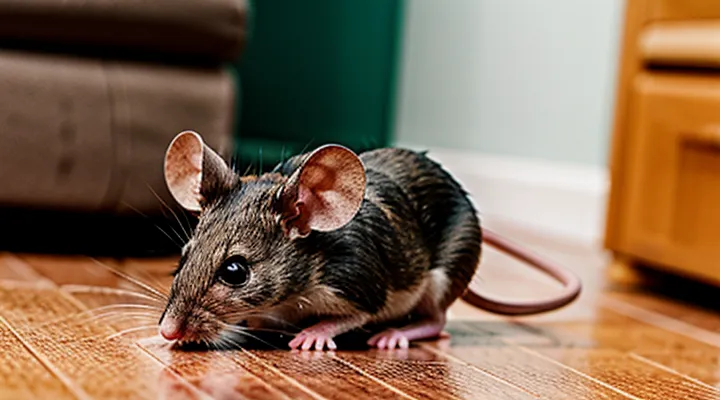
Mouse Bites: Immediate Reactions and Risks
Initial Symptoms of a Mouse Bite
Localized Pain and Swelling
A mouse bite typically produces sharp, localized pain that appears within seconds of the puncture. The discomfort may intensify during the first few hours as the wound reacts to tissue trauma and bacterial exposure. Swelling develops around the entry site, often accompanied by a raised, erythematous margin that can spread to adjacent skin. In many cases, the edema is firm to the touch and may limit range of motion if the bite occurs near a joint.
Key clinical indicators of this reaction include:
- Immediate throbbing or stabbing sensation.
- Redness extending 1–2 cm beyond the puncture.
- Palpable swelling that peaks between 12 and 24 hours.
- Mild warmth and tenderness upon pressure.
Management focuses on reducing inflammation, preventing infection, and alleviating pain. Recommended actions are:
- Clean the area with mild antiseptic solution; avoid harsh scrubbing that could worsen tissue damage.
- Apply a cold compress for 10‑15 minutes, repeat every hour for the first six hours to limit edema.
- Administer an over‑the‑counter analgesic such as ibuprofen (200–400 mg every 6–8 hours) unless contraindicated.
- Cover the wound with a sterile dressing; change daily and monitor for increased redness, pus, or expanding swelling.
- Seek medical evaluation if pain intensifies, swelling spreads rapidly, or systemic signs (fever, chills) emerge, as these may indicate bacterial infection requiring antibiotics.
Prompt, targeted care typically resolves localized pain and swelling within 3–5 days, leaving minimal residual tissue irritation.
Redness and Bruising
Redness and bruising appear at the bite site within minutes to hours after a mouse puncture. The skin turns pink or crimson as blood vessels dilate, delivering immune cells to the wound. This erythema usually peaks within the first 24 hours and fades over three to five days if no infection develops.
Bruising develops when small vessels rupture, allowing blood to seep into surrounding tissue. The resulting discoloration ranges from purple to yellow as hemoglobin breaks down. Ecchymosis typically becomes noticeable within a day, reaches maximum intensity by the third day, and resolves over one to two weeks.
Both manifestations provide clinical clues. Persistent or expanding redness may signal bacterial invasion, while bruising that spreads beyond the immediate area suggests deeper tissue damage or a coagulopathic response. Monitoring the evolution of these signs helps differentiate a benign inflammatory reaction from complications that require intervention.
Effective care includes immediate wound cleansing, application of a sterile cold compress, and observation for worsening symptoms. Elevating the affected limb reduces swelling and limits further bruising. Analgesics may alleviate discomfort, but antibiotics are reserved for confirmed infection.
Indicators for professional evaluation
- Redness that intensifies after 48 hours or is accompanied by warmth, pus, or foul odor.
- Bruising that expands rapidly, is painful to touch, or is associated with numbness.
- Fever, chills, or systemic malaise.
- Pre‑existing conditions such as diabetes, immunosuppression, or bleeding disorders.
Prompt medical assessment under these circumstances reduces the risk of cellulitis, abscess formation, and systemic spread.
Puncture Marks and Abrasions
A mouse bite typically leaves a small puncture wound surrounded by a shallow abrasion. The puncture is usually 2–3 mm in diameter, deep enough to breach the epidermis and reach the dermis. The surrounding abrasion appears as a reddened, raw area where the animal’s teeth have scraped the skin.
Typical clinical features
- Sharp, localized pain at the bite site
- Mild to moderate swelling within the first few hours
- Erythema extending 0.5–1 cm from the puncture margin
- Possible bruising if the bite compresses underlying vessels
Potential complications
- Introduction of oral bacteria leading to cellulitis or abscess formation
- Delayed healing due to tissue necrosis in the puncture tract
- Rare transmission of zoonotic pathogens such as hantavirus or leptospirosis
Immediate management
- Irrigate the wound with sterile saline or clean running water for at least one minute to remove debris.
- Apply gentle pressure with a clean gauze pad to control bleeding.
- Disinfect the area using a broad‑spectrum antiseptic (e.g., povidone‑iodine or chlorhexidine).
- Cover with a sterile non‑adhesive dressing; change dressing daily or if it becomes wet.
Follow‑up care
- Monitor for increasing redness, warmth, swelling, or pus, which may indicate infection.
- Seek medical evaluation if fever, expanding erythema, or worsening pain develops.
- A short course of oral antibiotics (e.g., amoxicillin‑clavulanate) is often recommended to prevent bacterial infection, especially in immunocompromised individuals.
- Tetanus prophylaxis should be reviewed according to the patient’s immunization history.
Prompt cleaning and appropriate wound care reduce the risk of secondary infection and support faster tissue regeneration after a mouse bite.
Potential Health Risks
Bacterial Infections
Mouse bites introduce oral flora and environmental microbes directly into skin and subcutaneous tissue, creating a high risk of bacterial infection. Prompt recognition of infection signs and early antimicrobial therapy reduce complications such as tissue necrosis, systemic spread, and chronic osteomyelitis.
The most frequently isolated organisms include Streptococcus species, Staphylococcus aureus, Pasteurella multocida, and Leptospira spp. Anaerobic bacteria and rodent‑borne pathogens such as Bartonella and Rickettsia may also be present, especially in bites from wild or poorly housed mice.
Typical infection manifestations:
- Erythema expanding beyond the wound margins
- Localized swelling and warmth
- Pain that intensifies despite cleaning
- Purulent discharge or abscess formation
- Fever, chills, or malaise indicating systemic involvement
Diagnostic steps consist of wound culture, complete blood count, and, when indicated, imaging to assess deep tissue involvement. Empiric antimicrobial regimens should target both aerobic and anaerobic organisms while awaiting culture results.
Recommended treatment protocol:
- Thorough irrigation with sterile saline and debridement of devitalized tissue.
- Initiation of oral or intravenous antibiotics such as amoxicillin‑clavulanate; alternatives include doxycycline plus metronidazole for patients with penicillin allergy.
- Tetanus prophylaxis if immunization status is uncertain.
- Follow‑up examination within 48–72 hours to evaluate response; adjust antibiotics based on culture sensitivity.
- Surgical drainage for abscesses or necrotic tissue removal when necessary.
Effective management hinges on early intervention, appropriate antimicrobial coverage, and vigilant monitoring for signs of systemic spread.
Viral Infections: Rabies and Hantavirus
A mouse bite can introduce viral pathogens that produce serious systemic effects. Two viruses of particular relevance are rabies, an encephalitic agent, and hantavirus, which may cause hemorrhagic fever with renal syndrome or hantavirus pulmonary syndrome.
Rabies
- Incubation: 1 – 3 weeks, up to several months depending on bite location and viral load.
- Early signs: fever, headache, malaise, pain or paresthesia at the wound site.
- Progressive neurological phase: agitation, confusion, hydrophobia, hypersalivation, seizures, coma.
- Fatal outcome without timely intervention.
Treatment
- Immediate thorough washing of the wound with soap and water.
- Administration of rabies immunoglobulin infiltrated around the wound.
- Series of rabies vaccine injections (day 0, 3, 7, 14, 28) following WHO-recommended schedule.
- Supportive care for neurological complications if disease progresses.
Hantavirus
- Incubation: 1 – 5 weeks.
- Initial symptoms: fever, myalgia, abdominal pain, nausea, vomiting.
- Pulmonary form: cough, shortness of breath, rapid progression to respiratory failure, bilateral infiltrates on imaging.
- Renal form: oliguria, flank pain, elevated creatinine, hemorrhagic manifestations.
- Mortality rates vary from 10 % (renal) to 40 % (pulmonary) without treatment.
Treatment
- No specific antiviral approved; management focuses on early recognition and intensive supportive therapy.
- Hospitalization in an intensive care unit for respiratory support (mechanical ventilation) in pulmonary cases.
- Renal replacement therapy for acute kidney injury in renal cases.
- Empiric administration of ribavirin may be considered in some protocols, though evidence remains limited.
- Strict infection control measures to prevent nosocomial spread.
Prompt wound care, risk assessment, and adherence to post‑exposure prophylaxis protocols are essential to mitigate the severe outcomes associated with these viral infections following a mouse bite.
Allergic Reactions
A mouse bite can trigger an immunologic response in susceptible individuals. The reaction stems from proteins in the animal’s saliva and skin cells that act as allergens, provoking IgE‑mediated sensitization or non‑IgE mechanisms.
Typical manifestations include:
- Localized swelling, redness, and warmth at the puncture site within minutes to hours.
- Pruritus or burning sensation surrounding the wound.
- Hives (urticaria) appearing on the torso, limbs, or face.
- Respiratory distress such as wheezing, throat tightness, or shortness of breath.
- Gastrointestinal upset, including nausea, vomiting, or abdominal cramping.
- Cardiovascular signs like rapid pulse, hypotension, or fainting, indicating anaphylaxis.
Clinical assessment should document the time of exposure, progression of symptoms, and any prior history of rodent or insect allergies. Physical examination focuses on the bite area, skin lesions, and airway patency. Laboratory testing is rarely required but may include serum tryptase if anaphylaxis is suspected.
Management proceeds in stages:
- Immediate care – cleanse the wound with antiseptic solution, apply a sterile dressing, and observe for escalation of symptoms.
- Pharmacologic intervention – administer oral antihistamines (e.g., cetirizine 10 mg) for mild urticaria; prescribe a short course of systemic corticosteroids (e.g., prednisone 40 mg daily for 5 days) if swelling persists.
- Anaphylaxis protocol – deliver intramuscular epinephrine (0.3 mg of 1 mg/mL solution for adults) at the first sign of systemic involvement, followed by airway support, intravenous fluids, and continuous monitoring.
- Follow‑up – arrange a primary‑care or allergy‑specialist appointment within 24–48 hours to evaluate the need for long‑term allergen avoidance strategies or immunotherapy.
Prompt recognition of allergic signs and adherence to the outlined therapeutic steps reduce the risk of severe complications and facilitate recovery after a rodent bite.
First Aid and Medical Treatment
Immediate First Aid Measures
Wound Cleaning and Disinfection
When a mouse bite penetrates the skin, immediate cleaning reduces bacterial load and lowers the risk of infection. Use clean running water to flush the wound for at least 30 seconds, separating tissue edges with gentle pressure. Follow with mild antiseptic soap; avoid harsh chemicals that can irritate damaged tissue.
After rinsing, apply a broad‑spectrum antiseptic such as povidone‑iodine or chlorhexidine. Apply the solution with a sterile gauze pad, covering the entire wound surface. Allow the antiseptic to remain in contact for the duration recommended by the product label, typically 2–3 minutes, before gently blotting excess fluid.
Dry the area with a sterile gauze pad, then place a sterile, non‑adhesive dressing to protect the site from external contaminants. Change the dressing at least once daily, or sooner if it becomes wet or soiled.
Key steps for effective wound care:
- Rinse with running water (≥30 seconds).
- Clean with mild antiseptic soap.
- Disinfect using povidone‑iodine or chlorhexidine.
- Pat dry with sterile gauze.
- Cover with sterile, non‑adhesive dressing.
Monitor the bite for signs of worsening infection—redness expanding beyond the wound margin, increasing pain, swelling, pus, or fever. If any of these symptoms appear, seek medical evaluation promptly.
Controlling Bleeding
A mouse bite can cause arterial or venous bleeding that, if left unchecked, may lead to rapid blood loss and increase the risk of infection. Immediate control of hemorrhage reduces tissue damage and limits the spread of pathogens introduced by the animal’s oral flora.
Apply direct pressure with a sterile gauze pad or clean cloth. Maintain pressure for at least five minutes without interruption; if bleeding persists, add another layer of gauze and continue pressure. Elevate the injured area above heart level to decrease hydrostatic pressure and facilitate clot formation. If a tourniquet is considered, use only as a last resort when arterial bleeding is uncontrolled and professional care is unavailable; tighten until bleeding stops, noting the time of application.
After bleeding is arrested, clean the wound with mild soap and water, then apply an antiseptic solution. Cover with a sterile dressing and secure it with medical tape. Monitor for signs of continued bleeding, expanding bruising, or increasing pain. Seek medical attention if bleeding resumes, if the wound is deep, if the bite occurs near a joint, or if the individual has a bleeding disorder, is on anticoagulant therapy, or shows signs of infection such as redness, swelling, or pus.
Applying a Sterile Dressing
When a mouse punctures the skin, the wound may bleed, become inflamed, and risk infection. Immediate protection of the entry site limits bacterial colonization and supports healing. A sterile dressing creates a physical barrier, absorbs exudate, and maintains a moist environment favorable for tissue repair.
To apply a sterile dressing correctly, follow these steps:
- Wash hands thoroughly with soap and water; don disposable gloves if available.
- Rinse the bite area with mild antiseptic solution (e.g., chlorhexidine) for 30 seconds; pat dry with a sterile gauze pad.
- Select an appropriately sized sterile pad; place it directly over the wound, ensuring full coverage of the bite margins.
- Secure the pad with a sterile, hypoallergenic adhesive strip or bandage, wrapping evenly without excessive tension.
- Check the dressing after 2–3 hours for signs of leakage, swelling, or discoloration; replace if it becomes saturated or compromised.
Regular inspection and timely replacement reduce the likelihood of secondary infection and promote faster resolution of pain, redness, and swelling associated with rodent bites. If systemic symptoms such as fever, increasing pain, or spreading redness develop, seek medical evaluation promptly.
When to Seek Medical Attention
Signs of Infection
A mouse bite can introduce bacteria into the skin, leading to localized infection. Early identification of infection is essential for prompt medical intervention.
Typical clinical indicators include:
- Redness extending beyond the wound margin
- Swelling that increases in size
- Warmth around the site
- Pain that intensifies rather than diminishes
- Purulent discharge or pus formation
- Fever or chills accompanying the bite area
- Lymph node enlargement near the affected region
If any of these signs appear within 24–48 hours after the bite, professional evaluation is warranted. Treatment generally involves thorough wound cleaning, empirical antibiotic therapy targeting common rodent‑associated pathogens, and, when necessary, incision and drainage of abscesses. Monitoring the progression of symptoms ensures that the infection resolves without complications such as cellulitis, septicemia, or tissue necrosis.
Deep or Extensive Bites
A deep or extensive mouse bite penetrates beyond the superficial skin layer, often involving subcutaneous tissue, muscle, or even bone. The wound appears larger than a typical puncture, with irregular edges and possible tearing of surrounding tissue.
Common manifestations include:
- Persistent throbbing pain that intensifies with movement
- Swelling that extends beyond the immediate bite site
- Redness that spreads outward, sometimes forming a halo of inflammation
- Warmth and tenderness indicating active inflammation
- Visible blood or pus discharge, suggesting secondary infection
Potential complications arise when the wound is not promptly addressed. Bacterial invasion, particularly from Staphylococcus aureus or Streptococcus species, can lead to cellulitis, abscess formation, or systemic infection. The risk of tetanus increases with deep tissue exposure, especially if immunization status is uncertain. In rare cases, the bite may transmit zoonotic pathogens such as hantavirus or leptospirosis, necessitating specific diagnostic testing.
Effective management follows a structured protocol:
- Apply direct pressure with a clean gauze to control bleeding.
- Irrigate the wound thoroughly using sterile saline or clean water to remove debris and reduce bacterial load.
- Debride devitalized tissue with sterile instruments if visible necrosis is present.
- Cover the area with a sterile dressing and elevate the limb to limit edema.
- Administer a tetanus booster if the patient’s vaccination is outdated or unknown.
- Prescribe a broad‑spectrum oral antibiotic targeting common rodent‑associated bacteria; adjust based on culture results.
- Schedule a follow‑up evaluation within 24–48 hours to monitor healing and detect early signs of infection.
Prompt, systematic care minimizes tissue damage, prevents systemic spread, and promotes rapid recovery after a severe mouse bite.
Immunocompromised Individuals
Immunocompromised patients face heightened risk after a mouse bite because their weakened defenses allow pathogens to proliferate more rapidly. Even a superficial puncture can lead to systemic infection, sepsis, or exacerbation of existing conditions.
Typical manifestations in this population include:
- Rapidly spreading redness and swelling at the wound site
- Fever exceeding 38 °C, chills, and malaise within 24–48 hours
- Pus formation or necrotic tissue indicating bacterial invasion
- Respiratory distress if zoonotic agents affect the lungs
- Unexplained organ dysfunction suggesting septic spread
Prompt medical intervention is essential. Recommended actions are:
- Immediate wound irrigation with sterile saline, followed by antiseptic application.
- Empirical antibiotic therapy covering Streptococcus, Staphylococcus, and Pasteurella species; agents such as ampicillin‑sulbactam or a third‑generation cephalosporin are preferred.
- Adjustment of antimicrobial regimen based on culture results and susceptibility testing.
- Monitoring of vital signs, blood cultures, and inflammatory markers for at least 48 hours.
- Consideration of tetanus prophylaxis and, if indicated, rabies post‑exposure prophylaxis.
Long‑term management includes regular follow‑up to assess wound healing, evaluation for secondary infections, and reinforcement of infection‑control measures. Immunosuppressive therapy should be reviewed by the treating specialist to balance disease control with infection risk.
Medical Treatment Options
Antibiotics for Bacterial Infections
A mouse bite can introduce pathogenic bacteria such as Streptococcus spp., Staphylococcus aureus, and Pasteurella multocida. Prompt antimicrobial therapy reduces the risk of cellulitis, abscess formation, and systemic infection.
Empirical oral regimens that cover the typical spectrum include:
- Amoxicillin‑clavulanate – 875 mg/125 mg every 12 h; first‑line for mixed aerobic and anaerobic flora, including Pasteurella.
- Doxycycline – 100 mg twice daily; appropriate when a patient is allergic to β‑lactams and when Rickettsia or atypical organisms are suspected.
- Clindamycin – 300 mg every 6 h; useful for methicillin‑resistant Staphylococcus coverage and anaerobes, but limited against Pasteurella.
- Ciprofloxacin – 500 mg twice daily; considered for severe infections or when gram‑negative coverage is required, though resistance rates may be high.
When culture and sensitivity data become available, therapy should be narrowed to the most effective agent, minimizing collateral damage to normal flora. Intravenous options for severe or rapidly progressing infections comprise:
- Piperacillin‑tazobactam – 4.5 g every 6 h.
- Meropenem – 1 g every 8 h.
- Vancomycin – dosed according to trough levels for suspected MRSA involvement.
Treatment duration typically spans 5–10 days for uncomplicated cellulitis; deeper infections or osteomyelitis may require 3–6 weeks, guided by clinical response and imaging. In patients with β‑lactam allergy, alternative regimens must include agents with proven efficacy against Pasteurella and other common bite pathogens.
Monitoring includes assessment of wound erythema, temperature trends, and laboratory markers such as CRP and white‑cell count. Failure to improve within 48–72 hours warrants reassessment of the antimicrobial choice, possible surgical drainage, and evaluation for complications such as septic arthritis or systemic sepsis.
Tetanus Prophylaxis
A mouse bite can introduce Clostridium tetani spores, making tetanus prophylaxis a critical component of post‑exposure care. Immediate wound cleaning with soap and water reduces bacterial load; irrigation should be thorough, followed by antiseptic application. After debridement, assess tetanus immunization status:
- Unvaccinated or incomplete series – administer a tetanus‑containing diphtheria vaccine (Td or Tdap) and a full tetanus immune globulin (TIG) dose of 250 IU intramuscularly.
- Completed primary series with booster within 5 years – provide only the vaccine (Td or Tdap).
- Booster received 5–10 years ago – give a single booster dose without TIG.
- Booster received >10 years ago – give booster plus TIG if the wound is deep, contaminated, or puncture‑type.
TIG should be injected at a site distant from the vaccine to avoid interaction. Observe the patient for local reactions and systemic signs of tetanus, such as muscle rigidity, trismus, or autonomic instability, especially within the first 48 hours. If symptoms emerge, initiate antitoxin therapy, aggressive wound care, and supportive measures, including muscle relaxants and sedation. Prompt adherence to the prophylactic protocol markedly lowers the risk of tetanus following a rodent bite.
Rabies Post-Exposure Prophylaxis (PEP)
A mouse bite can transmit rabies if the animal is infected, despite the low prevalence among rodents. Immediate assessment determines whether post‑exposure prophylaxis (PEP) is required; factors include the bite’s severity, the mouse’s health status, and regional rabies activity.
PEP consists of thorough wound cleansing, administration of rabies immunoglobulin, and a series of rabies vaccinations. The immunoglobulin is infiltrated around the wound to neutralize virus particles that may have entered the tissue. The vaccine stimulates active immunity, preventing viral replication and spread.
PEP schedule
- Day 0 – First vaccine dose and rabies immunoglobulin.
- Day 3 – Second vaccine dose.
- Day 7 – Third vaccine dose.
- Day 14 – Fourth vaccine dose.
- Day 28 – Fifth vaccine dose (optional in some protocols).
Wound care involves irrigation with soap and water, followed by antiseptic application. The immunoglobulin volume corresponds to body weight (20 IU/kg) and is divided between the wound site and the remaining dose given intramuscularly. Vaccine doses are given intramuscularly in the deltoid muscle.
Patients should be observed for local reactions, fever, or allergic responses. Completion of the vaccine series is essential; missed doses compromise protection. Follow‑up appointments verify serologic response and address any adverse events.
Symptomatic Treatment for Other Conditions
A mouse bite can introduce bacterial pathogens, venomous proteins, and mechanical trauma that trigger a range of secondary health problems. When the primary wound is managed, clinicians must address accompanying symptoms that do not stem directly from the bite but arise as systemic responses.
Common co‑morbidities include localized swelling, fever, headache, gastrointestinal upset, and allergic reactions. Each condition requires targeted symptomatic relief while the underlying infection is treated.
- Inflammation and pain: Apply non‑steroidal anti‑inflammatory drugs (e.g., ibuprofen 400 mg every 6 hours) or acetaminophen for analgesia. Topical corticosteroid creams may reduce dermal erythema when indicated.
- Fever: Administer antipyretics such as paracetamol 500 mg every 6 hours. Monitor temperature every 4 hours; seek escalation if fever exceeds 38.5 °C for more than 24 hours.
- Headache: Use triptans or simple analgesics based on severity; avoid opioid prescriptions unless contraindicated.
- Nausea and vomiting: Offer oral rehydration solutions and antiemetics like ondansetron 4 mg intravenously or orally every 8 hours.
- Allergic manifestations: For mild urticaria, provide antihistamines (cetirizine 10 mg daily). For systemic anaphylaxis, inject epinephrine 0.3 mg intramuscularly immediately, followed by observation.
Adjunctive measures—elevating the affected limb, applying cold compresses, and ensuring adequate hydration—support recovery. Continuous assessment of symptom progression guides adjustments in dosage and medication selection.
Prevention and Awareness
Preventing Mouse Bites
Rodent Control in Homes and Outdoors
Rodent infestations increase the likelihood of mouse bites, which can transmit bacterial infections and cause localized tissue damage. Effective control reduces exposure to these health hazards and minimizes the need for medical intervention.
- Seal entry points: Install steel wool or mesh over gaps in foundations, walls, and utility openings.
- Eliminate food sources: Store pantry items in airtight containers, clean spills promptly, and use trash cans with tight lids.
- Deploy traps: Choose snap traps or electronic devices for immediate capture; position them along walls where mice travel.
- Apply bait stations: Use anticoagulant or non‑anticoagulant rodenticides in tamper‑resistant stations, following label instructions.
- Maintain landscaping: Trim vegetation away from the building, remove debris, and keep grass short to deter nesting.
Outdoor measures complement indoor efforts. Remove standing water, clear brush piles, and store firewood off the ground to limit shelter. Install perimeter fencing with a fine mesh to block rodent ingress. Regularly inspect outbuildings, sheds, and garages for signs of activity and treat promptly with the same trapping and baiting strategies used indoors. Consistent application of these practices curtails mouse populations, thereby decreasing the incidence of bites and associated medical complications.
Safe Handling of Wild and Pet Mice
Handling wild and pet mice safely reduces the risk of bites and the health problems that can follow. Proper techniques protect both the handler and the animal, minimizing exposure to infections, allergic reactions, and tissue damage.
Before contact, wear disposable gloves and ensure hands are clean. Disinfect surfaces where mice will move. Contain the animal in a secure cage or trap that prevents escape while allowing observation. Avoid sudden movements; approach the mouse slowly to reduce stress and defensive behavior.
Key practices for safe handling:
- Use a two‑hand grip: one hand stabilizes the cage, the other gently supports the mouse’s body behind the forelimbs.
- Keep nails trimmed and avoid direct finger contact with the mouth or teeth.
- Limit handling time to the minimum required for care or study.
- After each session, remove gloves, wash hands with soap, and apply an antiseptic if a bite occurs.
If a bite happens, clean the wound immediately with water and mild soap, apply pressure to stop bleeding, and seek medical evaluation for possible infection, tetanus, or rabies risk, especially with wild specimens. Prompt treatment lowers the chance of severe complications.
Educating Children About Rodents
Understanding rodents helps children avoid injuries and recognize early signs of illness. Mice can carry bacteria, viruses, and parasites that enter the body through a bite. Prompt identification of symptoms reduces the risk of complications.
Typical reactions after a mouse bite include:
- Redness and swelling around the wound
- Pain that intensifies over several hours
- Fever or chills
- Headache or muscle aches
- Nausea or vomiting
- Unusual skin lesions or pus formation
If a bite occurs, children should:
- Clean the area with mild soap and running water for at least 30 seconds.
- Apply an antiseptic solution or ointment.
- Cover the wound with a sterile bandage.
- Inform an adult immediately.
- Seek professional medical evaluation, especially if fever develops, the wound worsens, or the bite was deep.
Effective education combines factual information with practical drills. Adults can:
- Demonstrate proper hand‑washing after contact with any small animal.
- Use age‑appropriate stories that illustrate safe behavior around rodents.
- Conduct supervised visits to areas where mice may be present, teaching children to observe without touching.
- Provide visual guides that match symptoms to actions, such as a poster showing “bite → clean → tell adult → medical help.”
Regular reinforcement of these points builds confidence, reduces fear, and equips children to act quickly when a mouse bite occurs, thereby limiting health impacts and ensuring timely treatment.
Awareness of Risks
Identifying Rodent Infestations
Identifying a rodent infestation is a critical step in preventing mouse bites and the associated health risks. Early detection allows prompt intervention, reducing the likelihood of exposure to pathogens transmitted through saliva, urine, and feces.
Visible evidence includes gnaw marks on food packaging, wires, and structural components. Droppings, typically dark and pellet‑shaped, accumulate near nesting sites, feeding stations, and travel pathways. Grease or oily smears appear along walls where rodents frequently move. Unexplained scratches or holes in fabric, insulation, or stored goods also indicate activity.
Behavioral clues support visual signs. Persistent scratching noises in walls, ceilings, or attic spaces suggest nocturnal movement. A distinct musky odor, resulting from urine accumulation, becomes noticeable in confined areas. Increased activity near garbage containers, pet food, or pantry shelves reflects foraging behavior.
To confirm an infestation, conduct systematic inspections:
- Inspect all entry points, including gaps around pipes, vents, and foundation cracks; seal openings larger than ¼ inch.
- Set up motion‑activated cameras or infrared sensors in suspected zones to verify presence.
- Deploy snap traps or live‑catch devices in high‑traffic corridors; monitor capture rates over 24‑48 hours.
- Collect and analyze droppings for rodent DNA if identification of species is required for targeted control measures.
Document findings in a log, noting location, type of evidence, and date. This record guides the selection of appropriate eradication methods and informs ongoing monitoring to ensure the infestation is fully eliminated, thereby minimizing the chance of mouse bites and their medical consequences.
Understanding Disease Transmission
A mouse bite introduces oral flora and potential zoonotic agents directly into the skin, creating a pathway for infection. The transmission mechanism relies on mechanical disruption of the epidermis, allowing bacteria, viruses, or parasites present in the animal’s mouth to enter subcutaneous tissue and the bloodstream.
Common pathogens transmitted through rodent bites include:
- Streptococcus species – cause cellulitis, lymphangitis, and occasional systemic infection.
- Staphylococcus aureus – responsible for purulent wound formation and possible septicemia.
- Pasteurella multocida – produces rapidly progressing inflammation, tissue necrosis, and can lead to osteomyelitis if the bite involves bone.
- Leptospira interrogans – transmitted via contaminated saliva; may result in leptospirosis with fever, myalgia, and renal impairment.
- Hantavirus – rare but documented; can cause hemorrhagic fever with renal syndrome after deep puncture wounds.
The clinical course typically begins within hours to days. Early signs comprise pain, erythema, swelling, and warmth around the entry point. Progression may involve purulent discharge, expanding erythema, fever, and regional lymphadenopathy. Systemic manifestations—such as chills, malaise, and organ-specific symptoms—indicate dissemination and require immediate medical attention.
Effective management hinges on prompt wound care and targeted antimicrobial therapy. Initial steps:
- Irrigate the bite thoroughly with sterile saline to reduce bacterial load.
- Debride devitalized tissue if necrosis is evident.
- Administer a tetanus booster when indicated.
- Initiate empiric broad‑spectrum antibiotics covering gram‑positive, gram‑negative, and anaerobic organisms; adjust based on culture results.
Specific agents, such as amoxicillin‑clavulanate, are preferred for their activity against Pasteurella and Streptococcus. In cases of suspected leptospirosis or hantavirus infection, add doxycycline or ribavirin respectively, following local guidelines.
Monitoring for complications—abscess formation, septic arthritis, osteomyelitis, or systemic infection—is essential. Imaging studies (ultrasound or MRI) assist in detecting deep-seated collections. Surgical drainage may be required for abscesses unresponsive to antibiotics.
Preventive measures focus on minimizing exposure to rodents, employing protective gloves when handling mice, and maintaining proper sanitation to reduce infestation. Education on immediate wound cleaning and early medical evaluation reduces the risk of severe disease transmission following a mouse bite.
Importance of Prompt Medical Evaluation
A mouse bite can introduce bacteria, viruses, and allergens directly into the skin, creating a rapid risk of infection and systemic reaction. Immediate clinical assessment determines whether the wound requires cleaning, debridement, or closure, and whether prophylactic antibiotics are indicated. Early identification of signs such as expanding erythema, increasing pain, fever, or lymphadenopathy prevents progression to cellulitis, abscess formation, or septicemia.
Prompt evaluation also establishes the need for tetanus immunization status verification and possible rabies exposure assessment, especially if the animal’s health history is unknown. Documentation of the bite’s location, depth, and contamination level guides appropriate wound management protocols and informs follow‑up care plans.
Key actions for healthcare providers after a mouse bite:
- Perform thorough visual and tactile inspection of the wound.
- Obtain a detailed patient history, including allergy profile and immunization records.
- Initiate wound irrigation with sterile saline and consider antiseptic agents.
- Prescribe empiric antibiotics targeting common rodent‑borne pathogens (e.g., Streptococcus spp., Staphylococcus aureus, Pasteurella spp.) when indicated.
- Recommend tetanus booster if the patient’s last dose exceeds five years or if status is uncertain.
- Advise the patient on warning signs that require urgent re‑evaluation, such as worsening redness, swelling, or systemic symptoms.
Timely medical intervention reduces the probability of complications, shortens recovery time, and minimizes the need for more invasive procedures. Delayed assessment increases the likelihood of severe infection, delayed wound healing, and potential long‑term tissue damage.