
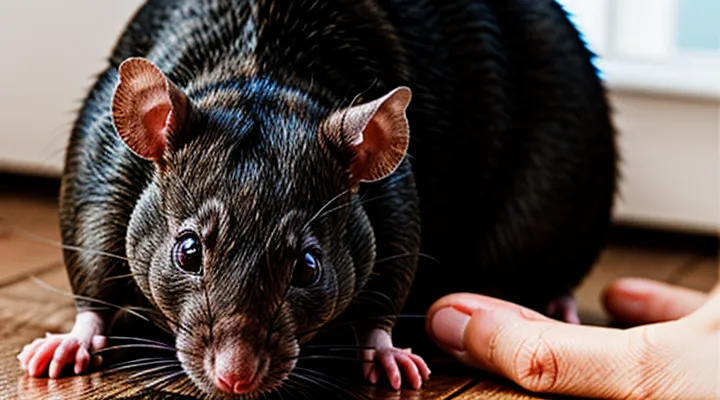
Understanding Conjunctivitis in Rats
What is Conjunctivitis?
Anatomy of a Rat's Eye
The rat eye consists of a layered arrangement of external and internal structures that together maintain visual function and protect the ocular surface. The outermost elements include the upper and lower eyelids, which provide mechanical shielding and distribute the tear film across the globe. A nictitating membrane, positioned medially, offers additional coverage during rapid eye movements and exposure to debris.
Beneath the lids, the conjunctiva lines the inner eyelid surface and extends onto the anterior sclera. This thin mucous membrane produces mucus and, together with the lacrimal gland, contributes to the tear film that lubricates the cornea and removes pathogens. The cornea itself is a transparent, avascular tissue composed of an epithelium, stroma, and endothelium; it refracts light and serves as the primary barrier against microbial invasion.
The anterior chamber contains aqueous humour, produced by the ciliary body and drained through the trabecular meshwork. This fluid supplies nutrients to avascular structures such as the lens and cornea while maintaining intra‑ocular pressure. The iris, a pigmented muscular ring, regulates pupil size and controls the amount of light entering the eye.
Behind the iris lies the lens, a biconvex, avascular body that focuses light onto the retina. The vitreous body, a gelatinous matrix, fills the posterior segment and suspends the retina in place. The retina comprises multiple layers of photoreceptors, bipolar cells, and ganglion cells that convert light signals into neural impulses. These impulses travel via the optic nerve to the brain for visual processing.
Key anatomical components relevant to ocular infection include:
- Conjunctiva and tear film – first line of defense, source of immune cells and antimicrobial proteins.
- Corneal epithelium – barrier that, when compromised, permits bacterial entry.
- Lacrimal and accessory glands – produce secretions that flush contaminants.
- Ciliary body and aqueous humour – pathways for inflammatory mediators to spread within the anterior segment.
Understanding the precise organization of these structures is essential for diagnosing and managing inflammatory conditions such as rat conjunctivitis, where disruption of the conjunctival barrier and tear dynamics often precedes corneal involvement.
Causes and Risk Factors
Rats develop conjunctival inflammation when the ocular surface is exposed to infectious agents, irritants, or systemic conditions that compromise local immunity. Primary bacterial pathogens include Staphylococcus spp., Streptococcus spp., and Pseudomonas aeruginosa; viral contributors are often murine adenoviruses or coronaviruses. Fungal organisms such as Candida spp. and parasites like Mycoplasma may also initiate infection. Non‑infectious triggers encompass chemical irritants, dust, and abrasive bedding materials that damage the corneal epithelium, facilitating microbial colonization.
Risk factors increase the likelihood of eye infection in laboratory and pet rats:
- Overcrowding, which elevates pathogen transmission rates.
- Poor ventilation, leading to elevated humidity and aerosolized contaminants.
- Inadequate sanitation of cages, food, and water sources.
- Immunosuppression caused by stress, malnutrition, or concurrent diseases (e.g., respiratory infections).
- Genetic predisposition in certain strains that exhibit reduced tear production or altered ocular surface defenses.
- Use of abrasive or scented bedding that irritates the conjunctiva.
Identifying these etiological agents and predisposing conditions enables targeted preventive measures and informs therapeutic decisions for effective management of ocular disease in rats.
Recognizing Symptoms
Early Signs
Early detection of ocular inflammation in rats relies on recognizing subtle changes that precede full‑blown disease. Observers should focus on the appearance and behavior of the animal’s eyes during routine handling.
- Redness of the conjunctival tissue, especially near the lid margins.
- Slight swelling of the eyelids or peri‑ocular region.
- Increased tearing or clear discharge that may be mistaken for normal secretions.
- Frequent blinking or squinting, indicating discomfort.
- Light‑sensitivity manifested by avoidance of bright environments.
These indicators appear before purulent exudate or ulceration develop. Prompt veterinary assessment, including slit‑lamp examination and microbial culture when indicated, enables targeted antimicrobial therapy and reduces the risk of complications. Immediate intervention based on these early signs improves recovery rates and minimizes the spread of infection within a colony.
Advanced Symptoms
Rats with progressing eye inflammation exhibit signs that extend beyond mild redness and watery discharge. The following manifestations commonly indicate a severe stage:
- Thick, purulent exudate that may be yellow, green, or brown, often adhering to the fur around the orbit.
- Marked edema of the eyelids and surrounding tissue, causing visible swelling and limited eyelid mobility.
- Corneal opacity or ulceration, visible as a white or gray area on the normally clear cornea, frequently accompanied by pain‑induced blinking or squinting.
- Photophobia leading to avoidance of bright environments; affected rats may seek darkness or keep eyes partially closed.
- Excessive tearing combined with crust formation, especially after the animal awakens.
- Behavioral changes such as reduced grooming, lethargy, or loss of appetite, reflecting discomfort or systemic involvement.
- Fever or elevated body temperature, detectable through rectal measurement, indicating possible secondary infection.
These advanced indicators signal that the infection has breached the superficial conjunctival layer and may involve deeper ocular structures. Prompt veterinary assessment and targeted antimicrobial therapy are essential to prevent permanent visual impairment.
Distinguishing from Other Eye Conditions
Rats with conjunctivitis present ocular discharge, swelling of the palpebral conjunctiva, and frequent blinking. These signs can overlap with other ocular disorders, making accurate diagnosis essential for effective therapy.
Key distinguishing features include:
- Discharge type: Conjunctivitis typically produces a watery to purulent exudate, whereas cataracts do not cause discharge and corneal ulcers generate a serous or fibrinous fluid.
- Corneal clarity: In conjunctivitis the cornea remains clear; corneal ulcers or keratitis show opacity, edema, or ulcerative lesions visible upon slit‑lamp examination.
- Iris coloration and pupil response: Uveitis often leads to iris discoloration and irregular pupil dilation, while conjunctivitis maintains normal iris appearance and reactive pupils.
- Pain behavior: Ulcerative keratitis induces marked pain, manifested by excessive pawing at the eye; conjunctivitis causes mild discomfort with less pronounced self‑trauma.
- Systemic signs: Respiratory infection or systemic bacterial spread may accompany conjunctivitis, whereas primary retinal degeneration lacks systemic manifestations.
Diagnostic confirmation relies on external eye inspection, fluorescein staining to detect corneal defects, and, when necessary, cytology of the discharge to identify bacterial or viral agents. Differentiating conjunctivitis from alternative eye conditions ensures that topical antibiotics, anti‑inflammatory agents, or supportive care are applied appropriately, avoiding unnecessary treatments for unrelated pathologies.
Treatment and Management
Veterinary Consultation
When to Seek Professional Help
Eye infections in rodents can progress rapidly; recognizing when veterinary intervention is required prevents permanent damage. Immediate professional care is essential if any of the following conditions appear:
- Sudden loss of vision or inability of the rat to locate food and water.
- Persistent discharge that is thick, bloody, or changes color after 24 hours of observation.
- Marked swelling of the eyelid or surrounding tissue that does not diminish with basic hygiene.
- Ulceration or crust formation on the cornea, indicating possible perforation.
- Signs of systemic illness such as fever, lethargy, weight loss, or respiratory distress concurrent with ocular symptoms.
- Lack of improvement after 48 hours of appropriate topical treatment and environmental sanitation.
If a rat exhibits one or more of these indicators, prompt evaluation by a qualified veterinarian is mandatory. Early diagnosis allows for targeted antimicrobial therapy, anti‑inflammatory medication, and supportive care, reducing the risk of chronic sequelae and preserving ocular function.
Diagnostic Procedures
Accurate diagnosis of rat ocular inflammation requires a systematic approach that combines visual assessment with laboratory analysis. Early identification of the causative agent guides effective therapy and minimizes the risk of complications.
Visual examination begins with a thorough inspection of the eyelids, conjunctival sac, and cornea. Observe for discharge, swelling, hyperemia, and corneal opacity. Use a handheld slit lamp or a magnifying ophthalmoscope to evaluate the tear film, assess epithelial integrity, and detect any ulcerative lesions. Record the laterality, severity, and progression of signs.
Laboratory procedures confirm the presence of bacterial, viral, or fungal pathogens and determine antimicrobial susceptibility. Key steps include:
- Sample collection: Obtain conjunctival swabs or washings with sterile cotton tips, avoiding contamination of the corneal surface. For deep infections, aspirate intraocular fluid using a fine-gauge needle under anesthesia.
- Microscopic analysis: Perform Gram staining and wet mounts to identify bacterial morphology and motility. Use Giemsa or Wright stains for intracellular organisms such as Chlamydia spp.
- Culture: Inoculate samples on blood agar, chocolate agar, and Sabouraud dextrose agar. Incubate under appropriate atmospheric conditions (aerobic, microaerophilic, or anaerobic) and monitor growth for 48–72 hours.
- Molecular testing: Apply polymerase chain reaction (PCR) assays targeting species‑specific gene regions for rapid detection of Chlamydia spp., Mycoplasma spp., and viral agents like Sendai virus. Real‑time PCR quantifies pathogen load, aiding treatment decisions.
- Antimicrobial susceptibility: Conduct disk diffusion or broth microdilution tests on isolated bacteria to determine the most effective antibiotics. Record minimum inhibitory concentrations (MICs) for reference.
Imaging techniques supplement clinical and laboratory findings when deeper ocular structures are involved. High‑resolution ultrasound biomicroscopy visualizes anterior segment inflammation, while optical coherence tomography (OCT) assesses corneal thickness and stromal edema.
Interpretation of results integrates all data points. A positive culture or PCR result, combined with characteristic clinical signs, confirms the diagnosis and informs the selection of targeted antimicrobial or antiviral therapy. Absence of detectable pathogens suggests non‑infectious etiologies, prompting alternative treatment strategies.
Home Care and Support
Cleaning the Affected Eye
Proper cleaning of an inflamed rat eye reduces bacterial load, removes debris, and supports recovery. Begin by gathering sterile saline, a soft gauze pad, and a disposable pipette. Wear gloves to prevent cross‑contamination.
- Restrain the rat gently but securely; avoid excessive pressure on the orbital region.
- Flush the ocular surface with a few milliliters of sterile saline, directing the flow from the outer canthus toward the inner corner.
- Pat the excess fluid with a clean gauze pad; do not rub, as friction may damage the delicate epithelium.
- If crusted material persists, soak a fresh gauze in saline, apply it to the eye for 30–60 seconds, then wipe gently in a single direction.
- Discard all used materials after each session; reuse of instruments is prohibited.
Cleaning should be performed two to three times daily during the acute phase, then reduced to once daily as inflammation subsides. Observe the eye after each cleaning: reduced discharge, clearer cornea, and lack of swelling indicate progress. If signs of worsening—persistent redness, increased purulence, or pain—consult a veterinarian promptly.
Environmental Adjustments
Environmental adjustments are a critical component of managing ocular infections in laboratory and pet rats. Proper control of the living environment reduces pathogen load, limits irritation, and supports recovery.
- Maintain relative humidity between 40 % and 60 % to prevent desiccation of the corneal surface.
- Use low‑dust, absorbent bedding such as paper pulp or aspen shavings; avoid cedar or pine which emit irritant oils.
- Perform daily spot cleaning and a thorough cage change weekly to remove fecal matter and shed hair.
- Ensure adequate ventilation without drafts; airflow should be steady but gentle.
- Keep ambient temperature within the species‑specific range of 20–24 °C; extreme heat or cold stresses the ocular mucosa.
- Provide a consistent light‑dark cycle (12 h each) to stabilize circadian rhythms and immune function.
- Limit overcrowding; a maximum of 2–3 rats per standard cage reduces contact‑mediated transmission.
Implementation requires routine monitoring. Use a hygrometer to verify humidity, a thermometer for temperature, and visual inspection of bedding for moisture or clumping. Isolate rats displaying discharge or redness in a separate cage equipped with the same environmental standards to prevent cross‑contamination. Provide fresh, uncontaminated water and a balanced diet to support systemic immunity.
Consistent application of these measures lowers the incidence of eye infections, accelerates healing, and minimizes the need for pharmacologic intervention.
Pain Management
Effective control of ocular discomfort is essential when treating conjunctival inflammation in laboratory rats. Pain assessment should combine behavioral observations—such as reduced grooming, facial grimacing, and altered locomotion—with physiological indicators, including elevated heart rate and stress hormone levels. Quantitative scoring systems, for example the Rat Grimace Scale, provide reproducible measures for monitoring treatment response.
Analgesic protocols for rat eye infections typically involve a combination of systemic and topical agents. Systemic options include non‑steroidal anti‑inflammatory drugs (NSAIDs) such as meloxicam (1–2 mg kg⁻¹ once daily, subcutaneously) and buprenorphine (0.05 mg kg⁻¹ every 8–12 h, subcutaneously). Opioid analgesics, like fentanyl transdermal patches delivering 0.018 mg kg⁻¹ h⁻¹, may be added for severe pain, but require careful titration to avoid respiratory depression. Topical treatments consist of ophthalmic lubricants (e.g., carboxymethylcellulose 0.5 % drops, 2–3 times per day) and local anesthetic gels (e.g., 0.5 % proparacaine, applied before handling). When using topical NSAIDs, ketorolac 0.5 % ophthalmic solution can be administered 2–3 times daily, with attention to potential corneal toxicity.
Adjunctive measures support analgesic efficacy. Maintaining a humidified environment reduces ocular drying and irritation. Providing soft bedding and nesting material minimizes mechanical stress on the peri‑orbital area. Regular cleaning of the ocular surface with sterile saline prevents debris accumulation and reduces nociceptive stimulation. If bacterial infection is confirmed, systemic antibiotics should be selected based on culture sensitivity; effective microbial control indirectly lessens inflammatory pain.
Continuous monitoring is mandatory. Re‑evaluate pain scores at least every 4 hours during the acute phase and adjust dosages according to observed relief and side‑effect profile. Documentation of drug administration, dosage, and response ensures reproducibility and compliance with animal welfare regulations.
Medications and Therapies
Topical Antibiotics
Topical antibiotics constitute the first line of therapy for bacterial eye infections in laboratory rats. Application directly to the ocular surface delivers high drug concentrations while minimizing systemic exposure.
Commonly employed ophthalmic preparations include:
- Polymyxin B/trimethoprim – broad‑spectrum activity against Gram‑negative and some Gram‑positive organisms; 0.5 % solution applied 3–4 times daily.
- Erythromycin ophthalmic ointment – effective against Staphylococcus spp.; 0.5 % ointment administered twice daily.
- Gentamicin eye drops – potent against aerobic Gram‑negative bacteria; 0.3 % solution applied every 4 hours.
- Chloramphenicol ophthalmic suspension – coverage of a wide range of ocular pathogens; 0.5 % suspension used 4 times daily.
Dosage regimens must consider the severity of inflammation, the pathogen’s susceptibility profile, and the animal’s weight. Typical treatment courses range from 5 to 10 days; extending therapy beyond clinical resolution may promote resistance.
Safety considerations include monitoring for ocular irritation, corneal opacity, or systemic signs of toxicity. Sterile technique during instillation reduces the risk of secondary contamination. In cases of mixed infections, combination therapy with a fluoroquinolone (e.g., ciprofloxacin 0.3 % drops) may be warranted, provided susceptibility testing supports the choice.
Effective management relies on prompt identification of bacterial etiology, appropriate selection of a topical agent, and adherence to a structured dosing schedule. Regular evaluation of clinical response ensures resolution of conjunctival inflammation and prevents progression to keratitis.
Oral Medications
Oral antimicrobial agents are a cornerstone of systemic therapy for rat ocular infections. They reach the inflamed conjunctiva through the bloodstream, providing coverage for pathogens that may evade topical treatment.
Commonly used oral drugs include:
- Enrofloxacin – fluoroquinolone; dosage 10 mg/kg once daily for 5–7 days; effective against Gram‑negative bacteria and some Gram‑positive species.
- Trimethoprim‑sulfamethoxazole – broad‑spectrum sulfonamide; dosage 30 mg/kg twice daily for 7–10 days; covers many Staphylococcus and Streptococcus strains.
- Doxycycline – tetracycline class; dosage 5 mg/kg twice daily for 7 days; useful for atypical organisms such as Mycoplasma.
- Azithromycin – macrolide; dosage 10 mg/kg once daily for 3 days; offers high tissue penetration and convenient dosing.
Selection criteria depend on bacterial culture results, susceptibility patterns, and the animal’s health status. Empirical therapy may start with a fluoroquinolone while awaiting laboratory data.
Pharmacokinetic considerations:
- Absorption is rapid in rodents; food can delay peak plasma levels, so dosing on an empty stomach improves consistency.
- Renal excretion predominates; impaired kidney function requires dose reduction to avoid toxicity.
- Hepatic metabolism varies among agents; doxycycline and azithromycin warrant careful monitoring in rats with liver disease.
Potential adverse effects:
- Enrofloxacin may cause cartilage damage in growing animals; limit use to adult rats.
- Sulfonamides can induce hemolytic anemia in G6PD‑deficient individuals; monitor hematocrit.
- Doxycycline can lead to gastrointestinal irritation; provide water with added antacid if needed.
- Azithromycin is generally well tolerated but may provoke mild hepatocellular enzyme elevation.
Therapeutic monitoring involves clinical assessment of ocular discharge, redness, and corneal clarity. Persistent signs after the full course suggest resistant infection, requiring culture‑guided adjustment or combination therapy with topical agents.
In practice, oral medications complement topical ointments, delivering systemic coverage that reduces recurrence and supports complete resolution of rat eye infections.
Anti-inflammatory Treatments
Anti‑inflammatory agents are essential for reducing ocular edema, cellular infiltration, and pain associated with rat conjunctival infection. Prompt administration limits tissue damage and supports recovery when combined with antimicrobial therapy.
Topical corticosteroids provide rapid suppression of inflammatory mediators. Common preparations include dexamethasone ophthalmic solution (0.1 % w/v) applied at 1–2 µL per eye twice daily, and prednisolone acetate suspension (1 % w/v) administered at 2 µL per eye three times daily. Treatment duration should not exceed 5–7 days to avoid delayed wound healing and secondary infection. Systemic corticosteroids are rarely indicated because ocular penetration is adequate with topical formulations.
Non‑steroidal anti‑inflammatory drugs (NSAIDs) offer an alternative when steroid use is contraindicated. Effective options are:
- Flunixin meglumine, 2.5 mg/kg subcutaneously every 24 h.
- Meloxicam, 0.2 mg/kg orally or subcutaneously once daily.
- Ketoprofen, 5 mg/kg subcutaneously every 12 h.
NSAIDs reduce prostaglandin synthesis without impairing immune clearance of pathogens; however, they may cause gastrointestinal irritation and renal stress in compromised animals.
Combination regimens typically pair a short course of topical steroid with a systemic NSAID to achieve immediate local control and sustained systemic anti‑inflammatory effect. Monitoring includes daily assessment of corneal clarity, tear production, and behavior for signs of discomfort. Adjustments are made if excessive tissue thinning, intra‑ocular pressure elevation, or systemic toxicity occurs.
Prevention and Prognosis
Preventive Measures
Maintaining Hygiene
Effective hygiene is essential for controlling ocular infections in laboratory and pet rats. Regular cleaning of cages eliminates debris, fecal matter, and dust that can irritate the conjunctiva and serve as a vector for pathogenic microorganisms. Replace bedding weekly and sterilize food containers with an approved disinfectant to prevent bacterial colonisation.
Key hygiene practices include:
- Daily removal of soiled bedding and droppings.
- Weekly deep cleaning of cages with a 10 % bleach solution, followed by thorough rinsing.
- Disinfection of water bottles and feeding trays after each use.
- Use of low‑dust, absorbent bedding to minimise particulate exposure.
- Hand washing with antimicrobial soap before and after handling each animal.
Implementing these measures reduces the incidence of eye inflammation, limits pathogen spread, and supports rapid recovery when infection occurs.
Nutritional Considerations
Nutrition directly affects ocular health and the recovery process in rats with eye infections. Adequate intake of specific micronutrients supports corneal integrity, reduces inflammation, and enhances immune function.
- Vitamin A: maintains epithelial cell turnover; deficiency accelerates keratinization and ulceration.
- Omega‑3 fatty acids (EPA/DHA): modulate inflammatory mediators; improve tear film stability.
- Zinc: co‑factor for antioxidant enzymes; contributes to wound healing.
- Antioxidants (vitamin C, vitamin E, lutein): neutralize oxidative stress generated during infection.
A diet that meets these requirements should consist of a high‑quality commercial rodent pellet formulated for laboratory use, supplemented as needed with:
- A vitamin A source (e.g., cod liver oil) at 0.02 % of the diet.
- A modest addition of fish oil providing 1 % total fat as omega‑3.
- A zinc supplement delivering 30 mg/kg feed.
- Fresh vegetables rich in vitamin C (e.g., broccoli) offered daily.
During treatment, ensure unrestricted access to fresh water and consider a high‑energy gel or soft mash to encourage intake if ocular discomfort reduces normal feeding. Monitor body weight and food consumption at least twice daily; adjust supplementation if weight loss exceeds 5 % of baseline.
Proper nutritional management reduces disease severity, speeds tissue repair, and lowers the risk of secondary complications in rats affected by conjunctival inflammation.
Stress Reduction
Reducing stress in laboratory rats directly influences the incidence and severity of ocular inflammation. Elevated cortisol levels impair immune function, delay epithelial repair, and increase susceptibility to bacterial colonization of the conjunctiva. Implementing environmental and handling strategies that lower stress can improve clinical outcomes for eye infections.
- Provide a stable cage environment: consistent temperature, humidity, and lighting cycles prevent physiological disruption.
- Minimize noise and sudden movements: quiet rooms and gentle handling reduce adrenergic responses.
- Enrich the habitat: nesting material, tunnels, and chewable objects encourage natural behaviors and lower anxiety.
- Group housing when compatible: social interaction mitigates isolation stress, but monitor for aggression.
- Schedule routine health checks: predictable procedures lessen anticipatory stress and allow early detection of ocular signs.
Pharmacological support should accompany stress mitigation. Antimicrobial eye drops remain primary treatment, while systemic anti‑inflammatory agents address severe conjunctival swelling. Combining these medications with the above environmental controls shortens recovery time and reduces recurrence rates.
Continuous monitoring of behavioral indicators—such as grooming frequency, posture, and activity levels—provides early warning of stress‑related decline in ocular health. Adjusting husbandry practices in response to these signs sustains a low‑stress environment, thereby supporting effective management of rat eye infections.
Long-term Outlook
Potential Complications
Conjunctival inflammation in rats can progress beyond localized irritation, leading to several serious outcomes if left untreated. Persistent infection may spread to adjacent ocular structures, causing corneal ulceration, stromal thinning, and potential perforation. Secondary bacterial invasion of the anterior chamber can result in endophthalmitis, a condition that rapidly compromises vision and may be fatal.
Systemic effects arise when pathogens enter the bloodstream. Septicemia may develop, presenting with fever, lethargy, and weight loss. In severe cases, the infection can seed distant organs, causing pneumonia, hepatic abscesses, or renal impairment.
Chronic inflammation often induces fibrotic changes in the conjunctiva and surrounding tissues. This scarring can restrict eyelid movement, leading to entropion or ectropion, which further predisposes the eye to trauma and recurrent infection.
Complications related to treatment include:
- Antimicrobial resistance due to inappropriate drug selection or incomplete courses.
- Local toxicity from excessive topical agents, manifesting as epithelial damage or delayed healing.
- Systemic side effects of oral antibiotics, such as gastrointestinal upset or hepatotoxicity.
Early recognition and comprehensive management are essential to prevent these adverse sequelae and preserve ocular health in laboratory and pet rats.
Recurrence and Monitoring
Recurrence of ocular inflammation in laboratory rats frequently follows incomplete eradication of the causative pathogen or re‑exposure to contaminated bedding, water, or carrier animals. Persistent subclinical infection, immunosuppression, and inadequate dosing of antimicrobial agents increase the likelihood of a second episode within weeks of apparent recovery.
Effective surveillance combines scheduled examinations with objective measurements. Recommended practice includes:
- Visual inspection of each eye twice weekly for discharge, corneal opacity, or lid swelling.
- Fluorescein staining performed at each check to reveal epithelial defects missed by naked‑eye observation.
- Quantitative scoring of conjunctival redness using a standardized scale (0 = normal, 4 = severe).
- Swab culture or PCR analysis of any suspect sample before initiating retreatment.
- Documentation of treatment regimens, dosage adjustments, and environmental changes in a centralized log.
Environmental control forms a critical component of monitoring. Regular replacement of bedding, sterilization of water bottles, and quarantine of newly introduced rodents reduce reinfection pressure. Maintaining humidity below 60 % and temperature within the species‑optimal range (20‑24 °C) limits pathogen survival on surfaces.
Long‑term records enable trend analysis, allowing researchers to identify patterns of relapse and to modify prophylactic protocols accordingly. Consistent application of the outlined monitoring schedule minimizes the impact of recurrent eye disease on experimental outcomes.