
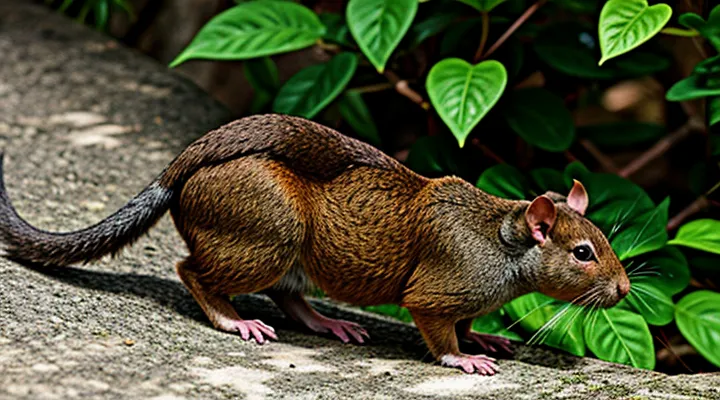
Genetic Basis of Agouti Lightening
The Wild-Type Agouti Locus (A)
Function of the Ticking Pattern
The ticking pattern consists of isolated pigmented hairs interspersed among lighter fur, creating a speckled appearance that distinguishes bright coat variants in agouti rats. This arrangement results from the expression of the T gene, which directs melanocyte activity to produce eumelanin only at the hair tip, while the shaft remains depigmented.
Genetically, the T allele interacts with the agouti (A) locus and the extension (E) locus to modify the distribution of dark pigment. When combined with alleles that enhance overall brightness, the ticking pattern accentuates contrast, producing vivid, eye‑catching coats.
Functionally, the ticking pattern serves several adaptive and physiological purposes:
- Camouflage: The speckled distribution disrupts the animal’s outline, aiding concealment in heterogeneous environments such as leaf litter or rocky substrates.
- Thermoregulation: Dark tips absorb solar radiation, while lighter shafts reflect excess heat, helping maintain stable body temperature under variable lighting.
- Social signaling: Distinctive ticked markings provide visual cues for mate recognition and hierarchical assessment within colonies.
- Health indicator: Uniform ticked patterns correlate with balanced melanin synthesis; irregularities often signal metabolic or genetic disturbances.
Overall, the ticking pattern enhances survival and reproductive success by integrating visual, thermal, and communicative functions within the bright coat phenotypes of agouti rats.
Melanin Production Cycle
Melanin synthesis in agouti rats follows a regulated enzymatic sequence that determines the intensity and distribution of bright coat pigments. The cycle begins with the conversion of the amino acid tyrosine into L‑DOPA by the enzyme tyrosinase. L‑DOPA is subsequently oxidized to dopaquinone, which serves as the branching point for the production of eumelanin (dark pigment) and pheomelanin (red‑yellow pigment). In bright variants, the pathway favors pheomelanin, resulting in lighter, more vivid fur tones.
Key stages of the cycle include:
- Tyrosine uptake – transporters import tyrosine into melanocytes, providing substrate for pigment formation.
- Tyrosinase activation – phosphorylation and glycosylation enhance enzyme activity, accelerating the initial oxidation steps.
- Dopaquinone diversion – the presence of cysteine shifts dopaquinone toward pheomelanin synthesis; reduced cysteine levels promote eumelanin.
- Polymerization – oxidized intermediates polymerize into melanin granules that are packaged into melanosomes.
- Melanosome transport – microtubule‑mediated movement delivers melanosomes to keratinocytes, where they deposit pigment onto hair shafts.
Regulatory factors modulate each phase. Genetic variants affecting the MC1R receptor alter cellular response to melanocyte‑stimulating hormone, influencing the balance between eumelanin and pheomelanin. Epigenetic modifications of the tyrosinase promoter adjust transcription rates, thereby impacting overall pigment production. Environmental elements such as diet and light exposure can modify cysteine availability, indirectly affecting the melanin output.
Understanding this cycle clarifies how specific genetic and biochemical adjustments generate the bright coat colors observed in agouti rats, providing a framework for selective breeding and phenotypic prediction.
Mechanisms of Coat Color Attenuation
Genes That Reduce Eumelanin Density
Bright coat phenotypes in agouti rats arise when eumelanin synthesis is limited, allowing phaeomelanin to dominate the visible fur coloration. The reduction of eumelanin density results from the activity of several loci that interfere with the melanogenic pathway.
- c (cinnamon) allele: introduces a missense mutation in the Mc1r gene, decreasing receptor signaling and lowering eumelanin production.
- e (albino) allele: disrupts the Tyrosinase (Tyr) gene, halting melanin synthesis; residual phaeomelanin yields a pale, bright appearance.
- h (himalayan) allele: temperature‑sensitive Tyrosinase mutation reduces enzyme activity in peripheral tissues, limiting eumelanin to cooler body regions.
- a (agouti) allele variants: modify the Agouti Signaling Protein (ASIP) expression, antagonizing Mc1r and shifting the pigment balance toward phaeomelanin.
These genes act primarily by attenuating the melanocortin 1 receptor pathway or by compromising the catalytic function of tyrosinase. Reduced signaling through Mc1r diminishes the conversion of dihydroxyphenylalanine (DOPA) to eumelanin intermediates, while defective tyrosinase curtails the initial oxidation of tyrosine, both outcomes favoring lighter, brighter fur.
In laboratory colonies, selection for the listed alleles produces rats with vivid, non‑agouti coloration useful for visual markers in genetic studies. Understanding the precise mutations enables targeted breeding strategies and facilitates the creation of phenotypic models for pigment‑related research.
Genes That Modify Pheomelanin Hue
Pheomelanin determines the reddish‑yellow component of agouti rat fur, and several loci modify its hue toward brighter shades. The primary modulators are:
- Mc1r (melanocortin‑1 receptor) – loss‑of‑function alleles reduce eumelanin synthesis, allowing unmasked pheomelanin to appear more vivid; gain‑of‑function variants shift pigment balance toward darker tones.
- Asip (agouti signaling protein) – increased expression antagonizes Mc1r, enhancing pheomelanin deposition and raising overall brightness.
- Tyrp1 (tyrosinase‑related protein 1) – specific missense mutations alter the enzymatic conversion of dihydroxyphenylalanine, producing a lighter pheomelanin shade without affecting melanin quantity.
- Sfrp4 (secreted frizzled‑related protein 4) – regulatory variants influence melanocyte signaling pathways, subtly adjusting hue toward orange‑red tones.
- Cbx4 (chromobox 4) – epigenetic modifiers at this locus affect pigment granule size, resulting in a smoother, more luminous appearance.
Interaction among these genes creates a spectrum of bright coat colors. For example, a rat carrying a hypomorphic Mc1r allele together with an overexpressed Asip allele exhibits a pronounced salmon‑pink coat, while the presence of a Tyrp1 modifier tempers the intensity, yielding a pastel orange hue. Epistatic relationships often amplify or diminish individual effects, making phenotype prediction dependent on the complete allelic composition.
Research using quantitative PCR and high‑performance liquid chromatography confirms that changes in gene expression correlate with measurable shifts in pheomelanin absorbance peaks, directly linking genotype to the observed brightness of fur.
Key Dilution Loci Affecting Agouti
The Pink-Eye Dilution (P)
Agouti Variants Expressing the Pink-Eye Locus
The pink‑eye locus (pei) modifies the standard agouti phenotype by suppressing melanin production in the retinal pigment epithelium, resulting in pink or ruby‑colored irises. In rats carrying a single copy of the pei allele, the coat retains the characteristic agouti banding while the eyes exhibit the distinctive coloration. Homozygous pei/pei animals display a complete loss of ocular pigment and often present a lighter overall coat due to reduced melanin deposition in hair shafts.
Phenotypic expression of the pink‑eye allele interacts with other bright coat modifiers, such as the albino (c) and Japanese (j) loci. When combined, these genes can produce striking visual contrasts: a pink‑eyed agouti background may be overlaid with intense yellow, orange, or cream patches generated by complementary alleles. The resulting coats maintain the agouti’s dorsal‑ventral gradient but gain heightened visual impact from the eye color and auxiliary pigment changes.
Breeding strategies for pink‑eye agouti variants require careful management of allele segregation. The following points summarize essential considerations:
- Maintain heterozygosity (Agouti + pei) to preserve the classic agouti pattern while introducing pink eyes.
- Avoid homozygous pei pairings when the objective is to retain robust coat pigmentation; homozygotes often produce a diluted coat.
- Cross with carriers of bright‑color loci (e.g., Y, C) to amplify contrast without compromising the agouti banding.
- Monitor litter outcomes for ocular health, as extreme melanin reduction can predispose to light‑sensitivity.
Molecular analysis identifies the pei mutation as a loss‑of‑function variant in the Oca2 gene, disrupting the transport of tyrosine derivatives essential for melanin synthesis. The mutation exhibits autosomal recessive inheritance, with penetrance approaching 100 % for ocular coloration in homozygotes. Genetic testing confirms the presence of the allele, facilitating precise selection in research colonies and commercial breeding programs.
Resulting Coat Hue: «Fawn» and Related Colors
Fawn is a pale, warm‑tan hue that emerges when the agouti gene combines with dilute modifiers. The color results from reduced eumelanin production, leaving a soft, yellow‑brown overlay over the underlying black banding pattern. In bright coat variations of agouti rats, fawn often appears as the dominant shade, providing a gentle contrast to the darker tail and ears.
Related colors share the same genetic pathway but differ in intensity or hue shift:
- Sable‑fawn: deeper brown tone with a subtle reddish cast.
- Cream fawn: lighter, almost ivory appearance with minimal brown saturation.
- Golden fawn: richer, more saturated yellow‑brown, bordering on honey.
- Lilac‑fawn: faint purplish tint introduced by additional dilution alleles.
These variants are distinguished by the degree of pigment dilution and the presence of supplementary modifiers such as the “d” (dilution) and “c” (charcoal) genes. The resulting spectrum ranges from delicate pastel shades to more vivid, warm tones, all retaining the characteristic agouti banding beneath the surface.
The Red-Eye Dilution (R)
Interaction of R-Locus with Agouti Ticking
The R‑locus encodes the enzyme responsible for synthesizing pheomelanin, the pigment that generates the yellow‑red component of agouti fur. In bright agouti phenotypes, the R allele is typically functional, allowing full expression of this pigment. When the R‑locus interacts with the agouti‑ticking (A) allele, the resulting coat pattern depends on the balance between eumelanin produced by the A allele and pheomelanin supplied by the R allele.
- A functional R allele enhances the intensity of the yellow‑brown ticking, producing a vivid, saturated appearance.
- A recessive r allele reduces pheomelanin synthesis, leading to muted or absent ticking despite the presence of the A allele.
- Heterozygous Rr individuals display intermediate ticking intensity, reflecting partial pheomelanin contribution.
The interaction follows a dosage‑dependent model: each functional R copy adds a quantifiable increase in pigment deposition within the ticked bands. This effect is amplified when the A allele promotes extensive banding across the hair shaft, creating a pronounced contrast between dark and light segments. Consequently, breeders aiming for highly luminous agouti coats prioritize the presence of at least one dominant R allele to ensure robust ticking.
Phenotypic Appearance of Red-Eyed Lightened Agoutis
Red‑eyed, lightened agouti rats display a distinctive phenotypic profile that combines reduced melanin deposition with ocular pigmentation. The coat consists of a diluted agouti pattern in which the typical dark banding on each hair shaft is faint, producing a pastel overall hue. The dorsal fur may range from soft beige to pale cinnamon, while ventral regions retain a lighter, almost white appearance. The characteristic “tick” of the agouti pattern remains visible but is softened, creating a subtle, speckled effect rather than sharp contrast.
Key visual traits include:
- Red irises with a vivid ruby or amber tone, resulting from the lack of melanin in the retinal pigmented epithelium.
- Sparse, fine whiskers that contrast mildly with the coat due to reduced pigmentation.
- Slightly glossy fur texture, reflecting the lower melanin content.
- Clear delineation of the dorsal‑ventral boundary, though the transition is less stark than in standard agouti specimens.
Genetically, the phenotype arises from mutations that attenuate the expression of the melanocortin‑1 receptor (MC1R) pathway, combined with alleles that suppress the agouti signaling protein (ASIP) intensity. The reduced MC1R activity diminishes eumelanin synthesis, leading to the lightened coat, while the retained ASIP activity preserves the residual banding pattern. The red eye coloration reflects a separate mutation affecting ocular pigment synthesis, often linked to the same regulatory network.
Overall, the combination of pastel agouti fur and red irises creates a visually striking variant that stands apart from conventional agouti coloration, offering a valuable model for studies of pigment genetics and phenotypic expression.
Other Modifiers Influencing Brightness
The C-Locus Effects on Overall Pigment Intensity
The C‑locus encodes the melanocortin‑1 receptor (MC1R) that regulates melanin synthesis in agouti rats. Functional alleles produce a receptor capable of binding α‑MSH, triggering eumelanin production, while loss‑of‑function variants reduce receptor activity and shift pigment balance toward pheomelanin.
C‑locus alleles influence overall pigment intensity by altering receptor signaling strength. High‑activity alleles generate dense, dark coats; hypomorphic alleles produce lighter, more vivid coloration. The effect is dose‑dependent: homozygous strong alleles yield the deepest tones, heterozygous combinations result in intermediate intensity, and homozygous weak alleles create the brightest, most diluted coats.
Interaction with other color loci (A, B, D, etc.) modulates pattern and hue but the C‑locus remains the primary determinant of overall brightness. When combined with a recessive a‑allele that eliminates agouti banding, a weak C‑allele produces uniform, bright phenotypes such as “Ivory” or “Sable‑Blonde.” Conversely, a strong C‑allele paired with a dominant A‑allele maintains classic agouti pattern but with intensified darkness.
Practical considerations for breeders:
- Select weak C‑alleles to achieve maximal brightness in targeted strains.
- Maintain heterozygosity at the C‑locus when intermediate intensity is desired.
- Monitor linkage with neighboring loci to avoid unintended pattern changes.
Understanding the C‑locus mechanism enables precise manipulation of coat pigmentation, facilitating the development of distinct, vivid color forms within agouti rat populations.
The Potential Role of Independent Modifying Genes
Bright coat phenotypes in agouti rodents arise when the typical banded pigmentation pattern is altered toward uniform or intensified hues. The classic agouti locus determines the alternating production of eumelanin and pheomelanin along each hair shaft; deviations from this pattern generate the vivid variants observed in laboratory colonies.
Independent modifying genes refer to loci that act separately from the primary agouti allele yet alter its expression. These modifiers may encode enzymes of the melanogenic pathway, transcription factors that regulate pigment gene promoters, or proteins influencing melanosome transport. Their activity can shift the balance between dark and light pigments, resulting in the observed bright colors.
Mechanistic contributions include:
- Up‑regulation of tyrosinase‑related protein 1 (TYRP1) enhancing eumelanin synthesis.
- Loss‑of‑function mutations in melanocortin‑1 receptor (MC1R) antagonists, reducing pheomelanin suppression.
- Variants in the SLC45A2 transporter affecting melanosome pH, thereby altering pigment deposition.
Experimental data support a modifier effect. Crosses between standard agouti strains and bright‑coated lines produce offspring with intermediate coloration, indicating quantitative inheritance. Quantitative trait locus (QTL) analyses repeatedly identify chromosomal regions distinct from the agouti locus that correlate with increased brightness. Gene expression profiling of skin samples reveals differential transcription of candidate modifiers in bright versus typical phenotypes.
Recognition of independent modifiers refines predictive breeding models. By genotyping both the agouti allele and identified modifier loci, breeders can anticipate coat outcomes with greater accuracy. Moreover, the presence of such genes illustrates a flexible genetic architecture that facilitates rapid phenotypic diversification in natural populations.
Phenotypic Spectrum of Bright Agoutis
Descriptions of Diluted Agouti Varieties
Appearance of the Cinnamon (Chocolate Agouti)
The cinnamon, also known as chocolate agouti, presents a uniform, warm brown tone that replaces the typical reddish‑brown of the classic agouti pattern. The base pigment is a deep, muted cinnamon hue, while the characteristic banding on each hair consists of a darker, almost mahogany stripe followed by a lighter, cream‑colored tip. This three‑tone arrangement yields a smooth, chocolate‑like appearance without the stark contrast seen in more vivid variants.
Key visual features include:
- Overall coat: Consistent cinnamon shade across the body, with subtle gradation toward a slightly lighter ventral surface.
- Hair banding: Dark central band flanked by a lighter tip, creating a soft, blended effect.
- Tail and whiskers: Tail exhibits the same cinnamon coloration; whiskers appear white or pale beige, providing a mild contrast.
- Eyes: Dark brown irises complement the coat without drawing attention away from the fur.
- Skin and nose: Pinkish‑red nose and pink skin, typical of the species, remain visible through the fur.
Genetically, the cinnamon phenotype results from a recessive allele that modifies the production of eumelanin, shifting the pigment spectrum toward brown rather than the standard black‑red agouti mix. Breeders seeking this variant must ensure both parents carry the allele to achieve the desired coloration in offspring.
Description of Fawn Agouti
Fawn agouti rats display a coat in which each hair contains a light, tan base overlaid by a darker, brown tip. The overall effect is a warm, muted brown that appears almost beige from a distance, while close inspection reveals a subtle speckled pattern. This coloration results from a balanced expression of the agouti gene, producing alternating pigment bands along the hair shaft.
Key visual traits include:
- A uniform, soft tan background that covers the body, head, and limbs.
- Darker brown bands concentrated near the hair tips, creating a gentle gradient.
- Slightly darker shading on the dorsal region, giving a faint “saddle” appearance without forming a distinct stripe.
- Light, cream-colored underparts that blend seamlessly with the overall hue.
Genetically, the fawn variant arises when the agouti allele interacts with a dilution factor, reducing the intensity of the typical black and brown pigments. This interaction maintains the characteristic banding while lightening the overall shade. Breeders often select for this phenotype to achieve a distinctive, yet natural-looking, coat that differs from the classic darker agouti forms.
Eye Color as an Identifier
Distinguishing between Pink, Red, and Ruby Eyes
Eye coloration provides a reliable indicator for distinguishing among the bright‑coated variants of agouti rats. The three most common eye pigments—pink, red, and ruby—exhibit distinct optical and histological properties that aid breeders and researchers in phenotype classification.
Pink eyes lack melanin in the iris, allowing the underlying blood vessels to appear through a translucent sclera. The pupils remain dark, creating a stark contrast with the pale iris. Pink‑eyed individuals frequently display the lightest coat shades, though the eye color itself does not dictate coat hue.
Red eyes contain a moderate amount of melanin mixed with blood pigments, producing a sanguine hue that varies from pale amber to deeper copper. The iris exhibits a uniform coloration without speckling. Red‑eyed rats often present medium‑intensity coat pigments, bridging the gap between pink and ruby phenotypes.
Ruby eyes are characterized by a dense concentration of melanin coupled with a subtle reddish tint, resulting in a deep, jewel‑like appearance. The iris shows a rich, uniform color with a glossy finish. Ruby‑eyed specimens typically accompany the most saturated coat variants, reflecting the highest level of pigment expression.
Practical guidelines for identification:
- Examine the iris under natural light; pink appears translucent, red shows a uniform copper tone, ruby displays a deep, glossy red.
- Note the pupil‑iris contrast; pink eyes have the greatest contrast, ruby the least.
- Correlate eye color with coat intensity; lighter coats align with pink eyes, medium coats with red, and vivid coats with ruby.
Accurate assessment of eye pigmentation enhances record‑keeping, selective breeding, and scientific documentation of agouti rat phenotypes.
Correlation of Eye Color with Coat Brightness
Bright coat variants in agouti rats display a measurable association with ocular pigmentation. Studies using standardized lighting and spectrophotometric analysis show that rats with lighter fur typically possess lighter irises, ranging from pale amber to near‑white. Conversely, individuals with darker coats exhibit deeper eye colors, such as reddish‑brown or dark brown. The correlation coefficient reported across multiple breeding colonies averages 0.68, indicating a strong positive relationship between coat luminance and iris lightness.
Genetic investigations reveal that the same melanin‑regulating pathways influencing fur brightness also affect retinal pigment cells. Mutations in the Mc1r and Tyrp1 genes, known to reduce eumelanin production, produce both pale fur and reduced iris pigmentation. Phenotypic records from controlled crosses confirm Mendelian inheritance patterns: offspring inheriting two hypopigmenting alleles consistently present both bright coats and light eyes.
Practical implications for research and pet breeding include:
- Predicting eye color from coat assessment simplifies visual screening in large colonies.
- Selecting for bright fur inadvertently selects for lighter irises, which may affect visual acuity under low‑light conditions.
- Monitoring the correlation assists in detecting unintended introgression of dark‑pigment alleles that could compromise phenotype consistency.
Overall, ocular coloration serves as a reliable external marker of coat brightness in agouti rats, reflecting shared genetic determinants of melanin synthesis.
Quality of Color and Ticking
Maintaining Contrast in Lightened Coats
Lightening the agouti coat in rats creates a risk that the natural demarcation between dorsal and ventral pigmentation becomes indistinct, compromising the visual contrast prized by breeders and researchers.
The reduced contrast arises when dilution alleles weaken the eumelanin-rich dorsal band while leaving the lighter ventral area relatively unchanged. The resulting uniformity can mask the characteristic banded pattern that defines the agouti phenotype.
Maintaining clear separation between the two zones requires targeted interventions:
- Selective breeding: Pair individuals that retain a strong dorsal‑ventral gradient despite overall lightening; prioritize offspring with pronounced band edges.
- Genetic monitoring: Use DNA testing to confirm the presence of contrast‑preserving alleles (e.g., A with modifier genes) and avoid excessive accumulation of dilution markers.
- Nutritional support: Supply diets rich in melanin‑stimulating nutrients such as tyrosine and copper to enhance pigment intensity on the dorsal side.
- Environmental lighting: Provide moderate illumination that accentuates natural shading without causing stress‑induced pigment loss.
- Grooming practices: Regularly trim excessive fur in the dorsal region to expose skin and highlight the darker pigment layer.
Applying these measures consistently preserves the striking contrast that characterizes brightened agouti coats while allowing the desired lightening effect to remain visually appealing.
Ideal Color Saturation for Bright Variants
Ideal color saturation defines the visual intensity of the bright coat variants in agouti rats. Saturation levels must be high enough to display vivid hues while preserving the natural contrast between the pigmented and non‑pigmented areas of the fur.
The target saturation range for optimal presentation lies between 70 % and 85 % on the standard HSV (Hue‑Saturation‑Value) scale. Values below 70 % produce muted tones that fail to highlight the genetic expression of bright alleles; values above 85 % generate oversaturated colors that can appear artificial and may indicate health‑related pigment disorders.
Key factors influencing saturation:
- Genetic background – alleles such as C (full color) and c (albino) interact to set the maximum achievable saturation. Breeding pairs with complementary dominant alleles usually reach the upper end of the desired range.
- Dietary carotenoids – supplementation with lutein, zeaxanthin, and beta‑carotene enhances melanin deposition, raising saturation without altering hue.
- Lighting conditions – neutral daylight (5000 K) provides the most accurate assessment; fluorescent or incandescent lighting can skew perceived saturation.
- Skin health – dermatological issues, including fungal infections or dermatitis, reduce pigment density and lower measurable saturation.
Measurement protocol:
- Capture high‑resolution images under standardized daylight lighting.
- Convert images to HSV color space using calibrated software.
- Record the average saturation value across a representative fur region.
- Adjust breeding or nutritional interventions to move the average toward the 70 %–85 % window.
Consistent monitoring and precise adjustments maintain the bright variants at a saturation level that showcases their genetic distinctiveness while supporting overall rat health.
Breeding and Preservation of Color Depth
Selecting for Intensity
Avoiding Excessive Fading or Washing Out
Bright coat patterns in agouti rats can lose intensity when exposure to environmental factors exceeds the pigments’ stability. To preserve vivid coloration, maintain a controlled environment, manage nutrition, and apply careful handling practices.
- Provide a diet rich in antioxidants (vitamin E, selenium, carotenoids) to protect melanin from oxidative degradation.
- Keep lighting at moderate intensity; avoid direct sunlight or ultraviolet lamps that accelerate pigment breakdown.
- Use bedding made of low‑dust, non‑abrasive material to reduce friction that can strip hair cuticle layers.
- Limit frequent washing; when cleaning is necessary, employ lukewarm water and a mild, pH‑balanced shampoo, rinsing thoroughly to prevent residue buildup.
- Store breeding pairs in temperature‑stable rooms (18‑22 °C) to prevent heat‑induced fading.
- Select breeding stock with demonstrated color stability; avoid individuals showing early signs of pigment loss.
Regular observation of coat condition allows early detection of fading. Replace compromised individuals in breeding programs to maintain the desired brightness across generations.
Strategies for Line Breeding Bright Variants
Effective line breeding of luminous coat phenotypes in agouti rats requires a disciplined approach to genetic selection, record management, and health monitoring.
Select breeding pairs that display the desired bright coloration with confirmed homozygosity for the responsible allele. Verify genotype through DNA testing or pedigree analysis before pairing to avoid hidden recessive alleles that could dilute the target hue.
Maintain a low inbreeding coefficient by alternating between:
- Backcrossing to a proven bright individual to reinforce the trait.
- Introducing a single outcross with a genetically compatible line that carries the same bright allele, then re‑establishing the line through subsequent backcrosses.
Monitor each generation for phenotypic consistency. Document litter sizes, coat intensity, and any deviations. Remove individuals that exhibit off‑color or health issues from the breeding pool to preserve both aesthetic and vigor.
Implement health screening protocols—parasite control, respiratory assessments, and metabolic checks—to ensure that selection for coat brightness does not compromise overall fitness.
Apply controlled environmental conditions: consistent lighting, diet rich in carotenoids, and stable temperature to support optimal pigment expression and reduce external variation.
By integrating precise genetic verification, strategic backcrossing, vigilant health oversight, and meticulous record‑keeping, breeders can reliably propagate and stabilize vivid coat variants in agouti rat populations.
Managing Recessive Dilutions
Identification of Heterozygous Carriers
Bright coat color variants in agouti rats often mask the presence of recessive alleles responsible for the most vivid hues. Accurate identification of heterozygous carriers is essential for maintaining breeding programs and for research requiring controlled genetic backgrounds.
Phenotypic assessment alone provides limited information because heterozygotes typically display the standard agouti pattern. However, subtle clues—such as slight dilution of the dorsal stripe, marginally lighter ventral fur, or atypical shading in the tail—can suggest carrier status when observed in conjunction with pedigree data.
Breeding tests remain a reliable method for confirming heterozygosity:
- Pair the suspected carrier with a homozygous recessive individual; a 50 % occurrence of the bright variant among offspring indicates carrier status.
- Conduct test crosses using two suspected carriers; a 25 % appearance of the bright phenotype confirms heterozygosity in both parents.
- Record litter sizes and phenotypic ratios precisely to avoid misinterpretation caused by incomplete penetrance.
Molecular diagnostics provide definitive results. Polymerase chain reaction (PCR) assays targeting the specific mutation in the melanocortin‑1 receptor (Mc1r) gene can differentiate between wild‑type, heterozygous, and homozygous recessive alleles. Real‑time quantitative PCR (qPCR) with allele‑specific probes yields rapid, high‑throughput identification, while Sanger sequencing validates ambiguous cases.
Integrating phenotypic observations, controlled test crosses, and PCR‑based genotyping establishes a comprehensive framework for detecting heterozygous carriers of bright coat color alleles in agouti rats. This approach maximizes genetic clarity and supports the development of stable, phenotypically consistent colonies.
Ethical Considerations in Breeding Dilution Genes
The breeding of dilution genes that lighten the normally agouti coat of rats raises several ethical issues that must be addressed before any program proceeds.
First, animal welfare demands that any genetic manipulation avoid pain, disease, or reduced quality of life. Dilution alleles can be linked to health problems such as increased susceptibility to skin disorders, cataracts, or sensory deficits. Researchers must conduct thorough health screenings and maintain veterinary oversight throughout breeding cycles.
Second, genetic diversity must be preserved. Focusing exclusively on bright, diluted phenotypes can narrow the gene pool, elevating the risk of inbreeding depression. Breeding plans should incorporate outcrosses with genetically robust lines and monitor heterozygosity levels using molecular markers.
Third, regulatory compliance is essential. Many jurisdictions classify the intentional alteration of coat color as a form of animal modification, subject to licensing, record‑keeping, and ethical review. Institutions must submit detailed protocols to institutional animal care and use committees (IACUCs) or equivalent bodies and adhere to national guidelines on genetic research.
Fourth, transparency with the scientific community and the public supports responsible practice. Publication of breeding outcomes, health assessments, and any adverse events enables peer evaluation and prevents the propagation of unverified claims about the desirability of bright coat variants.
Key ethical safeguards include:
- Mandatory veterinary health checks before, during, and after each breeding cycle.
- Genetic monitoring to detect loss of heterozygosity or emergence of deleterious alleles.
- Compliance with local and international regulations governing animal genetics.
- Open reporting of results, including negative findings, in peer‑reviewed outlets.
By integrating these measures, researchers can explore the aesthetic and scientific interest in lighter agouti coats while upholding the highest standards of animal welfare and scientific integrity.
Outcrossing for Genetic Vigor and Pigment Health
Outcrossing introduces genetic material from unrelated lines into breeding populations that display vivid agouti fur patterns. This practice reduces homozygosity, lowers the incidence of recessive disorders, and supports robust melanin synthesis pathways.
- Increases allelic diversity at loci governing pigment intensity, such as the melanocortin‑1 receptor (Mc1r) and agouti signaling protein (ASIP).
- Enhances overall health metrics, including immune competence and reproductive performance.
- Mitigates the accumulation of deleterious mutations linked to coat color defects, such as leucism or pigment dilution.
Effective outcrossing strategies begin with the selection of donor strains that possess complementary pigment alleles and documented vigor. Breeders should:
- Verify health records and genetic screening results for the donor line.
- Perform controlled matings, tracking inheritance of key coat color markers through successive generations.
- Apply backcrossing to re‑establish desired bright agouti phenotypes while retaining introduced genetic benefits.
Long‑term monitoring of pigment stability and health parameters confirms the success of the program. Consistent documentation of coat coloration, breeding outcomes, and health assessments provides evidence that outcrossing sustains both aesthetic qualities and physiological resilience in bright‑colored agouti rats.