
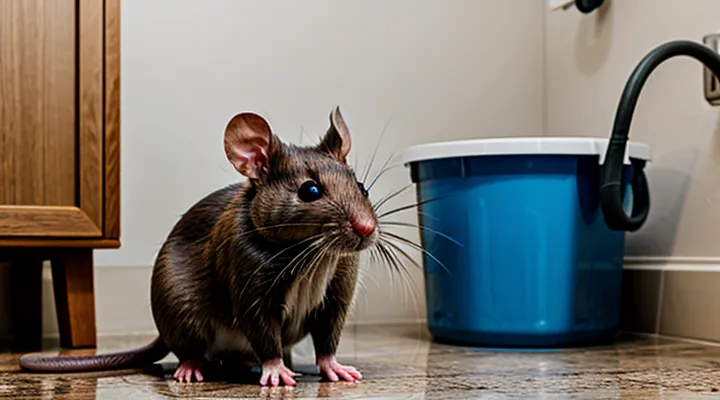
Understanding the Health Risks Associated with Rodents
Diseases Transmitted by Rats
Direct Transmission
Rats can transmit pathogens directly through bites, scratches, saliva, or contact with contaminated urine and feces. Immediate exposure to these biological fluids creates a pathway for diseases such as leptospirosis, hantavirus, and salmonella to enter the human body.
Direct transmission risk persists until all surfaces touched by the animals are thoroughly decontaminated. Residual moisture, blood stains, or urine droplets on countertops, floors, and equipment maintain the infection route even after visual cleaning appears complete.
Effective mitigation requires precise actions:
- Wear disposable gloves and protective eyewear before handling any contaminated material.
- Disinfect all contact surfaces with a solution containing at least 1 % sodium hypochlorite or an EPA‑registered rodent‑borne pathogen sanitizer; allow a minimum of 10 minutes of contact time.
- Remove and seal any absorbent materials (rags, paper towels) that have contacted rodent waste; dispose of them in a sealed biohazard bag.
- Perform a secondary rinse with clean water to eliminate chemical residues that could irritate skin or damage equipment.
- Conduct a final visual inspection to verify the absence of stains, odors, or moisture pockets.
After cleaning, implement a monitoring protocol: test high‑touch areas with swab kits for bacterial or viral presence, and repeat disinfection if results exceed acceptable thresholds. Documentation of each step ensures accountability and facilitates rapid response should re‑contamination occur.
Indirect Transmission
Indirect transmission occurs when pathogens left by rodents contaminate surfaces, food, water, or equipment without direct contact with the animal. Urine, droppings, saliva, and fur can deposit bacteria, viruses, and parasites that survive for days on hard and porous materials. Humans become infected by touching these contaminated items and then touching their face, mouth, or eyes.
Typical agents associated with rodent activity include hantavirus, leptospira, salmonella, and rat‑borne streptobacillus. These microorganisms remain viable on countertops, kitchen utensils, storage containers, and ventilation ducts. Failure to eliminate them creates a persistent health risk even after the rodents are removed.
Effective control of indirect transmission requires systematic decontamination:
- Remove all visible debris, droppings, and nesting material before any cleaning step.
- Wash surfaces with hot, soapy water to dissolve organic residues.
- Apply an EPA‑approved disinfectant (e.g., a 1:10 bleach solution or quaternary ammonium compound) to all hard surfaces, allowing the recommended contact time.
- For porous items such as cardboard, discard or expose to heat above 70 °C for 30 minutes.
- Seal and store food in airtight containers; discard any product that shows signs of contamination.
- Install air filters and increase ventilation to reduce aerosolized particles.
- Wear disposable gloves and protective eyewear throughout the process; change gloves between rooms.
Verification steps include swabbing high‑touch areas after disinfection and testing for residual pathogens, as well as conducting regular visual inspections to detect new rodent signs. Maintaining these practices eliminates the indirect pathways that allow disease spread after a rat problem.
Potential Contaminants and Allergens
Rats leave biological waste that can harbor a range of harmful agents. Their urine and feces contain bacteria such as Salmonella, Leptospira, and Campylobacter, each capable of causing gastrointestinal and systemic infections. Viral particles, notably Hantavirus, may persist on contaminated surfaces for days, posing a respiratory risk. Parasite eggs and larvae, including those of tapeworms and roundworms, can be present in droppings and become airborne when disturbed.
Allergenic substances accompany the microbial load. Rodent dander, comprised of skin flakes and hair, triggers IgE‑mediated reactions in sensitive individuals. Urine proteins act as potent allergens, often causing sneezing, itching, or asthma exacerbations. Dust that accumulates around nesting material can carry these allergens, spreading them throughout the indoor environment.
Effective remediation requires identification and removal of each contaminant type:
- Microbial decontamination: Apply EPA‑registered disinfectants to all surfaces, allowing sufficient contact time to inactivate bacteria and viruses.
- Parasite control: Vacuum with HEPA‑rated equipment, then steam‑clean or chemically treat areas where droppings accumulated.
- Allergen mitigation: Use disposable PPE, sealed bags, and HEPA filtration during cleaning; follow with thorough air‑purification to reduce airborne dander and urine proteins.
Failure to address these contaminants increases the likelihood of infection, allergic response, and long‑term health complications. Prompt, comprehensive cleaning restores a safe, hygienic environment after rodent activity.
Essential Safety Precautions Before Cleaning
Personal Protective Equipment (PPE)
Gloves and Masks
When rodent activity has been detected, protective barriers prevent direct contact with contaminated surfaces and airborne particles. Disposable nitrile gloves provide chemical resistance and reduce the risk of pathogen transfer; choose thickness of at least 0.1 mm for puncture protection. Fit the gloves snugly, inspect for tears before each use, and replace them immediately after contact with droppings, urine, or nesting material. For extended tasks, double‑glove: an inner pair for fine work, an outer pair for gross removal, discarding the outer layer when it becomes soiled.
Respiratory protection limits inhalation of dust, mold spores, and aerosolized bacteria. Use N95 or higher‑efficiency particulate respirators equipped with a seal‑checking strap. Perform a user seal check each time the mask is donned; adjust the nose clip to eliminate gaps. If the environment contains strong odors or chemical disinfectants, select a respirator with an appropriate filter cartridge (e.g., P100 for organic vapors). After completion, remove gloves and mask in a controlled sequence—gloves first, mask last—to avoid cross‑contamination, and place them in sealed biohazard bags for disposal.
Protective equipment protocol
- Verify glove integrity before entry; discard any compromised pairs.
- Don gloves and mask in a clean area, avoiding contact with contaminated surfaces.
- Perform hand hygiene with an alcohol‑based sanitizer after glove removal.
- Store spare masks in a dry, airtight container to maintain filtration efficiency.
- Follow local regulations for disposal of contaminated PPE, treating it as hazardous waste.
Eye Protection and Coveralls
Eye protection and coveralls are essential components of personal protective equipment when eliminating rodent contamination. Exposure to droppings, urine, and carcasses can release aerosolized particles that irritate or damage ocular tissue and skin. Proper barriers prevent direct contact and reduce the risk of infection from pathogens such as hantavirus, leptospirosis, and salmonella.
Recommended eye protection includes:
- Safety goggles with indirect ventilation to block splashes while preventing fogging.
- Full‑face shields that cover the entire face, suitable for tasks involving high‑pressure cleaning or chemical disinfectants.
- Anti‑scratch lenses meeting ANSI Z87.1 standards for impact resistance.
Coveralls provide comprehensive body coverage and should meet the following criteria:
- Disposable, liquid‑resistant material that seals at the wrists, ankles, and torso.
- Seamless or taped seams to eliminate penetration points.
- Elastic or hook‑and‑loop closures that allow quick removal without contaminating clothing.
- Compatibility with additional gloves and boot covers for a complete barrier system.
When donning PPE, follow a systematic sequence: hand hygiene, put on coveralls, secure gloves, attach eye protection, and finally, apply any required respirator. Removal must occur in reverse order, disposing of contaminated garments in sealed bags before washing hands. Regular inspection of goggles and coveralls for tears or clouding ensures continued effectiveness throughout the decontamination process.
Ventilation and Airflow Considerations
After a rodent intrusion, airborne contaminants such as droppings, urine particles, and dust can linger in the interior space. Promptly restoring proper ventilation eliminates residual odors and reduces the risk of respiratory irritation.
Begin by inspecting all mechanical ventilation components—exhaust fans, supply ducts, and air filters. Replace or clean filters that show signs of contamination. Open windows and doors to create cross‑drafts, allowing fresh air to displace stale, polluted air. If the building uses a forced‑air system, run the blower on the highest setting for at least 30 minutes while the space remains unoccupied.
Key actions for effective airflow management:
- Seal gaps around vents and ducts to prevent re‑entry of contaminated air.
- Use high‑efficiency particulate air (HEPA) filters in portable air cleaners positioned near affected areas.
- Maintain a negative pressure environment in rooms where cleaning took place, ensuring that air moves outward toward cleaner zones.
- Schedule regular HVAC inspections to verify that no rodent damage compromises system integrity.
Monitor indoor air quality with a calibrated particle counter or volatile organic compound (VOC) detector. When readings return to baseline levels, resume normal occupancy. Continuous ventilation, combined with thorough cleaning, secures a safe, odor‑free environment after a rat problem.
Step-by-Step Cleaning Process
Initial Assessment and Preparation
Identifying Contaminated Areas
Rats leave droppings, urine, and saliva in any area they traverse, creating health hazards that must be located before remediation. Begin by inspecting the interior and exterior of the building for visible signs of rodent activity: droppings, gnaw marks, shredded insulation, and oily streaks along walls or baseboards. These indicators often cluster near food sources, water lines, and entry points such as cracks, vents, or gaps around pipes.
Conduct a systematic survey of high‑risk zones. Use a flashlight to examine dark corners, under appliances, and inside storage closets. Record the type, size, and quantity of droppings; larger piles suggest prolonged occupancy, while scattered marks may indicate recent movement. Pay special attention to:
- Kitchen countertops, cabinets, and pantry shelves
- Bathroom fixtures, especially around sinks and toilets
- Utility rooms containing refrigerators, freezers, or heating equipment
- Crawl spaces, attics, and garage floors
Employ a UV light to detect urine stains that are invisible to the naked eye. Urine appears as faint, often powdery residues that fluoresce under ultraviolet illumination. Apply the same technique to walls and ceiling joists where rodents may have chewed or marked surfaces.
If the infestation is suspected in concealed areas, insert a disposable swab or a moist gauze pad to collect samples from suspected contamination spots. Send the specimens to a certified laboratory for pathogen testing, focusing on bacteria such as Salmonella and Leptospira that commonly accompany rodent waste.
Map all identified contaminated locations on a floor plan, assigning severity levels based on evidence density. This visual reference guides cleaning crews to prioritize disinfection, ensures comprehensive coverage, and prevents inadvertent omission of hidden hotspots.
Removing Large Debris and Rodent Droppings
Removing large debris and rodent droppings is the first critical step in restoring a safe environment after a rat intrusion. Begin by clearing the area of any broken insulation, shredded wiring, or food containers that rats may have damaged. Wear disposable gloves and a mask to prevent exposure to pathogens. Place all removed items in sealed plastic bags before disposal.
- Collect solid waste with a sturdy shovel or grabber tool.
- Transfer debris into heavy‑duty trash bags; do not overfill.
- Seal bags securely and label them as contaminated.
- Dispose of bags according to local hazardous‑waste regulations.
Next, address droppings. Use a disposable paper towel or damp cloth to pick up fresh feces; avoid sweeping or vacuuming, which can aerosolize bacteria. Apply an EPA‑approved disinfectant to the affected surface, allowing the recommended contact time before wiping clean. After treatment, wash hands thoroughly with soap and water, then launder any reusable clothing at the highest temperature permissible. This systematic removal and disinfection eliminates the primary sources of disease and prepares the space for further deep cleaning.
Disinfection and Sanitization
Choosing Effective Disinfectants
Selecting an appropriate disinfectant is critical after a rodent intrusion to eliminate pathogens and prevent re‑contamination. The product must target the specific microorganisms associated with rats, such as Salmonella, Leptospira, and Hantavirus. Choose agents that are EPA‑registered for use against these agents and that list “rodent‑borne pathogens” on the label.
Key criteria for effective selection:
- Spectrum of activity – Broad‑range efficacy covering bacteria, viruses, and fungi commonly found in rodent droppings.
- Required contact time – Shortest dwell time that still achieves the claimed kill rate, facilitating rapid turnover of the area.
- Material compatibility – Non‑corrosive formulation that will not degrade metal, wood, or plastic surfaces present in the affected space.
- Safety profile – Low toxicity to humans and pets, with clear instructions for ventilation and personal protective equipment.
- Residue characteristics – Minimal or no residue that could attract pests or interfere with subsequent cleaning steps.
- Regulatory compliance – Certification that the disinfectant meets local health‑department standards for post‑infestation sanitation.
When applying the chosen disinfectant, follow these steps:
- Remove visible debris and organic matter; disinfectants are ineffective on dirty surfaces.
- Pre‑wet the area with the solution, ensuring complete coverage of all contaminated zones.
- Maintain the recommended exposure period without rinsing, unless the label specifies otherwise.
- Allow the surface to air‑dry; any residual moisture can encourage microbial growth.
- Document the product name, batch number, and application date for future reference and compliance audits.
By adhering to these guidelines, the disinfectant will reliably neutralize rodent‑related hazards and support a hygienic environment after a rat problem.
Proper Application Techniques
After a rat infestation, thorough sanitation prevents disease transmission and deters re‑entry. Effective cleaning relies on precise application of disinfectants, degreasers, and pest‑proof barriers.
- Wear disposable gloves and protective eyewear before contact with contaminated surfaces.
- Ventilate the area for at least 30 minutes to disperse airborne particles.
- Remove visible debris with a stiff‑bristled brush; dispose of waste in sealed, rodent‑resistant bags.
- Dilute EPA‑registered disinfectant according to manufacturer instructions; excess dilution reduces efficacy.
- Apply the solution with a pump sprayer, ensuring complete coverage of floors, walls, and crevices where droppings or urine may reside.
- Allow the disinfectant to remain wet for the full contact time specified on the label; premature wiping compromises microbial kill rates.
- Rinse surfaces with clean water when the product requires post‑application flushing; dry with disposable towels to avoid cross‑contamination.
Follow up with a sealant or rodent‑proofing spray on entry points to block future access. Document the cleaning process, noting chemicals used, concentrations, and exposure times, to maintain compliance with health‑safety standards.
Cleaning Hard Surfaces
After a rodent intrusion, hard surfaces such as countertops, floors, cabinets, and appliance exteriors must be cleaned thoroughly to eliminate urine, feces, and saliva that can harbor pathogens. Residue left on these surfaces can contaminate food, attract insects, and spread disease.
Cleaning procedure
- Remove visible debris with a disposable cloth or paper towel; discard immediately in a sealed bag.
- Wash the surface with hot, soapy water. Use a detergent that emulsifies organic matter; scrub until all visible stains disappear.
- Apply an EPA‑registered disinfectant effective against Salmonella, E. coli, and hantavirus. Follow the product’s contact time precisely; do not rinse prematurely.
- Rinse with clean water to remove chemical residues.
- Dry the area completely using disposable towels or a clean air dryer; moisture encourages bacterial growth.
- Inspect for lingering odors or stains; repeat the disinfection step if necessary.
Preventive measures
- Seal cracks and gaps around walls, pipes, and vents to block future entry.
- Store food in airtight containers and keep preparation zones free of crumbs.
- Establish a regular cleaning schedule: weekly inspection and disinfection of high‑traffic hard surfaces.
By adhering to these steps, the environment returns to a safe, sanitary condition, reducing the risk of illness and discouraging repeat rodent activity.
Cleaning Soft Furnishings and Fabrics
After a rat infestation, soft furnishings and fabrics must be treated promptly to eliminate pathogens and prevent re‑contamination.
First, remove all cushions, blankets, curtains, and removable covers. Examine each item for droppings, urine stains, or gnaw marks. Discard any piece that shows extensive damage or cannot be thoroughly cleaned.
For washable items, follow these steps:
- Pre‑soak in hot water (≥ 60 °C) with an enzymatic detergent for at least 30 minutes.
- Run a full wash cycle using the highest temperature the fabric label permits; add a disinfectant approved for laundry, such as a chlorine‑based bleach or a quaternary ammonium compound.
- Dry on a high‑heat setting or in direct sunlight to ensure complete desiccation.
Non‑washable fabrics require professional dry‑cleaning. Instruct the cleaner to use a solvent that includes a bactericidal additive. After cleaning, steam‑treat the items to further reduce microbial load.
If an item cannot be salvaged, seal it in a plastic bag and dispose of it according to local hazardous‑waste regulations. This prevents lingering contamination in the home environment.
Finally, protect remaining furnishings by applying a fabric‑safe antimicrobial spray and by storing rarely used textiles in airtight containers. Regular vacuuming with a HEPA‑filter attachment helps remove residual debris and diminishes the risk of future rodent activity.
Odor Removal Strategies
Natural Deodorizers
Natural deodorizers provide a safe, chemical‑free method for eliminating lingering odors after rodent infestations. Their effectiveness relies on volatile compounds that neutralize odor molecules rather than masking them.
- Baking soda: Sprinkle on affected surfaces, let sit for several hours, then vacuum. Its alkaline nature absorbs moisture and odor particles.
- White vinegar: Mix equal parts water and vinegar in a spray bottle. Apply to hard floors, countertops, and interior walls. Acetic acid disrupts odor-causing bacteria.
- Activated charcoal: Place in breathable fabric pouches near problem areas. The porous carbon adsorbs volatile organic compounds over days.
- Essential oil blends: Combine tea tree, eucalyptus, and lemon oil in a carrier (e.g., water or alcohol). Spray lightly on non‑porous surfaces; antimicrobial properties help reduce residual scent.
- Citrus peels: Dry and grind peels, then distribute in closets or under appliances. Limonene compounds volatilize, providing a fresh scent while deterring future rodent activity.
When applying natural deodorizers, observe the following protocol:
- Remove all visible debris, droppings, and contaminated materials before treatment.
- Ensure the area is well‑ventilated to prevent buildup of strong odors from the deodorizers themselves.
- Test a small, inconspicuous spot for material compatibility, especially with essential oil solutions.
- Repeat applications after thorough cleaning, as residual odor may re‑emerge during the drying phase.
Natural deodorizers complement mechanical cleaning methods, offering an environmentally responsible solution for restoring indoor air quality after rodent presence.
Commercial Odor Eliminators
After a rodent intrusion, residual urine, droppings, and secretions generate persistent odors that can affect employee comfort and customer perception. Commercial odor eliminators address these odors by chemically neutralizing volatile compounds rather than merely masking them.
Effective odor‑control products share several characteristics:
- Enzymatic activity – enzymes break down organic molecules, eliminating the source of the smell.
- Broad‑spectrum formulation – active ingredients target ammonia, sulfur compounds, and bacterial by‑products simultaneously.
- Fast‑acting dispersion – aerosol or fogger delivery ensures rapid coverage of large spaces.
- Safety certifications – compliance with OSHA, EPA, and local health regulations protects workers and occupants.
When selecting a commercial odor eliminator for post‑rat sanitation, consider the following criteria:
- Concentration and coverage – match product potency to the size of the affected area.
- Residue profile – prefer formulations that leave no visible residue, preventing secondary contamination.
- Compatibility with cleaning agents – ensure the eliminator does not react adversely with disinfectants used on surfaces.
- Material safety – verify that the product does not degrade flooring, upholstery, or equipment.
Application guidelines improve efficacy:
- Perform thorough removal of droppings and nesting material before treatment.
- Apply the eliminator uniformly, focusing on hidden zones such as crawl spaces, wall voids, and ventilation ducts.
- Allow the recommended dwell time for enzymatic action; typical periods range from 15 minutes to one hour.
- Conduct a second pass in high‑traffic zones to maintain odor control during the recovery phase.
Regular monitoring after treatment confirms success. Use olfactory assessments or electronic odor meters to detect residual compounds. If readings exceed acceptable thresholds, repeat application with an adjusted concentration.
Integrating commercial odor eliminators into the overall rodent‑remediation protocol preserves sanitary conditions, reduces health risks, and supports a professional environment.
Preventing Future Rodent Infestations
Sealing Entry Points
Inspecting and Repairing Structural Gaps
Inspecting and repairing structural gaps eliminates entry points that allow rodents to re‑contaminate a space. Begin with a systematic visual sweep of the interior and exterior envelope. Look for openings larger than a quarter‑inch, including holes around pipes, vents, cable entries, and foundation cracks. Use a flashlight and a mirror to reach concealed areas such as under appliances, behind cabinets, and within attic joists. Record each defect with location and dimensions.
Replace damaged sections of siding, drywall, or insulation before sealing. For small gaps, apply steel wool followed by a high‑quality, rodent‑proof caulk; for larger openings, install metal flashing or mesh, then seal with expanding polyurethane foam. Verify that all repairs are firmly anchored and that no gaps remain after the material cures.
After completion, conduct a second inspection to confirm integrity. Repeat the process quarterly or after any significant weather event, as shifting foundations or new construction activity can create fresh openings. Maintaining a sealed building envelope sustains hygiene and prevents future rodent activity.
Screening Vents and Openings
After a rodent intrusion, sealing all ventilation points and gaps prevents further contamination and blocks re‑entry routes.
Inspect each vent, exhaust fan, and duct opening. Remove debris, then examine the surrounding frame for cracks, holes, or loose mesh. Replace damaged sections with stainless‑steel or heavy‑duty aluminum screening that resists gnawing. Secure the screen using self‑tapping screws and stainless‑steel wire ties to eliminate any movement.
Use materials that meet local health‑code standards:
- Mesh size no larger than ¼ in. (6 mm) to stop mice and rats.
- Corrosion‑resistant metal to withstand cleaning chemicals.
- Sealants compatible with both the screen and the building substrate.
After installation, conduct a visual verification and a tactile test to confirm that the screen is taut and fully covers the opening. Record the location, material type, and date of installation in a maintenance log for future reference.
Schedule periodic inspections—at least quarterly—to detect wear, corrosion, or new gaps caused by building settlement. Replace compromised screens promptly to maintain a hygienic environment and safeguard against renewed rodent activity.
Maintaining Sanitation and Food Storage
Proper Waste Management
Effective waste management is essential for restoring a sanitary environment after a rodent intrusion. Contaminated refuse must be identified, isolated, and removed promptly to prevent disease transmission and discourage re‑entry.
First, gather all waste that has been exposed to droppings, urine, or gnaw marks. Place the material in heavy‑duty, leak‑proof bags, seal each bag tightly, and label them as biohazardous. Dispose of the sealed bags according to local regulations for hazardous waste, or use a licensed disposal service if required.
Second, inspect all trash receptacles for damage. Repair cracks, reinforce lids, and install tight‑fitting covers. Position containers away from walls and food preparation areas to limit rodent access. Use metal or reinforced plastic bins rather than cardboard to reduce chewability.
Third, establish a routine collection schedule. Remove waste at least daily in high‑traffic zones; increase frequency to twice daily in kitchens, pantries, and storage rooms. Clean the interior of each bin with a disinfectant solution after every emptying, allowing the surface to dry completely before refilling.
Fourth, control external waste sources. Store bulk trash in a secured area, cover it with a tarp, and keep it at a minimum distance from building entrances. Ensure that dumpsters are locked and inspected regularly for signs of gnawing or nesting.
Key practices for ongoing waste management:
- Use sealed, puncture‑resistant bags for all disposal.
- Maintain intact, tightly lidded containers.
- Schedule frequent removal and thorough cleaning.
- Secure outdoor refuse away from entry points.
Adhering to these measures eliminates food sources, reduces attractants, and supports a lasting hygienic condition after rodent activity.
Securing Food Sources
After a rodent intrusion, protecting food supplies is essential to prevent re‑infestation and disease transmission. Begin by removing all exposed food items from countertops, floors and open cabinets. Discard any product that shows signs of gnawing, droppings, or unusual odors; sealed containers should be inspected before reuse.
Store remaining consumables in containers that meet the following criteria:
- Made of sturdy, non‑porous material (metal, thick plastic, glass).
- Equipped with tight‑fitting lids or screw‑on caps.
- Labeled with the date of last inspection.
Seal pantry shelves with clear plastic film or metal sheeting to block entry points. Regularly check the integrity of seals, especially after cleaning activities that may dislodge them.
Eliminate potential food sources outside the kitchen:
- Keep garbage bins covered with lids that close securely.
- Empty trash daily and clean bin interiors with a detergent solution.
- Store pet food in airtight containers and remove leftovers after each feeding.
Implement a routine inspection schedule. Every week, scan storage areas for crumbs, spills or damaged packaging. Promptly clean any residue with a disinfectant approved for food‑contact surfaces, then dry thoroughly before restocking.
Finally, educate all occupants about the policy of immediate reporting of any suspected contamination. Consistent adherence to these measures reduces the likelihood that rodents will return to feed, supporting overall sanitation after the infestation.
Regular Monitoring and Maintenance
After a rodent intrusion, continuous surveillance and upkeep protect the environment from recurring contamination.
Routine checks should include:
- Visual examination of walls, ceilings, and flooring for droppings, gnaw marks, or nest material.
- Inspection of food storage areas for compromised packaging or spillage.
- Evaluation of traps or electronic detectors for recent captures or activity alerts.
- Monitoring of ventilation and drainage systems for blockages caused by debris.
Maintenance actions must address identified risks promptly. Clean all discovered waste with a disinfectant approved for pest‑related pathogens. Seal cracks, gaps, and utility openings using steel wool, caulk, or metal flashing to block re‑entry. Store waste in sealed containers and remove it from the premises at least daily. Replace compromised insulation or damaged structural components to eliminate hidden habitats.
Establish a documented schedule: conduct comprehensive inspections weekly for the first month, then transition to bi‑weekly reviews. Record findings, corrective measures, and dates to track trends and verify compliance. Adjust the frequency if signs of activity reappear.
Consistent monitoring coupled with systematic maintenance sustains sanitary conditions and prevents future rodent‑related health hazards.