
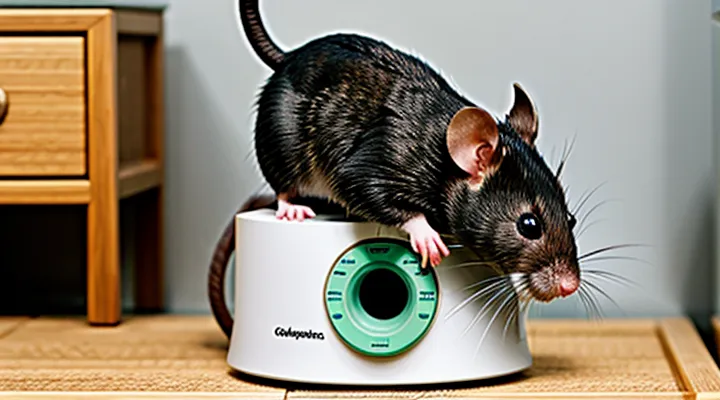
Understanding Ultrasonic Pest Repellers
How Ultrasonic Repellers Work
The Science Behind the Sound Waves
Ultrasonic devices rely on sound waves whose frequencies exceed the upper limit of human hearing, typically above 20 kHz. When emitted, these waves propagate through air as alternating pressure variations that interact with the auditory system of rodents, whose hearing range extends to roughly 80–100 kHz. The rapid pressure cycles stimulate the inner ear, causing discomfort and prompting avoidance behavior.
Key physical parameters that determine effectiveness include:
- Frequency band: optimal repellent action occurs between 30 kHz and 70 kHz, matching the most sensitive range of mice and rats.
- Amplitude: sound pressure levels of 80–100 dB SPL are sufficient to produce a noticeable response without risking structural damage to home furnishings.
- Pulse pattern: intermittent bursts (e.g., 1 second on, 3 seconds off) prevent habituation by maintaining a variable acoustic environment.
The mechanism of action is purely acoustic; no chemicals or physical barriers are introduced. Ultrasonic waves travel in straight lines and are reflected by solid surfaces, creating a pattern of high‑intensity zones that can be strategically positioned to cover entry points and nesting areas. Proper placement and alignment of the transducers ensure that the targeted frequency field reaches the intended locations without significant attenuation.
What Pests are Affected?
Ultrasonic devices emit sound waves beyond the range of human hearing, targeting the auditory systems of small mammals and insects. The technology is effective against the following pests commonly found in residential settings:
- House mouse (Mus musculus) – highly sensitive to frequencies between 20 kHz and 65 kHz; disruption of communication and navigation leads to avoidance of treated areas.
- Norway rat (Rattus norvegicus) – responds to frequencies from 18 kHz to 55 kHz; prolonged exposure reduces activity and foraging within the household.
- Roof rat (Rattus rattus) – similarly affected by mid‑range ultrasonic tones; the device interferes with territorial calls, prompting relocation.
- Field mouse species (e.g., deer mouse, Peromyscus maniculatus) – exhibit aversion to high‑frequency emissions, especially when combined with intermittent pulse patterns.
- Common cockroach (Blattella germanica) – detects ultrasonic vibrations; repeated exposure can deter entry into kitchens and storage areas.
- Carpet beetle larvae (Anthrenus verbasci) – sensitive to ultrasonic pulses; disturbance of feeding behavior limits damage to fabrics.
Effectiveness diminishes for larger mammals such as squirrels, raccoons, and opossums, whose hearing thresholds lie outside the device’s output range. Insects with wings that generate low‑frequency sounds, like flies and mosquitoes, are generally unaffected.
Benefits and Limitations of Ultrasonic Repellers
Advantages of Using Ultrasonic Devices
Ultrasonic devices offer several practical benefits when protecting a residence from rodents.
- Non‑chemical control – they emit high‑frequency sound that deters mice and rats without pesticides, eliminating health risks associated with toxic substances.
- Silent operation – frequencies exceed human hearing range, so occupants experience no audible disturbance.
- Continuous coverage – devices run 24 hours a day, providing constant protection without the need for re‑application or manual intervention.
- Low maintenance – most units require only occasional battery replacement or plug‑in power, reducing upkeep effort.
- Safety for pets and children – emitted frequencies target rodent auditory sensitivity while remaining harmless to larger mammals and humans.
These attributes make ultrasonic repellents a reliable, eco‑friendly option for homeowners seeking effective rodent management.
Potential Drawbacks and Misconceptions
Ultrasonic deterrents present several practical limitations. Their effective radius rarely exceeds eight to twelve feet; walls, furniture, and flooring absorb or reflect the sound, creating blind spots. Rodent response varies with species and age; juvenile mice may exhibit reduced sensitivity, while larger rats can tolerate higher intensities. Output power diminishes after months of continuous use, requiring periodic verification of performance. Devices emit frequencies audible to small mammals such as hamsters or gerbils, potentially causing stress to unintended pets. Although power draw remains low, battery‑powered units demand regular replacement to avoid sudden loss of coverage.
Common misunderstandings often lead to unrealistic expectations. The technology does not eliminate pests; it merely discourages entry and activity within the projected field. Selecting the highest available frequency does not guarantee success; efficacy peaks when the emitted tone matches the hearing range of the target species. Continuous operation does not prevent habituation; rodents may ignore the signal after repeated exposure. A single unit cannot protect an entire dwelling; multiple devices are necessary to address separate rooms or floors. Maintenance is not optional—filters, vents, and power sources require routine inspection to sustain reliable output.
Factors to Consider Before Buying
Types of Ultrasonic Repellers
Plug-in Units
Plug‑in ultrasonic devices are powered directly from a wall outlet, eliminating the need for batteries and ensuring continuous operation. Their compact design allows placement near entry points, such as door frames, windows, or gaps in the foundation, where rodent activity is most likely to begin. Because they draw power from the mains, they maintain a stable frequency output, which is critical for effective deterrence.
When evaluating plug‑in models, consider the following factors:
- Frequency range: devices should emit ultrasonic waves between 20 kHz and 65 kHz, covering the hearing spectrum of both mice and rats.
- Coverage area: specifications typically list a radius in square feet; select a unit whose radius matches the size of the target room or area.
- Adjustable timers: built‑in timers enable scheduled operation, reducing unnecessary exposure and conserving energy.
- Safety certifications: look for UL, CE, or equivalent markings to confirm compliance with electrical standards.
- Noise level: quality units produce no audible sound for humans; verify that the product advertises “inaudible” operation.
Installation is straightforward: insert the plug into a standard socket, position the unit upright, and activate the control switch. For optimal results, avoid obstructing the emitter with furniture or décor, and ensure the device is not placed near large metal objects that could reflect or absorb the ultrasonic waves. Regularly inspect the outlet and cord for signs of wear to maintain reliable performance.
Battery-Operated Devices
Battery-powered ultrasonic repellents eliminate the need for permanent wiring, allowing placement in any room without electrical outlets. Their internal batteries typically provide 30 – 90 days of continuous operation, depending on device capacity and emission schedule. Models equipped with low‑power sleep modes extend runtime by reducing output during periods of low rodent activity.
When evaluating portable units, consider the following criteria:
- Coverage area – manufacturers specify a radius (often 30–50 ft). Verify that the advertised range matches the size of the intended space; overlapping zones may be required for larger rooms.
- Frequency spectrum – effective devices emit ultrasonic waves between 20 kHz and 65 kHz. A broader frequency range prevents rodents from habituating to a single tone.
- Battery type and replaceability – sealed lithium‑ion packs offer longer life but are not user‑replaceable; alkaline or rechargeable AA/AAA packs allow easy swapping.
- Durability and sealing – waterproof or dust‑proof enclosures protect the unit in basements, kitchens, and attics where moisture and debris are common.
- Safety features – automatic shut‑off when battery voltage drops below a safe threshold prevents reduced efficacy and potential damage to the speaker diaphragm.
Installation guidelines improve performance. Position the device at a height of 4–6 ft, unobstructed by furniture, to maximize sound propagation. Avoid placing the unit near large metal objects or thick walls, which can reflect or absorb ultrasonic energy. For multi‑room coverage, distribute several battery-operated units evenly, maintaining a minimum distance of 10 ft between them to prevent destructive interference.
Maintenance requires periodic battery replacement or recharging, and occasional cleaning of the speaker grille to remove dust. Most reputable brands provide an indicator light or audible alert when battery power falls below operational levels, ensuring consistent protection without manual monitoring.
Cost considerations include the upfront price of the unit, the long‑term expense of battery replenishment, and the potential need for multiple devices to achieve full‑home coverage. Evaluating total ownership cost alongside performance specifications yields a reliable, flexible solution for household rodent deterrence.
Devices with Additional Features
Ultrasonic rodent deterrents often include functions beyond basic sound emission. These extra capabilities can improve effectiveness, convenience, and integration with household systems.
- Adjustable frequency ranges allow the device to target different species and adapt to changing pest behavior. Models offering several preset frequencies or a continuous sweep reduce the chance that rodents become desensitized.
- Motion sensors trigger the ultrasonic burst only when movement is detected, conserving power and limiting continuous exposure that may irritate pets or children.
- LED or night‑light modules provide illumination in dark areas while the repeller operates, eliminating the need for separate lighting fixtures.
- Remote control or smartphone app enables users to modify settings, schedule operation periods, and monitor device status without physically accessing the unit.
- Battery backup ensures continued operation during power outages, maintaining protection when the electrical grid is unavailable.
- Integrated aroma dispensers release rodent‑repelling scents such as peppermint oil, adding a chemical deterrent to the ultrasonic method.
- Self‑diagnostic alerts display error codes or battery‑low warnings, facilitating timely maintenance and preventing silent failure.
When evaluating these features, consider compatibility with existing home automation platforms, the reliability of wireless connections, and the impact on household occupants. Devices that combine multiple functions often carry a higher price tag, but the added versatility can reduce the need for separate accessories and streamline pest‑control efforts. Selecting a model that aligns with specific household requirements—such as remote adjustability for multi‑room coverage or battery resilience for basements prone to outages—optimizes both performance and value.
Coverage Area and Power
Matching Repeller to Room Size
When selecting an ultrasonic device to deter rodents, the coverage area is the primary technical criterion. The manufacturer’s specifications usually list a maximum effective radius measured in feet or meters; this figure assumes an open, unobstructed space. Real‑world rooms contain furniture, walls, and flooring that absorb or reflect ultrasonic waves, reducing the practical reach. Therefore, compare the advertised radius with the actual dimensions of the intended space and apply a safety margin.
- Measure the room’s length, width, and height; calculate the floor area (square feet or square meters) and the volume if ceiling height varies significantly.
- Identify obstacles that impede wave propagation: large furniture, cabinets, curtains, and solid walls. Each major barrier can diminish effective range by up to 30 %.
- Choose a device whose stated coverage exceeds the calculated area by at least 20 % to compensate for absorption and reflection.
- For multi‑room applications, select a unit with a higher power rating or install multiple devices, ensuring overlap of coverage zones without placing units directly opposite each other, which can cause signal cancellation.
- Verify that the frequency range (typically 20‑65 kHz) matches the target species; mice and rats respond best to frequencies above 30 kHz.
A correctly matched repeller eliminates dead zones where pests could remain undisturbed. After installation, monitor activity for a few days; if rodents persist, either increase the device’s power setting (if adjustable) or add another unit to extend the coverage envelope. This systematic approach guarantees that the ultrasonic system operates within its optimal performance envelope for the specific room size.
Understanding Decibel Levels and Frequency Ranges
Ultrasonic devices intended to deter household rodents emit sound measured in decibels (dB) and operate within specific frequency bands. Decibel level indicates acoustic power; higher dB values increase the distance the signal can travel before weakening below the hearing threshold of mice and rats. Typical consumer units produce 80–95 dB at the source, delivering effective coverage of 3–5 m in open spaces. Excessive dB may cause discomfort for humans and pets, especially cats and dogs, whose hearing extends into the ultrasonic range. Selecting a model with adjustable output allows balancing efficacy against safety.
Rodents detect frequencies between 1 kHz and 90 kHz, with peak sensitivity around 20–30 kHz. Effective repellents concentrate energy in the 20–45 kHz range, where mice and rats are most responsive while the signal remains largely inaudible to humans (above 20 kHz). Frequency attenuation rises sharply with increasing pitch; a 50 kHz tone loses strength faster than a 25 kHz tone, limiting its reach. Devices that sweep across a band (e.g., 20–35 kHz) reduce habituation by preventing rodents from adapting to a single tone.
Key parameters for evaluation:
- Source dB: 80–95 dB, adjustable if possible.
- Primary frequency band: 20–45 kHz, centered near 30 kHz.
- Coverage radius: 3–5 m in unobstructed rooms.
- Safety margin: Levels below human discomfort threshold, typically under 100 dB at ear height.
Understanding these acoustic characteristics ensures the chosen ultrasonic deterrent delivers sufficient stimulus to rodents while maintaining a comfortable environment for occupants.
Safety and Environmental Impact
Pet and Human Safety Concerns
When selecting an ultrasonic device to deter rodents in a residence, verify that the emitted frequencies fall outside the hearing range of common household pets. Cats typically detect sounds up to 64 kHz, while dogs hear up to 45 kHz; devices operating above 70 kHz minimize the risk of auditory irritation.
Safety for occupants requires compliance with electromagnetic emission standards. Look for certifications such as FCC Part 15, CE, or UL, which confirm that radiation levels remain within limits established for human exposure. Devices lacking these marks may pose unknown health risks.
Consider the following safety checks before purchase:
- Frequency range: >70 kHz to avoid pet hearing, ≤100 kHz to stay within regulatory limits.
- Certification: FCC, CE, UL, or equivalent.
- Power source: Battery‑operated units reduce fire hazard compared to plug‑in models without overload protection.
- Timer function: Automatic shut‑off prevents continuous exposure and conserves energy.
- Placement instructions: Keep units away from sleeping areas, infant cribs, and aquariums to prevent unintended effects on vulnerable users.
Review user manuals for warnings about prolonged exposure, especially for individuals with known hypersensitivity to ultrasonic noise. If any doubt remains, consult a veterinarian or a health professional before installation.
Eco-Friendliness and Chemical-Free Options
Ultrasonic rodent deterrents provide a chemical‑free solution for indoor pest control, eliminating the need for poisons, traps, or sprays. The devices emit high‑frequency sound that rodents find uncomfortable, while leaving humans, pets, and the environment unaffected.
Key environmental advantages include:
- Absence of toxic substances, preventing soil and water contamination.
- No disposable components, reducing landfill waste.
- Low electricity consumption, contributing to lower household carbon footprints.
When evaluating eco‑friendly models, consider the following criteria:
- Frequency spectrum covering 20–65 kHz, which targets both mice and rats.
- Effective coverage area measured in square feet; larger rooms may require multiple units.
- Energy‑efficiency rating, preferably Energy Star certified.
- Compliance with safety standards such as FCC and CE, ensuring no harmful emissions.
Maintenance demands are minimal: devices operate continuously after plug‑in, require no refills, and typically last three to five years before replacement. Periodic cleaning of the exterior surface prevents dust buildup that could diminish sound transmission.
Choosing a non‑chemical ultrasonic deterrent aligns pest management with sustainable household practices, delivering reliable rodent control while preserving environmental integrity.
Key Features to Look For
Frequency Range and Adjustability
Broad Spectrum vs. Targeted Frequencies
Ultrasonic rodent repellers emit sound waves that rodents perceive as uncomfortable. The frequency range determines how many species are affected and how the device interacts with the surrounding environment.
Broad‑spectrum devices cover a wide interval, typically 20 kHz to 65 kHz.
- Affect multiple rodent species, including mice, rats, and some larger pests.
- Reduce the need for precise placement because the signal reaches various frequencies.
- Higher power consumption due to the need to generate a larger band.
- Increased risk of interference with pet hearing, especially for animals sensitive to frequencies below 30 kHz.
Targeted‑frequency devices focus on a narrow band, often 30 kHz to 45 kHz, selected for the most common hearing range of house mice and Norway rats.
- Lower energy demand, resulting in longer battery life or reduced electricity use.
- Minimal impact on pets that hear outside the chosen band.
- Limited effectiveness against species whose hearing peaks outside the selected range.
- Requires accurate positioning to ensure the emitted frequency reaches the infestation zone.
Choosing between the two approaches depends on the diversity of rodent species present, the presence of pets, and the desired balance between coverage and energy efficiency.
Manual vs. Automatic Frequency Changes
Ultrasonic rodent deterrents operate by emitting sound waves outside the hearing range of humans but audible to mice and rats. The way a device varies its frequency determines how effectively it prevents habituation, a critical factor when selecting a unit for residential use.
Manual frequency adjustment lets the owner select a specific tone or range. This approach offers precise control, enabling targeted testing in rooms with different acoustic properties. It requires periodic user intervention to change settings, which can increase maintenance effort. Devices with manual controls often provide a simple dial or remote button, reducing electronic complexity and potentially extending battery life.
Automatic frequency sweep continuously cycles through a preset spectrum, typically covering 20 kHz to 65 kHz. The rapid variation reduces the chance that rodents become desensitized to a single tone. Continuous sweeping eliminates user involvement, ensuring consistent operation after installation. However, automatic systems may consume more power and can include additional circuitry that raises the purchase price.
Key considerations when deciding between the two options:
- Habituation risk – Automatic sweep minimizes it; manual requires regular re‑programming.
- User involvement – Manual demands active adjustments; automatic runs unattended.
- Power consumption – Manual units generally draw less energy; automatic units may need frequent battery replacement or a mains connection.
- Cost – Manual models are often cheaper; automatic models include sophisticated electronics that increase price.
- Installation environment – Large, open areas benefit from automatic sweeping; confined spaces may allow effective manual tuning.
Choose a device whose frequency‑control method aligns with the household’s willingness to perform regular adjustments, the desired level of automation, and the budget constraints.
Power Source and Installation
Outlet Placement and Accessibility
When installing an ultrasonic rodent deterrent in a residence, the power source determines both performance and safety. The device must connect to a standard 120‑V outlet that delivers continuous power; intermittent or low‑voltage sources reduce the emitted frequency range and compromise effectiveness.
Optimal outlet placement follows three principles:
- Proximity to target zones – Position the plug within three to five feet of areas where mice or rats are active (kitchens, pantries, basements). The ultrasonic field attenuates rapidly; closer placement ensures the sound reaches the infestation zone.
- Unobstructed line of sight – Avoid placing the unit behind furniture, inside cabinets, or under rugs. Solid objects reflect or absorb ultrasonic waves, creating dead zones where pests can hide.
- Stable, easily reachable socket – Install the outlet at a height of 12–18 inches above the floor, free from permanent coverings. This height allows quick access for plug‑in, maintenance, or replacement without moving heavy items.
Additional considerations include:
- Avoid shared circuits with high‑power appliances (e.g., microwaves, air conditioners). Voltage fluctuations caused by heavy loads can disrupt the repeller’s frequency output.
- Use dedicated circuits for multiple units if coverage of a large area is required. Separate circuits prevent overload and maintain consistent acoustic emission.
- Check local building codes for socket spacing in kitchens and utility rooms. Compliance ensures legal installation and reduces risk of electrical hazards.
Regular inspection of the outlet and cord verifies that connections remain secure and that the plug is not loosened by pets or children. Replace any damaged components immediately to maintain uninterrupted operation.
Battery Life and Replacement
Battery performance directly influences the reliability of an ultrasonic rodent deterrent. Most models rely on either alkaline AA/AAA cells or rechargeable lithium‑ion packs. Alkaline units typically provide 30‑90 days of continuous operation, depending on output intensity and the size of the protected area. Rechargeable batteries extend runtime to 2‑4 weeks per charge but require periodic recharging cycles that can reduce overall lifespan after 300‑500 cycles.
Key factors that determine how long a device will run on a single set of batteries:
- Output frequency and volume: higher settings consume more power.
- Coverage area: larger spaces demand stronger emissions, shortening battery life.
- Ambient temperature: extreme cold reduces chemical efficiency in alkaline cells.
- Device architecture: models with sleep‑mode functions conserve energy when no rodent activity is detected.
When planning replacement, consider the following:
- Availability of the same battery type; proprietary rechargeable packs may require specific chargers.
- Cost per replacement cycle; alkaline cells are inexpensive but need frequent swaps, while lithium packs have higher upfront cost but lower long‑term expense.
- Ease of access; units with removable battery compartments simplify maintenance.
- Indicator features; LED or audible alerts warn of low charge, preventing silent failures.
Selecting a repeller with transparent battery specifications and a clear replacement schedule ensures uninterrupted protection and reduces hidden maintenance costs.
Additional Technologies
Electromagnetic Features
When evaluating an ultrasonic device for rodent control, examine its electromagnetic specifications as they directly affect performance and safety.
Key electromagnetic parameters include:
- Operating frequency range – Devices typically emit ultrasonic waves between 20 kHz and 65 kHz. Higher frequencies may deter smaller rodents but attenuate more quickly through walls and furniture.
- Signal modulation – Continuous wave output can lead to habituation, while frequency‑swept or pulsed modulation maintains effectiveness by preventing rodents from adapting.
- Power output (mW) – Measured in milliwatts, this indicates the intensity of the ultrasonic field. Sufficient power ensures the sound reaches target zones without exceeding safety limits for humans and pets.
- Electromagnetic interference (EMI) shielding – Proper shielding prevents the unit from disrupting nearby electronic equipment, such as Wi‑Fi routers or medical devices.
- Battery voltage and capacity – Voltage influences the stability of the oscillator circuit; higher capacity batteries extend operational time while maintaining consistent frequency output.
- Compliance certifications – Look for FCC, CE, or other regulatory marks confirming that electromagnetic emissions stay within prescribed limits.
Understanding these features enables a precise match between the device’s technical profile and the layout of a residential environment. Selecting a model with appropriate frequency modulation, adequate power, and robust EMI shielding maximizes rodent deterrence while preserving household electronics and occupant safety.
Night Lights and Other Built-in Functions
Night lights integrated into ultrasonic rodent deterrents serve two practical purposes. First, they provide low‑intensity illumination that helps occupants navigate dark areas while the device operates, reducing the risk of accidental contact with the unit. Second, the light often doubles as a visual status indicator, flashing or changing color to signal that the ultrasonic output is active and within the programmed frequency range.
Additional built‑in functions enhance effectiveness and user convenience. Common features include:
- Frequency adjustment – a dial or digital control that shifts the ultrasonic range to target specific rodent species or adapt to changing environmental conditions.
- Timer settings – programmable intervals that allow the device to run only during peak activity periods, conserving energy and extending battery life.
- Battery‑level alert – an LED or audible cue that warns when power reserves fall below a usable threshold, preventing unnoticed performance decline.
- Remote control – a handheld transmitter that changes settings without requiring direct access to the unit, useful for ceiling‑mounted or hard‑to‑reach installations.
- Automatic shut‑off – a safety mechanism that disables the emitter if the unit is tilted, knocked over, or detects a malfunction, protecting pets and children.
These auxiliary components are engineered to improve reliability, reduce maintenance, and integrate the repeller seamlessly into everyday household routines. Selecting a model that combines clear night‑light signaling with a comprehensive set of built‑in controls maximizes pest‑control efficacy while minimizing user effort.
Installation and Placement Tips
Optimal Placement for Effectiveness
Avoiding Obstructions
Ultrasonic deterrents rely on direct transmission of high‑frequency sound; any solid barrier can block or weaken the signal. Selecting a device that will operate effectively in a residential setting therefore requires a clear view of the intended coverage area.
Common obstacles include interior walls, metal appliances, dense furniture, and thick flooring. Each material reflects or absorbs ultrasonic waves to varying degrees, reducing the range that reaches target rodents.
- Position the unit at least 12 inches away from walls or cabinets.
- Mount at a height of 3–5 feet, where air circulation is unobstructed.
- Keep a minimum of 24 inches between the emitter and large objects such as refrigerators or televisions.
- Avoid placement behind curtains, drapes, or upholstered chairs that can dampen the sound.
- Ensure the device faces open pathways rather than dead‑end corners.
After installation, observe rodent activity for several days. If signs persist, relocate the unit by the distances listed above until a clear line of sight is achieved. Adjustments may be necessary when new furniture is added or seasonal décor changes the layout.
Strategic Positioning in Infested Areas
Effective placement of an ultrasonic device determines whether a rodent‑infested zone becomes hostile or remains a refuge. Identify the primary pathways—gaps under doors, vent openings, and wall voids—then position the unit within a foot of each conduit. The sound field radiates in a roughly 180‑degree arc; orient the speaker side toward the entry point to maximize coverage.
Locate the repeller at a height of 12–18 inches above the floor. Mice and rats travel close to the ground, and this elevation ensures the ultrasonic waves intersect their typical movement plane. Avoid mounting the unit directly on metal surfaces, which can reflect or dampen the signal; use wood or plastic brackets instead.
When multiple devices are required, arrange them in a staggered pattern rather than a straight line. Overlap of ultrasonic zones creates a continuous barrier, preventing gaps where rodents could bypass the deterrent. Maintain a minimum separation of 6–8 feet between units to avoid signal interference.
Key positioning practices:
- Map all known entry points and high‑traffic routes.
- Install the device near, not inside, the opening; a few inches away prevents signal loss.
- Ensure unobstructed line of sight from the speaker to the target area.
- Keep the unit away from large furniture, appliances, or clutter that could block wave propagation.
Troubleshooting Common Issues
What to Do if Repeller Isn't Working
If the ultrasonic device fails to deter rodents, start by confirming power supply. Verify that the unit is plugged in securely, the outlet functions, and any battery packs are fully charged. Replace faulty cords or batteries before proceeding.
Next, assess placement. Ultrasonic waves travel in straight lines and are blocked by walls, furniture, and clutter. Relocate the unit to an open area near known activity points, such as entry holes, pantry shelves, or baseboard gaps. Keep the device at least 12 inches off the floor and away from metal objects that can reflect sound.
Check frequency settings. Some models allow adjustment between 20 kHz and 65 kHz. Rodents are most sensitive to frequencies around 30–40 kHz. Switch to the recommended range and observe for changes in behavior over 48 hours.
Inspect the environment for interference. Loud appliances, music systems, or other electronic devices can mask ultrasonic emissions. Turn off or relocate sources of strong background noise during testing periods.
If the unit still shows no effect, perform a functional test. Place a smartphone or portable recorder near the device and listen for a faint high‑pitched tone. Absence of sound indicates a hardware malfunction; contact the manufacturer for repair or replacement.
Finally, consider supplementary measures. Seal entry points with steel wool or caulk, eliminate food sources, and set mechanical traps. Combining physical barriers with a properly functioning ultrasonic repeller increases overall success in eliminating mice and rats.
Addressing Persistent Pest Problems
Persistent rodent activity in a residence demands a solution that eliminates the source of attraction and prevents re‑entry. An ultrasonic deterrent designed for mice and rats can address both aspects when chosen and installed correctly.
Key factors for evaluating an ultrasonic device include:
- Frequency range that covers the hearing spectrum of target species (typically 20–65 kHz).
- Adjustable output power to maintain efficacy across varying room sizes.
- Continuous operation mode or programmable cycles to match occupancy patterns.
- Certified safety standards that protect humans, pets, and electronic equipment.
- Warranty length and availability of replacement transducers.
Effective placement maximizes the reach of ultrasonic waves. Position units at least 12 inches above the floor, where sound propagates unobstructed. Install devices near entry points such as gaps under doors, utility openings, and vent shafts. Avoid blocking the speaker with furniture or décor; maintain a clear line of sight to the surrounding area.
Frequency selection influences deterrent strength. Rodents respond most strongly to frequencies above 30 kHz, while lower frequencies may be audible to humans and pets. Devices offering multiple frequency bands can adapt to different species and reduce habituation.
Power output determines coverage radius. Models rated for 500 sq ft typically require one unit per room; larger spaces may need multiple synchronized units. Verify that the device’s power supply supports continuous use without overheating.
Ultrasonic deterrents work best when combined with sanitation and exclusion measures. Seal cracks, remove food sources, and store waste in sealed containers. Regularly inspect for new entry points and address them promptly.
Monitor the situation after installation. Record sightings or droppings weekly; a decline indicates success, while persistent activity suggests the need for additional units or supplemental traps. Adjust placement, increase coverage, or replace a malfunctioning device to maintain control over the infestation.
Maintenance and Best Practices
Cleaning and Care
Ensuring Longevity of Your Device
When selecting a device that emits high‑frequency sound to deter rodents, its operational lifespan matters as much as its immediate effectiveness. Longevity hinges on power management, environmental exposure, and routine upkeep.
- Choose a model with a sealed power cable and a robust transformer; these components resist wear caused by frequent plugging and unplugging.
- Opt for units that specify a low‑power consumption rating; lower energy draw reduces thermal stress on internal circuitry.
- Verify that the casing is constructed from UV‑resistant plastic or metal to prevent degradation from sunlight or humidity.
Placement influences durability. Install the repeller away from direct water sources, extreme temperatures, and dust‑prone vents. Secure mounting brackets prevent accidental dislodgement, which can damage the speaker array.
Regular maintenance extends service life. Clean the exterior with a dry cloth quarterly to remove dust that may block sound emission. Inspect the power cord for cracks or exposed wires; replace immediately if damage appears. If the device offers firmware updates, apply them promptly to resolve software‑related failures.
Warranty coverage provides additional assurance. Prefer manufacturers that offer at least a two‑year guarantee and clear procedures for defect reporting. Retain purchase documentation and serial numbers for swift claim processing.
By prioritizing sturdy construction, prudent installation, systematic cleaning, and timely software maintenance, the ultrasonic deterrent will remain functional for the duration of its intended use, delivering consistent protection against mice and rats.
Combining with Other Pest Control Methods
Integrated Pest Management Approach
When evaluating a home‑based ultrasonic device for rodent control, embed the product within an Integrated Pest Management (IPM) framework. IPM treats pest suppression as a systematic process, combining prevention, monitoring, and targeted action to achieve lasting results.
Begin with environmental assessment. Identify entry points such as gaps around pipes, doors, and foundations, and seal them with appropriate materials. Remove food sources by storing grains, pet food, and waste in sealed containers. Reduce clutter that can provide shelter for mice and rats.
Select an ultrasonic unit that meets the following criteria:
- Frequency range covering 20–65 kHz, ensuring activity against both mice and rats.
- Adjustable output power to accommodate room size and ceiling height.
- Timer or programmable schedule for continuous or intermittent operation.
- Certification indicating compliance with safety standards (e.g., FCC, CE).
Integrate the device with monitoring tools. Install snap traps or motion‑activated cameras in suspected zones to verify presence and evaluate the repeller’s impact. Record capture rates weekly; a consistent decline indicates effectiveness, while stable numbers suggest the need for supplemental measures.
Combine ultrasonic emission with complementary tactics:
- Exclusion: reinforce structural barriers identified during the assessment.
- Sanitation: maintain a clean kitchen and pantry, eliminate spilled grains promptly.
- Biological control: consider predatory birds or cats where appropriate and humane.
Maintain the system by cleaning transducer surfaces monthly, verifying battery levels or power supply, and rotating unit placement if rodent activity shifts. Document all actions in a simple log to track progress and adjust the IPM plan accordingly.
By treating the ultrasonic repeller as one component of a coordinated strategy, homeowners achieve more reliable rodent reduction while minimizing reliance on chemical poisons or extensive trapping campaigns.
When to Consider Alternatives
Signs Your Repeller May Not Be Enough
If the ultrasonic device fails to deter rodents, several observable indicators will appear.
- Persistent activity: Mice or rats continue to be seen during daylight or night, especially near food storage, walls, or entry points.
- Frequent droppings: Accumulation of feces in cabinets, under appliances, or along baseboards despite the repeller’s operation.
- Gnaw marks: New chew damage on wires, furniture, or structural elements, indicating ongoing presence.
- Odor complaints: Strong musky or urine smell persists, suggesting that the pest population has not been reduced.
- Lack of audible response: No audible high‑frequency sound is heard when the unit is tested with a compatible detector, implying a malfunction or insufficient power.
When these signs are evident, the ultrasonic deterrent is likely inadequate. Consider verifying placement, ensuring the unit covers the entire affected area, checking battery or power supply health, and evaluating whether the frequency range matches the target species. Replacement with a higher‑output model or supplementing with physical barriers and sanitation may be required to achieve effective control.