
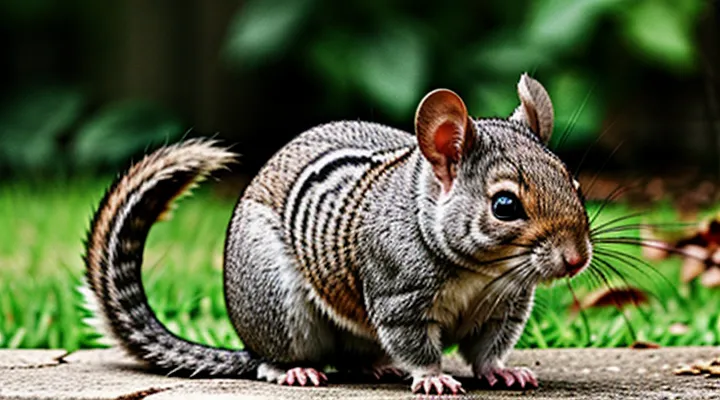
The Enigma of the Chinchilla
A Creature of Many Comparisons
Popular Misconceptions
Chinchillas are often mistakenly classified as either rats or squirrels, leading to confusion about their biology, behavior, and care requirements.
Misconception 1: Chinchillas belong to the rat family.
Fact: They are members of the family Chinchillidae, a distinct lineage separate from Muridae, the true rat family. Their dental structure, skull shape, and genetic markers differ markedly from those of rats.
Misconception 2: Chinchillas are small squirrels.
Fact: Although they share a bushy tail and agile climbing ability, chinchillas lack the characteristic squirrel hind limbs and possess dense, silk‑like fur adapted to high‑altitude deserts, unlike the thinner pelage of most squirrels.
Misconception 3: Their diet mirrors that of rats or squirrels.
Fact: Chinchillas require a high‑fiber, low‑fat diet primarily composed of hay, specialized pellets, and occasional treats. Grain‑heavy or nut‑rich foods typical for rats and squirrels can cause gastrointestinal distress in chinchillas.
Misconception 4: They thrive in warm indoor environments.
Fact: Native to the Andes, chinchillas are adapted to cool, dry climates. Temperatures above 24 °C (75 °F) increase the risk of heat stress and fatal hyperthermia.
Misconception 5: Grooming needs are minimal.
Fact: Their fur demands regular dust baths to remove oil and debris; water bathing can damage the pelage and cause skin infections.
Understanding these corrections prevents inappropriate handling, improves welfare, and clarifies the animal’s true taxonomic position.
Scientific Classification Challenges
Chinchillas occupy a contentious position within rodent taxonomy, prompting ongoing debate about their proximity to either murine species or squirrel-like lineages. This uncertainty stems from several interrelated classification obstacles.
- Morphological convergence obscures diagnostic traits; fur density and cranial features resemble those of diverse rodent groups, leading to conflicting character assessments.
- Molecular analyses produce divergent phylogenies; mitochondrial DNA often aligns chinchillas with Myomorpha, while nuclear markers suggest placement within Sciuridae‑related clades.
- Fossil records are sparse and fragmented, limiting calibration points for evolutionary timelines and hindering precise lineage tracing.
- Historical nomenclature inconsistencies have resulted in multiple synonyms and misapplied names across scientific literature, complicating database integration.
Resolution requires integrated approaches: comprehensive genomic sequencing, detailed morphometric studies, and targeted paleontological surveys. Clarifying the taxonomic standing of chinchillas will refine comparative research, improve conservation strategies, and enhance the accuracy of rodent systematics.
Decoding the Chinchilla’s Anatomy
Physical Characteristics: A Closer Look
Fur Quality and Density
Chinchilla fur is distinguished by exceptional density and softness. Each follicle produces between 60 and 90 individual hairs, creating a total coat of roughly 20 million hairs on an adult. The fine structure results from a short medulla and a soft cortex, which together reduce friction and enhance tactile smoothness. This combination yields a thermal insulation capacity far above that of most rodents, allowing the animal to maintain body temperature in cold, high‑altitude environments.
Compared with common laboratory rats, chinchilla pelage contains markedly more hairs per follicle (rats average 5–10) and exhibits a finer diameter (approximately 15 µm versus 30 µm in rats). Consequently, rat fur provides modest protection and a coarser texture. Squirrels display intermediate characteristics: follicle counts of 10–20 hairs and a diameter near 25 µm, delivering moderate insulation but lacking the plush feel of chinchilla pelage.
Key attributes of chinchilla fur:
- Hair count per follicle: 60–90
- Total hair count: ~20 million
- Individual hair diameter: 15 µm
- Insulation rating: highest among terrestrial mammals
These metrics explain the commercial demand for chinchilla fleece in luxury textiles and highlight the species’ evolutionary adaptation to harsh, mountainous habitats.
Skeletal Structure and Movement
Chinchillas possess a compact axial skeleton that supports a high‑arched spine and a robust rib cage. The vertebral column includes 13 thoracic and 6 lumbar vertebrae, a count intermediate between typical murid rodents and sciurids. Interlocking processes provide rigidity for rapid bursts of speed while allowing the flexibility needed for vertical climbing.
The appendicular skeleton features short, powerful forelimbs and elongated hind limbs. Forelimb bones—scapula, humerus, radius, and ulna—are stout, supporting strong digging motions. Hind‑limb elements—pelvis, femur, tibia, and fibula—are proportionally longer, facilitating powerful jumps. The pelvis exhibits a broad iliac crest akin to squirrels, whereas the overall limb proportion resembles that of rats.
Key skeletal traits influencing locomotion:
- Pelvic width: broader than most rats, similar to squirrel morphology, enhances lateral stability during arboreal movement.
- Tail vertebrae: 20–22 caudal vertebrae with elongated processes, providing a prehensile balance aid for climbing.
- Digit arrangement: five toes on each foot, with the first digit reduced; claw curvature matches that of tree‑dwelling rodents, supporting grip on bark.
Movement combines rapid terrestrial sprinting with agile arboreal navigation. Musculature attached to the lumbar vertebrae enables explosive hind‑limb extension for jumps up to 1.5 m. The elongated tail functions as a counterbalance, stabilizing the body during aerial phases and while traversing narrow branches. Joint articulation permits a wide range of motion, allowing chinchillas to pivot sharply, a capability more characteristic of squirrels than of ground‑dwelling rats.
Dental Features: Incisors and Molars
Chinchillas possess dental adaptations that differentiate them from both rodents commonly labeled as rats and those classified as squirrels. Their incisors are ever‑growing, with enamel confined to the front surface, creating a self‑sharpening edge as the softer dentine wears away during gnawing. This configuration mirrors typical rodent incisors but differs in the pronounced curvature and robust cross‑section, allowing efficient processing of fibrous plant material.
The molar series consists of three transverse rows of cheek teeth, each exhibiting a high crown (hypsodont) structure. The occlusal surface displays complex ridges (lophs) that interlock during chewing, producing a grinding action suited to coarse vegetation. Unlike many rats, whose molars are relatively low‑crowned and simpler in pattern, chinchilla molars maintain wear resistance through continuous eruption and enamel reinforcement.
Key dental characteristics:
- Incisors: unilateral enamel, self‑sharpening, pronounced curvature, continuous growth.
- Molars: hypsodont, three transverse rows, lophodont ridges, high wear tolerance.
- Enamel distribution: limited to incisors, extensive on molar crowns, enhancing durability.
These features support a diet of tough, abrasive foliage and seeds, reinforcing the chinchilla’s placement within a distinct ecological niche separate from typical rat or squirrel dentition.
Chinchilla Behavior and Habitat
Natural Environment and Adaptations
High-Altitude Living
High‑altitude environments impose low oxygen pressure, extreme temperature swings, and limited vegetation. Species that inhabit these regions develop physiological and behavioral adaptations to maintain homeostasis and secure nutrition.
Chinchillas, native to the Andes, exhibit several traits that enable survival above 3,500 m. Enlarged lungs and a high concentration of hemoglobin increase oxygen uptake. Dense, woolly fur provides insulation against sub‑zero night temperatures while remaining breathable during daytime heat. Their kidneys concentrate urine efficiently, reducing water loss in arid conditions.
When comparing these adaptations to those of rodents traditionally classified as rats or squirrels, key differences emerge:
- Respiratory efficiency: chinchilla lungs are proportionally larger than those of most ground‑dwelling rats, aligning more closely with high‑altitude squirrels.
- Fur density: the undercoat is significantly thicker than that of typical rats, resembling the pelage of alpine squirrels.
- Dietary flexibility: chinchillas graze on sparse alpine grasses, a habit shared with high‑elevation squirrels, whereas many rats rely on omnivorous scavenging.
The combination of respiratory, thermoregulatory, and renal traits positions chinchillas as a distinct high‑altitude specialist, reflecting evolutionary pressures that differ from both typical rat and squirrel lineages.
Social Structures
Chinchillas exhibit a highly organized social system that differs markedly from the communal dynamics of many murine species while sharing certain hierarchical features with them. In the wild, individuals form stable colonies ranging from a few to dozens of members, occupying extensive burrow networks that support cooperative vigilance and shared thermoregulation. Dominance hierarchies are maintained through ritualized scent marking, vocalizations, and occasional physical contests, establishing clear breeding rights for dominant females and males.
Key aspects of chinchilla social organization include:
- Colony size: Typically 5‑20 individuals; larger colonies develop sub‑groups with localized leadership.
- Breeding structure: Seasonal reproduction concentrated in dominant pairs; subordinate members may experience delayed or suppressed estrus.
- Communication: High‑frequency alarm calls, soft chirps for affiliative contact, and scent‑based signals for territory and status.
- Cooperative behavior: Group grooming, collective defense against predators, and shared use of nesting chambers that enhance offspring survival.
Compared to rats, which live in densely populated, fluid groups with frequent turnover and less rigid breeding hierarchies, chinchillas maintain longer‑term affiliations and stricter reproductive control. In contrast to squirrels, whose largely solitary or loosely associated family units lack the pronounced colony structure seen in chinchillas, the latter’s social framework reflects a blend of communal stability and hierarchical order that aligns more closely with the social complexity of rodent colonies than with the predominantly asocial lifestyle of tree‑dwelling squirrels.
Dietary Habits
Herbivorous Nature
Chinchillas consume a strictly plant‑based diet, relying on grasses, hay, and specially formulated pellets that supply fiber, protein, and essential vitamins. Their gastrointestinal tract is adapted for continuous fermentation, a trait shared with other herbivores and distinct from the omnivorous digestion of many rodents classified as rats.
The herbivorous habit influences several physiological features:
- Enamel structure suited for grinding fibrous material.
- Large cecum that hosts microbes breaking down cellulose.
- Low metabolic rate that matches the energy yield of plant matter.
When evaluating whether chinchillas align more closely with rats or squirrels, their exclusive reliance on vegetation aligns them with squirrel species that are primarily herbivorous, while contrasting sharply with the opportunistic omnivory observed in many rat species.
Foraging Techniques
Chinchillas forage primarily in arid, rocky habitats where food sources are sparse and seasonal. Their diet consists of seeds, grasses, bark, and occasional insects, requiring precise selection to meet high metabolic demands.
Foraging relies on tactile and olfactory cues. Whiskers detect texture and movement of seeds, while a keen sense of smell identifies nutrient‑rich items. Teeth, continuously growing incisors, slice vegetation and break hard shells, enabling access to otherwise inaccessible resources.
Compared with typical rodent relatives, chinchillas exhibit a hybrid strategy. Rats often exploit human‑derived waste and display opportunistic scavenging; squirrels specialize in hoarding nuts and using aerial locomotion to reach food. Chinchillas combine gnawing efficiency with cache‑like behavior, storing excess seeds in burrow chambers for periods of scarcity.
Key foraging techniques:
- Whisker‑guided selection: rapid assessment of seed size and firmness.
- Incisor‑driven processing: continuous grinding of fibrous material.
- Burrow caching: placement of surplus food in insulated chambers.
- Nocturnal foraging: activity peaks during cooler night hours to reduce water loss.
- Selective grazing: preference for high‑protein grasses and low‑fiber seeds.
Comparing Chinchillas to Rats
Similarities in Rodentia
Shared Order Traits
Chinchillas belong to the order Rodentia, the same taxonomic group that includes rats and squirrels. Their classification rests on a set of morphological and physiological characteristics that define the order.
- continuously growing incisors that require constant gnawing
- a single pair of upper incisors and a matching lower pair
- a diastema separating incisors from cheek teeth
- a well‑developed masseter muscle for powerful chewing
- a skeletal structure featuring a flexible lumbar region and elongated hind limbs
- a reproductive system with a relatively short gestation period compared with lagomorphs
These traits appear in both murine rodents (rats) and sciurid rodents (squirrels). The dental pattern, for example, is identical across the order, while the masseter muscle arrangement follows the same three‑muscle configuration used to generate bite force. Limb proportions differ among families, yet the presence of a plantigrade stance and a prehensile tail in many species reflects a common evolutionary solution for arboreal activity.
The shared order characteristics explain why chinchillas exhibit behaviors and anatomical features reminiscent of both rats and squirrels, despite occupying a distinct family within Rodentia.
Key Differences
Tail Morphology
The tail of a chinchilla offers decisive anatomical evidence for its taxonomic alignment.
Chinchilla tails are short, measuring roughly 10–15 cm, and densely covered with soft, coarse fur that extends to the tip. The fur forms a uniform, rounded silhouette, lacking any visible scales or hairless sections. Musculature beneath the skin is modest, supporting limited prehensile movement but primarily serving as a stabilizing counterbalance during rapid locomotion.
Rats possess elongated tails that exceed body length, are largely hairless, and display a series of keratinized scales. The tail skin is thin, vascularized, and capable of thermoregulation, features absent in chinchilla anatomy.
Squirrels exhibit long, bushy tails with dense fur that envelopes the entire length, providing aerodynamic stability and visual signaling. The tail’s curvature and fur density closely mirror the chinchilla’s, though squirrels typically have greater length relative to body size.
Key morphological contrasts:
- Length: chinchilla ≈ 10–15 cm; rat > body length; squirrel > body length.
- Surface covering: chinchilla = uniform fur; rat = hairless, scaly; squirrel = dense fur.
- Function: chinchilla = balance aid; rat = thermoregulation and sensory; squirrel = balance, display, glide assistance.
The combination of short, fully furred tail and limited prehensile capability aligns chinchilla tail morphology more closely with squirrel characteristics than with rat attributes, reinforcing its classification among squirrel-like rodents.
Size and Weight
Chinchillas typically measure 25–35 cm in body length, with a tail adding 10–15 cm. Adult weight ranges from 400 g to 800 g, depending on species and sex. In contrast, common rats (Rattus norvegicus) reach 20–25 cm in body length and weigh 300–500 g, while gray squirrels (Sciurus carolinensis) exhibit a body length of 23–30 cm and a weight of 400–600 g.
-
Body length:
- Chinchilla – 25–35 cm
- Rat – 20–25 cm
- Squirrel – 23–30 cm
-
Weight:
- Chinchilla – 400–800 g
- Rat – 300–500 g
- Squirrel – 400–600 g
The larger mass of chinchillas results from dense, soft fur and a robust skeletal structure, distinguishing them from the leaner rat and the comparatively lighter squirrel. Their size places them between the two reference animals, supporting the view that chinchillas occupy a unique niche that does not align precisely with either rodent or squirrel classifications.
Lifespan
Chinchillas, often discussed in the context of whether they are more akin to rats or squirrels, exhibit a notably long lifespan for small rodents. In captivity, individuals routinely reach 10 to 15 years, with exceptional cases surpassing 20 years. Wild chinchillas typically live 5 to 7 years due to predation and environmental stresses.
For comparison, the average lifespans of related mammals are:
- Common laboratory rat: 2–3 years in captivity, rarely exceeding 4 years.
- Eastern gray squirrel: 6–12 years in the wild, up to 20 years under human care.
These figures illustrate that chinchillas outlive most rats and match or exceed the longevity of many squirrel species, reinforcing their distinct biological profile despite superficial resemblances.
Comparing Chinchillas to Squirrels
Superficial Resemblances
Agility and Movement
Chinchillas exhibit exceptional agility, characterized by rapid bursts of speed, precise foot placement, and the ability to navigate complex three‑dimensional environments. Their hind limbs are disproportionately long, providing powerful propulsion during jumps that can reach heights of up to one meter. Muscular tendons store elastic energy, allowing swift transitions from standing to sprinting without noticeable delay.
- Accelerated acceleration: 0–5 m/s in under two seconds.
- Jump height: up to 100 cm, surpassing typical laboratory rats.
- Maneuverability: tight turns within 30 cm radius, comparable to arboreal squirrels.
- Grip strength: strong fore‑paws enable secure grasp on rough bark and cage bars.
Compared with rats, chinchillas generate higher ground reaction forces, resulting in more forceful leaps and quicker recovery after landing. Their tail, though less prehensile than a squirrel’s, serves as a counterbalance during aerial maneuvers, enhancing stability. Unlike squirrels that rely on extensive climbing, chinchillas excel in rapid horizontal sprints across open surfaces, reflecting a locomotor strategy optimized for escape in open desert habitats rather than arboreal foraging.
Bushy Tail Perception
The prominent, fluffy tail of the chinchilla shapes human perception of its taxonomic affinity. Observers often associate a voluminous tail with squirrels, while the animal’s overall body plan suggests a closer link to typical rodents. This visual conflict influences classification debates and public understanding.
The tail’s characteristics affect perception in several ways:
- Length exceeding body height creates a silhouette reminiscent of arboreal squirrels.
- Dense pelage reflects light, enhancing visibility and reinforcing the “squirrel‑like” image.
- The tail’s ability to act as a balance aid during agile movements aligns with squirrel behavior, yet chinchillas rarely exhibit the same vertical climbing patterns.
Physiological and ecological data provide additional context. The tail stores fat reserves, a trait uncommon in most squirrels but observed in some desert‑adapted rodents. Its musculature supports rapid, ground‑level locomotion rather than the aerial leaps typical of tree‑dwelling squirrels. These functional aspects counterbalance the visual cues.
Cognitive studies show that people rely heavily on tail morphology when categorizing unfamiliar mammals. When presented with silhouettes lacking other diagnostic features, participants consistently assign chinchillas to the squirrel group. Conversely, when presented with dental or cranial details, classification shifts toward the rodent group. The discrepancy underscores the tail’s dominant role in immediate perception, despite underlying anatomical evidence.
In summary, the bushy tail serves as a potent visual cue that steers public and informal scientific opinion toward a squirrel‑like identity, while anatomical and physiological evidence positions the chinchilla within the broader rodent lineage. Recognizing this bias clarifies why the animal occupies a contested space between two familiar mammalian categories.
Fundamental Distinctions
Geographic Distribution
Chinchillas inhabit the high Andes of South America, primarily within the altitudinal band of 3,000–5,000 meters. Their range extends across three countries:
- Northern Chile, especially the Antofagasta and Atacama regions.
- Southern Peru, notably the Cordillera Blanca and surrounding valleys.
- Northwestern Argentina, concentrating in the provinces of Salta and Jujuy.
Populations occupy arid, rocky habitats such as scrublands, cliffs, and salt flats where temperature fluctuations are extreme and vegetation is sparse. Historical records indicate a broader distribution that once covered the entire Andean plateau, but habitat loss and hunting have confined modern groups to isolated pockets. Conservation surveys confirm that viable colonies persist only in remote, protected areas with minimal human disturbance.
Hibernation Patterns
Chinchillas occupy a contested taxonomic niche, prompting comparison with both murine and sciurid relatives. Their seasonal physiology provides a practical test for this classification.
Unlike true hibernators, chinchillas do not undergo prolonged metabolic depression. During winter they reduce activity, lower body temperature modestly, and rely on stored fat, but they remain capable of arousal at any time. This pattern aligns with shallow torpor rather than the deep, multiday hibernation observed in many squirrels.
Key distinctions:
- Rats: maintain stable metabolic rates year‑round; no torpor or hibernation.
- Squirrels (e.g., ground squirrels): enter multi‑week bouts of reduced metabolism, body temperature near ambient, and periodic arousals.
- Chinchillas: exhibit brief, intermittent reductions in metabolic output; temperature drop limited to a few degrees; no extended dormancy.
Consequences for husbandry and research include the need for continuous monitoring of ambient temperature, provision of high‑energy food throughout winter, and avoidance of assumptions that chinchillas will self‑induce deep hibernation. Their unique torpor profile informs comparative studies of thermoregulation across rodent lineages.
Vocalizations
Chinchillas produce a diverse repertoire of sounds that serve specific social and environmental functions. Their vocalizations differ markedly from those of typical rodents and arboreal squirrels, reflecting adaptations to a nocturnal, burrow‑dwelling lifestyle.
The most common calls include:
- Soft chirps: emitted during grooming or low‑intensity interactions; frequency range 5–10 kHz.
- High‑pitched squeaks: produced when startled; peak intensity exceeds 80 dB, lasting 0.1–0.3 seconds.
- Low growls: used in territorial disputes; dominant frequencies around 2 kHz, accompanied by body posturing.
- Trilling sequences: observed in group cohesion, especially during feeding; consist of rapid 10–15 Hz modulation.
Acoustic analyses reveal that chinchilla calls possess longer duration and lower fundamental frequency than most rat vocalizations, aligning more closely with squirrel alarm calls in spectral content but diverging in temporal pattern. Playback experiments demonstrate that conspecifics respond preferentially to species‑specific frequency bands, confirming the functional relevance of each call type.
Physiological studies indicate that chinchilla vocal cords are highly specialized for sustained high‑frequency output, a trait absent in typical rodent laryngeal structures. This specialization supports their ability to communicate effectively within dense, acoustically dampened burrow systems.
Overall, vocal behavior provides a reliable metric for distinguishing chinchillas from both rats and squirrels, underscoring the significance of acoustic traits in resolving their taxonomic placement.
Evolutionary Journey of the Chinchilla
Ancient Origins
Fossil Evidence
Fossil material assigned to the chinchillid lineage appears first in the late Oligocene of South America, roughly 25 million years ago. Specimens from the Sarmiento and Deseado formations include partial mandibles, isolated teeth, and post‑cranial fragments that establish a continuous record through the Miocene and Pliocene.
The earliest chinchillid fossils exhibit a combination of dental traits typical of hystricomorph rodents and skeletal features that resemble both murid and sciurid taxa. Upper cheek teeth possess high crowns and complex occlusal patterns, a condition shared with many squirrel-like rodents, while lower incisors retain the hypsodont, ever‑growing morphology characteristic of the group that includes rats.
Post‑cranial elements reveal a robust humerus with a well‑developed deltoid crest, a trait associated with powerful forelimb use in climbing squirrels. Conversely, the pelvis shows a broad, shallow shape comparable to that of ground‑dwelling murids. These mixed characteristics suggest an ecological versatility reflected in the fossil record.
Dental microwear analysis of Miocene chinchillid teeth indicates a diet of abrasive plant material, aligning with the foraging habits of modern chinchillas and differentiating them from the omnivorous tendencies of many rats. The enamel microstructure, however, displays prism patterns akin to those observed in sciurids, reinforcing a closer affinity to squirrel-like rodents.
Collectively, the fossil evidence positions chinchillas within the hystricomorph clade but highlights convergent evolution of traits seen in both rats and squirrels. The morphological mosaic recorded in the paleontological record supports their classification as a distinct lineage that shares derived features with squirrel-like rodents while retaining primitive elements reminiscent of murid ancestors.
Divergence from Other Rodents
Genetic Markers
Genetic markers supply objective data for resolving the taxonomic position of chinchillas relative to other rodents. Mitochondrial cytochrome b sequences, nuclear IRBP (interphotoreceptor retinoid‑binding protein), and exon‑intron boundaries of the growth hormone receptor gene exhibit distinct patterns that differentiate chinchillas from murids (rats) and from sciurids (squirrels). Comparative analyses of these loci reveal a closer affinity to the squirrel lineage, despite superficial morphological similarities to rats.
Key markers used in phylogenetic studies:
- Mitochondrial cytochrome b: nucleotide divergence of ~12 % from rat species, ~6 % from squirrel species.
- Nuclear IRBP exon 2: shared derived mutations with sciurids, absent in murids.
- Growth hormone receptor intron 3: insertion–deletion events aligning chinchilla sequences with squirrel clade.
- SINE (short interspersed nuclear element) insertions: presence of specific elements characteristic of squirrel genomes.
Combined, these markers generate a robust molecular framework that places chinchillas within the squirrel branch of the Rodentia order, confirming their evolutionary relationship beyond phenotypic resemblance to rats.
The Chinchilla in Modern Society
Pet Ownership Considerations
Housing Requirements
Chinchillas need enclosures that protect against temperature extremes, provide ample space for exercise, and prevent injury. A solid, well‑ventilated cage with a minimum floor area of 1 ft² per animal ensures adequate movement. Height should allow vertical climbing, as these rodents naturally ascend on branches.
- Size: At least 24 inches wide, 24 inches deep, and 30 inches high for a single chinchilla; larger dimensions for multiple occupants.
- Material: Wire mesh of ½‑inch spacing prevents escape while allowing airflow; solid base eliminates drafts that could cause respiratory issues.
- Temperature control: Keep ambient temperature between 60 °F and 70 °F; avoid direct sunlight and drafts.
- Substrate: Use dust‑free, absorbent bedding such as kiln‑fired pine shavings or paper‑based material; replace weekly to maintain hygiene.
- Enrichment: Include multiple levels, chew toys, and safe climbing structures to satisfy natural foraging and climbing instincts.
- Cleaning: Perform spot cleaning daily; fully replace bedding and sanitize the cage every two weeks.
Proper ventilation, stable temperature, and sufficient space are non‑negotiable for chinchilla health. Failure to meet any of these criteria increases the risk of stress‑related disorders, dental problems, and respiratory infections.
Diet and Health
Chinchillas are often compared to rodents such as rats and squirrels, yet their dietary and health needs are distinct. Understanding these requirements prevents common ailments and supports longevity.
In the wild, chinchillas consume a diet dominated by high‑fiber vegetation: grasses, leaves, bark, and occasional seeds. This intake supplies coarse fiber that promotes gastrointestinal motility and provides essential minerals. Protein levels remain modest, reflecting the low‑calorie environment of their native Altiplano habitats.
Captive feeding should mimic the natural profile while ensuring safety and nutritional balance:
- Hay: Unlimited access to timothy or orchard grass; primary source of fiber.
- Pellets: Formulated for chinchillas, containing 15–20 % protein, low fat, and fortified with vitamin D and calcium.
- Water: Fresh, clean, provided in a sipper bottle; daily replacement prevents bacterial growth.
- Treats: Limited amounts of dried rose hips, plain unsweetened oat biscuits, or small pieces of apple; no sugary, salty, or fatty snacks.
- Supplements: Only when veterinary analysis indicates deficiencies; routine use of vitamin C or calcium is unnecessary.
Health problems frequently stem from dietary mismanagement. Overfeeding high‑calorie treats leads to obesity, which predisposes chinchillas to joint stress and reduced lifespan. Inadequate fiber can cause gastrointestinal stasis, manifested by reduced fecal output and lethargy. Excessive calcium without balanced phosphorus results in urinary calculi. Continuous chewing on hard objects is essential; insufficient dental wear produces malocclusion, pain, and feeding difficulty.
Preventive care includes:
- Providing constant hay to ensure fiber intake.
- Offering measured pellet portions twice daily.
- Monitoring body condition scores weekly.
- Observing fecal consistency; firm, dark pellets indicate proper digestion.
- Scheduling veterinary examinations at least annually to detect early signs of dental or renal issues.
Adhering to these guidelines aligns captive nutrition with the species’ evolutionary adaptations, minimizing disease risk and promoting optimal health.
Conservation Status
Threats to Wild Populations
Wild chinchillas, the small desert rodents often compared to rats or squirrels, exist in fragmented pockets across the Andes. Their numbers have declined dramatically since the 19th century, making the identification of pressures on remaining populations essential for effective management.
- Habitat degradation caused by mining, agriculture, and infrastructure expansion reduces available burrow sites and foraging areas.
- Illegal capture for the pet trade removes mature individuals from the gene pool and fuels further market demand.
- Climate variability intensifies drought frequency, limiting vegetation growth and water sources.
- Emerging pathogens, such as the bacterium Yersinia pestis, increase mortality during epizootic events.
- Predation by introduced feral cats and dogs adds additional mortality pressure.
- Competition with introduced herbivores (e.g., goats) depletes vegetation resources essential for chinchilla diets.
Conservation programs now prioritize anti‑poaching patrols, habitat restoration, and captive‑breeding initiatives aimed at supplementing wild stocks. Monitoring disease outbreaks and implementing climate‑adaptive management strategies further enhance population resilience.
Captive Breeding Programs
Captive breeding programs for chinchillas have become central to preserving genetic diversity and supporting sustainable supply chains. These programs operate under strict genetic management, recording pedigrees to avoid inbreeding depression and to retain traits valued for fur quality and laboratory use. By maintaining closed colonies, institutions can produce predictable offspring while safeguarding wild populations from exploitation.
Key components of successful breeding efforts include:
- Comprehensive health screening to prevent transmission of pathogens.
- Controlled environmental conditions that mimic natural habitats, reducing stress‑related mortality.
- Structured mating schemes that rotate individuals across lineages, maximizing heterozygosity.
- Regular demographic monitoring to balance population growth with resource capacity.
Economic considerations drive many facilities to integrate commercial objectives with conservation goals. Revenue from fur or research specimens funds veterinary care, facility upgrades, and educational outreach. Transparency in record‑keeping enables accreditation bodies to assess compliance with animal welfare standards and to verify that breeding does not contribute to illegal wildlife trade.
Future directions emphasize genomic tools, such as whole‑genome sequencing, to identify markers linked to disease resistance and desirable phenotypes. Incorporating these data into breeding decisions enhances long‑term viability, ensuring that captive populations remain robust reservoirs for both scientific inquiry and responsible commercial use.