
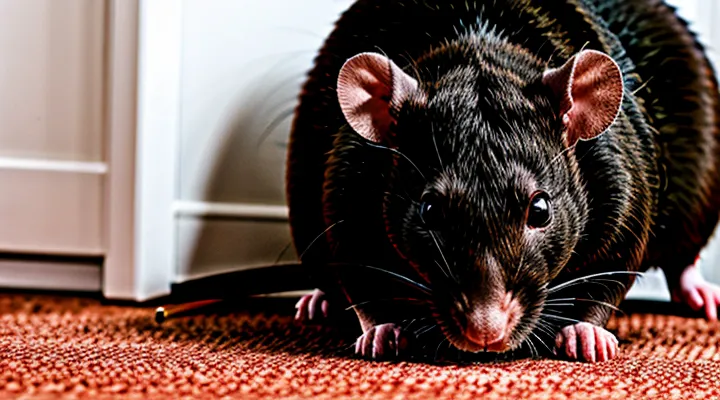
Underlying Medical Conditions
Respiratory Infections
Bacterial Infections
Bacterial infections represent a significant etiological factor for epistaxis in laboratory rats. Pathogenic microorganisms colonize the nasal mucosa, breach epithelial barriers, and provoke inflammatory responses that compromise vascular integrity, leading to bleeding.
Common bacterial agents implicated include:
- Streptococcus pneumoniae
- Staphylococcus aureus
- Pseudomonas aeruginosa
- Klebsiella pneumoniae
- Haemophilus influenzae
These organisms initiate damage through several mechanisms. Direct invasion disrupts endothelial cells, while bacterial toxins increase vascular permeability. The ensuing inflammatory exudate contains neutrophils and cytokines that degrade extracellular matrix, weakening vessel walls. Secondary necrosis creates focal lesions that hemorrhage under normal respiratory pressures.
Clinically, affected rats display unilateral or bilateral nasal discharge, blood-tinged sneezing, and occasional hemoptysis. Diagnosis relies on culture of nasal swabs, polymerase chain reaction identification of pathogen DNA, and histopathological examination of nasal tissue to confirm vasculitis and bacterial presence.
Control measures focus on hygiene, quarantine of infected colonies, and targeted antimicrobial therapy. Empirical treatment should be guided by susceptibility testing; broad‑spectrum agents such as enrofloxacin or ampicillin are frequently effective. Prophylactic strategies include regular cage cleaning, ventilation optimization, and vaccination where available.
Viral Infections
Viral infections represent a significant etiological factor for nasal hemorrhage in laboratory rats. Pathogenic viruses disrupt the integrity of the nasal mucosa, induce inflammatory responses, and interfere with hemostatic mechanisms, collectively increasing the risk of epistaxis.
Typical mechanisms include:
- Direct cytopathic damage to epithelial cells, leading to ulceration and exposure of submucosal vessels.
- Inflammatory infiltration that elevates local vascular permeability and precipitates bleeding.
- Virus‑induced thrombocytopenia or platelet dysfunction, impairing clot formation.
- Activation of coagulation cascades resulting in disseminated intravascular coagulation and subsequent hemorrhagic manifestations.
Representative viral agents associated with these outcomes are:
- Sendai virus – causes severe rhinitis with mucosal erosion and frequent nosebleeds in infected rats.
- Rat coronavirus (RCV) – produces systemic vasculitis; nasal bleeding often accompanies respiratory signs.
- Hantavirus – induces hemorrhagic fever‑like syndrome, including nasal hemorrhage as a prominent clinical sign.
Experimental observations confirm that viral load correlates with severity of nasal bleeding. High‑titer infections produce extensive mucosal necrosis and profound thrombocytopenia, whereas low‑titer exposures may result in occasional spotting. Diagnostic confirmation relies on PCR detection of viral RNA, serology for specific antibodies, and histopathological examination of nasal tissue.
Mitigation strategies focus on biosecurity, vaccination where available, and monitoring of colony health. Early identification of viral infection allows prompt isolation and supportive care, reducing the incidence of hemorrhagic episodes.
Fungal Infections
Fungal pathogens represent a notable source of nasal hemorrhage in rats. Species most frequently implicated include Aspergillus fumigatus, Candida albicans, and Pseudallescheria boydii. These organisms colonize the nasal mucosa, invade blood vessels, and precipitate tissue necrosis, which commonly manifests as epistaxis.
Pathophysiological mechanisms involve hyphal penetration of the lamina propria, disruption of capillary integrity, and inflammatory edema that elevates intranasal pressure. Vascular invasion produces localized hemorrhage, while extensive tissue destruction can lead to persistent bleeding.
Key risk factors:
- Immunosuppression (e.g., corticosteroid administration, viral infections)
- Poor ventilation and high humidity in housing environments
- Presence of organic bedding that supports fungal growth
- Chronic upper‑respiratory disease that compromises mucosal defenses
Diagnostic approach:
- Clinical observation of intermittent or continuous nasal discharge containing blood.
- Endoscopic examination to identify ulcerative lesions or fungal plaques.
- Cytological smear of nasal secretions stained with Gomori methenamine silver to reveal hyphal structures.
- Culture of nasal swabs on Sabouraud dextrose agar for species identification.
- Histopathology of biopsy samples to assess depth of invasion and vascular involvement.
Management strategies focus on eliminating the infectious agent and supporting hemostasis:
- Systemic antifungal therapy (e.g., itraconazole, voriconazole) administered according to susceptibility profiles.
- Topical antifungal irrigation with amphotericin B for localized lesions.
- Environmental control: reduction of humidity, regular replacement of bedding, and sterilization of cages.
- Monitoring of coagulation parameters and, if necessary, temporary use of hemostatic agents.
Preventive measures emphasize maintaining optimal husbandry conditions, minimizing stressors that suppress immunity, and routine screening of colony animals for early fungal colonization. Implementing these practices reduces the incidence of fungal‑induced nasal bleeding and improves overall health outcomes in rat populations.
Systemic Diseases
Coagulation Disorders
Nasal hemorrhage in rats frequently reflects a failure of the coagulation cascade. Disruption of hemostasis can arise from genetic, metabolic, or iatrogenic sources, each altering clot formation and stability.
Inherited deficiencies affect specific clotting factors. Common presentations include:
- Factor VIII deficiency (hemophilia A) – prolonged activated partial thromboplastin time, spontaneous mucosal bleeding.
- Factor IX deficiency (hemophilia B) – similar laboratory profile, increased susceptibility to epistaxis.
- Combined factor V and VIII deficiency – severe bleeding tendency, rapid loss of blood from nasal mucosa.
Acquired disorders modify coagulation through organ dysfunction or systemic pathology. Notable examples are:
- Hepatic insufficiency – reduced synthesis of clotting proteins, prolonged prothrombin time.
- Vitamin K antagonism – impaired γ‑carboxylation of factors II, VII, IX, X, leading to coagulopathy.
- Disseminated intravascular coagulation – consumption of platelets and clotting factors, paradoxical bleeding and thrombosis.
Pharmacological agents can precipitate bleeding by interfering with platelet function or the clotting cascade. Relevant drug classes include:
- Anticoagulants (warfarin, direct oral inhibitors) – suppress vitamin K–dependent factor activity.
- Non‑steroidal anti‑inflammatory drugs – inhibit platelet aggregation, prolong bleeding time.
- Chemotherapeutic agents – cause marrow suppression, thrombocytopenia, and endothelial damage.
Accurate identification of a coagulation disorder requires laboratory assessment (PT, aPTT, fibrinogen, platelet count) combined with a review of genetic background, diet, and medication exposure. In experimental settings, controlling for these variables is essential to distinguish primary nasal pathology from secondary hemorrhagic effects.
Liver Disease
Liver pathology is a frequent contributor to nasal hemorrhage in laboratory rats. Hepatic impairment disrupts synthesis of clotting factors, lowers platelet counts, and amplifies fibrinolytic activity, all of which increase bleeding propensity.
Key mechanisms linking liver disease to epistaxis include:
- Reduced production of fibrinogen, prothrombin, and factors V, VII, IX, X, leading to prolonged coagulation times.
- Portal hypertension causing splenic sequestration of platelets, resulting in thrombocytopenia.
- Elevated levels of tissue‑type plasminogen activator from damaged hepatocytes, accelerating clot breakdown.
- Accumulation of bilirubin and bile acids that interfere with platelet function.
Common hepatic conditions observed in rat colonies—viral hepatitis, fatty infiltration, cholestasis, and experimentally induced cirrhosis—exhibit these disturbances. Biochemical panels typically reveal decreased serum albumin, prolonged prothrombin time, and low platelet counts. Histopathology confirms fibrosis, necrosis, or steatosis, correlating with the severity of hemorrhagic events.
Management of affected animals requires correction of coagulopathy (e.g., plasma transfusion, vitamin K supplementation) and treatment of the underlying hepatic disorder. Routine monitoring of liver enzymes and coagulation parameters can identify at‑risk subjects before nasal bleeding manifests.
Kidney Disease
Kidney disease in rats frequently contributes to nasal hemorrhage through several physiological disturbances. Impaired renal function reduces the clearance of metabolic waste, leading to elevated blood urea nitrogen and creatinine levels. These toxins damage the vascular endothelium, weakening capillary walls in the nasal mucosa and predisposing them to rupture.
- Systemic hypertension caused by fluid retention increases intravascular pressure, forcing fragile nasal vessels to leak.
- Uremic platelet dysfunction diminishes clot formation, prolonging bleeding once it starts.
- Secondary hyperparathyroidism elevates calcium-phosphate product, promoting vascular calcification and brittleness in nasal tissues.
- Accumulation of inflammatory mediators aggravates mucosal edema, stretching vessels to the point of failure.
Experimental models show that rats with advanced renal insufficiency exhibit a higher incidence of spontaneous epistaxis compared with healthy controls. Monitoring blood pressure, coagulation parameters, and electrolyte balance provides early indicators of the risk. Therapeutic strategies that control hypertension, correct uremic coagulopathy, and manage mineral metabolism reduce the frequency and severity of nasal bleeding in affected animals.
Hypertension
Hypertension elevates systemic arterial pressure, creating a mechanical stress that frequently exceeds the tensile strength of the thin capillaries lining the nasal mucosa. The resulting microvascular rupture manifests as spontaneous epistaxis in laboratory rats.
Key hemodynamic effects include:
- Persistent elevation of systolic and diastolic pressures that compress nasal veins, impairing venous return.
- Increased shear stress on endothelial cells, provoking inflammation and weakening of vessel walls.
- Augmented pulse pressure that amplifies pulsatile forces transmitted to the nasal vasculature.
Experimental studies using spontaneously hypertensive rats and pharmacologically induced models consistently report a higher frequency of nasal bleeding compared with normotensive controls. Quantitative assessments reveal a 2‑ to 3‑fold rise in bleed episodes per observation period, correlating directly with measured arterial pressure values.
Hypertension often interacts with additional risk factors such as platelet dysfunction, anticoagulant administration, or environmental irritants. The combined impact accelerates mucosal erosion and reduces clot formation, intensifying hemorrhagic events.
For investigators employing rat models, routine blood pressure monitoring and, when appropriate, antihypertensive treatment can substantially lower the incidence of nasal bleeding. Adjusting experimental protocols to control systemic pressure improves animal welfare and enhances data reliability concerning vascular studies.
Environmental and Traumatic Factors
Trauma to the Nasal Area
Falls or Impacts
Nasal hemorrhage in laboratory rats frequently originates from mechanical trauma, with falls and direct impacts representing primary contributors. When a rat experiences a sudden descent or collision, the delicate nasal vasculature can rupture, leading to observable bleeding from the nostrils. The rapid acceleration and deceleration forces generated during a fall increase intranasal pressure, stressing capillary walls beyond their elastic limits.
Key mechanisms involved include:
- Shear stress on the nasal septum caused by abrupt body movement.
- Compression of the nasal cavity when the head contacts a hard surface.
- Contusion of underlying mucosal tissue resulting from blunt force.
Experimental records show that rats dropped from heights as low as 30 cm exhibit epistaxis within minutes, while impacts from cage equipment produce similar outcomes when the force exceeds approximately 0.5 N. The severity of bleeding correlates with the magnitude of kinetic energy transferred to the nasal region.
Preventive strategies focus on minimizing environmental hazards: securing elevated platforms, using cushioned bedding, and designing cages without protruding edges. Regular monitoring during handling reduces the likelihood of accidental drops, thereby limiting trauma‑induced nasal bleeding.
Understanding the relationship between mechanical injury and nasal hemorrhage informs both animal welfare protocols and the interpretation of experimental data where blood loss may confound physiological measurements.
Fights with Other Rats
Aggressive encounters with conspecifics rank among the most frequent triggers of epistaxis in laboratory rodents. Physical contact during territorial disputes often results in direct trauma to the nasal region, especially when animals bite or gnaw at each other’s snouts. The rapid acceleration of the head during a chase can also produce shear forces that rupture delicate capillaries within the nasal mucosa.
Key physiological pathways involved include:
- Laceration of the rostral nasal cartilage and underlying mucosal vessels caused by bite wounds.
- Compression of the nasal septum from forced head-to-head impacts, leading to micro‑fractures and vessel rupture.
- Stress‑induced hypertension that elevates intravascular pressure, making fragile nasal capillaries more susceptible to rupture during physical strain.
Experimental observations confirm a correlation between the frequency of inter‑rat aggression and the incidence of nasal bleeding. Cohorts housed in high‑density cages display a higher prevalence of epistaxis than those kept in low‑density environments, and the severity of bleeding escalates with the intensity of recorded fights. Preventive measures such as environmental enrichment, appropriate group sizes, and monitoring of aggressive behavior reduce the occurrence of nasal hemorrhage linked to combat.
Excessive Grooming or Scratching
Excessive grooming or scratching directly damages the delicate nasal mucosa, rupturing capillaries and producing epistaxis in laboratory rats. Repeated mechanical trauma creates micro‑abrasions that expose blood vessels, while the associated inflammation weakens vascular walls and accelerates bleeding.
Common drivers of heightened self‑cleaning behavior include:
- Ectoparasite infestation (e.g., mites, lice) that provokes itch and irritation.
- Dermatological disorders such as ulcerative dermatitis or fungal infection.
- Environmental stressors: overcrowding, inadequate bedding, or sudden temperature changes.
- Nutritional imbalances, particularly deficiencies in essential fatty acids or vitamin E.
- Allergic reactions to bedding material, food additives, or disinfectants.
Clinical presentation typically features intermittent or continuous nasal discharge mixed with blood, crusted lesions around the nostrils, loss of vibrissae, and visible grooming marks on the face and forepaws. Observation of persistent scratching or over‑grooming corroborates the etiological link.
Diagnostic work‑up should combine a thorough external examination with microscopic evaluation of skin scrapings, fecal parasite screening, and, when indicated, histopathological analysis of nasal tissue. Hematological profiling helps identify systemic inflammation or coagulopathies that may exacerbate bleeding.
Effective control requires addressing the primary irritant. Antiparasitic treatment eliminates mite or lice burdens; topical antiseptics and wound dressings protect damaged mucosa; environmental enrichment reduces stress‑induced grooming; dietary supplementation restores skin integrity. Regular monitoring of grooming frequency and nasal condition ensures early detection of recurrence.
Irritants and Allergens
Dust and Ammonia
Dust particles suspended in the air of animal facilities can irritate the nasal mucosa of rats. Fine particulates settle on the epithelial surface, causing mechanical abrasion and dehydration of the tissue. Repeated exposure leads to inflammation, edema, and weakening of the capillary walls, which predisposes the animal to spontaneous bleeding from the nasal cavity.
Ammonia, a common by‑product of waste decomposition, accumulates in poorly ventilated cages. As a volatile alkaline gas, it penetrates the nasal passages and raises the local pH, resulting in chemical burns of the mucosal lining. The ensuing inflammation triggers vasodilation and increases the fragility of small blood vessels, creating conditions favorable for epistaxis.
Key points linking dust and ammonia to nasal hemorrhage in rats:
- Direct mucosal irritation → epithelial damage
- Dehydration of nasal tissue → reduced protective mucus
- Inflammatory response → edema and capillary fragility
- Chemical burn from alkaline vapors → tissue necrosis
- Vasodilation and increased blood flow → heightened risk of rupture
Mitigating these factors requires controlling ambient dust levels and maintaining ammonia concentrations below established safety thresholds. Continuous monitoring of air quality and regular cleaning of bedding and cages are essential preventive measures.
Chemical Fumes
Chemical fumes represent a significant factor that can induce nasal hemorrhage in laboratory rats. Inhalation of volatile compounds delivers irritants directly to the nasal mucosa, compromising vascular integrity and triggering bleeding.
Acute exposure to irritant gases such as ammonia, chlorine, and formaldehyde produces rapid mucosal edema, epithelial desquamation, and capillary rupture. Chronic low‑level inhalation of organic solvents (e.g., acetone, toluene) leads to progressive epithelial thinning, inflammatory infiltrates, and fragile neovascularization, which predispose to spontaneous bleeding.
Mechanistic pathways include:
- Direct cytotoxic damage to epithelial cells, exposing underlying capillaries.
- Oxidative stress generated by reactive gas species, resulting in endothelial dysfunction.
- Inflammatory mediator release (histamine, prostaglandins) that increases vascular permeability.
- Disruption of mucosal blood‑clotting balance through altered platelet aggregation.
Experimental considerations:
- Maintain fume‑hood integrity and monitor ambient concentrations with calibrated gas detectors.
- Use respiratory masks or chamber filtration when testing highly irritant fumes.
- Record exposure duration, concentration, and animal behavior to correlate with hemorrhagic outcomes.
- Conduct histopathological examinations of nasal tissues to confirm lesion type and severity.
Preventive measures focus on controlling environmental exposure: implement exhaust ventilation, employ sealed delivery systems for volatile agents, and schedule regular maintenance of containment equipment. When unavoidable, limit exposure time and provide supplemental humidified air to reduce mucosal drying.
Understanding the toxicological profile of specific fumes allows researchers to anticipate and mitigate nasal bleeding risks, ensuring reliable experimental results and animal welfare.
Strong Scents
Nasal hemorrhage in laboratory rats frequently originates from environmental irritants, and volatile aromatic compounds represent a significant source of mucosal injury. Strong scents provoke direct irritation of the nasal epithelium, leading to inflammation, capillary dilation, and rupture of fragile vessels. The resulting epistaxis may appear shortly after exposure or develop after repeated inhalation.
The mechanism involves activation of sensory nerve endings by odorant molecules, triggering a neurogenic inflammatory cascade. Histamine release, increased vascular permeability, and edema weaken the integrity of the mucosal lining. Concurrently, the autonomic nervous system mediates vasodilation, raising intranasal pressure and predisposing to bleeding.
Common strong odors that have been documented to induce nasal bleeding in rats include:
- Phenolic disinfectants
- Concentrated ammonia solutions
- Formaldehyde vapors
- Essential oils with high menthol or eucalyptol content (e.g., peppermint, eucalyptus)
- Solvent-based cleaning agents (e.g., acetone, ethanol at high concentrations)
The severity of the response correlates with concentration, exposure duration, and the animal’s age or underlying health status. Acute exposure to high concentrations can cause immediate hemorrhage, while chronic low‑level exposure may gradually compromise mucosal resilience, resulting in intermittent bleeding episodes.
Effective mitigation requires strict control of airborne odorants: implement exhaust ventilation, use odor‑free alternatives for disinfection, limit the use of scented compounds in animal rooms, and monitor air quality with chemical sensors. Regular health checks should include inspection of the nasal cavity for signs of irritation or bleeding, enabling prompt intervention before severe hemorrhage develops.
Allergies to Bedding Materials
Allergic reactions to cage bedding represent a significant factor in the development of nasal hemorrhage in laboratory rats. Contact with allergenic particles triggers an immune response that inflames the nasal mucosa, compromises capillary integrity, and predisposes the tissue to rupture. The resulting epistaxis can be acute or recurrent, depending on exposure intensity and individual susceptibility.
Common bedding materials associated with hypersensitivity include:
- Cedar and pine shavings, which release volatile phenols and terpenes.
- Corncob granules, containing residual fungal spores.
- Paper-based products, prone to dust accumulation.
- Recycled wood chips, often contaminated with mold.
Allergen exposure initiates IgE-mediated mast cell degranulation, releasing histamine, leukotrienes, and proteases. These mediators increase vascular permeability, cause edema, and irritate the delicate epithelium of the nasal passages. Persistent inflammation leads to microvascular fragility, making minor trauma sufficient to produce bleeding.
Mitigation strategies focus on eliminating the offending substrate, substituting low‑allergen bedding such as aspen shavings or pure cellulose, and maintaining strict environmental control to reduce dust levels. Regular health monitoring should include inspection of the nasal cavity for signs of inflammation and bleeding, enabling early identification of bedding‑related allergic responses.
Nutritional Deficiencies
Vitamin K Deficiency
Vitamin K deficiency disrupts the synthesis of clotting factors II, VII, IX and X, leading to impaired hemostasis and spontaneous epistaxis in rats. Laboratory rodents on diets lacking phylloquinone or menaquinone exhibit prolonged prothrombin time, reduced fibrinogen levels and frequent nasal hemorrhage.
Typical features of deficiency‑induced nose bleeding include:
- Frequent, small to moderate volume bleeds from the anterior nares.
- Delayed clot formation after minor trauma to the nasal mucosa.
- Concurrent signs of coagulopathy such as ecchymoses on the limbs and prolonged bleeding from tail cuts.
Diagnostic confirmation relies on:
- Measurement of plasma prothrombin time (PT) and international normalized ratio (INR); values markedly exceed reference ranges.
- Quantification of plasma vitamin K concentrations using high‑performance liquid chromatography.
- Exclusion of alternative causes (e.g., thrombocytopenia, vascular injury, infectious agents) through complete blood counts and microbiological cultures.
Prevention and treatment strategies focus on restoring adequate vitamin K status:
- Supplementation with oral or subcutaneous vitamin K1 at 0.1–0.2 mg/kg daily until PT normalizes.
- Reformulation of rodent chow to contain at least 1 mg/kg of vitamin K, ensuring stable intake.
- Monitoring of PT and INR weekly during the repletion phase to avoid overcorrection.
Experimental studies frequently employ vitamin K‑deficient models to investigate hemorrhagic mechanisms, evaluate anticoagulant drugs and test hemostatic therapies. Proper nutritional management eliminates this preventable source of nasal bleeding and improves overall welfare of laboratory rat colonies.
Other Nutritional Imbalances
Nutritional disturbances that fall outside the classic deficiency spectrum can trigger epistaxis in laboratory rats. Imbalances alter vascular integrity, coagulation pathways, and mucosal health, thereby predisposing animals to nasal hemorrhage.
- Hypervitaminosis A – excess retinol induces endothelial fragility and keratinization of the nasal epithelium, leading to spontaneous bleeding.
- Copper deficiency – insufficient copper impairs ceruloplasmin activity, reducing clotting factor stability and weakening capillary walls.
- Calcium–phosphorus dysregulation – elevated calcium or reduced phosphorus disrupts bone remodeling of the nasal septum, causing microfractures and hemorrhage.
- Excess dietary sodium – high salt intake raises blood pressure, increasing shear stress on delicate nasal vessels.
- Essential fatty acid deficiency – lack of omega‑3 fatty acids compromises platelet function and reduces anti‑inflammatory prostaglandin production, facilitating bleeding.
- Imbalanced trace minerals (zinc, selenium) – both deficiencies and excesses interfere with antioxidant defenses, leading to oxidative damage of nasal mucosa.
These imbalances manifest clinically as intermittent or persistent blood loss from the nostrils, often accompanied by mucosal discoloration or ulceration. Routine dietary analysis and corrective supplementation are essential to prevent hemorrhagic episodes and maintain experimental integrity.
Other Potential Causes
Neoplasia
Nasal Tumors
Nasal tumors are a recognized source of epistaxis in laboratory rats. Incidence varies with strain, age, and exposure to carcinogens, reaching measurable levels in long‑term toxicology studies.
Tumor growth disrupts the delicate vascular network of the nasal cavity. Invasion of mucosal vessels produces fragile neovascularization, while necrotic regions expose arterial branches. These changes generate spontaneous bleeding and amplify hemorrhage following minor trauma.
Typical neoplasms include:
- Adenocarcinoma of the nasal epithelium
- Squamous cell carcinoma
- Lymphoma affecting nasal-associated lymphoid tissue
- Metastatic deposits from distant primary cancers
Diagnostic approaches rely on:
- Endoscopic examination to visualize lesions and active bleeding sites
- Computed tomography or magnetic resonance imaging for structural assessment
- Histopathological analysis of biopsy material to confirm tumor type and grade
Recognition of nasal tumors as a factor in rat epistaxis informs experimental design. Routine health monitoring can detect early lesions, reducing unexpected bleeding events that might confound study outcomes. Preventive measures, such as limiting exposure to known nasal carcinogens, decrease tumor prevalence and associated hemorrhagic risk.
Foreign Objects in Nasal Passages
Foreign bodies lodged in the nasal cavity are a direct precipitant of nasal hemorrhage in laboratory and pet rats. Objects introduced accidentally during handling, environmental debris, or fragments of bedding material can breach the delicate mucosal lining, producing mechanical disruption of capillaries. The rat’s nasal passage is narrow and highly vascularized; even minute particles generate sufficient trauma to rupture vessels, leading to visible bleeding from the nostrils.
Typical sources of intranasal contamination include:
- Wood shavings or cellulose fragments from cage bedding
- Plastic or metal fragments from cage accessories
- Food particles, especially hard seeds or pellets
- Plant material such as leaf fragments or straw
- Improperly sterilized surgical instruments used in nasal procedures
When a foreign object contacts the mucosa, it initiates a cascade of events: immediate endothelial injury, local inflammation, and vasodilation. The resulting increase in blood flow, combined with the inability of the compromised tissue to contract effectively, produces persistent bleeding until the irritant is removed or the wound heals. Prompt identification and extraction of the object, followed by antiseptic irrigation, are essential to halt hemorrhage and prevent secondary infection.
Stress-Induced Epistaxis
Stress‑induced epistaxis represents a significant proportion of hemorrhagic events in laboratory rats. Acute psychological or physical stress activates the sympathetic nervous system, causing vasoconstriction followed by rebound vasodilation in the nasal mucosa. The resulting hyperemia increases capillary pressure and predisposes fragile vessels to rupture.
Key physiological pathways include:
- Release of catecholamines (epinephrine, norepinephrine) that modulate vascular tone.
- Activation of the hypothalamic‑pituitary‑adrenal axis, elevating cortisol levels and impairing endothelial integrity.
- Up‑regulation of inflammatory mediators (histamine, prostaglandins) that increase mucosal permeability.
Experimental observations confirm that rats subjected to restraint, forced swimming, or sudden environmental changes exhibit a higher incidence of nasal bleeding compared with unstressed controls. Hemorrhage typically appears within minutes of stress onset and resolves spontaneously unless aggravated by co‑existing factors such as anticoagulant therapy or underlying respiratory infection.
Mitigation strategies focus on minimizing stressors during handling and housing:
- Gradual acclimation to experimental procedures.
- Provision of enrichment objects to reduce anxiety.
- Use of low‑noise environments and stable lighting cycles.
Pharmacological interventions, such as α‑adrenergic antagonists or anti‑inflammatory agents, have demonstrated efficacy in reducing the frequency and severity of stress‑related nasal hemorrhage in controlled studies. Monitoring cortisol levels and heart rate variability can serve as early indicators of heightened stress, allowing timely adjustment of experimental protocols.