
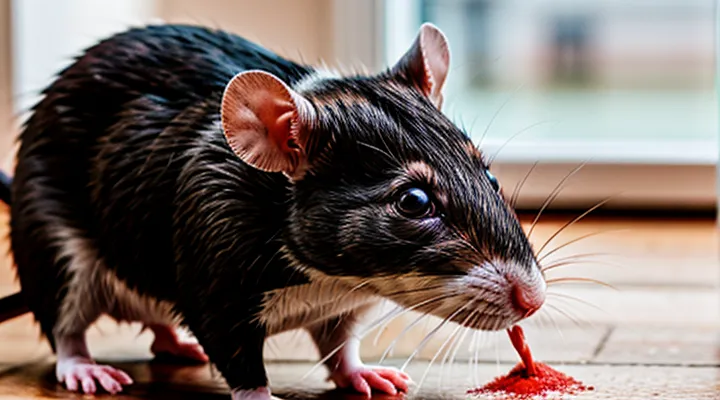
Understanding Red Discharge from a Rat's Nose
Porphyrin: The Normal Red Secretion
What is Porphyrin?
Porphyrins are a class of organic pigments composed of four pyrrole rings linked by methine bridges, forming a highly conjugated macrocycle. In rodents, the most common porphyrin is biliverdin, which imparts a reddish‑brown coloration to tear fluid and nasal secretions. The pigment originates from the breakdown of heme during normal cellular turnover and is excreted through the Harderian gland and nasal passages.
When a rat experiences nasal irritation, trauma, or systemic disease, the Harderian gland may increase porphyrin secretion. Elevated porphyrin levels can appear as dark streaks around the eyes or in nasal discharge, often mistaken for blood. Distinguishing porphyrin from true hemorrhage is critical because the underlying causes differ:
- Porphyrin: viscous, brown‑red fluid; no clots; originates from glandular secretion.
- Blood: bright red, may clot; originates from ruptured vessels.
Recognizing porphyrin helps veterinarians focus on factors such as environmental stress, infection, or metabolic disorders rather than solely on vascular injury when evaluating nasal discharge in pet rats.
Distinguishing Porphyrin from Blood
Pet rats often present with red discharge from the nose, which can be either true hemorrhage or a secretion of porphyrin. Porphyrin originates in the Harderian glands and serves to lubricate the eyes and nasal passages; it may appear after stress, injury, or illness. Because its color mimics blood, owners must rely on observable differences to avoid misdiagnosis.
Key distinguishing features include:
- Viscosity: Porphyrin is thick and gelatinous, whereas blood flows freely and forms droplets.
- Location: Porphyrin typically pools near the eyes or around the nostrils and may crust, while bleeding emerges directly from the nasal cavity and may drip onto bedding.
- Odor: Porphyrin emits a faint, musky scent; fresh blood has a metallic smell.
- Color shift on drying: Porphyrin darkens to a brown‑black hue as it dries, while dried blood retains a rust‑red coloration.
- Response to pressure: Gentle pressure on the nose stops porphyrin seepage but does not halt active bleeding; persistent flow after compression indicates hemorrhage.
When uncertainty remains, a simple test can confirm the nature of the discharge. Place a clean white gauze pad on the affected area; porphyrin will leave a glossy, sticky stain that smears easily, while blood will produce a matte, coagulated spot that does not smear readily. Microscopic examination, if available, reveals red blood cells in true bleeding, absent in porphyrin.
Accurate identification prevents unnecessary alarm and directs appropriate care: porphyrin may resolve with reduced stress, improved hygiene, or treatment of an underlying infection; genuine nose bleeding warrants immediate veterinary assessment to address trauma, clotting disorders, or respiratory disease.
Common Causes of Actual Nose Bleeding
Environmental Factors
Irritants and Allergens
Irritants and allergens represent a significant portion of the factors that trigger nasal hemorrhage in a pet rat. Direct exposure to airborne particles, chemical fumes, or dust can damage the delicate mucosal lining of the nasal cavity, leading to bleeding.
Common irritants include:
- Wood shavings that release fine dust, especially those made from pine or cedar.
- Household cleaning agents containing ammonia, bleach, or strong fragrances.
- Aerosol sprays, such as insect repellents or air fresheners.
- Cigarette smoke and other combustion by‑products.
Allergenic substances can provoke inflammatory responses that weaken capillary walls. Frequent culprits are:
- Mold spores present in damp bedding or enclosure corners.
- Food additives, including certain protein sources or flavor enhancers, that the rat may be hypersensitive to.
- Pollen grains that settle on cage surfaces during seasonal changes.
Preventive measures focus on minimizing contact with these agents: use low‑dust bedding (paper or aspen), ventilate the enclosure regularly, avoid scented cleaning products, and keep the environment free of mold and excess humidity. Monitoring the rat’s reaction to dietary changes can help identify food‑related allergens before they cause vascular damage.
Low Humidity
Low humidity creates a dry environment inside a rat’s nasal passages. The mucous membranes lose moisture, become brittle, and are prone to micro‑tears. When these tiny fissures occur, even minor irritation can trigger bleeding.
- Dry air reduces the protective mucus layer, exposing delicate capillaries.
- Brittle tissue is less able to withstand normal sneezing or grooming motions.
- Repeated minor trauma to the nasal epithelium can develop into persistent epistaxis.
Pet rats kept in environments with relative humidity below 30 % often show intermittent nosebleeds that resolve when humidity is increased. Maintaining indoor humidity between 40 % and 60 % restores mucosal hydration, strengthens vascular integrity, and markedly lowers the risk of nasal hemorrhage.
Respiratory Issues
Upper Respiratory Infections (URIs)
Upper respiratory infections are a frequent source of nasal hemorrhage in pet rats. The infection inflames the nasal mucosa, compromises capillary integrity, and can cause spontaneous bleeding.
Common agents include:
- Mycoplasma pulmonis – primary bacterial pathogen, adheres to respiratory epithelium and induces chronic inflammation.
- Streptococcus spp. – secondary bacterial invader, exacerbates tissue damage.
- Rhinovirus‑like agents – viral contributors that weaken mucosal defenses.
Clinical presentation typically features:
- Nasal discharge (clear to purulent)
- Sneezing or audible wheezing
- Labored breathing, especially during exertion
- Visible blood streaks or clotted blood from the nostrils
Pathophysiology links infection to epistaxis through inflammatory edema, which increases intranasal pressure and ruptures fragile vessels. Persistent inflammation may also lead to ulceration of the mucosal lining, further predisposing to bleeding.
Diagnostic approach consists of:
- Physical examination focusing on nasal cavity and respiratory sounds.
- Radiographic assessment to detect sinus involvement or fluid accumulation.
- Microbiological sampling (nasal swab or lavage) for culture and polymerase chain reaction testing.
Effective treatment requires:
- Targeted antimicrobial therapy based on culture results; empiric doxycycline often employed against Mycoplasma.
- Supportive care: humidified environment, adequate hydration, and nutritional support.
- Hemostatic measures if active bleeding persists, such as gentle nasal pressure and topical vasoconstrictors under veterinary guidance.
Prevention emphasizes strict hygiene, quarantine of new or ill animals, and avoidance of stressors that compromise immune function. Regular health monitoring enables early detection of respiratory disturbances before they progress to bleeding episodes.
Mycoplasma pulmonis
Mycoplasma pulmonis is a common respiratory pathogen in laboratory and pet rats. The bacterium colonizes the upper airway, causing chronic rhinitis and inflammatory damage to the nasal mucosa. Persistent inflammation weakens capillary walls, making them prone to rupture and resulting in epistaxis. Infection often spreads to the lungs, producing bronchopneumonia that can exacerbate bleeding through increased vascular pressure.
Typical manifestations include:
- Persistent nasal discharge, often serous or purulent
- Frequent sneezing or snuffling
- Visible blood from the nostrils, ranging from occasional spots to continuous flow
- Labored breathing or coughing in advanced cases
Diagnosis relies on:
- Clinical observation of the above signs
- Nasal swab or lung tissue culture for Mycoplasma growth
- PCR testing for rapid detection of bacterial DNA
Therapeutic measures focus on antimicrobial therapy and supportive care:
- Administration of doxycycline or enrofloxacin according to veterinary guidelines
- Hydration and humidified environment to keep nasal passages moist
- Monitoring for secondary infections and adjusting treatment as needed
Preventive strategies involve:
- Quarantine of new arrivals for at least four weeks
- Regular health screening of colony members
- Maintaining low-stress housing conditions and adequate ventilation to reduce pathogen spread.
Trauma and Injury
Head Trauma
Head trauma is a direct contributor to epistaxis in pet rats. Impact forces can fracture the delicate nasal bones or rupture the thin mucosal vessels lining the nasal passages. The resulting hemorrhage often appears as fresh blood at the nostrils or on the fur around the face.
Typical clinical signs include:
- Sudden discharge of blood from one or both nostrils
- Swelling or bruising around the eyes and muzzle
- Signs of pain such as teeth grinding or reduced activity
- Pale mucous membranes indicating blood loss
Diagnostic evaluation should begin with a thorough physical examination, focusing on the nasal cavity and skull integrity. Radiographs or a cone‑beam CT scan provide detailed images of bone fractures and soft‑tissue injuries. If bleeding persists, a nasal endoscopy can locate the exact source of vessel rupture.
Management strategies involve immediate hemostasis. Apply gentle pressure with a sterile gauze pad to the nostrils for several minutes. Intranasal application of a topical vasoconstrictor (e.g., oxymetazoline) may reduce bleeding, but dosage must be adjusted for the small size of the animal. Systemic analgesics and anti‑inflammatory medication help control pain and swelling. In cases of significant fractures, surgical intervention by a veterinary specialist may be required to realign bone fragments and repair damaged vessels.
Prevention focuses on minimizing the risk of head injuries. Secure cages to prevent falls, avoid handling that could result in impact, and keep the environment free of sharp objects. Regular observation for subtle changes in behavior can enable early detection of trauma before severe bleeding occurs.
Nasal Obstructions from Foreign Objects
Nasal blockage caused by foreign material is a frequent trigger of epistaxis in domesticated rats. Small particles such as bedding fibers, seed hulls, or fragments of toys can become lodged in the nasal passages, irritating the mucosa and damaging delicate blood vessels. The resulting inflammation increases vascular permeability, leading to intermittent or continuous bleeding from the nostrils.
Typical indicators of an obstruction include:
- Persistent sneezing or nasal discharge
- Unilateral or bilateral nasal bleeding
- Pawing at the face or head shaking
- Reduced appetite or weight loss due to impaired breathing
Prompt removal of the offending object is essential. Examination with a bright otoscope or magnifying lens can locate the material; fine forceps or a gentle flushing with sterile saline often dislodge it. If bleeding persists after extraction, administer a short course of a vasoconstrictive nasal spray and monitor for signs of infection, then seek veterinary care for further intervention.
Other Medical Conditions
Coagulation Disorders
Coagulation disorders represent a significant medical factor behind nasal hemorrhage in pet rats. Impaired clotting mechanisms reduce the ability of blood vessels in the nasal cavity to seal after minor trauma, allowing bleeding to persist or recur.
Typical coagulation abnormalities observed in laboratory and domestic rats include:
- Vitamin K deficiency, often resulting from inadequate dietary intake or prolonged antibiotic therapy that disrupts gut flora.
- Liver insufficiency, which diminishes synthesis of clotting factors such as fibrinogen, prothrombin, and factors V, VII, IX, and X.
- Inherited deficiencies of specific clotting proteins, for example factor VIII or IX deficiencies analogous to hemophilia in other species.
- Disseminated intravascular coagulation (DIC), triggered by severe infection, endotoxemia, or neoplasia, leading to simultaneous clot formation and bleeding.
- Acquired platelet dysfunction caused by toxins, certain chemotherapeutic agents, or immune-mediated thrombocytopenia.
Clinical evaluation should consist of a thorough physical exam, measurement of bleeding time, complete blood count, serum biochemistry for liver enzymes, and coagulation profiling (prothrombin time, activated partial thromboplastin time). When laboratory results reveal prolonged clotting times or reduced platelet counts, targeted therapy is required.
Therapeutic measures focus on correcting the underlying deficiency:
- Administer vitamin K1 (phytonadione) orally or subcutaneously for confirmed deficiency.
- Provide plasma transfusions or fresh frozen plasma to supply missing clotting factors in acute bleeding episodes.
- Use liver-supportive treatments, including hepatoprotective agents and dietary adjustments, for hepatic disease.
- Apply antifibrinolytic drugs such as tranexamic acid in cases of DIC after stabilizing the primary condition.
- Implement platelet transfusions or immunosuppressive protocols if immune-mediated thrombocytopenia is diagnosed.
Prompt identification and correction of coagulation disorders can halt nasal bleeding, prevent secondary anemia, and improve overall prognosis for the affected rat. Regular monitoring of clotting parameters is advisable for any rat with a history of epistaxis.
Tumors and Polyps
Tumor growth within the nasal cavity can directly damage blood vessels, leading to intermittent or persistent bleeding. Common malignant lesions in rats include nasal adenocarcinoma, lymphoma, and fibrosarcoma; each infiltrates mucosal tissue and erodes arterial walls. Benign neoplasms, such as nasal papillomas, may also ulcerate and provoke hemorrhage when they enlarge enough to compromise fragile capillaries.
Polyps arise from chronic inflammation or irritation of the nasal passages. These protruding masses exert pressure on adjacent vasculature, causing vessel rupture or persistent oozing. Inflammatory polyps, often linked to bacterial or fungal infections, can become friable, making even minor trauma a source of bleeding.
Both tumors and polyps present with additional signs: nasal discharge (serous, purulent, or blood‑tinged), sneezing, difficulty breathing, and reduced appetite. Palpation of the skull may reveal asymmetry or swelling; radiography or computed tomography typically shows mass effect, bone lysis, or soft‑tissue opacity. Definitive diagnosis requires biopsy of the lesion, followed by histopathological evaluation.
Management options depend on the lesion’s nature. Surgical excision offers the best chance of controlling bleeding for localized benign polyps and some low‑grade tumors. Malignant neoplasms may require a combination of surgery, radiation therapy, and chemotherapy, though prognosis remains guarded. Polyps that recur after removal can be treated with corticosteroid therapy to reduce inflammation and shrink residual tissue.
Early detection through routine observation of nasal symptoms and prompt veterinary assessment improves the likelihood of effective intervention and limits the severity of hemorrhage.
Systemic Diseases Affecting Blood Clotting
Systemic disorders that interfere with hemostasis can precipitate epistaxis in a pet rat. Impaired clot formation or excessive fibrinolysis predisposes the nasal mucosa to hemorrhage even without local trauma.
- Vitamin K deficiency – inadequate dietary intake or intestinal malabsorption reduces synthesis of clotting factors II, VII, IX, and X, leading to prolonged bleeding times.
- Liver disease – hepatic insufficiency diminishes production of coagulation proteins and impairs clearance of activated clotting factors, resulting in a coagulopathic state.
- Disseminated intravascular coagulation (DIC) – systemic activation of coagulation consumes clotting factors and platelets, causing simultaneous thrombosis and bleeding, frequently manifesting as nasal hemorrhage.
- Inherited clotting factor deficiencies – congenital deficits of factor VIII (hemophilia A) or factor IX (hemophilia B) are rare but possible in laboratory‑bred rats, producing spontaneous bleeding episodes.
- Immune‑mediated thrombocytopenia – autoimmune destruction of platelets lowers platelet counts, reducing primary hemostasis and increasing susceptibility to mucosal bleeding.
- Sepsis‑induced coagulopathy – bacterial infections trigger inflammatory pathways that disrupt coagulation cascades, often culminating in mucosal bleeding.
Evaluation should include a complete blood count, serum biochemistry focusing on liver enzymes, coagulation profile (PT, aPTT), and platelet count. Confirmation of vitamin K status may require measurement of specific factor activities. Treatment targets the underlying disease: vitamin K supplementation for deficiency, hepatic support or transplantation for liver failure, plasma transfusion and anticoagulant modulation for DIC, immunosuppressive therapy for immune thrombocytopenia, and appropriate antibiotics for sepsis. Prompt correction of coagulopathy reduces the risk of recurrent nasal bleeding and improves overall prognosis.
When to Seek Veterinary Attention
Signs Indicating a Problem
Pet rats that experience nasal bleeding often exhibit observable warning signs before the episode becomes severe. Recognizing these indicators enables timely veterinary intervention and reduces the risk of complications.
- Persistent nasal discharge, especially if it turns crimson or contains blood clots.
- Frequent scratching or rubbing of the snout with paws or bedding.
- Swelling or redness around the nostrils, which may feel warm to the touch.
- Unexplained lethargy or reduced activity, suggesting systemic distress.
- Loss of appetite or difficulty eating, potentially caused by discomfort in the nasal cavity.
- Audible wheezing or labored breathing, indicating obstruction or inflammation.
- Sudden weight loss, reflecting chronic blood loss or underlying disease.
If any of these symptoms appear, seek professional veterinary care promptly to diagnose the underlying cause of the hemorrhage and initiate appropriate treatment.
Emergency Situations
Nasal hemorrhage in a pet rat can become a life‑threatening emergency if bleeding is profuse, persistent, or accompanied by respiratory distress. Immediate assessment should focus on the volume of blood loss, the rat’s breathing pattern, and signs of shock such as pale mucous membranes, lethargy, or rapid heart rate.
First‑aid measures include:
- Gently restraining the animal to prevent further injury.
- Applying a clean, dry gauze pad to the nostrils with light pressure for 1–2 minutes.
- Keeping the rat warm and quiet while monitoring breathing.
If bleeding does not cease within a few minutes, if the rat shows signs of weakness, or if the source cannot be identified, veterinary intervention is mandatory. Professional care may involve nasal flushing, cauterization, or treatment of underlying conditions such as trauma, clotting disorders, or infections.
Owners should maintain a record of the incident, noting the onset, duration, and any preceding events (e.g., handling, environmental changes). This information assists the veterinarian in diagnosing the underlying cause of the hemorrhage and selecting appropriate therapy.
Prompt recognition of severe bleeding and swift escalation to a qualified practitioner are essential to prevent fatal outcomes in pet rats experiencing nasal bleeding emergencies.