
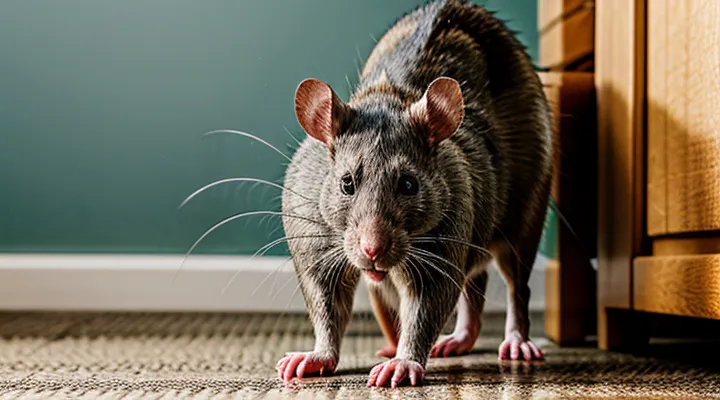
Understanding Hind-Leg Paralysis in Rats
What is Hind-Leg Paralysis?
Clinical Signs and Symptoms
Clinical observation of hind‑leg paralysis in laboratory rats reveals a reproducible set of motor and sensory deficits. The condition manifests shortly after the initiating event, typically within hours, and progresses over several days.
Key signs include:
- Inability to bear weight on the affected limbs;
- Absence of voluntary stepping when the animal is placed on a flat surface;
- Reduced or absent reflexive withdrawal in response to tactile stimulation of the hind paws;
- Muscle atrophy evident as a decrease in limb girth;
- Loss of proprioceptive coordination, demonstrated by an unsteady gait and frequent slipping;
- Diminished or absent toe‑spread reflex when the foot is gently lifted;
- Decreased locomotor activity measured by reduced distance traveled in open‑field tests.
Accompanying symptoms may involve:
- Hyperalgesia or allodynia in the dorsal region of the hind limbs, detectable by calibrated filament testing;
- Autonomic disturbances such as urinary retention or altered bladder emptying patterns;
- Weight loss resulting from impaired mobility and reduced food intake.
Impact on Quality of Life
Hind‑leg paralysis in rodents produces profound alterations in daily functioning. Loss of posterior‑limb control limits exploration, reduces access to food and water, and impairs participation in social behaviors, leading to a measurable decline in overall well‑being.
Specific domains affected include:
- Locomotor activity: reduced distance traveled in open‑field tests, diminished speed, and increased reliance on forelimbs.
- Grooming and self‑care: fewer grooming bouts, incomplete fur maintenance, and accumulation of debris.
- Body weight: gradual loss due to decreased food intake and metabolic changes.
- Nest construction: simplified structures, lower structural integrity, and reduced use of nesting material.
- Pain and stress indicators: elevated corticosterone levels, heightened vocalization, and increased facial grimace scores.
Therapeutic interventions aim to restore functional capacity and mitigate welfare deterioration. Neuroprotective compounds, targeted rehabilitation protocols, and enriched housing conditions each contribute to improvements in mobility, weight stabilization, and behavioral engagement. Monitoring of the listed parameters provides objective evidence of quality‑of‑life enhancement.
Incorporating quality‑of‑life metrics alongside etiological and therapeutic studies ensures comprehensive evaluation of outcomes, supporting both scientific validity and ethical responsibility.
Common Causes of Hind-Leg Paralysis
Degenerative Spinal Conditions
Vertebral Degeneration
Vertebral degeneration constitutes a primary structural factor underlying hind‑limb paralysis in rodent models. Progressive loss of intervertebral disc integrity, osteophyte formation, and vertebral body sclerosis compress the spinal cord and dorsal root entry zones, disrupting motor pathways. Histological analyses reveal reduced proteoglycan content, increased collagen cross‑linking, and infiltration of inflammatory cells, which collectively diminish neural conductivity.
Mechanistic links between spinal column deterioration and motor deficit include:
- Mechanical compression of lumbar segments leading to ischemia of anterior horn cells.
- Activation of microglial and astroglial responses that amplify neuroinflammation.
- Disruption of axonal transport due to altered extracellular matrix composition.
Diagnostic assessment relies on high‑resolution magnetic resonance imaging to quantify disc height loss and spinal canal narrowing, complemented by electrophysiological recordings of motor evoked potentials. Quantitative scoring systems correlate imaging metrics with functional gait analysis, providing objective measures of paralysis severity.
Therapeutic interventions target both structural restoration and neuroprotective pathways:
- Surgical decompression of affected vertebrae to relieve mechanical pressure.
- Intrathecal delivery of matrix‑modulating agents (e.g., chondroitinase ABC) to remodel extracellular matrix and promote axonal regeneration.
- Systemic administration of anti‑inflammatory drugs (e.g., selective COX‑2 inhibitors) to attenuate glial activation.
- Application of biomaterial scaffolds seeded with mesenchymal stem cells to replace degenerated disc tissue and support neural repair.
Effective management of hind‑leg paralysis in rats requires integration of imaging‑guided surgical techniques with pharmacological and regenerative strategies that directly address vertebral degeneration and its downstream neurophysiological consequences.
Spondylosis
Spondylosis refers to degenerative alterations of the intervertebral discs, vertebral bodies, and surrounding ligaments that lead to osteophyte formation and joint stiffness in rats. The condition frequently results in narrowing of the spinal canal, exerting pressure on the lumbar spinal cord and peripheral nerves that control hind‑leg movement. Consequently, spondylotic changes constitute a common underlying factor in the development of hind‑leg paralysis observed in laboratory rodents.
Primary contributors to spondylosis include advancing age, repetitive mechanical loading, genetic susceptibility, and nutritional imbalances that affect bone and cartilage metabolism. Secondary influences such as chronic inflammation and metabolic disorders can accelerate disc degeneration and osteophyte growth, intensifying spinal cord compression.
Diagnostic assessment relies on imaging techniques—magnetic resonance imaging and computed tomography—to visualize disc collapse, osteophyte size, and canal dimensions. Histopathological examination confirms cartilage erosion, fibrocartilage replacement, and inflammatory cell infiltration.
Therapeutic strategies aim to alleviate neural compression, restore spinal alignment, and mitigate degenerative progression. Options comprise:
- Non‑steroidal anti‑inflammatory drugs to reduce inflammation and pain.
- Disease‑modifying agents (e.g., bisphosphonates) targeting bone remodeling.
- Surgical decompression, including laminectomy or disc excision, to relieve pressure.
- Physical rehabilitation employing controlled treadmill exercise and passive range‑of‑motion protocols.
Selection of interventions depends on severity of neurological deficits, animal age, and experimental objectives. Early detection and combined pharmacological‑surgical approaches improve functional recovery of the hind limbs in affected rats.
Intervertebral Disc Disease
Intervertebral disc disease (IVDD) is a frequent source of hind‑leg paralysis in laboratory rats. Degeneration of the nucleus pulposus and annulus fibrosus reduces disc height, leading to compression of the caudal spinal cord and disruption of motor pathways. Mechanical stress, genetic predisposition, and age‑related changes accelerate disc degeneration, while inflammatory mediators exacerbate neural injury.
Accurate diagnosis relies on magnetic resonance imaging, which visualizes disc extrusion, spinal cord flattening, and edema. Histological analysis confirms loss of proteoglycans, collagen disorganization, and inflammatory cell infiltration. Electrophysiological testing quantifies loss of motor conduction across the lesion.
Therapeutic interventions fall into two categories. Surgical options include microsurgical decompression and disc removal, performed under stereotaxic guidance to minimize collateral damage. Post‑operative care incorporates analgesia, physiotherapy, and targeted neurotrophic factor administration to promote axonal regeneration. Conservative management emphasizes anti‑inflammatory medication, controlled immobilization, and graded exercise programs; these measures reduce secondary injury and support functional recovery.
Outcome assessment employs standardized locomotor scoring systems and gait analysis. Studies report higher recovery rates after early decompression, with significant improvement in stride length and weight‑bearing capacity. Adjunctive therapies, such as stem‑cell transplantation and gene delivery of neuroprotective factors, demonstrate synergistic effects when combined with decompression, enhancing neuronal survival and remyelination.
Preventive strategies focus on maintaining optimal cage ergonomics, providing enriched environments to encourage natural movement, and implementing dietary regimens that support disc matrix integrity. Regular monitoring of body weight and activity levels allows early detection of disc pathology, facilitating timely intervention and reducing the incidence of irreversible paralysis.
Neurological Disorders
Tumors (Brain and Spinal Cord)
Tumors of the brain and spinal cord represent a primary source of hind‑leg paralysis in rat models. Primary gliomas, medulloblastomas, and metastatic carcinomas frequently invade motor pathways, producing unilateral or bilateral paresis. Tumor expansion compresses the corticospinal tract, disrupts neuronal signaling, and induces inflammatory edema, all of which culminate in loss of motor function.
Pathological assessment reveals necrotic cores, hypercellular borders, and neovascularization. Immunohistochemical markers such as Ki‑67 and GFAP confirm proliferative activity and glial origin. Magnetic resonance imaging provides high‑resolution visualization of lesion size, location, and edema, facilitating correlation with clinical deficits.
Therapeutic interventions focus on tumor reduction and preservation of neural integrity. Options include:
- Surgical excision of accessible masses, employing microsurgical techniques to minimize collateral damage.
- Stereotactic radiosurgery delivering precise ionizing radiation to residual tumor tissue.
- Chemotherapeutic regimens using temozolomide or carmustine, often combined with anti‑angiogenic agents.
- Corticosteroid administration to control peritumoral edema and improve motor performance.
- Physical rehabilitation to maintain muscle tone and prevent secondary contractures.
Outcome evaluation relies on longitudinal gait analysis, electromyography, and repeat imaging. Successful tumor control correlates with partial restoration of hind‑leg function, while persistent deficits necessitate adjunctive supportive care.
Stroke
Stroke in laboratory rodents constitutes a principal experimental model for investigating motor deficits that affect the posterior limbs. Cerebral ischemia or hemorrhage disrupts corticospinal pathways, producing selective weakness or complete loss of voluntary movement in the hind‑leg. The resulting phenotype mirrors clinical paralysis, allowing precise assessment of underlying mechanisms and therapeutic efficacy.
Ischemic events trigger neuronal necrosis, excitotoxicity, and inflammatory cascades that compromise axonal integrity. Damage to the motor cortex and descending tracts impairs signal transmission to lumbar spinal segments, directly generating hind‑leg paresis. Hemorrhagic stroke adds mass effect and edema, further compressing neural structures and exacerbating motor impairment.
Experimental induction commonly employs middle‑cerebral‑artery occlusion (MCAO) or photothrombotic techniques. Both approaches produce reproducible infarcts that include motor‑cortical regions, yielding consistent hind‑leg paralysis across cohorts. Validation of the model relies on behavioral tests such as the ladder rung walking assay and the hind‑foot placement test, which quantify deficits without subjective bias.
Therapeutic interventions focus on neuroprotection, regeneration, and functional rehabilitation:
- Pharmacological agents: NMDA‑receptor antagonists, anti‑inflammatory cytokine inhibitors, and thrombolytics administered within the acute window.
- Cell‑based therapies: Transplantation of mesenchymal stem cells or induced pluripotent‑derived neural progenitors to replace lost neurons and promote axonal sprouting.
- Rehabilitation protocols: Treadmill training, robotic assisted gait therapy, and task‑specific limb exercises that facilitate cortical re‑organization.
- Gene‑editing strategies: CRISPR‑mediated knock‑down of pro‑apoptotic genes to reduce infarct expansion.
Outcome measures consistently demonstrate that early neuroprotective treatment limits lesion size, while combined cell therapy and intensive rehabilitation enhance locomotor recovery. The integration of these modalities offers a comprehensive framework for addressing hind‑leg paralysis resulting from cerebrovascular injury in rat models.
Infections Affecting the Nervous System
Infections that target the central and peripheral nervous systems represent a significant source of hind‑leg paralysis in rodent models. Pathogens penetrate the blood‑brain barrier, invade spinal cord tissue, or induce inflammatory cytokine cascades that damage motor neurons responsible for hind‑limb function. Understanding the microbial spectrum and associated neuropathology is essential for developing effective therapeutic protocols.
Common infectious agents linked to motor deficits in rats include:
- Streptococcus pneumoniae – produces meningitis with secondary spinal cord inflammation.
- Listeria monocytogenes – infiltrates the central nervous system, causing encephalitis and hind‑limb weakness.
- Herpes‑type viruses (e.g., rat herpesvirus 2) – establish latency in dorsal root ganglia, reactivating to produce demyelination.
- Neurotropic Bacillus species – generate toxin‑mediated axonal degeneration.
- Parasitic nematodes (e.g., Angiostrongylus spp.) – migrate through neural tissue, leading to focal lesions.
Therapeutic strategies focus on antimicrobial clearance, modulation of immune response, and neuroprotective support. Broad‑spectrum antibiotics or targeted antivirals are administered promptly after diagnosis to eradicate the pathogen. Adjunctive corticosteroids or specific cytokine inhibitors reduce inflammatory edema and limit secondary neuronal loss. Neurotrophic factors such as brain‑derived neurotrophic factor, delivered intrathecally, promote axonal regeneration and functional recovery. Rehabilitation protocols, including treadmill training and electrical stimulation, complement pharmacological measures by enhancing synaptic plasticity and restoring locomotor patterns.
Traumatic Injuries
Falls
Falls represent a primary mechanical trigger for acute hind‑leg paralysis in laboratory rodents. Sudden impact or loss of balance produces spinal cord contusion, vertebral fracture, or peripheral nerve stretch, each capable of interrupting motor pathways to the posterior limbs. The injury pattern often includes:
- Direct compression of the lumbar vertebrae leading to dorsal column disruption.
- Hyperextension of the hip joint causing sciatic nerve traction.
- Abrupt deceleration forces that produce vertebral dislocation at the lumbosacral junction.
These mechanisms generate immediate loss of weight‑bearing ability, followed by secondary inflammatory cascades that exacerbate neural damage. Early intervention focuses on minimizing secondary injury and promoting functional recovery.
Therapeutic protocols for post‑fall paralysis incorporate:
- Immediate immobilization of the affected segment to prevent further spinal displacement.
- Administration of anti‑inflammatory agents (e.g., corticosteroids) within the first six hours to attenuate edema.
- Neuroprotective compounds such as NMDA antagonists to limit excitotoxicity.
- Controlled physiotherapy that includes passive range‑of‑motion exercises and weight‑supported treadmill training to stimulate neural plasticity.
- Long‑term rehabilitation employing electrical stimulation of the hind‑leg muscles to preserve muscle mass and enhance motor re‑education.
Preventive measures reduce fall incidence in experimental settings. Cage design modifications—non‑slippery flooring, reduced elevation of food platforms, and secure climbing structures—lower the probability of accidental descent. Routine health monitoring identifies animals with compromised vestibular function or musculoskeletal weakness, allowing pre‑emptive adjustments to housing conditions.
Overall, falls constitute a critical etiological factor for hind‑leg paralysis in rats, demanding prompt mechanical stabilization, targeted pharmacological treatment, and structured rehabilitation to restore locomotor function.
Crushing Injuries
Crushing injuries refer to the application of sustained mechanical force that compresses the spinal cord, producing acute tissue deformation, vascular disruption, and secondary inflammatory cascades. In rats, such trauma is commonly induced at the thoracolumbar junction to replicate hind‑leg paralysis observed after severe spinal cord damage.
The primary mechanism involves direct necrosis of gray matter, loss of axonal continuity, and edema that expands the lesion cavity. Secondary processes include microglial activation, cytokine release, and excitotoxicity, all contributing to progressive loss of motor function in the posterior limbs.
Experimental protocols standardize injury severity by controlling compressive force (measured in Newtons), duration (seconds to minutes), and device geometry (spacers or calibrated clips). Consistency in these parameters ensures reproducible deficits and facilitates comparative evaluation of therapeutic approaches.
Therapeutic strategies applied after crushing trauma include:
- Administration of high‑dose methylprednisolone to attenuate inflammatory response.
- Intrathecal delivery of neurotrophic factors such as brain‑derived neurotrophic factor (BDNF) to promote axonal regeneration.
- implantation of biodegradable scaffolds seeded with autologous stem cells to bridge the lesion cavity.
- Early mobilization combined with treadmill‑based locomotor training to enhance neuroplasticity.
- Use of anti‑apoptotic agents (e.g., caspase inhibitors) to preserve spared neuronal populations.
Functional recovery is assessed through standardized locomotor rating scales, electrophysiological recordings of motor evoked potentials, and histological quantification of spared tissue. Consistent improvement across these metrics indicates effective mitigation of paralysis caused by compressive spinal injury.
Malnutrition-Related Weakness
Malnutrition‑induced weakness compromises muscular strength and neuromuscular coordination in laboratory rodents. Deficient intake of protein, essential fatty acids, and micronutrients reduces muscle fiber size, impairs mitochondrial function, and diminishes myelin integrity. The resulting decline in motor output predisposes the hind limbs to loss of support, facilitating the onset of paralysis.
Therapeutic protocols target nutritional rehabilitation alongside neuroprotective interventions. Key components include:
- Provision of a balanced diet enriched with high‑quality protein (e.g., casein or soy isolate) to stimulate muscle protein synthesis.
- Supplementation of vitamin B12, thiamine, and folate to support myelin repair and neuronal metabolism.
- Inclusion of omega‑3 fatty acids to enhance membrane fluidity and reduce oxidative stress.
- Monitoring of body weight and serum albumin levels to assess recovery progress.
Concurrent pharmacological treatment addresses underlying neural damage. Antioxidant agents (e.g., N‑acetylcysteine) mitigate oxidative injury, while neurotrophic factors (e.g., BDNF analogues) promote axonal regeneration. Rehabilitation exercises, such as treadmill walking, reinforce restored muscular capacity and prevent secondary contractures.
Effective management of «malnutrition-related weakness» therefore requires integration of dietary correction, metabolic support, and targeted neurotherapeutics to restore hind‑leg function and reduce recurrence risk.
Other Contributing Factors
Nutritional Deficiencies
Nutritional deficits constitute a significant etiological factor in the development of hind‑leg paralysis in laboratory rats. Deficiencies impair neuronal metabolism, disrupt myelin synthesis, and compromise muscular integrity, thereby predisposing the hind limbs to functional loss.
Key micronutrients implicated include:
- Thiamine (vitamin B1) – deficiency reduces acetylcholine turnover and precipitates peripheral neuropathy;
- Cobalamin (vitamin B12) – insufficient levels hinder methylation reactions essential for myelin maintenance;
- Vitamin E – inadequate antioxidant capacity accelerates lipid peroxidation within neuronal membranes;
- Magnesium – low concentrations disturb neuromuscular excitability;
- Calcium – deficit impairs synaptic transmission and muscle contraction.
Experimental protocols routinely assess serum and tissue concentrations of these nutrients to identify subclinical shortages. Restoration strategies involve formulated diets enriched with the identified micronutrients, often combined with oral supplementation. Controlled feeding regimens have demonstrated reversal of motor deficits, reduction of lesion severity, and acceleration of functional recovery.
In therapeutic regimens, nutritional rehabilitation complements pharmacological and rehabilitative interventions. Monitoring of biochemical markers ensures adequacy of repletion, while periodic functional testing quantifies improvement in hind‑leg performance. Integration of targeted nutrition thus enhances overall treatment efficacy and mitigates relapse risk.
Genetic Predisposition
Genetic predisposition refers to inherited variations that increase the likelihood of developing hind‑leg paralysis in laboratory rats. Certain inbred strains display a higher incidence of motor deficits due to mutations in genes governing neuronal survival, axonal guidance, and myelination. Identification of these alleles relies on genome‑wide association studies and targeted sequencing of candidate loci.
Key genetic contributors identified in experimental models include:
- Mutations in the SOD1 gene, associated with motor neuron degeneration.
- Deletions in the Myrf locus, impairing oligodendrocyte differentiation and myelin formation.
- Polymorphisms in the Ntrk2 promoter, reducing neurotrophic signaling in spinal circuits.
The presence of susceptibility alleles shapes therapeutic strategies. Gene‑editing approaches, such as CRISPR‑mediated correction of pathogenic variants, have demonstrated partial restoration of locomotor function in affected animals. Pharmacological regimens targeting downstream pathways—e.g., antioxidants for SOD1‑related oxidative stress or agonists of TrkB receptors for Ntrk2 deficits—show increased efficacy when matched to the animal’s genotype. Selective breeding programs that eliminate high‑risk alleles provide a complementary avenue for reducing the baseline prevalence of paralysis in research colonies.
Effective investigation of hereditary factors demands routine genotyping of experimental subjects, inclusion of genetically matched control groups, and transparent reporting of strain background. Aligning genetic screening with intervention design enhances reproducibility and accelerates the translation of rodent findings to broader neuro‑rehabilitation research. «Precision genetics therefore underpins both the understanding and the mitigation of hind‑leg paralysis in rat models».
Age-Related Changes
Age‑related physiological alterations in rodents influence the onset and progression of hind‑leg motor deficits. Advanced age is associated with reduced axonal sprouting capacity, diminished myelin thickness, and chronic low‑grade inflammation. Vascular integrity declines, leading to decreased perfusion of spinal segments responsible for lower‑limb innervation. These factors collectively modify the susceptibility of aged animals to paralysis‑inducing insults.
Specific age‑dependent changes that affect disease mechanisms include:
- Decreased expression of growth‑associated proteins (e.g., GAP‑43, BDNF).
- Accumulation of oxidative damage in neuronal membranes.
- Altered cytokine profile, characterized by elevated IL‑6 and TNF‑α.
- Impaired synaptic plasticity within lumbar spinal circuits.
- Reduced muscle mass and fiber-type shift toward slower, fatigue‑prone fibers.
Therapeutic considerations must account for the altered biological landscape. Pharmacokinetic parameters shift with age, requiring dose adjustments to achieve therapeutic plasma concentrations without toxicity. Regenerative interventions, such as stem‑cell transplantation or neurotrophic factor delivery, exhibit lower efficiency in older subjects, necessitating combinatorial approaches that incorporate anti‑inflammatory agents or exercise‑based rehabilitation. Experimental designs should stratify subjects by age, report age‑specific outcomes, and employ age‑matched controls to ensure translational relevance.
Diagnosis of Hind-Leg Paralysis
Veterinary Examination
Neurological Assessment
Neurological assessment provides objective data for evaluating functional recovery after experimental hind‑leg paralysis in rodents. The approach combines behavioral, electrophysiological, imaging, and histological measurements to quantify motor deficits and monitor therapeutic effects.
- Behavioral scoring systems such as the Basso, Beattie, and Bresnahan (BBB) scale or the Tarlov rating assign numerical values to locomotor performance, allowing comparison across time points.
- Motor coordination tests, including grid‑walking, ladder‑rung walking, and rotarod performance, generate precise metrics of foot placement accuracy, stride length, and endurance.
Electrophysiological recordings measure nerve integrity and muscle activation. Motor‑evoked potentials and electromyography detect latency changes, while nerve conduction velocity quantifies axonal transmission speed.
Magnetic resonance imaging and diffusion tensor imaging visualize spinal cord architecture, reveal lesion extent, and track white‑matter integrity without invasive procedures.
Histological analysis confirms cellular outcomes. Immunohistochemical staining for neurofilament proteins, myelin basic protein, and glial fibrillary acidic protein identifies axonal preservation, remyelination, and gliosis. Quantitative axon counts and lesion volume measurements provide corroborative evidence for functional findings.
Integration of these modalities establishes a comprehensive profile of neurological status, supporting the evaluation of experimental interventions aimed at restoring hind‑leg function.
Physical Examination
Physical examination of a rat presenting with hind‑leg paralysis provides essential data for diagnosing the underlying pathology and guiding therapeutic decisions. The examiner assesses general condition, body weight, and coat quality to detect systemic illness that may influence neurological status.
Neurological evaluation proceeds with a systematic series of observations and manipulations:
- Observation of spontaneous locomotion in an open field; absence of weight‑bearing steps indicates severe motor deficit.
- Assessment of gait on a transparent walkway; quantification of stride length and stance duration reveals subtle impairments.
- Palpation of the hind‑limb musculature; reduced tone or flaccidity suggests lower motor neuron involvement.
- Evaluation of deep tendon reflexes by tapping the plantar surface; diminished or absent reflexes correlate with spinal cord or peripheral nerve damage.
- Sensory testing using calibrated von Frey filaments applied to the plantar pad; altered withdrawal thresholds identify sensory component of the lesion.
The examiner records limb positioning at rest, noting any contractures or abnormal flexion that may develop secondary to disuse. Examination of the lumbar vertebral column for palpable lesions or abnormal mobility assists in localizing spinal pathology.
In cases where paralysis follows experimental induction of spinal cord injury, the physical exam also includes measurement of bladder function, as urinary retention frequently accompanies lower limb deficits.
Documentation of all findings in a structured format enables comparison across time points, facilitating assessment of disease progression and response to interventions such as pharmacological agents, stem‑cell transplantation, or rehabilitative training.
Diagnostic Imaging
X-rays
X‑ray imaging provides a rapid, non‑invasive method for visualising skeletal and soft‑tissue alterations associated with hind‑leg paralysis in laboratory rodents. Radiographs reveal vertebral fractures, dislocations, and mineral loss that may contribute to motor deficits. Micro‑computed tomography, an extension of conventional radiography, delivers three‑dimensional reconstructions of the lumbar spine, enabling precise localisation of compressive lesions and assessment of bone microarchitecture.
Key applications of X‑ray techniques in this research area include:
- Detection of spinal column deformities that impede neural transmission.
- Quantification of bone density changes following injury or therapeutic intervention.
- Monitoring of implant placement, such as fixation devices or scaffolds, used in regenerative studies.
- Evaluation of inflammatory calcifications or heterotopic ossification that develop during recovery.
Standard protocols employ low‑energy beams (30–50 kVp) to minimise radiation exposure while preserving image contrast. Anesthesia is administered to reduce motion artefacts, and positioning devices ensure consistent alignment of the lumbar region across serial examinations. Image acquisition parameters are documented for reproducibility, and dose‑area product values are recorded to comply with ethical guidelines governing animal research.
Interpretation of radiographic data requires correlation with functional assessments, such as gait analysis and electrophysiological testing. Combined imaging and behavioural metrics enhance the identification of causative factors underlying paralysis and inform the efficacy of pharmacological or surgical treatments.
MRI / CT Scans
Magnetic resonance imaging (MRI) and computed tomography (CT) provide non‑invasive visualization of spinal structures, peripheral nerves, and surrounding musculature in rodent models of hind‑leg motor deficits. High‑resolution MRI distinguishes demyelination, edema, and inflammatory infiltrates, while CT offers precise assessment of bony integrity and vertebral alignment after experimental lesions.
Imaging protocols for rats require anesthesia, temperature regulation, and equipment calibrated for small‑animal fields of view. Typical parameters include:
- MRI: T2‑weighted sequences with voxel sizes of 100 µm, repetition times adjusted to 3000 ms, echo times of 80 ms; diffusion‑weighted imaging for axonal tract integrity.
- CT: 80 kV tube voltage, 0.5 mm slice thickness, isotropic reconstruction for three‑dimensional modeling of vertebral fractures.
Data acquisition supports several objectives:
- Confirmation of lesion location and extent before therapeutic intervention.
- Longitudinal monitoring of tissue remodeling during pharmacological or regenerative treatments.
- Quantitative comparison of experimental groups using volumetric and signal intensity metrics.
Limitations include susceptibility to motion artifacts, requirement for specialized coils, and radiation exposure in repeated CT scans. Mitigation strategies involve respiratory gating for MRI and low‑dose protocols for CT.
Integration of MRI and CT findings with behavioral assessments enhances the correlation between anatomical damage and functional impairment, thereby refining the evaluation of experimental therapies aimed at restoring hind‑leg mobility.
Laboratory Tests
Blood Work
Blood analysis provides essential data for evaluating the underlying mechanisms and therapeutic outcomes of hind‑leg paralysis in rodent models.
Key hematological measurements include:
- «complete blood count» with red‑cell indices, white‑cell count, and platelet number
- Differential leukocyte profile distinguishing neutrophils, lymphocytes, and monocytes
- Inflammatory markers such as C‑reactive protein, interleukin‑1β, and tumor necrosis factor‑α
Biochemical assays extend the diagnostic scope. Serum electrolytes (sodium, potassium, calcium) indicate systemic homeostasis; glucose levels reveal metabolic stress; liver enzymes (ALT, AST) and renal markers (creatinine, BUN) assess organ function; oxidative‑stress indicators (malondialdehyde, superoxide dismutase activity) reflect cellular damage associated with neurodegeneration.
Alterations in these parameters correlate with etiological factors, such as ischemic injury or inflammatory cascades, and with interventions like stem‑cell transplantation, neuroprotective drugs, or rehabilitation protocols. Elevated leukocyte counts often accompany acute injury, whereas normalization of inflammatory cytokines signals effective treatment.
Sample collection demands strict timing: baseline blood drawn before injury, acute phase samples within hours post‑injury, and follow‑up collections at defined intervals to track recovery. Anticoagulants (EDTA for hematology, heparin for chemistry) prevent clotting; volume limits respect the animal’s total blood capacity, typically not exceeding 10 % of circulating volume per collection.
Consistent methodology across experiments ensures reproducibility, enabling comparative analysis of pathological progression and therapeutic efficacy in studies of hind‑leg paralysis in rats.
Urinalysis
Urinalysis provides essential physiological data for evaluating hind‑limb paralysis in rodent models. Routine examination of urine samples detects alterations in renal function, metabolic status, and possible drug‑induced toxicity that accompany neurodegenerative processes.
Key parameters include:
- Specific gravity – indicates renal concentrating ability; deviations suggest dysregulation of fluid balance often observed after spinal injury.
- pH – reflects systemic acid‑base status; shifts may accompany inflammatory responses.
- Protein – presence of albumin or globulins signals glomerular permeability changes, potentially linked to neurogenic inflammation.
- Glucose – detection of glucosuria points to impaired glucose handling, a common secondary effect of autonomic dysfunction.
- Ketones – elevated levels reveal altered energy metabolism, useful for monitoring dietary interventions.
- Blood – hematuria may result from trauma or vascular compromise associated with paralysis.
- Microscopic sediment – identification of casts, crystals, or cellular debris informs on renal pathology and infection risk.
Interpretation of these findings guides therapeutic strategies. For instance, detection of proteinuria may prompt adjustment of neuroprotective agents to mitigate nephrotoxicity, while abnormal pH or ketone levels can lead to metabolic support measures. Serial urinalysis tracks the efficacy of interventions, allowing early identification of adverse effects and optimization of treatment protocols for hind‑leg paralysis in rats.
Treatment Options for Hind-Leg Paralysis
Medical Management
Pain Relief Medications
Pain management constitutes a core element of therapeutic protocols for hind‑limb paralysis in rodents. Effective analgesia reduces stress‑induced physiological alterations that can confound experimental outcomes and supports humane handling of subjects.
Commonly employed analgesic classes include:
- Non‑steroidal anti‑inflammatory drugs (NSAIDs) such as meloxicam and carprofen, administered orally or subcutaneously; provide peripheral cyclo‑oxygenase inhibition and moderate anti‑hyperalgesic effects.
- Opioid agonists, for example buprenorphine and morphine, delivered subcutaneously or intraperitoneally; offer potent central analgesia with dose‑dependent respiratory considerations.
- Gabapentinoids, notably gabapentin, given orally; attenuate neuropathic pain through voltage‑gated calcium channel modulation.
- Local anesthetics, such as lidocaine or bupivacaine, applied perineurally for short‑term block of nociceptive input.
Dosage regimens must reflect species‑specific pharmacokinetics. Typical ranges are meloxicam 1–2 mg kg⁻¹ once daily, buprenorphine 0.05–0.1 mg kg⁻¹ every 8–12 hours, and gabapentin 30–100 mg kg⁻¹ twice daily. Administration routes are selected to minimize handling stress and ensure consistent plasma concentrations.
Concurrent use of analgesics with neuroprotective agents demands attention to drug‑drug interactions. NSAIDs may interfere with inflammatory pathways targeted by experimental compounds, while opioids can alter locomotor assessments used to gauge functional recovery. Scheduling analgesic dosing to precede behavioral testing mitigates confounding analgesic‑induced sedation.
Monitoring includes assessment of withdrawal reflexes, gait analysis, and body weight trends. Adjustments to analgesic type or dose are made when signs of inadequate pain control or adverse effects emerge, preserving both animal welfare and data integrity.
Anti-inflammatory Drugs
Anti‑inflammatory agents constitute a primary pharmacological class employed to mitigate secondary injury mechanisms after spinal cord trauma in rodent models. Following a contusive or transection injury, infiltrating leukocytes release cytokines and prostaglandins that exacerbate neuronal loss and demyelination. Non‑steroidal anti‑inflammatory drugs (NSAIDs) such as ibuprofen, indomethacin and celecoxib inhibit cyclo‑oxygenase activity, thereby reducing prostaglandin synthesis. Corticosteroids, exemplified by methylprednisolone, suppress a broader spectrum of inflammatory mediators through glucocorticoid receptor activation.
Key considerations for experimental application include:
- Dosage timing – early administration (within the first hour post‑injury) yields maximal attenuation of edema; repeated dosing over 24–48 h sustains anti‑inflammatory effects.
- Route of delivery – intraperitoneal injection provides rapid systemic exposure; intrathecal infusion targets the lesion site while limiting peripheral side effects.
- Pharmacokinetic profile – NSAIDs with shorter half‑lives require more frequent dosing; long‑acting formulations (e.g., sustained‑release diclofenac) reduce handling stress.
- Adverse effects – NSAIDs may impair platelet function and gastrointestinal integrity; corticosteroids increase infection risk and can delay wound healing.
Empirical data demonstrate that NSAID treatment improves locomotor scores (Basso, Beattie, Bresnahan scale) by 10–15 % compared with untreated controls, while high‑dose methylprednisolone enhances tissue sparing by up to 20 % but carries a higher mortality rate. Combination regimens—NSAID plus low‑dose corticosteroid—have shown synergistic reduction of microglial activation without markedly increasing complications.
Selection of an anti‑inflammatory protocol should align with the specific injury model, anticipated inflammatory cascade, and ethical guidelines governing animal welfare. Continuous monitoring of inflammatory biomarkers (e.g., TNF‑α, IL‑1β) assists in tailoring therapy to the dynamic post‑injury environment.
Antibiotics (for infections)
Antibiotic therapy addresses bacterial infections that can precipitate or aggravate hind‑leg paralysis in laboratory rodents. Infections of the spinal cord, peripheral nerves, or musculoskeletal tissues generate inflammatory cascades, edema, and secondary neuronal damage, thereby worsening motor deficits. Prompt antimicrobial intervention reduces bacterial load, limits inflammatory mediators, and creates conditions favorable for neural repair.
Commonly employed agents include:
- Broad‑spectrum β‑lactams (e.g., ampicillin, ceftriaxone) administered intraperitoneally at 100–200 mg kg⁻¹ daily.
- Fluoroquinolones (e.g., enrofloxacin) given orally or subcutaneously at 10 mg kg⁻¹ twice per day.
- Macrolides (e.g., azithromycin) delivered via drinking water at 50 mg L⁻¹ for continuous exposure.
Selection criteria prioritize susceptibility profiles of isolated pathogens, penetration of the blood‑spinal barrier, and the drug’s neuroprotective properties. Ceftriaxone, for instance, exhibits glutamate‑modulating effects that may complement its antimicrobial action, supporting axonal survival.
Dosage regimens must consider renal and hepatic function to avoid toxicity. Monitoring plasma concentrations ensures therapeutic levels while minimizing the risk of resistance development. Rotation of antibiotic classes and adherence to aseptic techniques further reduce the emergence of multidrug‑resistant strains.
Adjunctive measures reinforce antimicrobial efficacy:
- Sterile surgical techniques during spinal injury induction.
- Prophylactic skin decontamination with chlorhexidine.
- Post‑operative wound irrigation using isotonic saline.
When infection control is achieved, functional recovery of the hind limbs improves, as reflected by increased locomotor scores and reduced muscle atrophy. Integration of targeted antibiotic protocols into comprehensive treatment plans therefore constitutes an essential component of experimental strategies aimed at mitigating paralysis in rat models.
Nutritional Supplements
Nutritional supplementation represents a therapeutic avenue for restoring motor function after hind‑leg paralysis in rodent models. Specific nutrients influence neuroplasticity, myelination, and inflammatory pathways that contribute to functional recovery.
Supplement categories with demonstrated efficacy include:
- Omega‑3 fatty acids – promote axonal growth and reduce microglial activation; administered at 1 g kg⁻¹ day⁻¹ in chow.
- B‑complex vitamins – support neuronal metabolism; thiamine (B1) at 50 mg L⁻¹ in drinking water and pyridoxine (B6) at 30 mg kg⁻¹ day⁻¹ in feed.
- Antioxidant polyphenols – curcumin and resveratrol mitigate oxidative stress; curcumin delivered at 200 mg kg⁻¹ day⁻¹ via oral gavage.
- Amino acid precursors – L‑carnitine and N‑acetylcysteine enhance mitochondrial function; dosed at 100 mg kg⁻¹ day⁻¹ and 150 mg kg⁻¹ day⁻¹ respectively.
Mechanistic insights reveal that omega‑3 fatty acids incorporate into neuronal membranes, increasing fluidity and facilitating synaptic transmission. B‑vitamins act as co‑factors for enzymatic reactions essential to neurotransmitter synthesis. Polyphenols activate Nrf2 signaling, up‑regulating endogenous antioxidant enzymes. Amino acid precursors replenish depleted intracellular stores, preserving ATP production during regeneration.
Experimental protocols typically commence supplementation within 24 hours post‑injury and continue for 4–6 weeks, aligning with the peak period of axonal sprouting. Outcome measures—such as gait analysis, electromyography, and histological assessment of myelin thickness—consistently demonstrate improved locomotor scores in supplemented cohorts compared with untreated controls.
Safety considerations include monitoring for hypervitaminosis B₆, potential lipid peroxidation with excessive omega‑3 intake, and gastrointestinal tolerance of polyphenols. Adjustments to diet composition and administration routes mitigate adverse effects while preserving therapeutic benefit.
Integrating targeted nutritional strategies into multimodal rehabilitation programs enhances the probability of functional restitution in experimental paralysis models, offering a translational framework for future clinical investigations.
Supportive Care
Cage Modifications
Cage environment directly influences the welfare of rats with hind‑leg paralysis and determines the reliability of therapeutic assessments. Modifications that reduce stress, prevent secondary injuries, and facilitate functional testing improve both animal care and experimental outcomes.
- Adjustable floor height to accommodate varying degrees of limb support and to allow unimpeded access to food and water.
- Textured or low‑friction flooring that minimizes slipping while providing tactile feedback essential for locomotor training.
- Integrated harness systems that secure the animal without restricting residual movement, enabling controlled gait analysis.
- Motorized running wheels equipped with resistance settings, allowing graded exercise that promotes muscle activation.
- Removable side panels that create a semi‑open arena for voluntary exploration, encouraging naturalistic movement patterns.
These alterations standardize the post‑injury environment, reduce confounding variables, and enhance the precision of pharmacological and rehabilitation protocols. Consistent application across study groups ensures that observed improvements reflect treatment effects rather than environmental inconsistencies.
Physical Therapy and Rehabilitation
Physical therapy constitutes a core component of experimental protocols aimed at restoring locomotor function after hind‑leg paralysis in rodent models. Intervention timing aligns with the acute phase of injury, typically commencing within 24–48 hours post‑lesion to counteract muscle atrophy and joint stiffness.
Key rehabilitation modalities include:
- Passive range‑of‑motion exercises applied to ankle, knee and hip joints, performed 2–3 times daily to maintain joint flexibility.
- Treadmill locomotion with body‑weight support, set at speeds of 8–12 cm s⁻¹ for 20‑minute sessions, five days per week, to stimulate stepping patterns.
- Electrical muscle stimulation of gastrocnemius and tibialis anterior, delivered at 30 Hz, 0.2 ms pulse width, for 10‑minute intervals, to enhance neuromuscular activation.
- Hydrotherapy in shallow water baths (30 °C) for 15 minutes, facilitating buoyancy‑assisted movement and reducing load on compromised limbs.
- Constraint‑induced movement therapy, restricting the unaffected forelimb to encourage use of the paralysed hind limb during voluntary exploration.
Outcomes measured through kinematic analysis, electromyography and histological assessment demonstrate increased stride length, reduced spasticity and enhanced axonal sprouting in treated groups compared with non‑rehabilitated controls. Integration of multimodal physical therapy therefore accelerates functional recovery and supports neural plasticity in experimental hind‑leg paralysis.
Assisted Mobility Devices
Assisted mobility devices provide a mechanical solution for laboratory rodents that have lost voluntary control of the hind limbs. By supporting weight bearing and facilitating locomotion, these apparatuses enable continued participation in behavioral assays and reduce secondary complications such as muscle atrophy and joint contracture.
Typical configurations include:
- Wheelchair‑style frames that attach to the pelvis and allow free movement of the forelimbs while the hind limbs are supported.
- Harness systems that distribute load across the torso and guide the animal along a predefined path.
- Treadmill platforms equipped with motorized belts and adjustable speed settings for gait training.
- Soft exoskeletal sleeves that augment residual muscle activity through pneumatic or cable‑driven actuation.
Design criteria focus on minimizing added mass, ensuring biocompatible materials, and providing adjustable fittings to accommodate growth or postoperative swelling. Sensors can be integrated to record stride length, force distribution, and endurance, supplying quantitative metrics that complement pharmacological or regenerative interventions.
Implementation in experimental protocols requires acclimation periods to avoid stress‑induced confounding variables. Devices must be compatible with standard cage dimensions and allow easy cleaning to maintain hygienic conditions. Proper alignment of the support structures preserves natural posture and prevents abnormal loading of the spine or forelimbs.
Overall, assisted mobility systems bridge the gap between neurological impairment and functional assessment, offering a reliable platform for evaluating therapeutic efficacy in models of hind‑leg paralysis.
Surgical Interventions
Tumor Removal
Tumor‑induced compression of the lumbar spinal cord is a frequent origin of posterior‑limb paralysis in laboratory rats. Surgical excision of the neoplastic mass directly addresses the mechanical obstruction, thereby offering a primary therapeutic avenue.
Indications for resection include confirmed neoplastic pathology on imaging, progressive loss of motor function, and absence of contraindicating systemic disease. Early intervention correlates with higher probability of functional recovery.
Surgical protocol:
- Anesthetize the animal with inhalational or injectable agents, maintain physiological parameters within normal ranges.
- Perform a dorsal midline incision over the lumbar vertebrae, expose the laminae using sterile retractors.
- Conduct a laminectomy at the affected level to visualize the tumor mass.
- Apply microsurgical instruments to separate the neoplasm from surrounding neural tissue, preserving dura mater integrity.
- Achieve hemostasis with bipolar cautery, irrigate the field, and close musculature and skin in layers.
Post‑operative management comprises analgesia, prophylactic antibiotics, and daily neurological assessment. Successful removal often results in gradual restoration of hind‑leg strength, observable within two to four weeks. Electrophysiological monitoring may confirm re‑establishment of conduction pathways.
Limitations involve potential intra‑operative injury to the spinal cord, incomplete excision due to infiltrative tumor borders, and postoperative scar formation that can impede regeneration. Careful case selection and meticulous technique mitigate these risks.
Spinal Decompression
Spinal decompression addresses compression of the lumbar spinal cord or cauda equina that frequently underlies hind‑leg paralysis in rodent models. By relieving mechanical pressure, neural tissue regains perfusion, reduces ischemic injury, and permits axonal continuity.
Indications include acute contusion, chronic disc herniation, or tumor‑induced stenosis that produce measurable deficits in gait and muscle strength. Decompression mitigates secondary degeneration by interrupting the cascade of inflammatory mediators and excitotoxicity.
Common surgical techniques are:
- Laminectomy of the affected vertebral segment, followed by removal of compressive material.
- Dorsal hemilaminectomy, preserving contralateral structures to reduce postoperative instability.
- Microsurgical micro‑discectomy using a high‑resolution operating microscope for precise tissue excision.
- Endoscopic decompression, employing a flexible scope to minimize tissue disruption.
Outcome assessment relies on quantitative parameters: stride length, paw‑print area, electromyographic amplitude, and histological markers of myelin preservation. Studies consistently report improved locomotor scores within 7–14 days post‑procedure, accompanied by decreased glial scar formation.
Critical factors for reproducibility comprise anesthetic protocol, intra‑operative temperature control, and postoperative analgesia. Emerging approaches such as biodegradable spacers and combined decompression with neurotrophic factor delivery aim to enhance functional recovery while limiting scar tissue.
Palliative Care
Managing Chronic Pain
Effective control of persistent nociception in rats with hind‑limb paralysis requires a systematic, multimodal approach. Initial assessment should include quantitative sensory testing, such as von Freund or electronic pressure algometry, to establish baseline thresholds and monitor treatment efficacy. Analgesic regimens must balance potency with the risk of sedation that could interfere with locomotor recovery.
-
Pharmacological options
• Opioid agonists (e.g., buprenorphine) administered subcutaneously at 0.05–0.1 mg/kg every 8–12 h provide robust antinociception; dose adjustments are guided by behavioral scoring.
• Non‑steroidal anti‑inflammatory drugs (e.g., meloxicam) at 1–2 mg/kg once daily reduce inflammatory components of pain without significant central effects.
• Gabapentinoids (e.g., pregabalin) at 5–10 mg/kg twice daily target neuropathic mechanisms associated with nerve injury. -
Non‑pharmacological measures
• Environmental enrichment, including soft bedding and reduced cage clutter, minimizes mechanical irritation.
• Physical therapy, comprising passive range‑of‑motion exercises and treadmill conditioning, improves circulation and attenuates hyperalgesia.
• Acupuncture or low‑level laser therapy applied to peri‑injury sites can modulate peripheral nociceptive input.
Monitoring protocols should record weight, food intake, and locomotor scores alongside pain metrics at least twice daily. Adjustments to analgesic combinations are made when adverse effects such as respiratory depression, gastrointestinal ulceration, or impaired motor function emerge. Ethical compliance mandates that analgesic strategies preserve the animal’s capacity for functional recovery while preventing unnecessary suffering.
Enhancing Comfort
Enhancing comfort for laboratory rats with hind‑leg paralysis directly influences recovery quality and experimental reliability.
Adequate bedding material reduces pressure sores on immobilized limbs. Soft, absorbent substrate combined with regular replacement prevents moisture accumulation and skin irritation.
Temperature regulation within the cage maintains core body temperature. Maintaining ambient temperature at 22 ± 2 °C and providing localized warming pads for the affected hind‑leg mitigates hypothermia during anesthesia and post‑operative periods.
Environmental enrichment alleviates stress. Introducing chewable objects, nesting material, and shelters encourages natural behaviors, which lowers corticosterone levels and supports neuro‑regenerative processes.
Analgesic protocols must be integrated with comfort measures. Continuous sub‑cutaneous infusion of low‑dose analgesics, supplemented by topical agents applied to the paralyzed limb, ensures sustained pain relief without compromising motor assessments.
Handling techniques that minimize restraint time and use gentle support reduce fear responses. Employing soft‑grip gloves and allowing the animal to move voluntarily onto a padded platform shortens handling duration and stabilizes physiological parameters.
Monitoring systems that track activity, temperature, and humidity provide real‑time data for adjusting environmental conditions. Automated alerts trigger corrective actions before discomfort escalates.
«Comfort improves recovery» encapsulates the principle that systematic attention to housing, temperature, enrichment, analgesia, and handling creates a supportive environment for rats undergoing hind‑leg paralysis studies.
Prevention and Prognosis
Preventing Hind-Leg Paralysis
Optimal Nutrition
Optimal nutrition directly influences recovery outcomes for rats experiencing hind‑leg paralysis. Adequate dietary support reduces secondary complications, stabilizes body weight, and supplies substrates required for neural repair and muscle maintenance.
Macronutrient balance must meet elevated energy demands caused by reduced locomotion and increased metabolic stress. Protein intake should approximate 20–25 % of total calories, emphasizing high‑biological‑value sources such as casein or soy isolate. Fat provision of 5–7 % of calories, enriched with omega‑3 fatty acids (eicosapentaenoic acid, docosahexaenoic acid), supports anti‑inflammatory pathways and membrane fluidity. Carbohydrate content supplies the remaining caloric fraction, favoring complex polysaccharides to maintain glycemic stability.
Micronutrients essential for neural regeneration and muscle function include:
- Vitamin B12 and folate – co‑factors in myelin synthesis;
- Vitamin D – modulates calcium homeostasis and neurotrophic signaling;
- Magnesium – stabilizes neuronal excitability;
- Zinc – participates in DNA repair and antioxidant defense;
- Iron – required for oxygen transport and mitochondrial activity.
Feeding strategies should incorporate frequent, small‑volume meals to accommodate limited mobility and prevent gastrointestinal stasis. Automated dispensers guarantee consistent access, while palatable formulations encourage voluntary intake. Inclusion of prebiotic fibers (inulin, fructooligosaccharides) promotes gut microbiota balance, indirectly affecting systemic inflammation.
Continuous monitoring of body condition score, serum nutrient markers, and functional gait assessments enables timely adjustments. When weight loss exceeds 10 % of baseline, incremental caloric enrichment (e.g., addition of medium‑chain triglycerides) is warranted. Periodic re‑evaluation of vitamin and mineral supplementation ensures alignment with evolving physiological needs throughout the rehabilitation process.
Safe Environment
A safe environment is essential for reliable experimental outcomes when investigating hind‑leg paralysis in laboratory rats. Proper housing conditions reduce stress, prevent secondary injuries, and support recovery processes.
Key components of a secure setting include:
- Temperature maintained between 20 °C and 24 °C, with fluctuations limited to ±1 °C.
- Relative humidity controlled at 45 %–55 %, preventing dehydration and respiratory complications.
- Bedding composed of low‑dust, absorbent material, replaced regularly to avoid contamination.
- Cage dimensions providing sufficient space for unrestricted movement, allowing the animal to adopt natural postures.
- Enrichment items such as tunnels and nesting material, introduced gradually to avoid overwhelming the subject.
- Lighting cycles set to 12 h light/12 h dark, with gradual transitions to mimic natural circadian rhythms.
- Routine cleaning protocols employing mild disinfectants, ensuring surfaces remain free of pathogens without exposing the animal to toxic residues.
Handling procedures must minimize handling stress: use gentle restraint techniques, limit handling duration, and conduct all interactions in a quiet area. Monitoring systems should record temperature, humidity, and activity levels continuously, alerting staff to deviations that could compromise welfare.
Implementing these measures creates a controlled environment that supports the integrity of studies on hind‑leg paralysis, facilitates accurate assessment of therapeutic interventions, and upholds ethical standards for animal research.
Regular Veterinary Check-ups
Regular veterinary examinations provide systematic monitoring of neurological status in laboratory rats, enabling early detection of hind‑leg motor deficits. Baseline assessments of gait, reflexes, and muscle tone establish reference values against which progressive changes can be measured.
Key functions of routine check‑ups include:
- Identification of subtle paresis before overt paralysis develops, facilitating timely intervention.
- Documentation of disease progression through standardized scoring systems, improving reproducibility of experimental outcomes.
- Evaluation of comorbid conditions such as infection or metabolic imbalance that may exacerbate neural injury.
- Verification of therapeutic efficacy by comparing post‑treatment motor performance with pre‑treatment benchmarks.
Scheduled examinations typically occur bi‑weekly during induction phases and weekly after symptom onset. Protocols recommend the use of calibrated force plates, video‑based gait analysis, and reflex testing under mild anesthesia to minimize stress while ensuring data accuracy.
Integration of consistent veterinary oversight reduces variability in experimental models, supports ethical animal care standards, and enhances the reliability of findings related to neural injury mechanisms and therapeutic strategies.
Prognosis and Long-Term Care
Factors Influencing Recovery
Recovery from hind‑leg paralysis in rodents depends on a range of biological and environmental variables. Intrinsic characteristics of the animal set the baseline capacity for neural repair. Age influences axonal sprouting, with younger subjects showing greater plasticity. The initial severity of the lesion determines the extent of spared circuitry; incomplete transections allow residual pathways to contribute to functional return. Genetic background modulates inflammatory responses and growth‑factor expression, thereby affecting regeneration speed. Sex‑related hormonal differences can alter neuroprotective mechanisms.
External interventions modify the trajectory of functional improvement. Early initiation of locomotor training accelerates cortical reorganization and promotes synaptic strengthening. Continuous exposure to enriched environments, including novel objects and social interaction, enhances exploratory behavior and supports neurogenesis. Pharmacological agents that inhibit excitotoxicity or augment neurotrophic signaling improve neuronal survival. Nutritional support, particularly diets enriched with omega‑3 fatty acids and antioxidants, mitigates oxidative stress and sustains membrane integrity. Precise timing of stem‑cell transplantation, aligned with the peak of endogenous repair processes, increases graft integration. Electrical stimulation of peripheral nerves or spinal segments induces activity‑dependent plasticity and facilitates motor pattern recovery. Anti‑inflammatory treatments that reduce microglial activation prevent secondary damage and preserve tissue architecture.
Overall, successful rehabilitation results from the interplay of animal‑specific factors and targeted therapeutic strategies. Optimizing each variable enhances the probability of regaining locomotor function.
Living with a Paralyzed Rat
Living with a paralyzed rat requires systematic adjustments to habitat, nutrition, hygiene, and health monitoring. The animal’s reduced mobility increases the risk of pressure sores, urinary retention, and respiratory complications; proactive management mitigates these risks.
A practical care routine includes:
- Soft bedding replacement twice daily to prevent skin breakdown.
- Elevated food and water dispensers positioned within easy reach of forelimbs.
- Daily inspection of hind‑limb joints for swelling, discoloration, or ulceration.
- Gentle passive range‑of‑motion exercises performed for five minutes each session, focusing on hip and ankle articulation.
- Environmental enrichment with chewable objects and olfactory stimuli to reduce stress and encourage activity of unaffected limbs.
- Weekly weight measurement to detect rapid loss indicative of metabolic disturbances.
- Prompt veterinary consultation when signs of infection, respiratory distress, or altered behavior appear.
Housing considerations emphasize stability and accessibility. Cages should feature low‑profile ramps and smooth flooring to facilitate movement of the forelimbs while minimizing friction on the paralyzed hind‑legs. Temperature regulation remains essential; ambient warmth supports circulation and reduces stiffness.
Nutritional support may require formulation of high‑calorie diets, especially if the rat exhibits reduced intake. Liquid supplements can be administered via syringe if oral consumption declines.
Social interaction influences welfare. Cohabitation with healthy conspecifics can provide mental stimulation, yet aggression must be monitored to prevent injury to the vulnerable limbs. Separation may be necessary if dominant cage mates exhibit excessive mounting or rough handling.
Long‑term outcomes depend on consistent application of the outlined measures. By integrating environmental modifications, diligent health checks, and targeted physiotherapy, caretakers can sustain quality of life for rats affected by hind‑leg paralysis.