
Immediate Actions After the Catch
Assessing the Situation
Is the Rodent Dead or Alive?
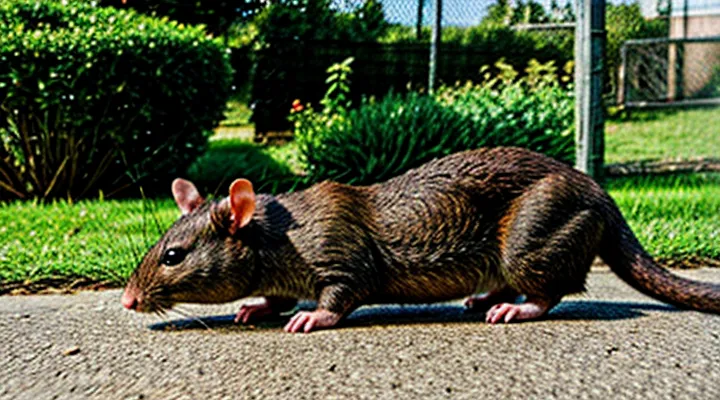
When you encounter a sizable rat, the first question is whether it is alive. Visual cues provide the quickest assessment: a moving tail, twitching whiskers, or any sign of respiration indicates life. In the absence of movement, check for a pulse at the base of the neck with gentle pressure; a faint beat confirms vitality.
If the animal appears motionless, perform a tactile test. Apply light pressure to the hindquarters; a reflexive kick or muscle contraction proves it is still breathing. Observe the chest for subtle rise and fall; even a shallow breath is detectable with close attention.
When the rat is confirmed dead, handle it with gloves and a sealed container to avoid disease transmission. Disinfect the area with a rodent‑specific sanitizer and dispose of the carcass according to local regulations.
If the rat is alive, follow these steps:
- Secure the creature using a sturdy trap or a thick cloth to prevent escape.
- Wear protective gloves and consider a mask to reduce exposure to droppings and saliva.
- Relocate the animal to an outdoor environment far from human habitation, or contact a professional wildlife removal service for humane euthanasia.
- Clean and disinfect any surfaces the rat contacted, focusing on high‑traffic zones.
Accurate identification of the rat’s status determines the appropriate safety measures and response strategy.
Safety First: Protective Gear
When confronting a large rodent, protective equipment eliminates the risk of bites, scratches, and disease transmission.
- Heavy‑duty gloves (cut‑resistant, puncture‑proof) protect hands from teeth and claws.
- Face shield or safety goggles prevent saliva or debris from contacting eyes.
- Disposable respirator (N95 or higher) blocks inhalation of droppings and urine aerosols.
- Long‑sleeved, reinforced work shirt and pants shield skin from scratches.
- Slip‑resistant boots with steel toe guard guard feet from sudden movements.
Wear each item before approaching the animal. Ensure a snug fit; loose garments can be seized and torn. Secure gloves with a double‑wrap technique to avoid exposure if the outer layer is compromised. Adjust the respirator strap for a tight seal around the nose and mouth. Verify that eye protection covers the entire field of vision.
After capture, remove gear in reverse order of application to contain contaminants. Place disposable items in sealed biohazard bags; clean reusable equipment with a disinfectant solution approved for viral and bacterial pathogens. Store cleaned gear in a dry, temperature‑controlled area until the next operation.
Secure Disposal (If Deceased)
Double Bagging Techniques
After securing a sizable rodent, the primary concern is preventing accidental release and minimizing health risks. Double bagging provides a reliable barrier by enclosing the animal in two separate, sealed containers.
- Place the rat in a sturdy, puncture‑resistant primary bag (e.g., heavy‑duty polyethylene). Remove excess air, then tie the bag securely with a knot or twist‑tie.
- Insert the sealed primary bag into a secondary bag made of a thicker material (e.g., nylon‑coated trash bag). Expel remaining air, seal the outer bag with a zip lock or strong knot, and reinforce the closure with duct tape if needed.
Select bags that meet or exceed 0.5 mm thickness to resist tearing. Ensure each seal is tight; any loose edge can compromise containment. Label the outer bag with “Biohazard – Rat” to alert waste handlers.
Wear disposable gloves and a face mask while handling the animal and bags. Perform the procedure in a well‑ventilated area, away from food preparation surfaces. After sealing, place the double‑bagged package directly into a designated wildlife‑hazard waste container for municipal pickup or licensed disposal service.
Double bagging reduces the chance of escape, contains bodily fluids, and complies with most local health regulations for rodent disposal.
Local Regulations for Disposal
When an unusually large rodent is captured, disposal must follow municipal wildlife‑control statutes to avoid legal penalties and public‑health risks.
First, determine the governing authority. City health departments, county animal‑control agencies, and state wildlife‑preservation offices each publish specific procedures. Contact information is typically available on official websites or through non‑emergency municipal phone lines.
Follow the prescribed disposal protocol:
- Report the capture to the identified agency within the required timeframe (often 24 hours). Provide species, size, location, and capture method.
- Obtain a disposal permit if the jurisdiction mandates one. The permit outlines acceptable containment, transport, and destruction methods.
- Use approved containers: sealed, puncture‑resistant bags or hard‑shelled crates labeled “hazardous wildlife.”
- Deliver the specimen to the designated collection point, such as a licensed rendering facility, animal‑control shelter, or municipal incinerator.
- Document the process with timestamps, receipt numbers, and signatures from agency personnel. Retain records for the period required by local ordinance (commonly 30 days).
Non‑compliance—such as burying the rodent on private property or discarding it in regular trash—can result in fines, citations, or liability for disease transmission. Adhering strictly to the outlined steps ensures legal conformity and protects community health.
Containment and Release (If Alive)
Choosing a Suitable Release Location
When releasing a large rat, select a site that minimizes risk to humans, pets, and the animal itself. The location must provide shelter, food sources, and a low likelihood of recapture.
- Natural habitats such as wooded areas, fields, or abandoned structures away from residential zones.
- Distance of at least 500 m from homes, schools, and food‑service establishments.
- Presence of dense vegetation or burrows that can conceal the rodent.
- Absence of toxic chemicals, heavy traffic, or predators that could cause immediate harm.
- Legal permission from local wildlife or pest‑control authorities.
Transport the animal in a secure container, keeping it calm and upright. Upon arrival, open the container at ground level, allow the rat to exit voluntarily, and retreat to a safe distance. Observe briefly to confirm the release, then leave the area promptly. This procedure reduces stress, prevents accidental injury, and supports the rodent’s chance of survival in its new environment.
Minimizing Stress to the Animal
When a large rat has been captured, reducing the animal’s stress directly influences its physiological stability and simplifies subsequent handling. Elevated stress hormones can cause rapid breathing, erratic movements, and increased risk of injury to both the rodent and the handler. Maintaining a calm state also aligns with humane practices and facilitates safe transport or release.
- Approach the animal slowly, keeping movements deliberate and predictable.
- Use a sturdy, appropriately sized trap or container to prevent escape without applying excessive force.
- Cover the enclosure with a dark cloth or cardboard to limit visual stimuli.
- Keep ambient noise low; speak in a soft, steady voice if communication is necessary.
- Maintain a temperature range comfortable for rodents (approximately 18‑24 °C).
- Limit handling time to the minimum required for assessment, relocation, or humane euthanasia.
- When moving the rat, support its body evenly to avoid pressure on the spine or limbs.
Implementing these measures lowers cortisol release, preserves the rat’s natural reflexes, and creates a controlled environment that benefits both the animal and the person responsible for its care.
Preventing Future Infestations
Identifying Entry Points
Inspecting Your Home’s Exterior
Inspect the building envelope whenever a sizable rodent is discovered inside. External weaknesses often provide the entry route, and eliminating those openings prevents future incursions.
- Examine the foundation for cracks, gaps around pipe penetrations, and deteriorated sealant. Repair with appropriate mortar or expanding foam.
- Survey the perimeter vegetation. Overgrown shrubs, vines, or trees touching the walls create ladders for rodents; trim to maintain a clear buffer zone of at least two feet.
- Inspect roof eaves, soffits, and fascia for damaged flashing, loose boards, or missing vent covers. Secure with metal mesh or sealant where needed.
- Check all exterior doors and windows for proper weatherstripping. Replace worn strips and install door sweeps that close tightly.
- Review waste storage areas. Ensure dumpsters, compost bins, and pet food containers have tight‑fitting lids and are positioned away from the building.
- Assess drainage and grading. Standing water or low‑lying soil directs rodents toward the foundation; regrade to slope away and install or clean gutters.
After identifying vulnerabilities, prioritize sealing the largest openings first, then reinforce secondary gaps. Use steel mesh or hardware cloth for vents and gaps larger than a quarter inch. Maintain regular exterior inspections, especially after severe weather, to catch new damage before rodents exploit it.
Sealing Gaps and Cracks
Sealing gaps and cracks is a critical measure when dealing with an oversized rodent that has entered a building. Proper closure eliminates the pathways that allow the animal to move between rooms, access food sources, and find nesting sites.
Identify all potential openings. Conduct a systematic walk‑through, focusing on:
- Door frames and thresholds
- Window sills and panes
- Utility penetrations (pipes, cables, vents)
- Foundation joints and basement walls
- Roof eaves and soffits
Measure each opening to determine the appropriate sealant size. Use a flexible, rodent‑resistant material such as steel‑wool, silicone caulk, or expanding polyurethane foam. For larger gaps, install metal flashing or hardware cloth before applying sealant to provide a durable barrier.
Apply sealant according to manufacturer instructions:
- Clean the surface to remove dust, debris, and grease.
- Cut back steel‑wool or mesh to fit the gap, then press it into place.
- Dispense caulk or foam, ensuring full coverage around the filler.
- Smooth the sealant with a putty knife or gloved finger to eliminate air pockets.
- Allow the product to cure completely before restoring traffic or re‑installing fixtures.
Inspect sealed areas regularly. Look for signs of wear, new cracks, or rodent activity. Promptly repair any deterioration to maintain an airtight envelope that prevents re‑entry.
Eliminating Food and Water Sources
Proper Food Storage
Proper food storage is essential when confronting a sizable rodent, because unsecured provisions provide a persistent food source that encourages repeated incursions. Eliminating accessible nutrition reduces the animal’s motivation to remain in the area and simplifies removal efforts.
- Use airtight, rigid containers made of metal or heavy-duty plastic; seal lids tightly after each use.
- Store dry goods, pet food, and waste in compartments that cannot be chewed through.
- Place containers on elevated surfaces, away from walls and potential entry points.
Label each container with the date of purchase and adopt a first‑in, first‑out system to prevent spoilage. Regularly inspect seals for damage and replace compromised containers promptly.
Maintain a strict cleaning schedule: sweep floors, wipe surfaces, and vacuum crumbs daily; dispose of trash in bins with secure lids that close automatically. Remove leftover food from workspaces and dining areas immediately after meals. By controlling food availability through these measures, the risk of a large rodent returning is substantially lowered, supporting effective handling and long‑term prevention.
Addressing Leaks and Moisture
A large rat often seeks shelter in damp areas where water leaks create a comfortable habitat. Moisture attracts insects and provides a water source, encouraging the rodent to stay and reproduce.
- Locate all visible leaks: check pipes, roof joints, gutters, and foundation cracks.
- Repair damaged sections promptly with appropriate sealants or replacement parts.
- Dry affected zones using fans, heaters, or dehumidifiers until humidity falls below 50 % relative humidity.
- Apply waterproof barriers such as sealant strips, vapor barriers, or exterior coatings to prevent future infiltration.
- Inspect drainage systems regularly; clear clogs and ensure water flows away from the building foundation.
After repairs, monitor the area for residual dampness. Use a hygrometer to verify stable humidity levels. Persistent moisture indicates hidden leaks that require further investigation.
Eliminating leaks and maintaining dry conditions remove a primary incentive for a big rodent to occupy the space, making subsequent trapping or exclusion measures more effective.
Sanctuary Measures
Rodent-Proofing Your Yard
Rodent-proofing a yard begins with eliminating shelter and food sources that attract large rats. Trim vegetation so that grass does not exceed three inches, and remove dense ground cover where rodents can hide. Store compost in sealed containers and keep garbage bins tightly closed.
- Seal all gaps in foundation, crawl spaces, and utility openings with steel wool or metal flashing.
- Install a solid fence at least 12 inches high, burying the bottom 6 inches underground to prevent burrowing.
- Place a perimeter of metal or concrete edging around garden beds; smooth surfaces deter climbing.
- Use motion-activated lights or ultrasonic deterrents along pathways and near structures.
- Distribute bait stations or snap traps strategically, focusing on known travel routes, while following safety guidelines.
Maintain a regular inspection schedule. Walk the perimeter weekly to spot fresh gnaw marks, burrows, or droppings. Repair any new openings promptly. Keep pet food indoors and clean up fallen fruit or seeds after storms. By consistently removing habitat, securing entry points, and employing deterrent devices, the yard becomes inhospitable to oversized rodents, reducing the likelihood of future encounters.
Natural Deterrents
A sizable rodent captured in a home or outbuilding signals the need for preventive measures that rely on natural properties rather than chemicals or traps.
- Peppermint oil applied to cotton balls and placed near entry points creates an odor rodents find intolerable.
- Citrus peels, especially from oranges or lemons, scattered around potential nesting sites deter foraging.
- Ground cloves or clove oil sprayed on surfaces disrupts the animal’s sense of smell.
- Fresh garlic cloves positioned in gaps emit a pungent scent that discourages activity.
- Predator scent products, such as fox or ferret urine, mimic the presence of natural enemies.
- Dried rosemary or eucalyptus leaves placed in cupboards or attic corners produce a strong aroma that repels rodents.
For each deterrent, ensure the material remains moist or volatile: reapply peppermint oil weekly, replace citrus peels every few days, and refresh garlic and clove placements as the scent fades. Keep predator scent sources sealed until use to preserve potency. Distribute items evenly around doors, windows, vents, and any openings that could serve as access routes.
Consistent deployment of these natural repellents reduces the likelihood of a large rat returning, maintaining a rodent‑free environment without reliance on synthetic poisons or mechanical traps.
Professional Pest Control
When to Call an Expert
Capturing a sizable rat often raises safety and health concerns that exceed what a homeowner can manage alone. Recognizing the limits of personal intervention prevents injury, property damage, and disease transmission.
- The animal displays aggressive behavior, attempts to bite, or repeatedly evades capture.
- Visible injuries, such as deep wounds or broken teeth, suggest the rat may be in pain and could act unpredictably.
- The rodent is larger than typical city rats, indicating potential species differences that require specialized knowledge.
- Presence of droppings, urine, or nesting material in confined spaces (e.g., attics, crawl spaces) creates a high risk of pathogen spread.
- Legal restrictions apply, such as protected species status or local wildlife regulations, making unauthorized removal illegal.
- Attempts at removal have failed repeatedly despite using appropriate traps and protective gear.
When any of these conditions are present, contact a licensed pest‑control operator, a wildlife rehabilitator, or a veterinarian experienced with rodents. Professionals bring certified equipment, knowledge of local regulations, and protocols for humane disposal or relocation. They also provide guidance on sanitizing the affected area and preventing future infestations.
Choosing the right expert involves verifying credentials, confirming insurance coverage, and requesting a written plan that outlines safety measures, containment procedures, and post‑removal cleanup. Prompt engagement with qualified personnel minimizes health risks and ensures compliance with public‑health standards.
Long-Term Prevention Strategies
When a sizable rat appears, eliminating the animal does not guarantee future safety; lasting control depends on systematic prevention.
Maintain a clean environment by removing food sources and eliminating moisture. Store garbage in sealed containers, clean spills promptly, and keep compost piles distant from structures.
- Seal cracks, gaps, and utility openings no larger than a quarter‑inch.
- Install door sweeps and weather stripping on all exterior doors.
- Repair damaged screens and vent covers.
Adopt a regular monitoring program. Place snap or electronic traps along known travel routes, check them weekly, and record capture data to identify activity patterns. Conduct quarterly inspections of the building envelope, focusing on roof eaves, soffits, and foundation walls.
Engage occupants in preventive practices. Provide clear instructions on waste handling, discourage feeding wildlife, and schedule periodic training sessions on identifying signs of rodent ingress.
Combine sanitation, exclusion, surveillance, and education to create a resilient barrier that discourages large rodents from re‑establishing a presence.